
Electric Vehicles (EVs) have been growing in popularity over the past decade. This has been due partly to the promise of low running costs and lucrative state and federal incentives. This rapid shift towards electric mobility has created a burgeoning second-hand market, and demand for new EVs continues to be strong despite reduced incentives.
But for many buyers, the deciding factor isn’t just the sticker price, but how much that value will erode over a typical 3-to-5-year ownership cycle. While EVs have historically faced steep depreciation due to fast-moving technology, more recent data shows the gap is beginning to stabilize as the market matures.
The 3-to-5 Year Depreciation Gap
One Lap/YouTube
According to data from Recurrent Auto and Recharged, the resale value of a vehicle is heavily influenced by what is termed as “perceived obsolescence.” With a regular gas-powered vehicle, a 5-year-old car is considered mechanically similar to a brand-new one. However, in the EV world, a 5-year gap can mean a significant difference in performance, design language, charging speeds and battery range.
On average, gas-powered cars lose roughly 40% to 50% of their value after five years. In contrast, EVs have traditionally seen losses closer to 55% to 70% over the same period. However, the gap is shrinking; as new EV prices stabilize and battery health becomes easier for buyers to verify, the sharp initial depreciation for electric cars is beginning to flatten.
The table below illustrates the estimated value retention for mid-range vehicles originally purchased for approximately $45,000.
| Vehicle Type | New Price | Value After 3 Years | Value After 5 Years | Avg. Depreciation After 5 Years |
| Electric Vehicle (EV) | $45,000 | $22,500 – $24,750 | $13,500 – $20,250 | 55% – 70% |
| Gas-Powered (ICE) | $45,000 | $24,750 – $27,000 | $22,500 – $27,000 | 40% – 50% |
Factors Driving EV Resale Trends
BMW
There are a few variables that have a strong influence how an EV holds its value:
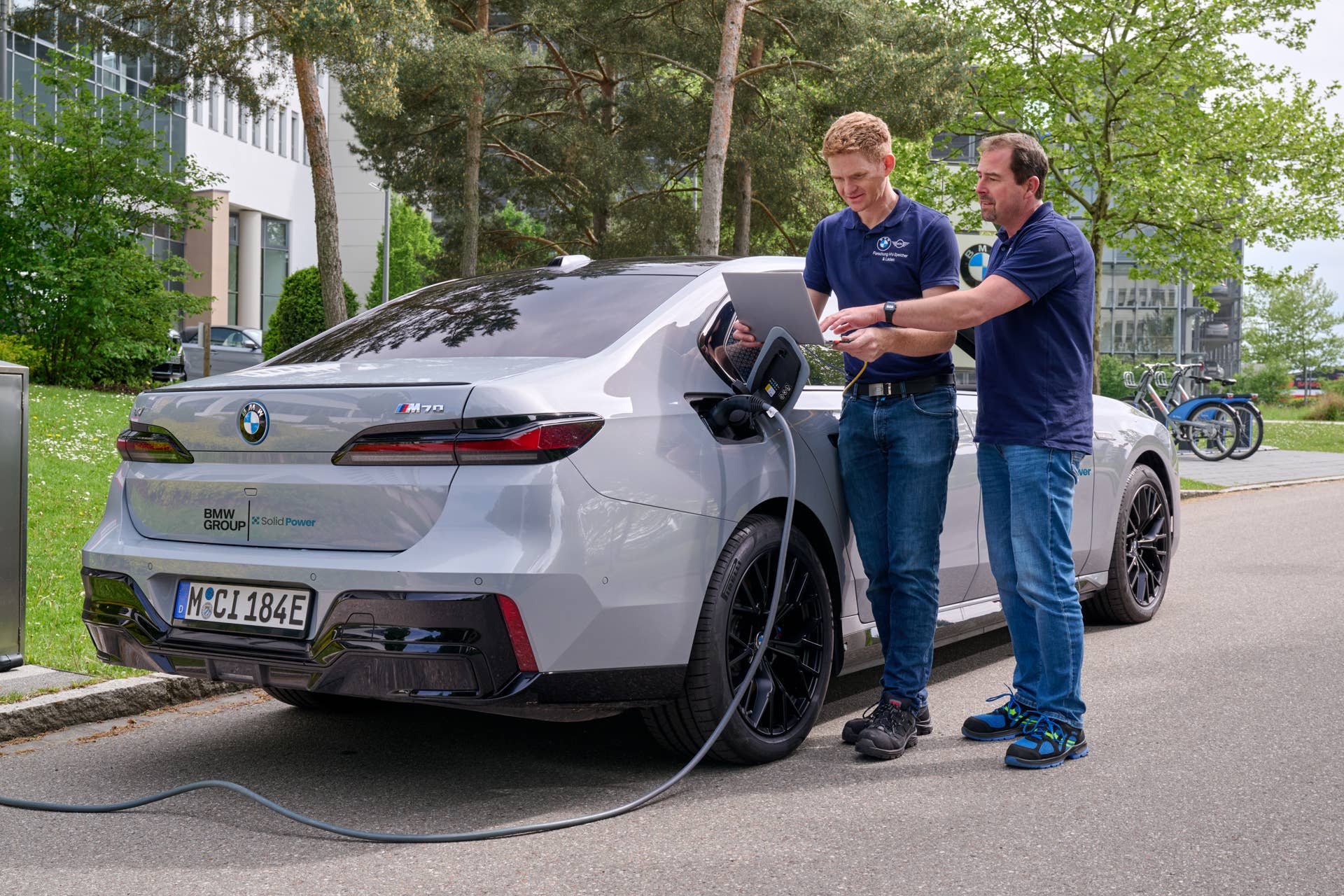
- Battery Health: Unlike a gas engine, where mileage is the primary indicator of wear, an EV’s value is dictated by the State of Health (SoH) of the battery pack. A well-maintained battery can help an EV retain its value compared to one that has not been cared for as well. EVs still within their manufacturer battery warranty period (usually 8 years/100,000 miles) will also be considered more desirable.
- Technological Developments: Rapid improvements in range and performance can make older EV models less desirable. This is true of gas-powered cars as well, but EV tech is developing at a far faster pace at the moment.
- New Car Incentives: When manufacturers slash prices on new EVs or there are tax credits or incentives on offer, the resale value of existing used models often drops in line with these incentives to remain competitive.
Maintenance and Running Costs: The Equalizer

Getty Images
While depreciation may favor gas cars, factoring in the total cost of ownership often swings things back in the EV’s favor as they have significantly lower operating expenses. Over a 5-year period, an EV owner typically spends 30% to 40% less on maintenance. Gas cars require regular oil changes, spark plug replacements, and over time they may need replacement exhaust systems, timing belts and other high-ticket parts. None of this applies to an EV, your biggest expenses will be tires, and brake pads, and an EV’s regenerative braking makes pad and rotor changes very infrequent.
While accurate estimates across a broad range of makes and models aren’t possible, the figures below provide a rough idea of what the ownership costs are for both EV and gas vehicles over 5 years using the average repair, consumption and depreciation figures:
| Cost Category | Electric Vehicle (EV) | Gas-Powered (ICE) |
| Servicing + Maintenance | $1,125 | $6,750 |
| Gas/Electricity | $3,000* | $9,375** |
| Depreciation | $24,750*** | $16,875*** |
| 5-Year Operating Cost | $28,875 | $33,000 |
*EV charging assumes a 20kWh/100 mile average and home charging at $0.16/kWh
**Gas costs are based on 28 MPG average and $3,50/gallon
***Based on an initial purchase price of $45,000 including all taxes, incentives and charges
Please note: Insurance costs were not included in this calculation.
EV or ICE
Porsche
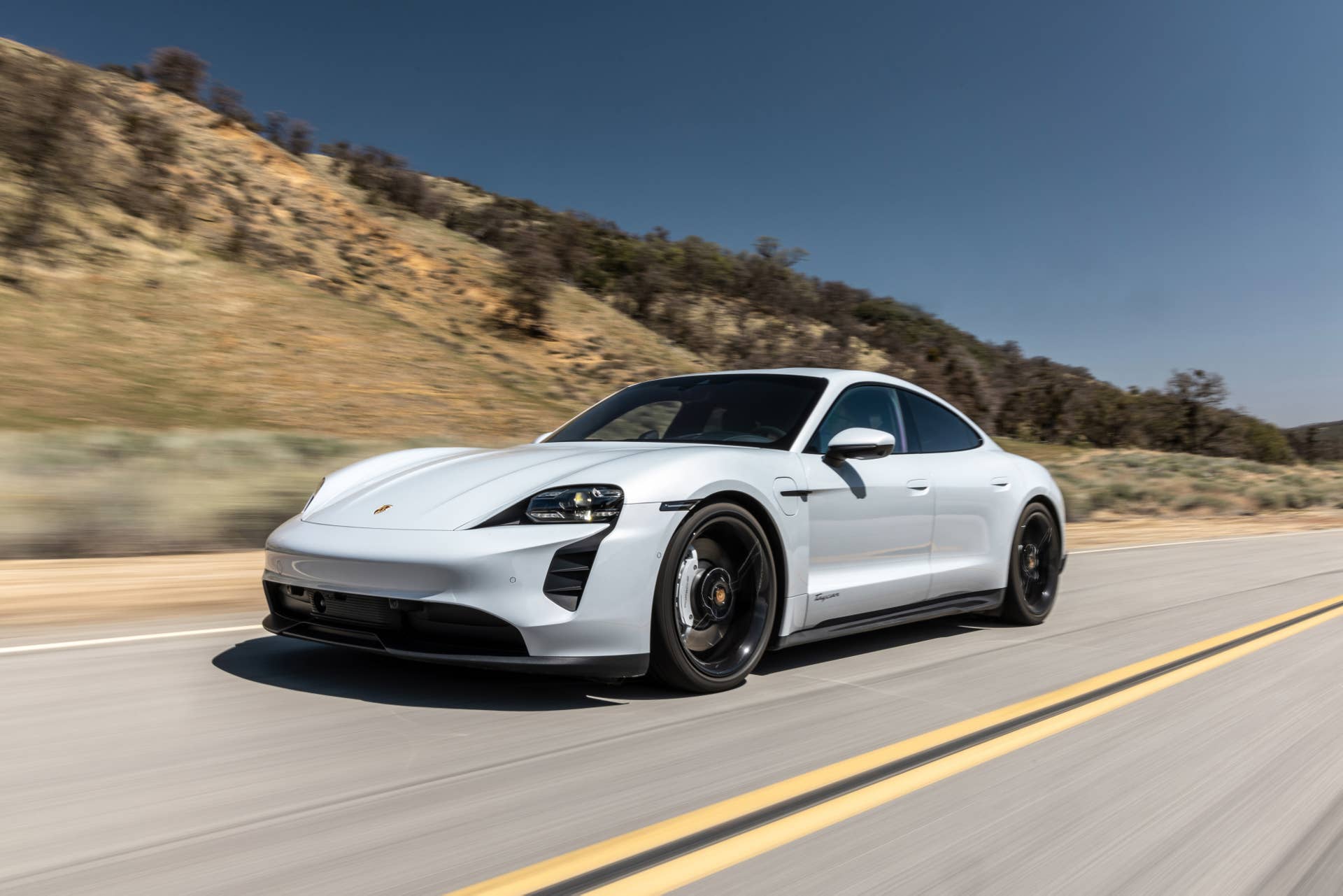
Based on these average figures, over five years, the cost of owning a gas-powered car may end up being higher than running a similarly-priced EV. Of course, factors like annual driving distance, fuel costs and vehicle type will all have an influence on these numbers, and the initial purchase price will also have a bearing on the total depreciation figure. The maintenance costs can also vary greatly for gas cars depending on whether they are family sedans or pricey sports cars. the figure above takes an average across all types.
As it stands, if you do lots of mileage, especially short trips, and can charge at home, an EV may be the better choice. Especially a 2–3-year-old one where the first owner has taken the first depreciation hit.
If you do lower annual mileages, need to park on the street, or don’t have access to a home charger, and prefer to change your cars more often, a gas-powered car could cost you less. And if you have budget constraints, but still want a new car, a new entry-level gas car is still way more affordable. The final decision really depends on your specific use case, but don’t dismiss an EV out of hand just because it has steeper depreciation, the true cost of ownership is always in the details.
About the author

John Tallodi
Senior Editor