

Making Every Kilowatt Count
Ford is following through on its promise to offer a sub-$30,000 electric pickup truck with the Fathom. It promises the utility of a truck running solely on electricity without breaking the bank amid a more challenging EV market in the U.S. But aside from affordability at the dealership, the Blue Oval brand wants the Fathom to help owners save on electricity bills through bidirectional charging.
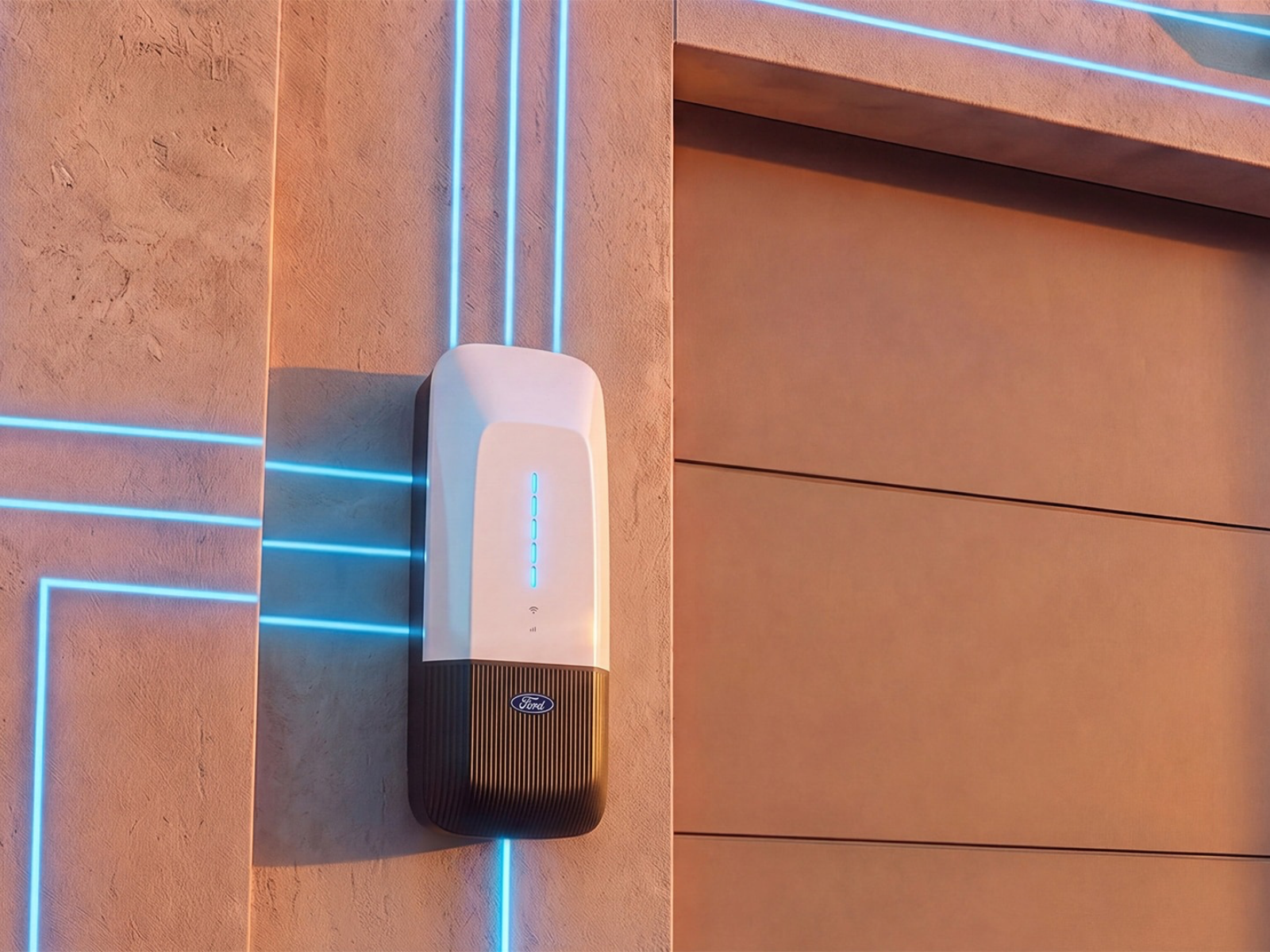
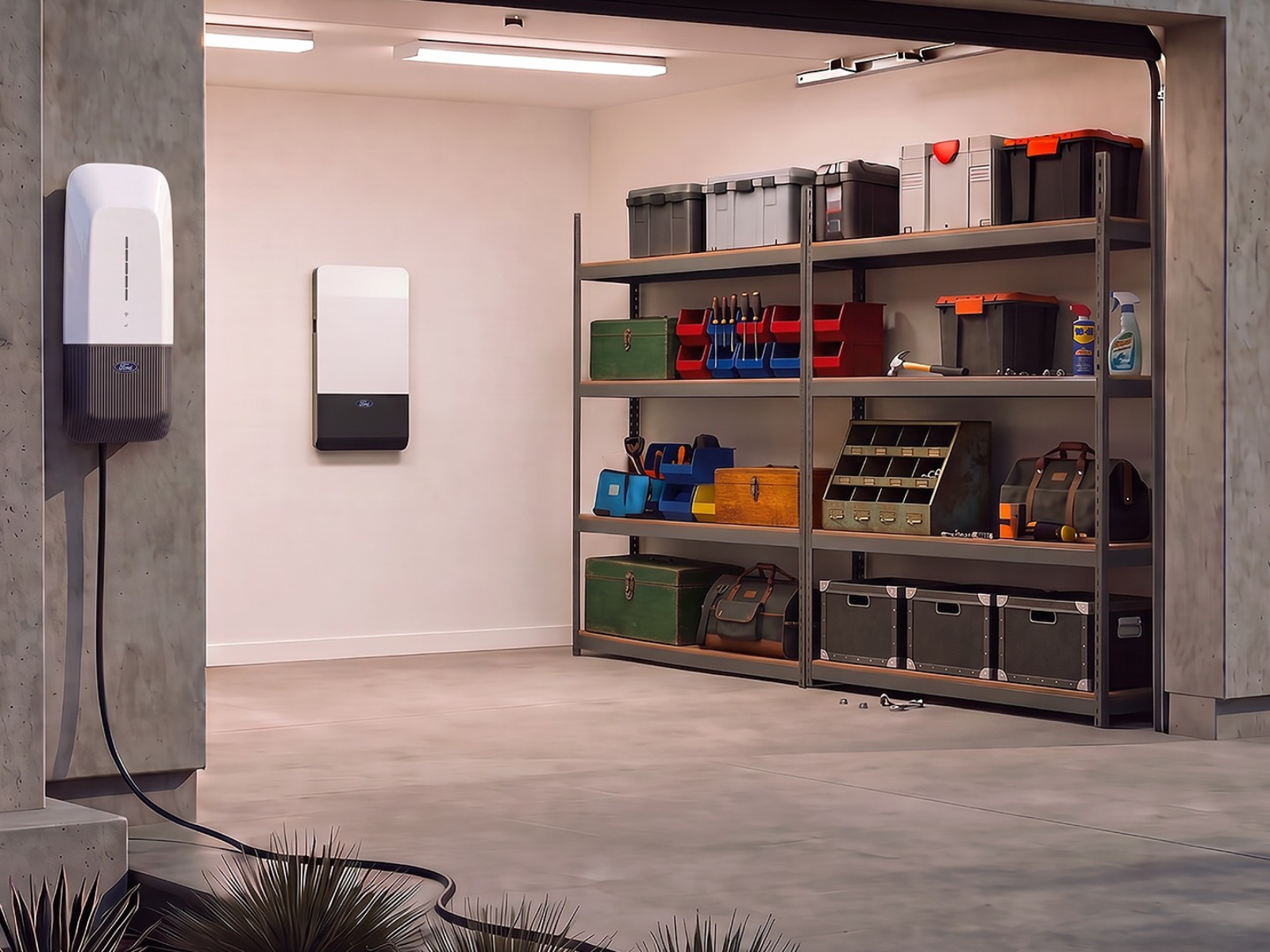
What sets the Fathom’s bidirectional charging apart is that the EV truck comes with a built-in inverter, something the now-discontinued F-150 Lightning didn’t have, requiring an external inverter system instead. The inverter converts DC power from the high-voltage battery into AC power used in homes. Ford also expects about 50% cheaper home chargers and at least 60% cheaper home backup hardware compared to its first-generation systems, lowering the barrier to entry for bidirectional charging.
Ford
Keeping the Lights On
Ford hasn’t disclosed specific electricity bill savings for the Fathom yet. For reference, the F-150 Lightning required $5,205 in hardware costs for the Ford Charge Station Pro and Home Integration System, excluding installation. The automaker also hasn’t released the Fathom’s full specifications, though its bidirectional charging system is projected to deliver more than 10 kW of power.

Bidirectional charging can work in two primary ways: home power management and home backup power. Home power management allows the system to use energy from the truck during peak hours when electricity costs are higher, and recharge the truck when electricity costs are lower. Meanwhile, home backup power can automatically power homes during an outage, serving as a cleaner and quieter alternative to traditional gas or diesel generators.
Ford
A Cheaper Ticket to Home Backup
But right now, Ford still has to work with utility companies to make bidirectional charging more accessible. The automaker formed a working group with five utilities in July 2026 to simplify the approval process, particularly by distinguishing between owners who use their trucks solely for isolated home backup power and those who operate bidirectional systems while connected to the grid. With more than 3,000 utilities operating across the U.S. and Canada, each with different requirements, widespread adoption could still face regulatory hurdles.
Still, the proposition of an affordable truck offering more affordable bidirectional charging could be something to look forward to. The 2027 Chevrolet Bolt, which also has a starting price under $30,000, supports vehicle-to-home (V2H) bidirectional charging but requires a separate inverter at home. The Tesla Cybertruck is another EV with a built-in inverter, but it doesn’t offer the same affordability, with a starting price of $74,990.



About the author

Rex Sanchez
News Editor