

MSRP: $28,550
Use the table of contents to jump to a section
Overview
The 2026 Toyota Prius is the most convincing version of Toyota’s iconic hybrid yet, because it no longer asks buyers to choose between efficiency and desirability. This fifth-generation Toyota Prius keeps the sleek, low-slung shape introduced with the current redesign, pairs it with stronger performance than older Priuses ever delivered, and still posts standout EPA fuel-economy numbers. In front-wheel-drive form, Toyota’s hybrid system makes 194 horsepower; adding available all-wheel drive bumps output slightly to 196 hp. Either way, the Prius feels quick enough for modern traffic and confident enough on a twisty road, while remaining laser-focused on sipping fuel. There’s also a 220-hp Prius PHEV on offer.
Like its predecessor, the 2026 Prius comes with all the things a commuter would like. The entry-level grade comes with an eight-inch touchscreen infotainment unit with wireless Apple CarPlay and Android Auto. For the XLE and the Nightshade trims, customers can opt for a 12.3-inch display, which is standard for the Limited. In terms of safety, all versions feature Toyota Safety Sense 3.0 driver-assist tech.

What’s New for 2026
Not much changes, and that’s the point. The 2026 Toyota Prius carries over with the same core package, trim walk, and mechanical setup as the previous model year. The lineup still includes four trims: LE, XLE, Nightshade, and Limited. As a result, customers can pick how sporty or upscale they want their Toyota Prius to feel without stepping outside the hybrid formula. For 2026, the Nightshade package is expanded to the Prius PHEV.
In Nightshade clothing, the Prius is transformed. Instead of a bland-looking commuter vehicle, it becomes a more aggressive one. Its assertive image is emphasized by the unique for the grade color Karashi, which is a yellow-metallic shade. Surprisingly, this one is not available on the Limited trim. The other two colors offered for the Nightshade are the Midnight Black Metallic and Wind Chill Pearl.

toyota
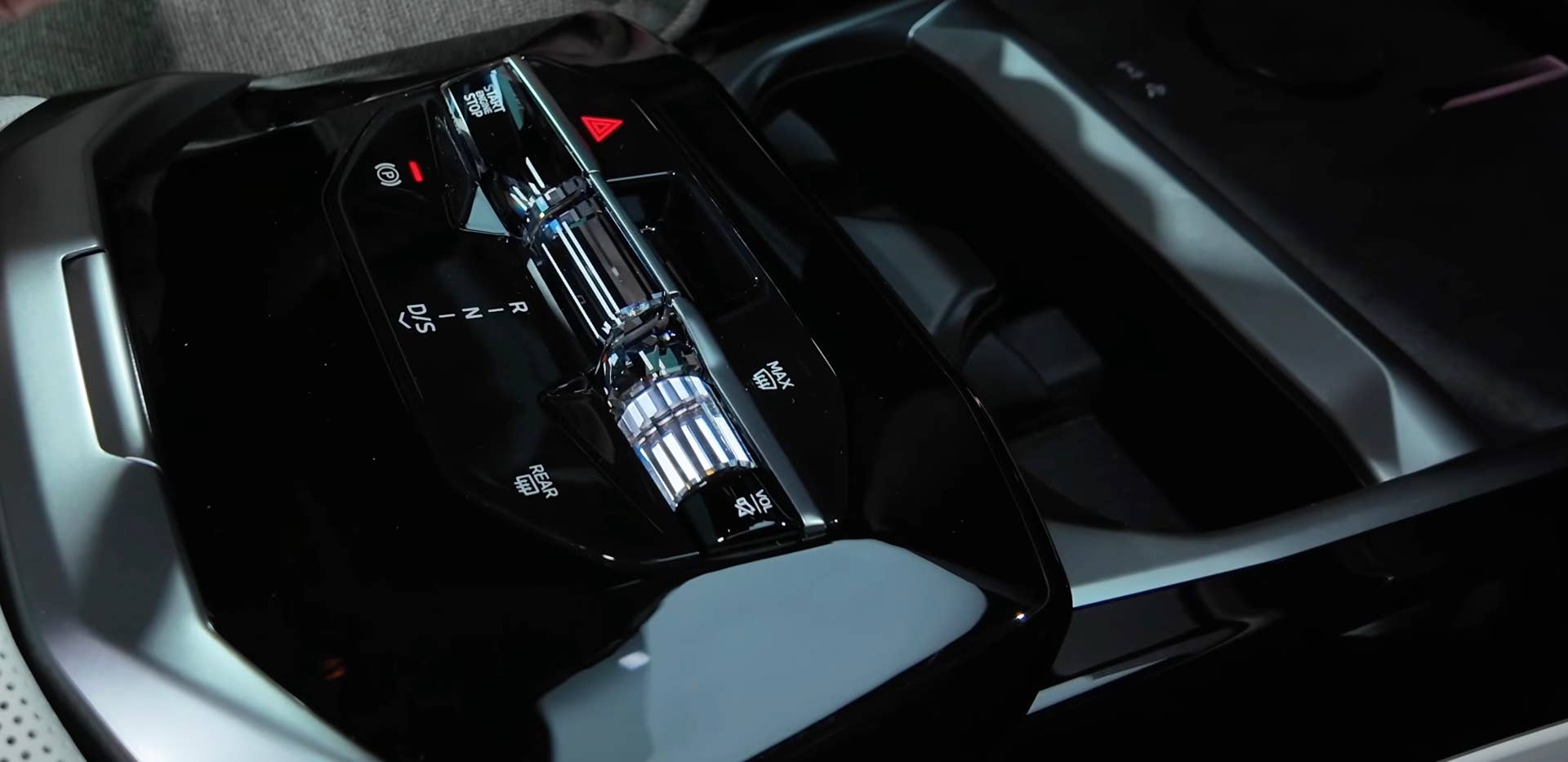
Autogefuel/YouTube
toyota
Exterior
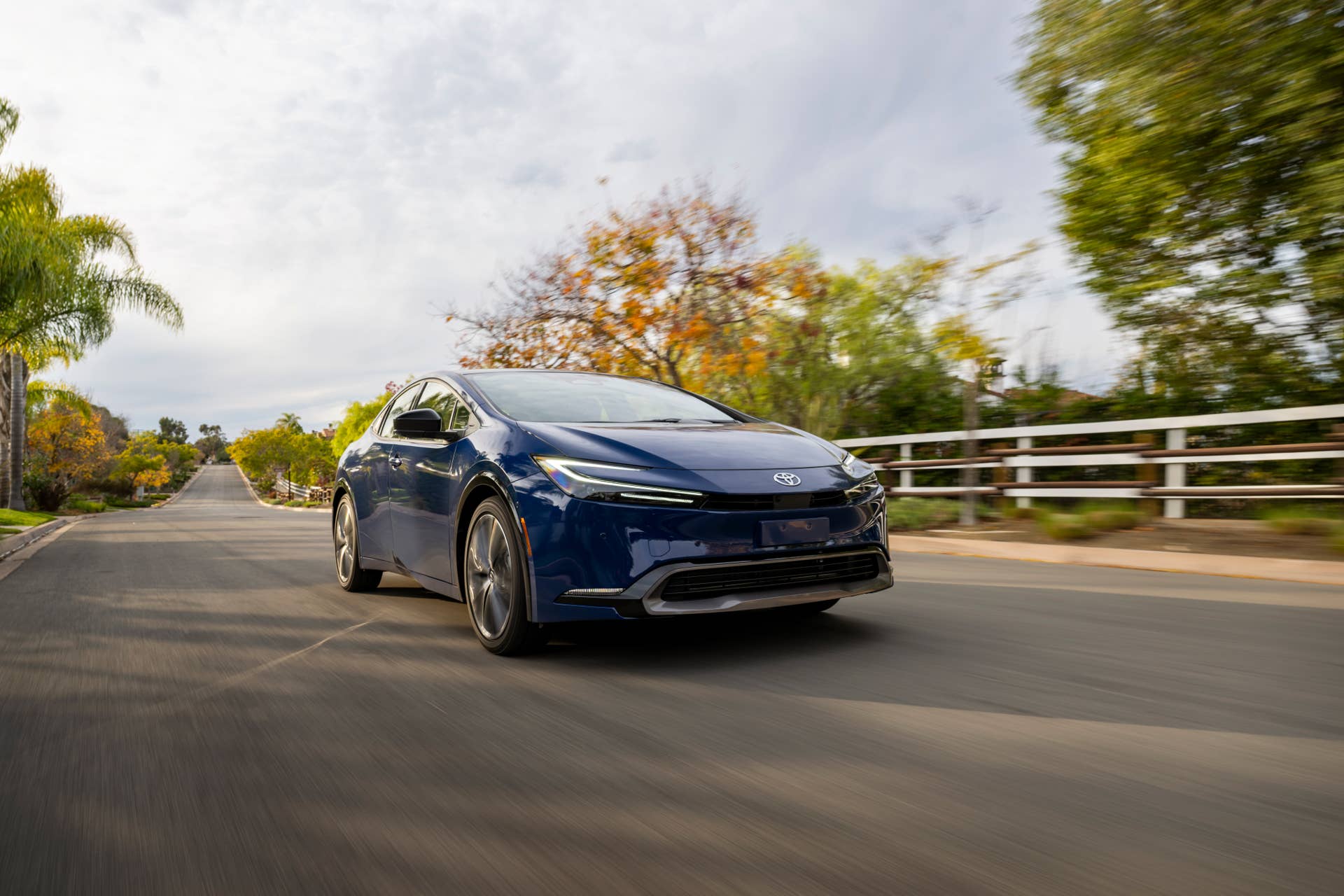
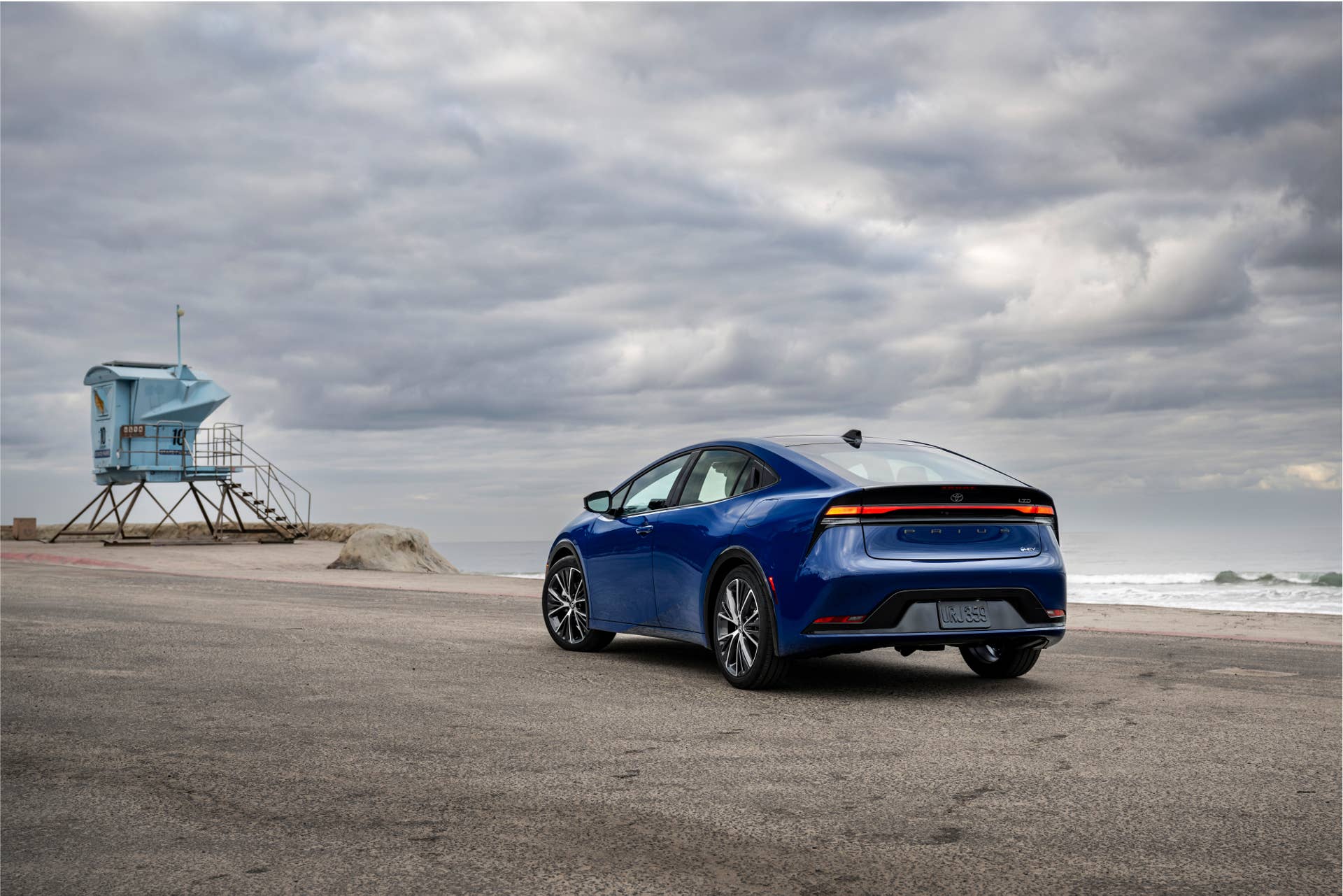
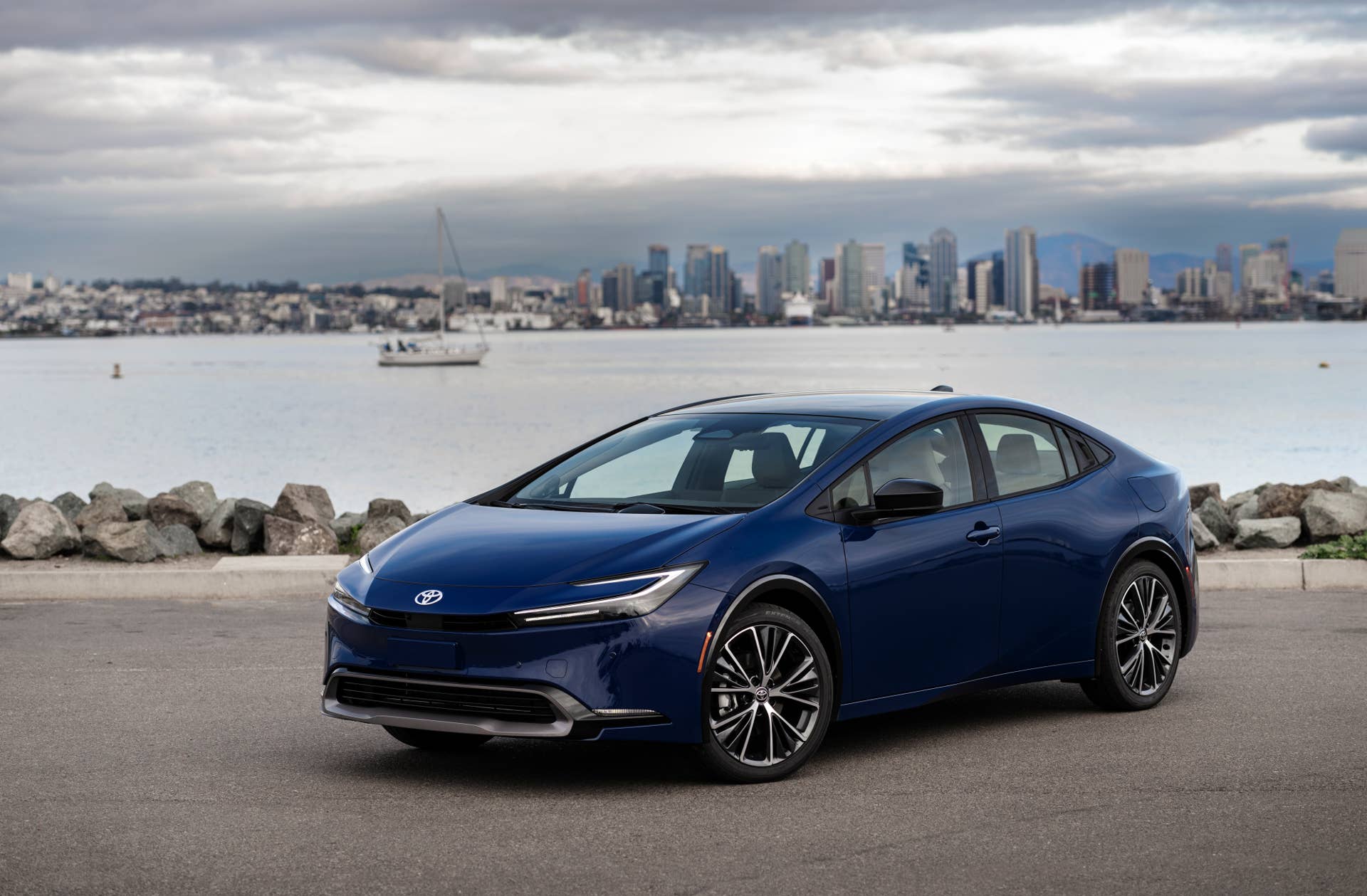
When Toyota created the fifth-generation Prius, it made the vehicle much more attractive. Gone are the bland-looking headlights and drab frontal aspect. Instead, the car comes with a sportier image, sharp lines, and clean surfaces. At the front, the 2026 Prius features slim LED headlights that give the hatchback a more assertive appearance. At the back, the full-width taillights make the car look wider and more planted.
Wheel choice helps define the look and the mission. The LE rides on 17-inch wheels to maximize efficiency, while XLE, Nightshade, and Limited trims use larger 19-inch wheels for a more four-square stance and a more premium curb appeal. If you want the sharpest visual punch without going all-in on luxury extras, the Nightshade trim is the sweet spot in the style department because its dark trim treatment suits the Prius’ newfound athletic silhouette.
Interior
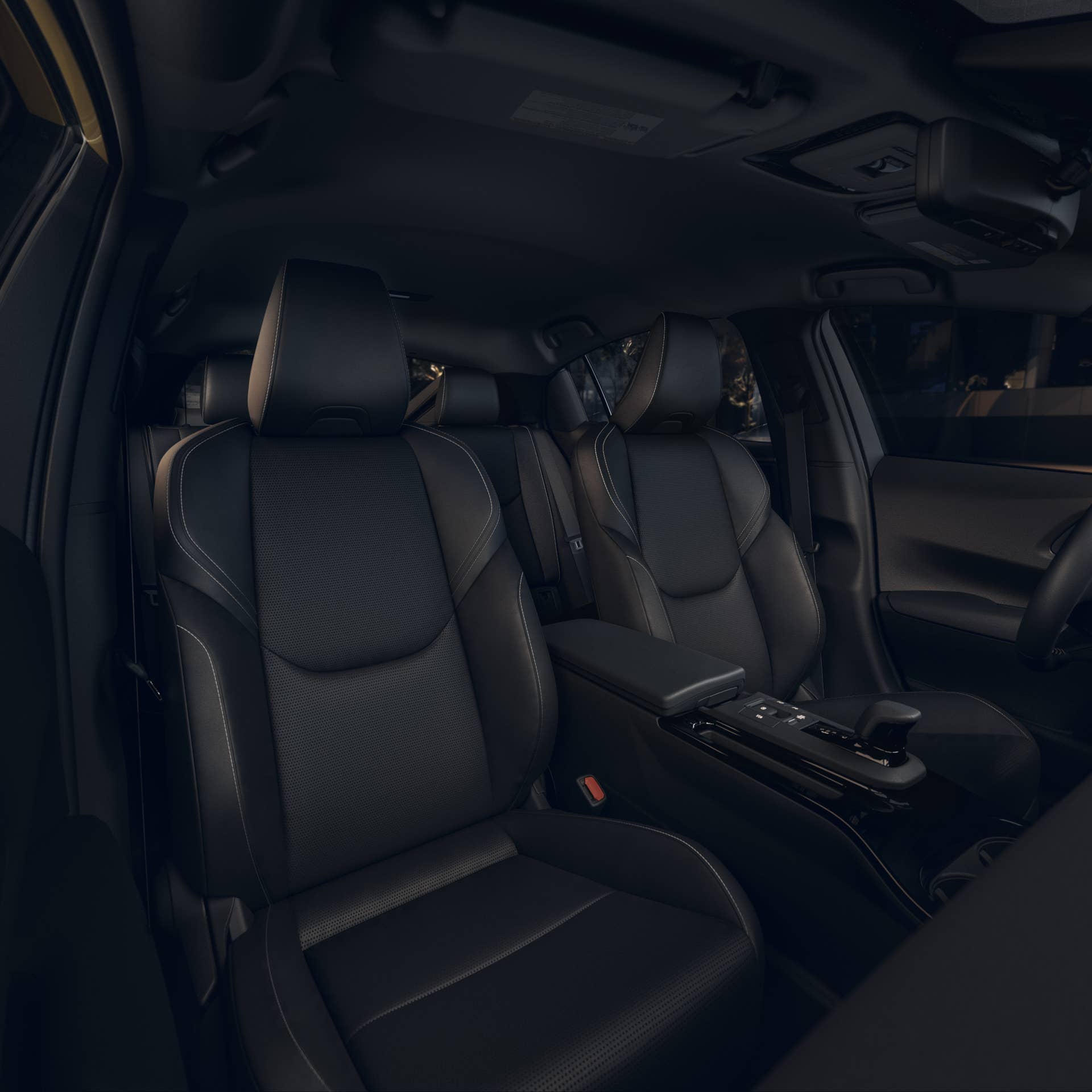
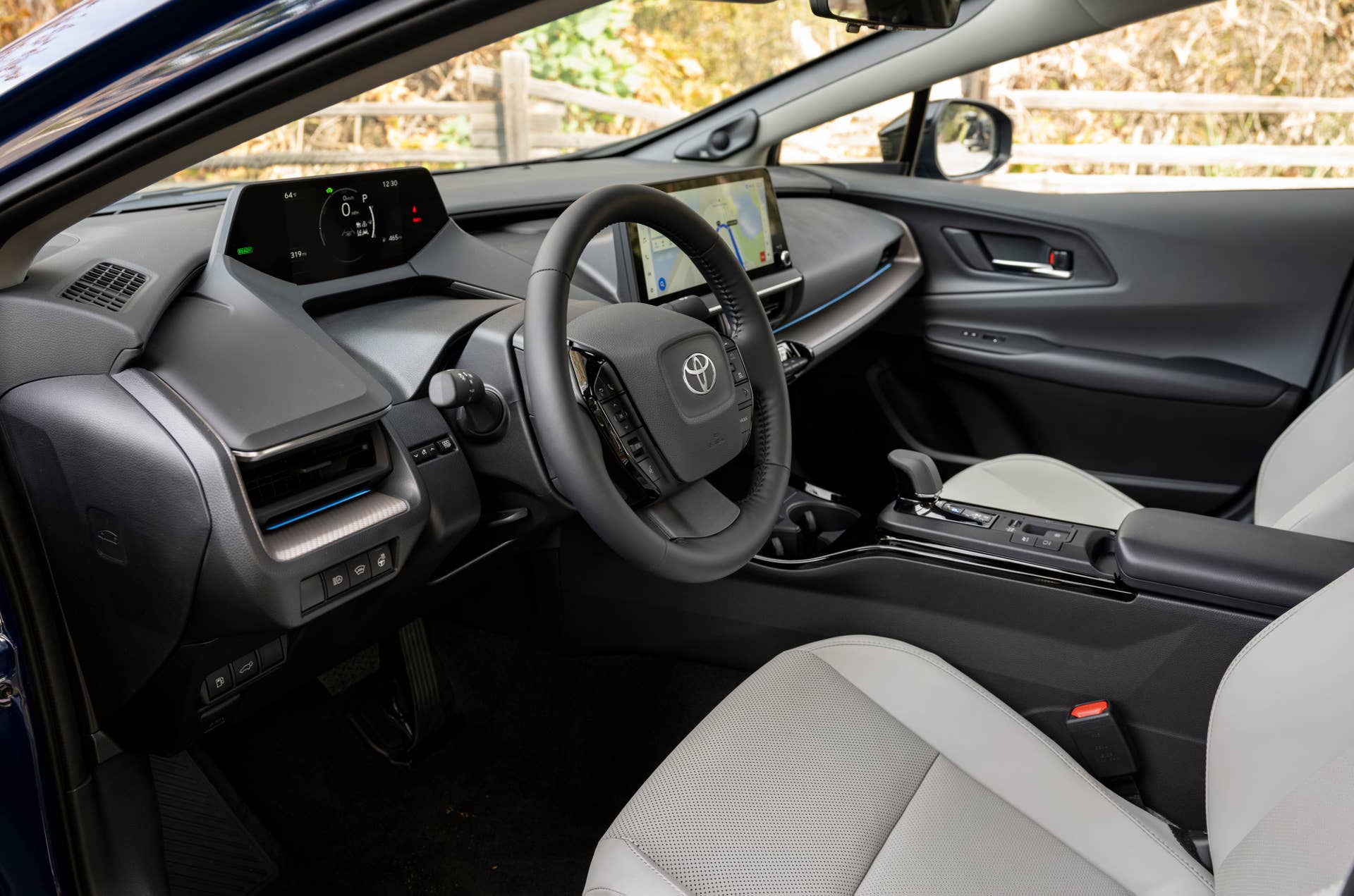
Inside, Toyota takes a more traditional route than the exterior suggests, but it’s mostly a win for daily driving. The 2026 Prius puts a strong emphasis on the driver, with controls laid out logically and a clean dash design that feels modern without being distracting. The one ergonomic quirk is the digital gauge cluster’s placement: it sits in a position that can require repeated steering wheel adjustment to get the best sightline, especially if you like the wheel higher.
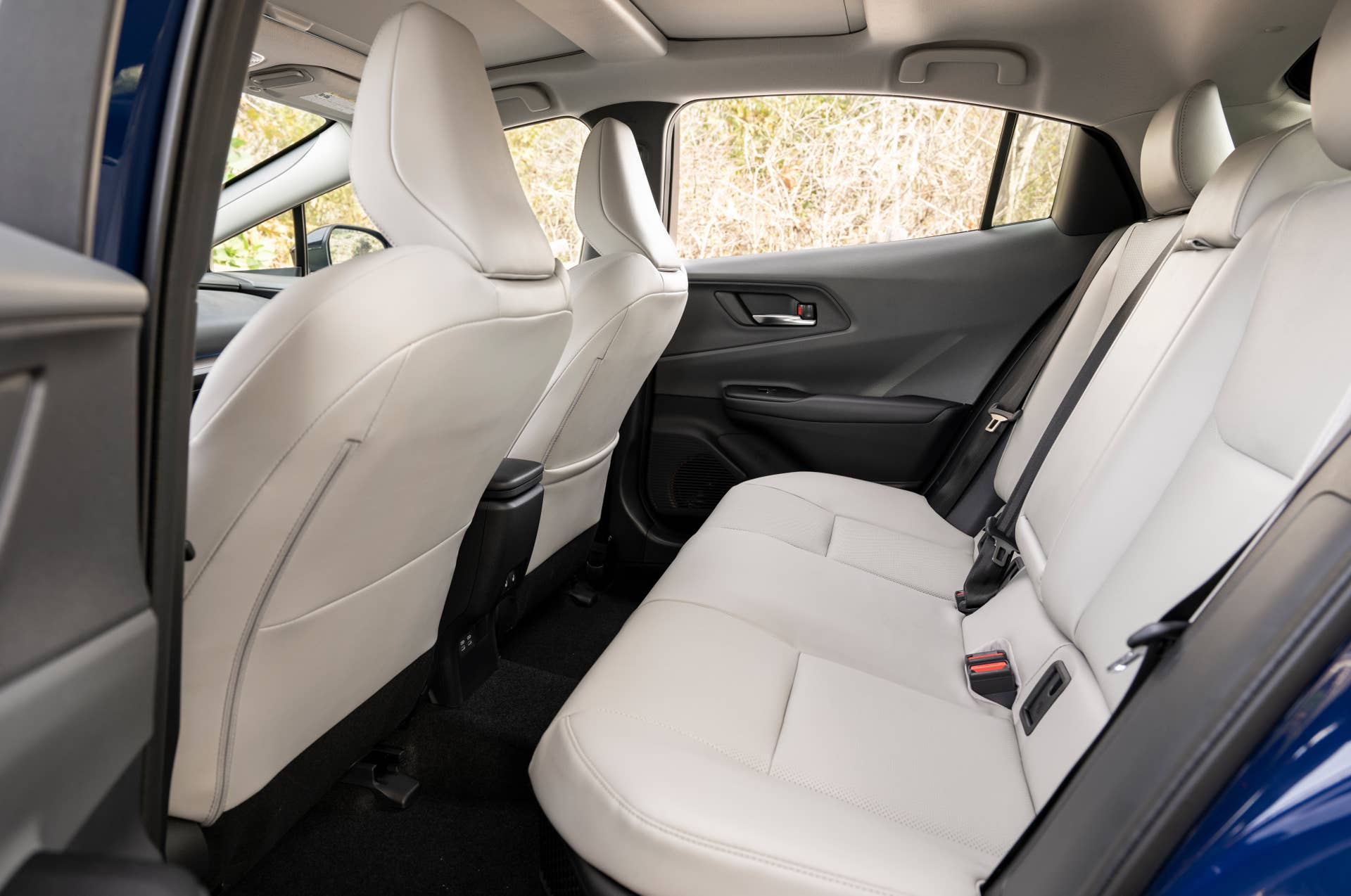
Feature availability scales nicely with trim. Higher grades bring amenities such as heated seating surfaces, a heated steering wheel, SofTex-style synthetic leather upholstery, and a larger touchscreen option for buyers who want a more tech-forward cabin experience. Up front, space feels ample for most adults; in back, the stylish roofline that makes the Prius look so good does take a bite out of rear headroom. It’s the classic trade-off: sleeker silhouette, slightly tighter rear-seat airiness.
Price Range and Best Value Trim
Here’s the pricing snapshot you’ll care about if you’re scanning for the 2026 Toyota Prius price spread and where the value sits.
| Category | Trim | Price |
| Base trim | LE | $28,550 |
| Top trim | Limited | $35,565 |
| PHEV XSE Premium | $40,470 | |
| Best value trim | XLE | $31,995 |
The XLE is the value play because it lands in the sweet spot between “bare-bones commuter” and “fully loaded.” It adds meaningful comfort and convenience upgrades and delivers a more upscale vibe, while still keeping fuel economy impressively high. The Nightshade is the looker of the family, and it’s worth the bump if you want that dark-trim attitude without paying Limited money. In addition, if you want AWD, that will add $1,400 to the 2026 Toyota Prius’ price, regardless of the grade. The FWD PHEV powertrain adds around $5K to a regular FWD Prius’ price.
2026 Toyota Prius Specs Overview
This section summarizes what matters most: the hybrid system’s output, drivetrain choices, and the EPA numbers that make the 2026 Toyota Prius compact hatchback such a standout in the hybrid space. Besides the hybrid version, the Prius is also available with a plug-in hybrid drivetrain that comes with a different type of battery. It also has a total output of 220 ponies. Like its regular hybrid sibling, it is available with front- or all-wheel-drive.
Powertrain and Battery Options
| Powertrain type | Motor output (hp) | System horsepower | Battery capacity (kWh) | Drivetrain |
| Hybrid (FWD) | Electric motors + 150 hp gas engine | 194 | 0.5 (estimated) | Front-wheel drive |
| Hybrid (AWD) | Electric motors + 150 hp gas engine | 196 | 0.5 (estimated) | All-wheel drive |
| PHEV FWD | Electric motors + 150 hp gas engine | 220 | 13.6 | Front-wheel drive |
Range and Efficiency (MPGe / MPG / Electric Range)
Fuel economy varies mostly by wheels and drivetrain. If you’re chasing max efficiency, the LE with front-wheel drive is the headline act with EPA city/highway/combined figures of 57/56/57 mpg, with the AWD variant dropping slightly to 53/54/54 mpg. The XLE and Limited, with their bigger wheels, return 52/52/52 mpg with FWD and 49/50/49 mpg with AWD, but have their perks in terms of styling. The PHEV adds more versatility and an all-electric range of 40-45 miles and 114-127 MPGe combined in hybrid mode and 48-52 mpg in gas mode.
Charging
The Prius is a conventional hybrid here, so you don’t plug it in. It charges itself through regenerative braking and everyday driving, and you refuel it like any gas car. The standard Prius hybrid focuses on simplicity: no charging routine, no home setup, no hunting for a station; just drive. However, Toyota also offers the 2026 Prius in a plug-in hybrid version, which offers more power and might be a better solution if you have a charging port in your garage. Charging the PHEV’s 13.6-kWh battery takes about four hours on a 240-V outlet and 11 hours on a 120-V outlet.
Performance and 0-60 MPH
The 2026 Toyota Prius doesn’t look or feel like it’s apologizing for being on the road, and a few compact cars might struggle keep up with it while accelerating on a ramp. It has enough grunt to overtake confidently and has no problem keeping up with some hot hatches. The FWD Prius accelerates to 60 mph in about 7.1-7.7 seconds, depending on the trim and testing conditions, while the AWD should be very close to seven seconds dead, so it’s a rocket compared to the fourth-generation Prius that could barely get under ten seconds for the same test. The PHEV is even quicker, at about 6.4-6.7 seconds. Another improvement over the previous generation of the Prius is the lower center of gravity, which helps the hatchback during high-speed cornering maneuvers.

Dimensions
With its compact footprint, the 2026 Toyota Prius is easy to park almost anywhere. However, keep in mind that its height varies depending on the grade. The LE sits lower, while the rest of the range is slightly taller.
| Dimension | Measurement |
| Length | 181.1 in |
| Width | 70.2 in |
| Height | 55.9-56.3 in |
| Wheelbase | 108.3 in |
Toyota created the Prius to be a pleasant companion in daily traffic situations, and the fifth generation of this nameplate confirms it. It is simple to maneuver in parking lots and still has a cabin that provides all the features a commuter car needs.
Interior Space (Front and Rear)
| Space | Measurement |
| Front headroom | 36.4-38 inches |
| Front legroom | 43.2 inches |
| Rear headroom | 36.4 inches |
| Rear legroom | 34.8 inches |
| Passenger volume | 91.2 cu-ft |
Cargo Space
Cargo capacity is another Prius strength, especially for a compact hybrid hatch. The LE offers 23.8 cu-ft of space behind the rear seats, which is more than the 20.3 cu-ft of the upper trims and the PHEV, which trade some cargo volume for different packaging. Folding the 60/40-split rear seats expands the available capacity.
Ground Clearance
Ground clearance varies with trim. The LE sits at 5.6 inches, while the higher trims reach about 6.0 inches, so the car is very much made for good roads, and even gravel roads will have to be tackled with caution. Wheel size tracks that same split: 17s on LE, 19s on XLE/Nightshade/Limited.
Warranty
Toyota’s coverage is straightforward and competitive, and the hybrid component coverage is a significant plus for long-term peace of mind.
| Warranty Type | Coverage |
| Basic warranty | 3 years / 36,000 miles |
| Powertrain warranty | 5 years / 60,000 miles |
| Hybrid components warranty | 10 years / 150,000 miles |
| Corrosion perforation warranty | 5 years / unlimited miles |
| Roadside assistance | 2 years / 25,000 miles |
| Complimentary maintenance | 2 years / 25,000 miles |
Pros and Cons
Pros:
- Class-leading EPA fuel economy (up to 57 mpg combined)
- Exterior styling finally looks modern and athletic
- Strong everyday performance compared with older Prius generations
- Standard advanced driver-assist features
- Useful cargo space for a compact hybrid hatchback
Cons:
- Rear headroom is limited by the sleek roofline
- Gauge placement can require steering wheel adjustment
- The engine note can drone under hard acceleration
- Upper trims lose some cargo volume
Verdict
The 2026 Toyota Prius succeeds because it sticks to what made the nameplate famous (efficiency and low running costs), while fixing what kept some buyers away for years: the styling and the driving feel. It looks sharp, it feels composed, and it delivers EPA numbers that still embarrass plenty of “efficient” rivals. If your priority is maximum mpg, the LE FWD is the clean answer. If you want the Prius that feels like a fully rounded daily driver, the XLE is the best blend of comfort, features, and efficiency for the money.
For shoppers comparing the Toyota Prius against the segment, a short list of natural alternatives includes the Honda Civic Hybrid, Hyundai Elantra Hybrid, Kia Niro Hybrid, Toyota Corolla Hybrid, and Hyundai Ioniq Hybrid. Still, the Prius remains the benchmark choice if you want a compact hybrid that treats fuel economy like the main mission, without looking like you’re making a sacrifice to get it.

Toyota
Competitors
Key competitors in the compact hybrid segment include:
- Honda Civic Hybrid
- Hyundai Elantra Hybrid
- Kia Niro
- Toyota Corolla Hybrid
About the author

Cobus F. Potgieter
Reviews and Features Editor