
MSRP: From ~$33,000
Use the table of contents to jump to a section
Overview
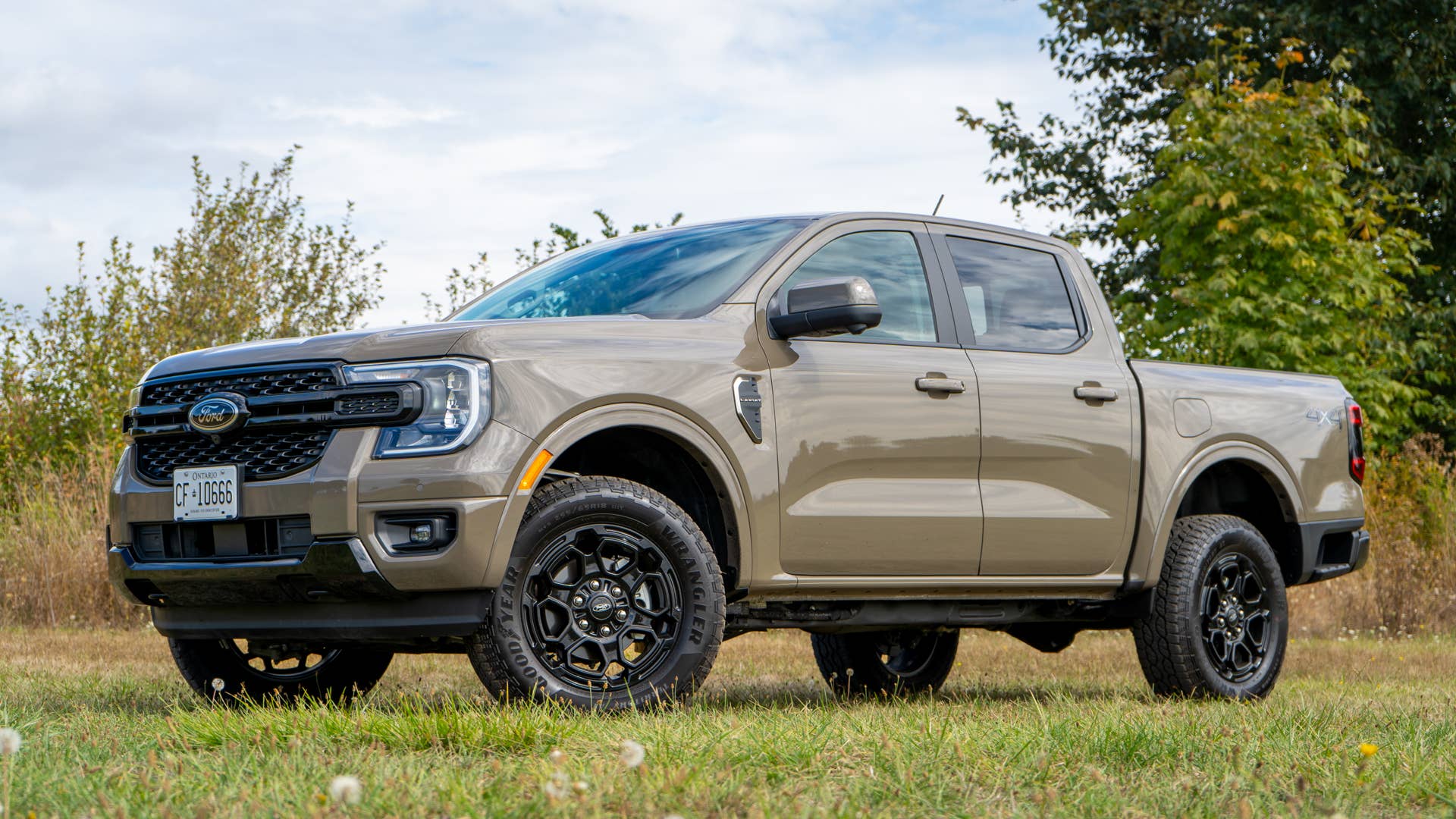
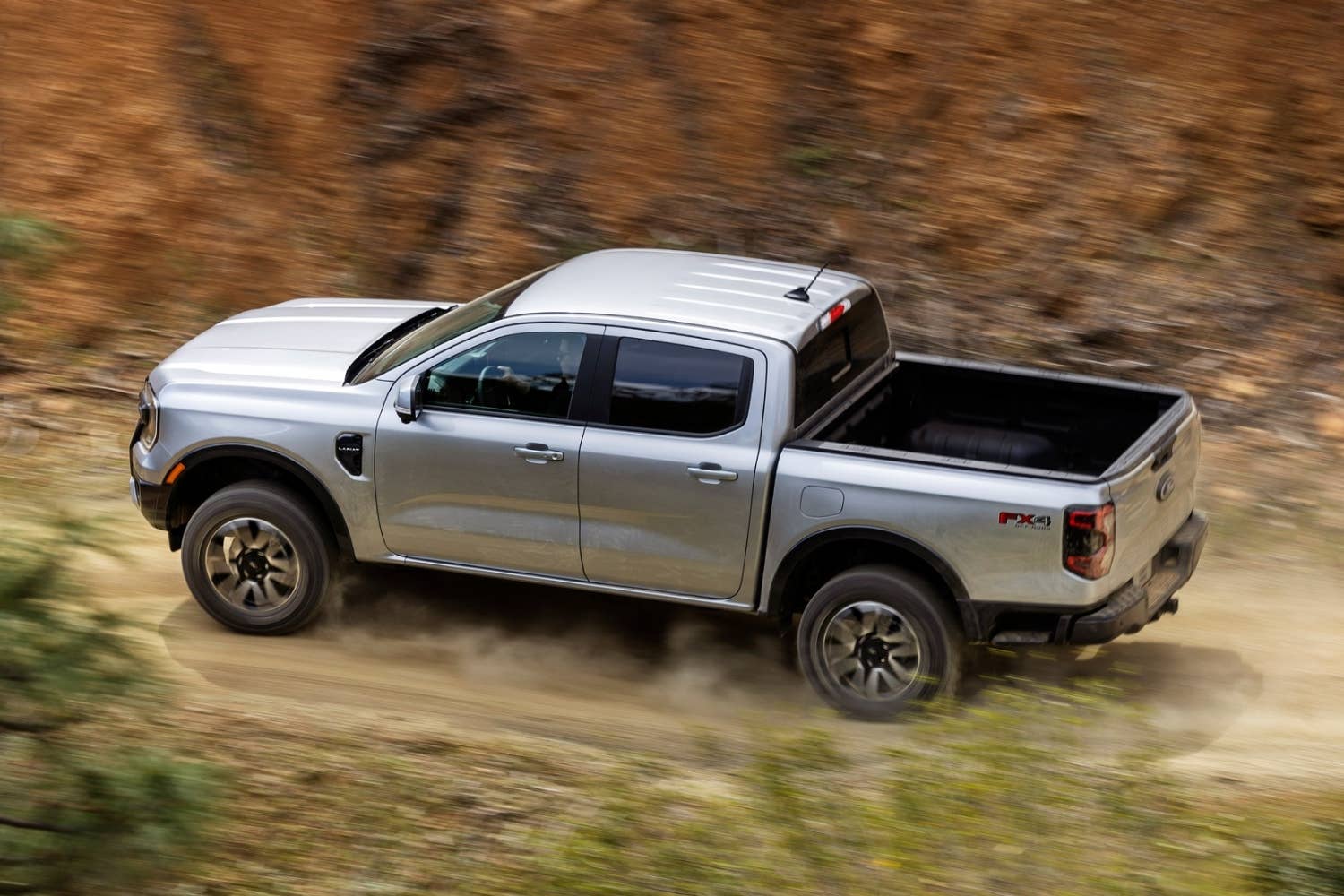
The 2027 Ford Ranger midsize pickup truck occupies the spot between the compact Maverick and full-size F-150, offering genuine truck capability without demanding an airport-sized parking space. Available exclusively as a 4-door crew cab with a 5-foot bed, it combines a comfortable ride, a well-appointed interior, and up to 7,500 pounds of towing capacity.
The standard 270-hp turbocharged 4-cylinder provides respectable performance, while a new 380-hp twin-turbo V6 is expected to deliver considerably more punch. Rear-wheel- and four-wheel-drive configurations are available, depending on the engine. The lineup includes XL, XLT, and Lariat trims, with a Tremor potentially joining the family. The separately reviewed 405-hp Ranger Raptor remains the choice for serious off-road driving.
Ford
What’s New for 2027
The biggest anticipated change involves replacing the 315-hp twin-turbocharged 2.7-liter V6 with a 380-hp twin-turbocharged 3.0-liter V6. That’s a substantial 65-hp increase, potentially bringing the 2027 Ranger models closer to Raptor territory. The new engine is expected to pair exclusively with four-wheel drive and a 10-speed automatic transmission.
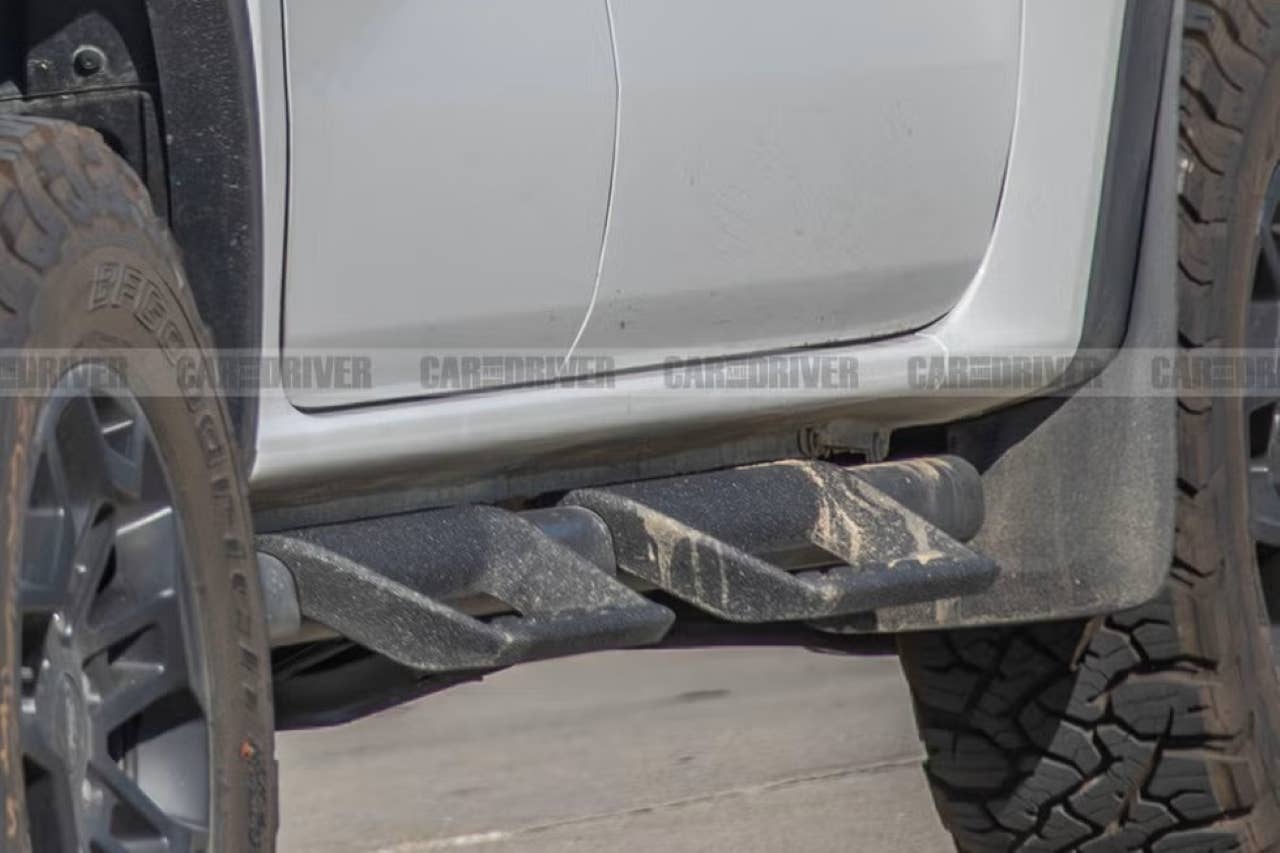
A Ranger Tremor is also rumored to join the lineup soon, bringing upgraded suspension hardware, all-terrain tires, Trail Turn Assist, and off-road cruise control. Positioned below the Raptor, it could offer a more affordable route into serious trail driving. Both developments await final confirmation.
Exterior
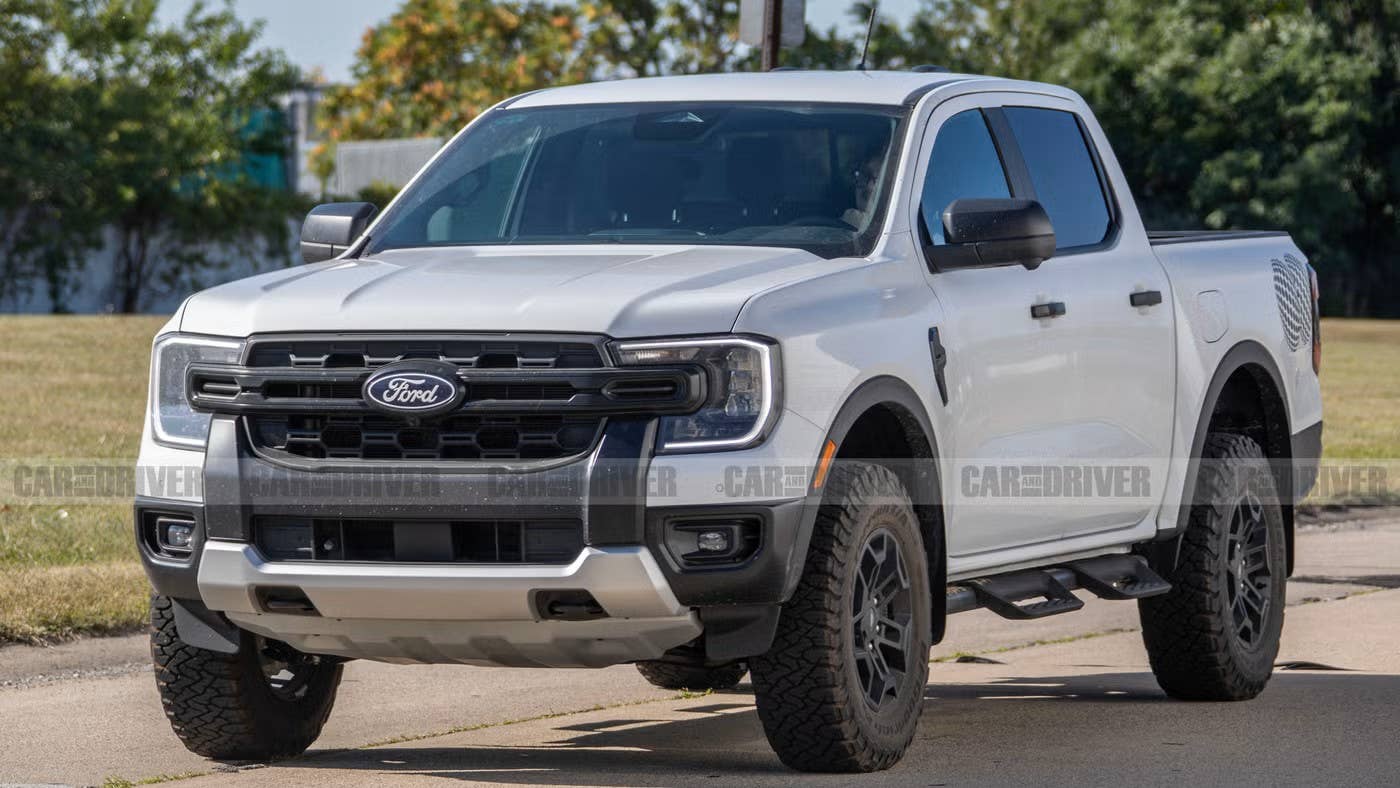
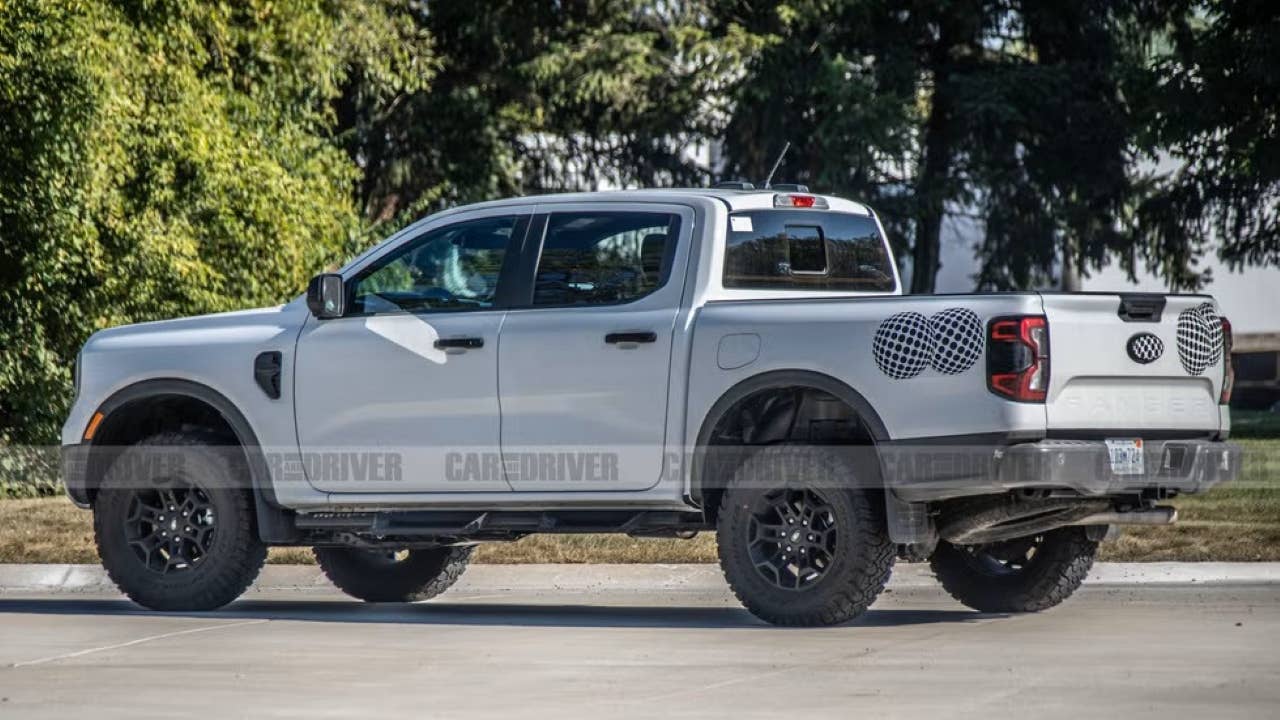
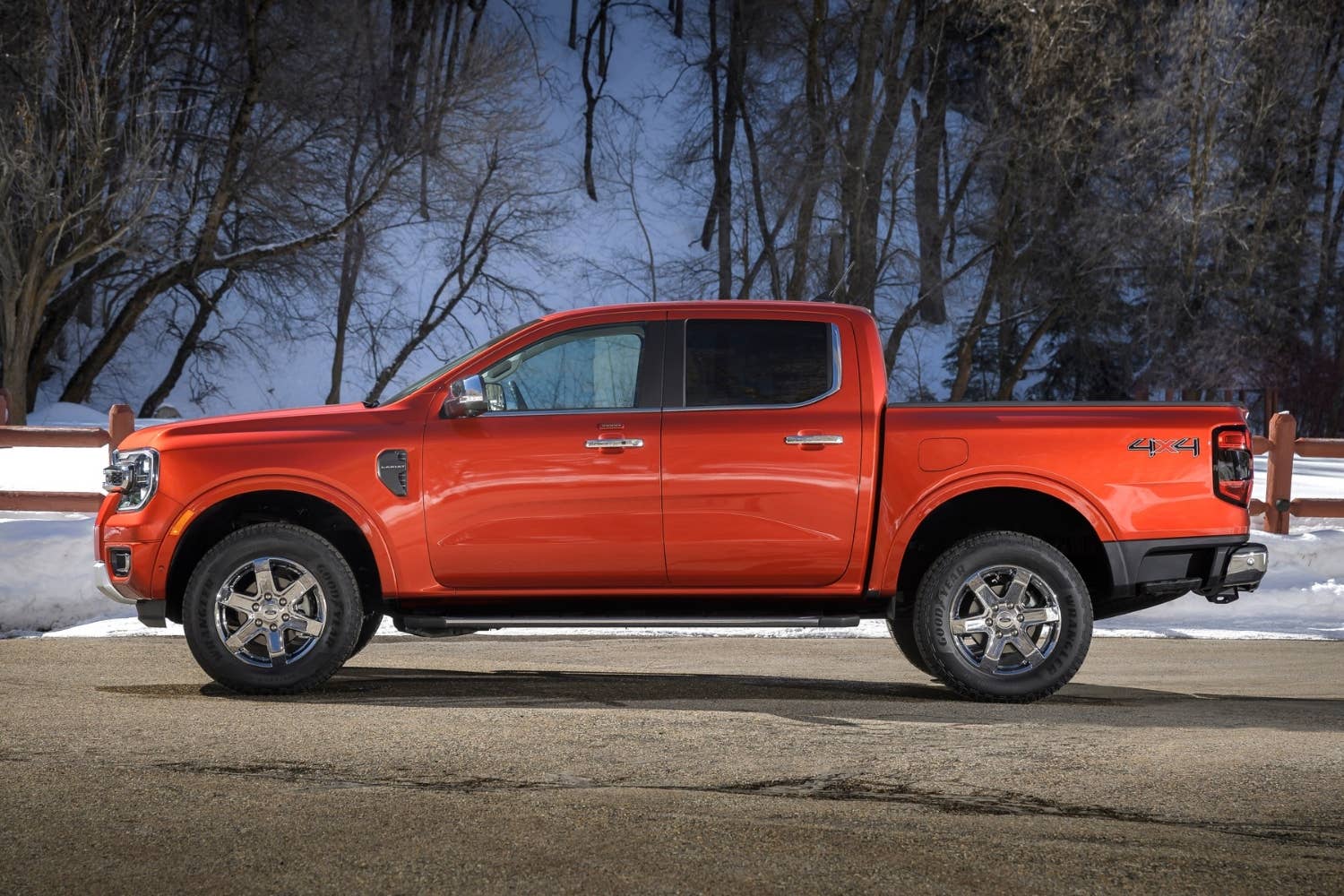
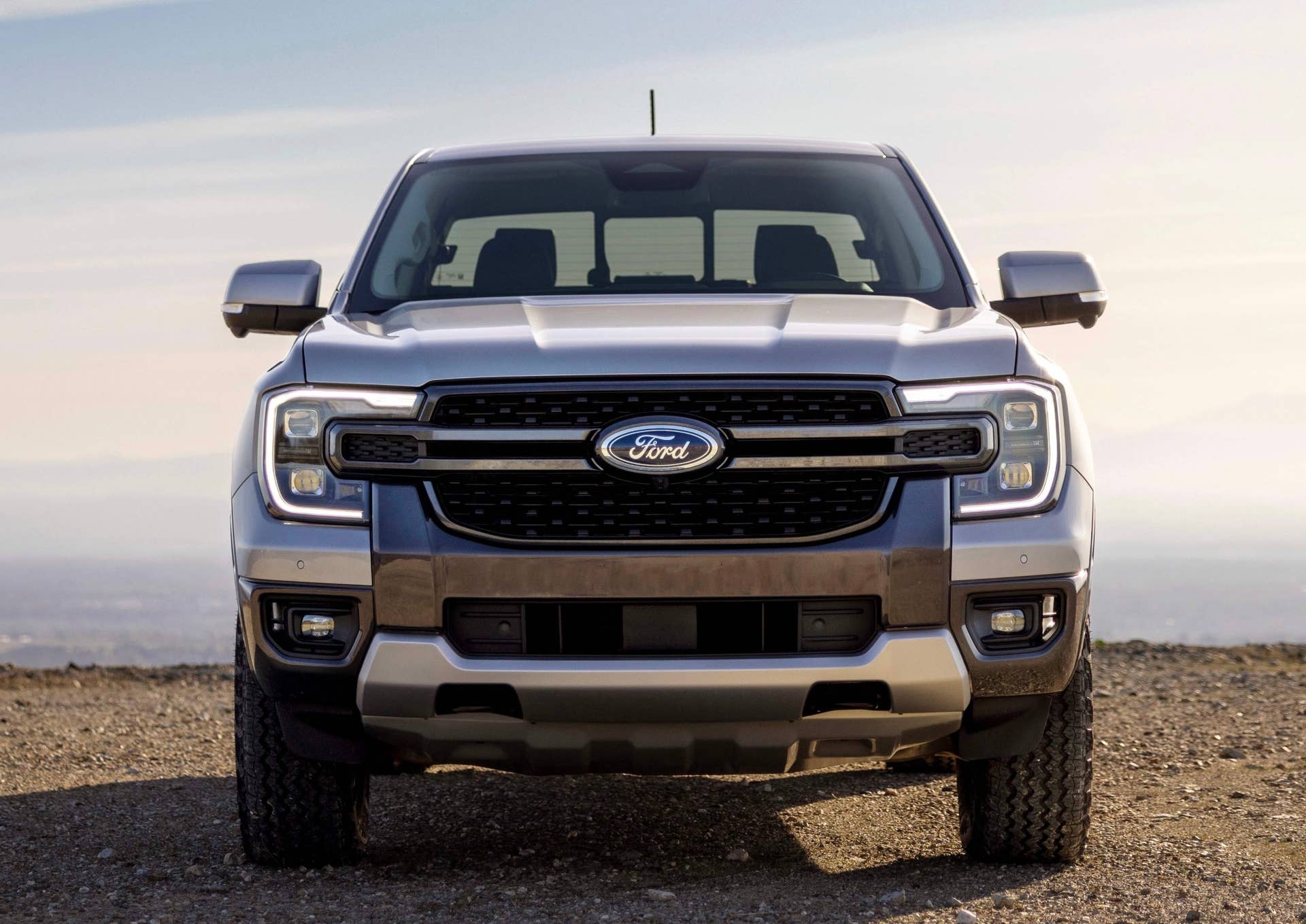
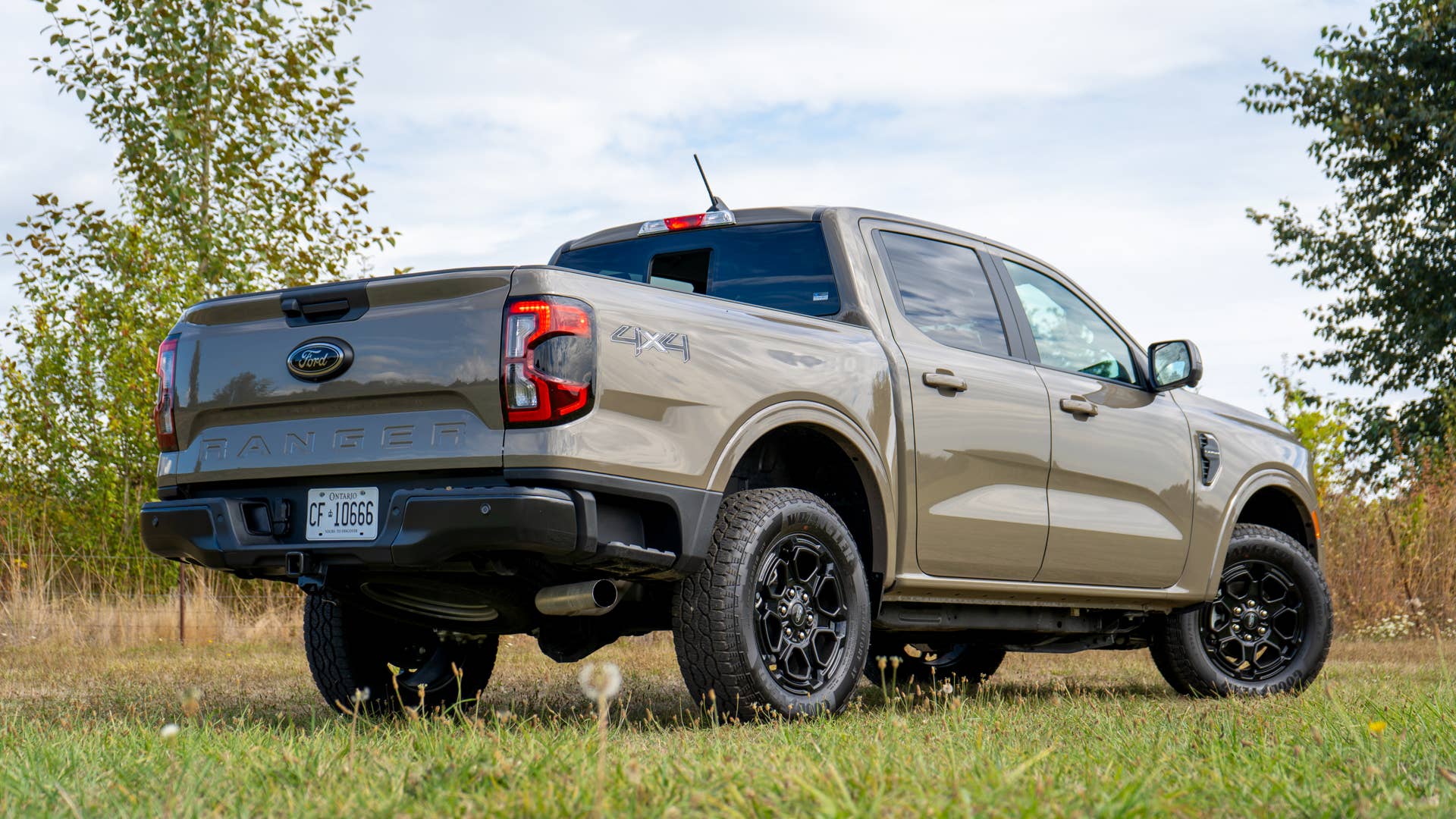
The Ranger wears its family resemblance proudly, borrowing the squared-off proportions and C-Clamp lighting signature of Ford’s larger pickups. Pronounced wheel arches and a muscular front end give it a purposeful appearance without making the truck unnecessarily intimidating.
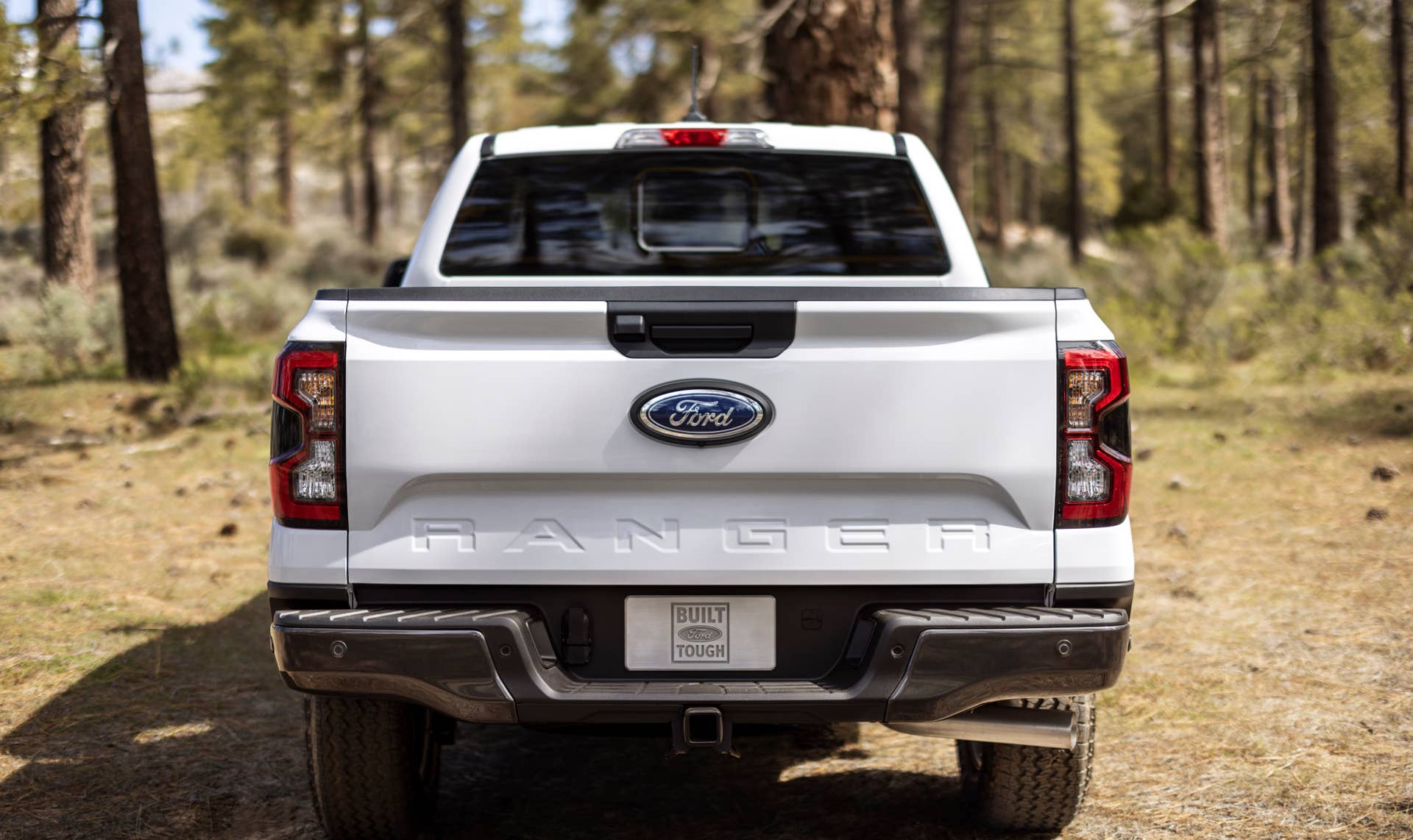
The XL keeps things functional, while the XLT adds more visual polish and the Lariat offers a richer finish. Available exterior zone lighting makes nighttime loading easier, and the 5-foot bed provides useful hauling space. The proposed Tremor adds a tougher suspension and off-road tires, while the wider Raptor sits at the aggressive end of the styling spectrum.
Ford
Ford
Ford
Interior
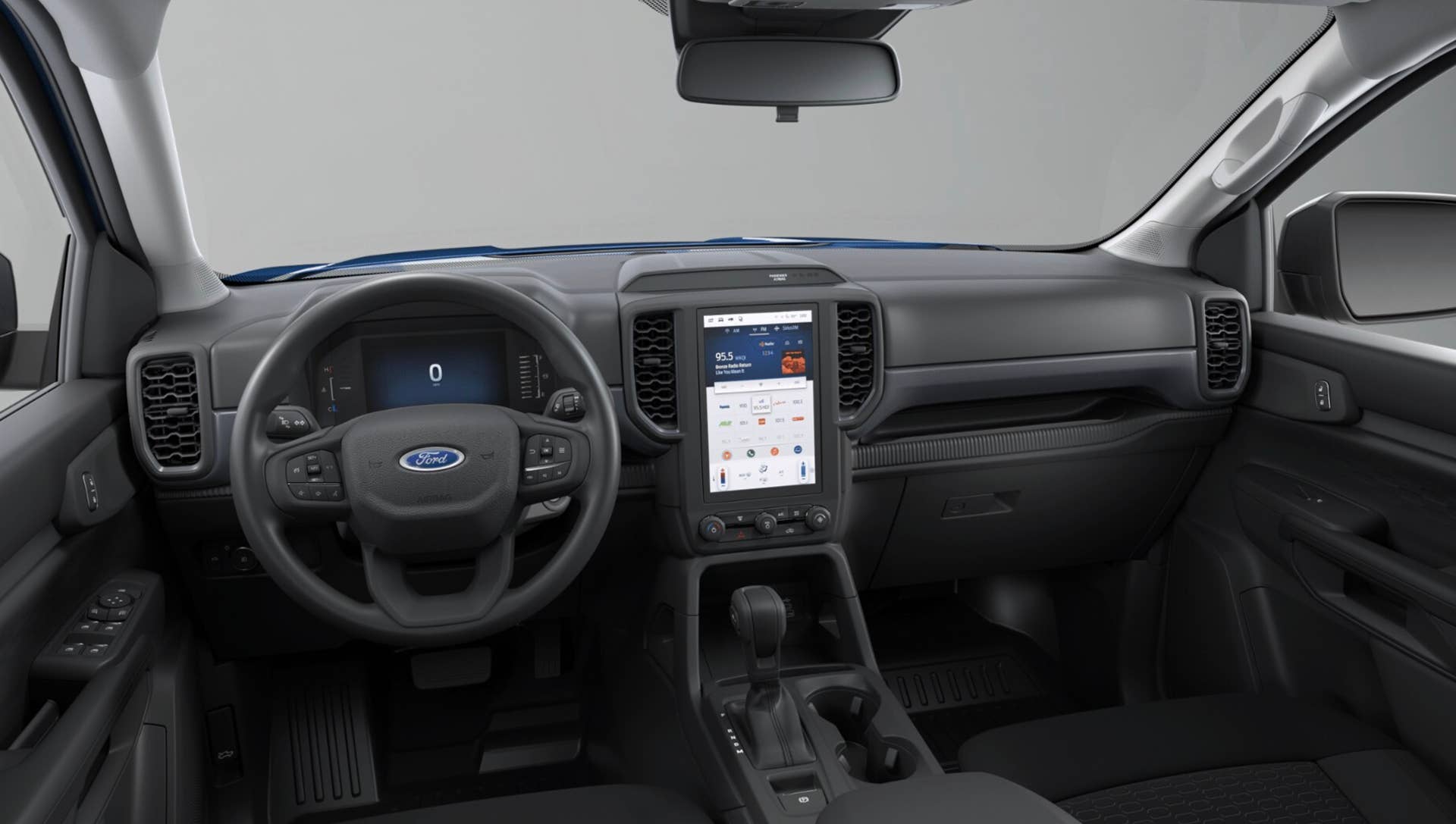
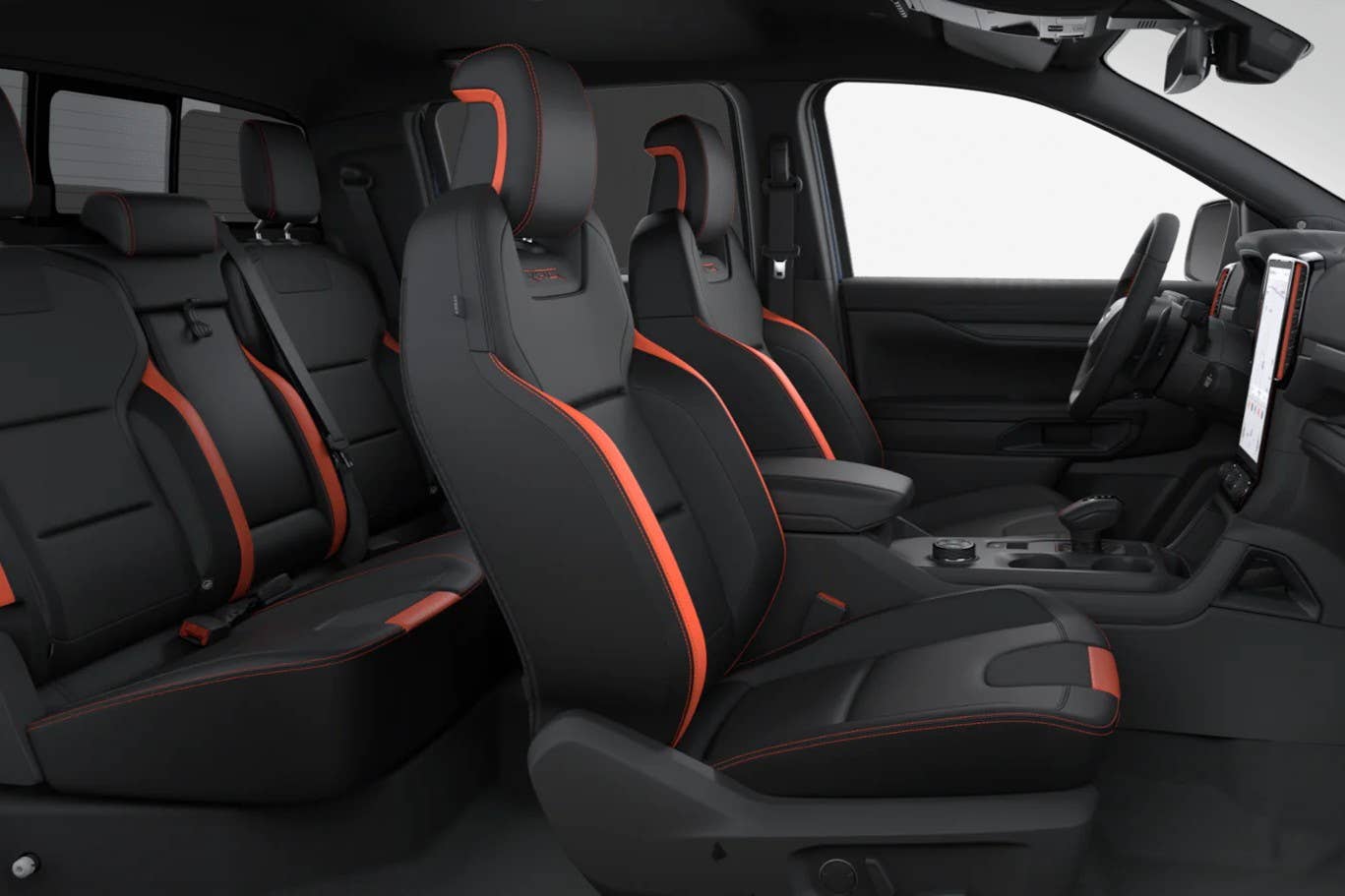
The Ranger’s cabin favors comfort and usability, with supportive seats, generous storage compartments, and materials that feel unusually pleasant for a midsize pickup. The rear bench accommodates three passengers, although taller adults will appreciate the front seats more.
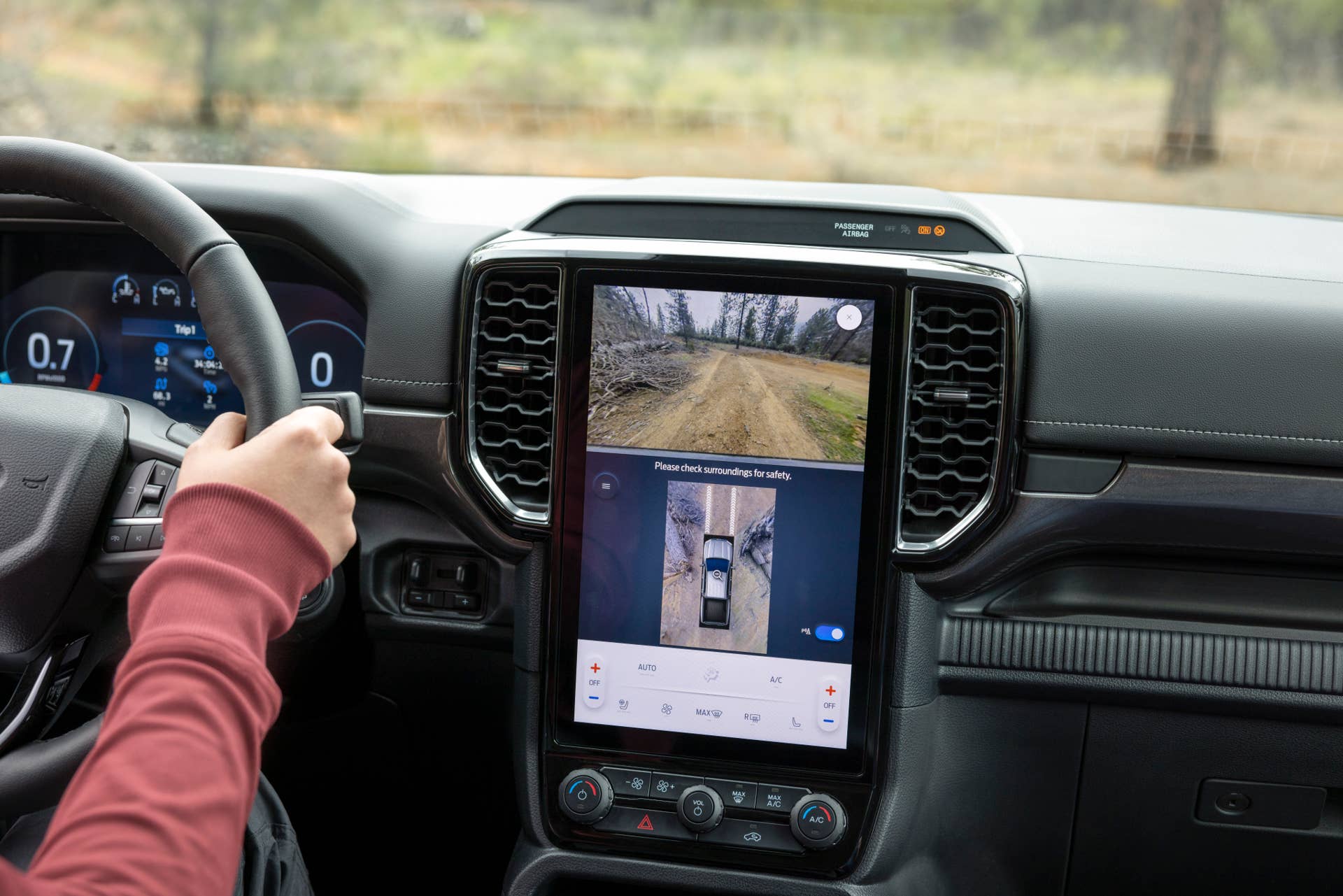
Equipment includes a 10.1-inch touchscreen for the XL and XLT, with a 12.0-inch display and 12.4-inch digital instrument cluster for the Lariat. Wireless Apple CarPlay and Android Auto support convenient smartphone connectivity, while higher trims offer a 10-speaker B&O sound system.
Physical climate controls make everyday adjustments easier, and the rear seats fold to accommodate belongings. Available driver-assistance technology includes blind-spot monitoring, adaptive cruise control, and a surround-view camera system.
Ford
Ford
Price Range and Best Value Trim
| Trim | MSRP |
| XL | ~$33,000 |
| XLT | ~$35,000 |
| Lariat | ~$44,000 |
| Tremor | ~$50,000 |
The 2027 Ford Ranger’s price range spans a few trims, but the XLT offers the strongest balance of price, equipment, and performance. At an estimated $35,000, it costs only a marginal amount more than the XL while adding desirable conveniences such as navigation and blind-spot monitoring. Its standard 270-hp turbocharged 4-cylinder delivers ample everyday performance, while the anticipated 380-hp V6 provides a tempting upgrade for buyers wanting considerably more muscle. The XLT also offers useful equipment options without approaching Lariat pricing, making it the sensible choice for most Ranger shoppers.
2027 Ford Ranger Key Specs
Powertrain Options
| Specification | Detail |
| Standard engine | 2.3L turbo I4 |
| Standard output | 270 hp / 310 lb-ft |
| Expected optional engine | 3.0L twin-turbo V6 |
| Expected V6 output | 380 hp |
| Raptor engine | 3.0L twin-turbo V6 |
| Raptor output | 405 hp / 430 lb-ft (2026 figure) |
| Transmission | 10-speed auto |
| Drivetrain | RWD / 4WD |
| Max towing capacity | 7,500 lbs (projected) |
| Max payload | 1,788 lbs (projected) |
| Seating | 5 |
Fuel Economy (MPG)
| Engine | City | Highway | Combined |
| 2.3L Turbo I4 RWD (2026) | 21 | 25 | 23 |
| 2.3L Turbo I4 4WD (2026) | 19 | 24 | 21 |
| 2.7L Twin-Turbo V6 (2026, outgoing) | 18 | 23 | 20 |
| Raptor 3.0L V6 4WD (2026) | 16 | 18 | 17 |
Dimensions
| Measurement | Value (2026) |
| Length | 210.6 in |
| Width | 75.5 in |
| Height | 74.4 in |
| Wheelbase | 128.7 in |
| Headroom (F/R) | 41 in / 38.3 in |
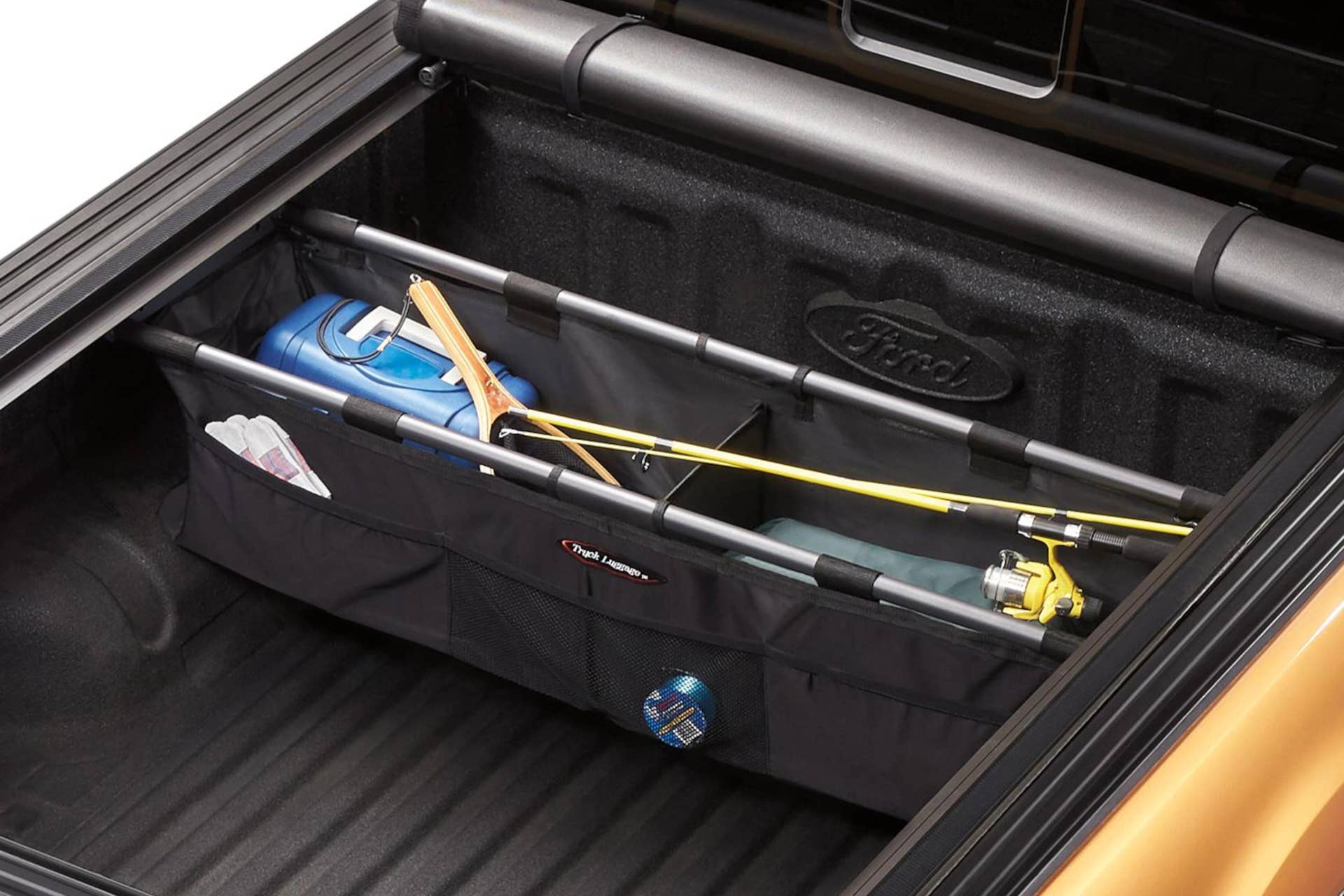
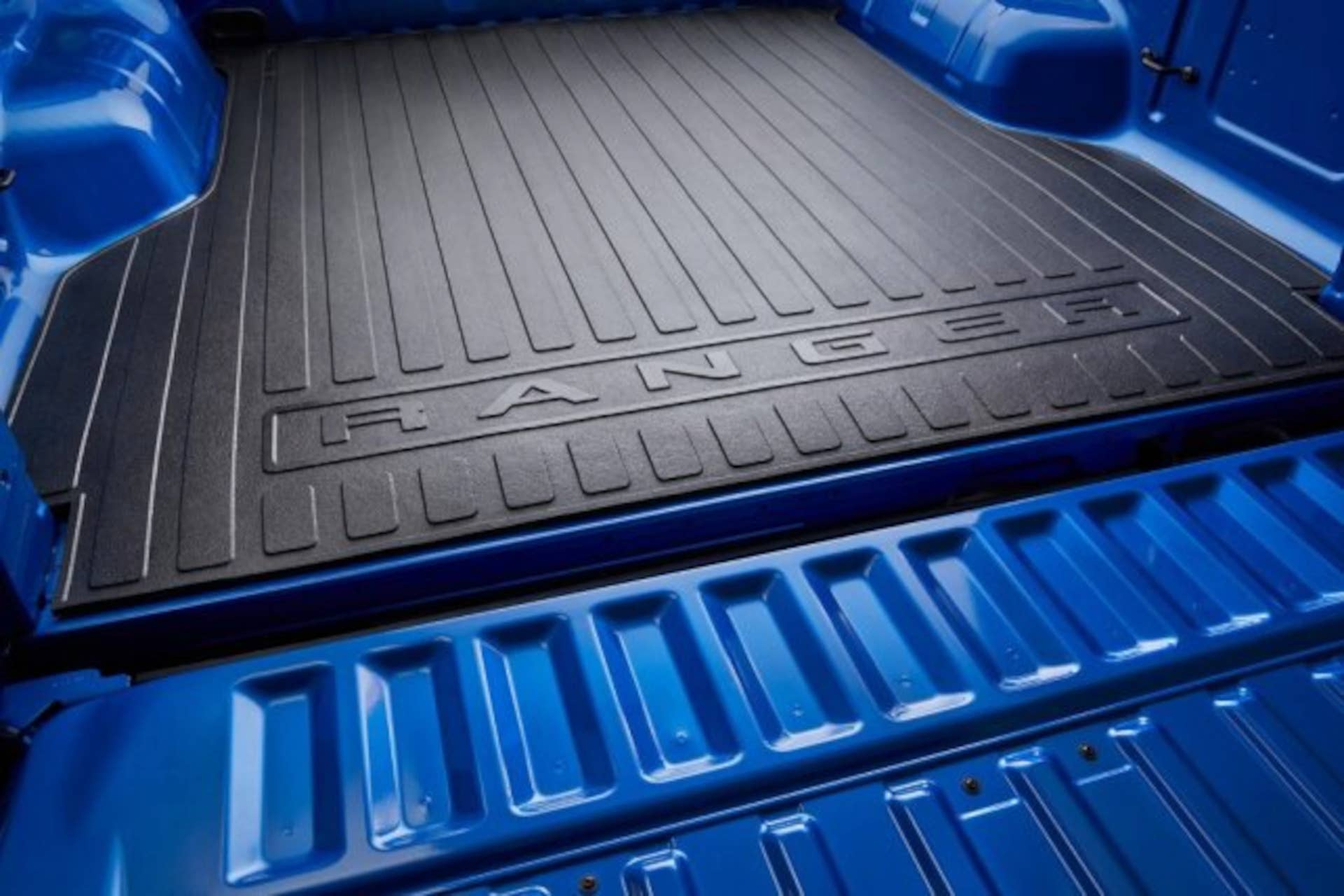
| Bed Length | 59.6 in |
| Width between wheelhouses | 48.2 in |
| Cargo bed volume | 43.5 cu-ft |
Warranty
| Coverage | Duration |
| Limited Warranty | 3 years / 36,000 miles |
| Powertrain | 5 years / 60,000 miles |
| Complimentary Maintenance | Not included |
Pros and Cons
Pros:
- Comfortable ride and a well-appointed cabin
- Strong standard 4-cylinder performance
- Competitive 7,500-pound towing capability
- Expected 380-hp V6 adds considerable performance potential
Cons:
- Only one cab and bed configuration
- Higher trims become expensive
- No hybrid powertrain for improved efficiency
- Several desirable driver-assistance features cost extra
Verdict
The 2027 Ford Ranger continues to make a convincing argument for midsize pickups, combining everyday comfort with respectable towing and hauling credentials. Its composed ride and thoughtfully designed cabin make it easier to live with than several traditional truck rivals, while the anticipated 380-hp V6 promises an entertaining increase in straight-line performance.
The XLT remains the most appealing choice, offering worthwhile equipment and plenty of power without the Lariat’s premium. A possible Tremor adds another interesting option for adventurous buyers, although pricing and specifications need confirmation. For anyone seeking a capable, comfortable pickup that avoids the bulk of an F-150, the Ranger deserves serious consideration.
Cole Attisha/Autoblog
Competitors
About the author

Cobus F. Potgieter
Reviews and Features Editor