
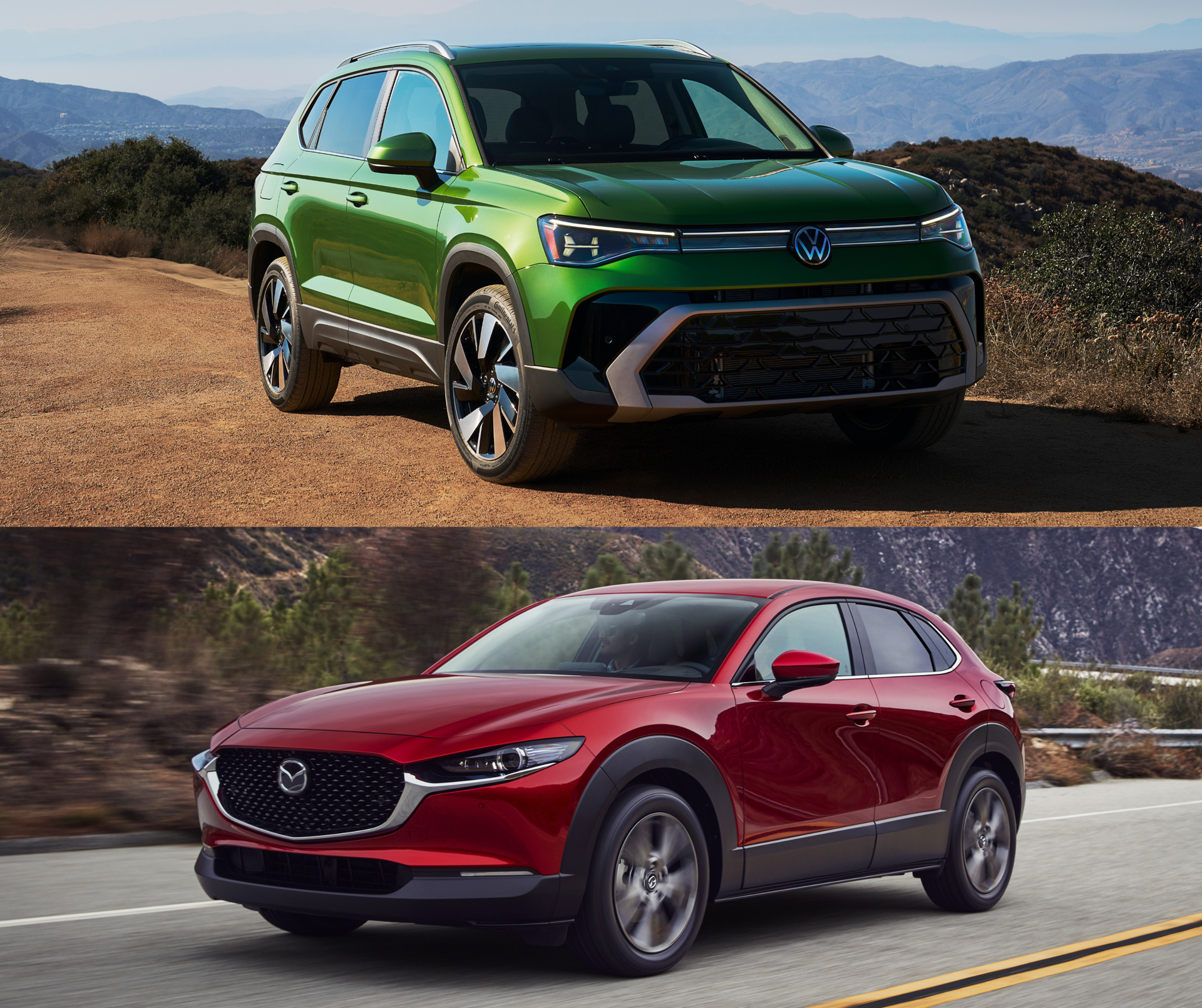
The outcast choices
In what has rapidly become one of North America’s best-selling automotive segments, compact crossovers run the game in terms of manufacturer volume sales these days. The Volkswagen Taos and Mazda CX-30 stand out as relatively unconventional choices within their respective weight class, as alternatives such as the Subaru Crosstrek, Honda HR-V, Jeep Compass, and Chevrolet Trailblazer continue to outsell the more premium yet pricier VW and Mazda. That being said, if you insist on more power and a more luxurious feel, the Taos and CX-30 have much more to offer than their aforementioned competitors, depending on how much more you’re willing to spend. Let’s take a look at what sets these two rivals apart and what similarities might make your decision even tougher.
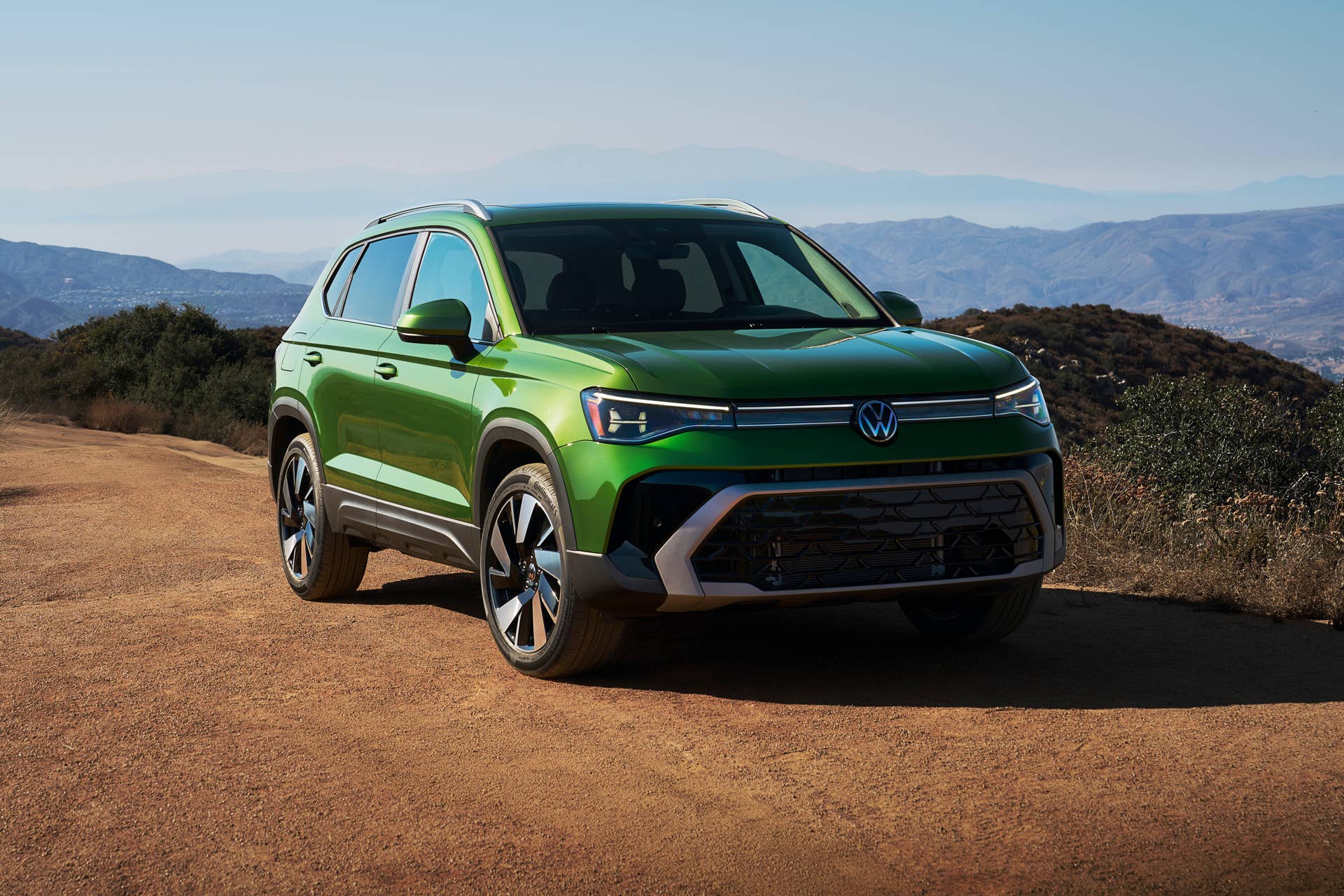
Both options have near-identical price tags and similar fuel economy, but there’s a catch
Starting at just $24,995 for the base Volkswagen Taos S FWD, the VW’s base price narrowly beats out the Mazda CX-30 2.5 S, which starts at $25,195, despite being equipped with standard all-wheel drive. Although the base Taos benefits from slightly superior fuel economy over the CX-30, when it’s equipped with all-wheel drive as the CX-30 is no matter which trim you opt for, economy is almost identical. The all-wheel drive Taos is rated for 25/33/28 miles per gallon (city/highway/combined), and the CX-30 is rated for 26/33/29 miles per gallon (city/highway/combined).
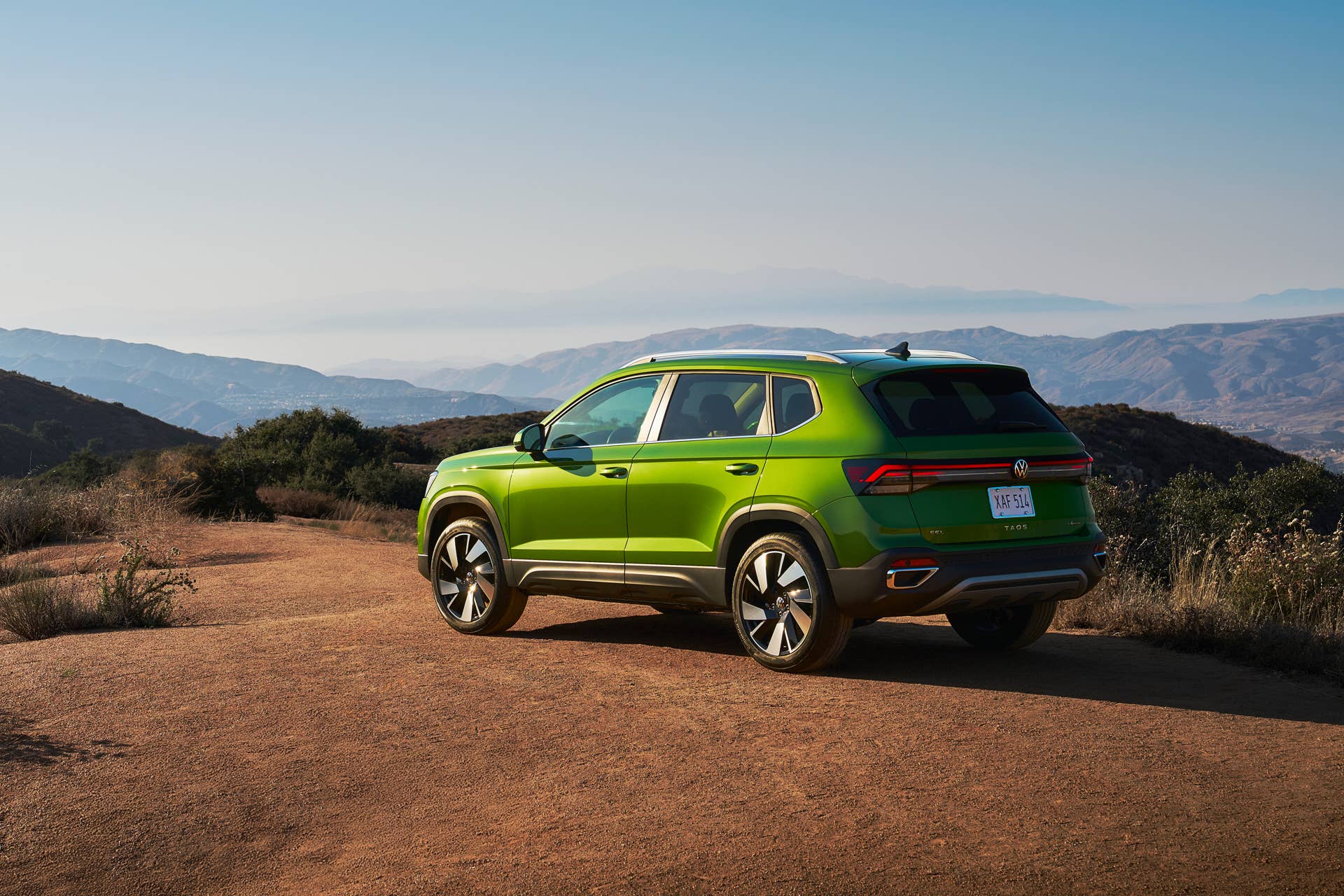
That being said, if you opt for the all-wheel drive system on the VW Taos, you’ll end up paying $28,120, a significant increase over the base MSRP, especially considering that the CX-30 includes all-wheel drive as a standard feature. This means that, for over $1,000 less than you’d spend to equip a Taos with all-wheel drive, you could upgrade your CX-30 to the “2.5 S Select Sport” trim level, affording you additional features such as dual-zone automatic climate control, advanced keyless entry, leatherette interior upholstery, a leather-wrapped steering wheel, Alexa Built-In, rain-sensing wipers, rear privacy glass, and larger, 18-inch alloy wheels. If you live in an area prone to inclement weather conditions and all-wheel drive is a must-have, this is certainly something to keep in mind when comparing the two models.

Mazda
The Mazda CX-30 is more powerful than the Taos, even without the optional, turbocharged engine
Although the 2025 Volkswagen Taos only has one available powertrain option in North America, the 2025 Mazda CX-30 offers two. The Taos comes equipped with a turbocharged, 1.5-liter four-cylinder engine that produces 174 horsepower and 184 lb-ft of torque through an 8-speed automatic transmission, regardless of trim package, and your choice of either front- or all-wheel drive. The CX-30 comes standard with a naturally aspirated, 2.5-liter Skyactiv-G four-cylinder that pumps out 191 horsepower and 186 lb-ft of torque. Remember that despite the Mazda’s superior power output, its fuel economy is actually slightly better than the VW’s, when both are equipped with all-wheel drive.

Mazda
If those power figures don’t satiate your appetite for speed and/or smooth acceleration, Mazda also offers the CX-30 with a turbocharged version of its 2.5-liter Skyactiv-G engine that produces up to 250 horsepower and an astonishing 320 lb-ft of torque when filled with premium fuel (93 octane or above), although it is not required. If you fill its tank with regular fuel (87 octane), those figures drop to 227 horsepower and 310 lb-ft of torque – still a significant boost over its standard power plant and the Volkswagen’s engine. All North American CX-30s come equipped with a 6-speed automatic transmission and standard all-wheel drive, regardless of which powertrain they’re equipped with. However, when the Mazda is equipped with its optional turbocharged engine, its fuel economy ratings drop to 22/30/25 miles per gallon (city/highway/combined), and pricing starts at $33,140.
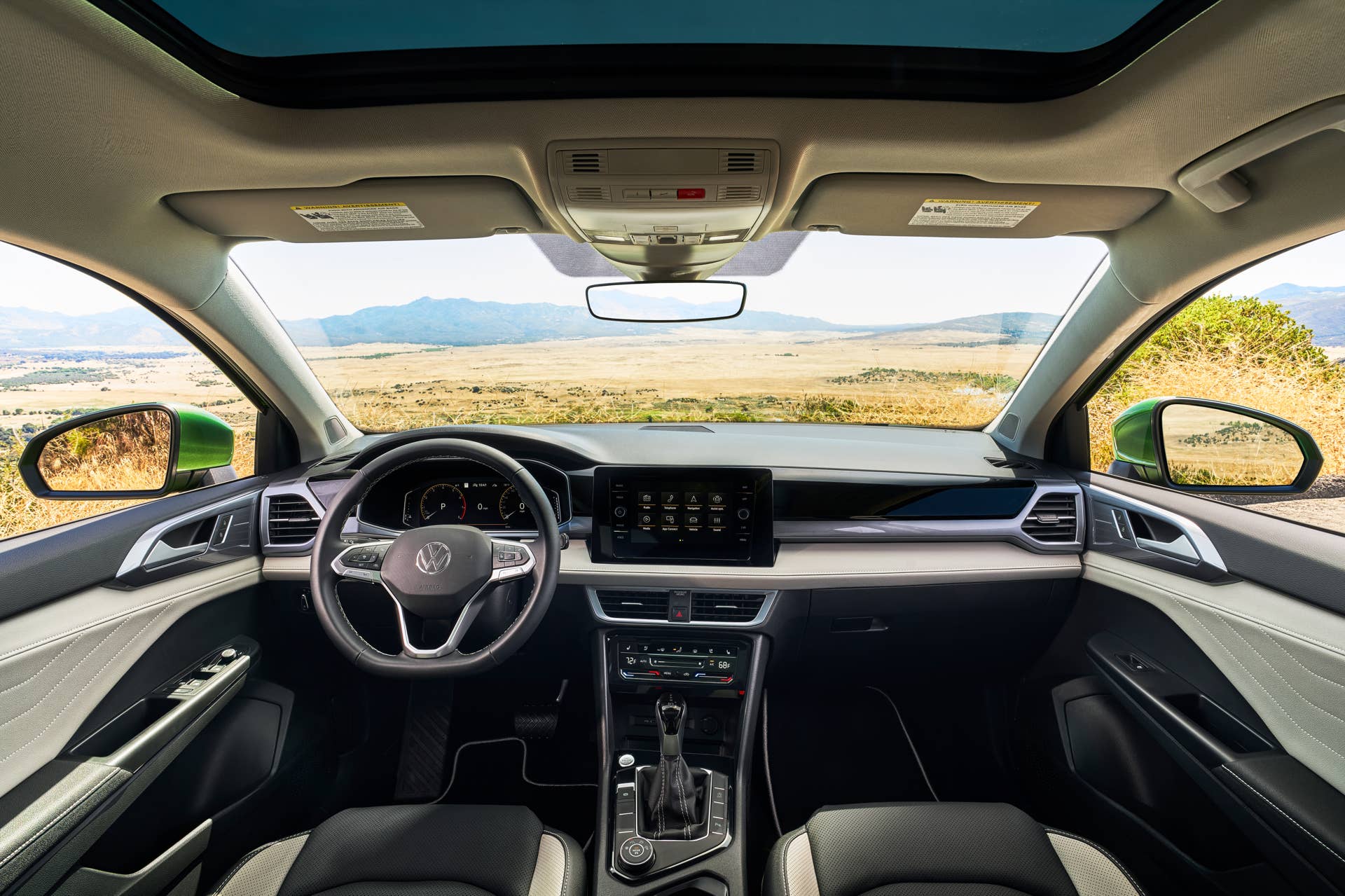
Volkswagen
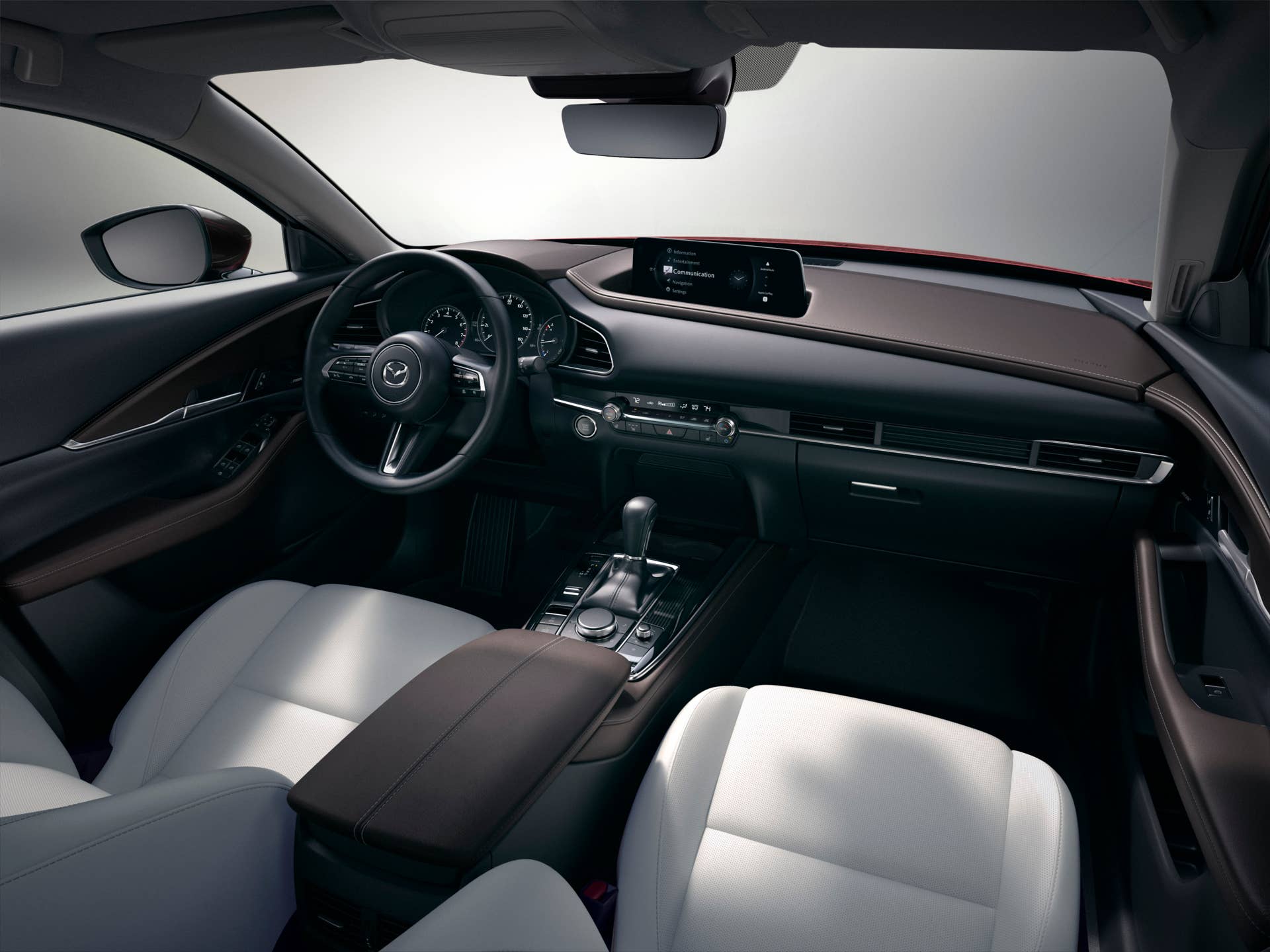
Mazda
Despite the jump in price to get the powerful, turbocharged engine in the CX-30, the “2.5 Carbon Turbo” trim level is still less expensive than the Taos’s top-of-the-line package–the Taos SEL, which starts at $34,695 and outputs 76 fewer horses and 136 fewer lb-ft of torque. In exchange for less power, however, the Taos SEL offers full leather seating in contrast to the CX-30 2.5 Carbon Turbo’s leatherette upholstery, 19-inch alloy wheels in contrast to the Carbon Turbo’s 18s, ambient interior lighting, and ventilated seats. If you’d like to opt for the top-trim CX-30, it will cost you upwards of $37,150, making it more expensive than a fully loaded Volkswagen Tiguan SE R-Line Black or even a basic Volkswagen Atlas Cross Sport SE. So, while you might gain a more luxurious experience opting for the top-trim CX-30, you’d be sacrificing a lot of interior and cargo space in return.
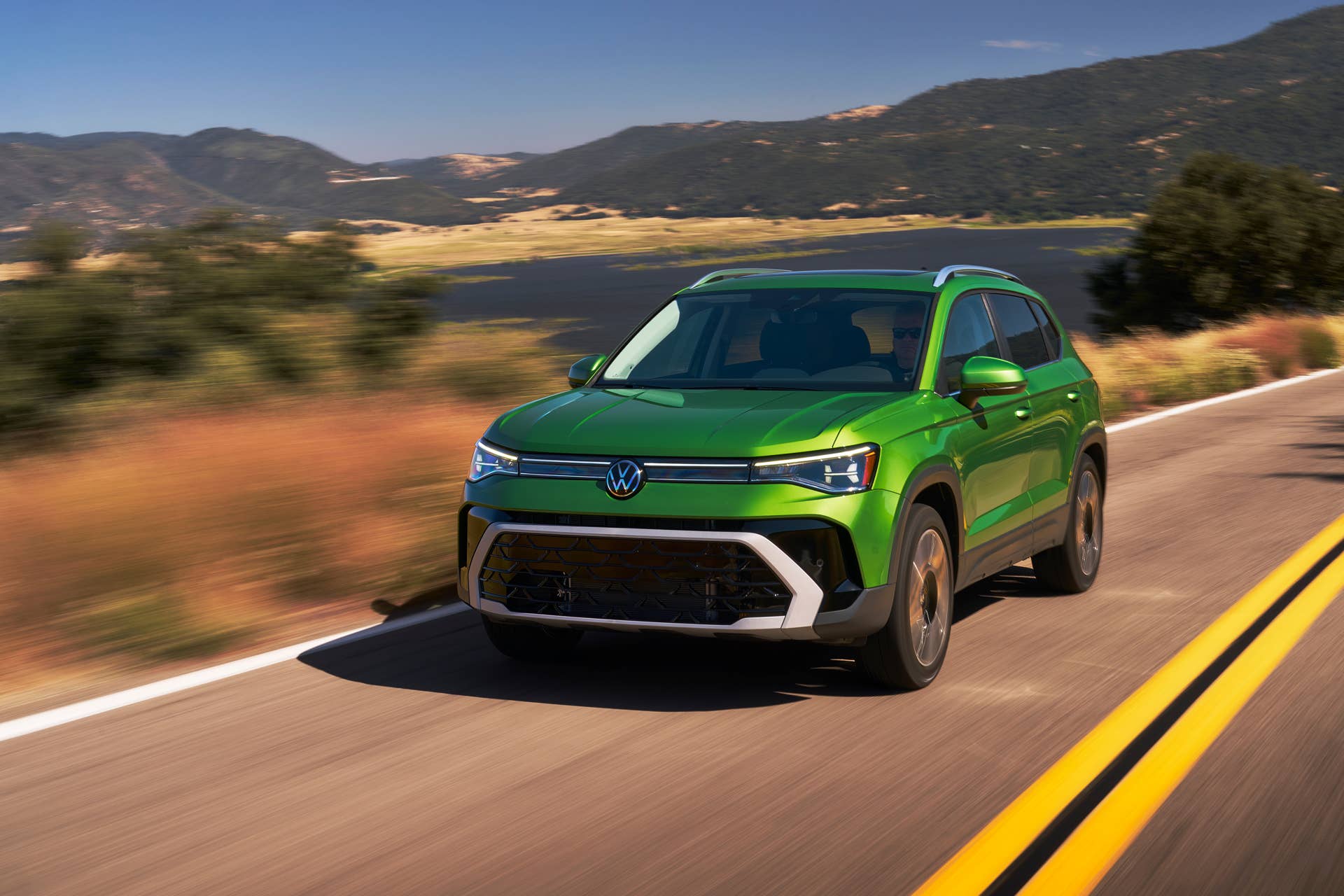
Volkswagen
Final thoughts
Both the Volkswagen Taos and Mazda CX-30 have plenty of pros and cons, so ultimately the final decision should come down to which compact crossover is the right fit for you and your unique needs and desires. When comparing the two models in base trim form, the CX-30’s standard all-wheel drive system might be more intriguing to buyers who do a lot of their driving in rain or snow, whereas the front-wheel drive Taos’s superior fuel economy may entice buyers who live within more moderate climates.
When comparing higher-end trim levels, the choice comes down to whether you prefer more horsepower and torque or more creature comforts throughout the cabin. Regardless of your reasoning for choosing either the Taos or the CX-30, make sure you thoroughly test drive both vehicles before doing so, making sure to feel the nuances between the two compact crossovers. You might like one option more on paper, but once you get behind the wheel, you might find yourself falling in love with the unexpected choice. Either way you go, both of these compact crossovers represent two offerings from manufacturers who have taken the time to listen to customer feedback and have refined their offerings greatly over the past few years.

About the author

Cole Attisha
Staff Writer, Autoblog