
Tesla Model 3 remains incredibly popular
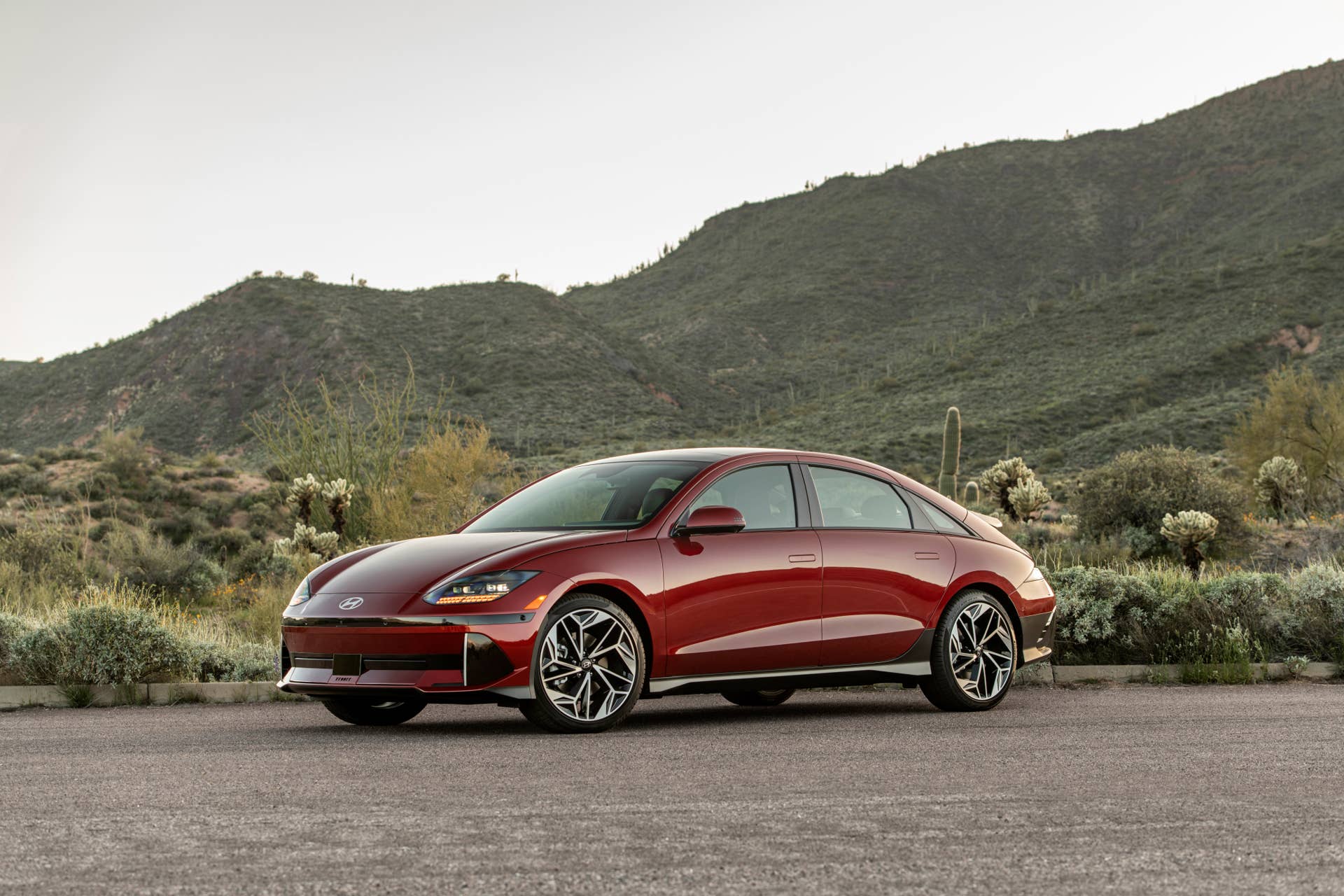
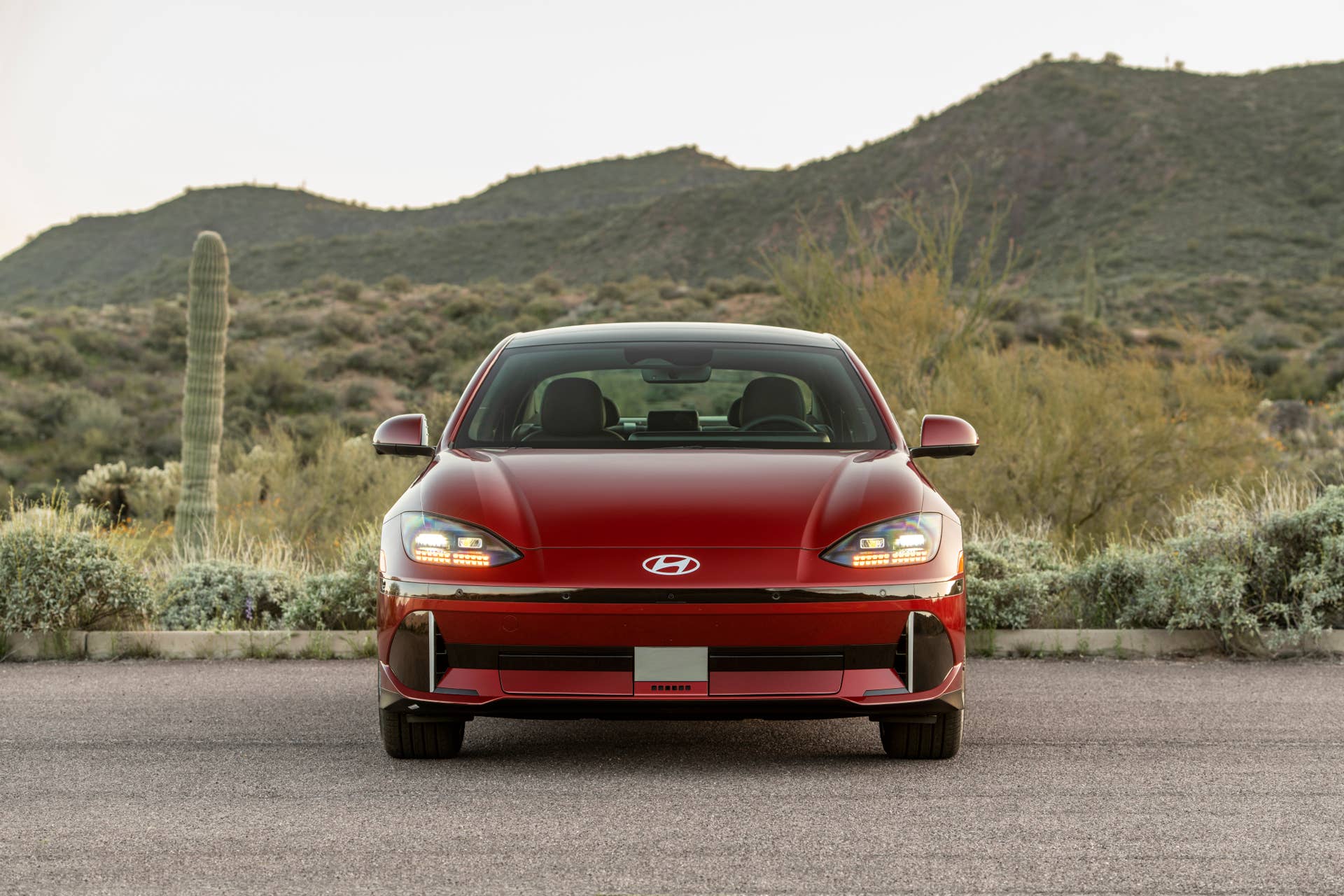
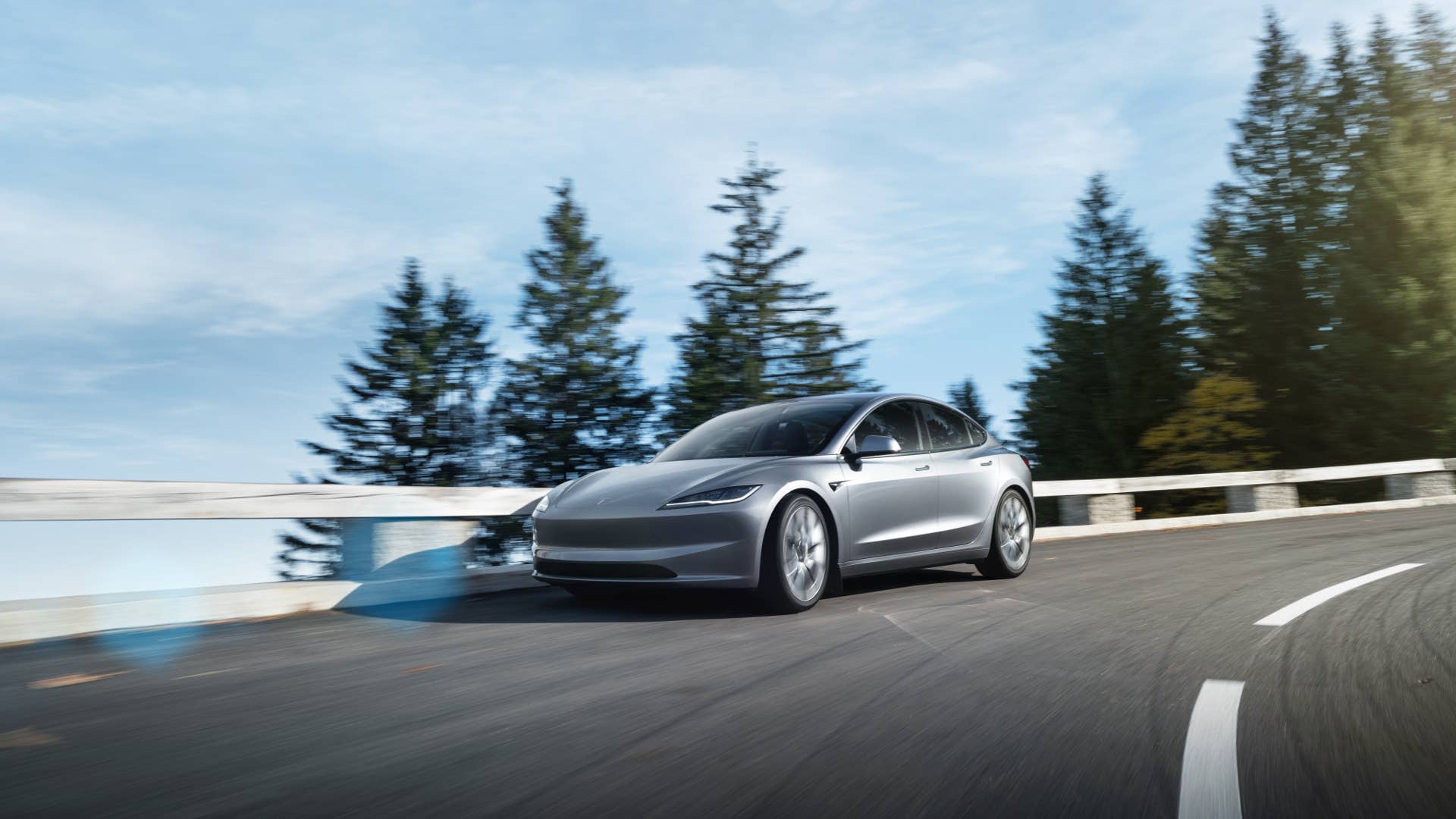
The Tesla Model 3 may be the most popular electric sedan, with an estimated 80,000 examples sold in the first half of 2025, but it’s gained some new competition in recent years. Among its rivals is the Hyundai Ioniq 6, a sedan with a love-it-or-hate-it design that’s capable of seating five passengers. While both EVs offer enough range for most daily drivers, there are other important factors to consider, like charging speed and cargo space, that could make one model a better fit for your lifestyle.

Tesla
Hyundai
1. Tesla Model 3 is the cheaper option – for now
EVs are generally more expensive than comparable gas-powered vehicles, and the Tesla Model 3 and Hyundai Ioniq 6 are no exception. The 2025 Tesla Model 3 starts at $42,490 for the base model, which is upwards of $5,000 more than the Ioniq 6. Notably, Tesla applies the $7,500 federal tax credit to the Model 3’s price on both the model’s landing and order pages, which can be a bit misleading at first glance. The EV tax credit ends on September 30, so while the Model 3 is technically cheaper at the moment, you’d better buy one before the end of the month.
Tesla
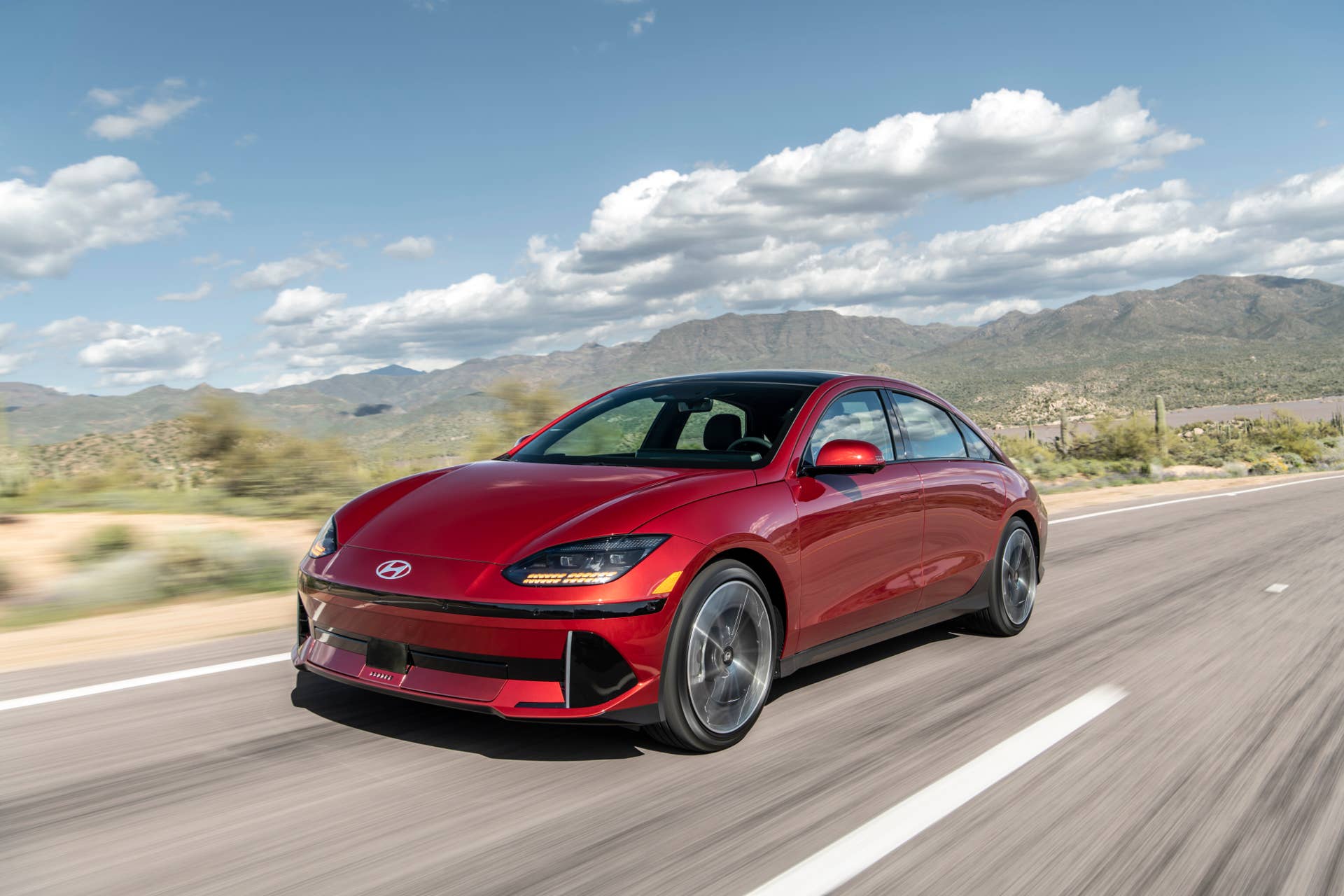
Once the federal tax credit goes away, the Hyundai Ioniq 6 will be the more affordable model between the two, with an MSRP starting at $37,850. While you won’t get as much range or as many frills at the base level, the Ioniq 6 SE Standard Range is one of the more affordable electric cars on the market.
2. Tesla Model 3 dominates in performance
EVs are capable of racing to 60 mph in an astonishingly short time, and performance is one aspect every Tesla model excels at. The 2025 Model 3’s electric motor is capable of producing 286 horsepower and 322 lb-ft of torque, while upgrading the base model to AWD increases performance to 425 horsepower and 475 lb-ft of torque. If you opt for the Model 3 Performance variant, you get upgraded electric motors that deliver 510 horsepower and 546 lb-ft of torque, posting a 60 mph time of just 2.9 seconds.
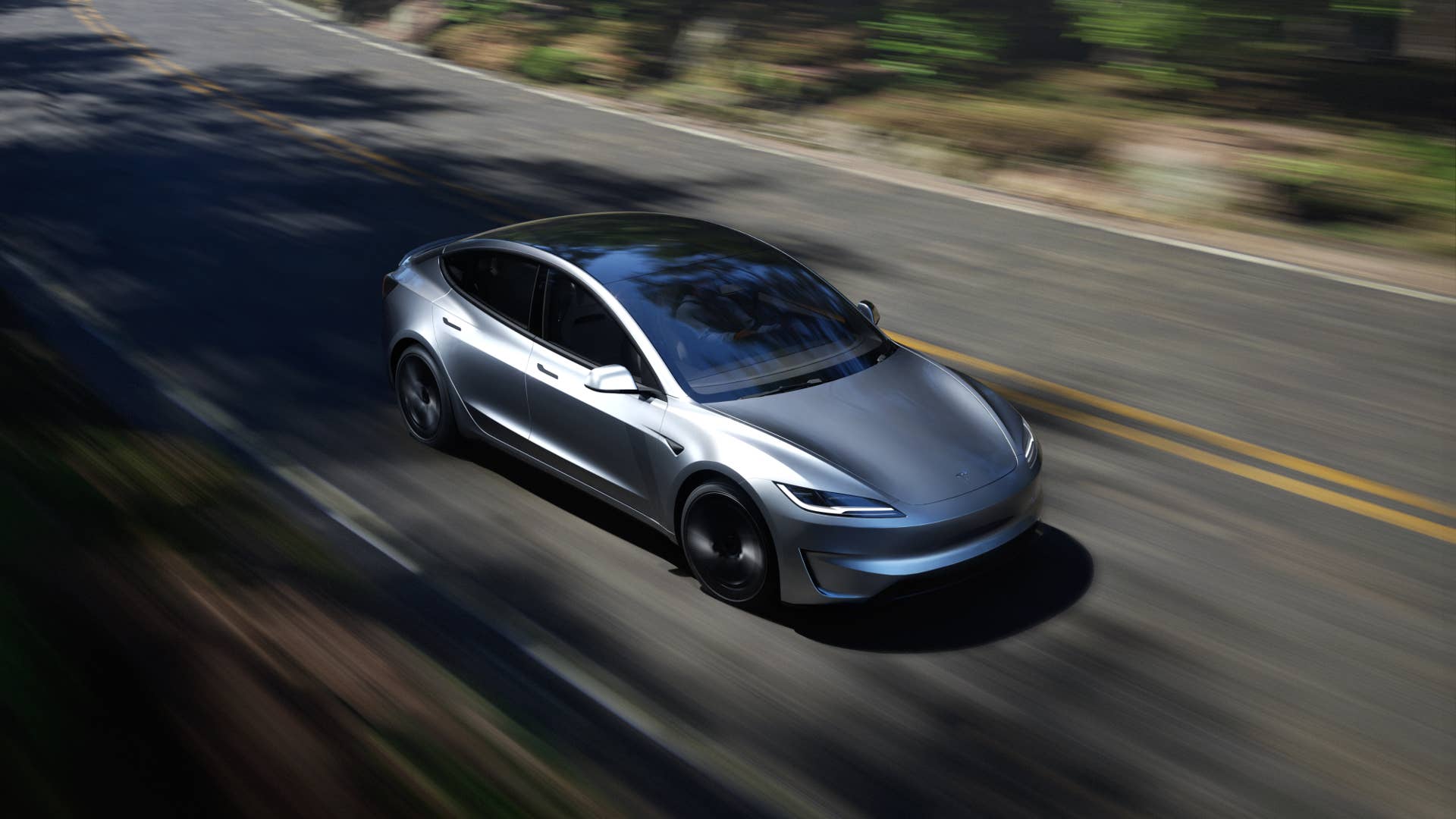
Tesla
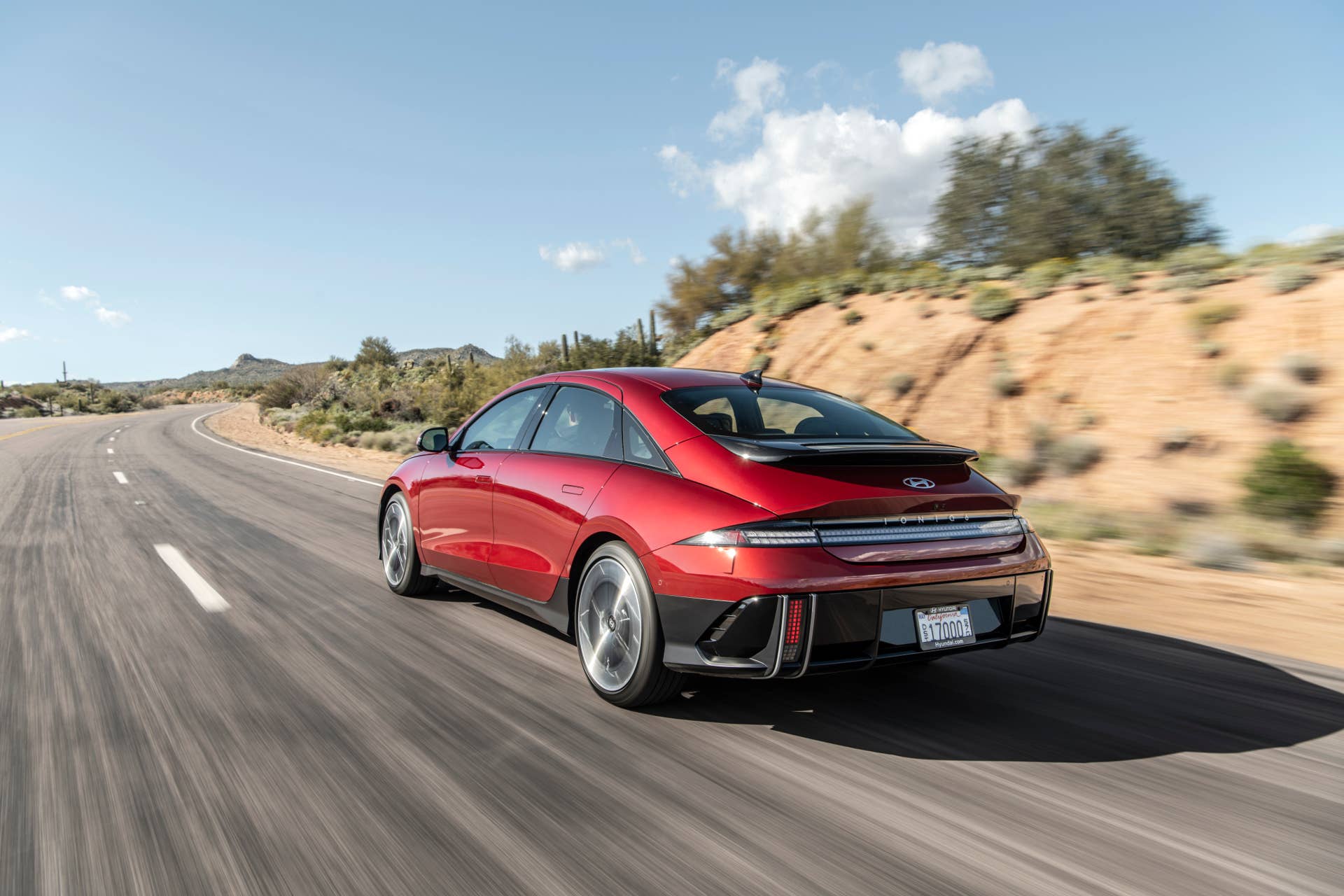
The Hyundai Ioniq 6 might feature an electric powertrain, but it fails to match the Model 3 in performance. The base model comes equipped with a single electric motor powering the rear wheels, producing just 149 horsepower and 258 lb-ft of torque. At higher trim levels, the rear electric motor gets more powerful, generating 225 horsepower. Upgrading to AWD increases the Ioniq 6’s output to 320 horsepower.
3. Tesla Model 3 tops the Ioniq 6 in range
Other than price, range is arguably the most important specification of any EV. While the competition has come a long way, Tesla has managed to stand its ground by making the Model 3’s larger battery standard equipment. With that battery, the base Model 3 can go as far as 357 miles on a single charge, but moving up to AWD reduces the sedan’s range to 346 miles. If you shell out the cash for the Performance trim, the sedan offers a 298-mile range.
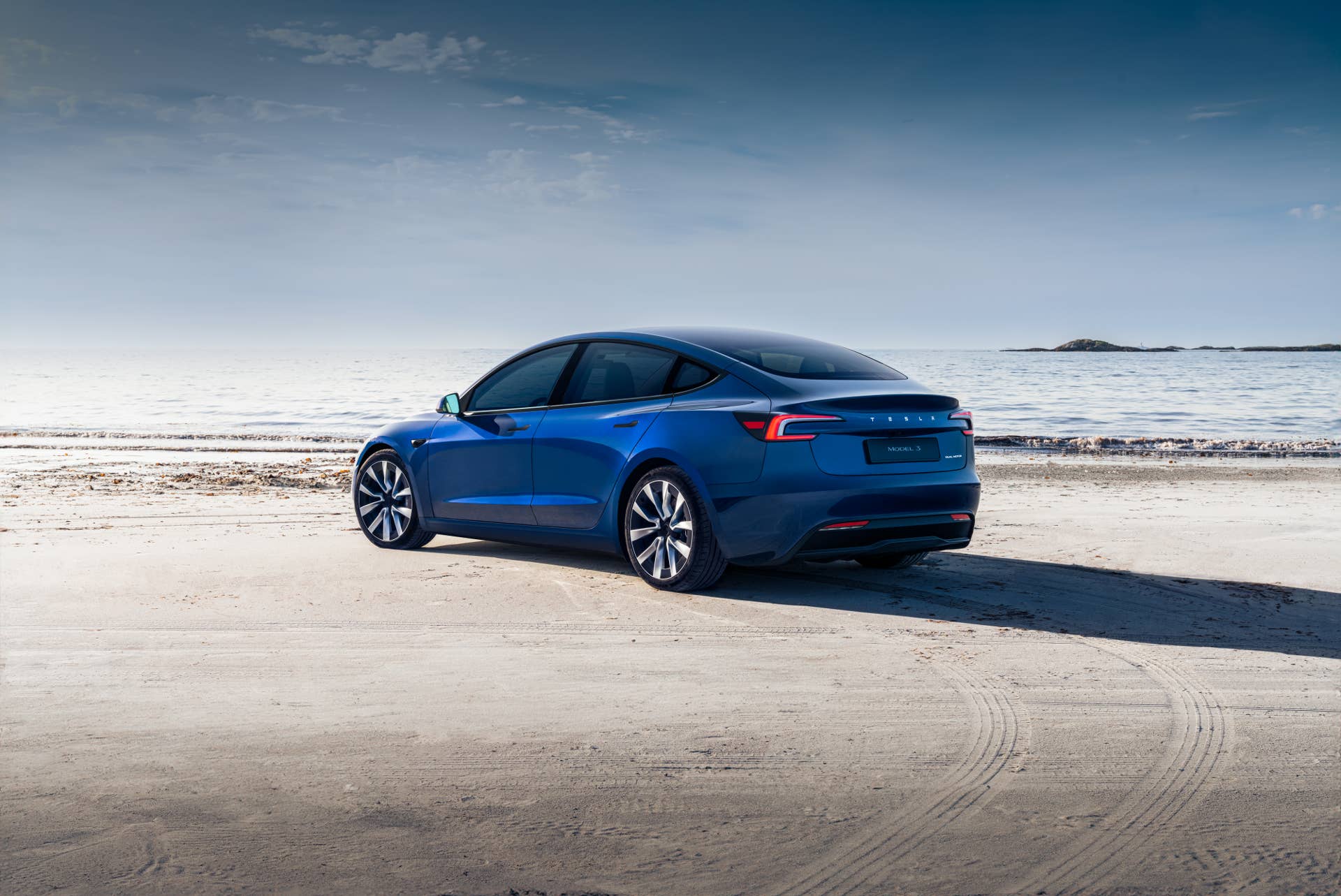
Tesla
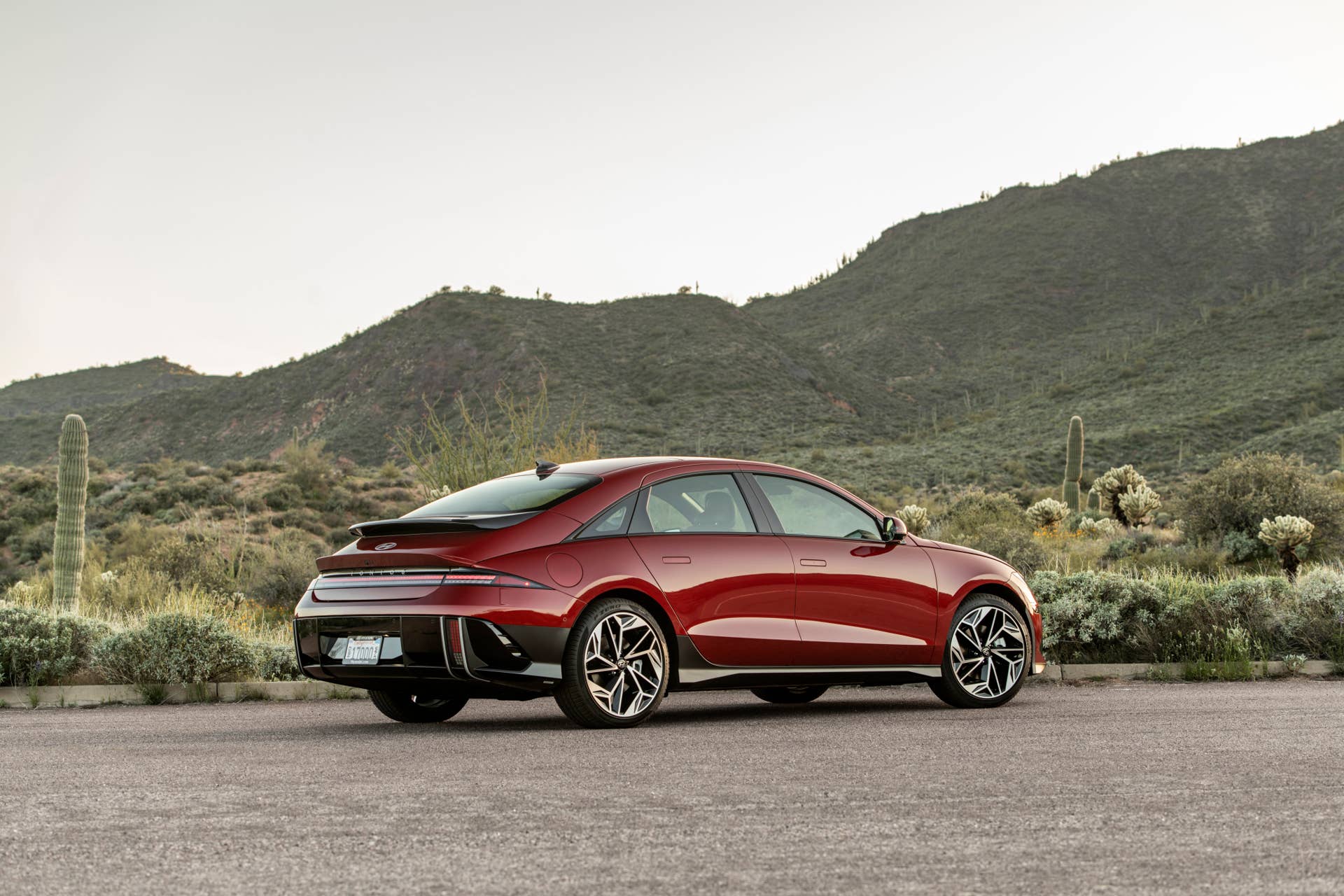
The Hyundai Ioniq 6 isn’t as quick as the Model 3, but it does come closer as far as range is concerned. While the base model offers a rather disappointing 240-mile range, all other trims get a significantly larger battery. The SE trim is the most efficient of the lot, with RWD models going as far as 342 miles, while AWD models offer 316 miles. The upper SEL and Limited trims can deliver up to 291 and 270 miles of range when equipped with RWD and AWD, respectively.
4. Hyundai Ioniq 6 offers quicker charging capabilities
The Tesla Model 3 may have had a significant early advantage thanks to its access to the manufacturer’s supercharger stations, but now the gap has closed. The Hyundai Ioniq 6 is capable of charging from 10% to 80% in as little as 18 minutes when connected to a DC fast charger. The Tesla Model 3’s charging speed varies, but you can expect to hit 80% in around 20 to 30 minutes when connected to a DC fast charger.
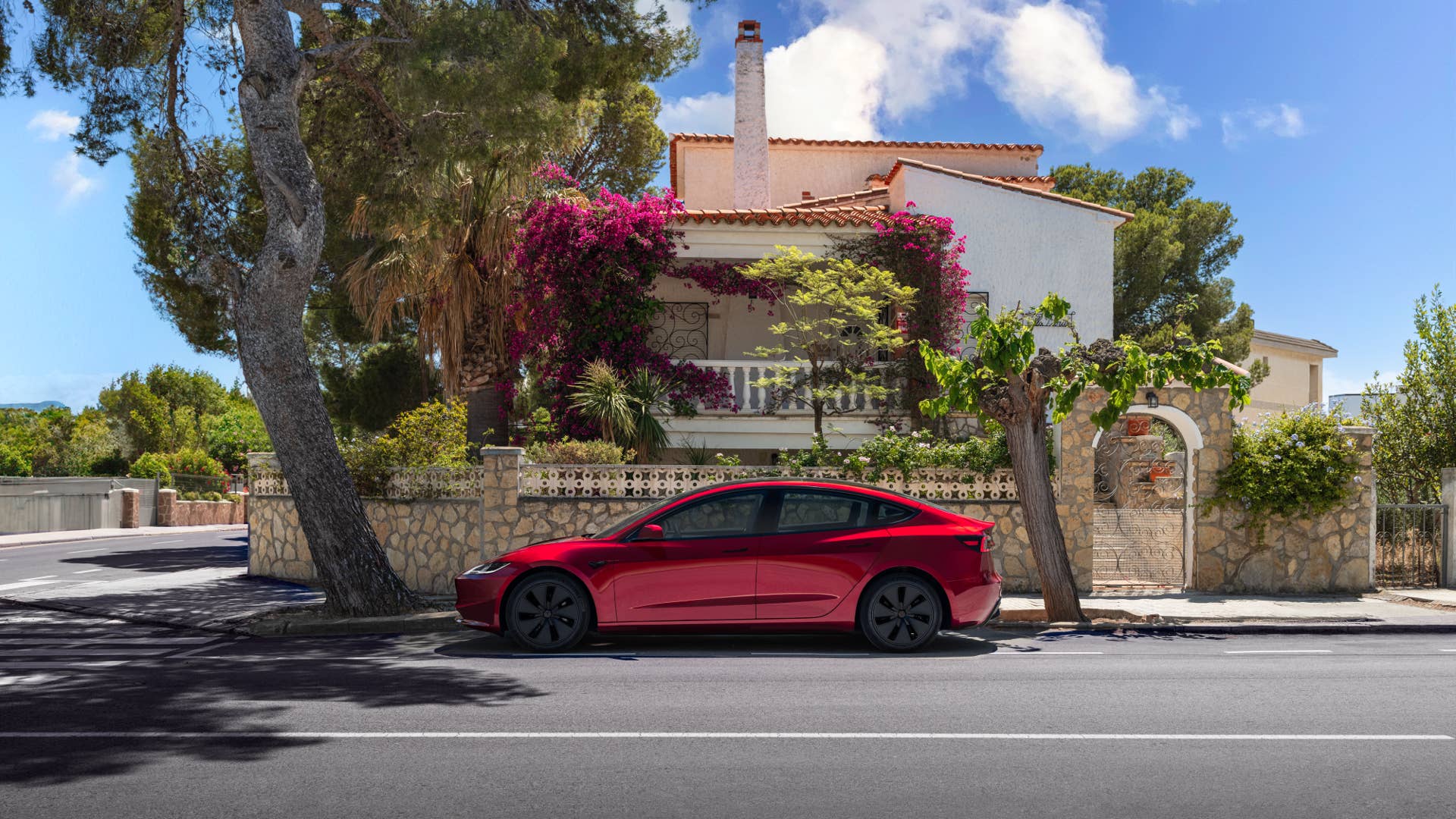
Tesla
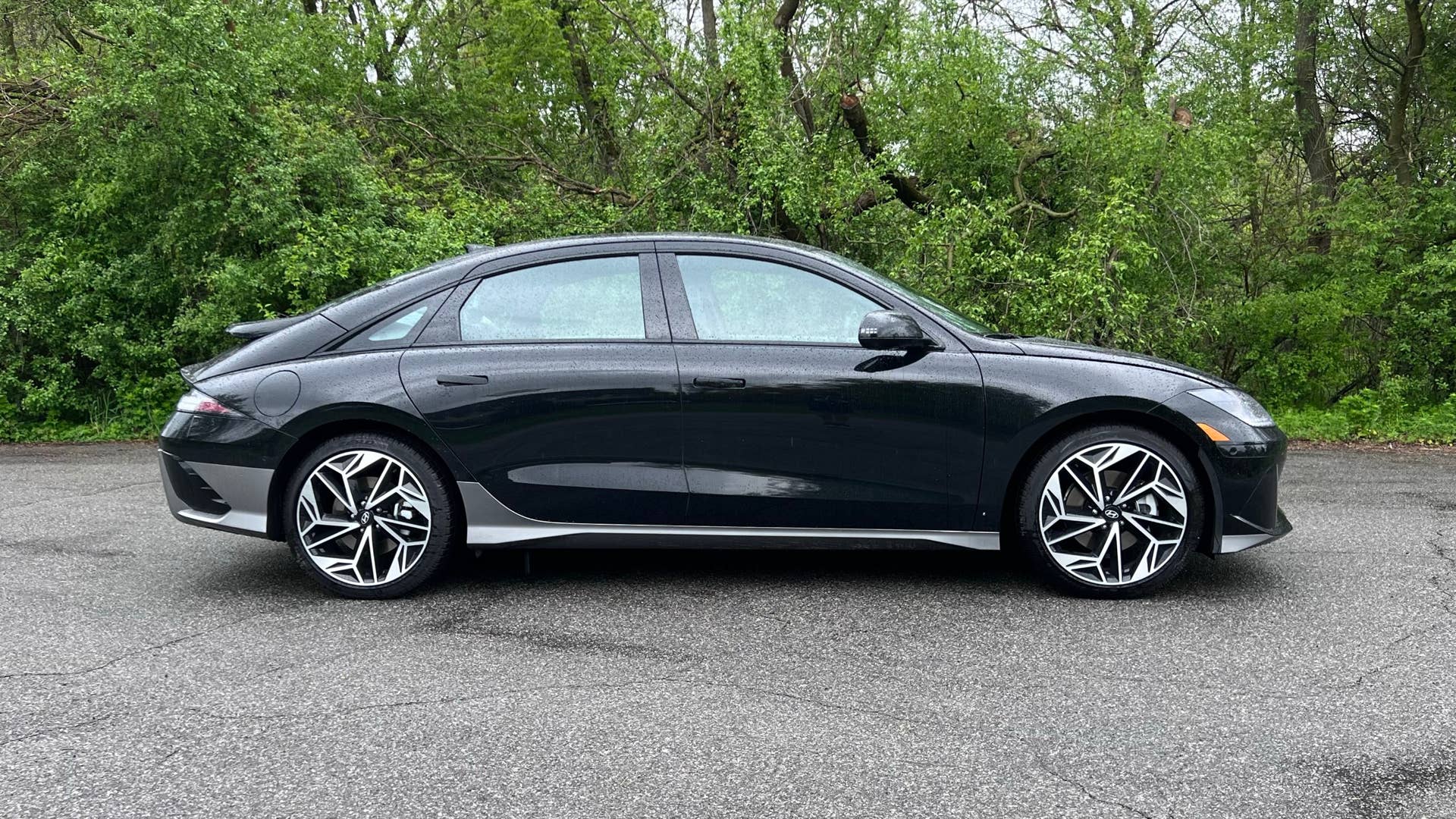
Hyundai
5. Tesla Model 3 takes an easy win in cargo space
Cargo space can be a significant factor for some drivers, and thanks to its minimalist interior and flat floor, the Tesla Model 3 takes home an easy win. Tesla’s electric sedan offers up to 21 cu ft. of cargo space with the rear seats in their upright position. In the Hyundai Ioniq 6, cargo space tops out at 11.2 cu ft. with the rear seats up, nearly half that of the Model 3. In the front trunk, or frunk, the Tesla Model 3 lands another decisive victory, with 3.1 cu ft. of space, topping the Ioniq 6’s 0.5 cu ft.
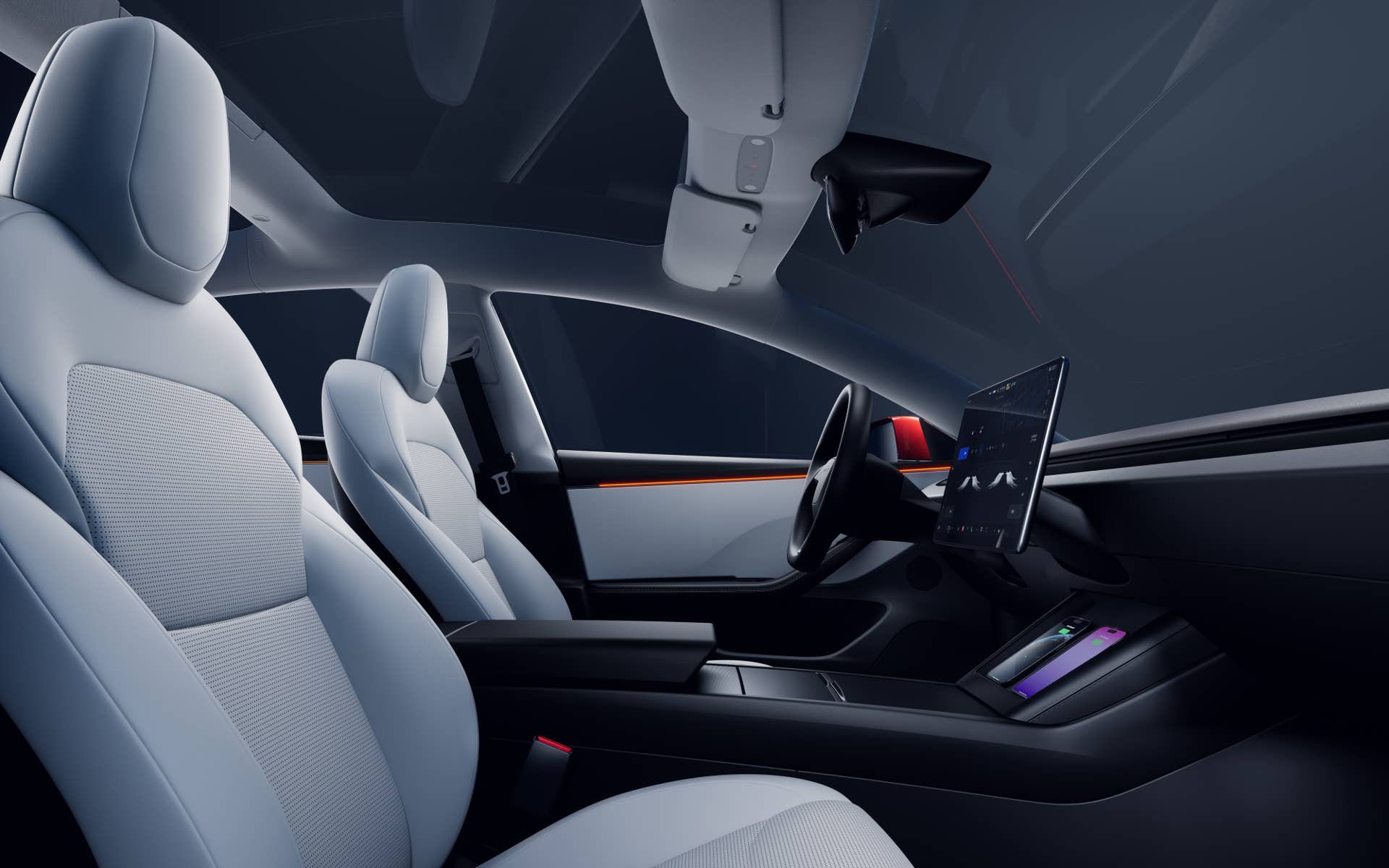
Tesla
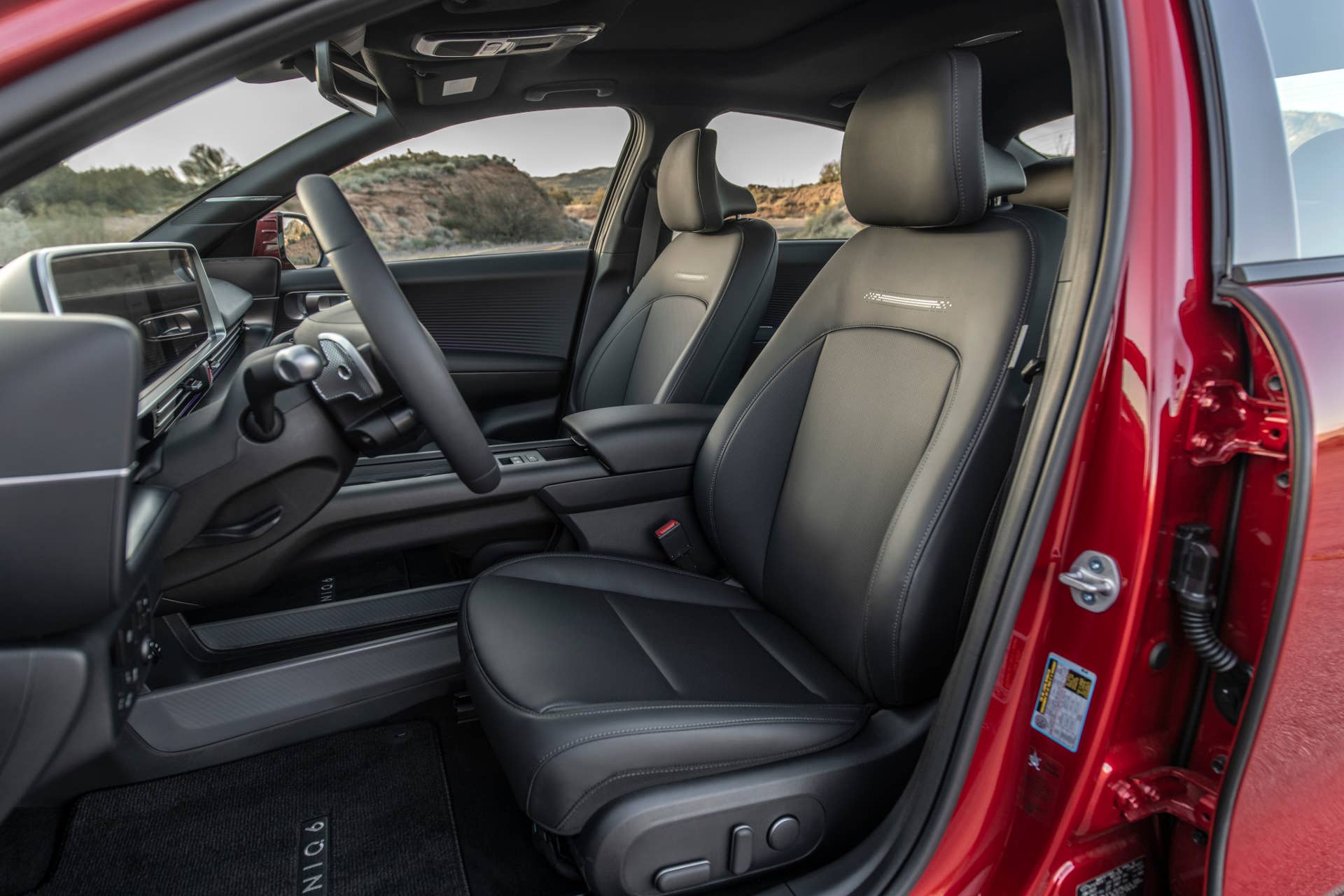
Hyundai
Final thoughts
The 2025 Tesla Model 3 and Hyundai Ioniq 6 are both solid EVs in their own right, but there’s a reason that Tesla’s sedan has remained dominant for so long. Its range alone is enough to relieve most drivers’ anxiety, and performance is top-notch across the board. For the time being, it’s also cheaper than its electrified Korean rival. If charging speed and arguably more futuristic looks are your concerns, though, the 2025 Hyundai Ioniq 6 has the edge, if only by a few minutes.
About the author

Joseph Pudlewski
Contributing Writer, Autoblog