
California Dreams At 140 MPH
There has been plenty of talk about autonomous driving, especially as robotaxis like Waymo become more common on city streets. In passenger cars, the technology is still largely limited to SAE Level 2, meaning drivers must keep their full attention on the road while the system only assists with driving.
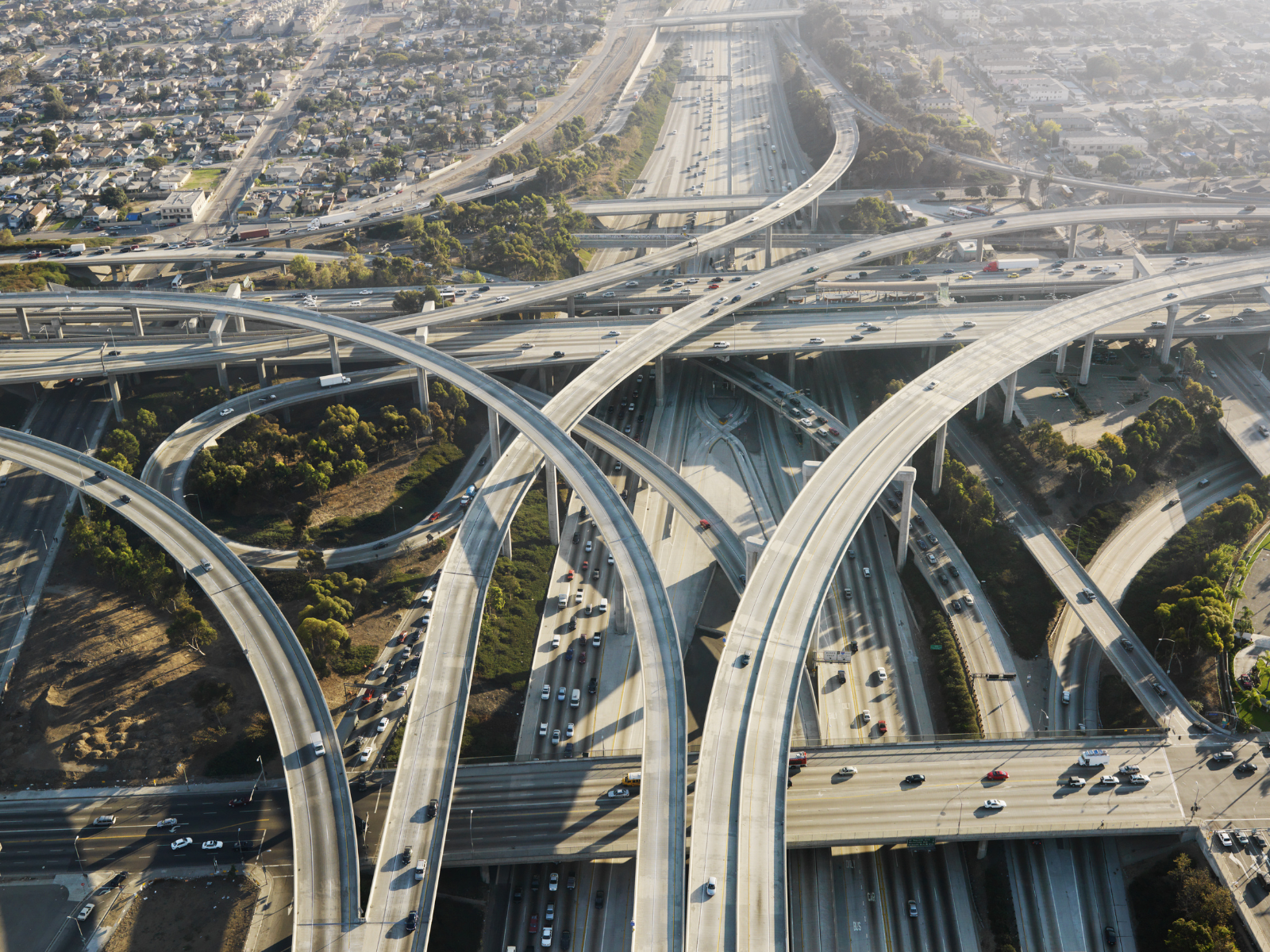
However, autonomous driving may not be limited to everyday passenger cars. According to a report by KCRA 3, the California Department of Transportation (Caltrans) is exploring the possibility of a dedicated high-speed bus network connecting cities across the state. These buses are projected to reach up to 140 mph, which, at an average of 120 mph, could cut travel time between San Francisco and Los Angeles to about 3 hours and 12 minutes.
Real World Challenges
At those speeds, automated driving systems could help overcome the limits of human reaction time. While automation may react faster and coordinate with infrastructure, any software, sensor, or communication failure could become far more dangerous at 140 mph. Researchers also highlighted the need for advanced braking technology and vehicle-to-everything (V2X) communication systems to improve safety under such an ambitious concept.
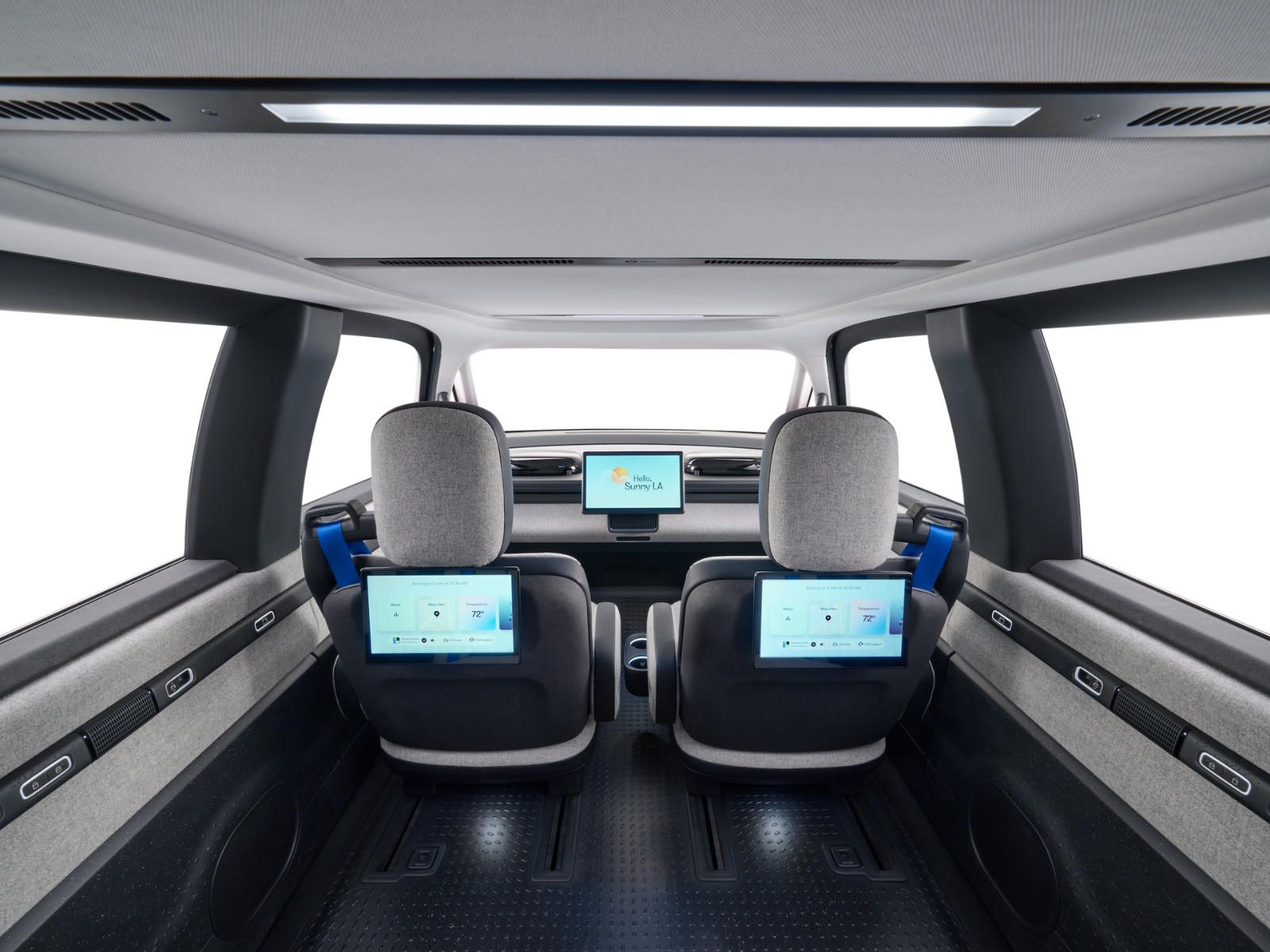
Of course, the concept has been met with criticism, including questions about why Caltrans would not simply invest in rail instead. One argument in favor of a high-speed bus network is cost efficiency, as it could leverage existing freeway corridors rather than requiring an entirely new rail system. Mehdi Moeinaddini, a senior transportation planner at Caltrans, also addressed this point, saying the bus network could serve as a “complementary option” alongside solutions such as rail.

MCCAIG/Getty Images
Still Mostly Theoretical
Right now, the proposal is reportedly still in the “early research stage,” so it is unclear whether the concept will materialize. However, the autonomous side of the concept could also depend on how far automakers advance the technology.
While most automakers, such as Tesla, remain at SAE Level 2, some have ventured into Level 3 and Level 4 systems. But these technologies still face real-world challenges, including cost, as the added sensors and cameras can make vehicles more expensive than some consumers are willing to accept. BMW even discontinued its Personal Pilot L3 system after demand reportedly failed to reach a profitable level.
If anything, the high-speed bus proposal hints at a future in which more people no longer drive at all, but are simply moved by software.
About the author

Rex Sanchez
News Editor