
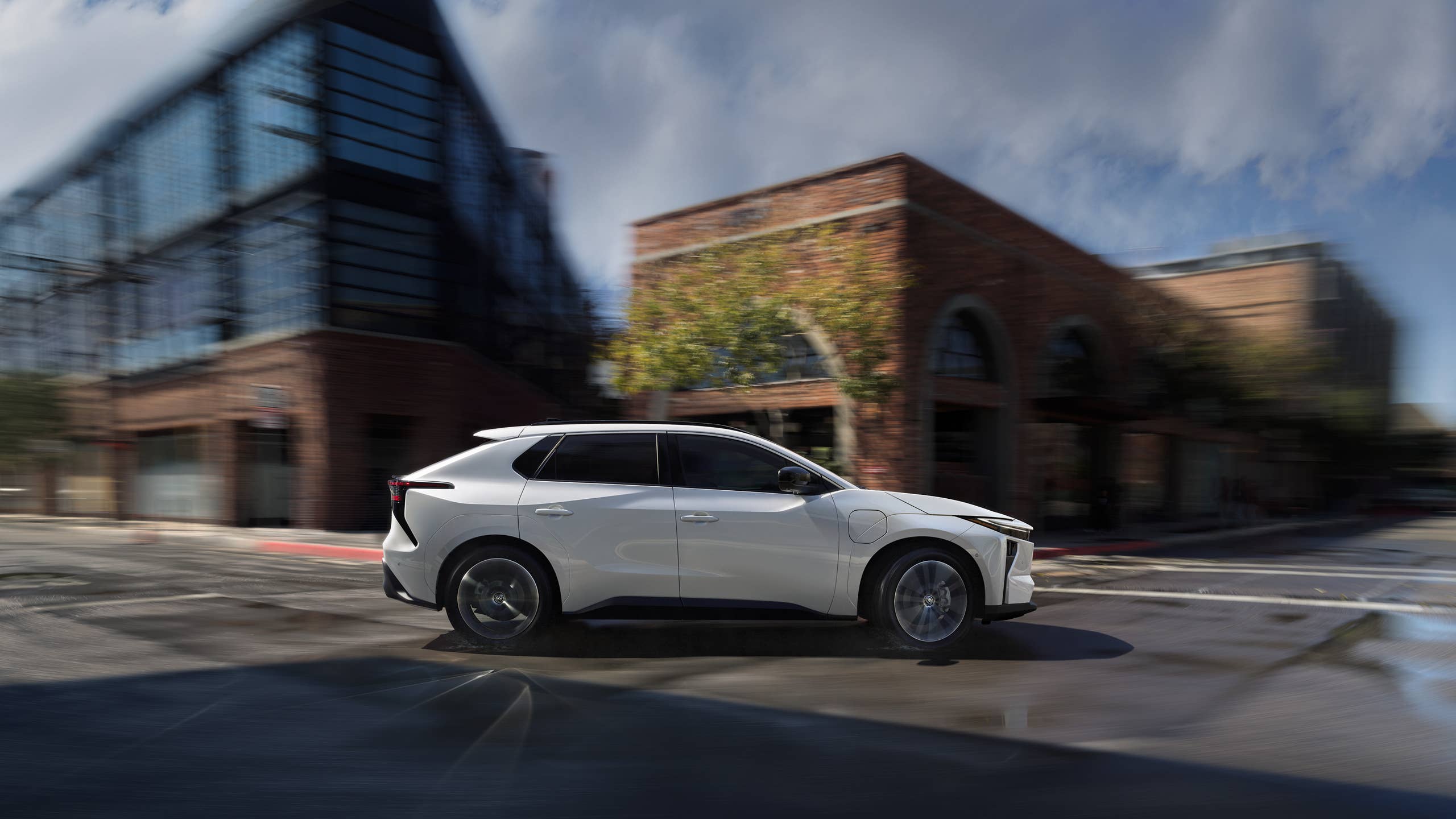
It’s rare that automakers hand me the keys to an entry-level model. Most prefer to supply their fully loaded examples, which makes sense. If you’re inviting somebody over to inspect the house, you probably straighten the furniture and hide the laundry. That’s why I was pleased to spend time with a 2027 Toyota bZ XLE rather than the more expensive Limited. Granted, there are only two main trim levels, so perhaps I’m making too much of this. Still, reviewing a reasonably priced vehicle that people might actually buy is one of my favorite parts of the job.
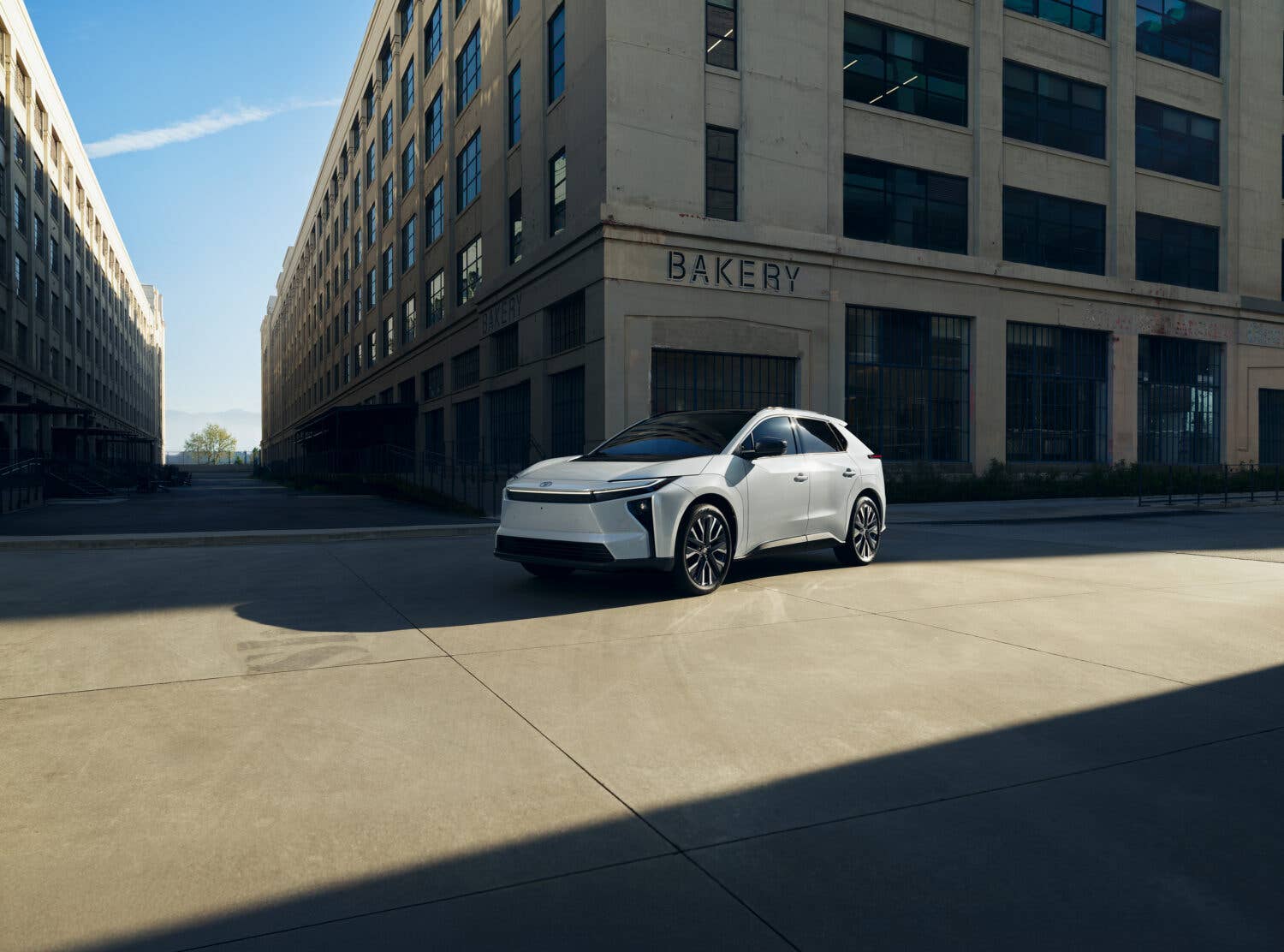
My test vehicle was the XLE FWD Plus, an important distinction because it combines the less expensive trim with the larger battery. It also attracted an unexpected admirer: an 82-year-old passenger who likes to call himself Grandpa. He isn’t my grandfather, but I wasn’t about to demand identification. Considering that he owns a 2023 Mercedes-Benz S-Class, I expected complaints about the Toyota’s comparatively modest accommodations.
I was completely wrong.
Chase Bierenkoven
Powertrain and performance
First, let’s untangle Toyota’s configurations. The regular XLE FWD uses a 57.7-kWh battery and carries a 236-mile range rating. The XLE FWD Plus moves up to a 74.7-kWh battery and a more powerful front-mounted motor producing 221 horsepower and approximately 198 pound-feet of torque. Its EPA-estimated range is 314 miles, making it the distance champion of the bZ lineup. “Plus” buys you more than another badge to explain at the charging station.
If you want additional muscle, the dual-motor XLE AWD produces 338 horsepower, with an EPA-estimated 288-mile range. That’s a substantial power increase, but the front-drive Plus makes a convincing case for buyers who prioritize range and purchase price over acceleration.
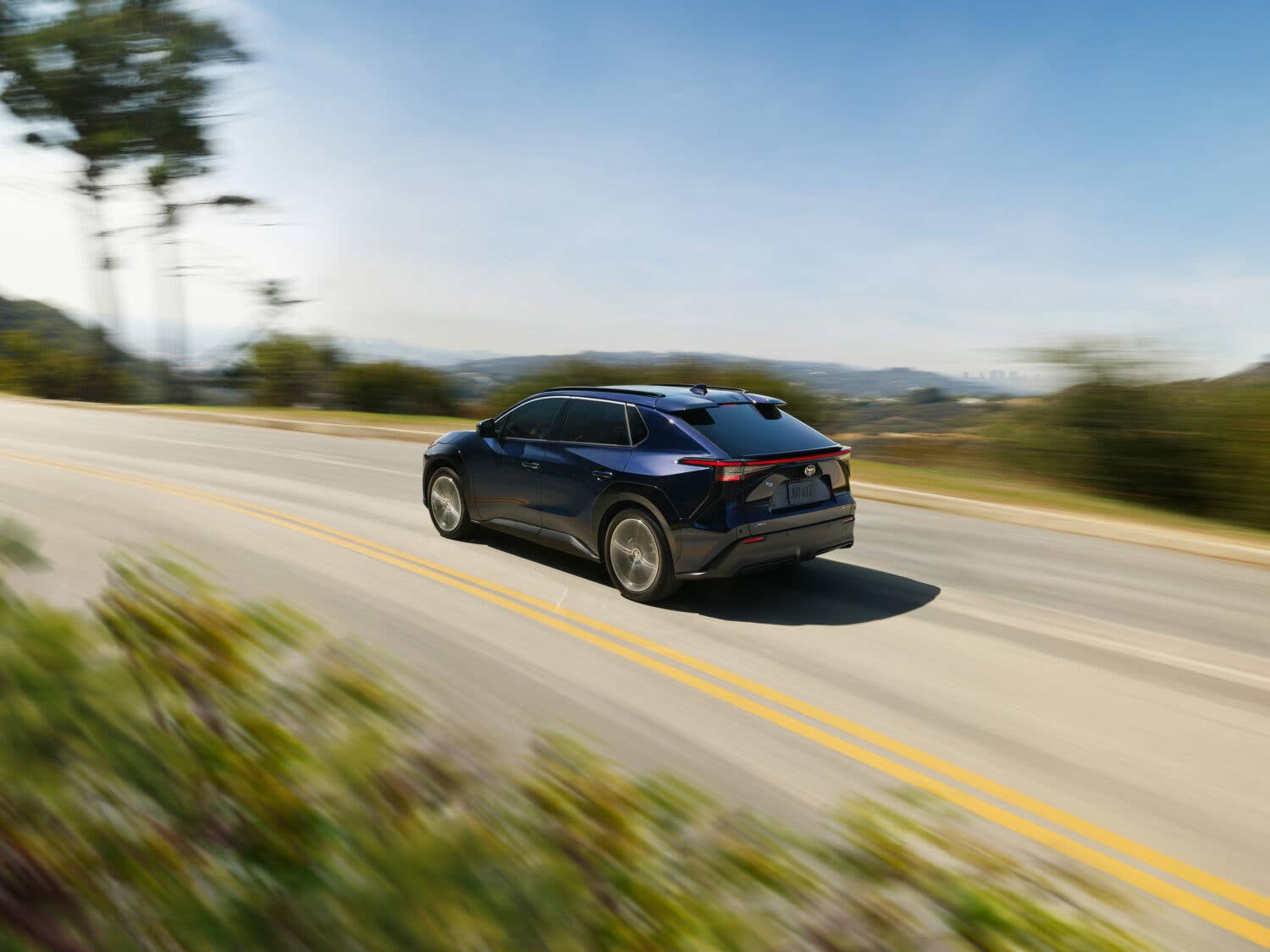
Built on Toyota’s dedicated e-TNGA electric platform, the bZ places its battery beneath the cabin floor. A 112.2-inch wheelbase helps create useful passenger space and contributes to its settled highway character. At roughly 4,200 pounds, depending on configuration, my front-drive example wasn’t lightweight, but it didn’t feel excessively burdened by its batteries either.
Acceleration is entirely adequate for commuting, merging, and passing. This isn’t a sports car, but it has no difficulty getting out of its own way. Handling was better than I expected, although enthusiastically applying power through a tight corner could make the front tires chirp. There’s enough response to keep it agreeable without pretending that every grocery run is a qualifying session.
The ride is the bigger selling point. It’s composed, comfortable, and well suited to the kind of driving most owners will actually do. Steering-wheel paddles adjust regenerative braking, giving the driver some control over how strongly the vehicle slows when lifting off the accelerator.
Toyota
James Ochoa
Toyota
Range and charging
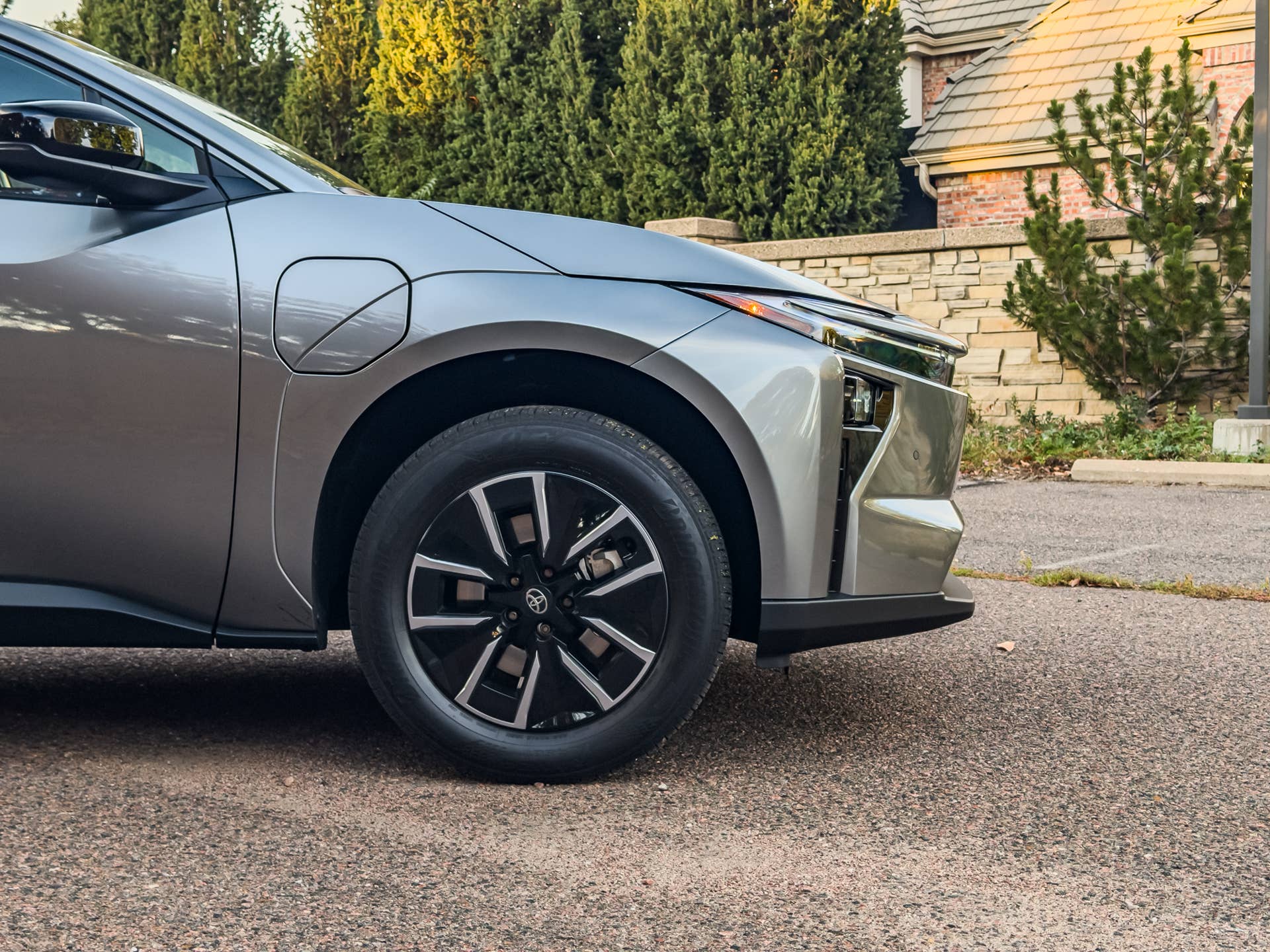
The 314-mile rating deserves attention because it makes the XLE FWD Plus considerably easier to recommend than the original bZ4X. The Limited FWD, using the same battery capacity and 221-horsepower output, is rated at 299 miles. Wheel-and-tire selection matters here: the XLE uses 18-inch wheels, while the Limited wears 20s. Equipment and weight also influence efficiency, but upholstery alone isn’t stealing those 15 miles.
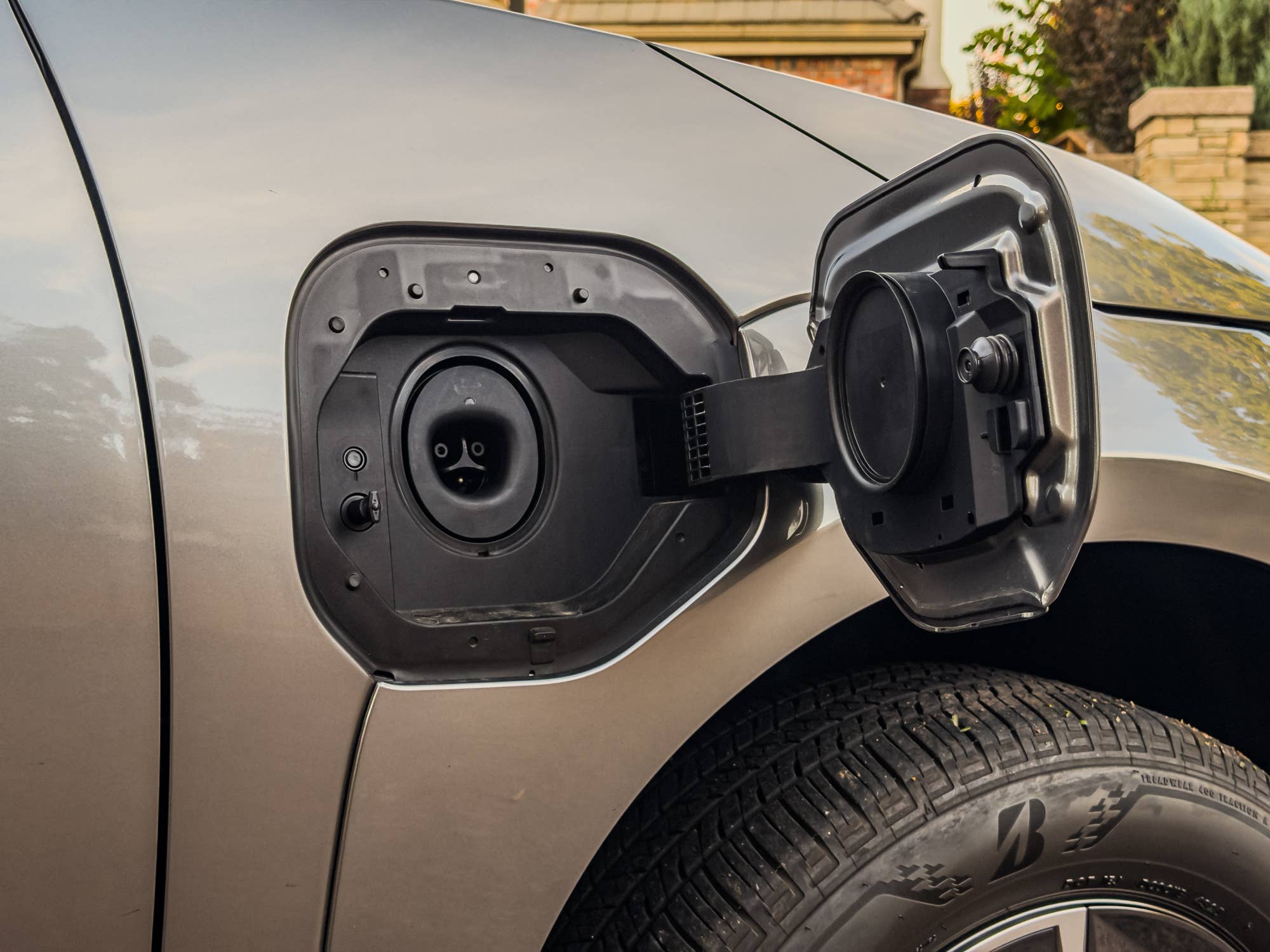
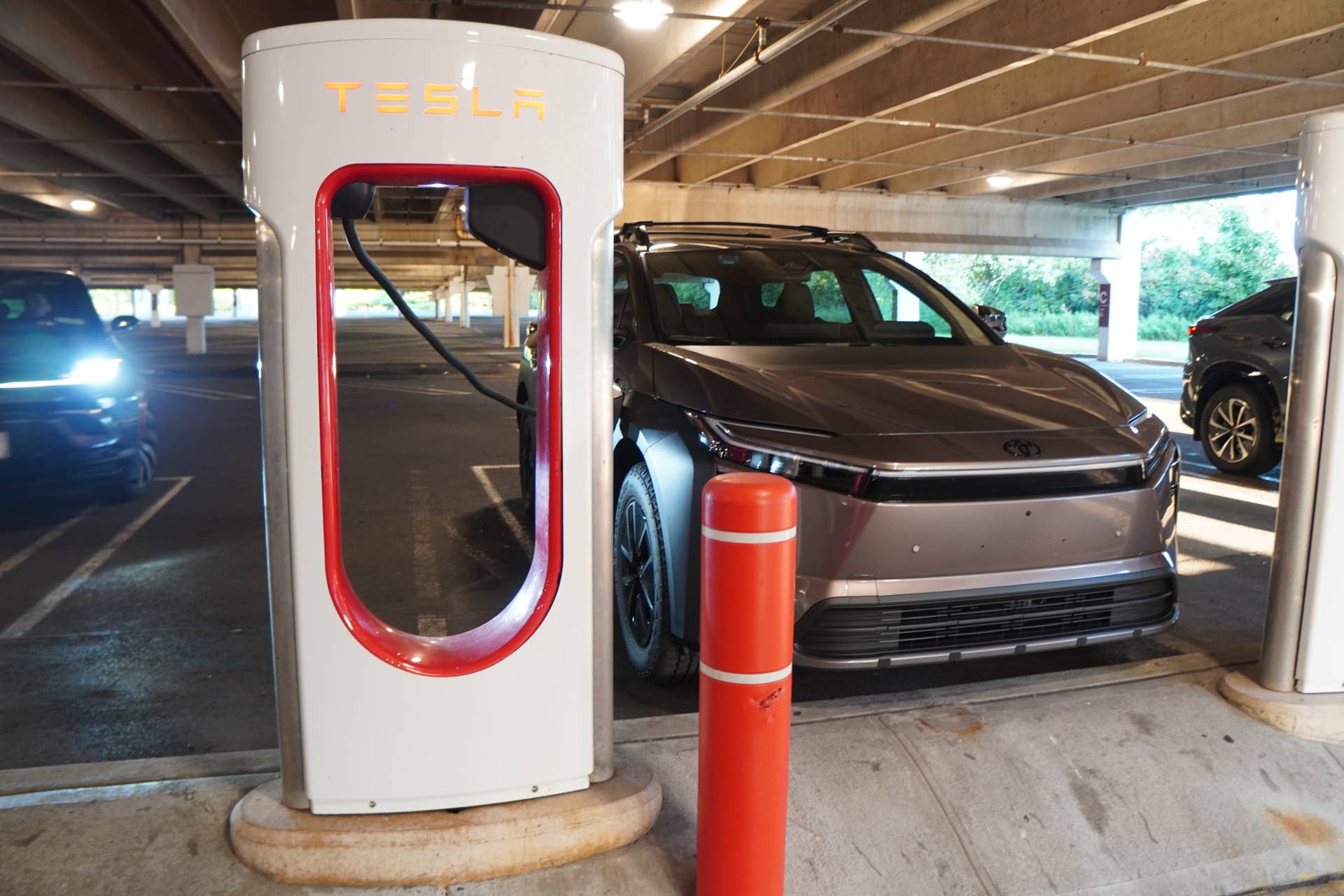
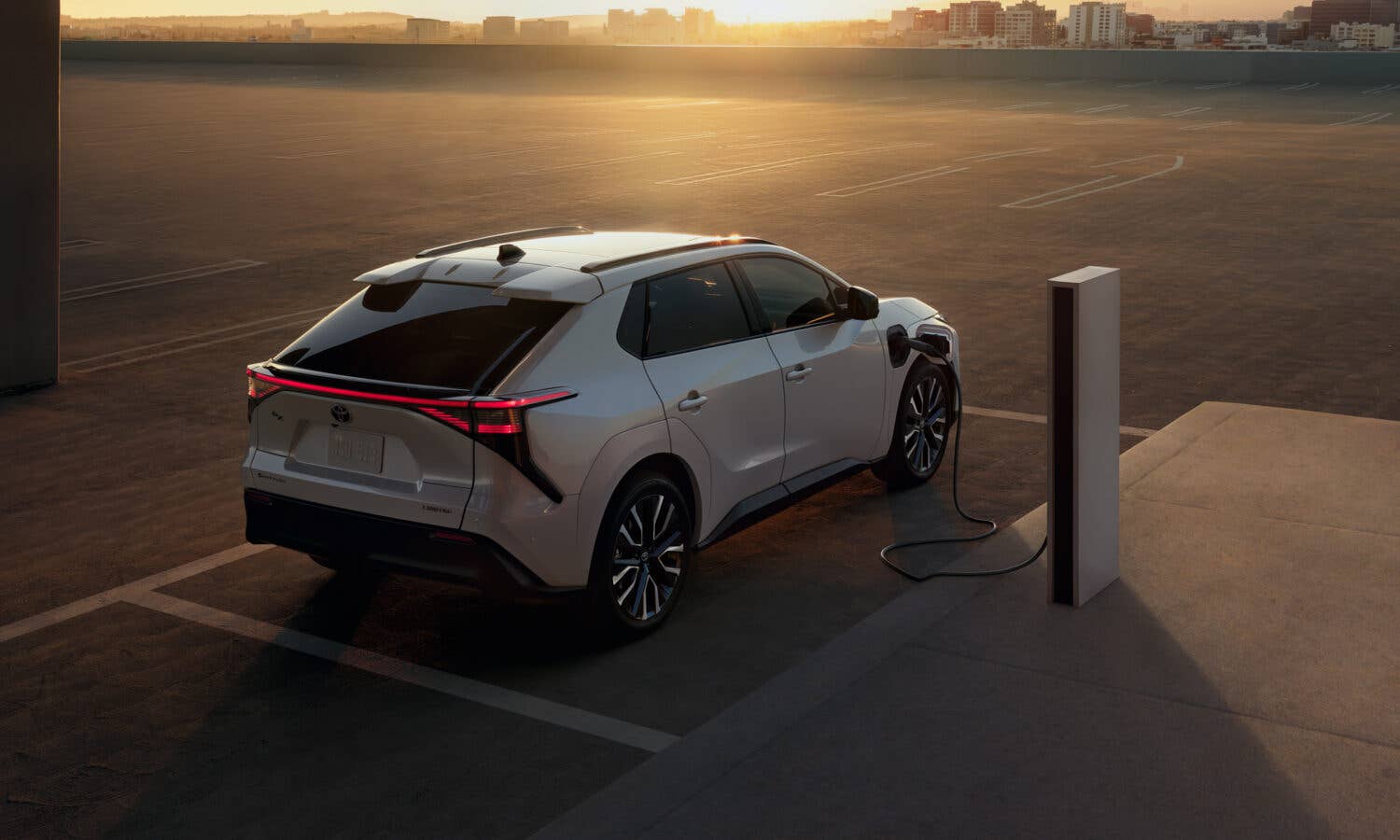
Toyota fits a native NACS charging port, allowing access to compatible Tesla Superchargers. That expands charging options, although it doesn’t mean every Tesla station is available to this vehicle. Battery preconditioning helps bring the pack toward an appropriate temperature before fast charging, an important improvement when conditions are less than ideal.
Toyota estimates a 10–80% DC fast charge in approximately 30 minutes under ideal conditions. The 11-kW onboard AC charger supports Level 2 charging at home or work, subject to the power available from the charging equipment. Toyota also supplies a dual-voltage charging cable.
Those are useful specifications, although the bZ isn’t setting the charging-speed benchmark. For someone who plugs in at home and starts most mornings with a replenished battery, that matters considerably less than it does to a frequent road-tripper.
Chase Bierenkoven
Chase Bierenkoven
Exterior and interior design
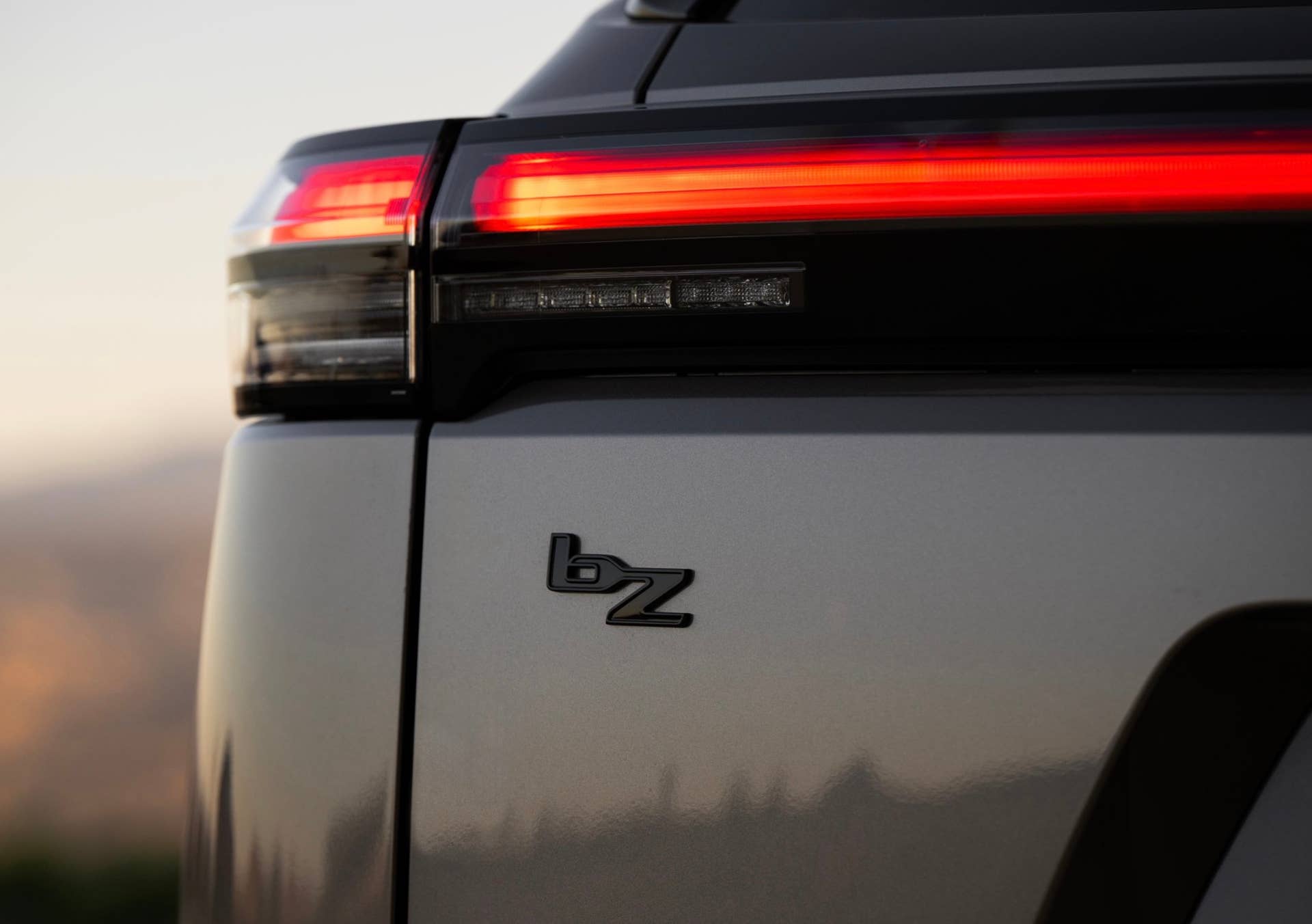
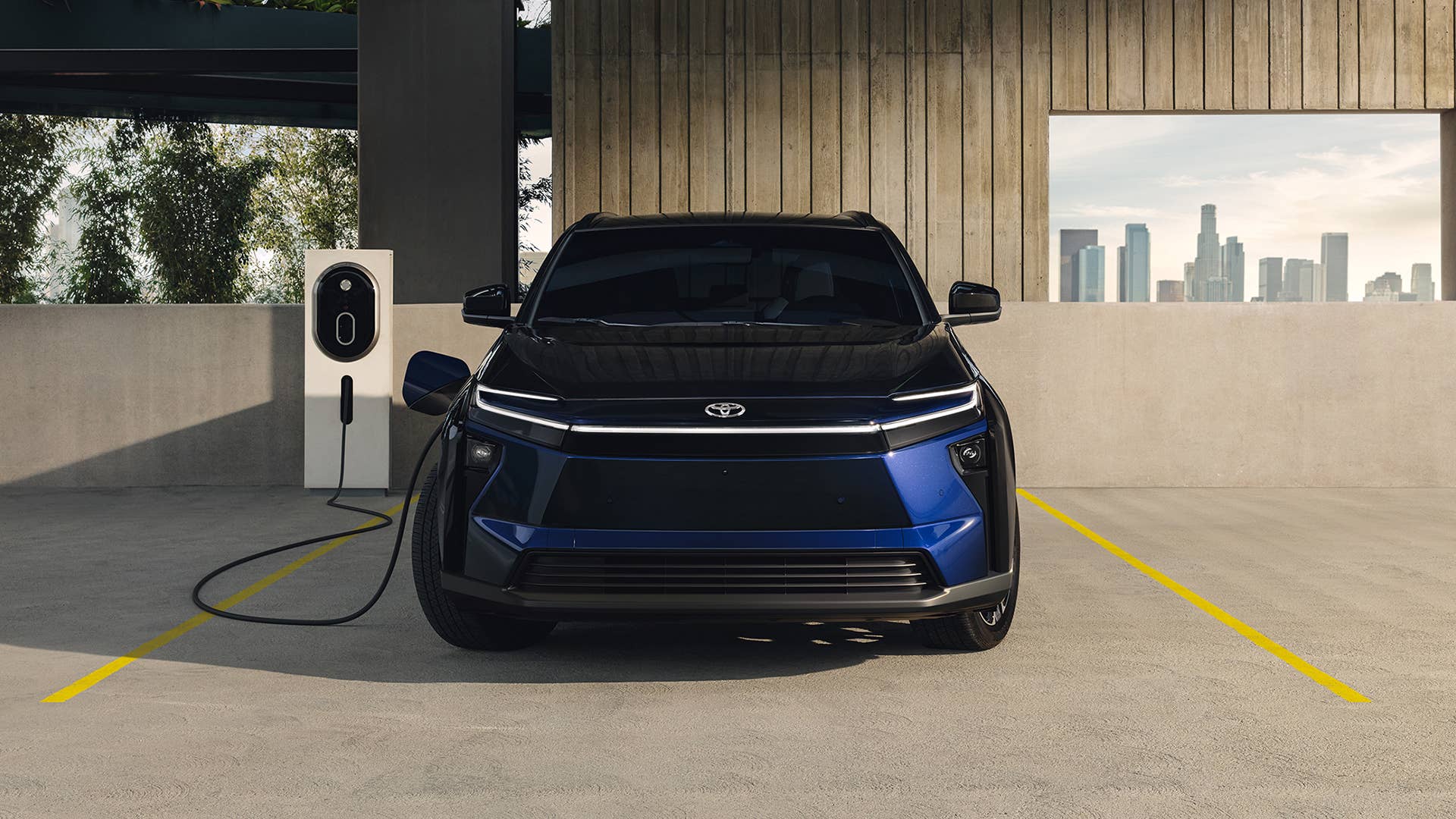
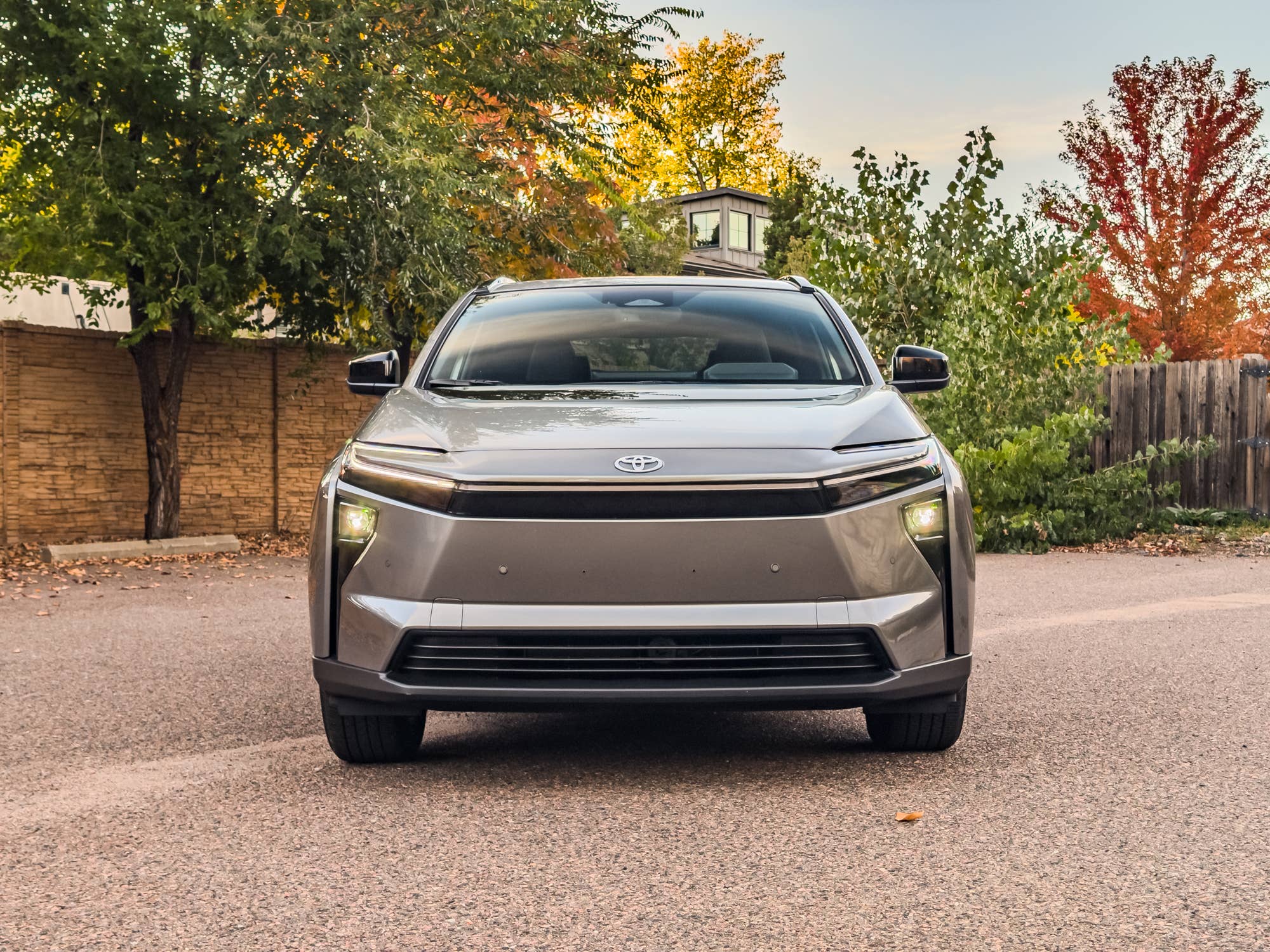
I didn’t hate the original bZ4X’s appearance. The contrasting cladding was a little comical, but at least it had character. The current bZ looks cleaner, with Toyota’s familiar hammerhead front-end treatment and a slimmer lighting signature. The substantial update arrived for 2026, and the 2027 model largely carries it forward.
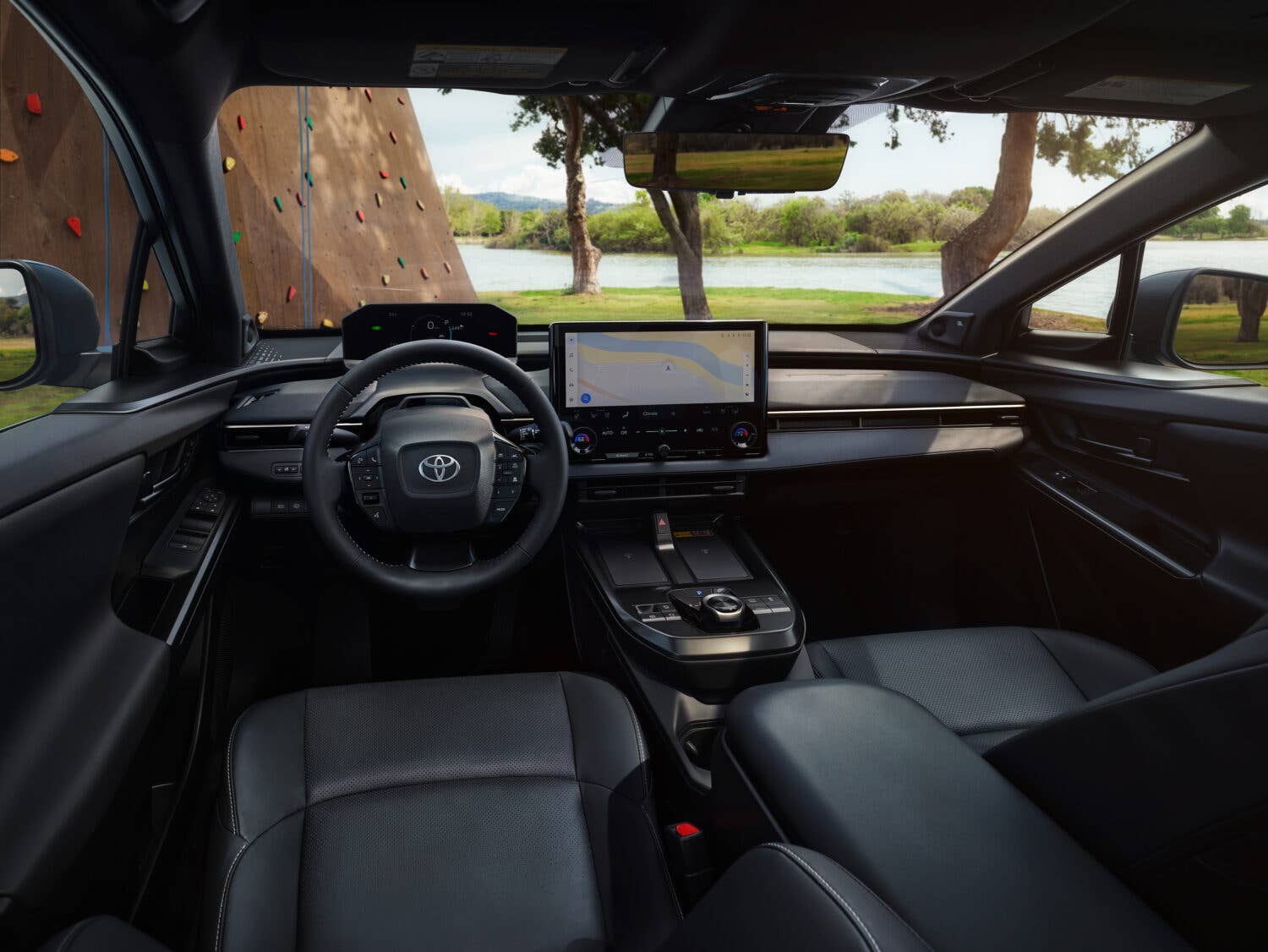
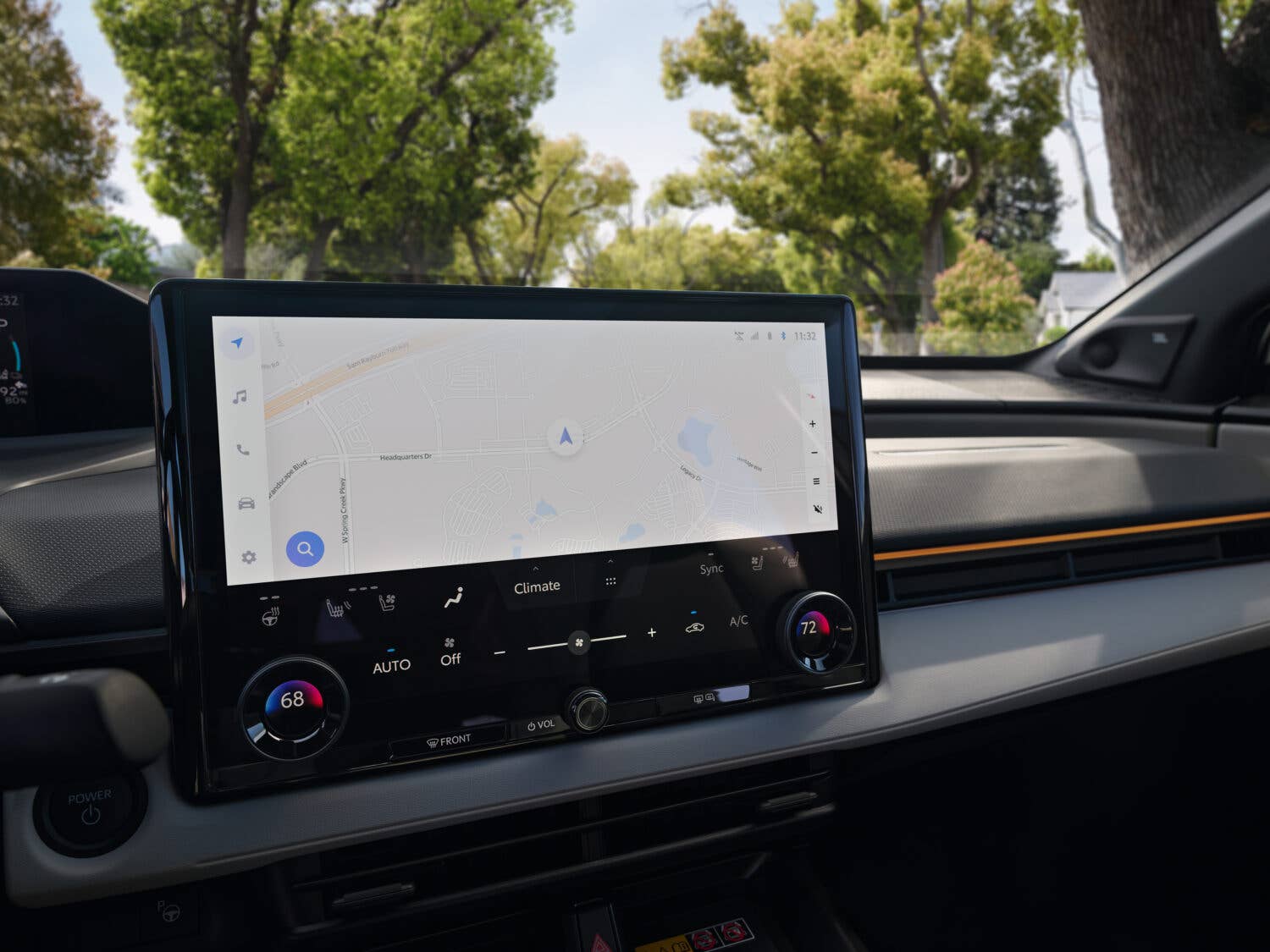
Inside, a standard 14-inch touchscreen supports wireless Apple CarPlay and Android Auto. Ahead of the driver is a separate 7-inch information display mounted high and far forward, near the windshield. It shows speed, charge status, power use, and other driving information. The arrangement takes some adjustment, particularly when finding the right relationship between your seat, steering wheel, and line of sight.
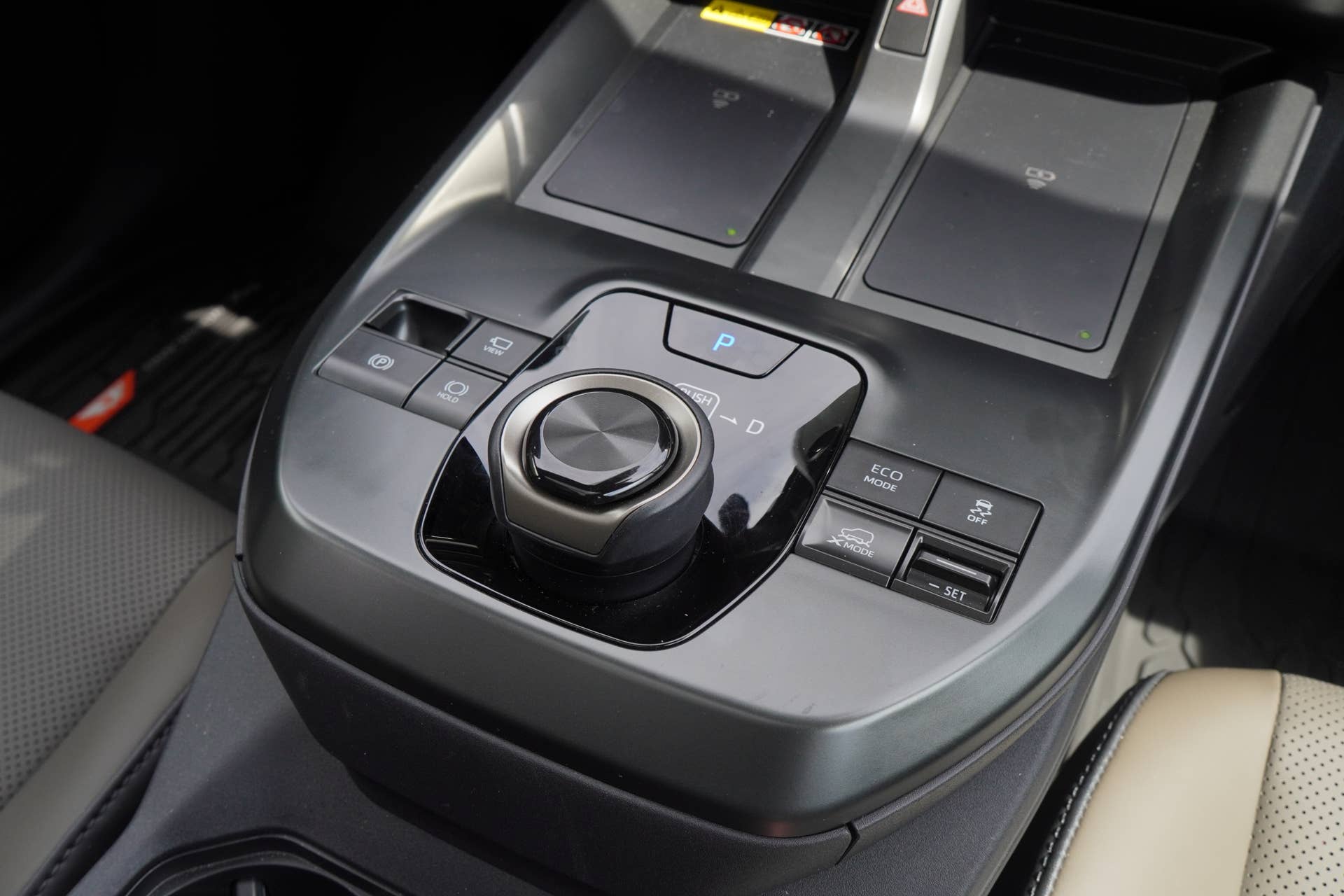
I still prefer more dedicated physical controls, but the cabin doesn’t feel stripped simply because this is an XLE. Heated front seats, a heated steering wheel, dual-zone climate control, two wireless phone chargers, and multiple USB-C ports provide plenty of everyday convenience. The standard audio system has six speakers; the nine-speaker JBL upgrade belongs to the Limited’s options list.
James Ochoa
The XLE’s fabric-and-SofTex seating received surprisingly enthusiastic reviews from my passengers. I found the front seats comfortable, and those seat heaters were appreciated. Rear accommodations were also agreeable in use, although the official 35.3 inches of rear legroom puts “spacious” into perspective. Front legroom measures 42.1 inches.
Cargo capacity is 27.7 cubic feet behind the rear seats, expanding to 56.9 cubic feet with them folded. That’s useful room for luggage and shopping without requiring anybody to climb into an oversized SUV.
Grandpa’s perspective
Grandpa liked that the Toyota felt approachable. He praised its ride, comfort, and apparent value, and the badge carried weight with him. Toyota’s reputation matters to buyers who want reassurance more than a lengthy explanation of software architecture.
He also wondered why he hadn’t heard more about it. That’s a fair question. The bZ’s improvements make it a much stronger proposition, but some shoppers may still associate it with the compromises of the earlier model. Grandpa simply judged the vehicle he was riding in, and liked it enough to consider one as a commuter.
Who am I to argue? The man has an S-Class and still found something to appreciate in fabric seats.
Final thoughts
The 2027 bZ starts at $34,980 for the smaller-battery XLE FWD, before destination. The XLE FWD Plus adds $3,000, bringing its base MSRP to $37,980. That distinction matters: the headline starting price and the 314-mile range belong to different configurations.
For my money, the Plus is the compelling one. It pairs useful range with comfortable accommodations and enough standard equipment to avoid feeling like a punishment for exercising financial restraint. It doesn’t thrill me, but it makes daily driving easy.
Sometimes that’s exactly the assignment. Getting Grandpa’s approval was a bonus.
About the author

Nathan Adlen
Contributing Writer, Autoblog