
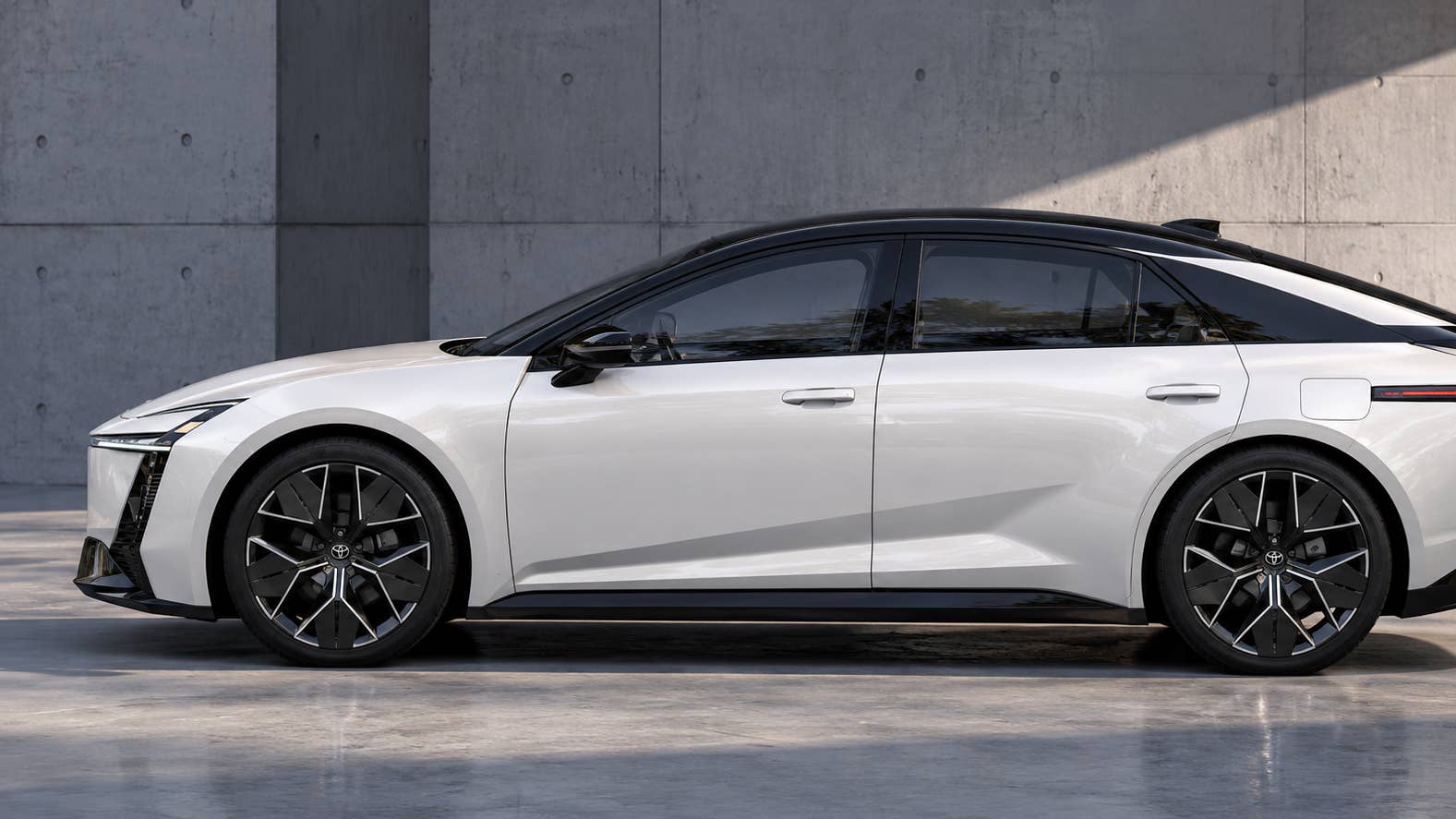
Toyota Is Bringing Its Multi-Pathway Strategy to a New Level
Over the past year, Toyota’s been busy filing patents for all sorts of clever ways to cram hybrid and EV bits into their cars. Some of these ideas were about squeezing out more space, others about shaking up how powertrains fit into the overall design. Now, it seems Toyota is finally ready to show its hand, rolling out a next-gen hybrid system packed with some genuinely interesting twists.
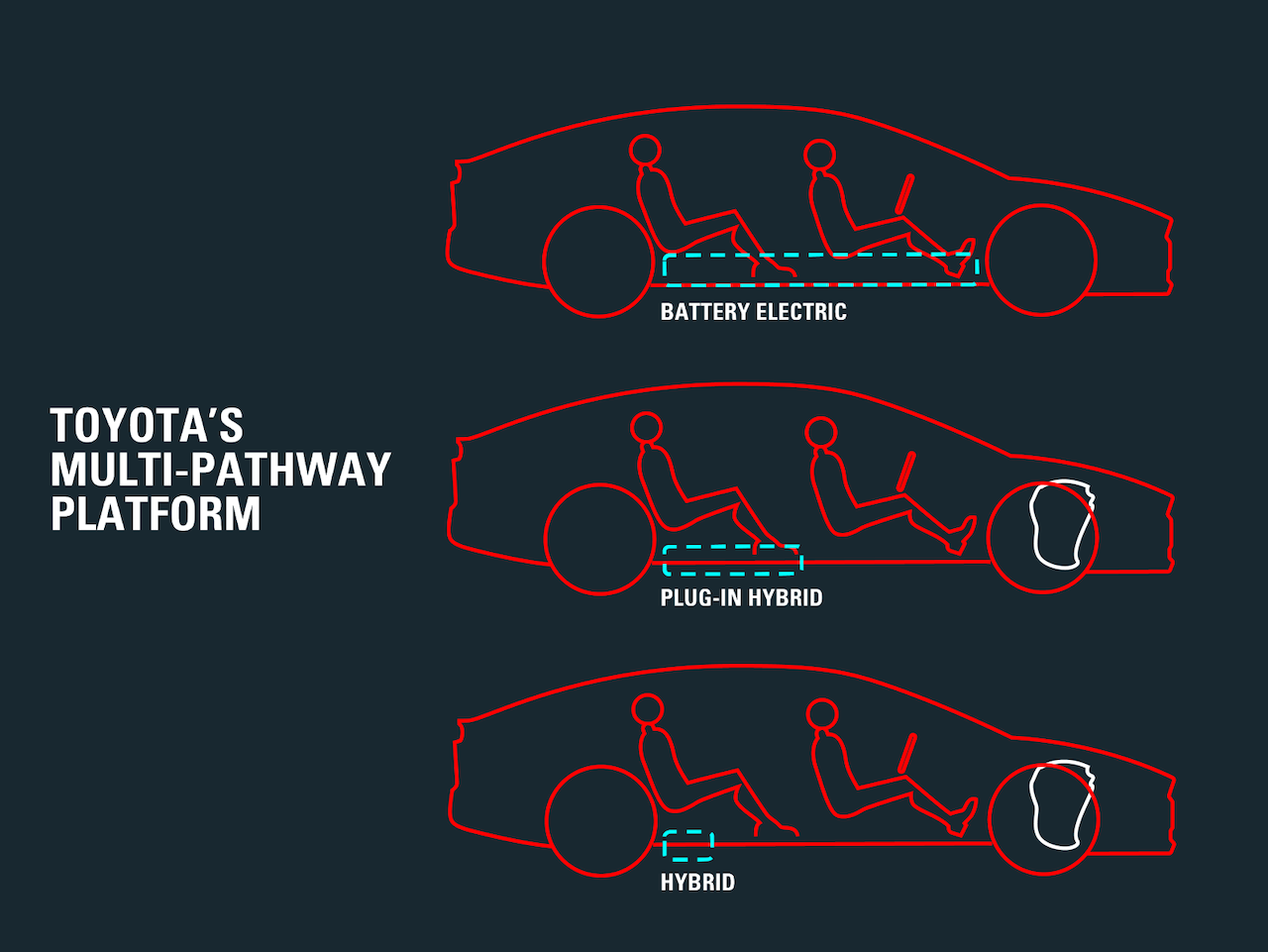
Toyota wants its BEVs, PHEVs, and regular hybrids all riding on the same basic bones. Rather than building a different platform for every powertrain, the plan is to create a flexible foundation that can handle whatever electrification flavor you want, without watering down what makes each one tick.
This is all part of Toyota’s so-called multi-pathway approach. Basically, they know not every market has the same needs, wallets, or charging plugs. A shared platform also means Toyota can keep a tighter grip on development and production costs.
Toyota
A New 1.5-Liter Engine Designed for Electrification
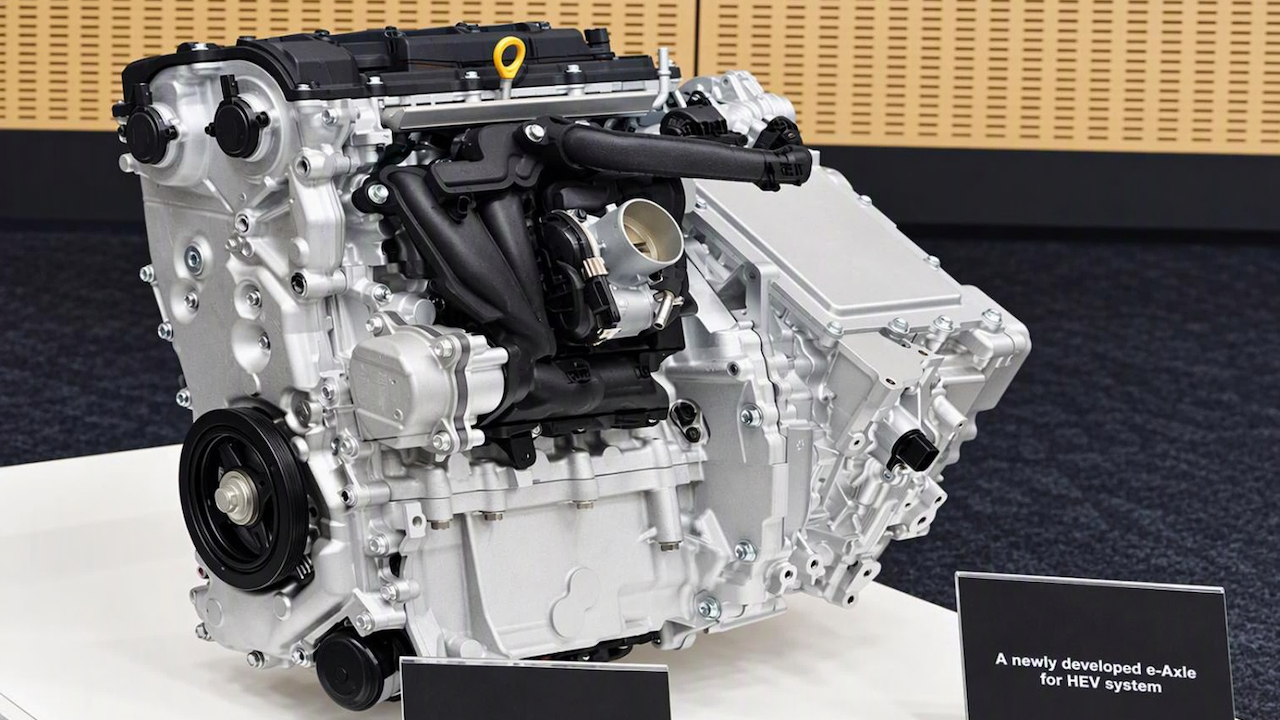
The star of the show is a brand-new 1.5-liter four-cylinder, which comes in both naturally aspirated and turbo flavors. Instead of just slapping hybrid bits onto an old engine, Toyota built this one from scratch, designing it hand-in-hand with the hybrid system and all the power electronics.
The naturally aspirated version is set to replace what Toyota’s 1.8-liter and current 1.5-liter three-cylinder engines do now. If you want a bit more punch, there’s a turbocharged option waiting in the wings.
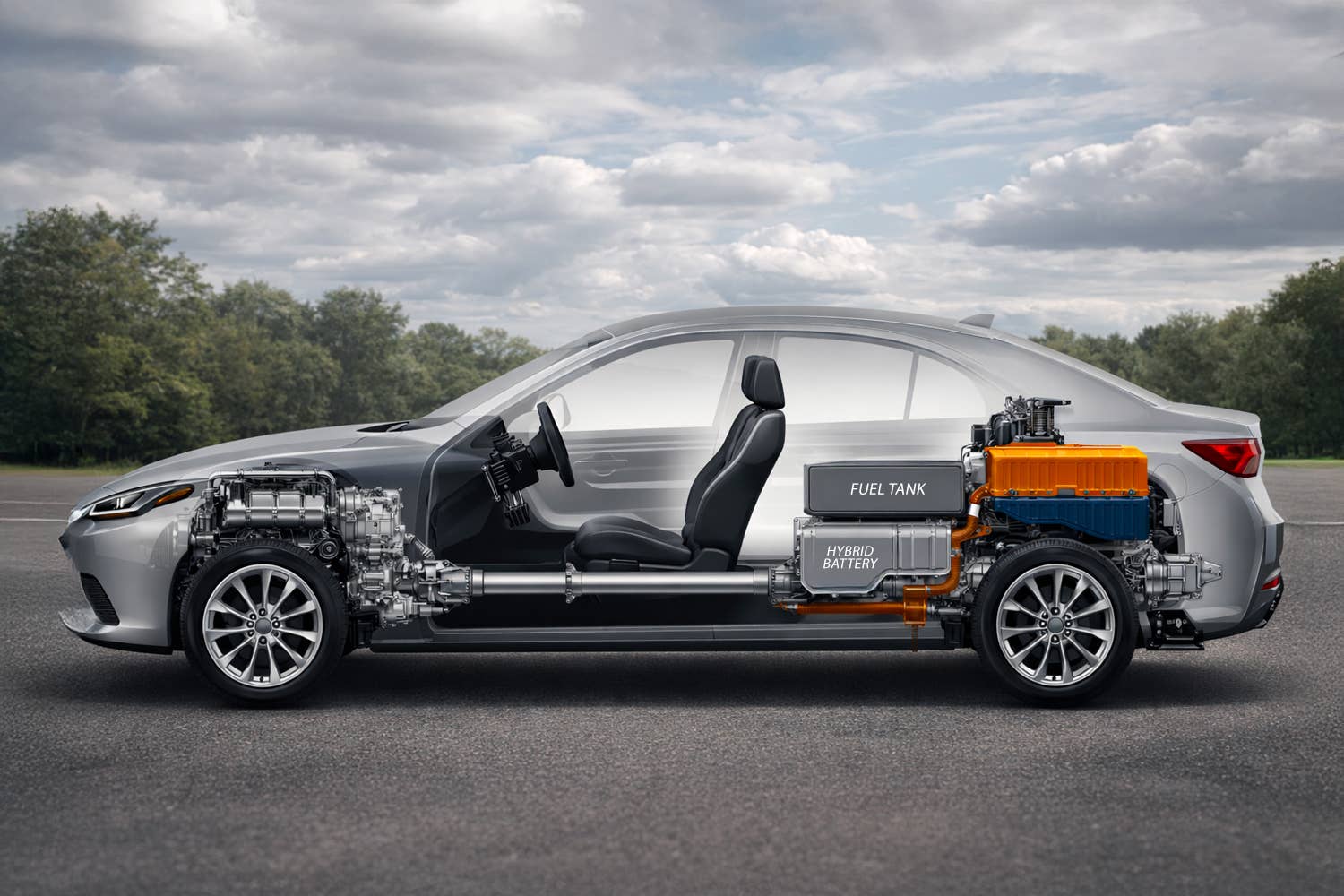
Toyota’s also matching these engines with lighter, more compact electric motors, power units, and inverters. The secret sauce? Their own silicon carbide power electronics, which should help cut down on wasted juice.
The goal here is a fuel economy bump of over 15%. Toyota says it’ll get there by trimming mechanical friction, keeping things cooler, and squeezing out fewer electrical losses, plus a few other tricks up its sleeve.
Toyota
Smaller Packaging Could Give Designers More Freedom
But efficiency is just half the story. Toyota claims this new hybrid setup is way smaller than before, which means it can slot right into platforms that were originally meant for EVs.
Why does that matter? Because cramming an engine, electric motor, and all the hybrid hardware into a car usually means designers have to make some tough calls. With this more compact setup, Toyota wants hybrids and plug-in hybrids to share the same basic architecture as EVs, without eating into cabin space, messing with the car’s shape, or sacrificing capability.
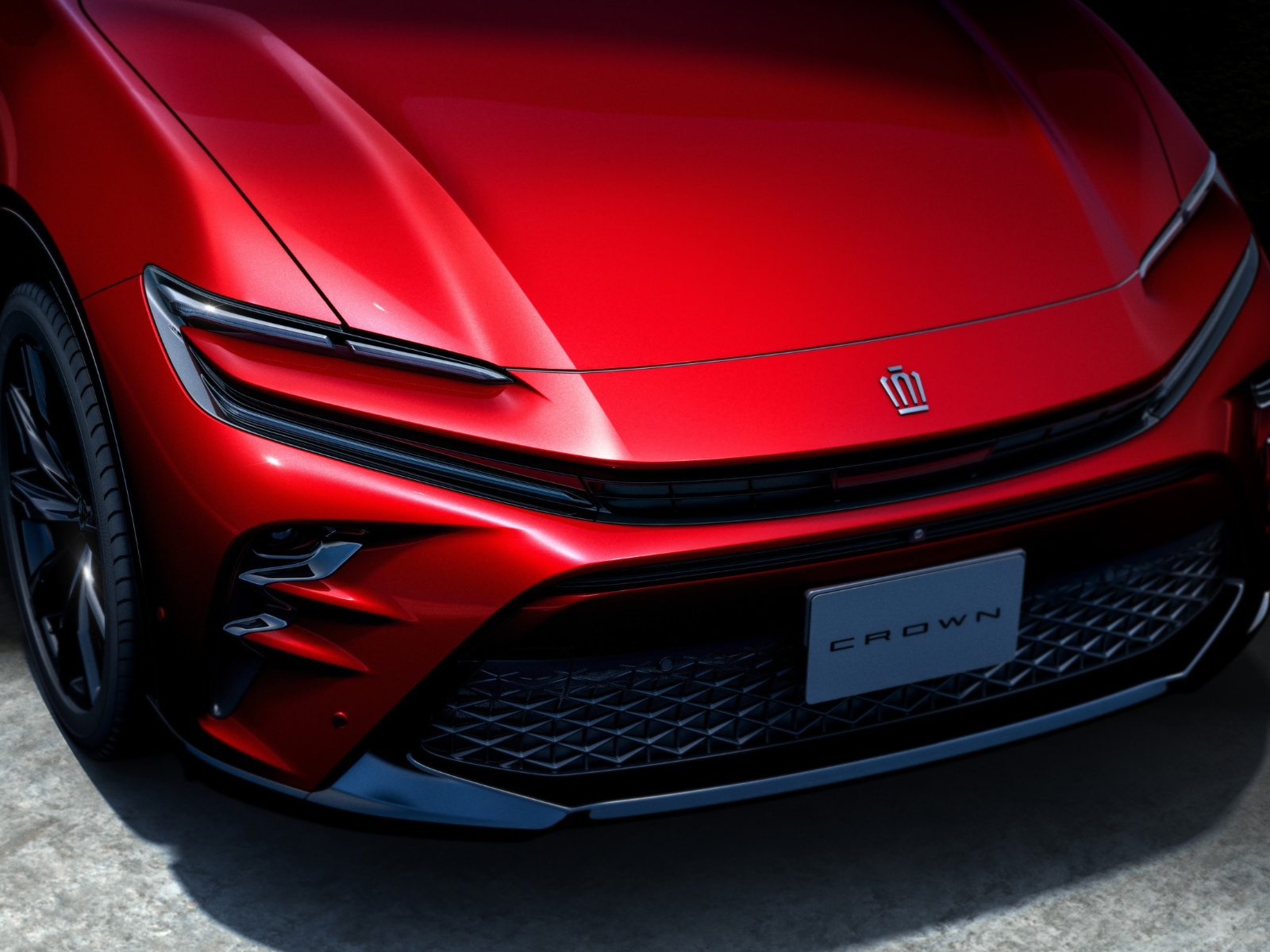
There’s also good news for anyone who cares about how a car looks. With a lower-profile engine and hybrid package, Toyota says designers can drop the hood height and go for sleeker, more dynamic proportions. Fewer mechanical headaches mean more freedom to get creative with future models.
What Happens Next for Toyota’s Hybrid Strategy?
Don’t expect to see this new hybrid system in showrooms just yet. Toyota hasn’t named any specific models or given a launch date, though reports suggest the next Corolla could be one of the first to get it. For now, they’re just laying out the tech and hinting at how it’ll fit into their future plans.
The shared platform should also let Toyota spread out its engineering and manufacturing costs across hybrids, plug-in hybrids, and EVs. Factories can tweak the mix of powertrains on the fly as demand shifts.
Toyota also intends to develop the system for renewable and carbon-neutral fuels while expanding external sales of its engine and hybrid technologies in the coming years. The announcement does not establish when those plans will translate into showroom models, but it offers a clearer look at how Toyota intends to keep improving hybrids alongside battery-electric vehicles.
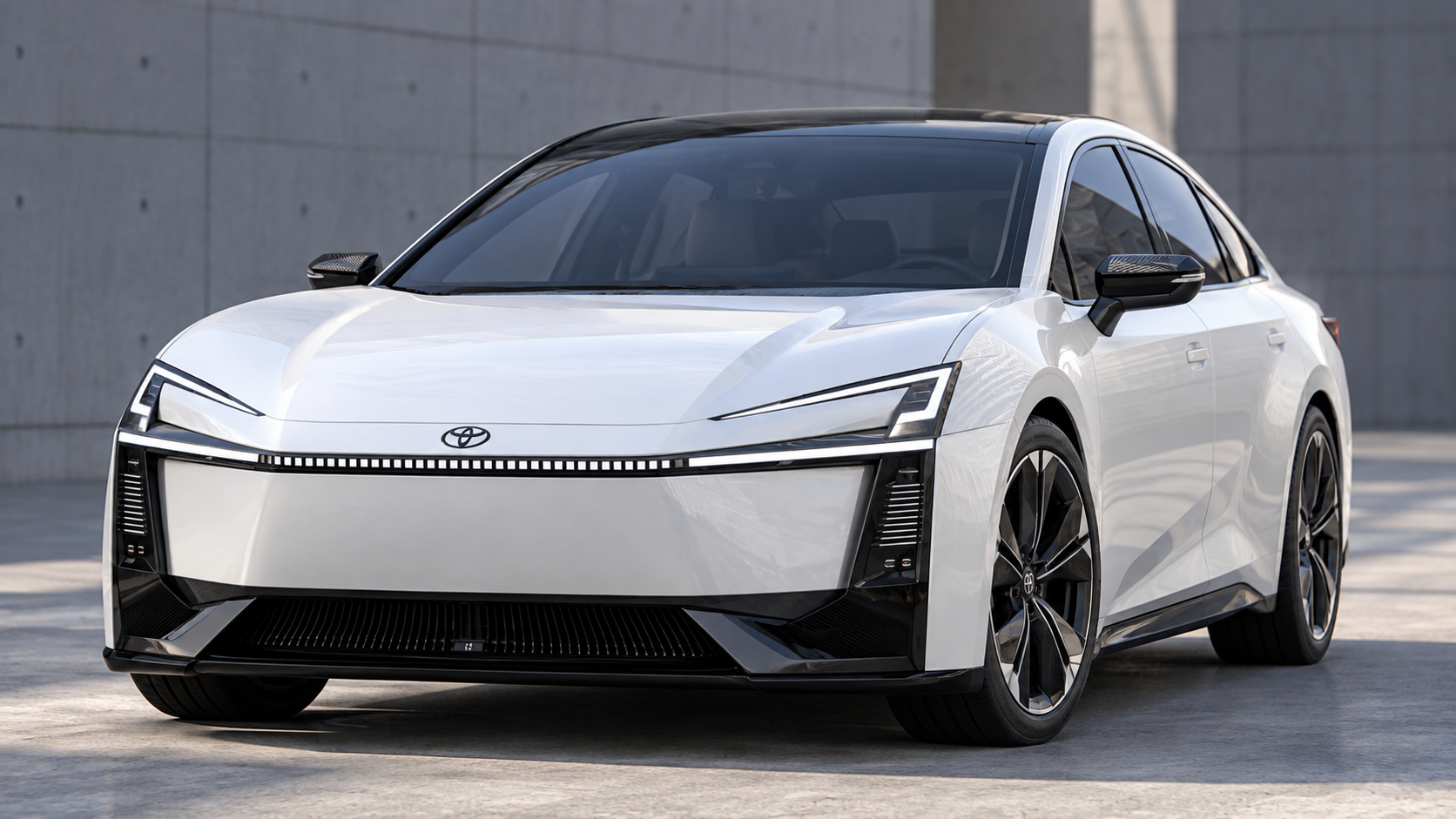
AI-generated image/Autoblog
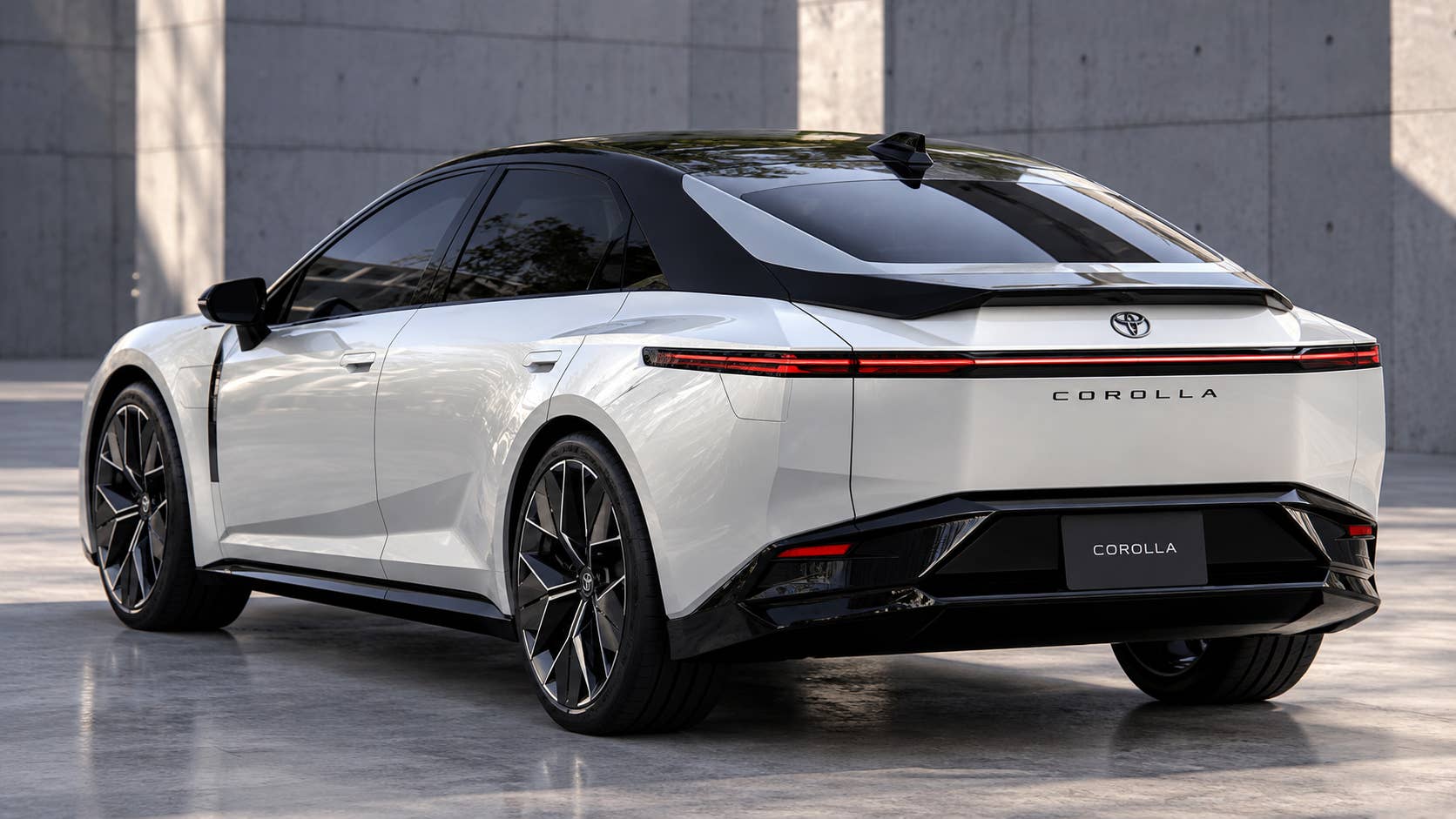
AI-generated image/Autoblog
About the author

Jacob Oliva
Senior Editor, Autoblog