
ND Adlen and AI
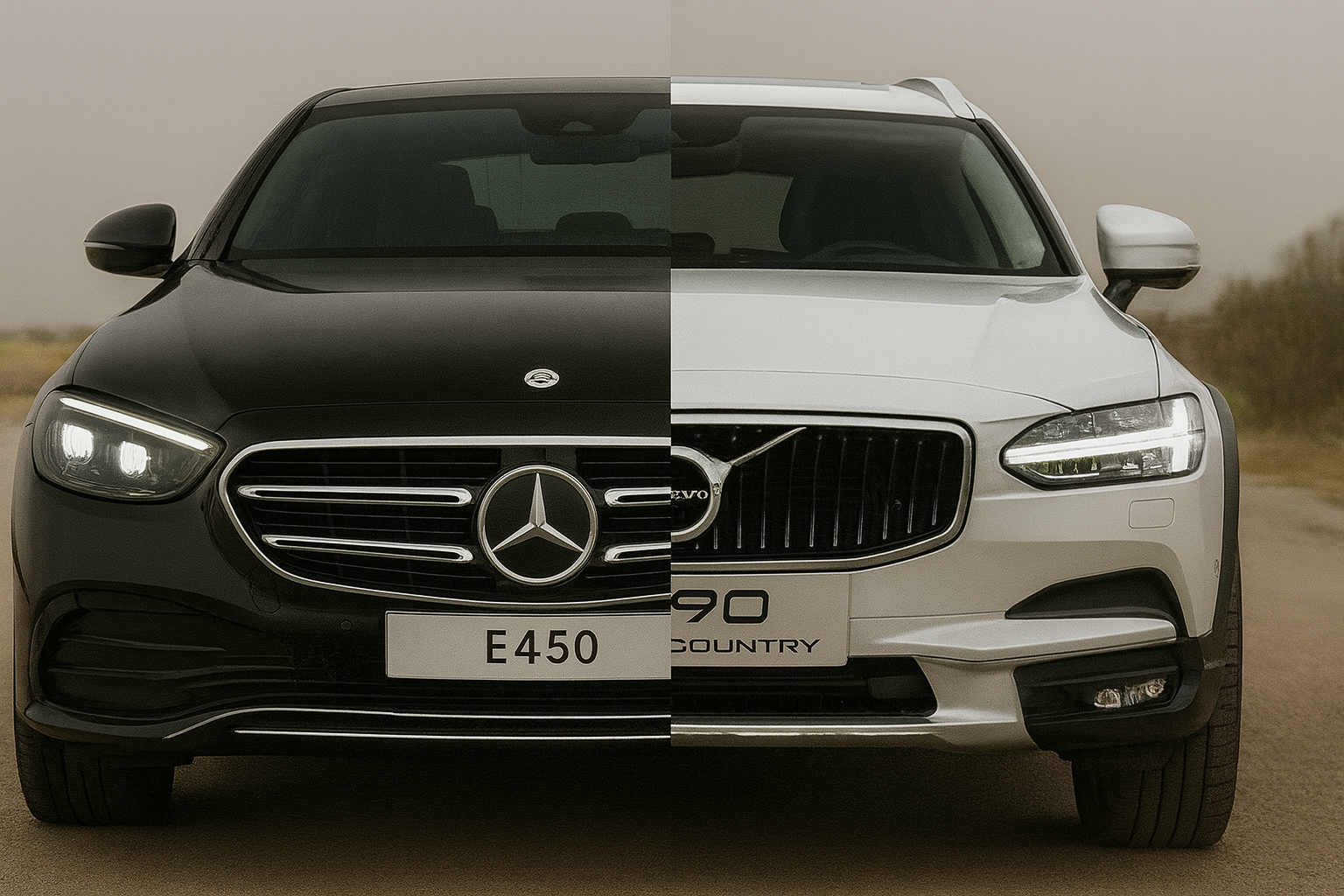
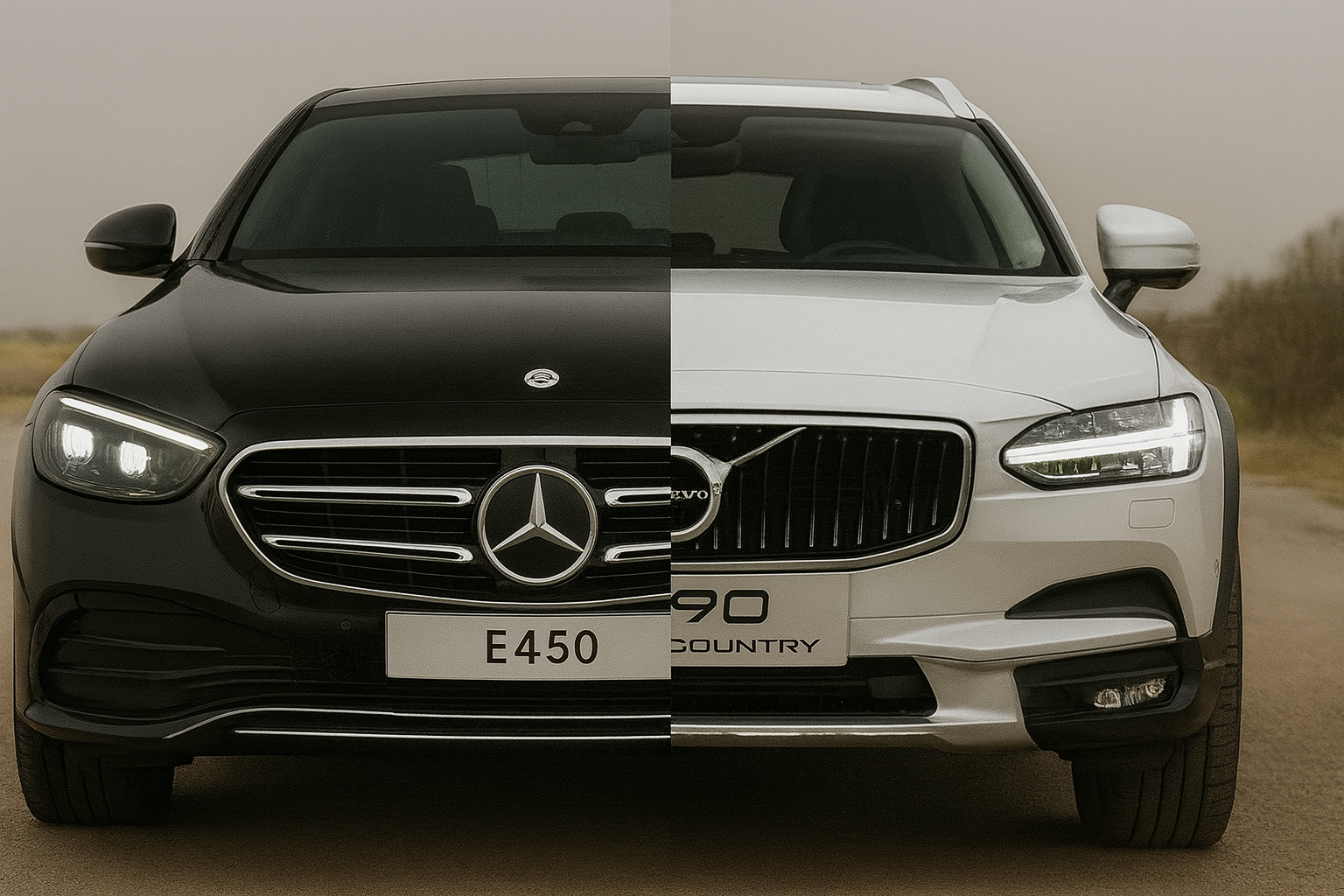
There are very few station wagons (estate cars) left in the U.S., but the Mercedes-Benz E450 and soon-to-depart Volvo V90 Cross Country are sterling examples of what remains.
Volvo
Mercedes-Benz
Wagon Showdown: Mercedes-Benz E450 4MATIC vs. Volvo V90 Cross Country Two of the last great long-roofs remind us why wagons matter. In a U.S. market overrun by SUVs, the Mercedes-Benz E450 4MATIC Wagon and the soon-to-depart Volvo V90 Cross Country stand proudly as reminders of what we’re losing. These two long-roof vehicles deliver the blend of comfort, performance, utility, and style that made wagons legendary long before the crossover boom.
And while wagons have become niche, they’ve also become cool. Enthusiasts and families tired of tall, heavy SUVs are rediscovering the appeal of low-slung dynamics paired with usable space. Both of these models offer something an SUV struggles to replicate: a driving experience rooted in balance, precision, and real-world practicality. They also pass the all-important “dog test.” It’s all about easy loading, low floor height, and interiors that dogs and humans can live with. That alone puts them ahead of many compact and midsize SUVs. Additionally, that low roof makes it supremely easy to add/subtract items loaded up top.
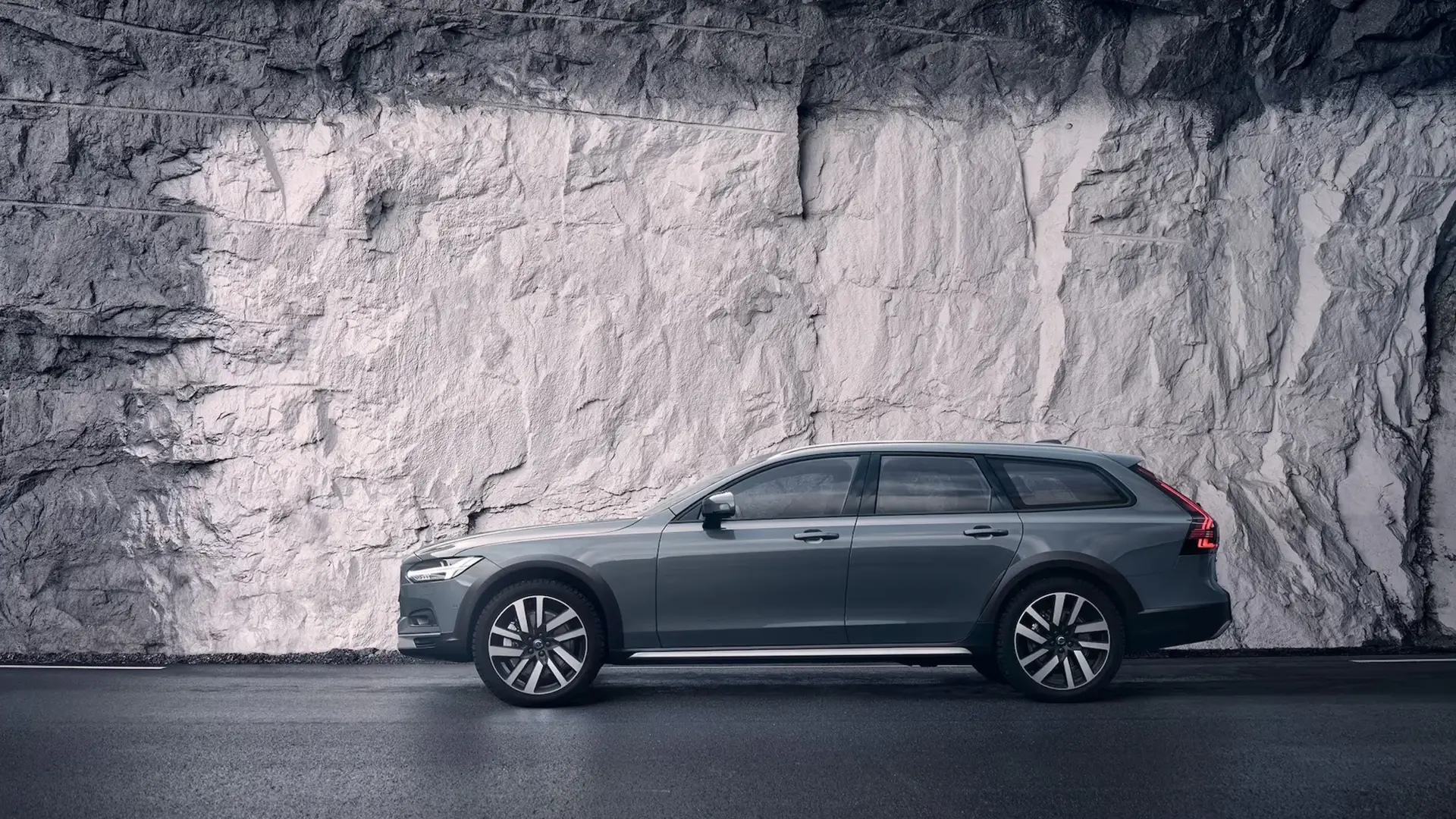
Why the Volvo V90 Cross Country Still Matters
As tested: $64,550
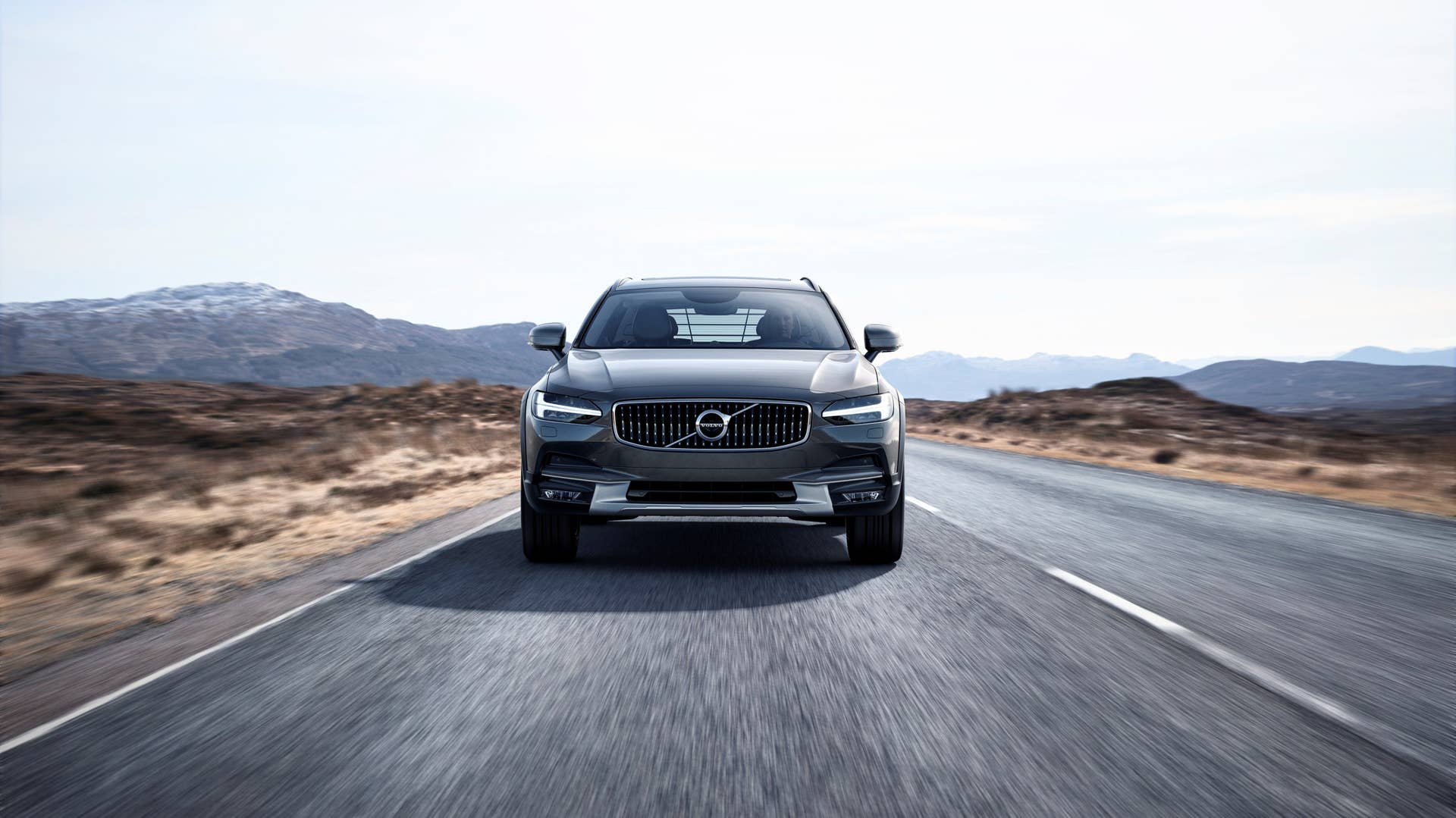
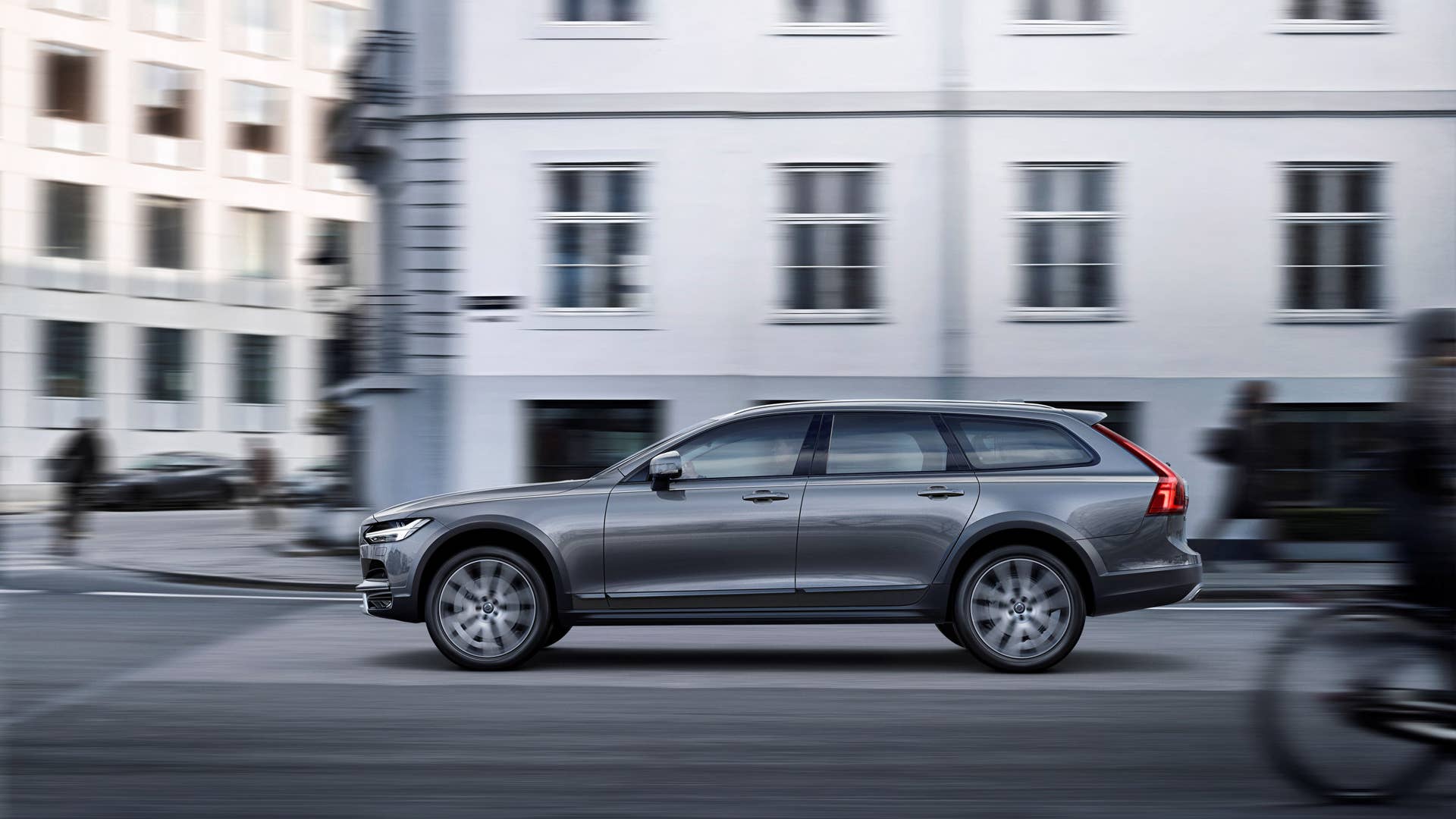
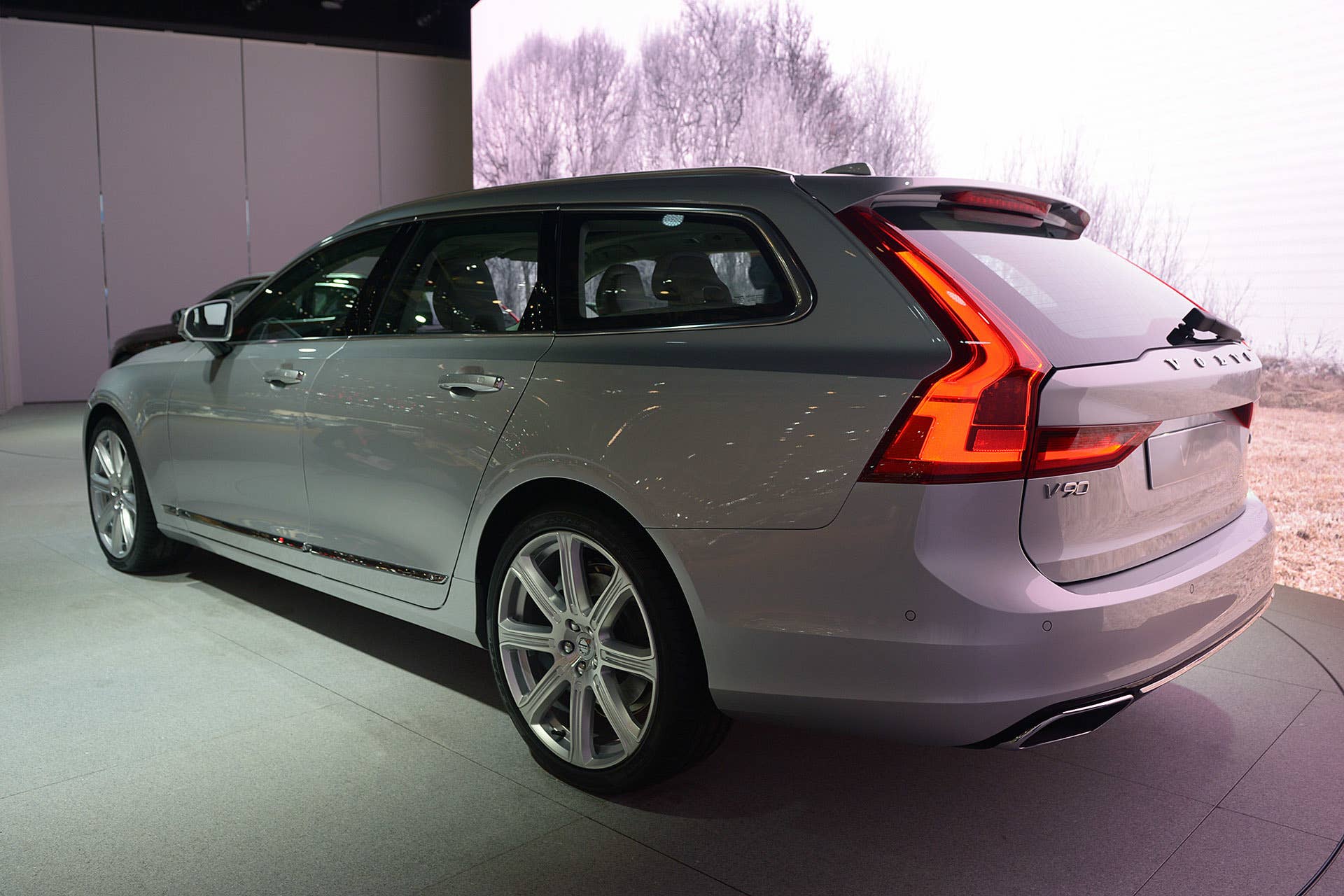
For 2025, the final year it will be sold in the U.S., the Volvo V90 Cross Country remains a beautifully engineered alternative to the SUV mainstream. Under the hood is a 2.0-liter four-cylinder that’s both turbocharged and supercharged, augmented by a 48-volt mild hybrid system. Total output stands at 295 horsepower and 310 lb-ft of torque, routed through an 8-speed automatic to all four wheels. The result: smooth, eager acceleration and an EPA-estimated 22 mpg city and 29 highway.
Drew Phillips
Drew Phillips
Volvo
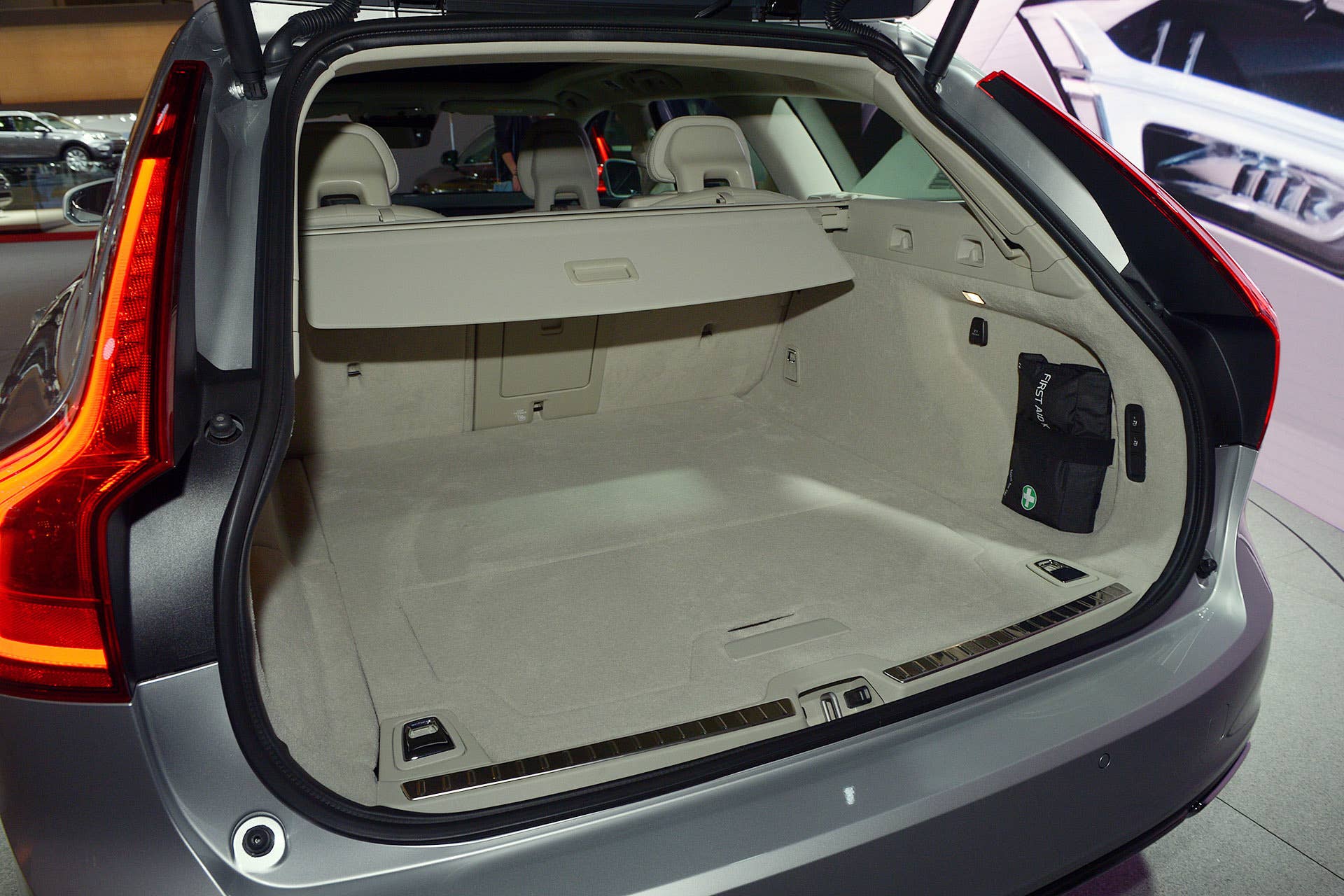
Cargo space is generous: 25.2 cubic feet behind the rear seats and 69 cubic feet with the rear seats folded. And even with its slight 0.8-inch lift over the standard V90, the Cross Country still looks elegant – long, low, and unmistakably Scandinavian.
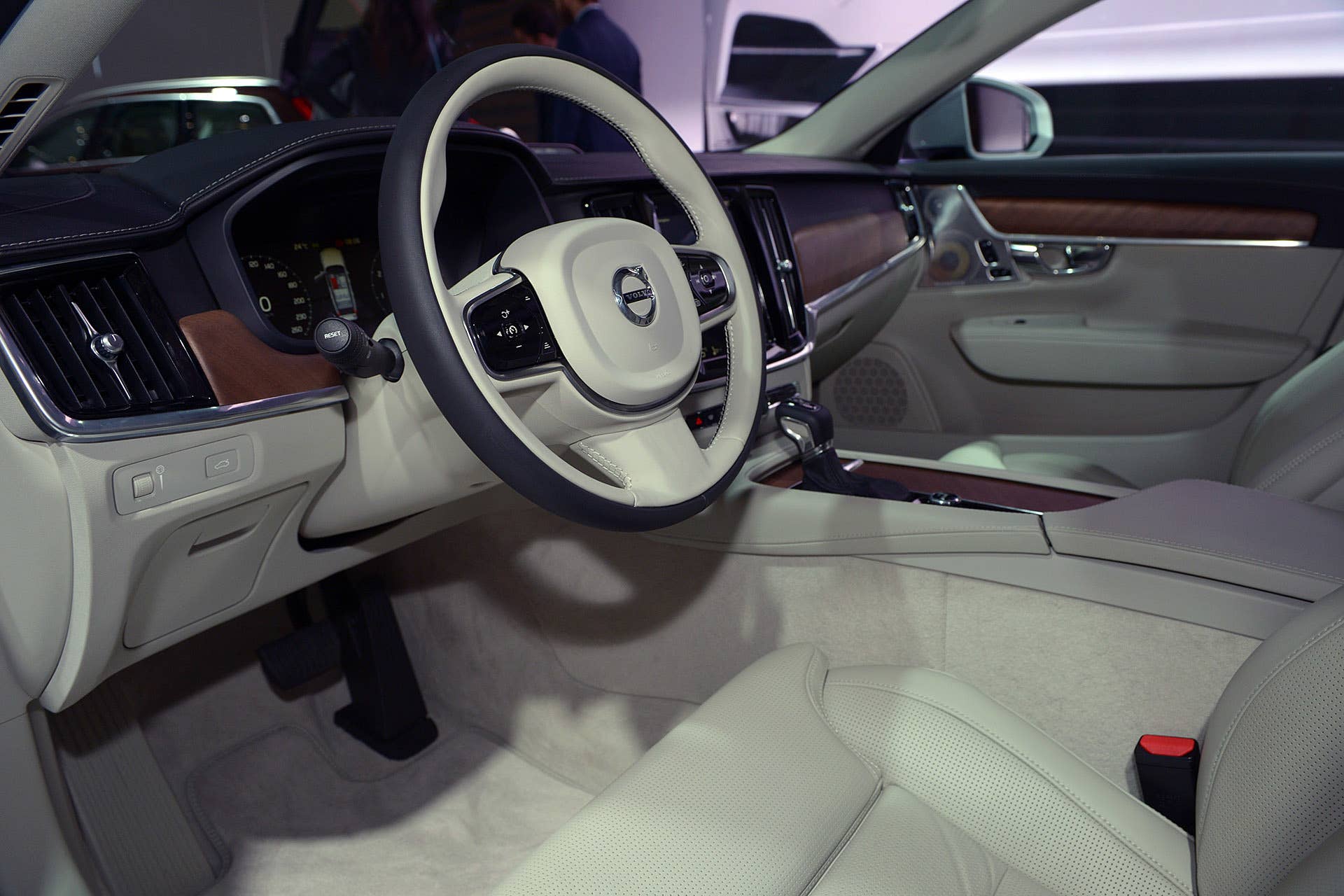
Inside, the V90 sticks to Volvo’s minimalist luxury ethos. A 9-inch central touchscreen controls nearly everything, though the interface is aging and less polished than the newer 11.2-inch setup in the XC90. The seats feel firmer than expected, but once adjusted, they are excellent. Cabin materials, visibility, and overall ergonomics are superb. It’s a cabin that still feels special.
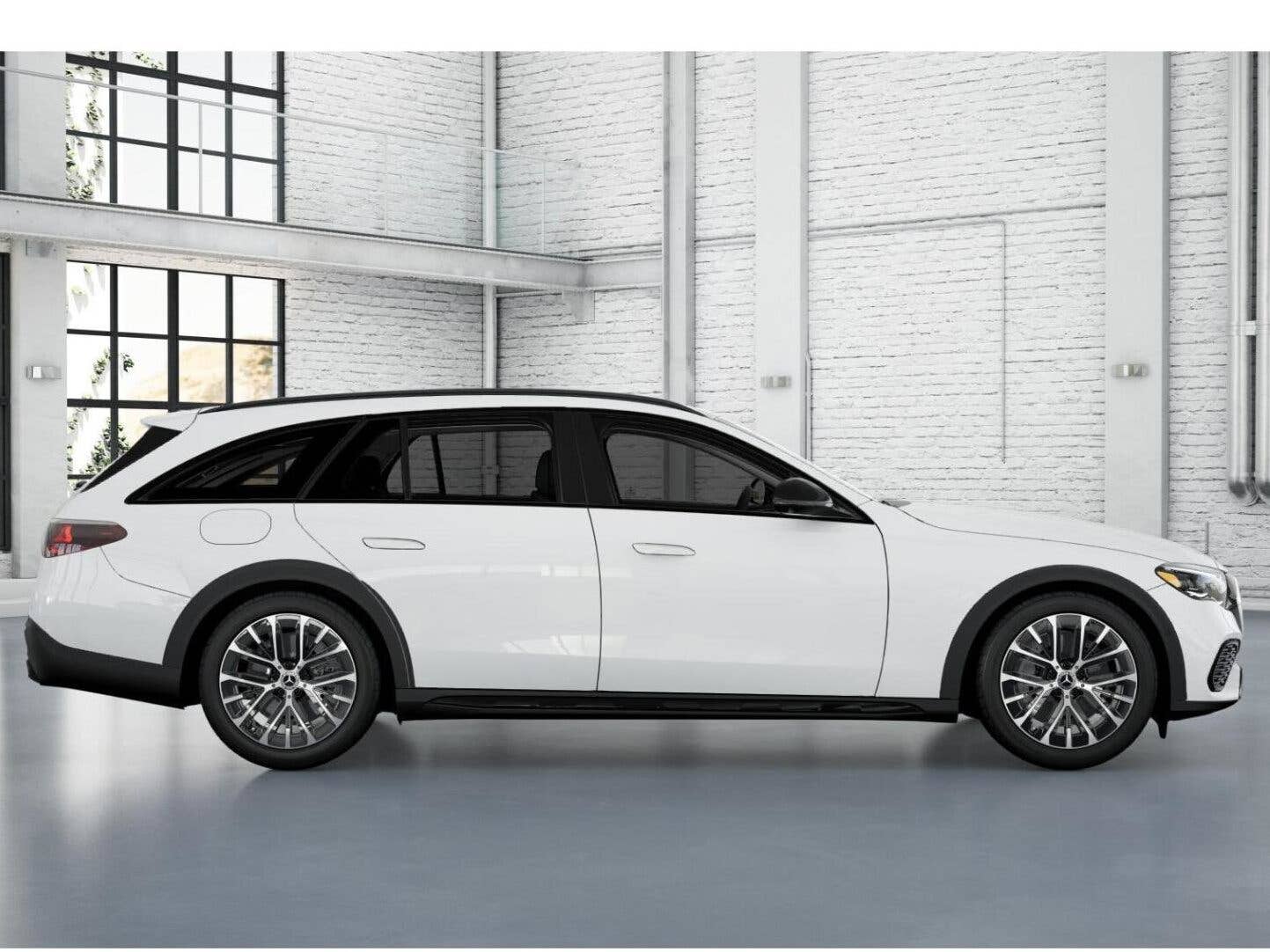
Mercedes-Benz E450 4MATIC Wagon: The Last Great German Estate
Base price: $78,300
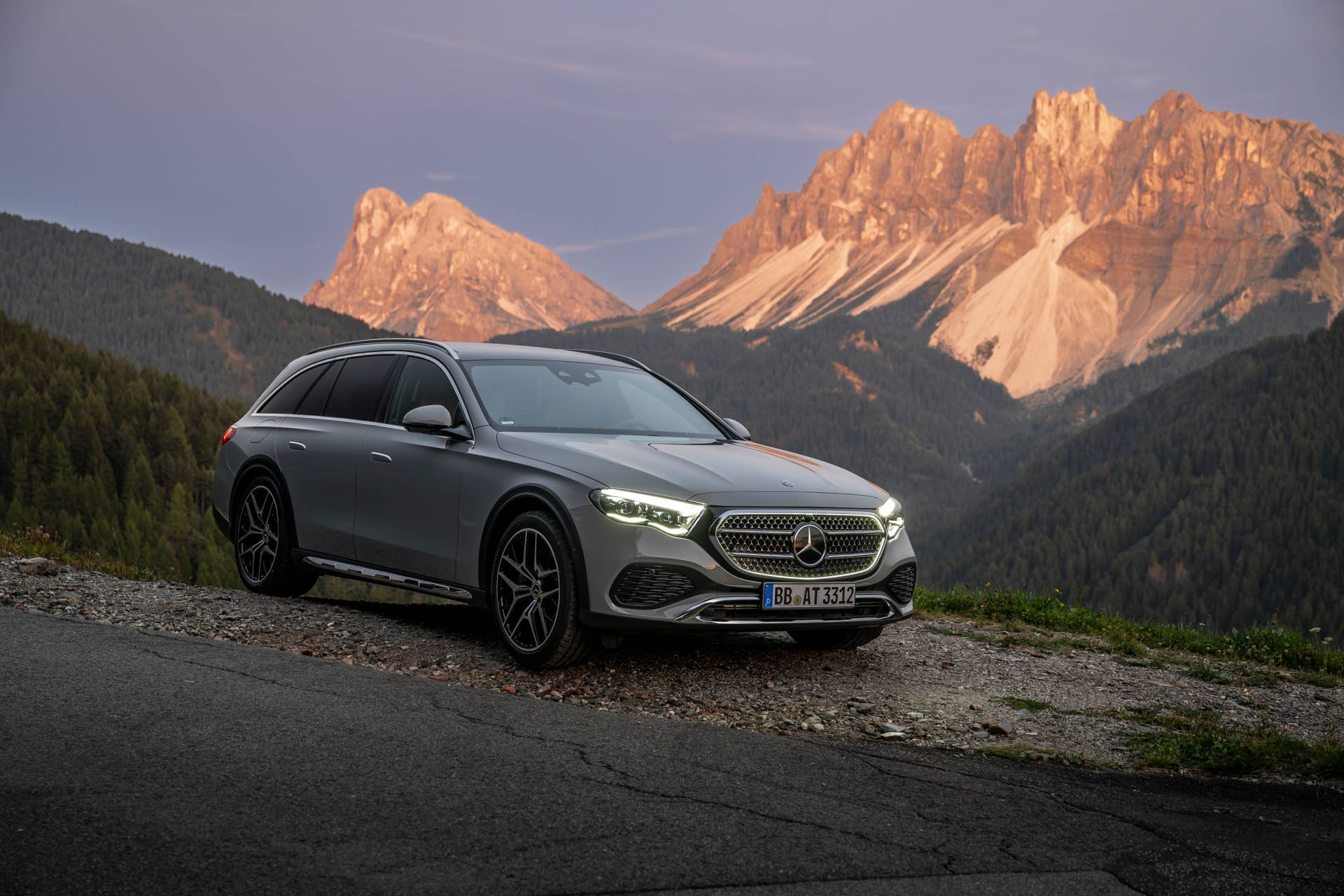
The E450 Wagon is a rare species – and Mercedes knows it. It blends traditional wagon practicality with legitimate performance and near-S-Class levels of comfort. Its 3.0-liter turbocharged inline-six produces 362 horsepower (or up to 375 with boost) and 369 lb-ft of torque. Paired with a 9-speed automatic and standard AWD, it’s both smooth and shockingly quick: 0-60 mph in the mid-4-second range, leaving the Volvo a solid two seconds behind. Efficiency is also solid at 22 mpg city and 31 highway.
Mercedes-Benz
Mercedes-Benz
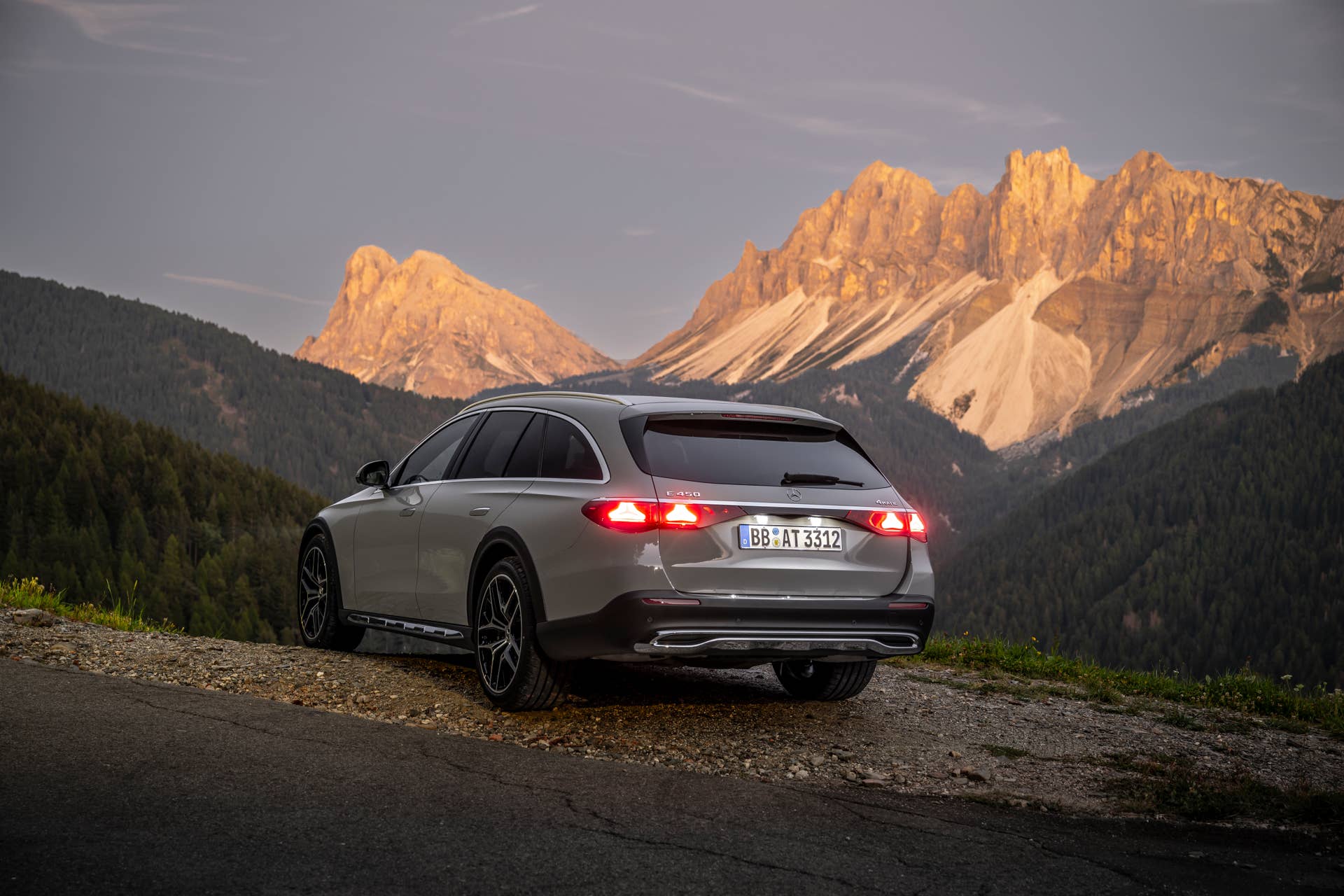
Behind the rear seats sits 33.1 cubic feet of cargo space, more than the Volvo, and 64.6 cubic feet when folded. A power liftgate is standard, as is the excellent AIRMATIC self-leveling suspension with adaptive damping.
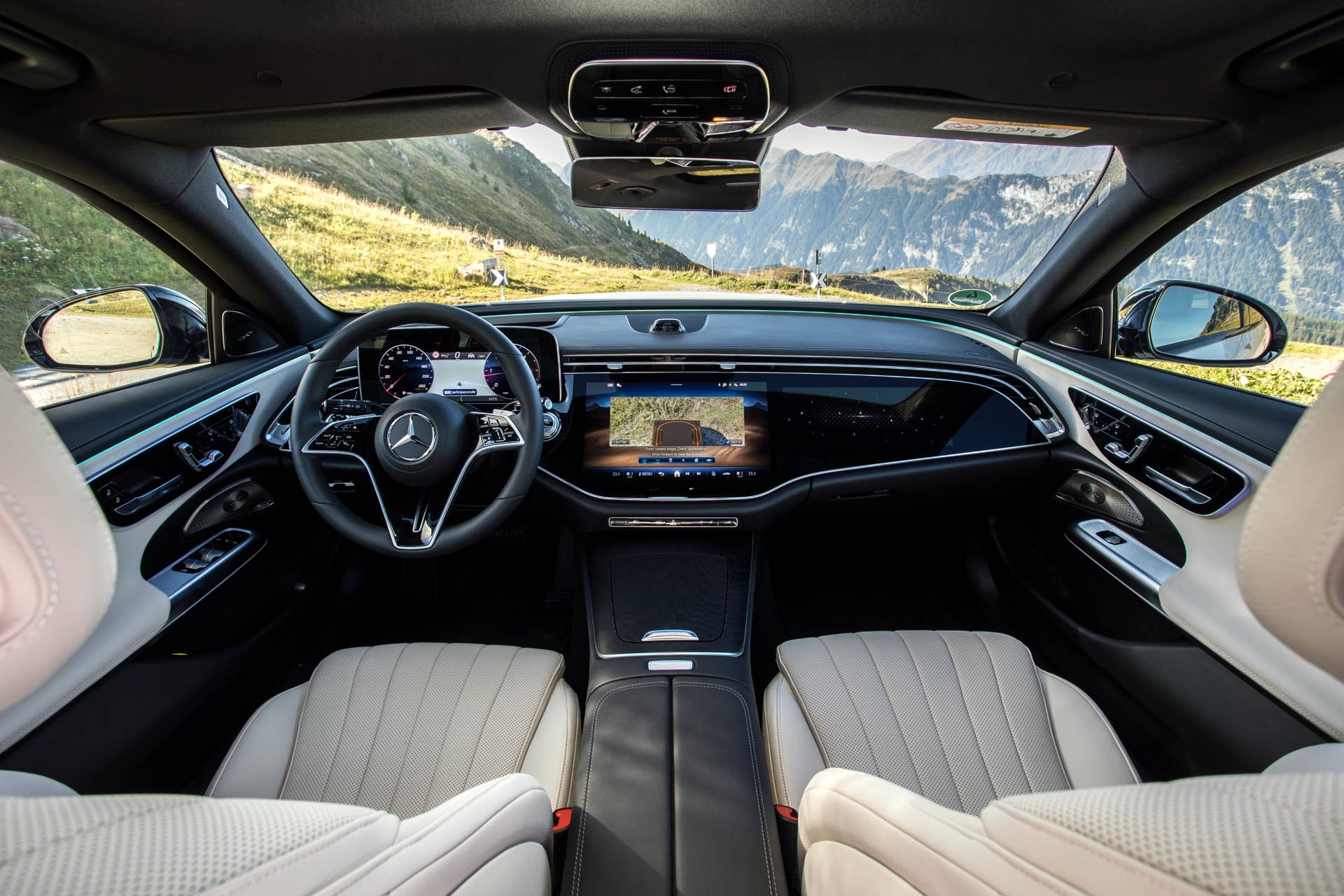
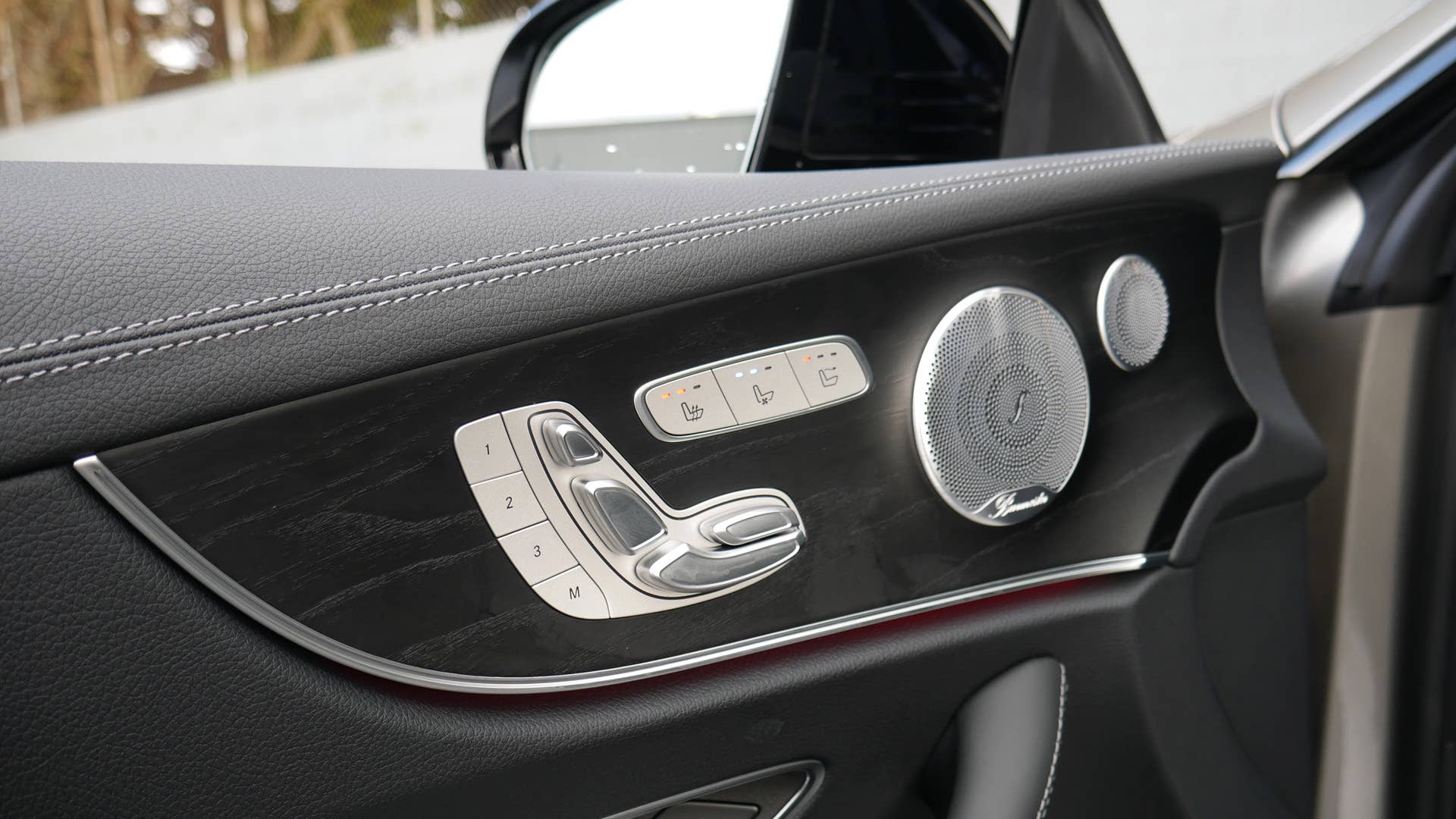
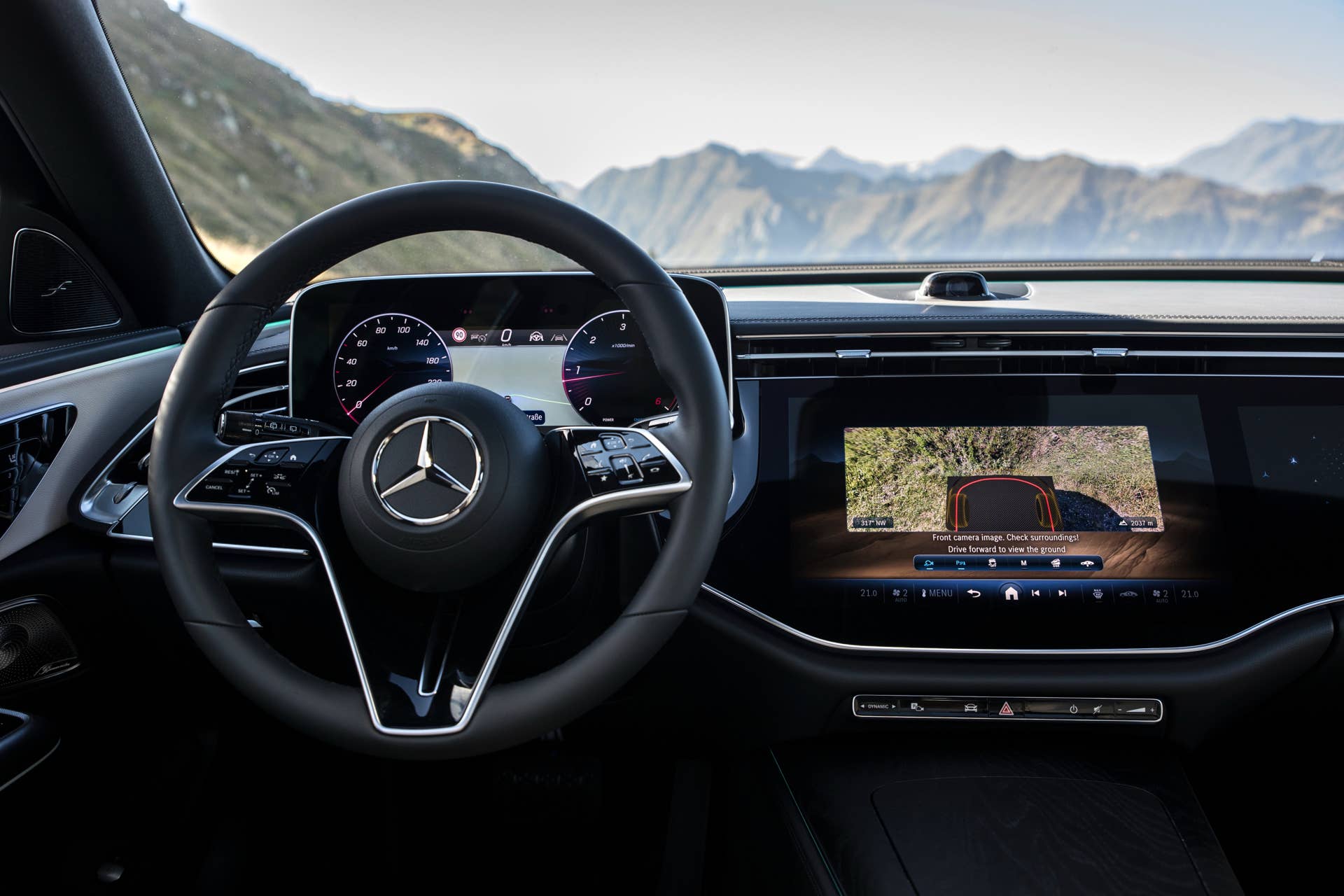
Inside, the E450 embodies modern Mercedes luxury: rich materials, bank-vault solidity, and excellent seats. The massive 12.3-inch digital cluster and 14.4-inch touchscreen dominate the dash. Whether you love or dislike Mercedes’ screen-centric aesthetic is personal preference, but the tech is fast, polished, and easy to live with.
Stylistically, the E450 blends flowing curves with wagon proportions to create a silhouette that’s both timeless and athletic.
Mercedes-Benz
Volvo
On the Road
Both wagons benefit from a lower center of gravity than crossovers, which pays dividends in steering feel, highway stability, and back-road fun. Even with their mild ride height increases, they still deliver dynamics that SUVs can’t match.
The Mercedes is a performance machine.
It rockets forward with sports-sedan urgency and stays planted with the help of the AIRMATIC suspension. Comfort is exceptional, yet the chassis encourages spirited driving.
The Volvo is more balanced.
Its 4-C adaptive air suspension (optional) shines on uneven pavement and back roads. It’s quick enough, but not explosive. Instead, it rewards with a refined, confident, slightly understated driving style.
Long trips reveal the Volvo’s quiet cabin and ergonomics, while the Mercedes delivers a more indulgent, luxury-forward experience.
Drew Phillips
Mercedes-Benz
Final Thoughts
The 2025 Mercedes-Benz E450 4MATIC Wagon and the Volvo V90 Cross Country stand out because they aren’t SUVs. They’re better to drive, easier to load, more efficient, and… yes – cooler.
Who Should Buy the Volvo V90 Cross Country?
- Drivers who value comfort, balance, and Scandinavian style
- Long-distance commuters
- Families who want practicality without performance theatrics
- Those who prefer understated luxury
- Buyers who appreciate owning one of Volvo’s last U.S.-market wagons
Who Should Buy the Mercedes-Benz E450 Wagon?
- Drivers who want a luxury car that can embarrass sports sedans
- Families who like utility and speed
- Buyers who want the most refined wagon still sold in the U.S.
- Enthusiasts who appreciate German performance estates
The V90 Cross Country is the smarter pick for many daily drivers: comfortable, attractive, and versatile. But the E450 remains the benchmark for the modern luxury wagon – fiercely quick, beautifully crafted, and increasingly rare.
About the author

Nathan Adlen
Contributing Writer, Autoblog