
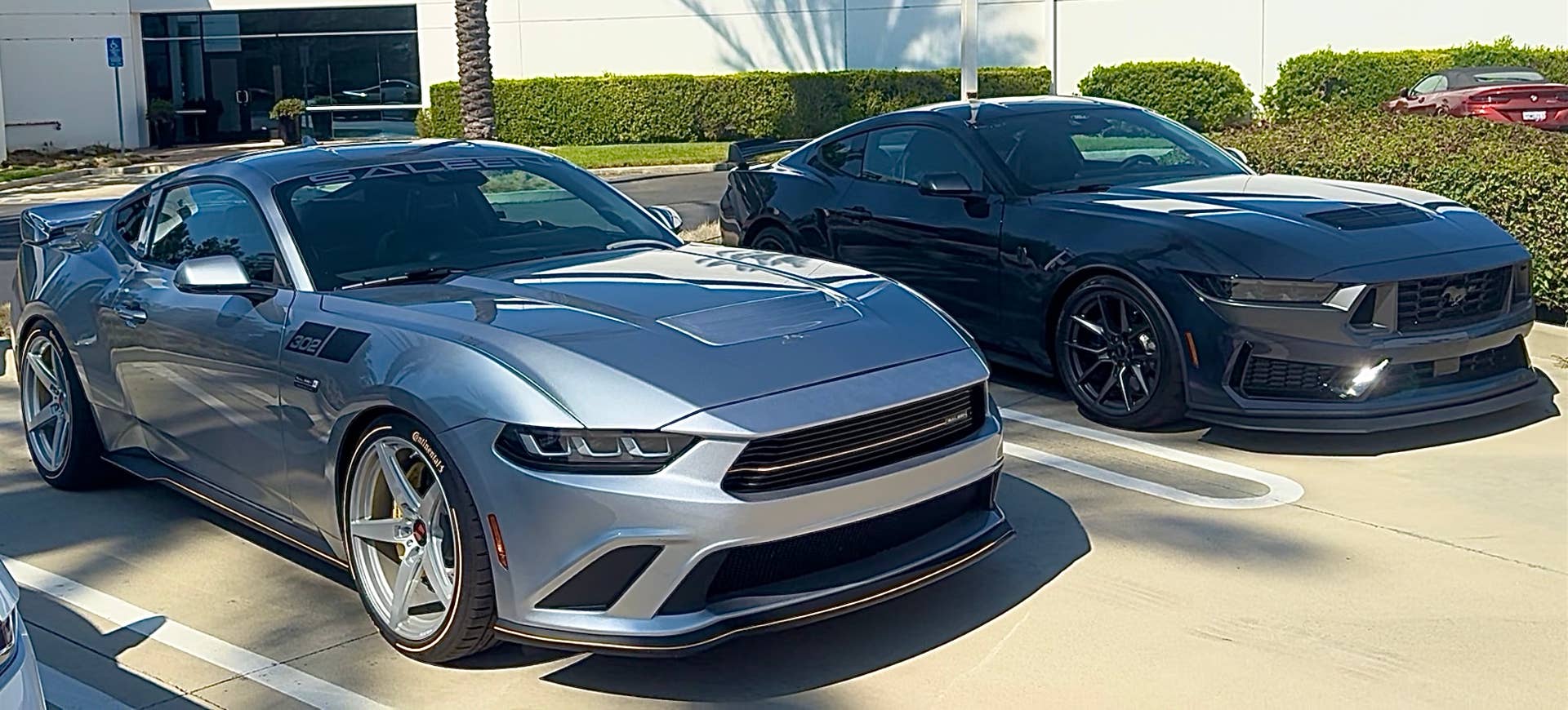
Two paths, one pony
Few cars stir the soul like the Ford Mustang. Since 1964, it’s been the go-to American pony car, evolving through generations of muscle and modernization. For 2025, the lineup is broader than ever, from the base GT to high-dollar, track-bred monsters. Sitting in that upper echelon are two very different interpretations of what a Mustang can be: Ford’s own Mustang Dark Horse and the Saleen 302 White Label.
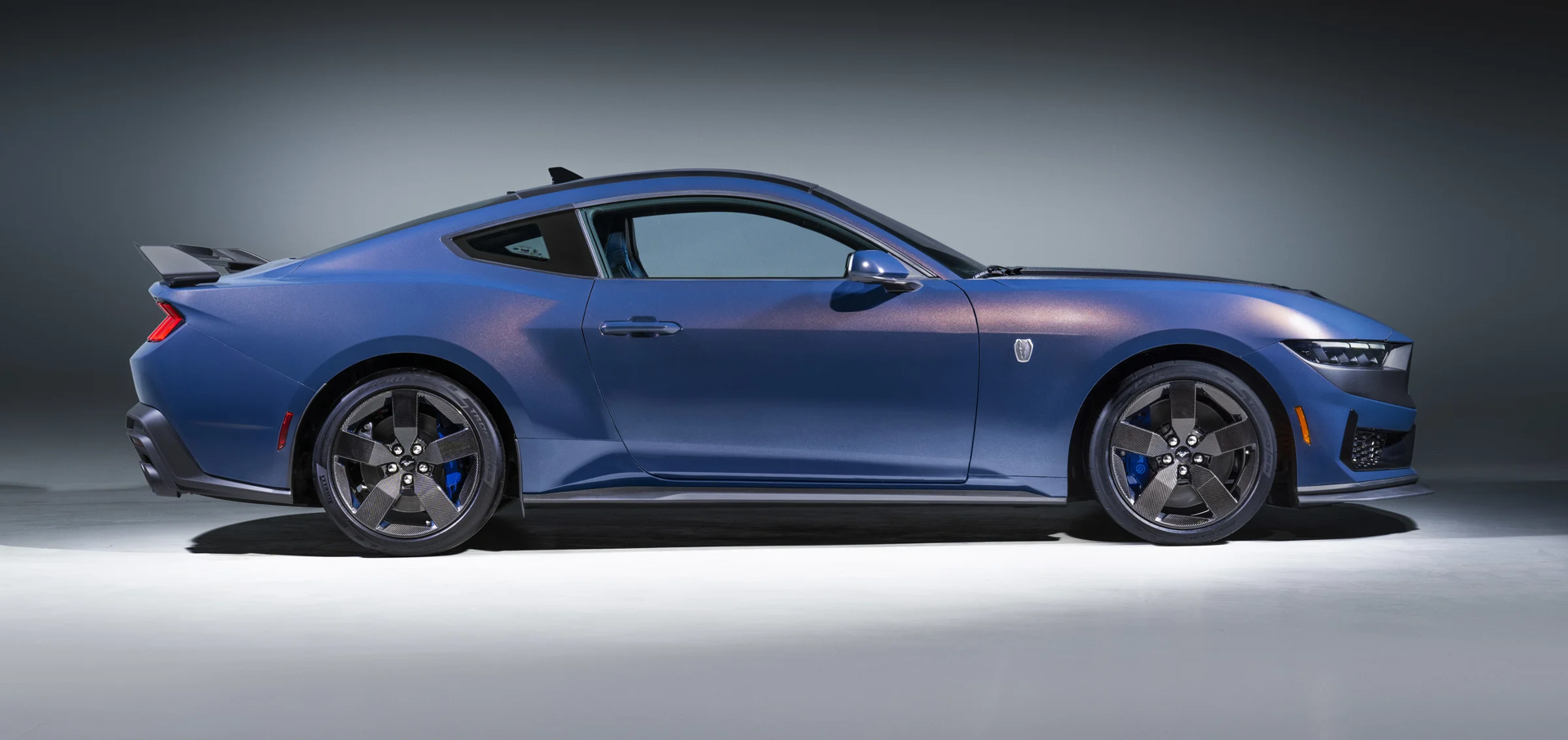
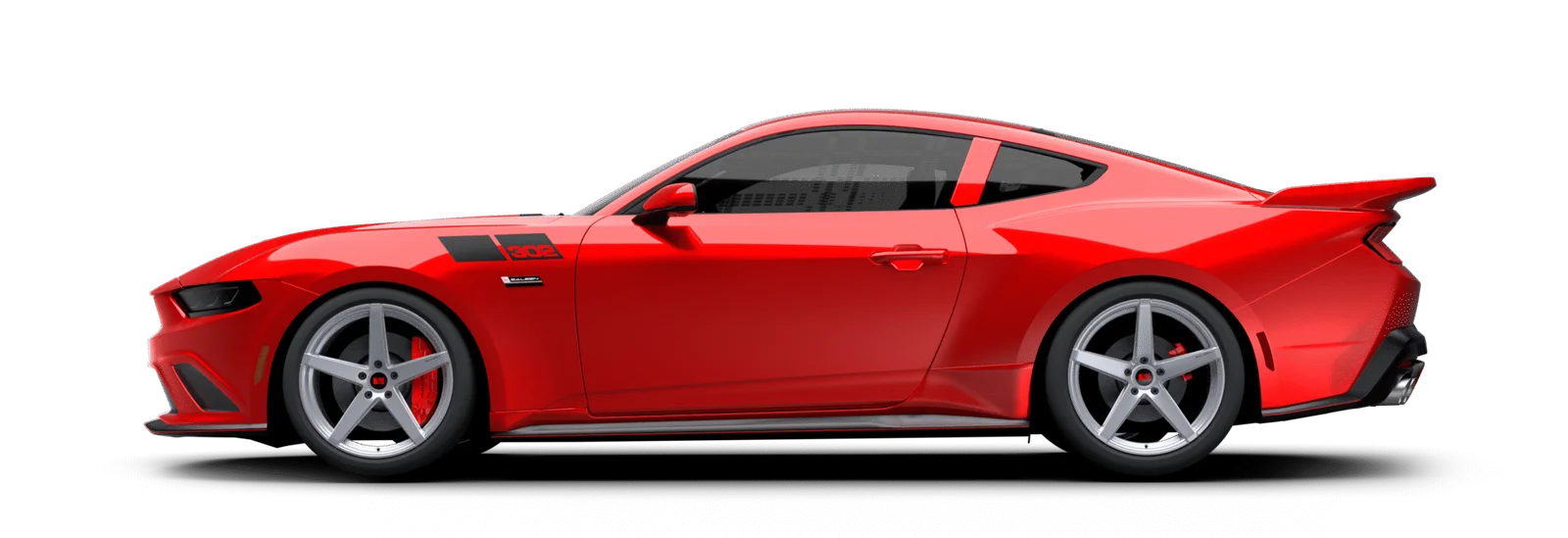
At first glance, they share the same foundation: a naturally aspirated 5.0-liter V8, rear-wheel drive, and a classic long-hood, short-deck profile. However, each takes that recipe in a unique direction. The Dark Horse is Ford’s official performance flagship (short of the ultra-limited GTD), while the Saleen represents decades of aftermarket racing pedigree applied to the S650 Mustang platform.
Both are expensive compared with a standard GT. A base 2025 Mustang GT comes in under $50,000, while the Saleen White Label hovers around $72,000. The Dark Horse pushes even higher, starting closer to $80,000 and easily surpassing that once you tack on options. For reference, that’s BMW M3 and Porsche Cayman territory. The question becomes: are they worth it? And if so, which one delivers the bigger thrill for the money?
The Ford Mustang Dark Horse: Detroit’s track monster
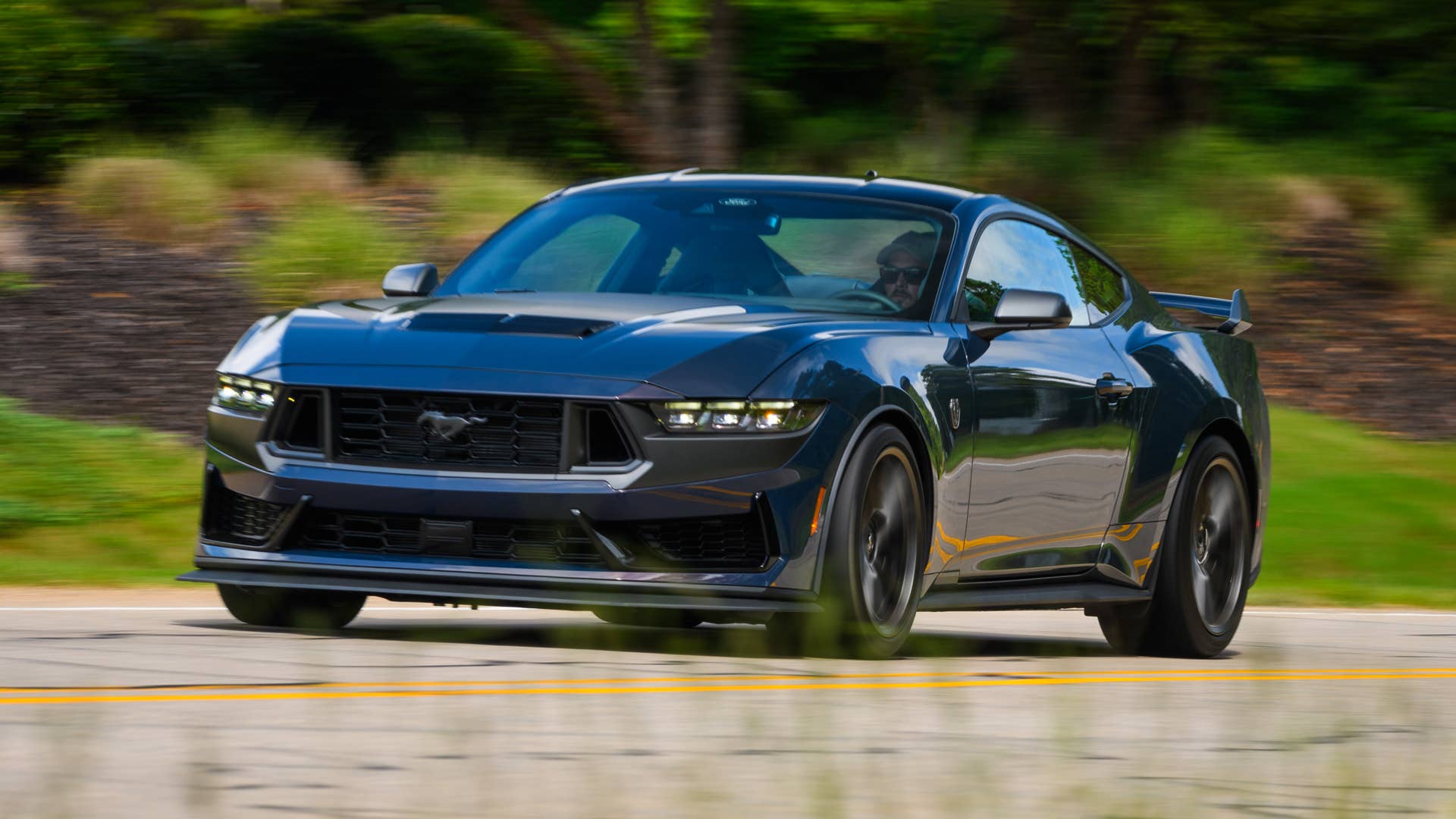
From day one, the Mustang Dark Horse was designed to be more than just a trim level. Positioned above the GT, it’s Ford’s first new Mustang performance nameplate in two decades, adding power, capability, and menace in equal measure. Only a handful of vehicles in its price range could even hope to compete with the Dark Horse on the track.
Design and presence
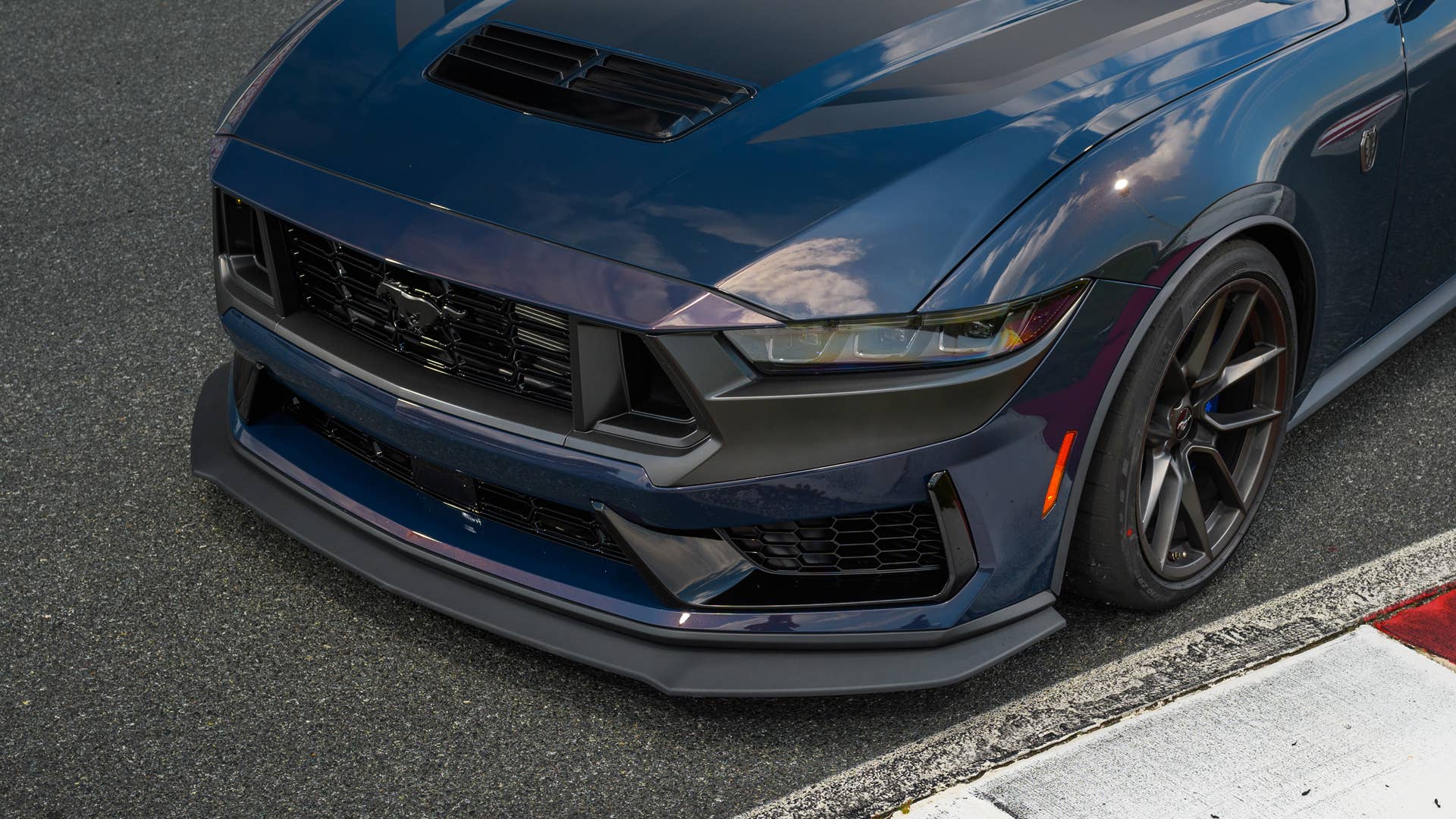
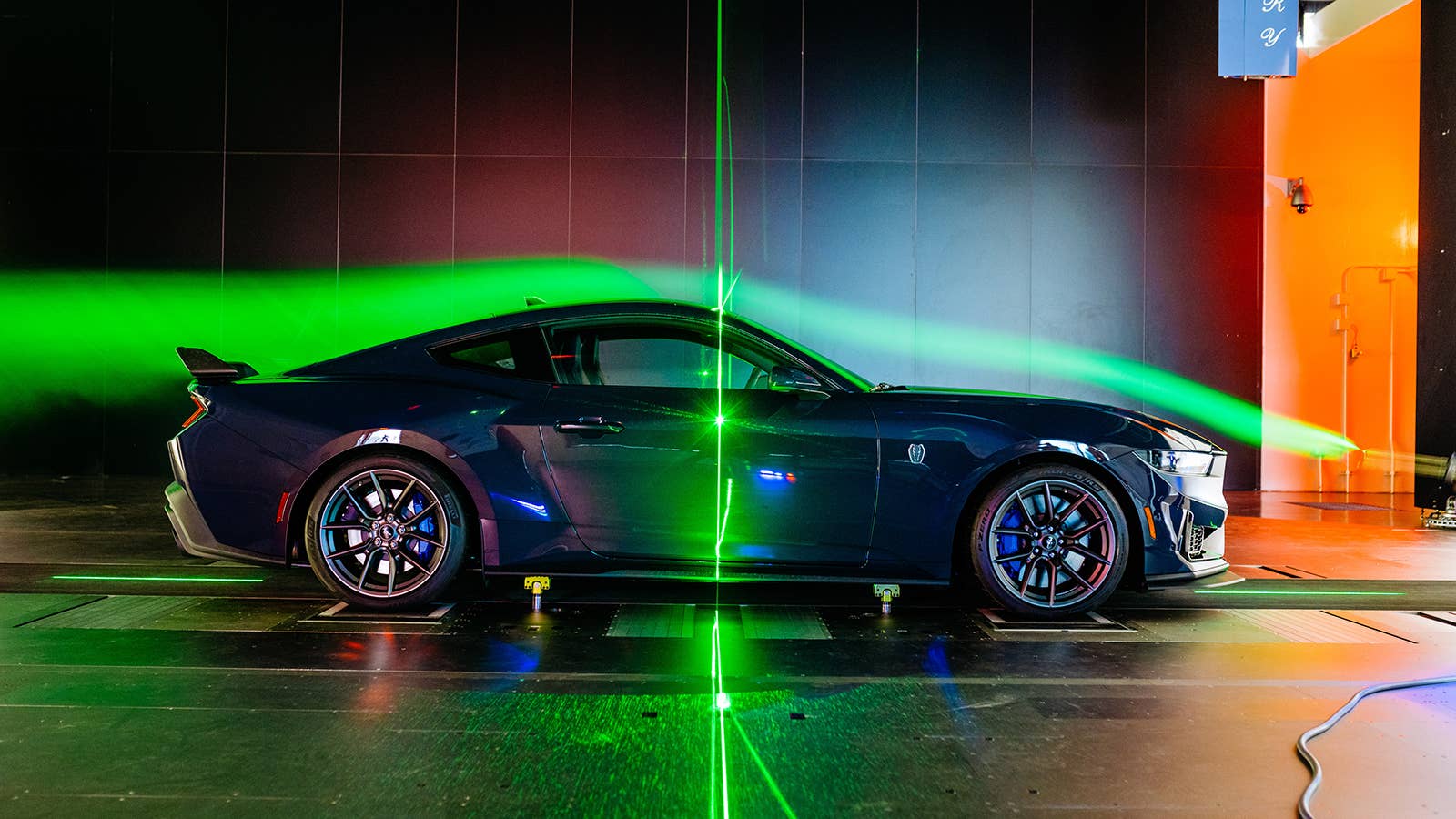
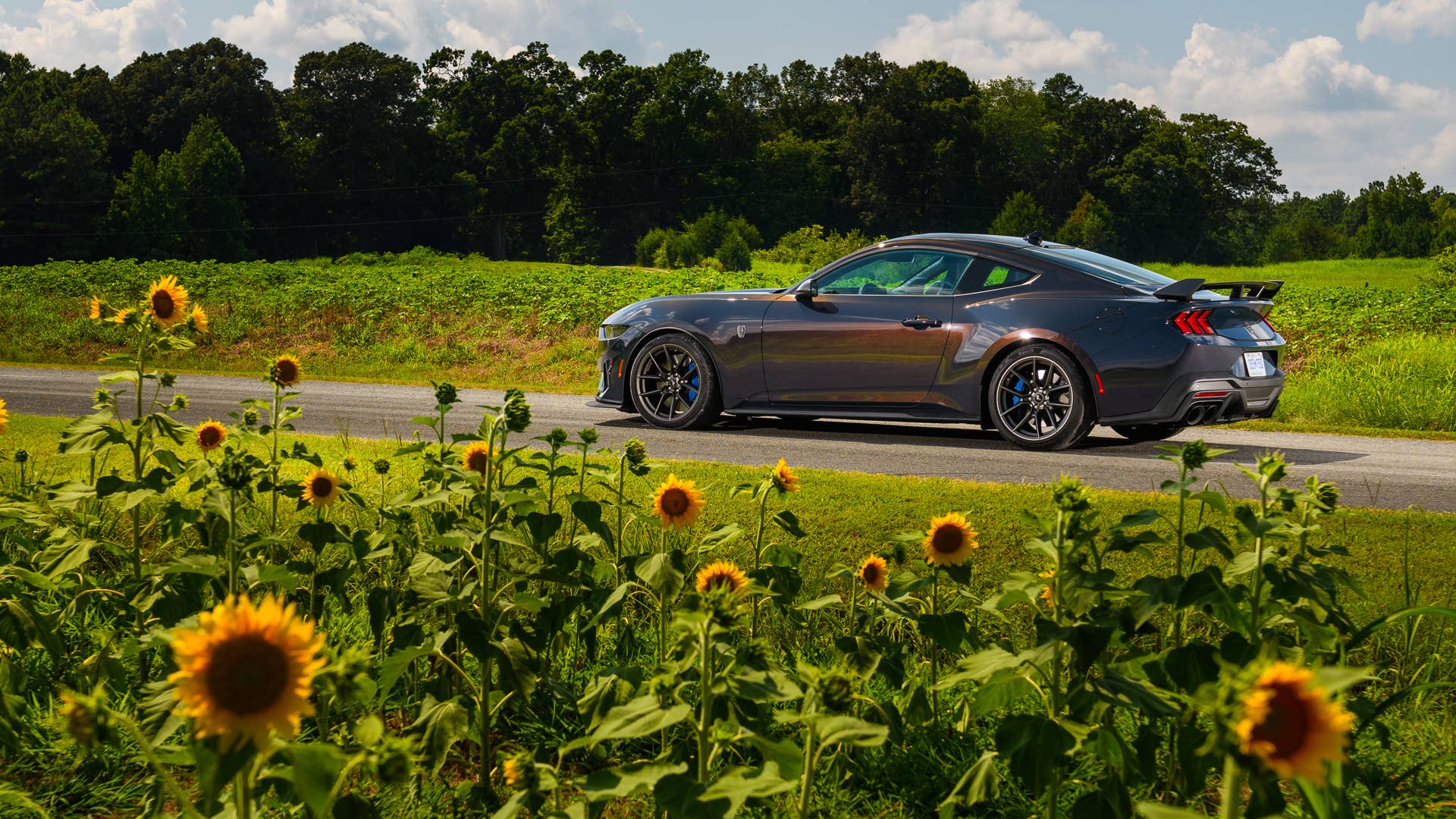
The Dark Horse looks like it means business. Its stance is lower, its grille more sinister, and the bodywork features functional aero. A massive rear wing, menacing front fascia, and quad-tip active-valve exhaust make sure no one mistakes it for a rental-spec Mustang. Even standing still, it radiates aggression.
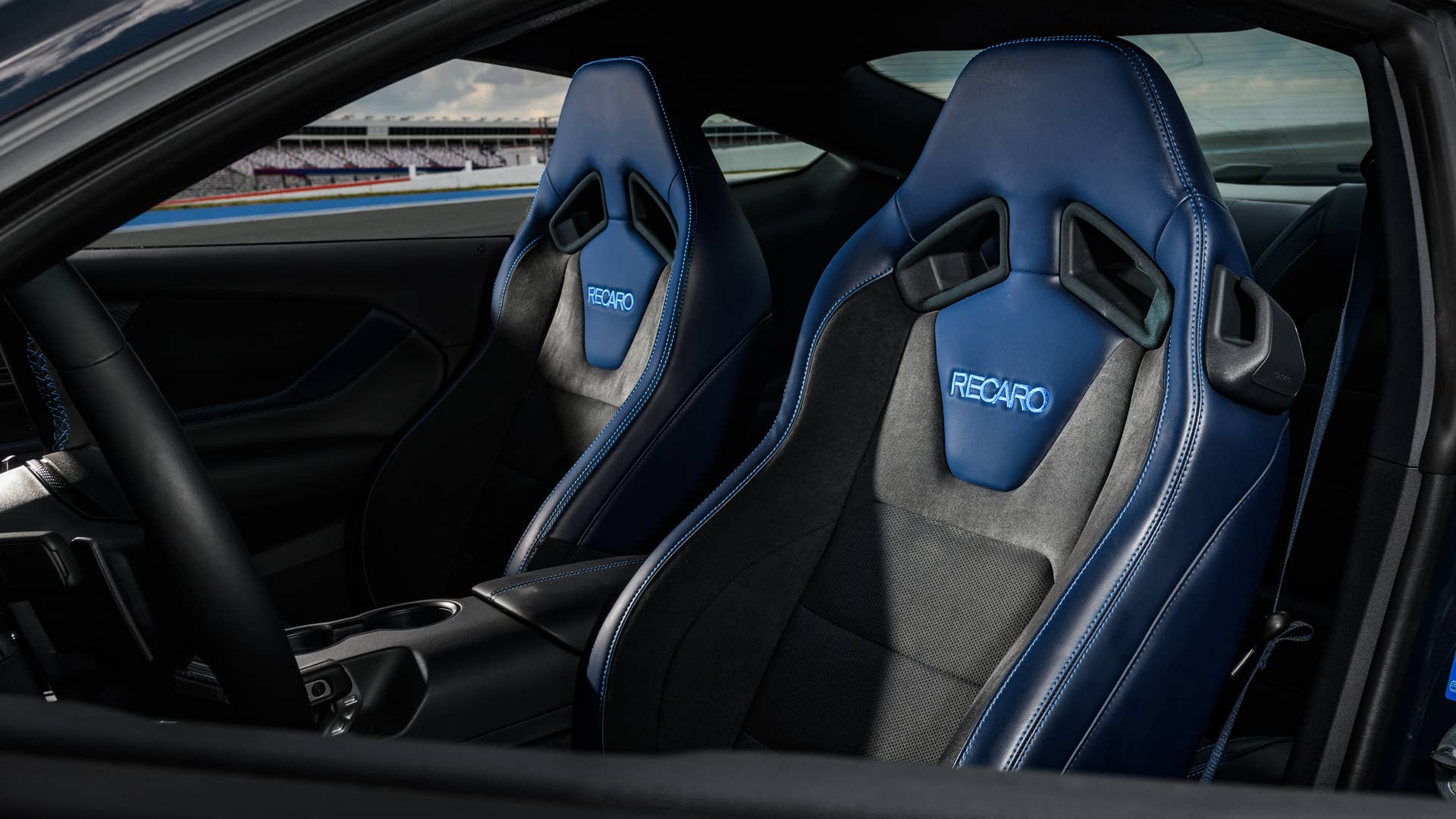
Inside, it shares Ford’s new dual-screen cockpit (a 13.2-inch infotainment screen paired with a 12.4-inch digital cluster), with available suede accents, Dark Horse-specific trim, and heavily bolstered seats. While functional, it leans more toward performance than luxury, and it feels appropriately spartan.
Under the hood
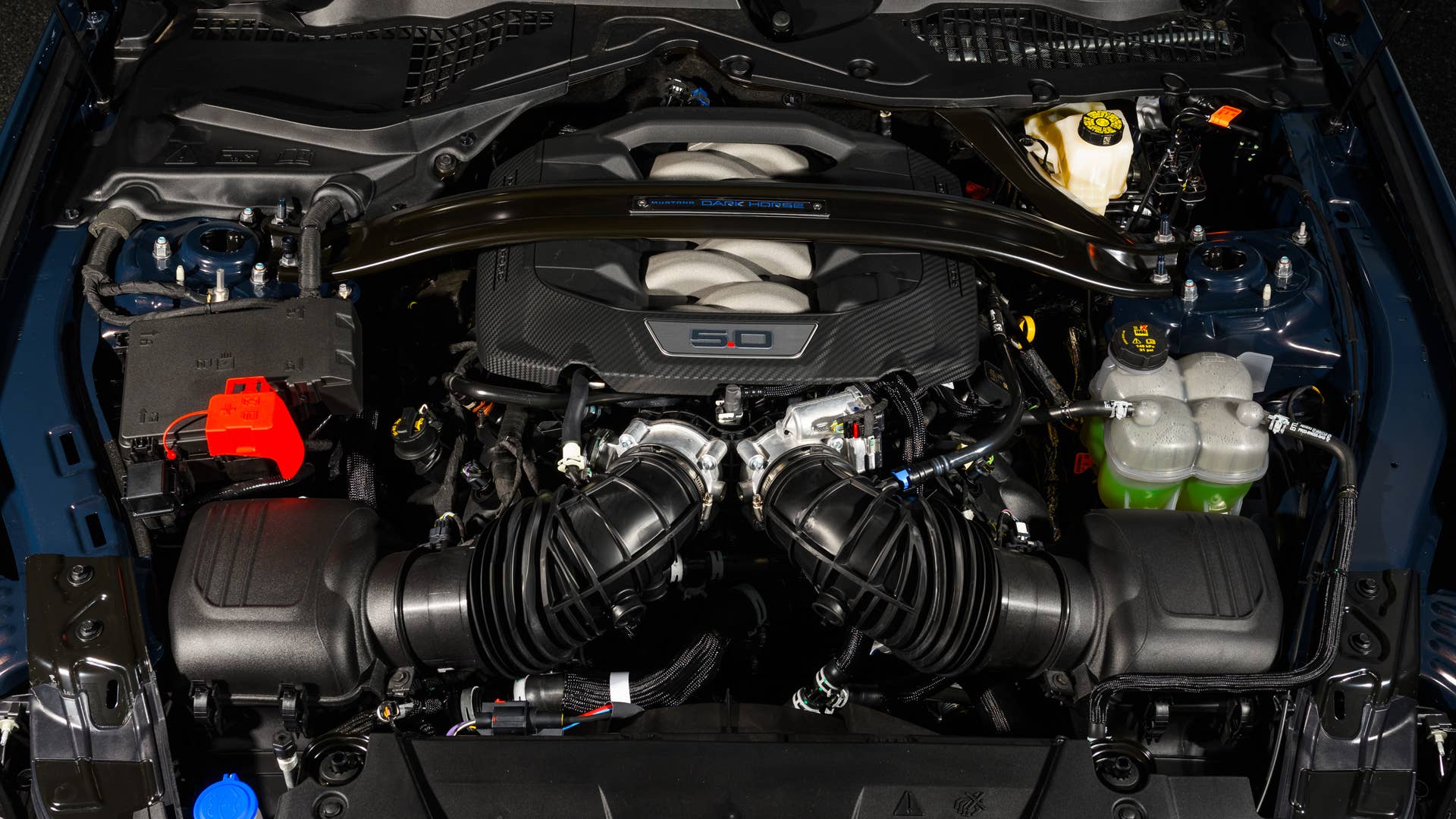
Power comes from a revised 5.0-liter “Coyote” V8 tuned to 500 horsepower and 418 lb-ft of torque. That output is channeled through either a Tremec 6-speed manual with rev-matching (a joy to use) or an optional 10-speed automatic. The Tremec, in particular, is one of the slickest manuals Ford has ever offered.
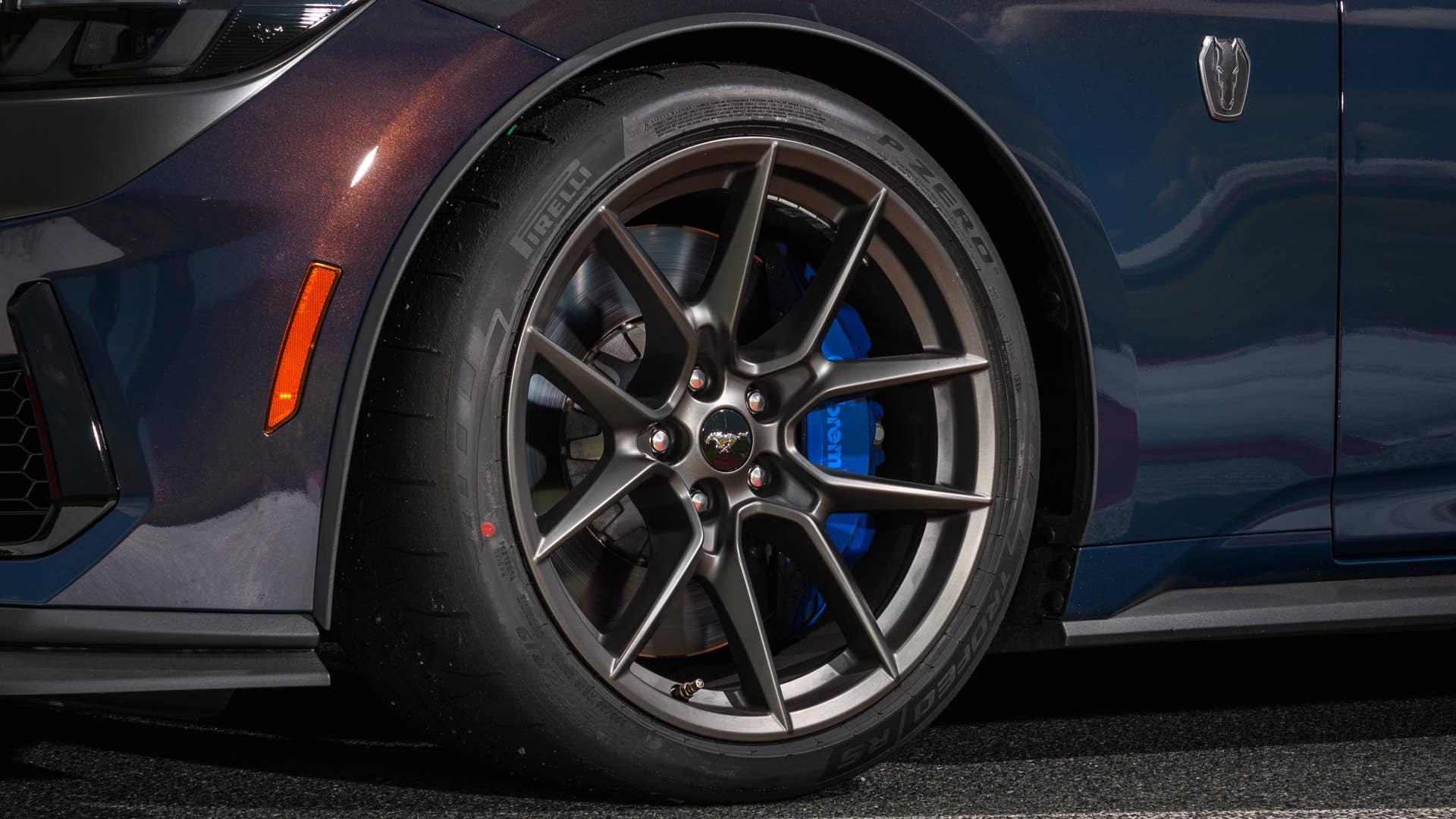
The hardware list reads like a racing parts catalog: Brembo brakes, MagneRide adaptive dampers, a Torsen limited-slip differential, and sticky Pirelli tires. Combined, they transform the Dark Horse into something far more capable than the average Mustang GT.
On the road and track
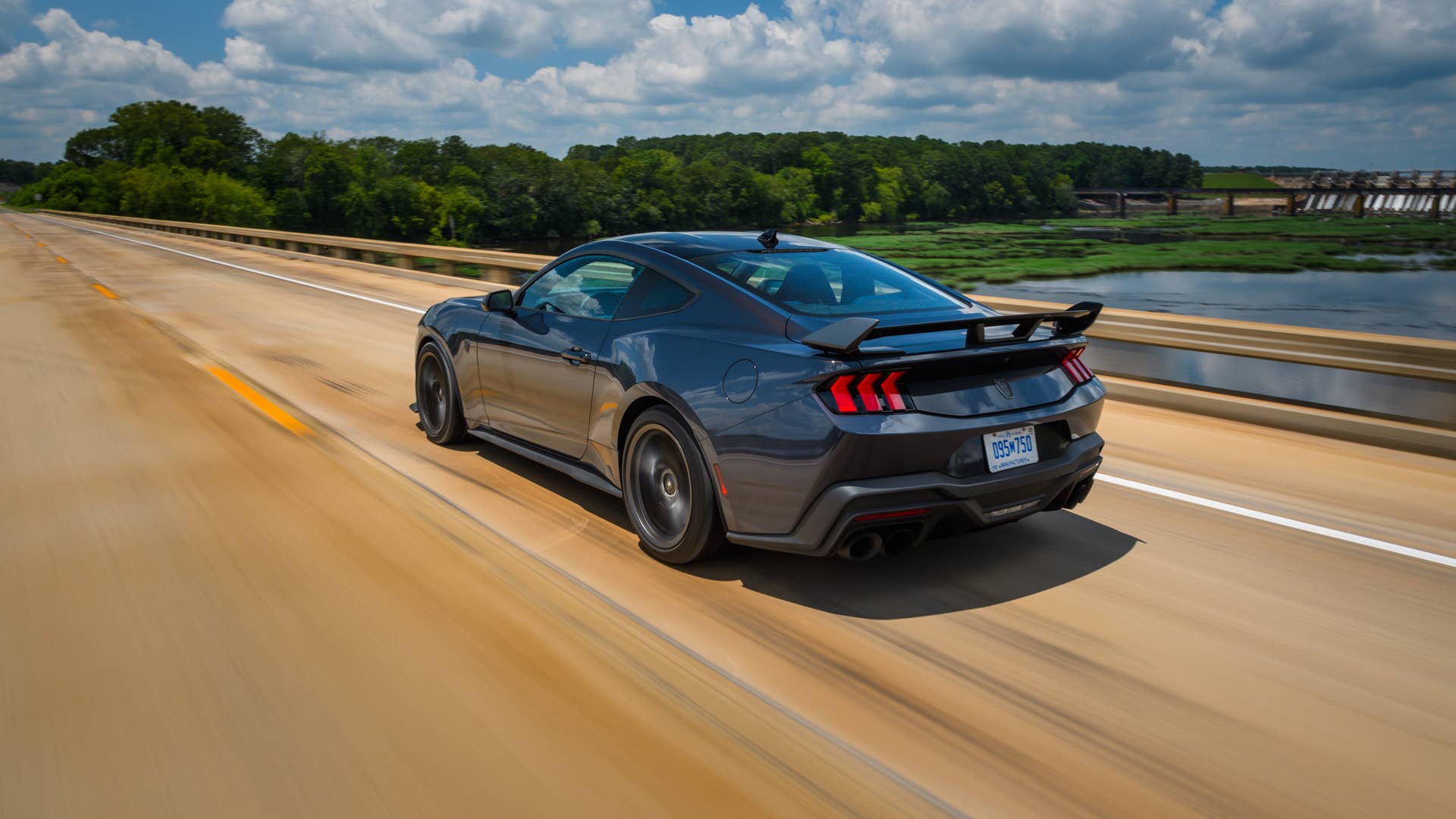
The Dark Horse feels dialed in for speed. Steering is sharp, body control is remarkable for a 3,900-pound coupe, and grip levels are immense. Push hard and it rewards you with confidence, balance, and sheer speed. It’s also loud, gloriously so. The exhaust system can be adjusted, but in its sportier settings, it crackles, roars, and barks with every throttle input. On the highway, it settles down enough to live with, but the car constantly feels like it’s itching for track time.
Fuel economy is predictably poor (14 mpg city/22 mpg highway), and the small 16-gallon tank means frequent fuel stops. But that’s the cost of doing business when you’re driving a Mustang bred for the circuit.
The Saleen 302 White Label: Heritage meets modern muscle
While Ford built the Dark Horse in-house, Saleen takes a different approach. Founded by racer Steve Saleen over 40 years ago, the company has been synonymous with tuned Mustangs and even built its own exotic supercar, the S7. Saleen cars are more than aftermarket specials; they’re fully re-engineered vehicles with their own VINs and unique performance DNA.
The 302 White Label is the entry-level Mustang in Saleen’s three-tier lineup, which also includes the Yellow Label (supercharged, 775 hp) and Black Label (825 hp). Don’t let “entry-level” fool you: the White Label is an extremely capable, thoroughly reworked machine.
Design and aero
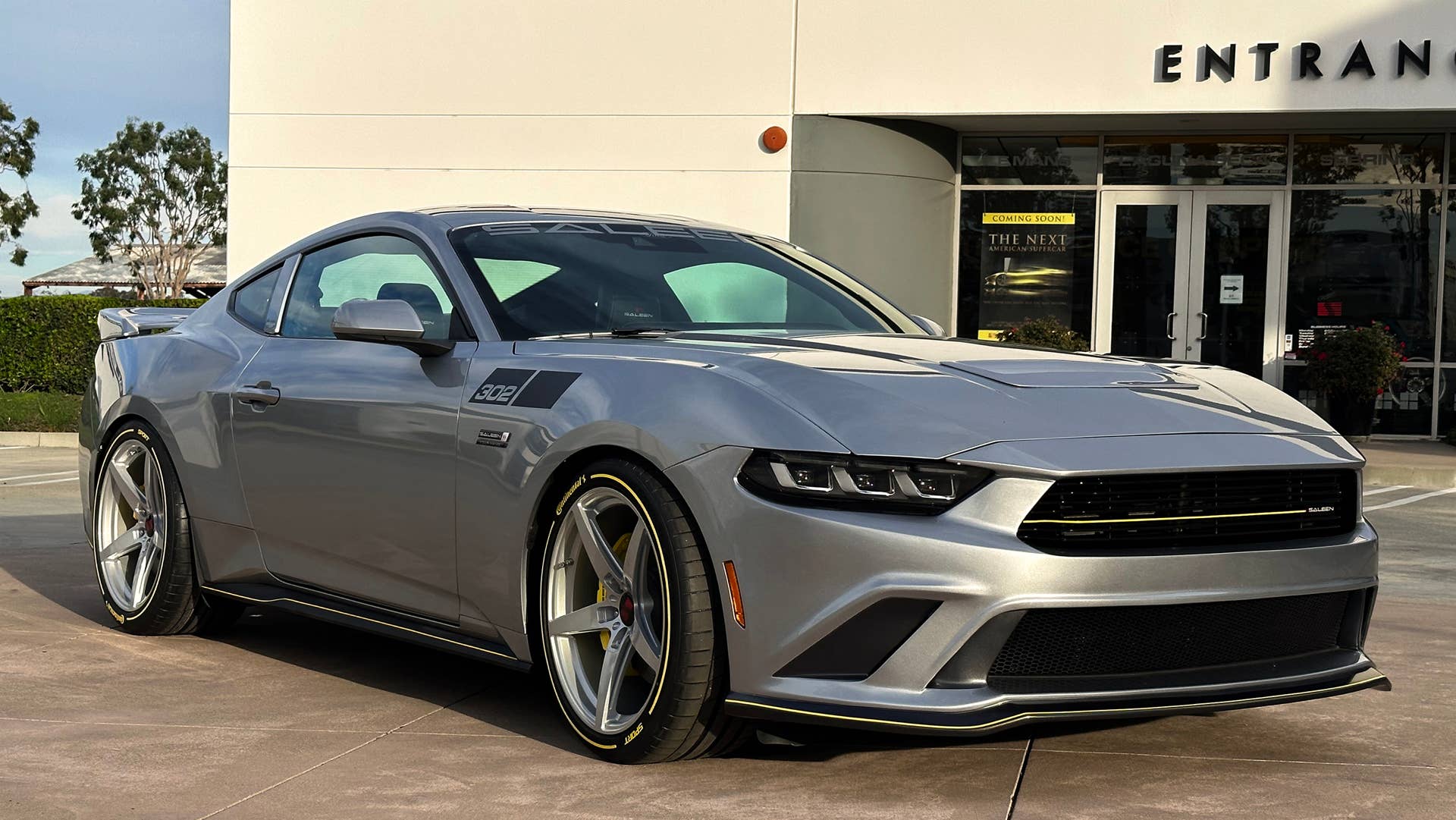
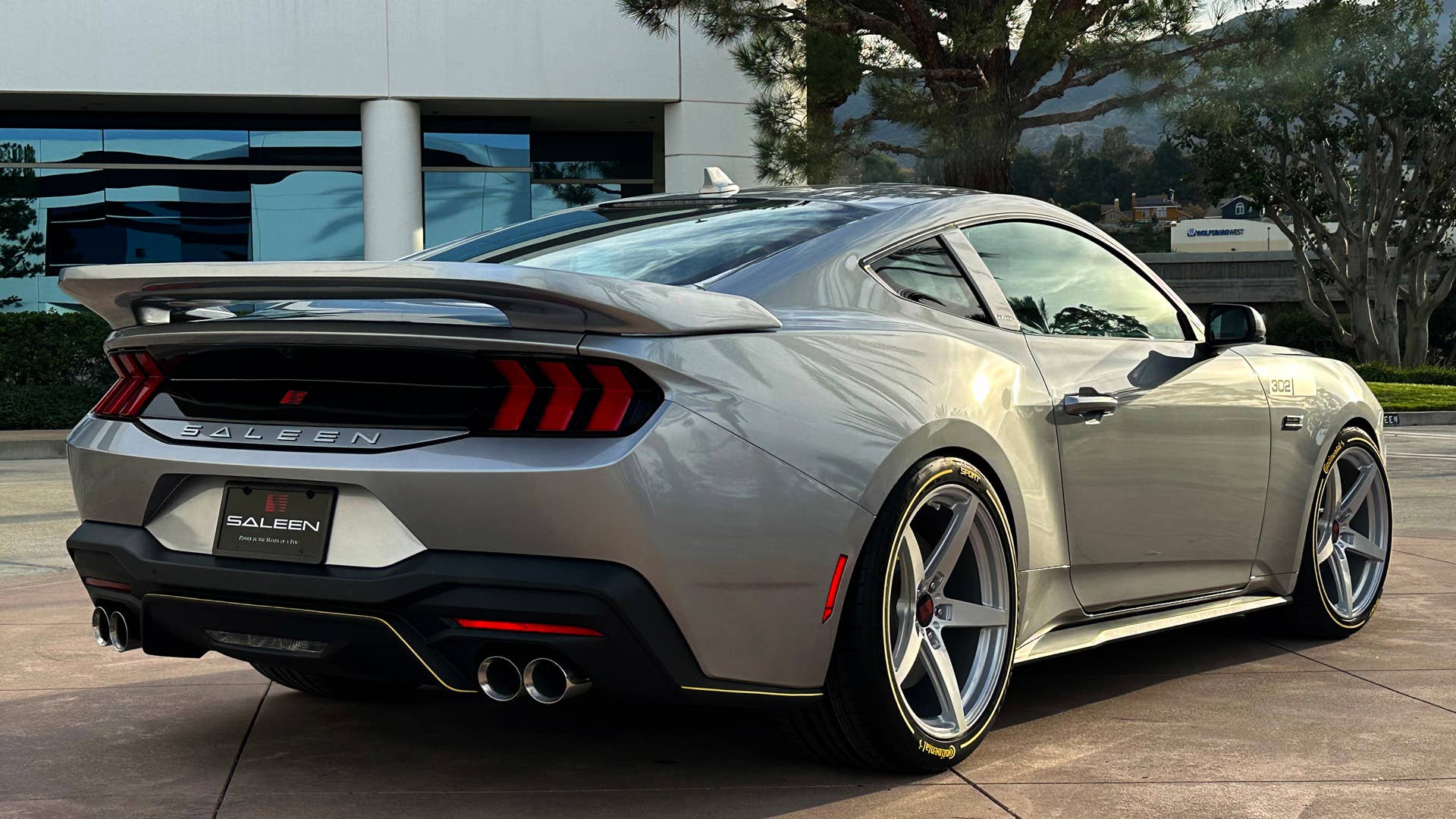
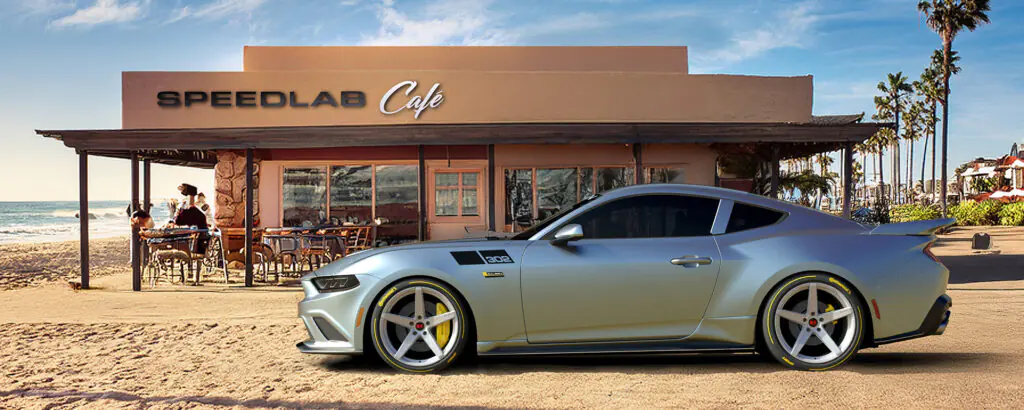
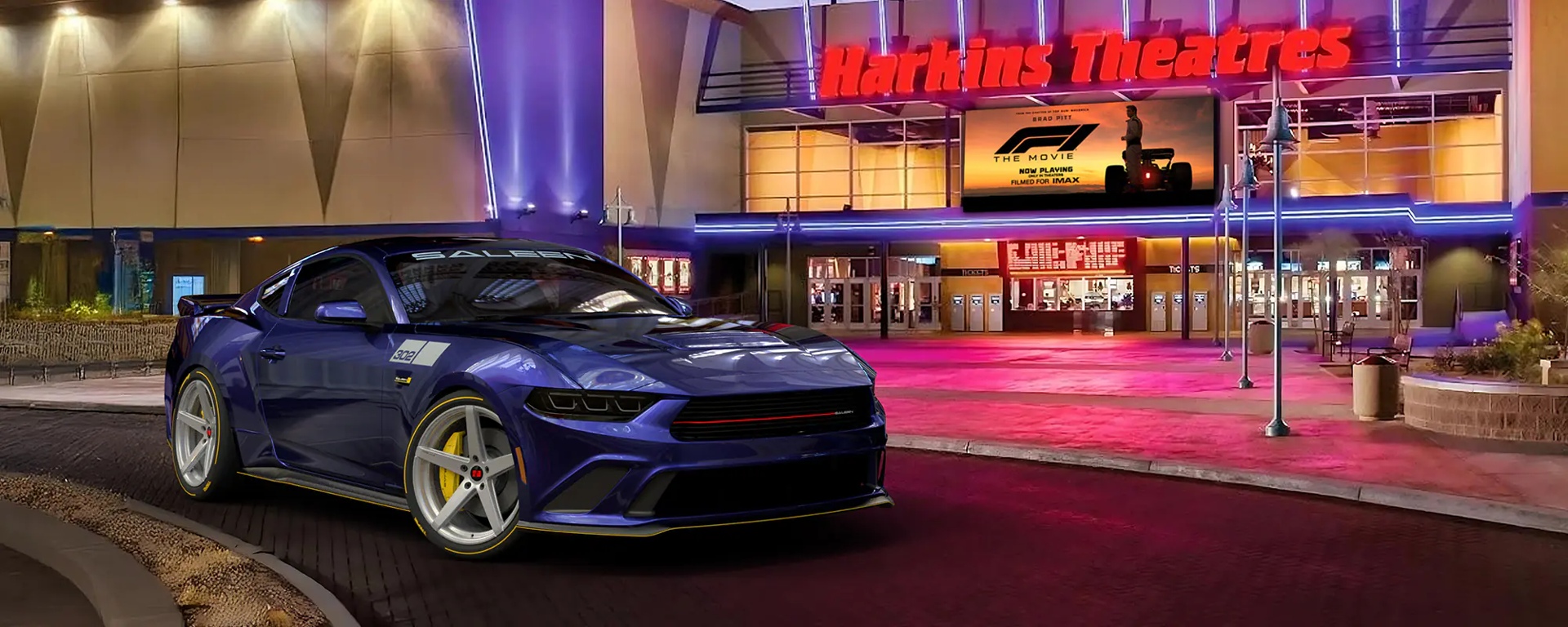
The exterior revisions go beyond cosmetics. Saleen reshaped the Mustang’s nose for better aerodynamics, added a functional rear wing, and fitted unique wheels and tires. The result is a car that looks longer, sleeker, and more purposeful. It’s unmistakably a Mustang – but with a distinct Saleen edge.
Inside, Saleen made meaningful upgrades. Nearly every touchpoint has been modified, from Alcantara-trimmed sport seats to a redesigned steering wheel and dashboard treatment. Even Ford’s controversial dual-screen setup has been reworked with a binnacle that integrates it more cleanly into the cabin. The result feels more bespoke and upscale than the Dark Horse.
Under the hood
Powering the 302 White Label is a naturally aspirated 5.0-liter V8, tuned to deliver 490 hp and 490 lb-ft of torque. That torque advantage over the Dark Horse is noticeable in daily driving, while a shorter-throw 6-speed manual adds to the engagement. The car also features Saleen’s Racecraft suspension, throttle controller, and a proprietary exhaust system. The latter gives the car a unique sound – aggressive and raw, though it lacks the adjustability of Ford’s active-valve system.
Behind the wheel
Where the Dark Horse feels like a track scalpel, the Saleen is more of a dancer. It feels lighter on its feet, with steering that’s more intuitive and suspension that’s a touch more forgiving. It’s still firm; this isn’t a cushy Camry, but it’s more livable than you’d expect.
The 302’s throttle response is sharp, and the torque-rich powerband makes it easy to exploit. It doesn’t feel quite as ferocious at the limit as the Dark Horse, but it’s playful, rewarding, and full of character. That steering feel is addicting, as is the exhaust note and rush of power.
Ford
The downsides
Neither car is without compromise. The Dark Horse gulps fuel, has a stiff ride, and constantly reminds you it belongs on a racetrack. The Saleen suffers from splitter scrape syndrome, screen-heavy climate controls, and similar quirks as the base Mustang interior. Both cars are pricey, too. You’re paying $20,000–$30,000 over a GT for the privilege.
Final thoughts
So which Mustang wins? It depends on your priorities. The Ford Mustang Dark Horse is the sharper track tool, engineered by Ford to be the ultimate factory Mustang. It’s blisteringly quick, brutally capable, and absolutely intoxicating when pushed. The Saleen 302 White Label, by contrast, emphasizes balance, comfort, and individuality. It may not be a track tool like the Dark Horse, but its torque-heavy V8, bespoke styling, and interior refinements make it feel like something truly special.
If money were no object and I wanted the most hardcore Mustang experience, I’d pick the Dark Horse. If I wanted a Mustang that feels unique, rare, and deeply tied to motorsport history while still undercutting Ford’s price, I’d give the nod to the Saleen 302 White Label. Either way, you’re buying into Mustang lore, and these two might just be the most exciting ponies in the stable today.
About the author

Nathan Adlen
Contributing Writer, Autoblog