
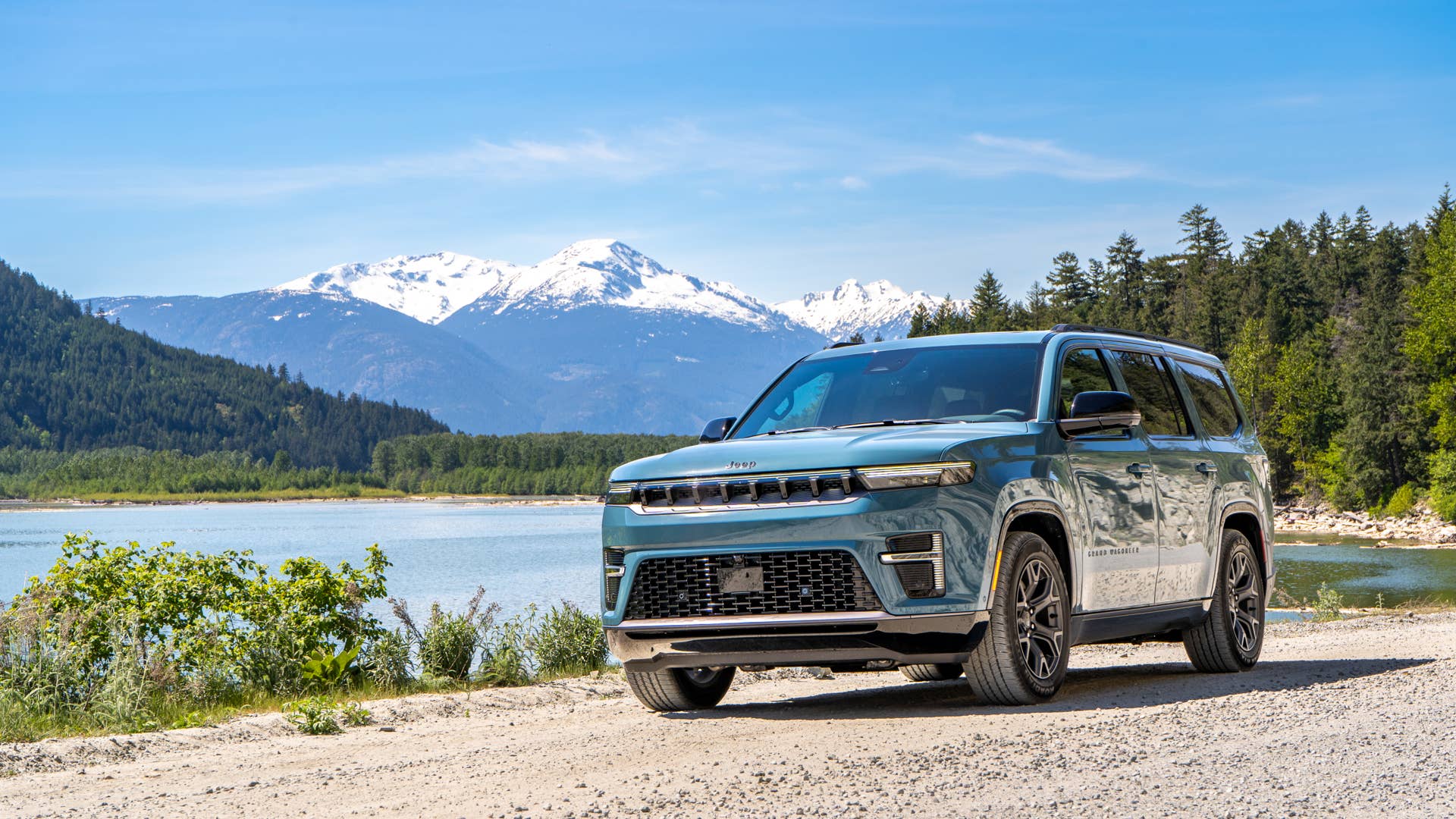
The 2026 Jeep Grand Wagoneer should be worse than it was last year. It has less power, less standard opulence, and no more high-output Hurricane straight-six sitting under its enormous hood. And yet, somehow, Jeep’s flagship ocean liner now makes more sense than it ever has.
For 2026, the Grand Wagoneer replaces its high-output Hurricane straight-six with the standard-output version across its entire trim range, meaning it now produces just 420 horsepower, down from the whopping 540 it had last year. Jeep says that sacrifice means better fuel economy and improved low-end torque for towing, and while that’s all well and good, those still aren’t the most valuable silver linings here. What matters most is what that reduced power means for the Grand Wagoneer’s updated price tag. For 2026, the Grand Wagoneer starts at just $63,995 in the U.S. if you’re willing to give up four-wheel drive, or $66,995 when equipped with 4×4. Compared to last year, that’s over twenty grand cheaper than the base Grand Wagoneer, and compared to the 2024 model year, it’s almost thirty grand less expensive.
As a result of Jeep’s packaging reshuffling, the brand’s flagship full-size SUV has transitioned from Cadillac Escalade price territory to becoming fiscally comparable to the mere Chevy Tahoe. That means for just $500 more than what a base 2026 Chevrolet Tahoe LS RWD costs ($63,495), you could instead purchase a 2026 Jeep Grand Wagoneer 4×2 with standard leather-trimmed seats (the Tahoe comes with cloth), a standard 9-speaker Alpine Audio System (the Tahoe LS uses a 6-speaker in-house unit), best-in-class towing capacity at 10,000 max pounds, and 65 more horsepower. If last year’s Grand Wagoneer seemed like an overpriced, oversized barge of a full-size SUV, this year’s model seems like a relative bargain, despite a fresh new face and surprisingly well-calibrated driving dynamics, aided by an all-new fourth-generation 880RE eight-speed automatic transmission.
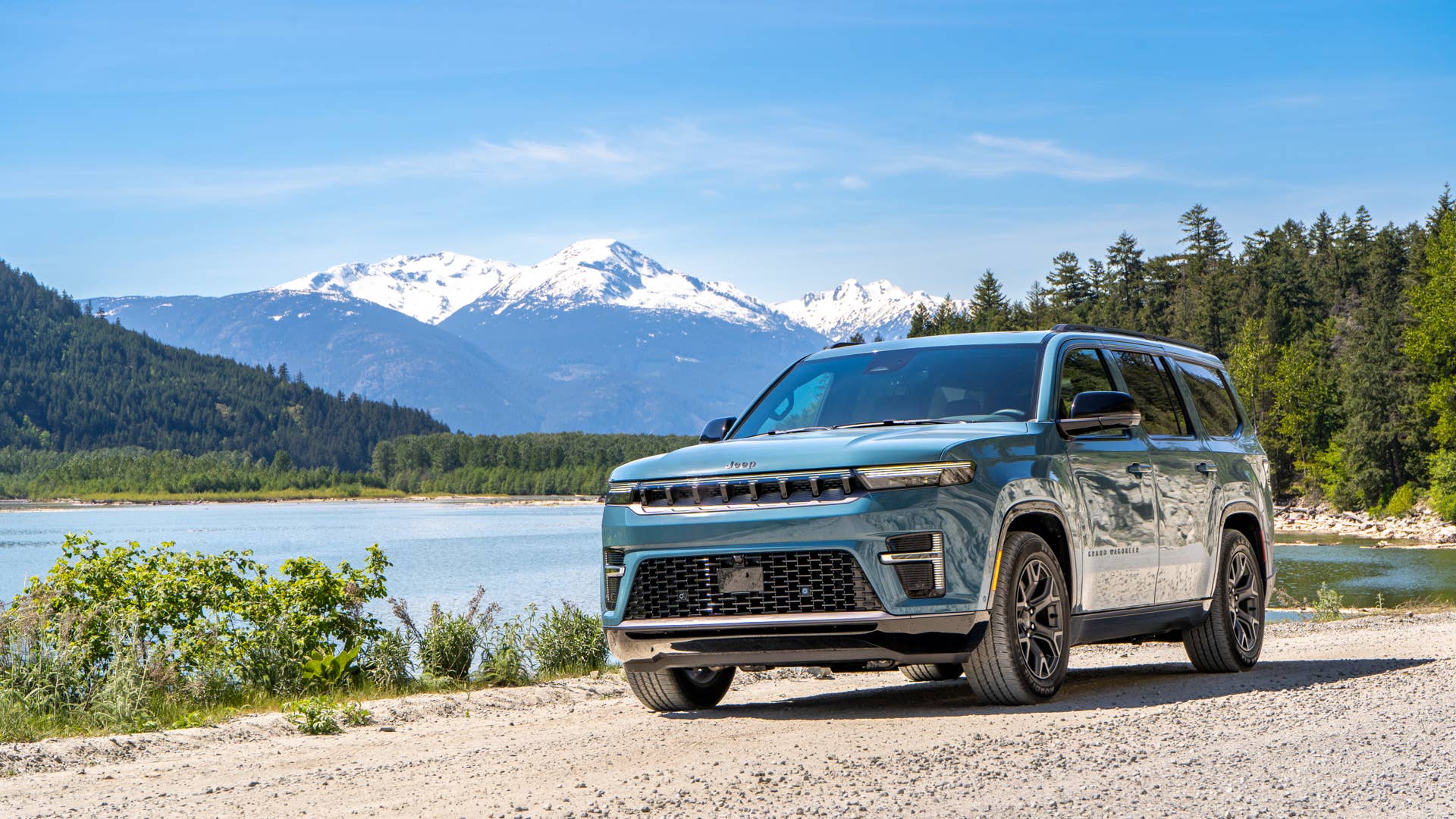
I spent a week driving a standard-wheelbase, Canadian-market 2026 Jeep Grand Wagoneer Limited Altitude 4×4, which starts at C$90,995, and came optioned with Steel Blue paint (C$895), Customer Preferred Package (C$1,500), and Premium + Entertainment Group (C$6,995), for a grand total of C$103,180 including fees. In the U.S., the Limited Altitude 4×4 starts at $72,060, and Steel Blue is a no-cost paint option. I drove this gigantic SUV daily through the dense city streets of Vancouver, B.C., and took it on a day trip to Joffre Lakes Provincial Park for a sunny hike with friends. My mission was to see if its major overhaul has made the Grand Wagoneer any more appealing, and whether it’s finally a full-size SUV worth considering over its fiercest rivals.
Cole Attisha
Powertrain & Driving Dynamics: 8.9/10
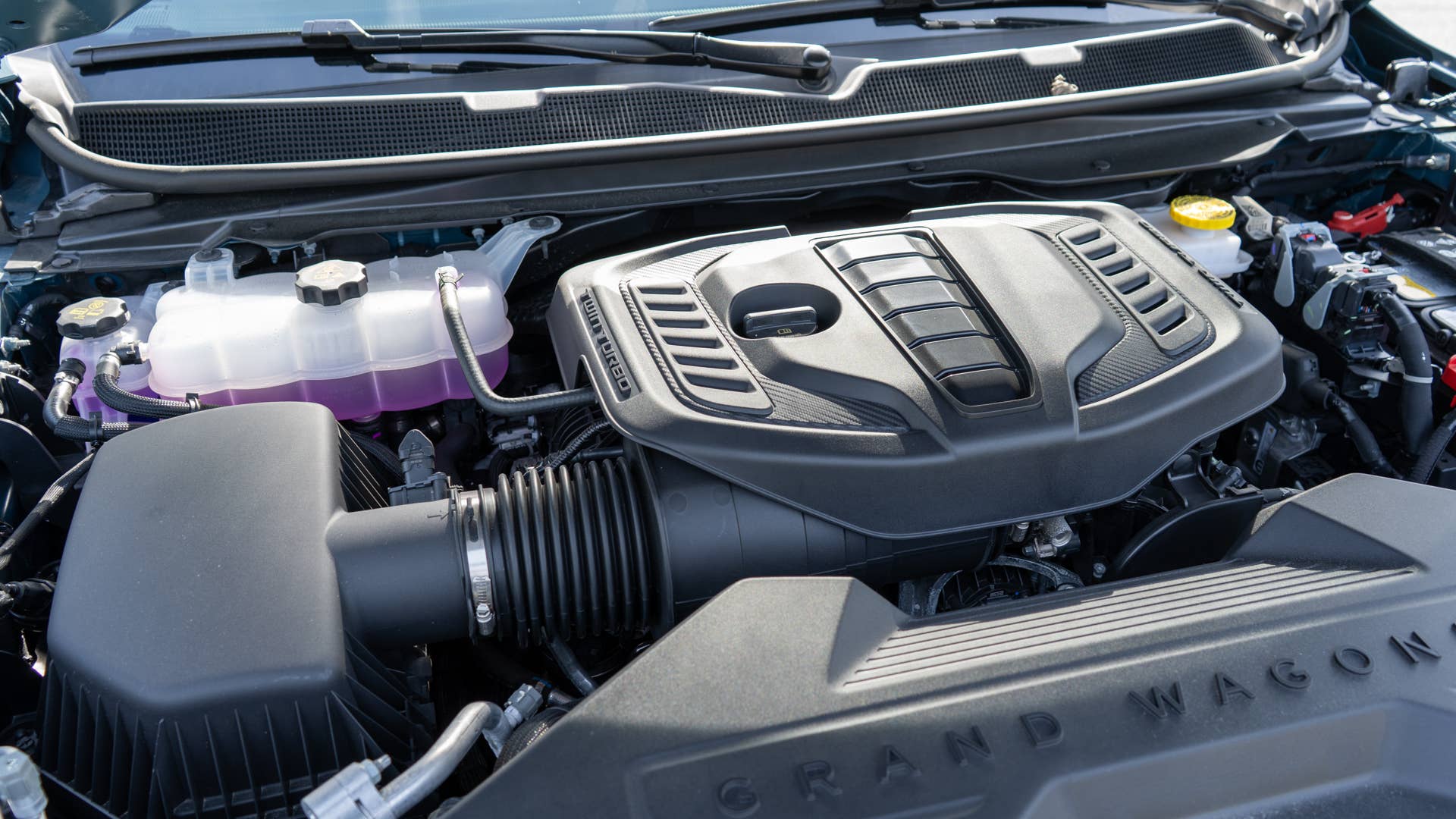
On paper, losing 120 horsepower sounds like a downgrade that’s emasculating enough to make the whole vehicle come across like someone who was forced to sell their beloved muscle car after a rough divorce. From behind the wheel, however, it’s a different story entirely. The 2026 Grand Wagoneer’s 3.0-litre Hurricane twin-turbo inline-six now produces just 420 horsepower and 468 lb-ft of torque, but its updated calibration and fourth-generation 880RE eight-speed automatic make it feel more natural in normal driving than the high-output version ever did. Jeep still quotes up to 10,000 pounds of maximum towing capacity when properly equipped, so this is hardly a neutered flagship.
Compared with the 2025 Ram 1500 Tungsten I drove last year, which is mechanically close to the previous Grand Wagoneer formula, the Jeep’s low-end torque response felt better nearly all the time. It moves away from lights with less hesitation, rolls up to highway speeds with confidence, and rarely feels the need to hunt for the right gear before acting. At the top end, yes, the missing horsepower is apparent. Floor it at higher speeds, and it no longer has the same absurd surplus shove as before, but it never feels slow, and the tradeoff feels worthwhile because the power delivery is noticeably better in the driving situations owners will actually encounter every day.
Need New Tires? Save Up To 30% at Tire Rack
Find the perfect tires for your exact vehicle and driving style. Click here to shop all top-tier brands, including Michelin, Bridgestone, and more, directly at Tire Rack.
Cole Attisha
The biggest surprise to me was how well it handled. On the twisty roads past Pemberton, B.C., on the way to Joffre Lakes Provincial Park, the Grand Wagoneer stayed remarkably composed for something this huge. There was minimal body roll by full-size SUV standards, and the height-adjustable Quadra-Lift air suspension did an excellent job of keeping its mass from feeling overly nautical. This is still a gigantic body-on-frame SUV, but it does not drive like an old-fashioned truck with leather seats shoved in. You’d think you might need a Master Mariner License to captain such a barge, but actually, it feels more like one of those pontoon boats that’s capable of doing 100 mph. There’s plenty of room for activities on board, but it can still boogie when you need it to.
Ride quality is a genuine highlight, hardly a surprise given its advanced suspension system. In fact, you quickly forget there is a body-on-frame platform underneath you at all. Around Vancouver, I left it in Comfort mode for most of the week because Sport mode felt largely unnecessary. Even in its relaxed setting, the Grand Wagoneer balanced response and comfort beautifully. The steering was confident, the brake pedal was easy to trust, and the overall dynamics felt more controlled than its dimensions would otherwise suggest.
Cole Attisha
Exterior Design: 8.6/10
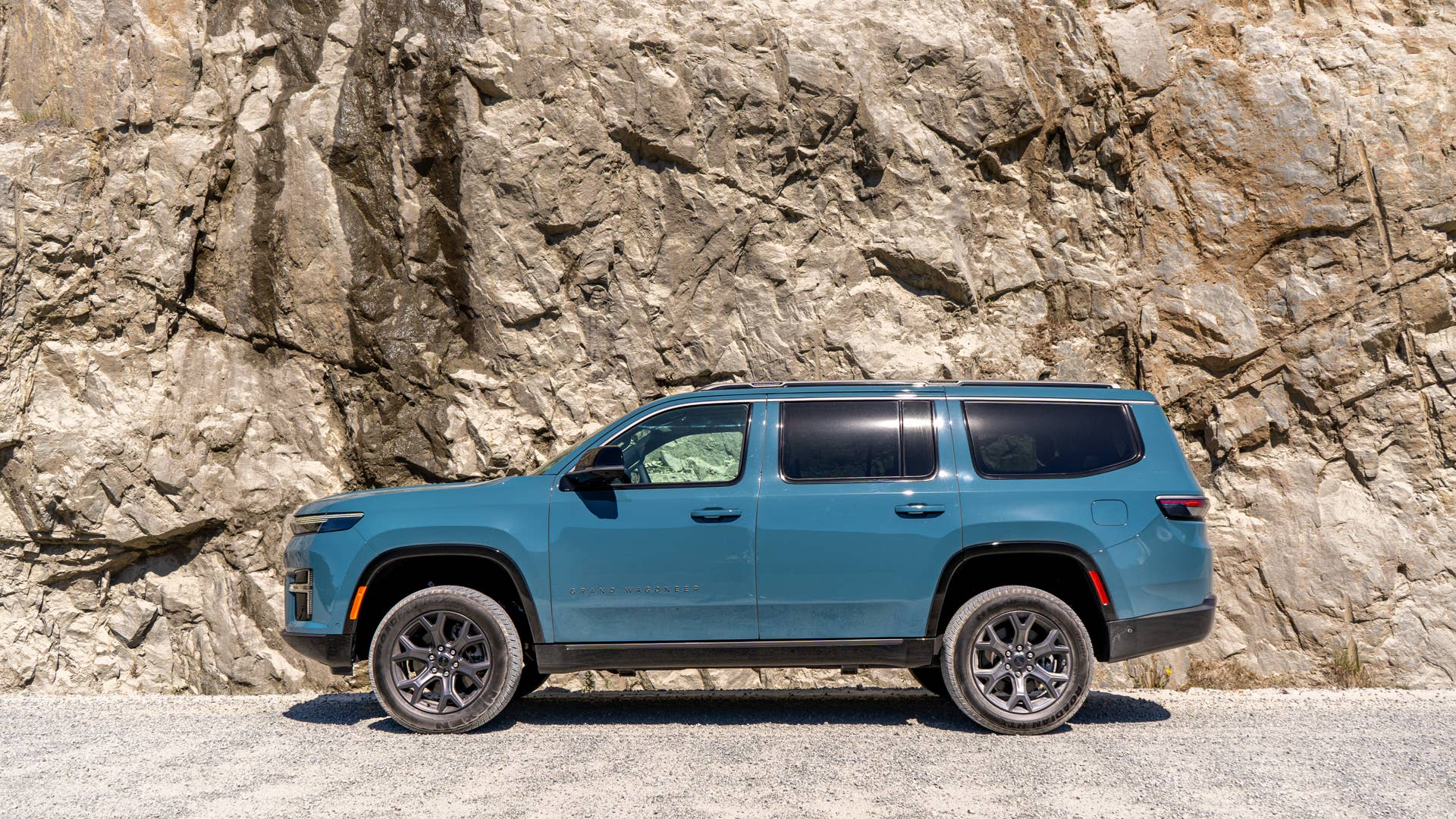
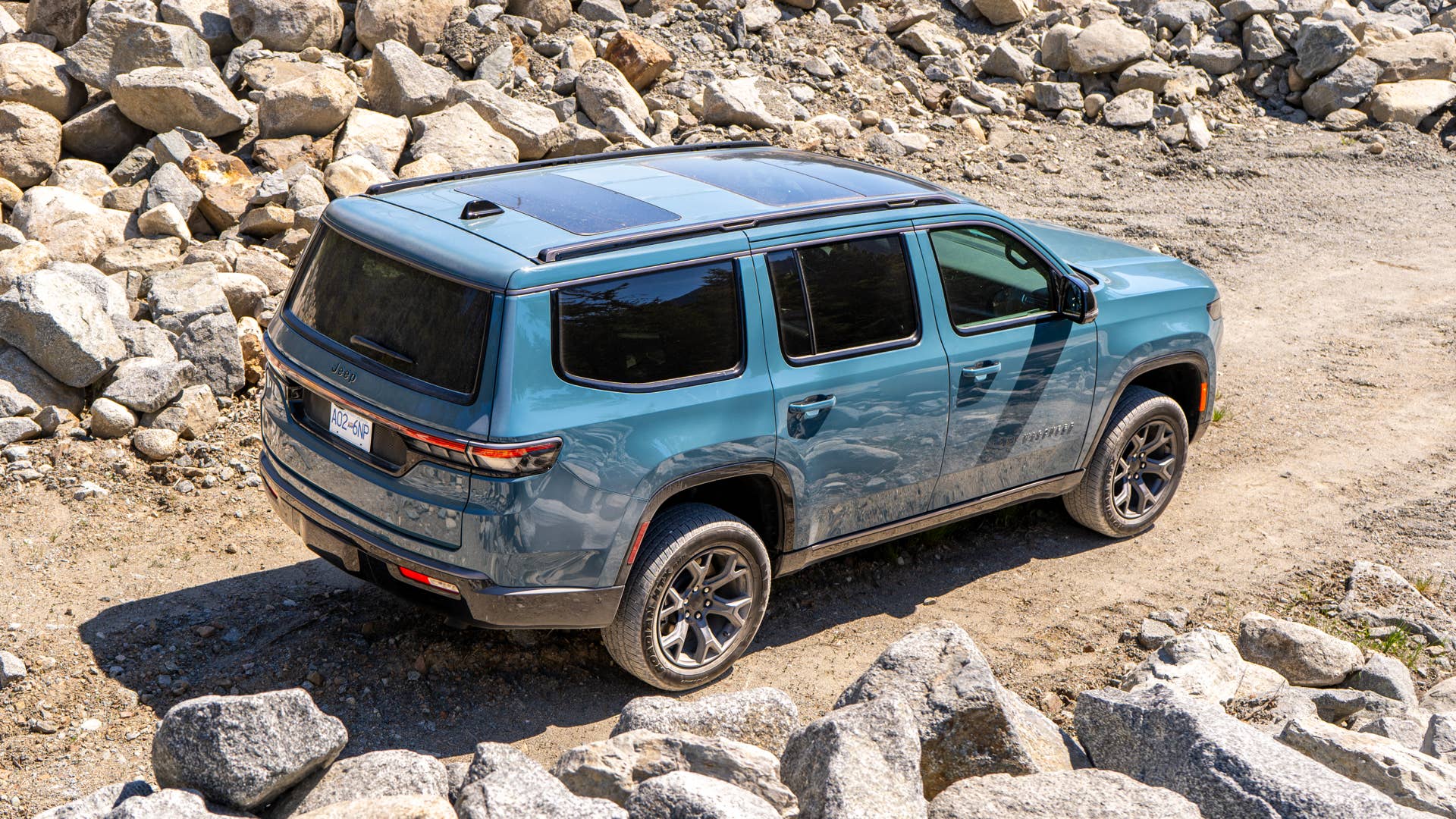
When Jeep revived the Wagoneer nameplate for the 2022 model year after a three-decade absence from the market, I was not immediately convinced by its design. The proportions were imposing, the stance was appropriately grand, and the sheer scale of the thing certainly made an impression, but the side glass always bothered me. Each window appeared visually separated from the next by thick pillars, creating a segmented greenhouse that looked oddly fussy on something otherwise so enormous and upright. On a smaller crossover, that kind of visual trickery might have read as character, but on a full-size Jeep flagship, it initially looked like function had been asked to follow form—a backwards philosophy for something so inherently utilitarian.
Over time, that unusual window treatment did grow on me, at least partially. If nothing else, it made the Wagoneer and Grand Wagoneer instantly recognizable in a segment where most full-size SUVs are variations on the same two-box refrigerator. The quirkiness gave it an identity of its own—it wasn’t just a supersized Grand Cherokee. The problem was that the rest of the design aged faster than the nameplate deserved. Parked against newer or recently updated rivals, including the Cadillac Escalade, Lincoln Navigator, Ford Expedition, Nissan Armada, and even the humble Chevrolet Tahoe, the old Grand Wagoneer could look strangely caught between eras: expensive, yes, but not always especially fresh.
Cole Attisha
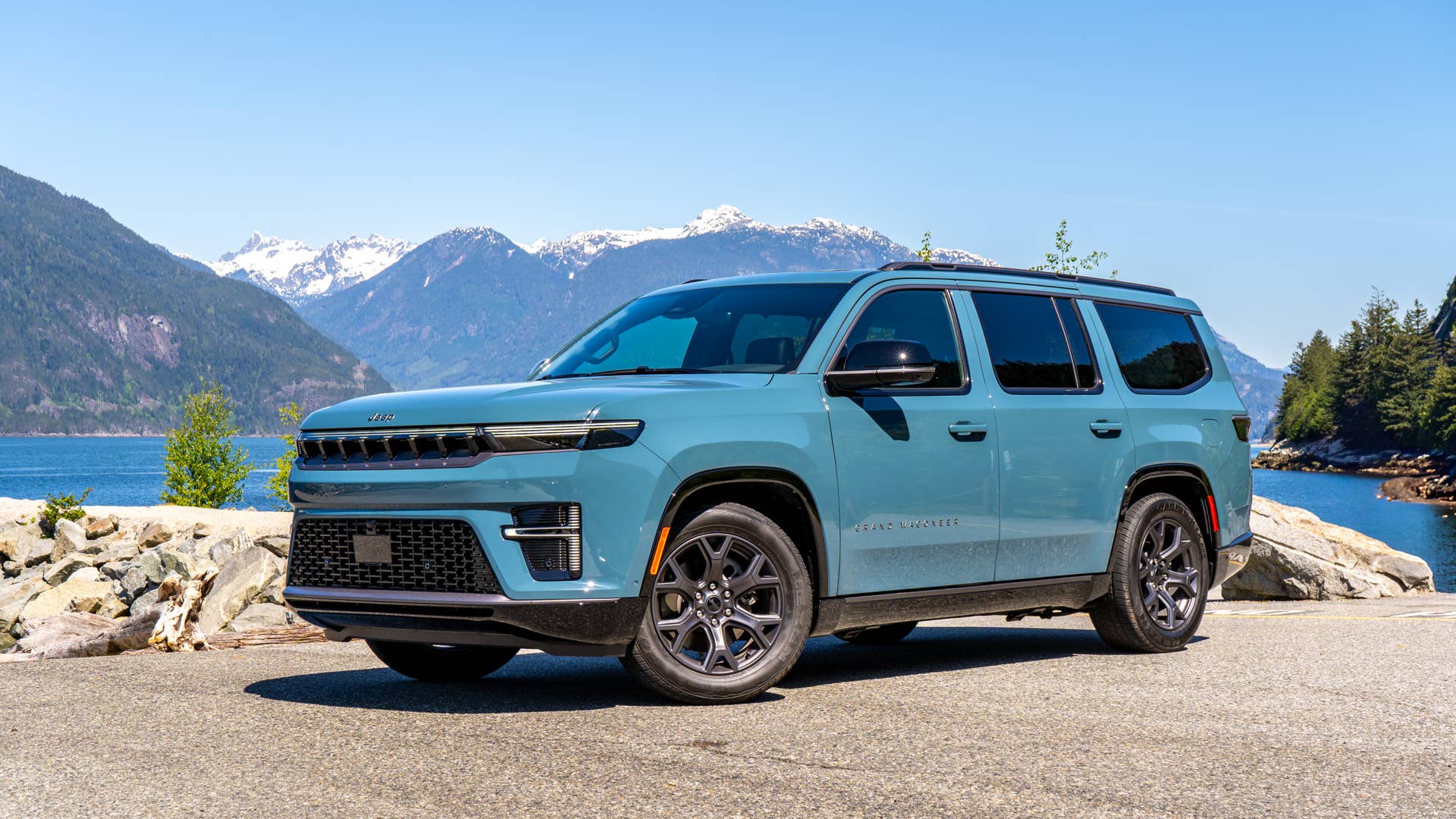
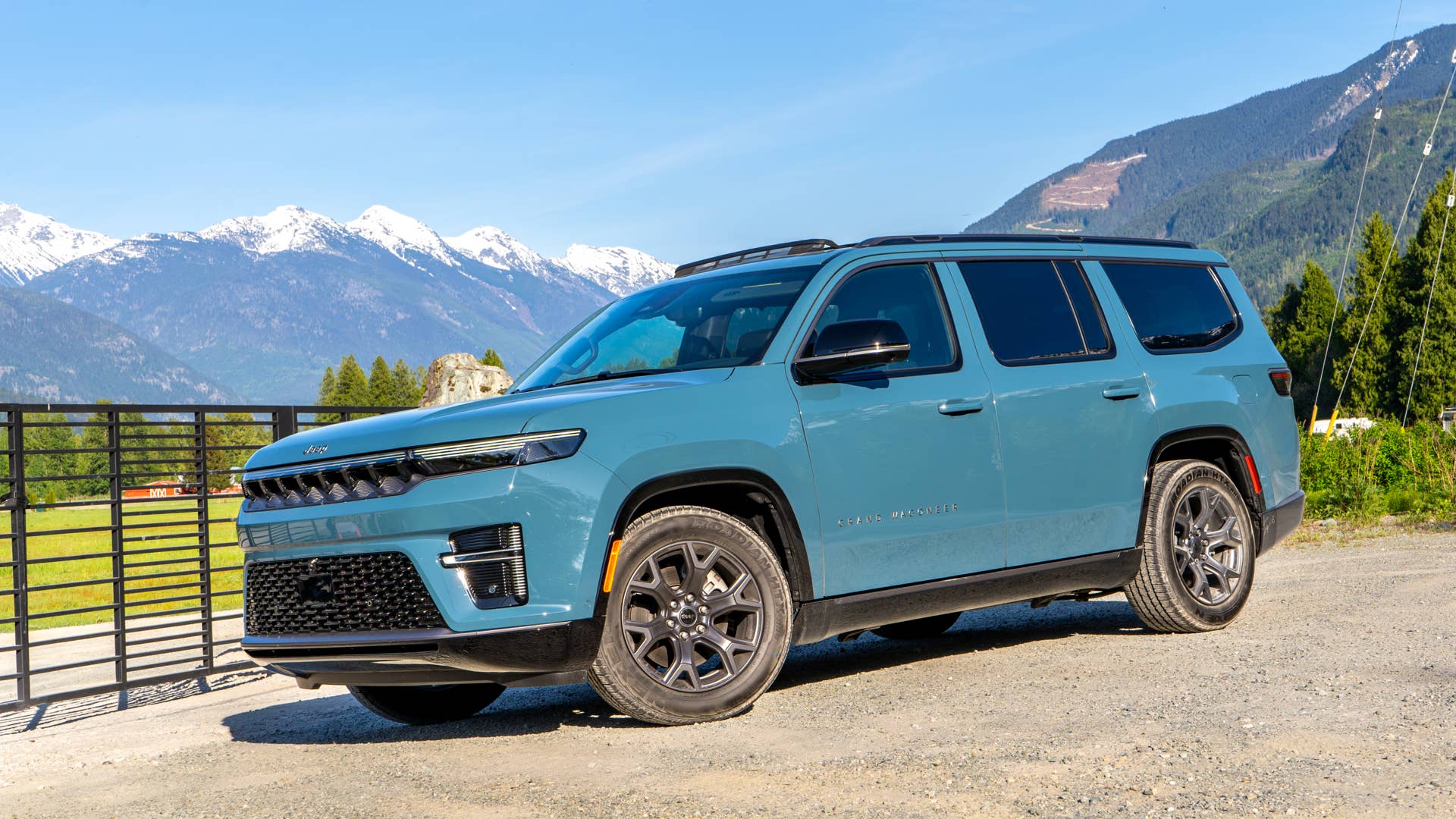
For 2026, the Grand Wagoneer’s cosmetic updates are, to my eyes, as impactful as they needed to be. The fundamental shape hasn’t changed, but the new front end gives the Grand Wagoneer the visual reset it badly needed to remain competitive in a rapidly evolving segment that seems to be in something of a renaissance, as buyers transition back to old-school, body-on-frame SUVs. The slimmer lighting, cleaner fascia, and more contemporary grille treatment make the SUV look less like a chrome-heavy tribute to traditional American luxury and more like a modern Jeep flagship. It still has the size and presence expected of something this expensive, but it no longer looks like it is trying to impress people by wearing every piece of jewelry in the drawer.
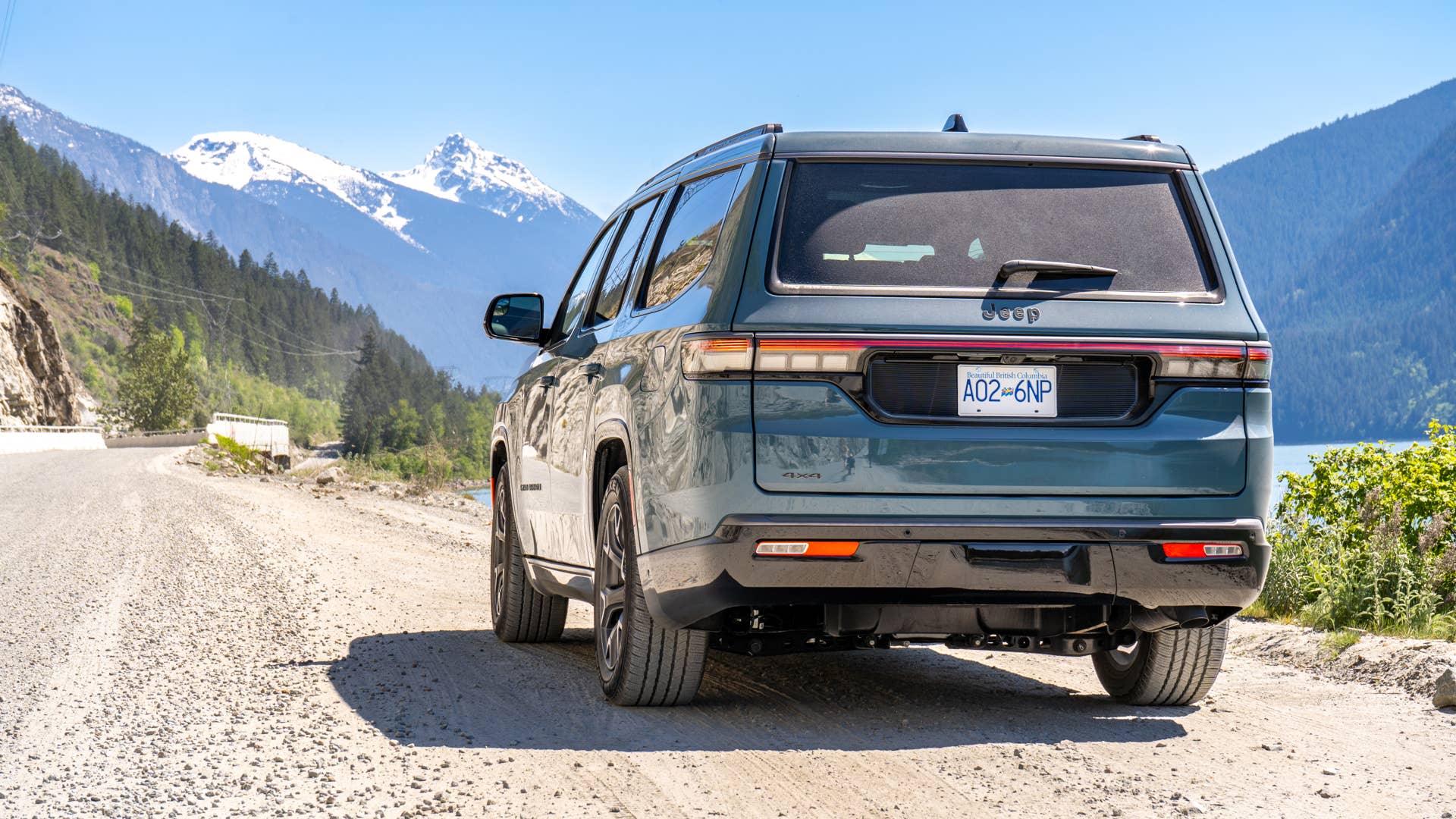
The Limited Altitude treatment adds even more character—the blacked-out trim suits the Grand Wagoneer’s shape better than I expected, especially combined with my tester’s Steel Blue paint, and gives it a more athletic presence. Its paint job affords the SUV enough personality to avoid looking anonymous, while the darker accents keep the sheer mass from appearing too formal or overwrought. In the right setting, especially parked near the mountains, water, and gravel roads on the way to Joffre Lakes, the Grand Wagoneer finally looked like what it was always supposed to be: a luxurious full-size SUV with actual Jeep character. It still looks luxurious and grand, but it no longer looks out of place in the wilderness or with mud on its feet. It’s still not a conventionally beautiful vehicle; something this large rarely is. But the 2026 Grand Wagoneer now looks cleaner, sharper, and more confident than before. The odd side glass remains, but it feels less distracting when the rest of the design has caught up around it. Instead of looking like an expensive SUV with a few strange design choices, it now looks like a distinctive flagship that knows exactly what it is.
Cole Attisha
Technology: 8.1/10
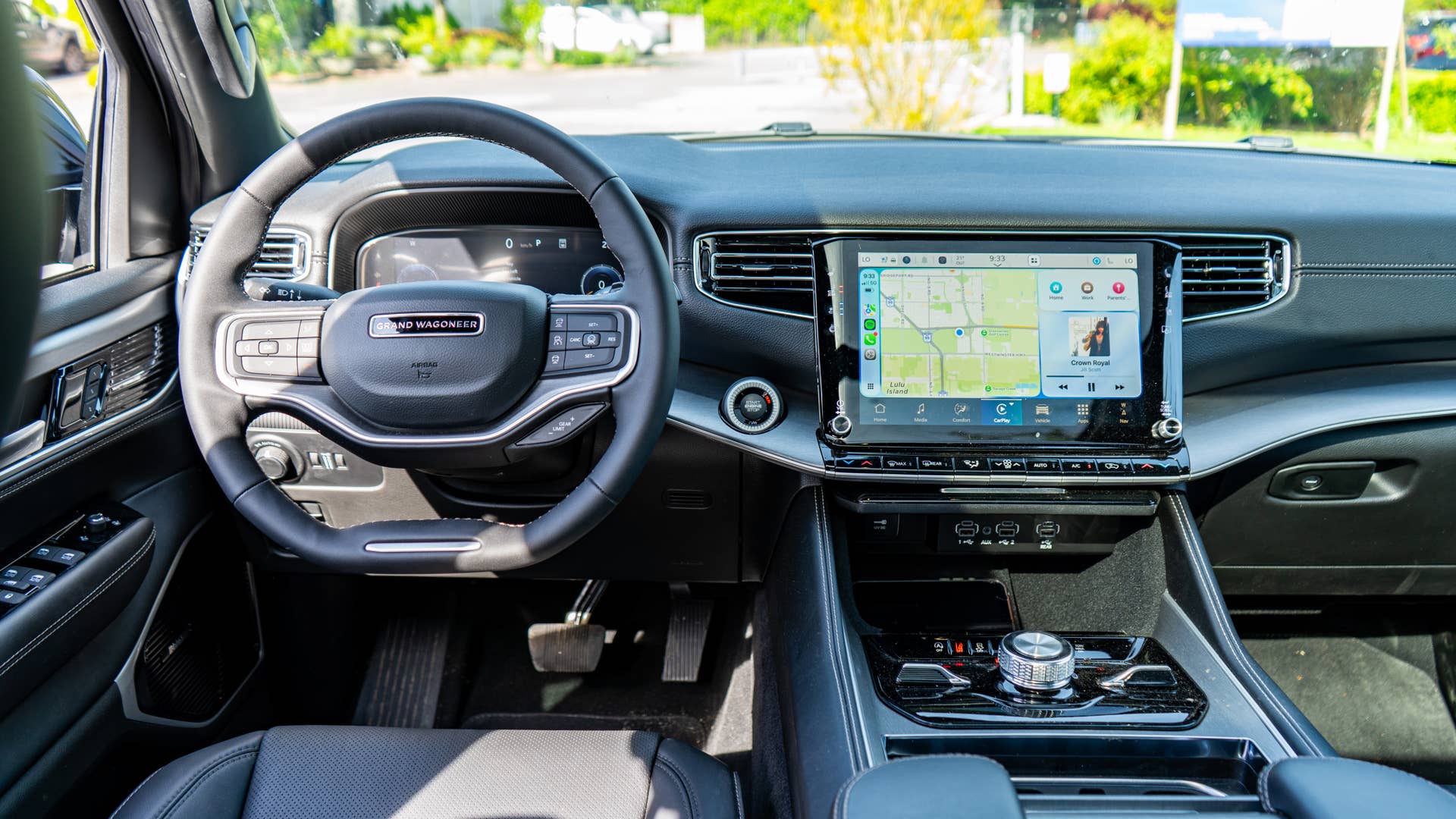
The Grand Wagoneer’s technology suite is mostly strong, and the 2026 updates make one especially welcome correction: physical controls are back where they matter. Dedicated heated and ventilated seat switches may sound like a small thing, but in daily use, they make the cabin far easier to live with, even if they are just haptic-touch buttons. Nobody wants to dig through touchscreen submenus just to cool a seat after climbing back in on a hot day after a long hike. The Uconnect system also remains one of Stellantis’ better efforts. It is responsive, clearly organized, and generally easy to use, with enough screen real estate to make maps, media, vehicle settings, and camera views feel modern without turning the cabin into a rolling supercomputer. The camera systems are especially useful, of course, because the Grand Wagoneer is enormous. In Vancouver traffic and tight parking situations, the extra visibility made the SUV feel much less intimidating.
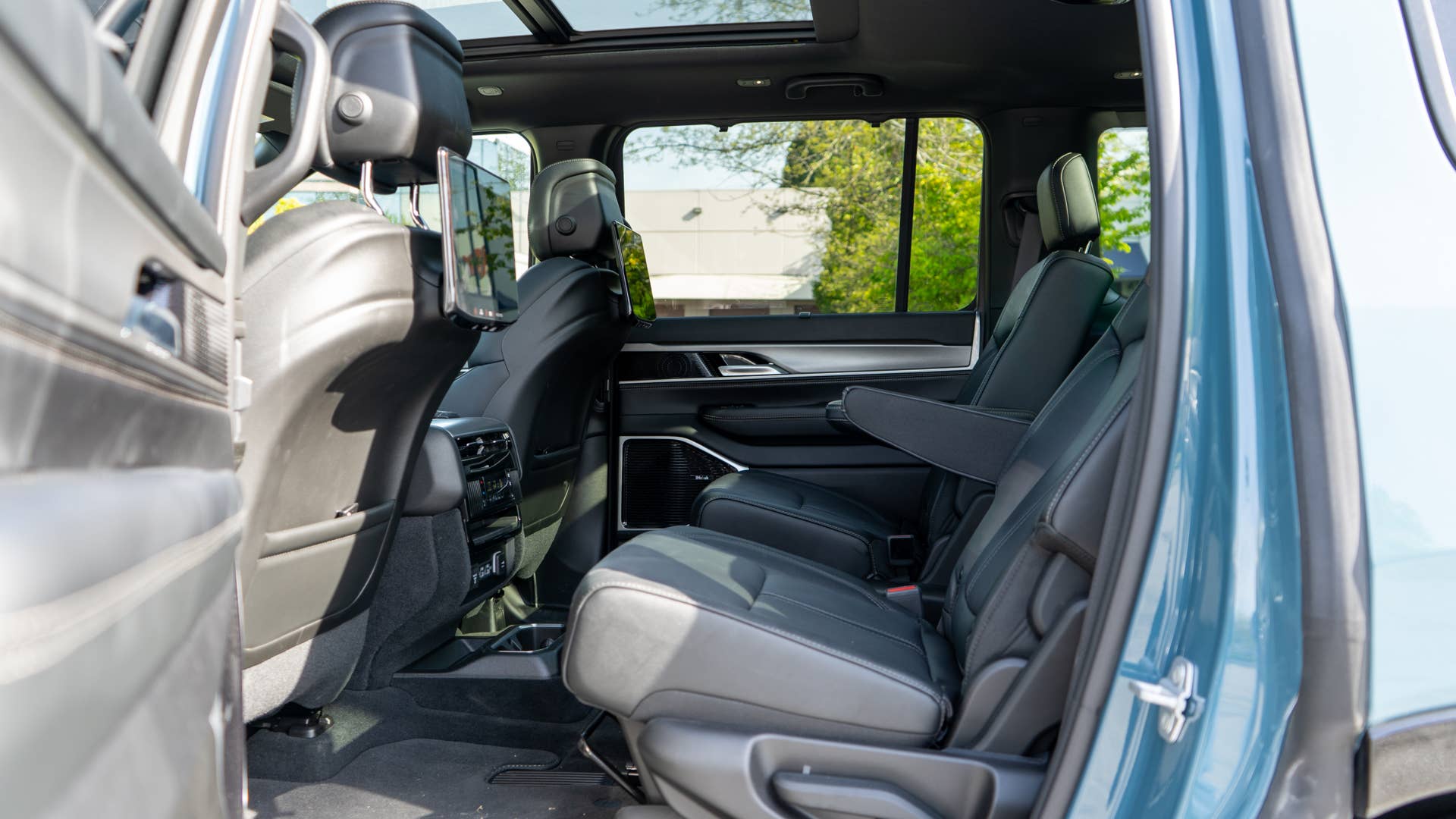
My tester also had the Premium + Entertainment Group, which includes power deployable running boards, a three-panel sunroof, a 19-speaker McIntosh MX950 entertainment system, seatback video screens, a USB video port, an interior rear-facing camera, and Amazon Fire TV Built-In, among other accessories. In a genuine three-row family SUV, rear entertainment is not just a gimmick; it is a feature that can keep kids distracted long enough on road trips to prevent them from ripping each other’s hair out. Jeep also says the Grand Wagoneer offers more than 170 standard and available safety and security features, which reinforces its flagship role within the lineup.
Still, the Grand Wagoneer’s tech was not entirely flawless. The music would occasionally cut out for a second, which was not catastrophic, but always momentarily jarring. My tester’s McIntosh audio system was also merely acceptable rather than exceptional. It sounded fine, but I expected more theatre from a badge with that much audio cachet. Overall, though, the interface, camera systems, physical controls, and feature set make this a strong tech experience.
Cole Attisha
Interior Design & Quality: 8.4/10
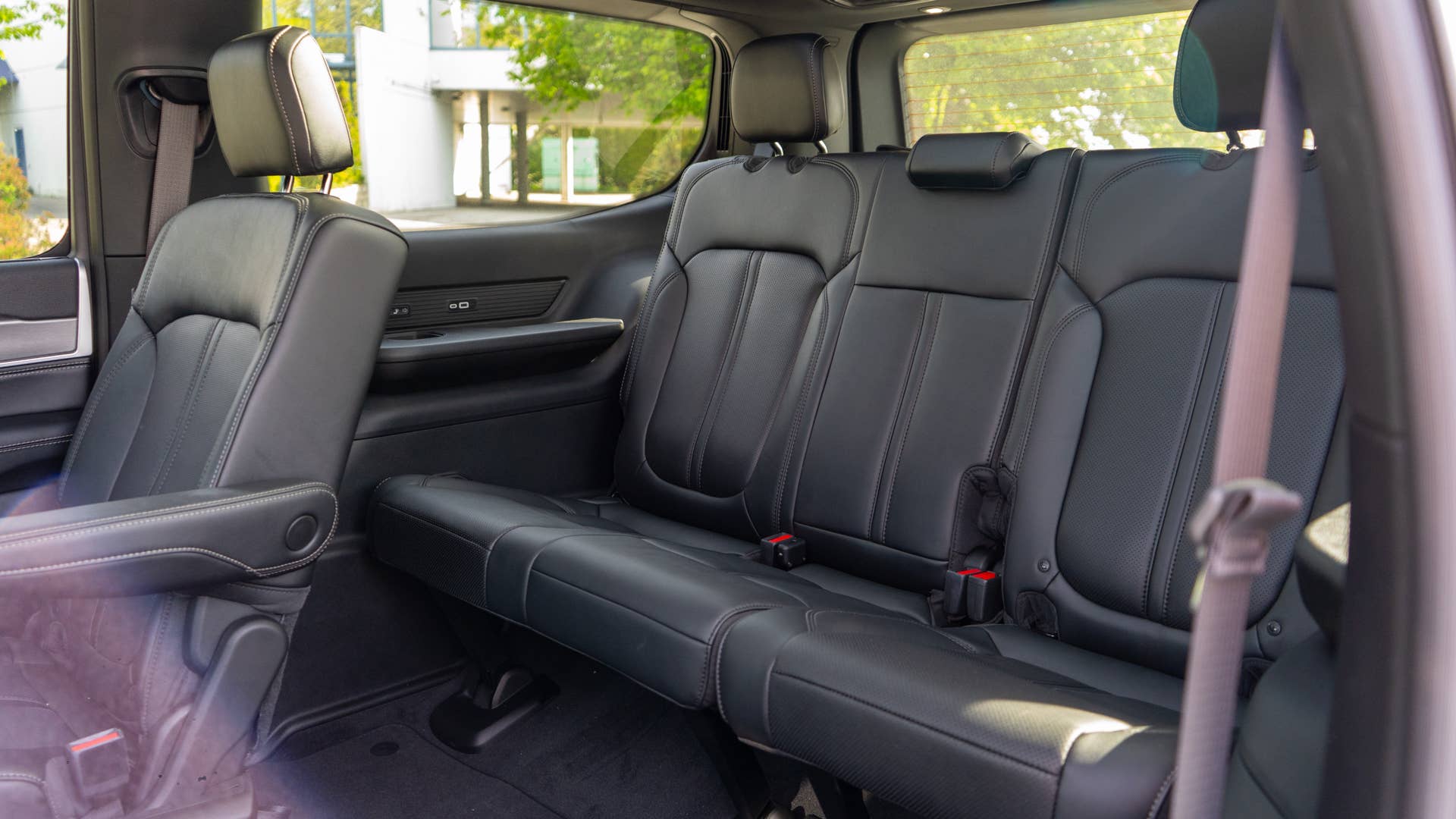
Inside, the Limited Altitude feels appropriately luxurious, but not necessarily indulgent. This is not a decadent, hand-finished luxury cabin, nor does it feel as rich as the most expensive versions of the Grand Wagoneer have in the past. Instead, it lands somewhere between a very well-equipped mainstream full-size SUV and a proper luxury SUV. Given the new price structure, however, that feels entirely appropriate. The cabin is quiet, spacious, comfortable, and nicely appointed. The seats are supportive, the driving position is excellent, and the overall sense of scale is exactly what full-size SUV buyers are paying for. Nothing in my tester felt cheap, and the overall design still had enough polish to justify the Grand Wagoneer name as a true flagship model.
Cole Attisha
Cole Attisha
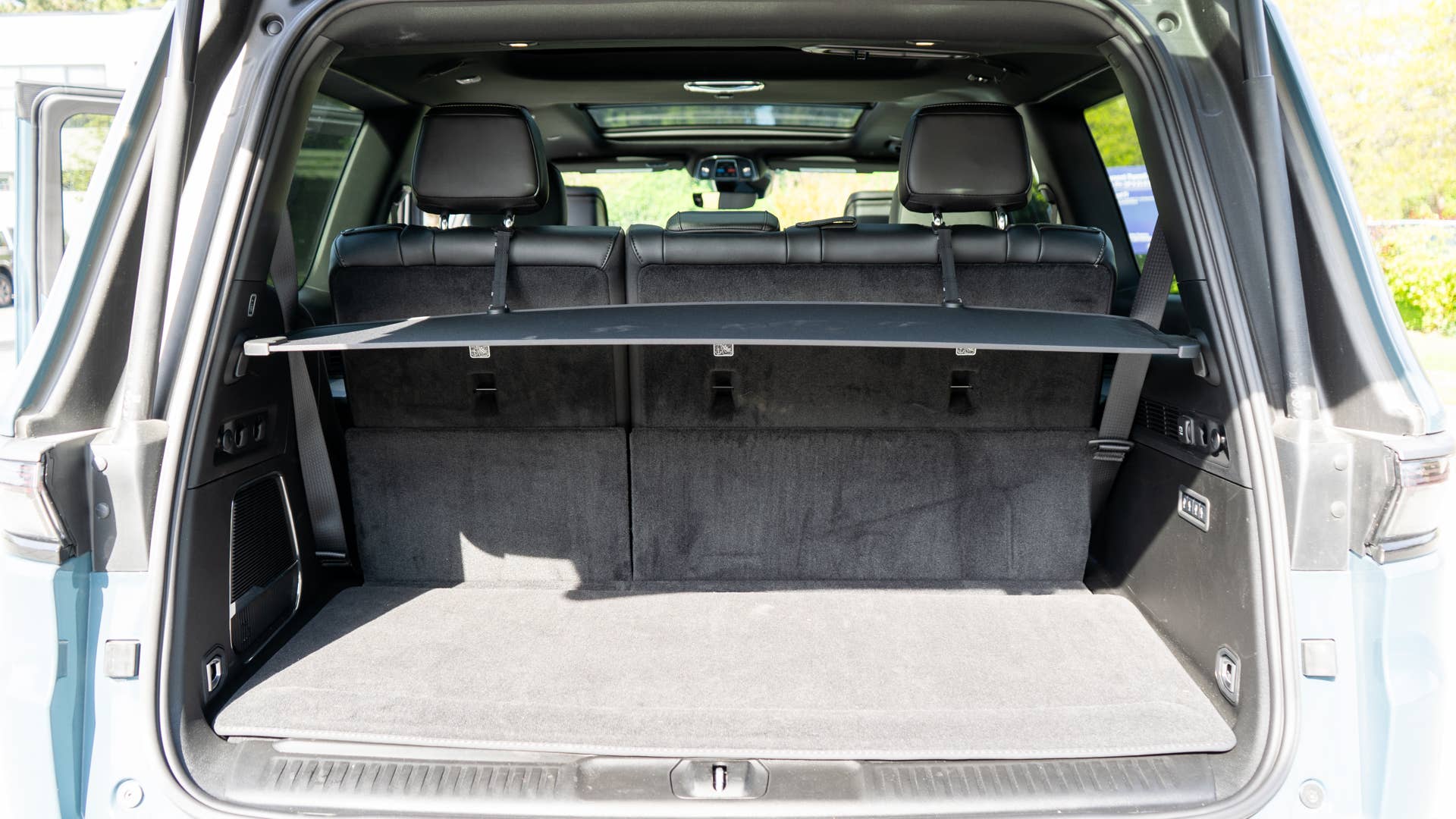
Where it really excels, perhaps unsurprisingly, is in the amount of space it offers. All three rows are genuinely usable, and the third row does not feel like an afterthought. I especially liked that rear passengers get their own dedicated sunroof (when equipped with Premium + Entertainment Group). It does not open, but it gives the back of the cabin a much airier, more premium feel, rather than a sense that rear-seat occupants got the short end of the stick. The cargo room is also properly generous: Jeep lists up to 94.2 cubic feet of maximum cargo volume in the standard-wheelbase Grand Wagoneer, while the longer Grand Wagoneer L adds 15.8 cubic feet behind the third row. For my week, the standard-wheelbase model was already more than enough. On the Joffre Lakes trip, it easily handled friends and hiking gear without feeling even remotely strained. The interior may not be especially indulgent in this trim, but as a luxurious family tool, it works extremely well.
Cole Attisha
Pricing & Value: 9.2/10
The previous Grand Wagoneer was impressive, but its exorbitant price tag was impossible to ignore. It was playing in Escalade and Navigator territory, and at that level, buyers have every right to expect not just size and equipment, but also prestige. The Escalade and Navigator nameplates have been built on decades of pop-culture relevance and a loyal portfolio of repeat buyers—the Grand Wagoneer simply didn’t do enough to persuade buyers away from models with more established reputations.
For 2026, Jeep has reframed the vehicle’s entire positioning in the marketplace. The lineup now starts at $63,995 for the Grand Wagoneer 4×2, while the Limited Altitude 4×4 starts at $72,060. That alteration places it much closer to mainstream full-size SUV money, while still offering a richer standard package than many base competitors. The Tahoe comparison is the key here. A base 2026 Chevrolet Tahoe LS RWD starts only $500 below the entry-level Grand Wagoneer 4×2, yet the Jeep counters with standard leather-trimmed seats, a stronger standard audio setup, 65 more horsepower, and a maximum tow rating of 10,000 pounds. That does not make the Tahoe a bad value by any means, but it does make the Grand Wagoneer look shockingly compelling.
My Canadian-market tester was still expensive at C$103,180 as tested, but the broader value story is hard to ignore. Against the Tahoe/Suburban, Ford Expedition, and Nissan Armada, the Grand Wagoneer now has a clearer reason to exist. It’s not just big, comfortable, and capable anymore; it’s finally priced well enough to be taken seriously by buyers who aren’t simply seeking vanity from an unconventional source.
Cole Attisha
Final Verdict: 8.6/10 Overall
Plainly, the 2026 Jeep Grand Wagoneer Limited Altitude 4×4 is finally a full-size luxury SUV worth considering. The old Grand Wagoneer was powerful, spacious, comfortable, and impressive, but it was also difficult to justify at its previous price. This one gives up headline horsepower, but becomes better where it matters more often. The low-end torque response is stronger, the transmission feels better calibrated, the ride is genuinely luxurious, the handling is surprisingly composed, and the new pricing structure transforms the whole argument.
It is still huge, and it’s still expensive to fuel—especially with gas prices looking the way they do these days. In Limited Altitude trim, its cabin is luxurious rather than lavish. Still, after a week in Vancouver and a mountain-road run to Joffre Lakes, the updated Grand Wagoneer felt like it made far more sense than I had anticipated, and it undoubtedly exceeded my expectations. Jeep hasn’t just made its largest SUV model more accessible; it has made it more coherent. And for the first time, the Grand Wagoneer feels less like an overpriced flagship trying to prove a point, and more like one of the smarter full-size SUV buys in its class.
Cole Attisha
About the author

Cole Attisha
Staff Writer, Autoblog