
From Workhorse to Race Truck
America is hopelessly addicted to trucks. If there’s even a whisper of a hiccup with the Ford F-150 supply chain, the automotive world collectively loses its mind. We’ve grown accustomed to our pickups being mobile living rooms, laden with leather, tech, and price tags that rival luxury sedans. It’s a domestic obsession that blinds us to the rest of the world, where utility still reigns supreme.
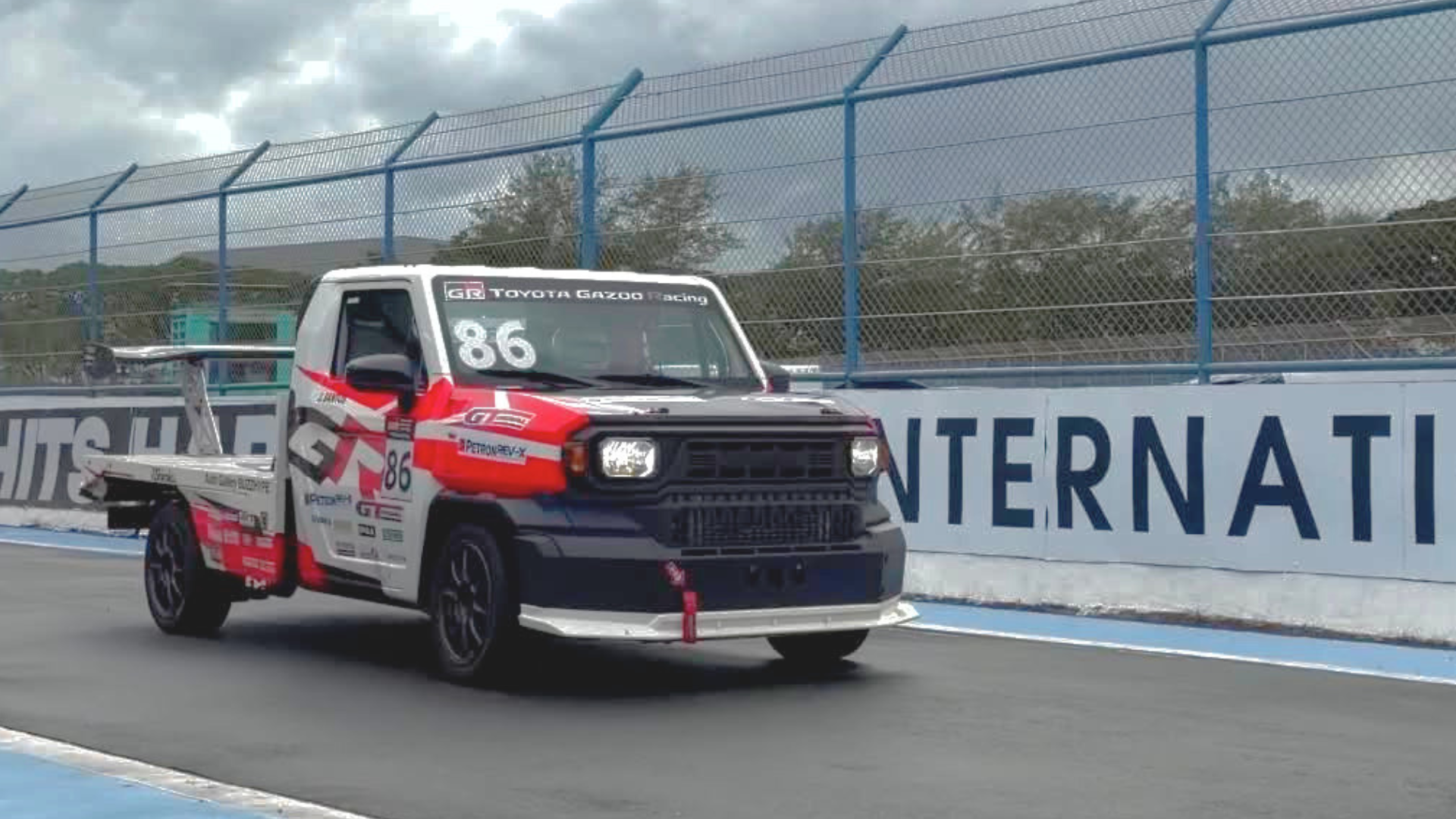
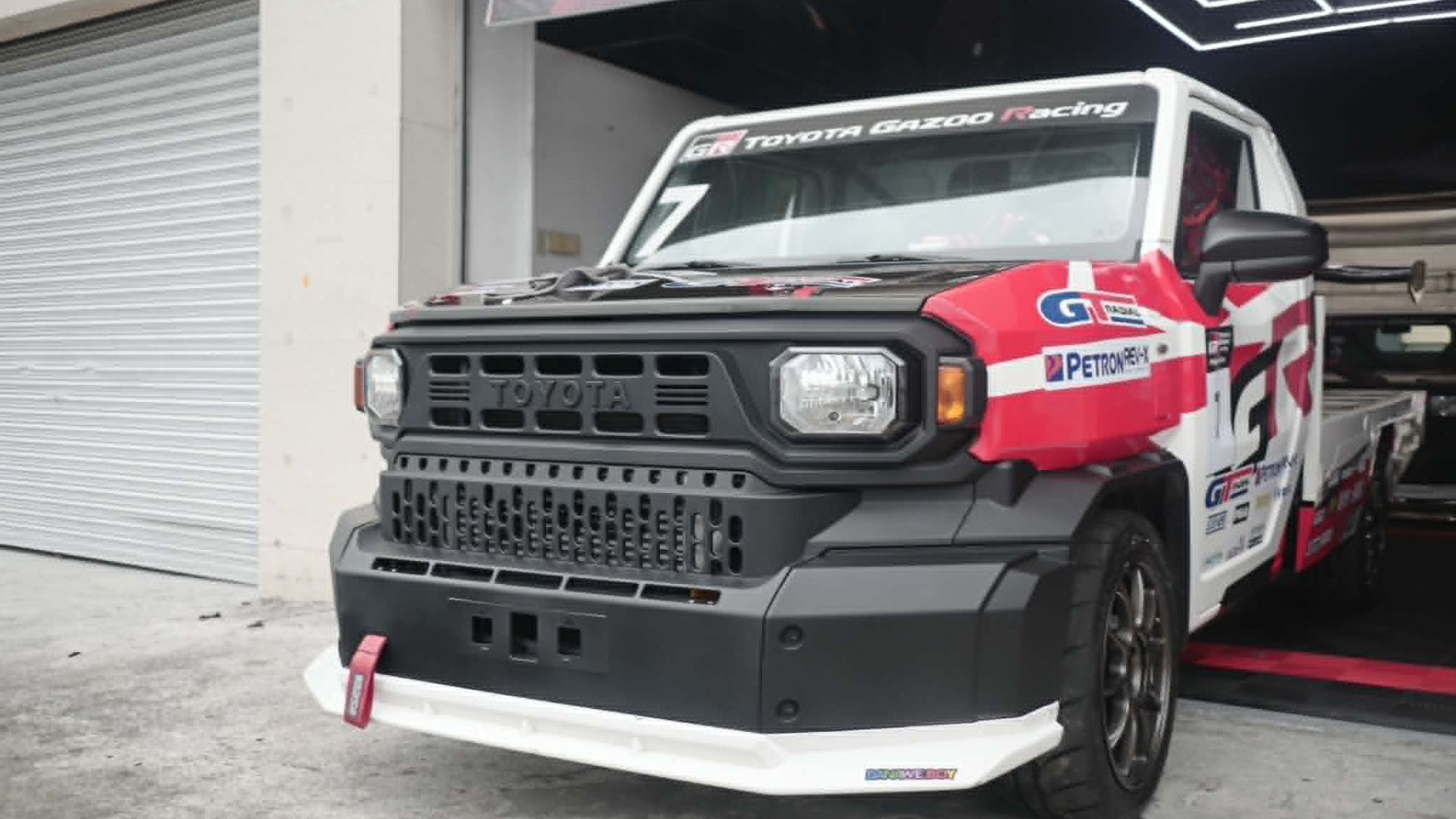
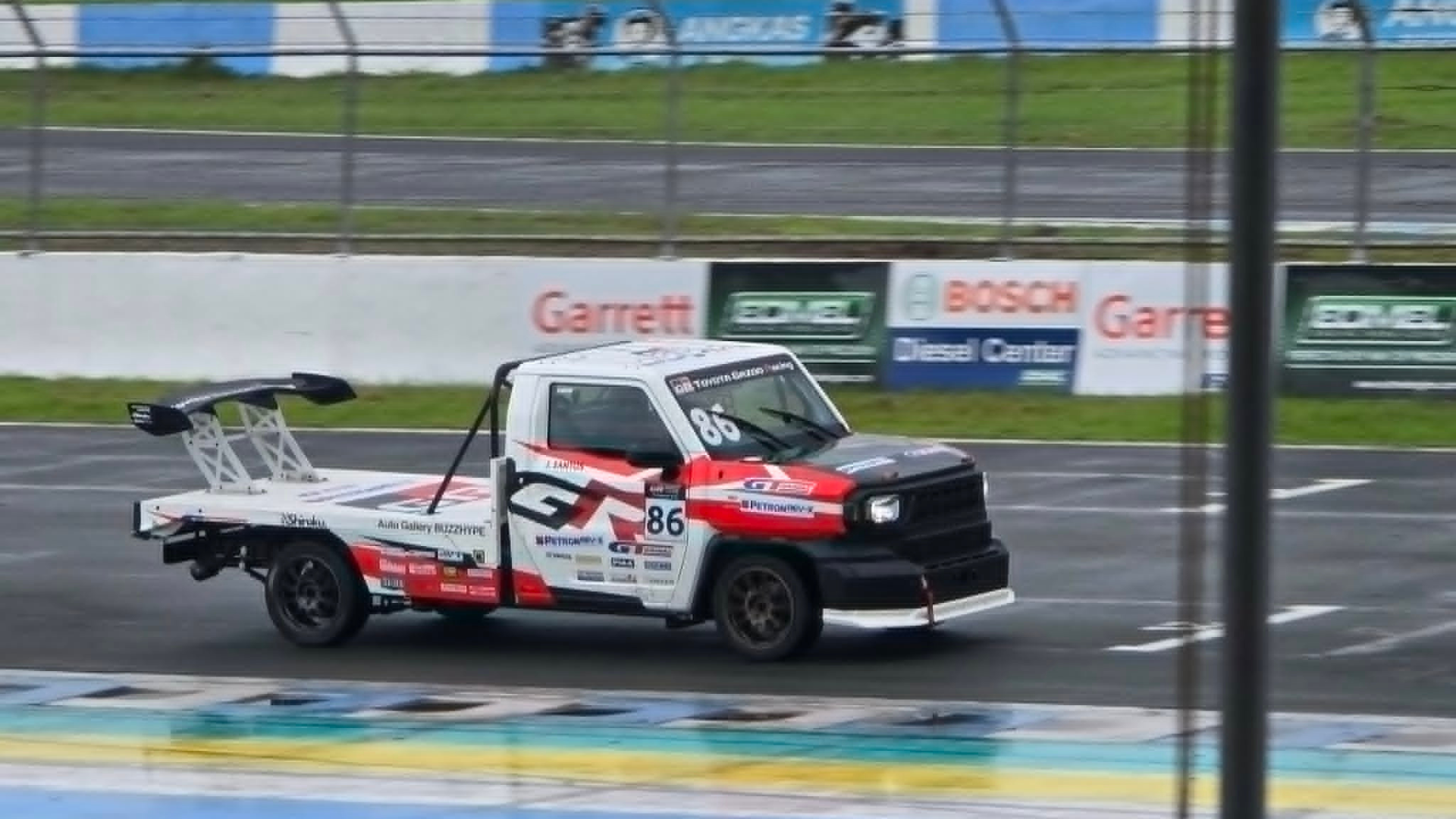
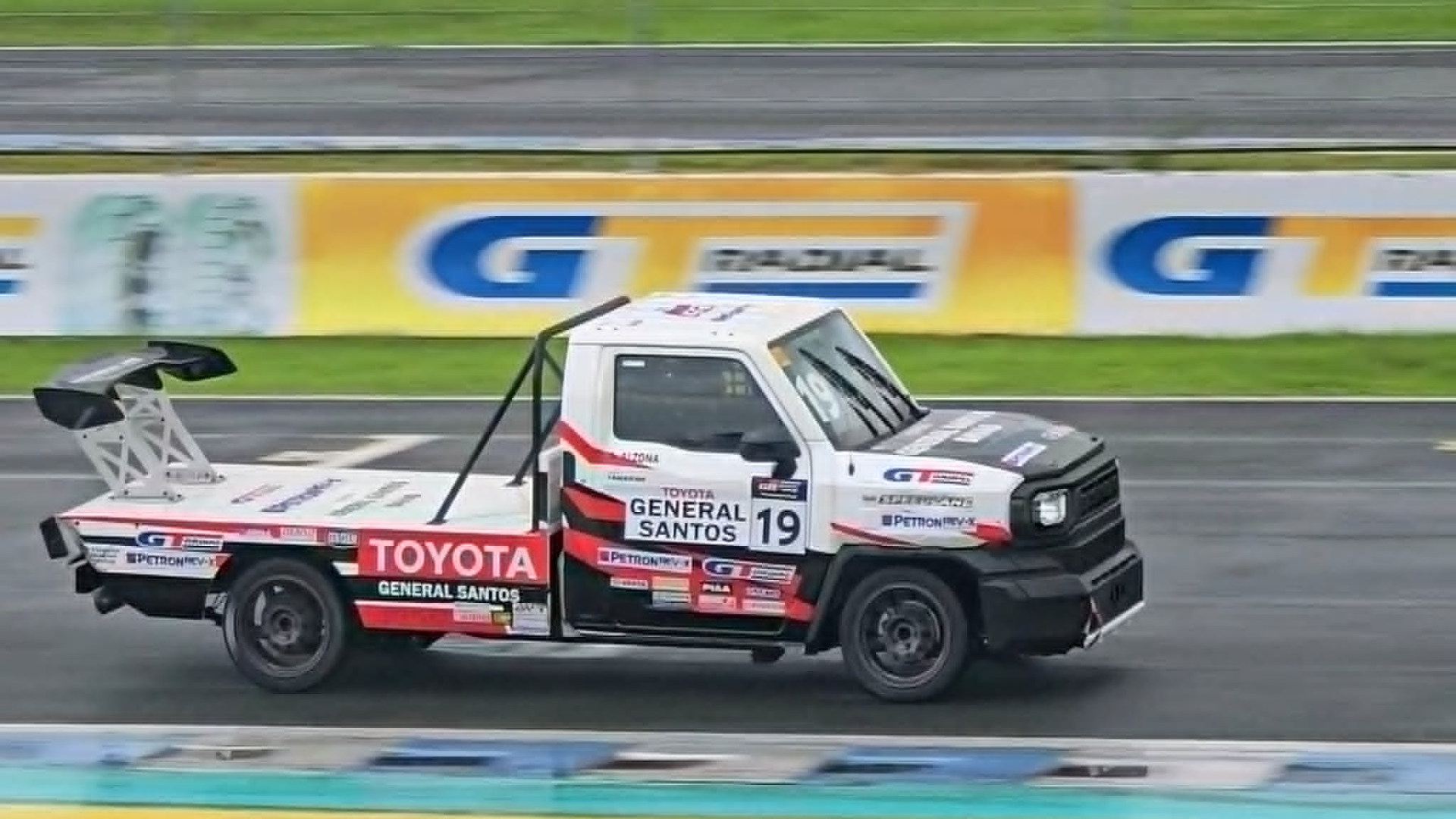
Enter the Toyota Hilux Champ, a purpose-built, “bare-bones” workhorse that starts around $13,000. It’s a ladder-frame pallet on wheels designed for emerging markets, not suburban commutes. But I guess people in the Philippines are almost as crazy as we are, because they’ve done the unthinkable: they’ve taken this utilitarian utility truck and built an entire spec-racing series out of it.
Autoblog/Leroy Marion
Autoblog/Leroy Marion
Autoblog/Leroy Marion
Autoblog/Leroy Marion
Doubles as a Test Lab for Biodiesel
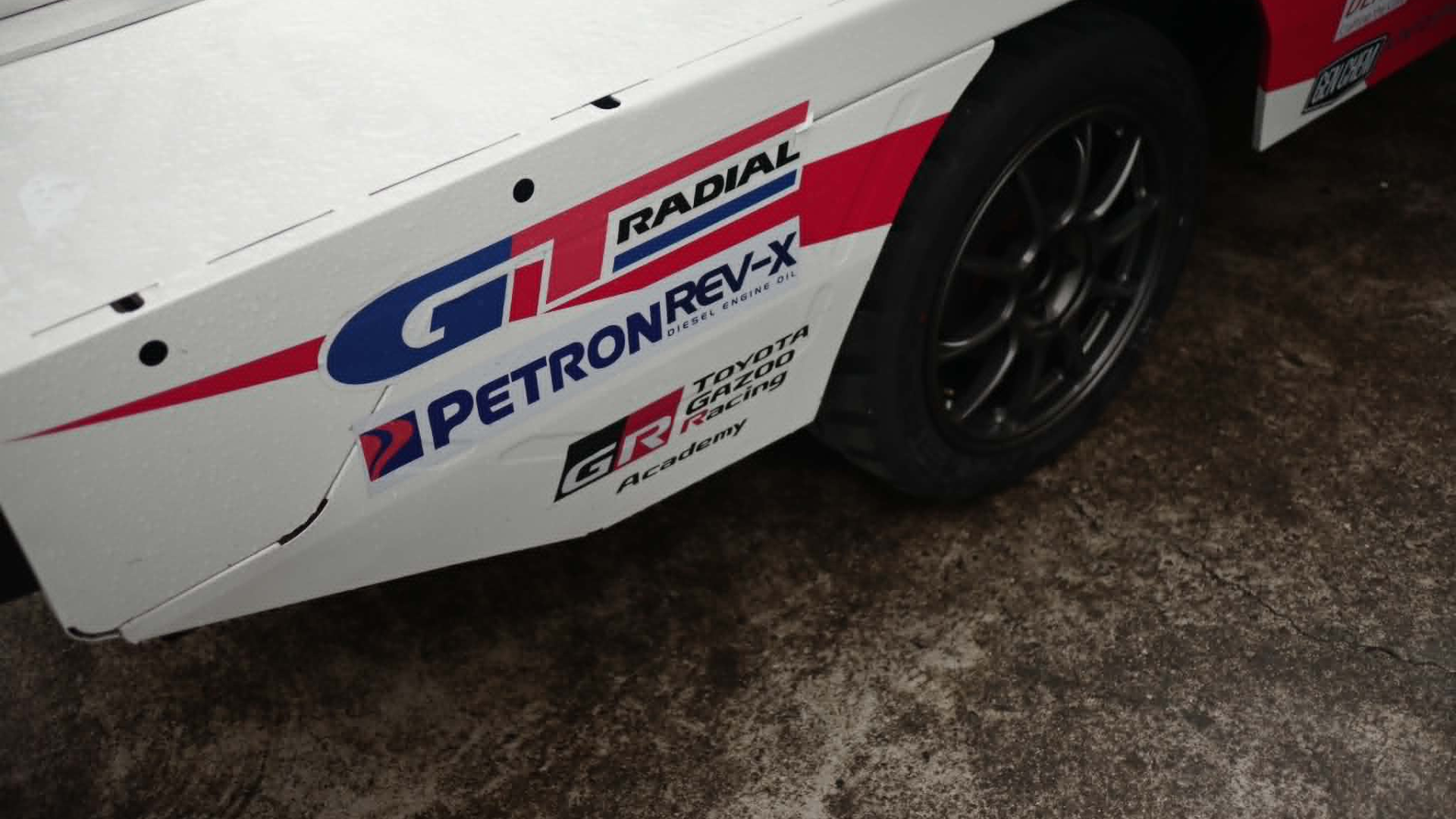
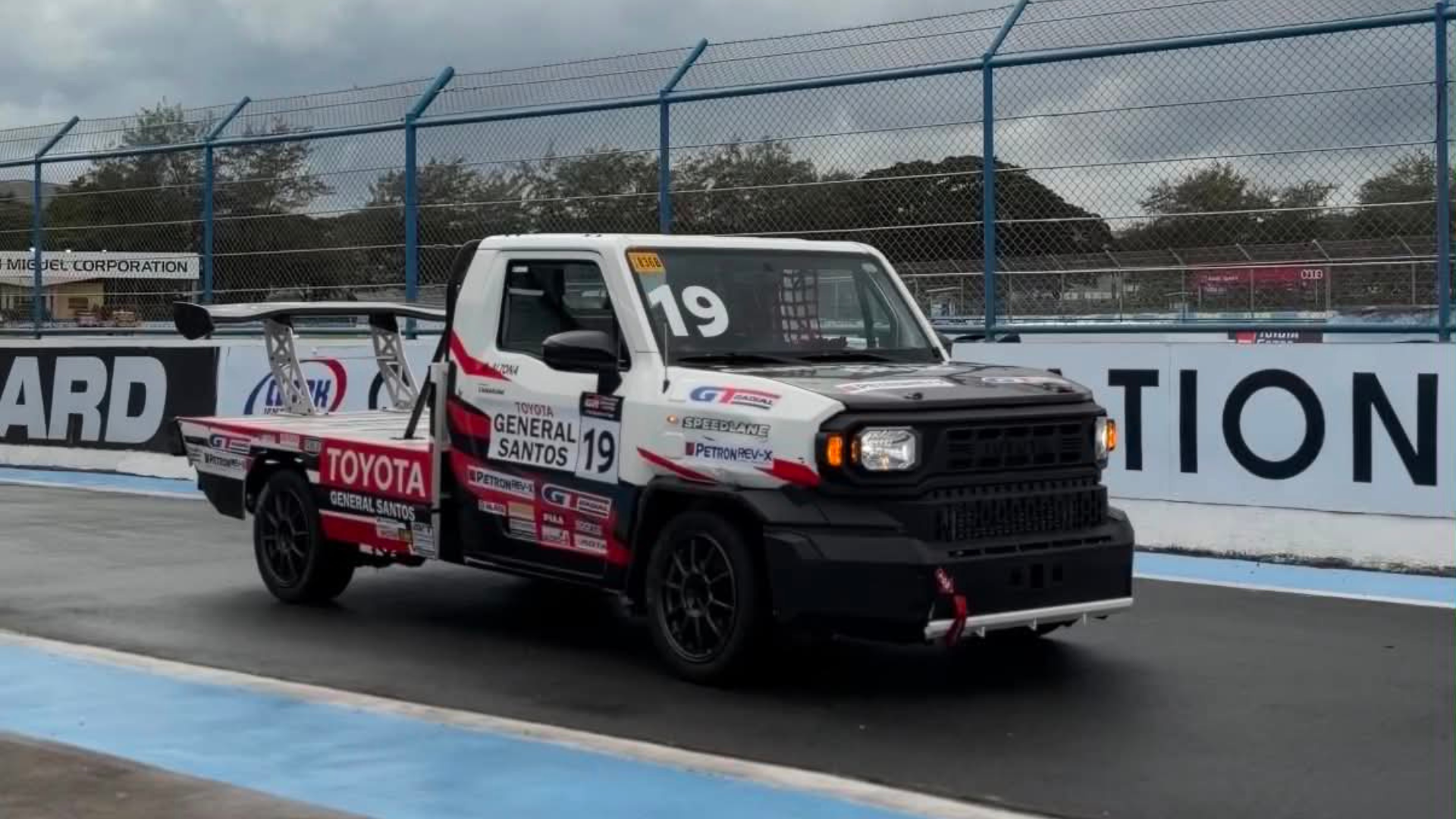
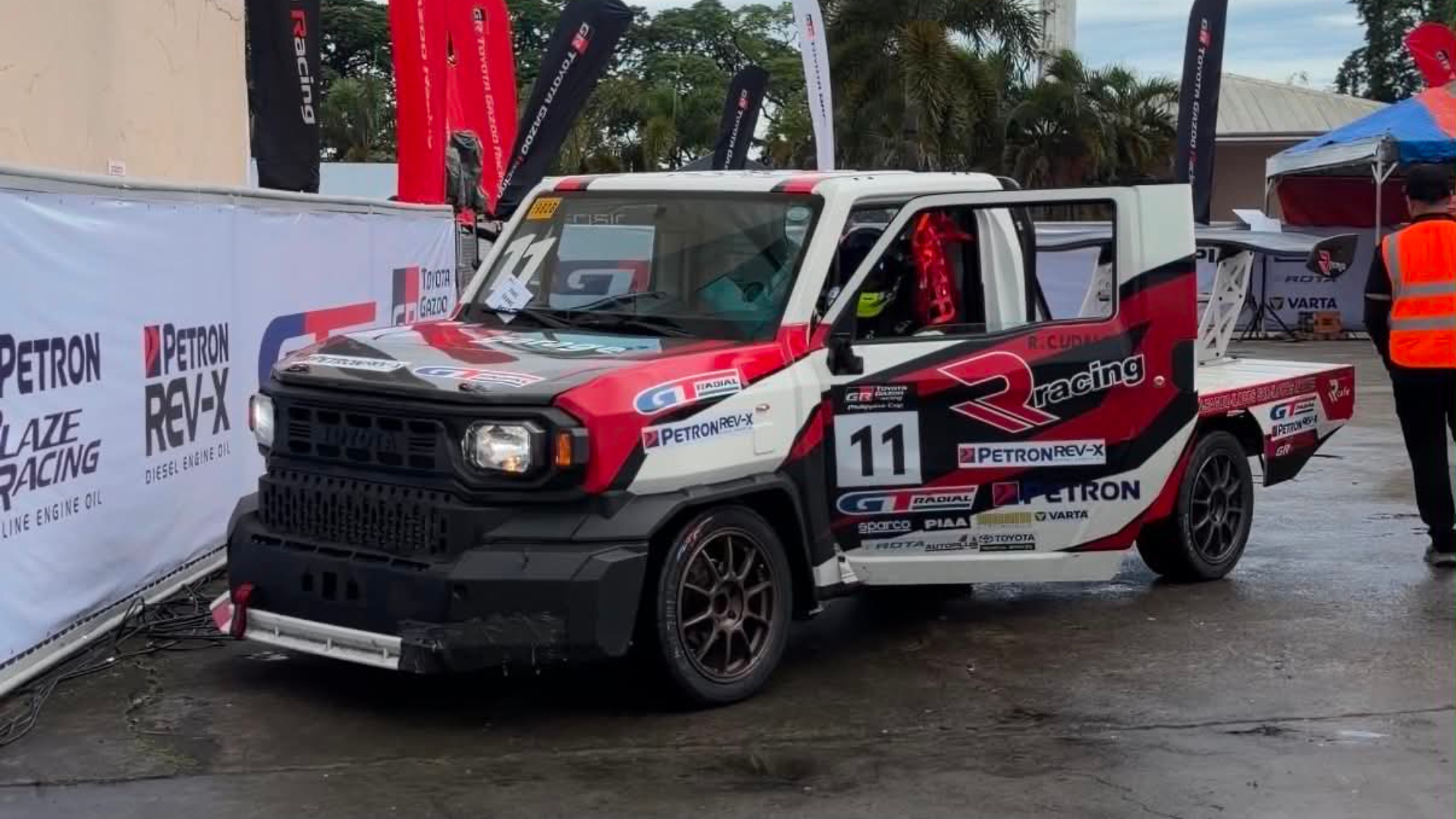
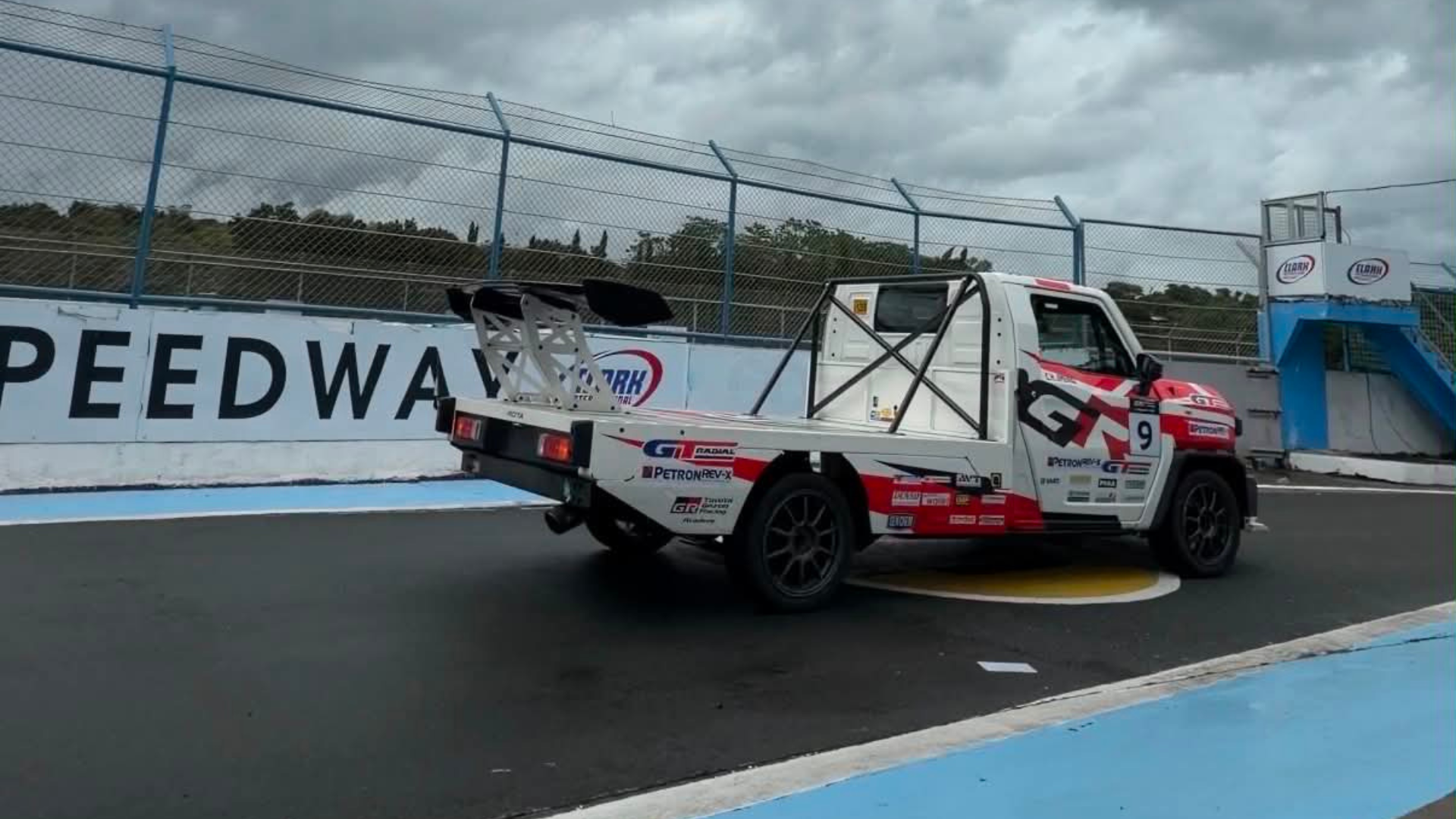
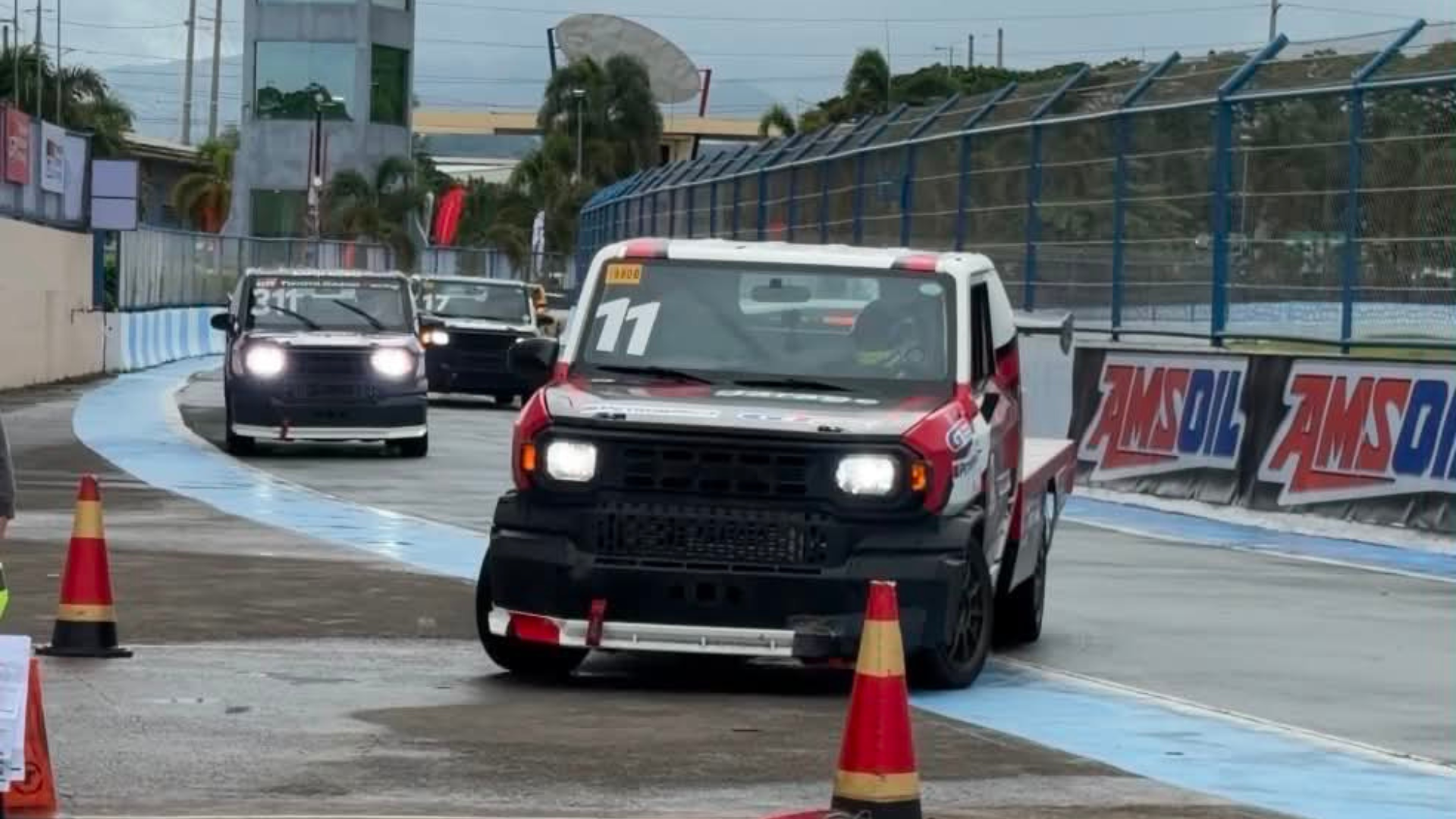
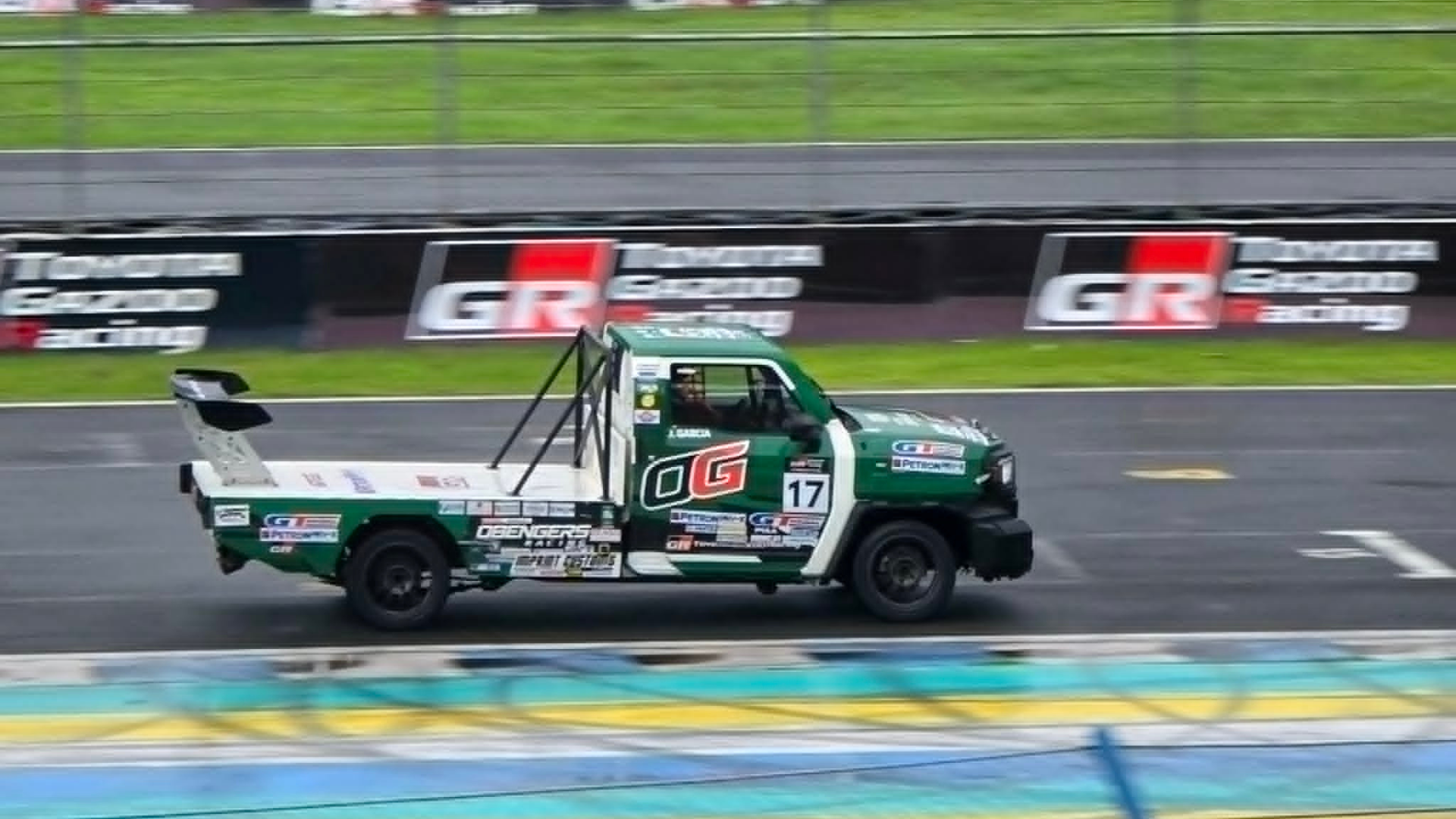
Toyota Motor Philippines just concluded the second leg of its inaugural Toyota Gazoo Racing Philippine Cup, featuring the Hilux Champ, locally branded as the Toyota Tamaraw. This isn’t your grandfather’s farm truck.
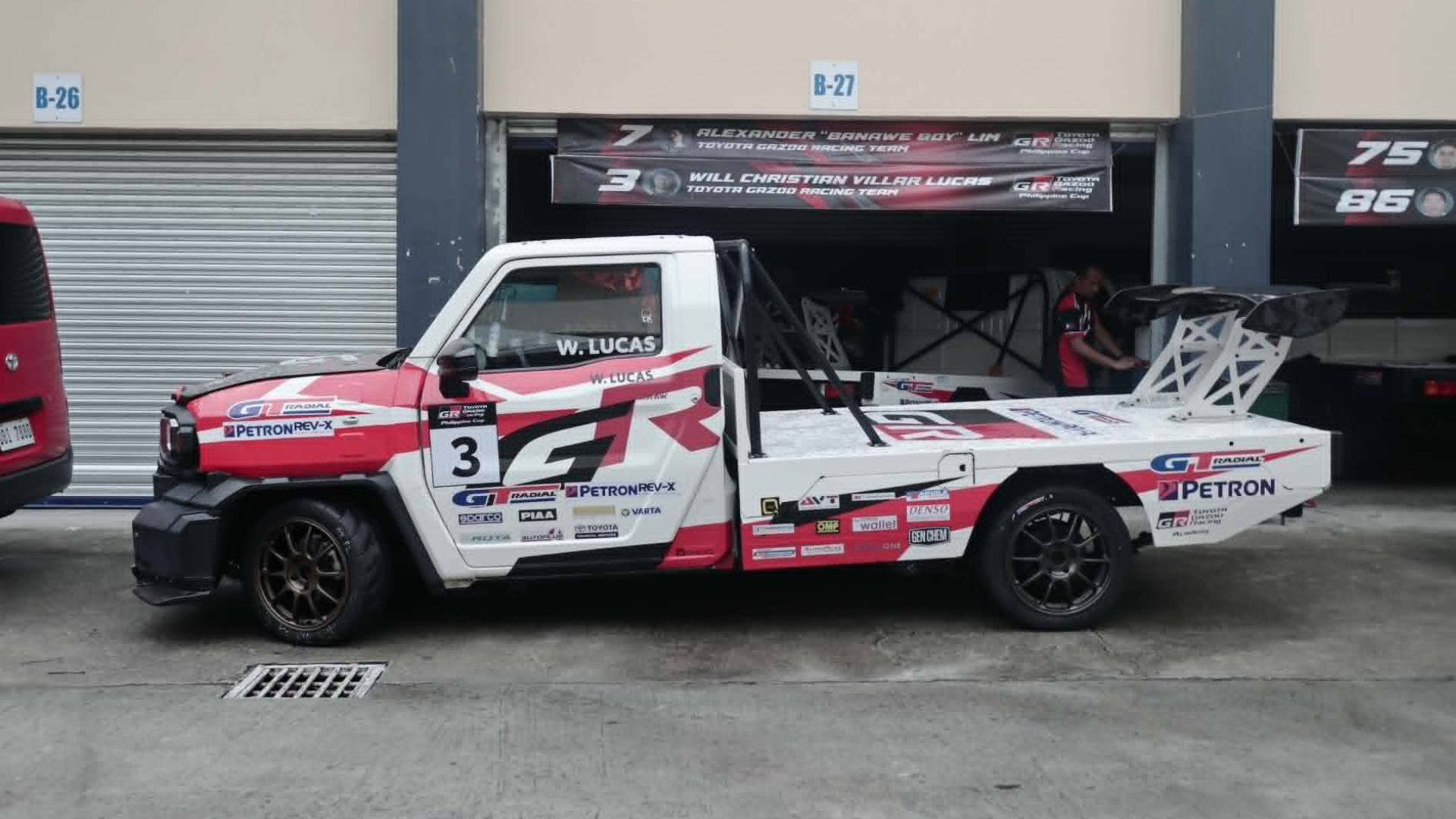
Under the hood lies the 2.4-liter 2GD-FTV turbo-diesel engine, now fitted with a custom ECU tune, a high-flow performance air intake, and a snarling GR Racing exhaust. The result is a setup pushing 150 hp and 343 Nm of torque before tuning, channeled through a performance GR Clutch and a Limited Slip Differential to ensure it can actually tackle a circuit.
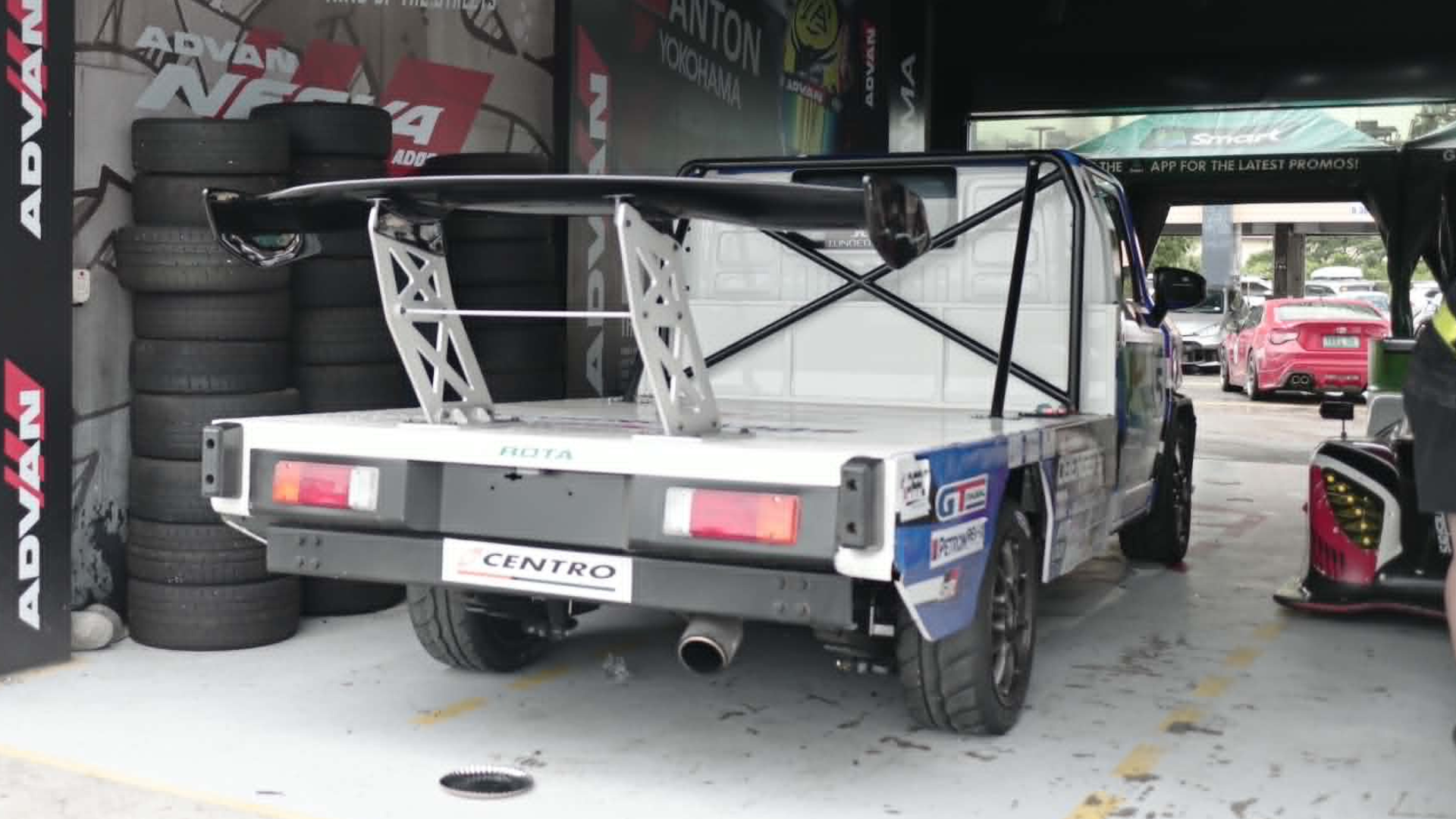
The transformation is comprehensive, both on paper and in real life. To handle the track, these trucks feature modified leaf springs with GR lowering blocks, track-tuned GR coilovers, and specialized brake ducts to keep the GR Racing brake pads from fading. Inside, it’s all business: a full FIA-spec roll cage, Sparco racing seats, and an electrical kill switch.
Beyond the speed, Toyota is using this series to test the Philippines’ new Biofuel project. They’re running E20, which is 20% ethanol derived from sugarcane/corn, for the Vios OMR, and B5, or 5% coconut biodiesel, for the Tamaraw, to help the government reduce its reliance on imported fuel.
Autoblog/Leroy Marion
Autoblog/Leroy Marion
Autoblog/Leroy Marion
Autoblog/Leroy Marion
Zooming Out
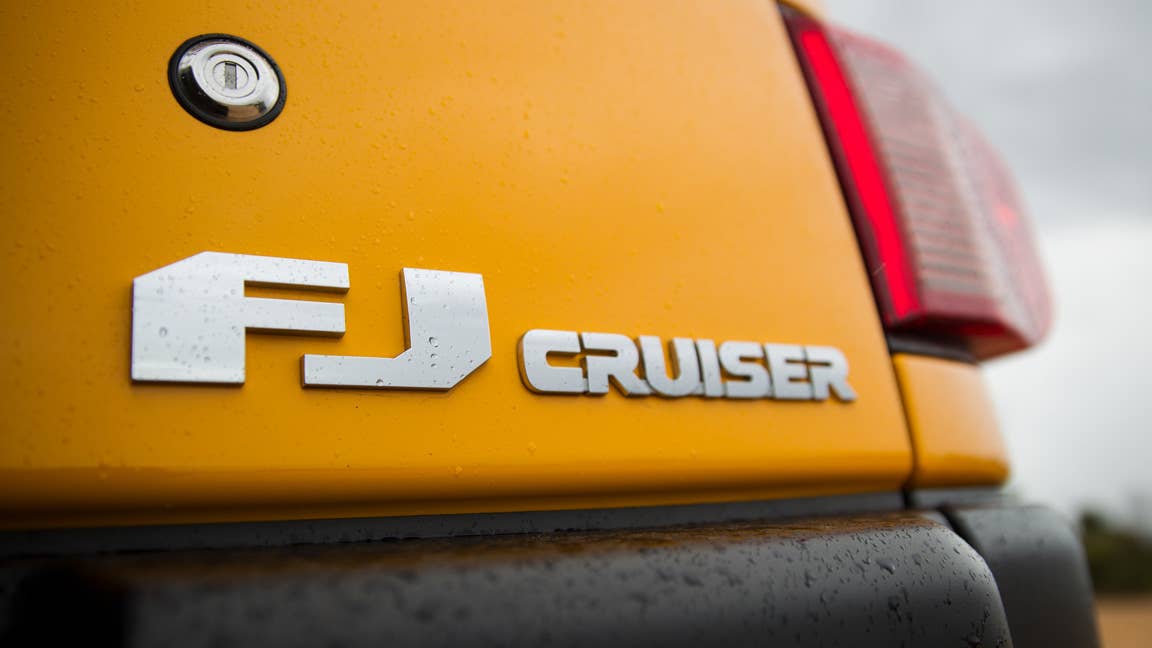
The Hilux Champ actually runs on the same platform as Toyota’s new Land Cruiser FJ, a compact off-road SUV that, tragically, we likely won’t see here in the States. By stripping back the tech and focusing on a modular, durable chassis, Toyota has unlocked a level of versatility that our oversized, expensive trucks can’t match. It’s a reminder that sometimes, less truly is more.
Furthermore, Toyota’s use of these racing programs to test alternative fuels is a stroke of brilliance. By turning the track into a “rolling laboratory,” they’re proving that high-performance engines can survive on sustainable blends. They’re proving the viability of E20 and B5 in high-demand environments, showing that the future of motorsports doesn’t have to be purely electric. If this is the “emerging market” future, maybe it’s time we start paying closer attention.
Autoblog/Leroy Marion
Autoblog/Leroy Marion
Autoblog/Leroy Marion
Autoblog/Leroy Marion
About the author

Roy Robles
News Editor