
Featured Gallery

Jonathon Ramsey

Jonathon Ramsey

Jonathon Ramsey

Jonathon Ramsey

Jonathon Ramsey

Jonathon Ramsey

Jonathon Ramsey

Jonathon Ramsey

Jonathon Ramsey

Jonathon Ramsey

Jonathon Ramsey

Jonathon Ramsey

Jonathon Ramsey

Jonathon Ramsey

Jonathon Ramsey

Jonathon Ramsey

Jonathon Ramsey

Jonathon Ramsey

Jonathon Ramsey

Jonathon Ramsey

Jonathon Ramsey

Jonathon Ramsey

Jonathon Ramsey

Jonathon Ramsey

Jonathon Ramsey

Jonathon Ramsey

Jonathon Ramsey

Jonathon Ramsey

Jonathon Ramsey

Jonathon Ramsey

Jonathon Ramsey

Jonathon Ramsey

Jonathon Ramsey

Jonathon Ramsey

Jonathon Ramsey

Jonathon Ramsey

Jonathon Ramsey

Subaru

Subaru

Subaru

Subaru

Subaru

Subaru

Subaru

Subaru

Subaru

Subaru

Subaru

Subaru

Subaru

Subaru

Subaru

Subaru
If the latest ruling by the California Air Resources Board holds, then Subaru at least must build a plug-in hybrid in the coming years to comply with the Golden State’s regulations. Fuel economy looks to improve across the board for the brand, though, thanks to $780 million going into the development of cleaner powertrains for this fiscal year alone. However, buyers might have to pay more for a Subie in the future after this boost in green spending.
“Related costs are going up more than expected, bringing the profit margin downward,” Fuji Heavy Industries President Yasuyuki Yoshinaga said to the Nihon Keizai newspaper in Japan, according to Automotive News. “We are a small company. We do not benefit as much from economy of scale as bigger companies, so we will have to make up for the increased costs by raising our brand value.”
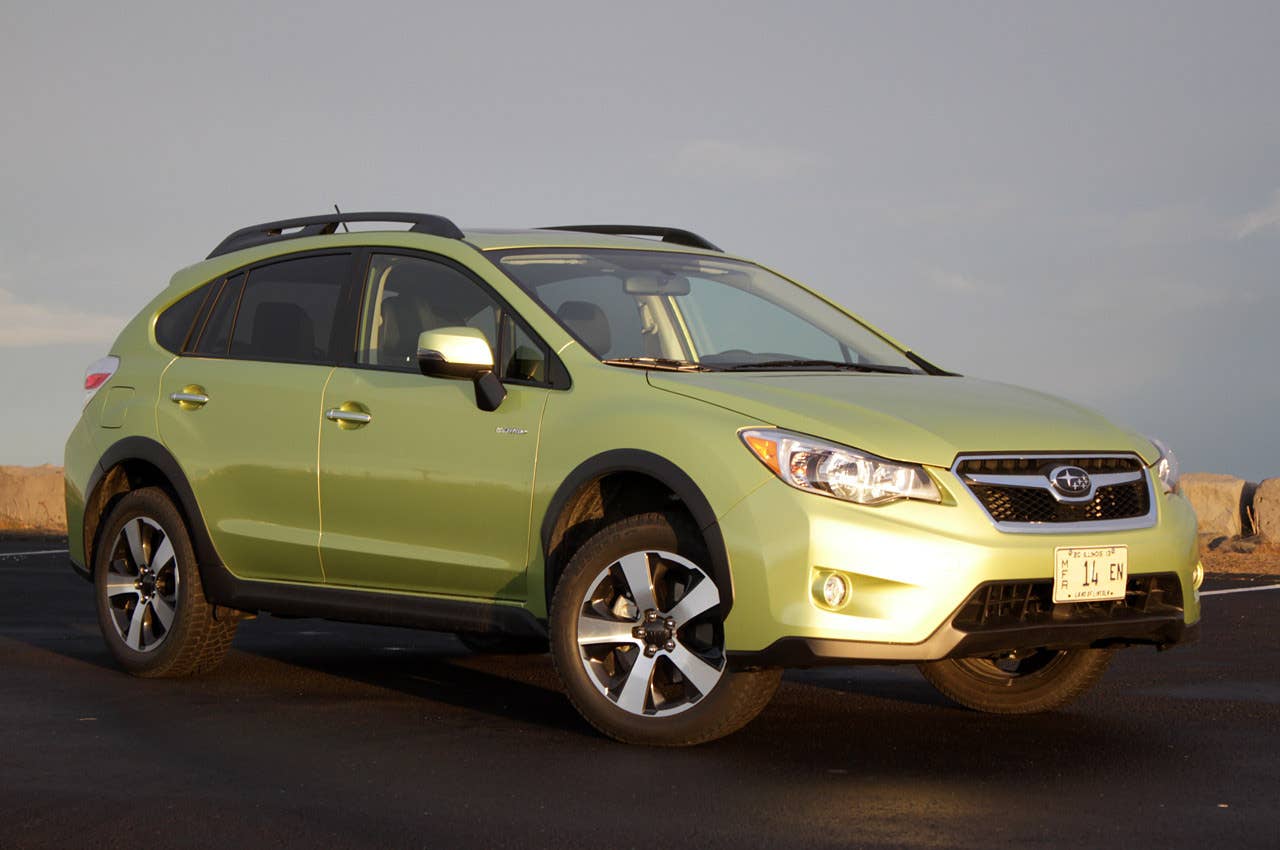
At the moment, Subaru’s electrified lineup in the US comprises just the XV Crosstrek Hybrid, but the company is reportedly planning to add more. Plus, Subie also wants to make its internal combustion engines more efficient. According to Automotive News, all of the brand’s mills are getting direct injection by 2016, and cylinder deactivation and lean combustion cycles are on track for 2020. Earlier rumors also suggested that the automaker might bring the turbocharged four-cylinder boxer to more products, as well.
While these more efficient models might cost more, Subaru must carefully maintain the balancing act of introducing the technology and keeping sales growing. As of May 2015, the brand had 42 straight months of year-over-year growth in the US and had record sales in the country last year. The company has already decided to significantly boost production capacity at its Indiana factory in hopes of keeping the good times rolling.