
Featured Gallery

McLaren

McLaren
McLaren

McLaren

McLaren

McLaren

McLaren

McLaren

McLaren

McLaren
McLaren

McLaren

McLaren

McLaren

McLaren

McLaren

McLaren

McLaren

McLaren

McLaren

McLaren

McLaren

McLaren

McLaren

McLaren
McLaren’s entire range of models will be electrified by 2023, and hybrid technology will help the British firm build one of the quickest cars in the world. The company’s chief executive outlined an unnamed upcoming model that will boast an organ-displacing zero-to-60-mph time of 2.3 seconds.
Speaking about the firm’s future with Car & Driver, McLaren CEO Mike Flewitt provided crunchy new details about the next-generation platform and the gasoline-electric hybrid powertrain the firm plans to unveil in early 2020, possibly during the next edition of the Geneva Motor Show. The 2.3-second car’s secret ingredient will be an electric motor that will zap the front wheels into motion. It will work with a mid-mounted engine, likely a twin-turbocharged V8, to deliver through-the-road all-wheel drive. We expect a generous serving of carbon fiber will keep the model’s weight in check.
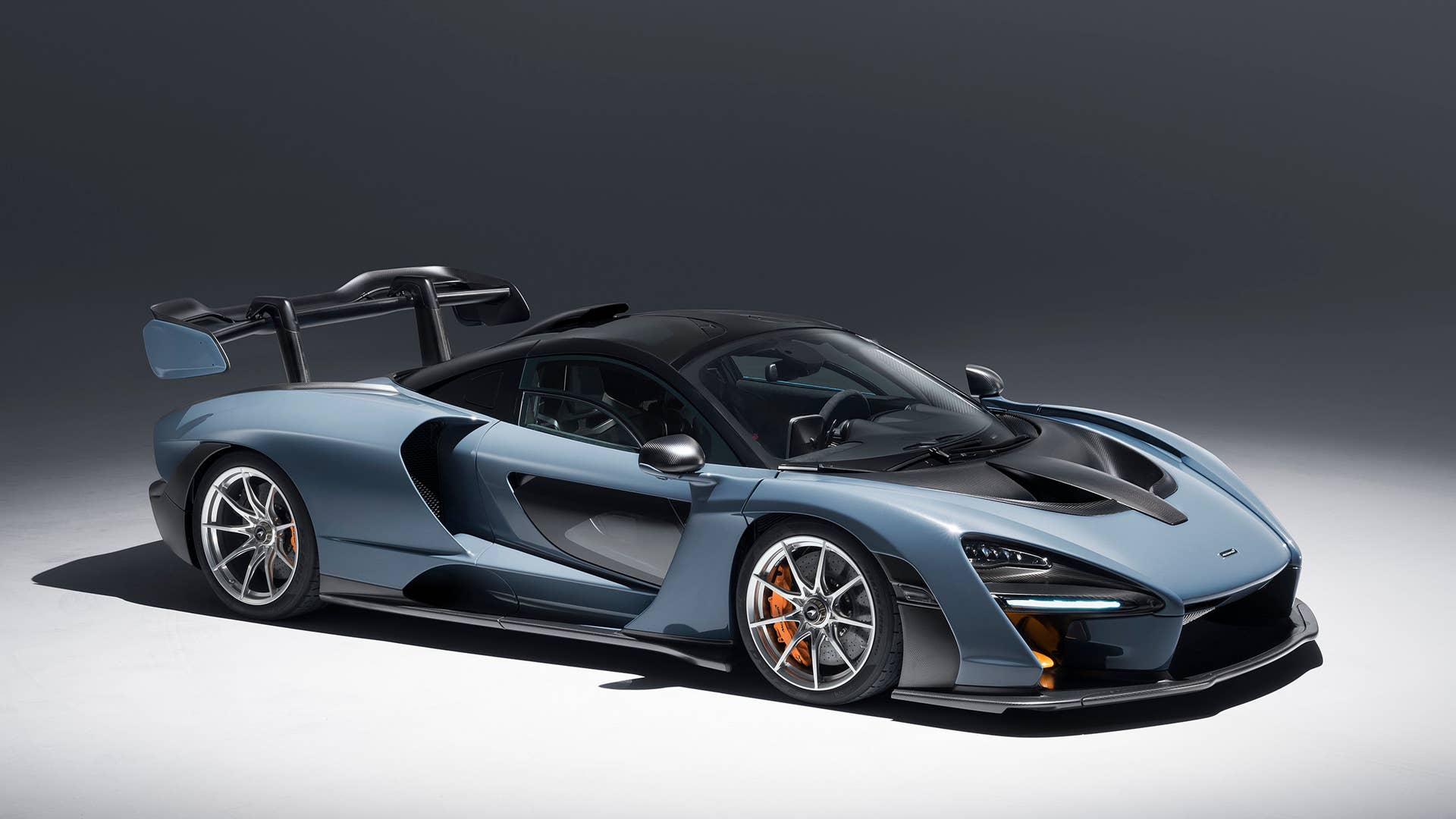
Though there’s much more to a sports car than an impressive zero-to-60-mph time, 2.3 seconds would put McLaren’s looming hybrid on par with the sold-out Dodge Challenger SRT Demon, and ever so slightly ahead of hypercars like the Bugatti Chiron (2.4 seconds). McLaren’s limited-edition P1 hybrid took 2.6 seconds, and the hardcore Senna (pictured) is a tenth of a second slower.
Looking ahead, McLaren will gradually replace the current members of its range with new models built on its next-generation platform. The cheaper, less powerful ones will surf the downsizing wave sweeping across the industry by adopting a V6 the company hasn’t unveiled yet, while the bigger cars with higher horsepower ratings will carry on with a twin-turbocharged V8. All of the upcoming models will come standard with hybrid power, and they’ll be capable of driving for up to 20 miles on electricity, yet they’ll weigh as little as 65 pounds more than the supercars they’ll replace. The weight difference will likely increase when all-wheel drive, a V8 engine, or both enter the equation.
McLaren has talked about building an electric car for years, and it even turned the 720S into a test mule to put the drivetrain though its paces, but Flewitt reaffirmed the technology isn’t ready. While solid-state batteries expected to merge into the mainstream halfway through the 2020s could make an electric McLaren more feasible, Flewitt warned the firm might not completely ditch gasoline for another three decades. Profitability is a deciding factor, too, especially as the company eyes an IPO.
Finally, Ferrari’s contentious but seemingly inevitable move into the SUV segment hasn’t changed his mind about launching a high-riding model. No means no, regardless of what rivals are doing. Instead of seeking additional ground clearance, McLaren is developing the first supercar it plans to release on its new platform. The model will make its debut in late 2020, and it will go on sale in early 2021.