
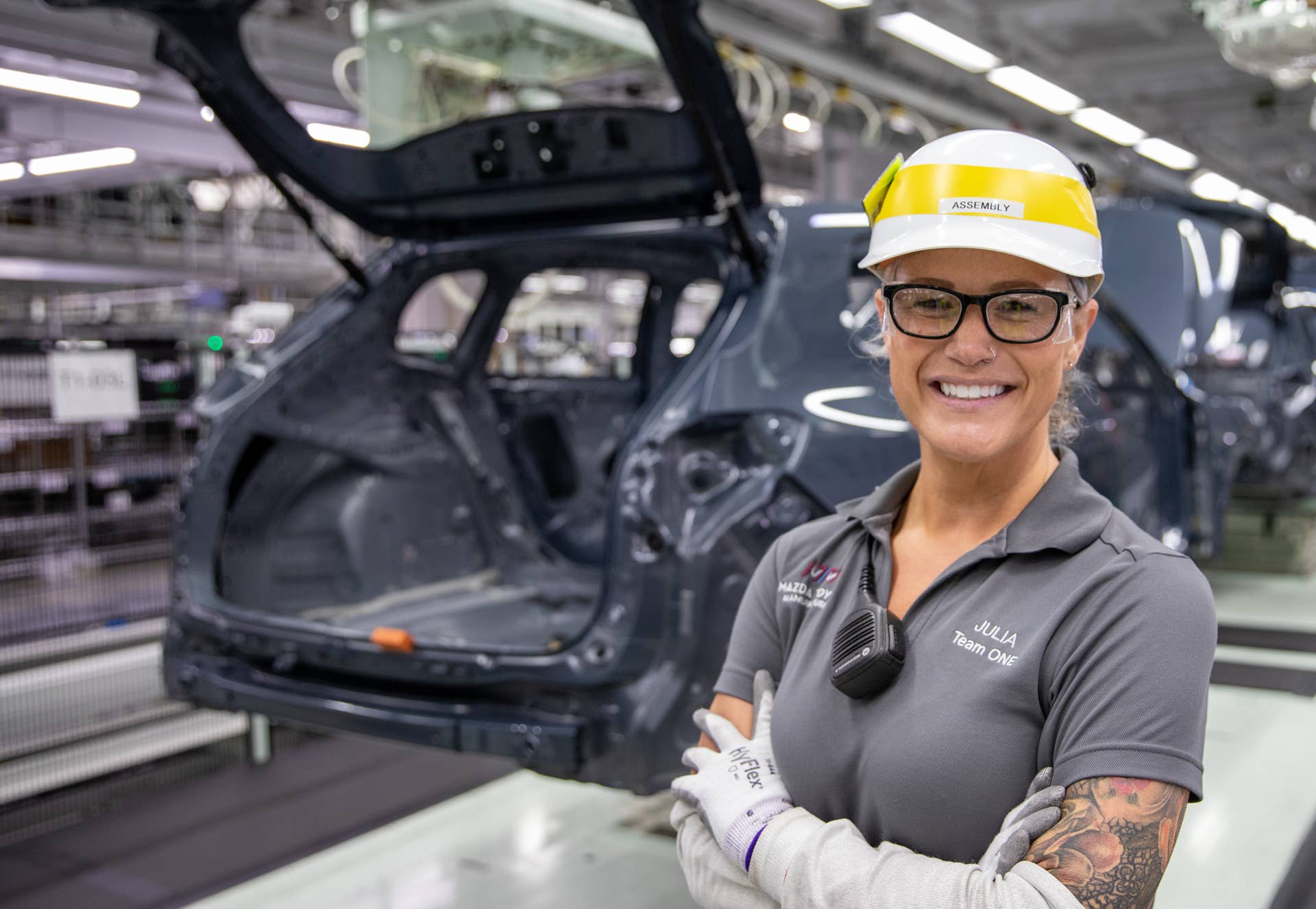
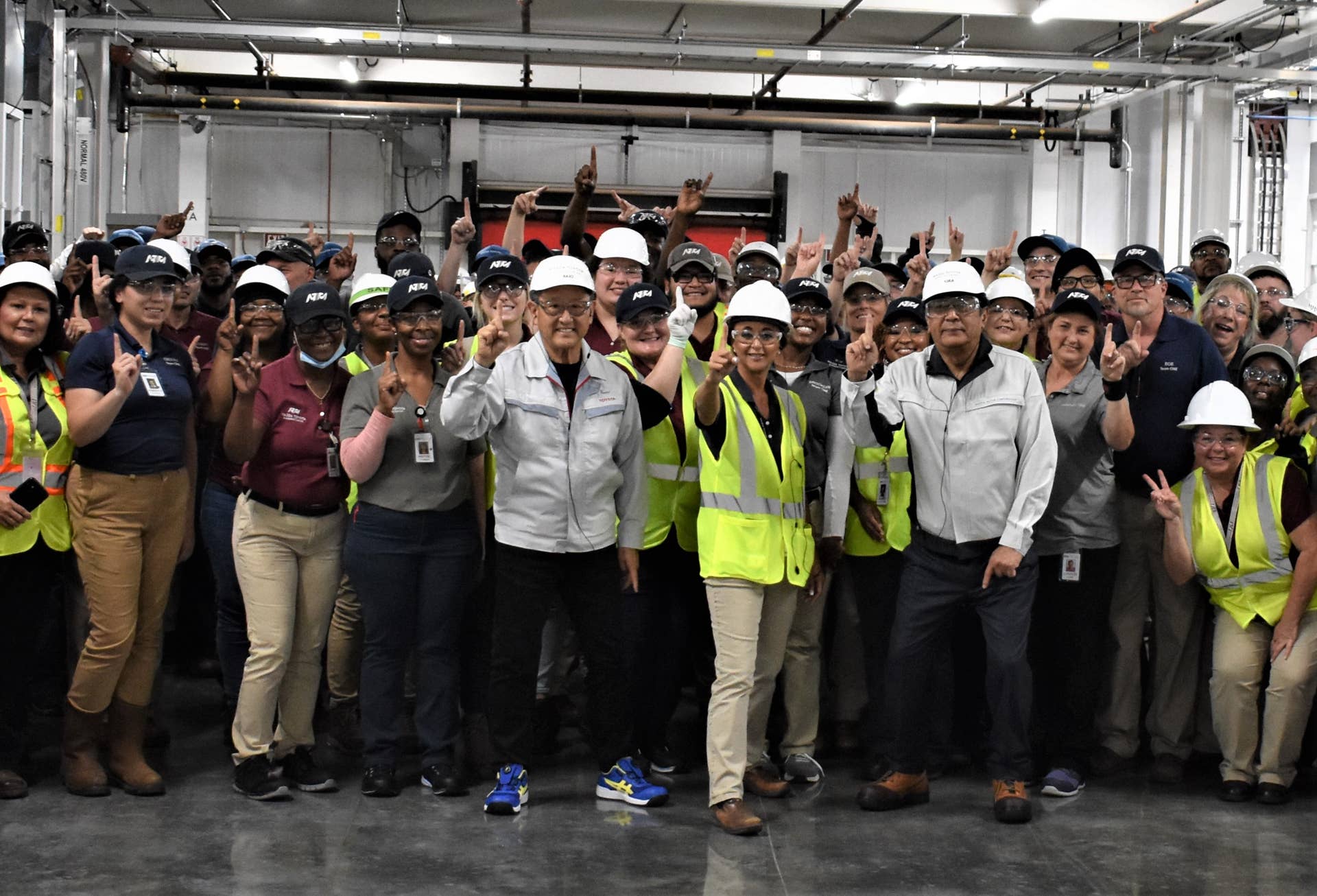
Building a massive automotive assembly plant from scratch is a monumental financial gamble, but the strategic joint venture between Mazda and Toyota is officially paying off. Just five years after the very first crossover rolled off the line, Mazda Toyota Manufacturing (MTM) in Huntsville, Alabama, is celebrating the production of its one-millionth vehicle. The sprawling domestic facility currently splits its enormous production capacity between two highly popular compact crossovers: the rugged Mazda CX-50 and the sensible Toyota Corolla Cross.
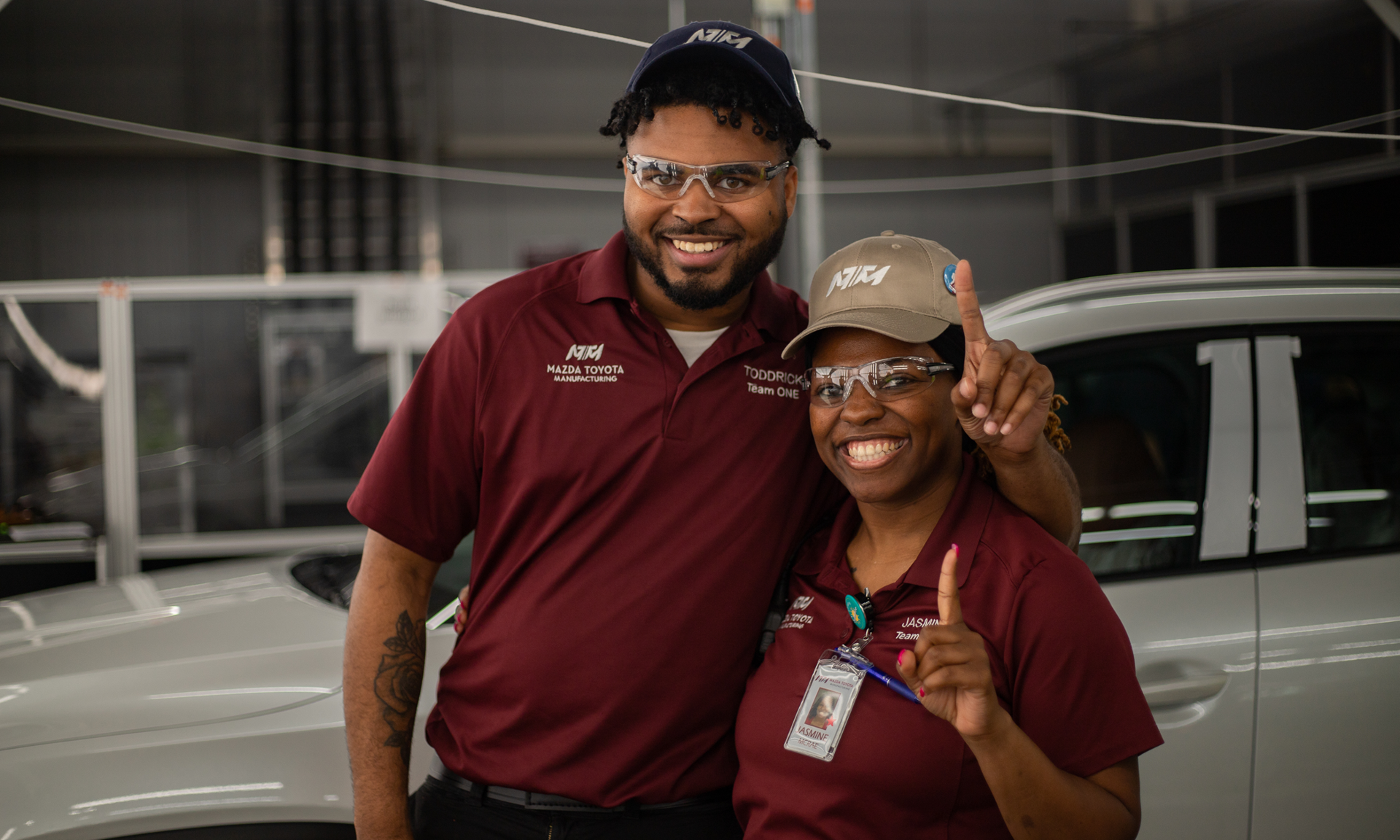
Reaching this seven-figure production milestone is a massive achievement for the 4,500 team members working at the Alabama plant. It proves that despite supply chain volatility and rapidly shifting consumer demands, domestic manufacturing remains incredibly viable when major automakers successfully pool their resources.
Toyota
Focusing on the Community
Massive manufacturing facilities often have a strained relationship with the local communities they occupy. Too often, we see headlines about aggressive factory construction expansions severely disrupting long-time residents and transforming quiet neighborhoods. However, MTM utilized its one-millionth vehicle celebration as a direct opportunity to actively invest in the surrounding Huntsville area. The automaker announced $120,000 in local grant funding specifically dedicated to the educational organizations that supported their workforce development.

Recipients of the grant include Calhoun Community College, Kids to Love, Morgan County Schools, and the Alabama Automotive Manufacturer’s Association. This localized investment aligns perfectly with Toyota’s overarching domestic strategy, as the Japanese giant is continuously spending massive capital to solidify its manufacturing footprint across the United States.
Toyota
An Enduring Joint Venture
From an editorial perspective, this production milestone is critical for both brands, but it carries far more weight for Mazda. While Toyota has an absolutely massive global manufacturing network to rely on, Mazda’s ultimate survival in the highly competitive North American market depends heavily on this specific partnership. Sharing development and production costs allows the smaller automaker to punch significantly above its weight class without going bankrupt.
By actively investing in the local workforce and successfully churning out a million in-demand crossovers, MTM has established a blueprint for modern automotive joint ventures. Having a reliable, high-volume production facility firmly planted on American soil will give both brands a distinct competitive advantage for decades to come.

Toyota
About the author

Roy Robles
News Editor