
The Future of Hyundai XRT
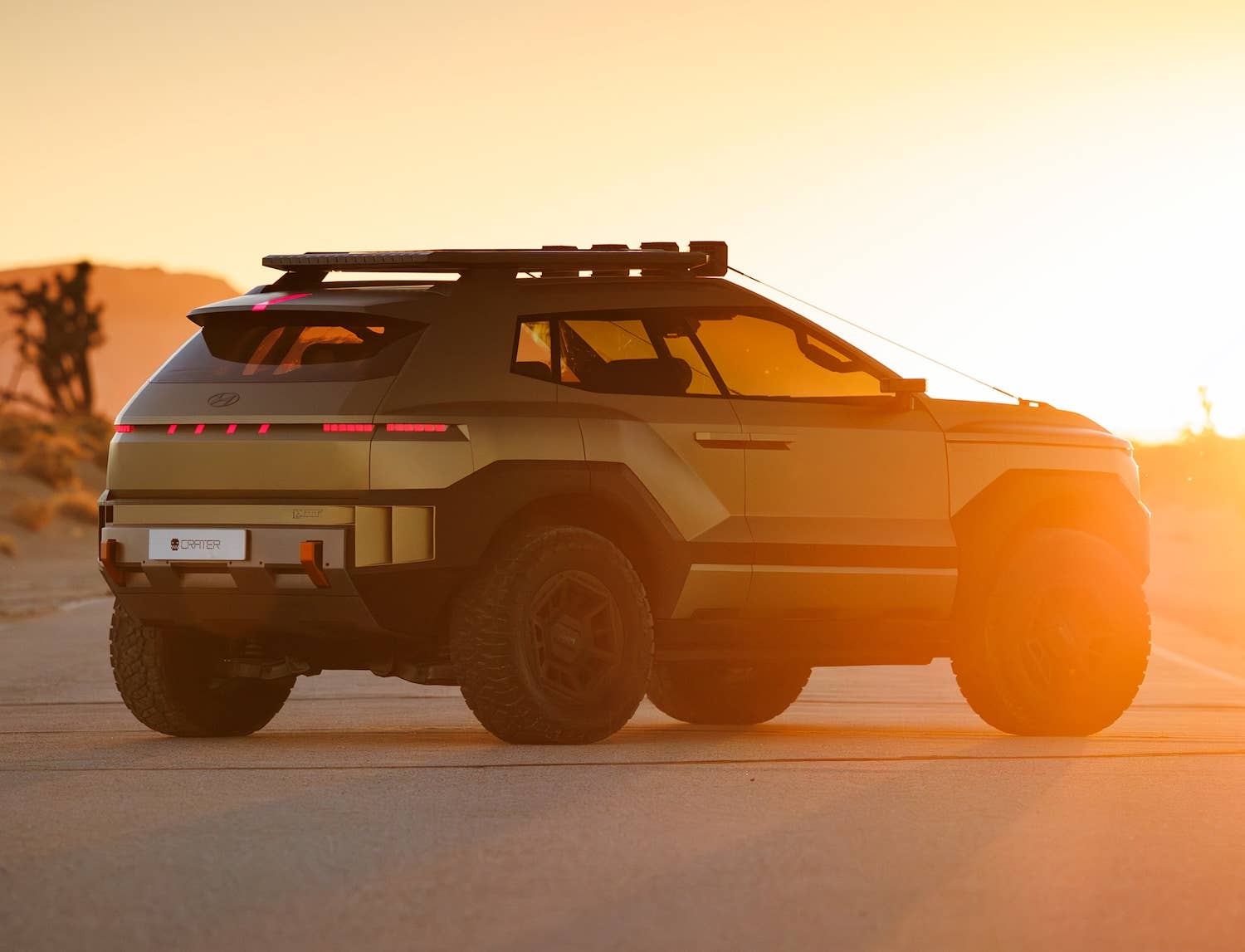
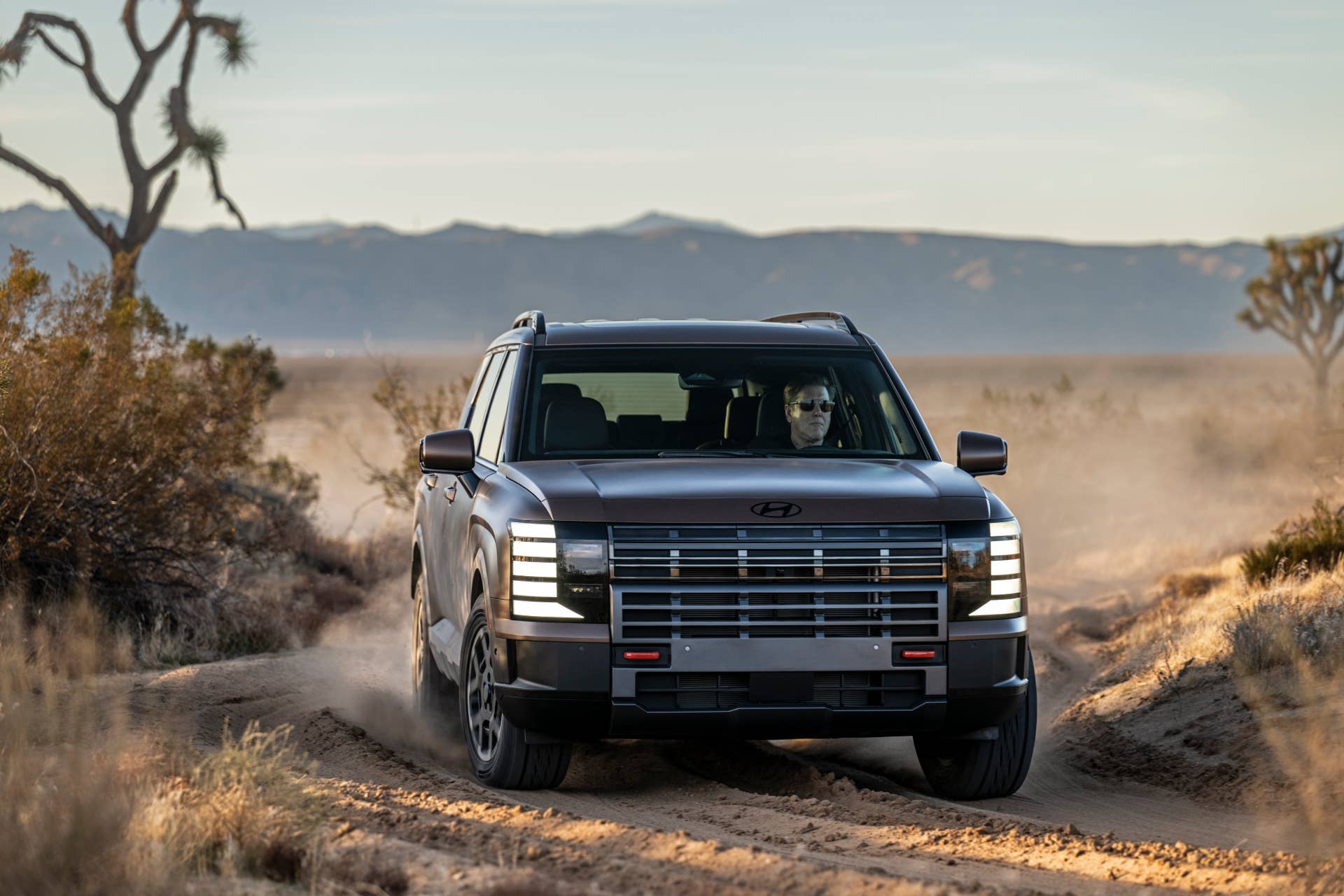
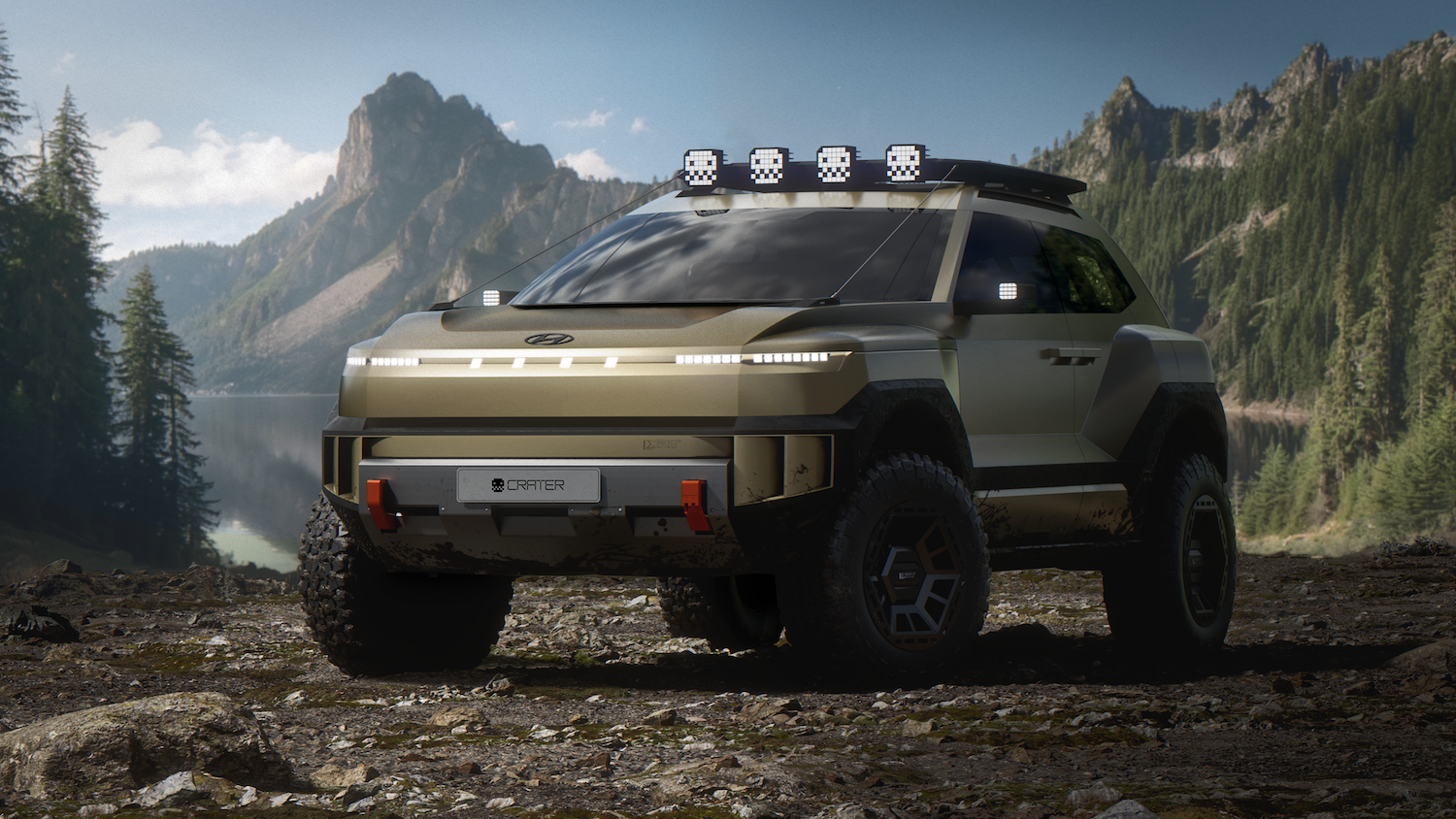
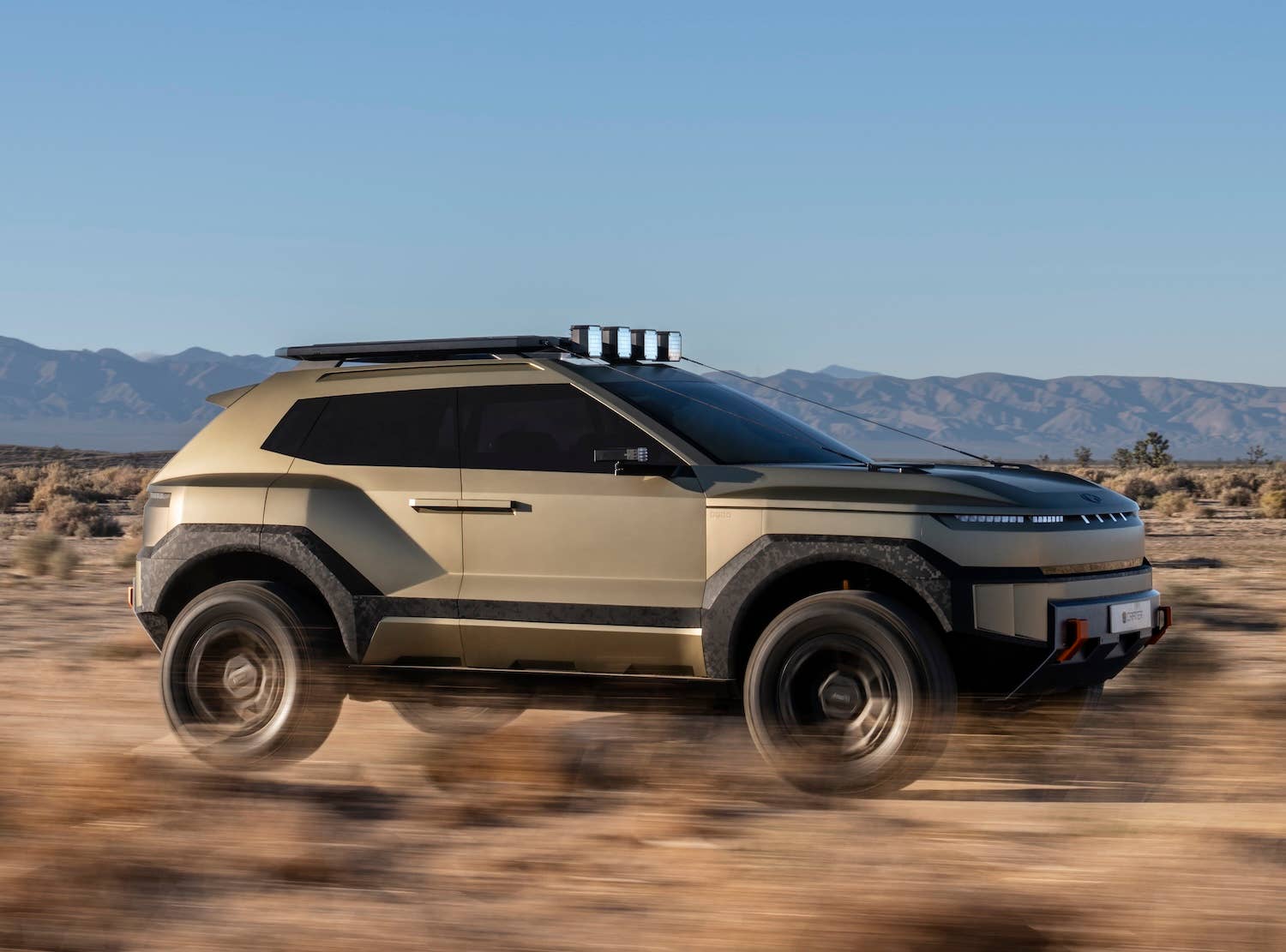
Hyundai has been building out its XRT line for a few years, gradually attaching a harder-edged personality to models like the Ioniq 5, Santa Cruz, and Palisade. The brand clearly sees momentum in this direction, because it isn’t stopping with simple accessory packs. The arrival of the Crater Concept at AutoMobility LA shows how far Hyundai thinks it can take the XRT theme in the future.
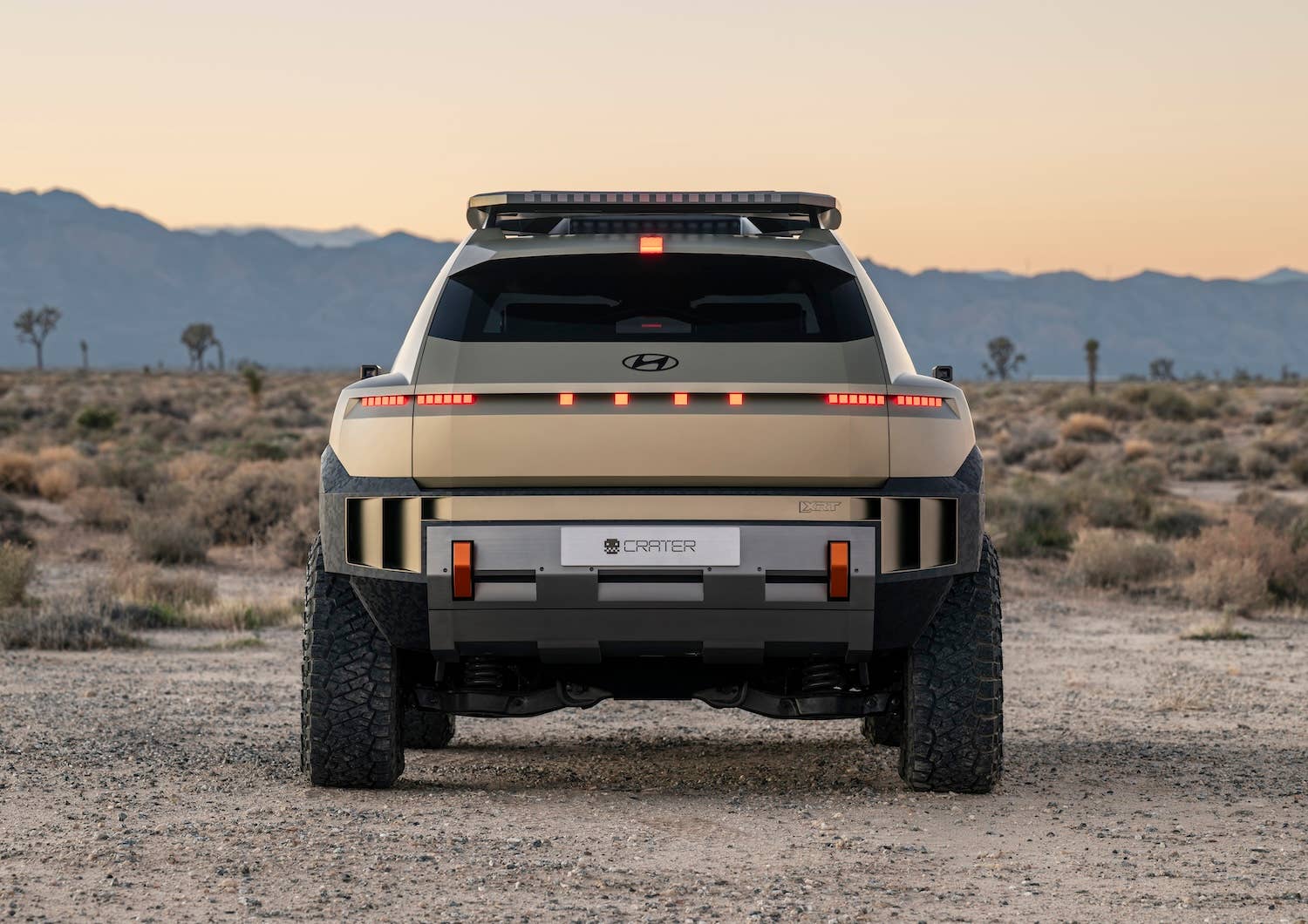
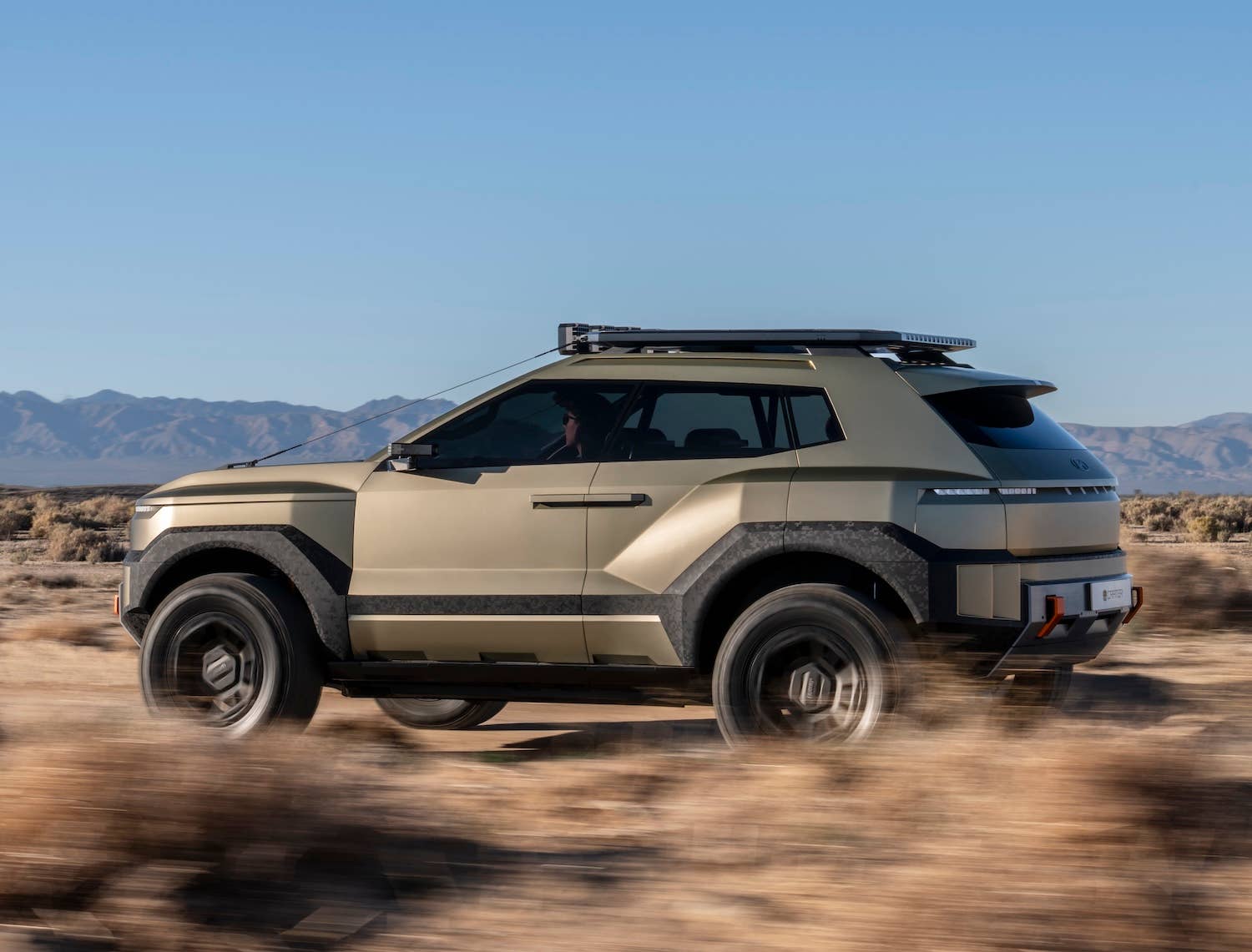
Rather than presenting it as an isolated design exercise, Hyundai frames the Crater as a look at the upper limit of its rugged-vehicle ambitions. The company calls it an exploration of freedom and capability shaped by extreme landscapes. It is intended to show what happens when the XRT idea is pushed far beyond cosmetic cues. With the Crater, Hyundai suggests that a tough, practical, off-road-focused SUV could play a larger role in its lineup going forward.
Hyundai
Hyundai
Design Grounded in Utility
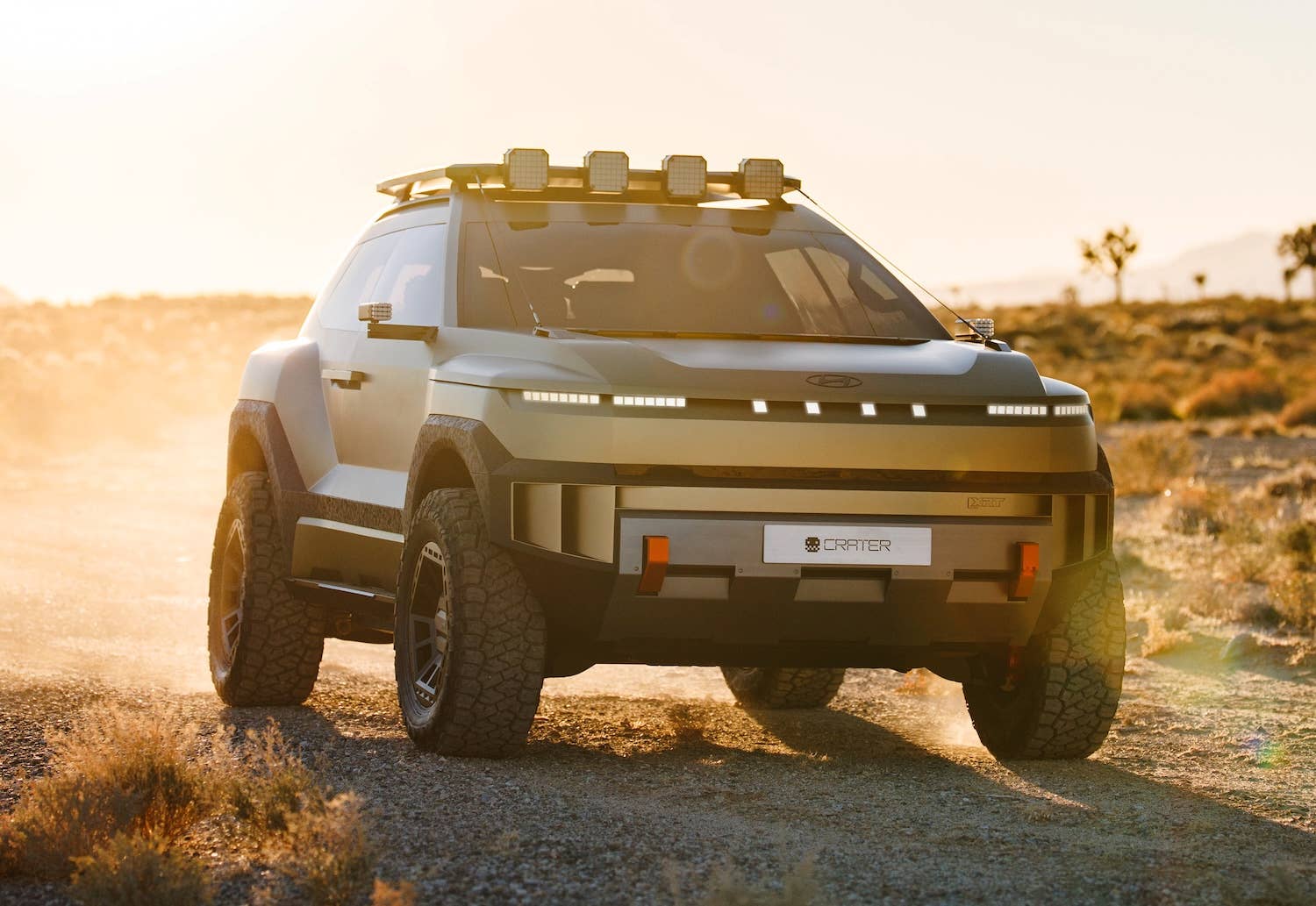
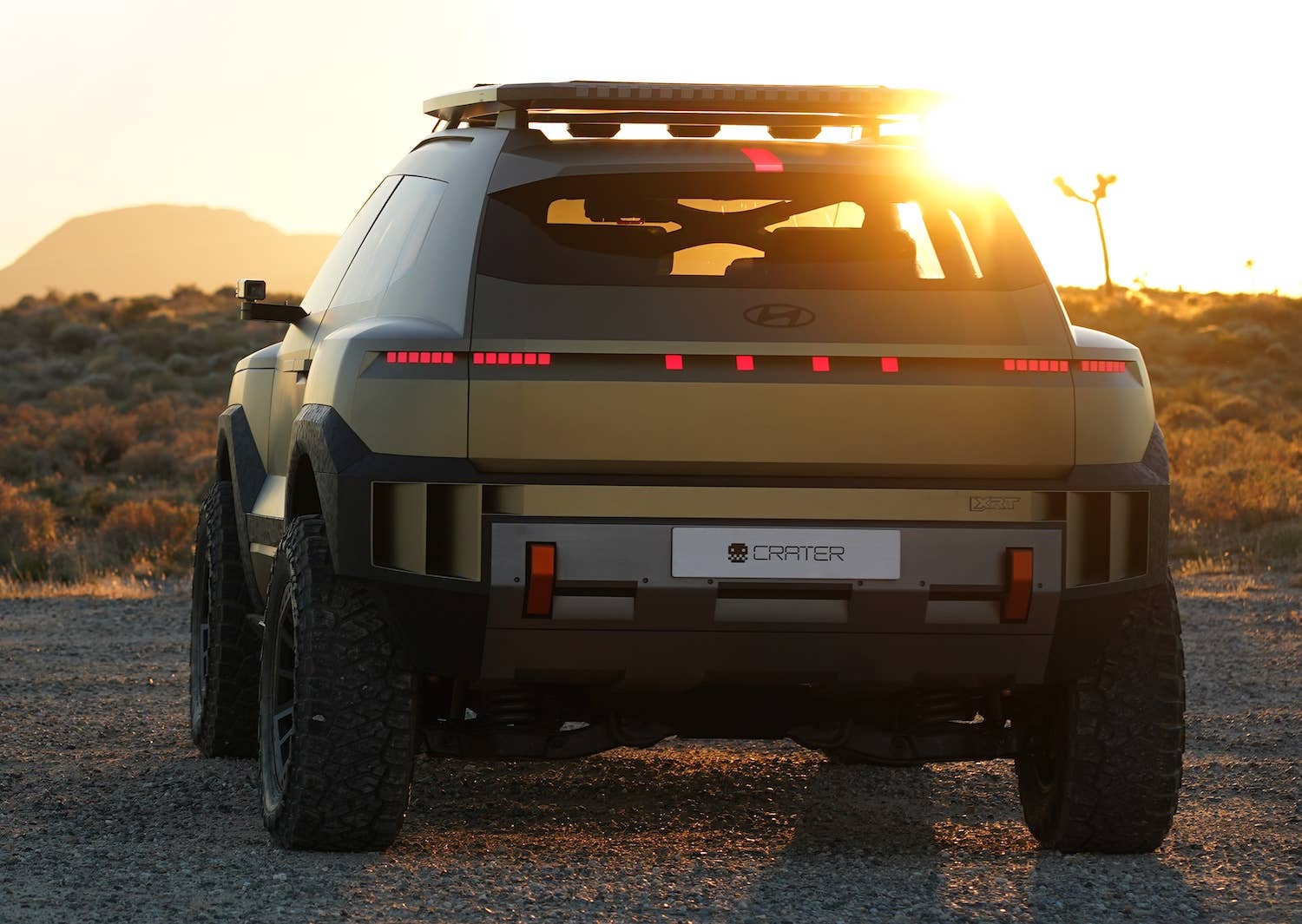
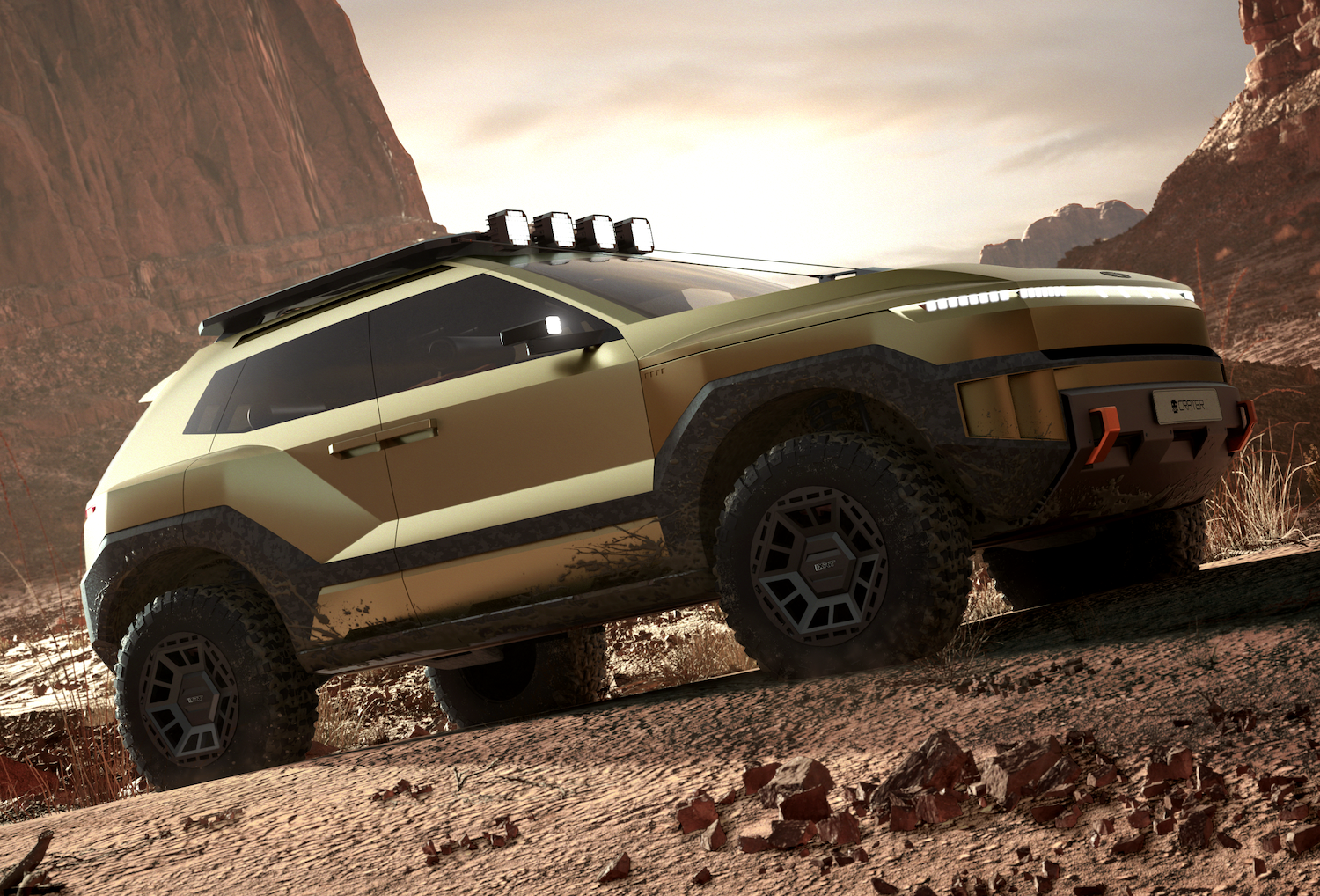
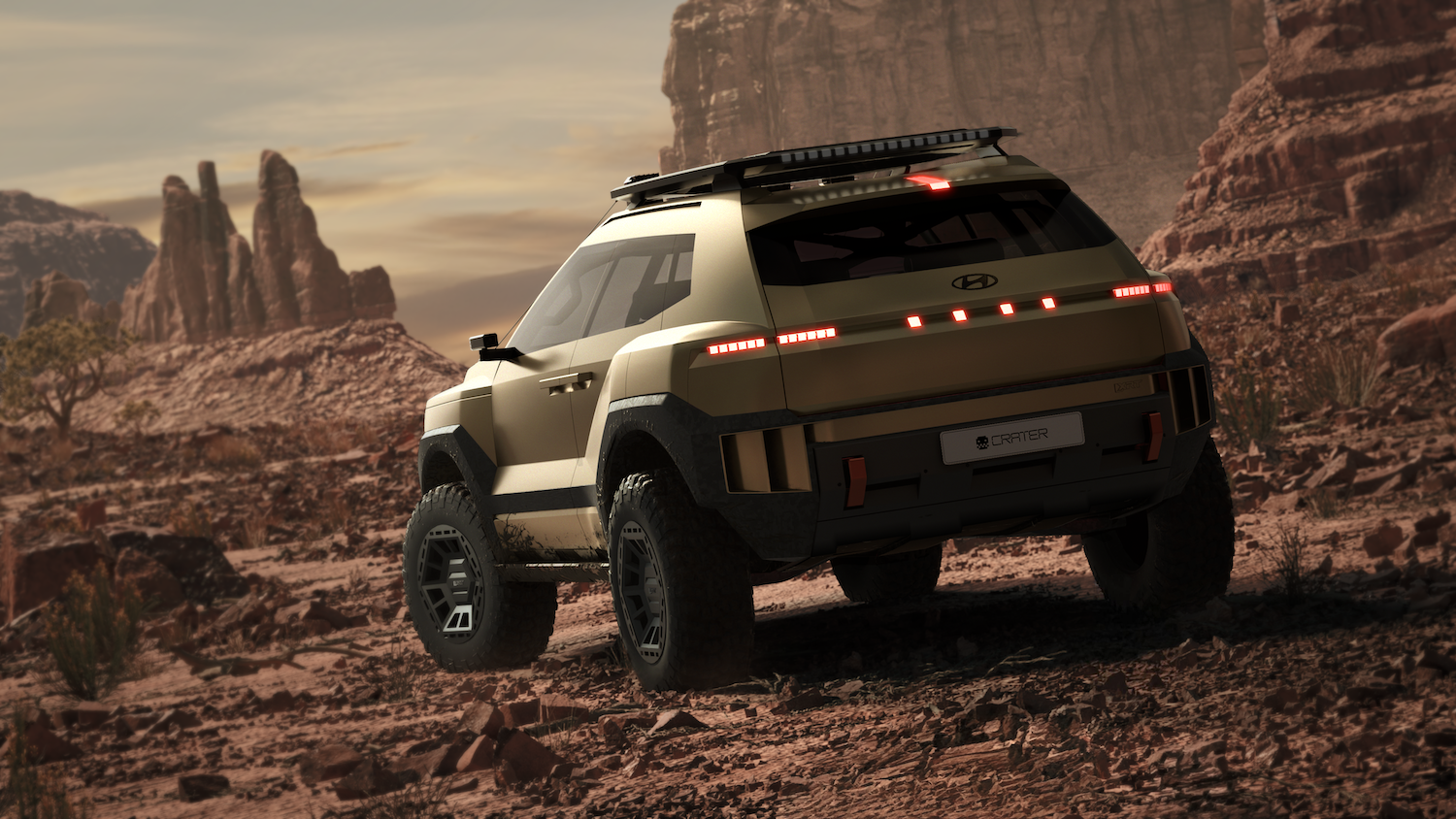
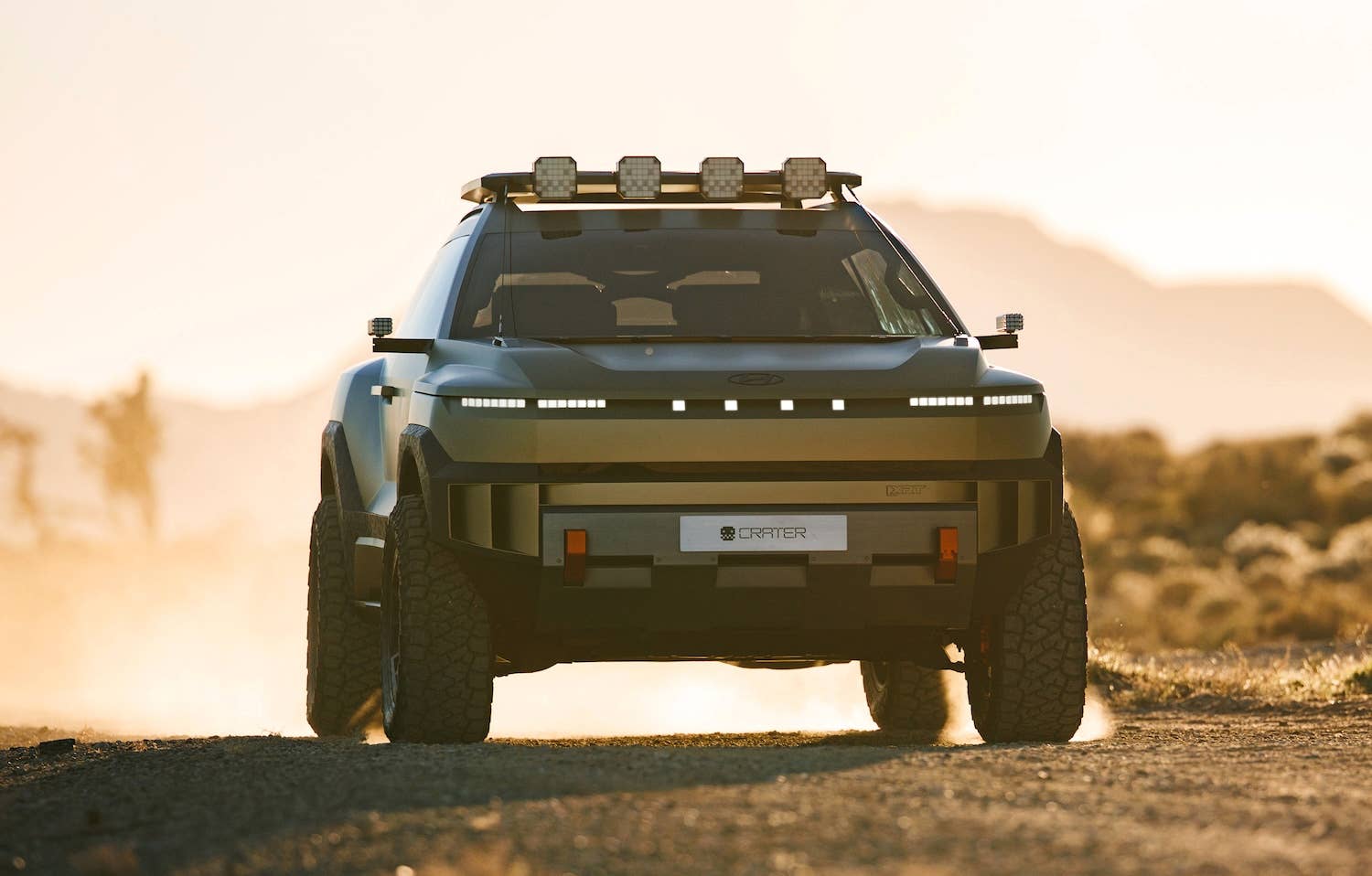
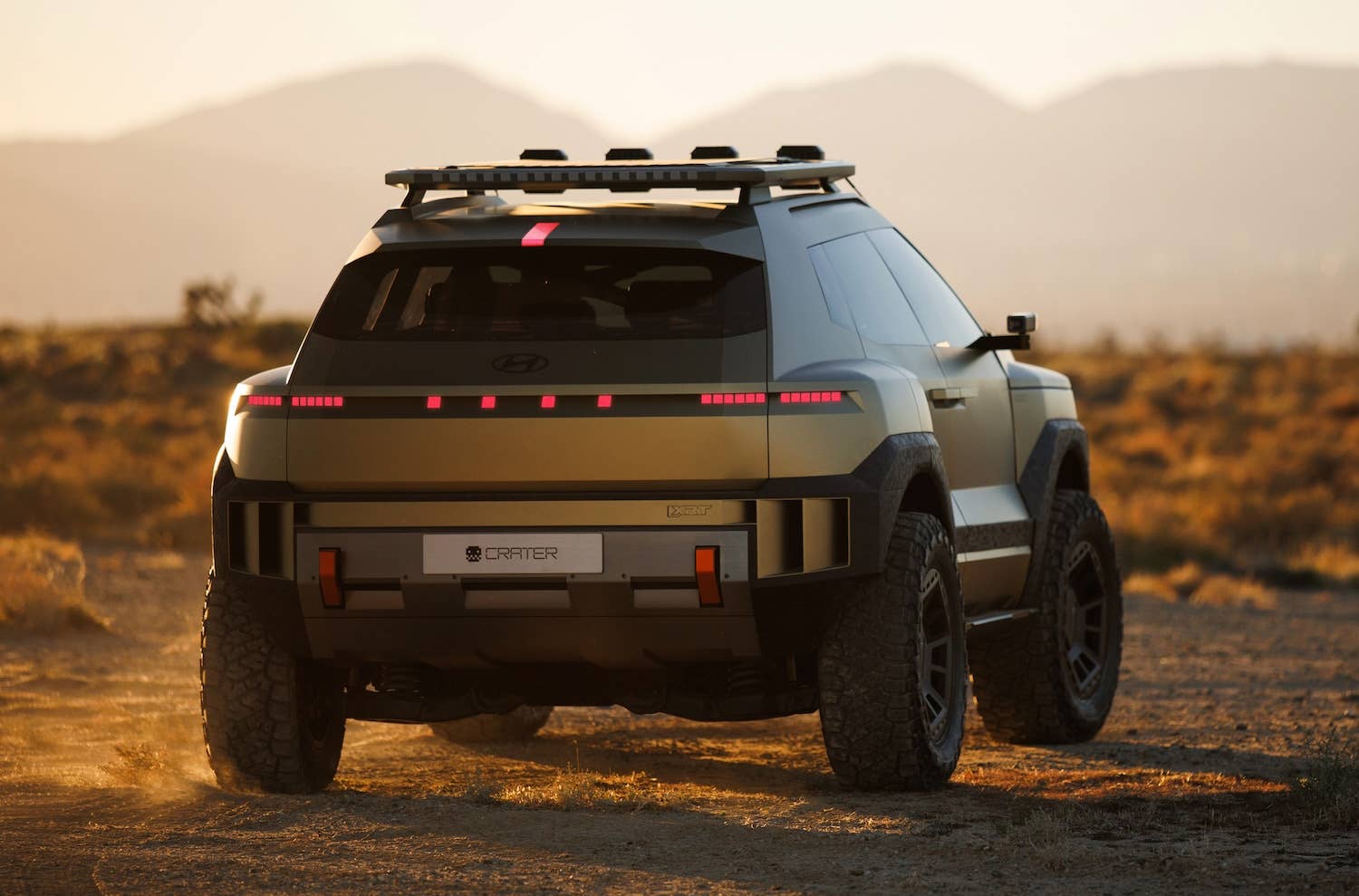
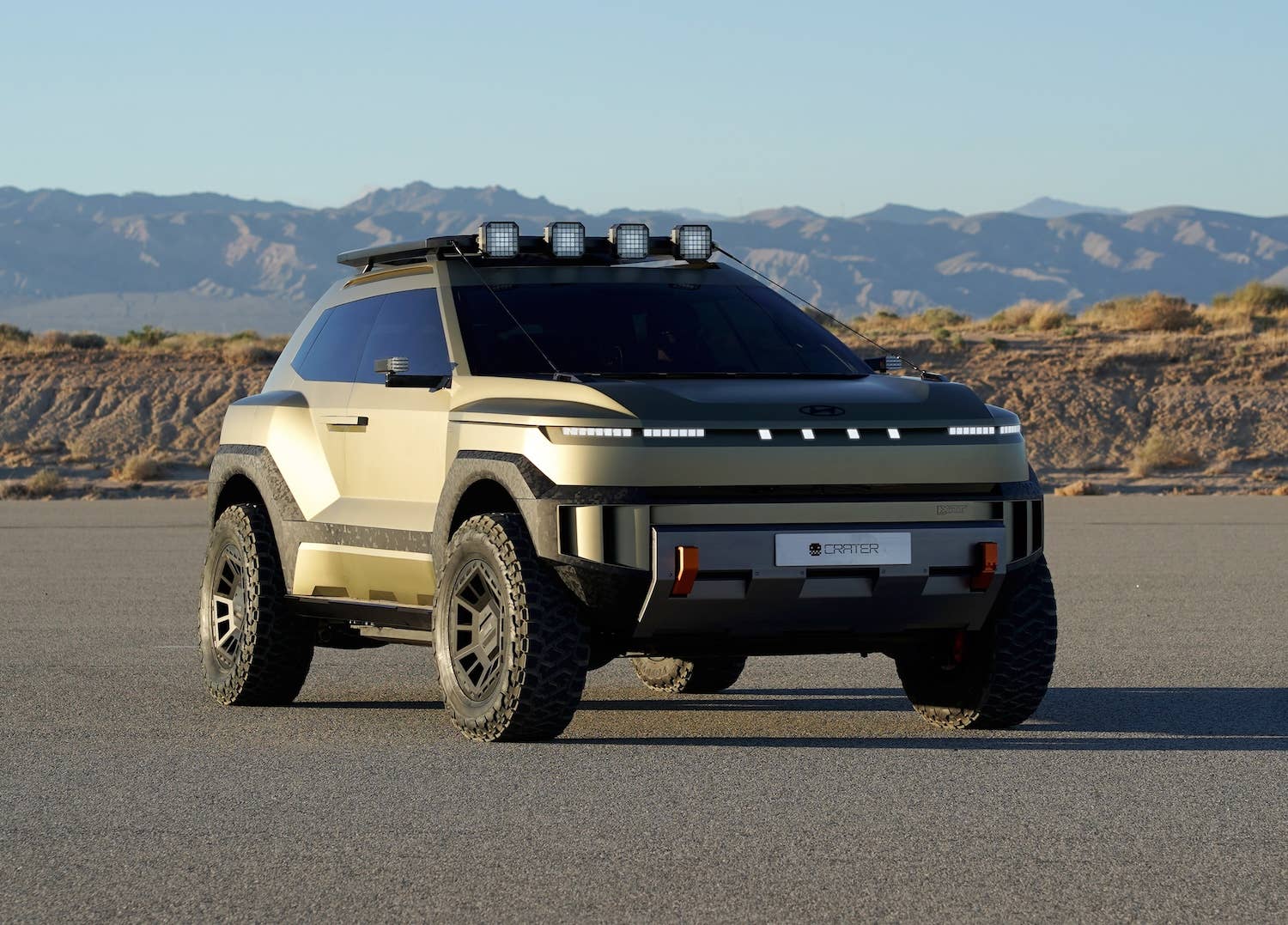
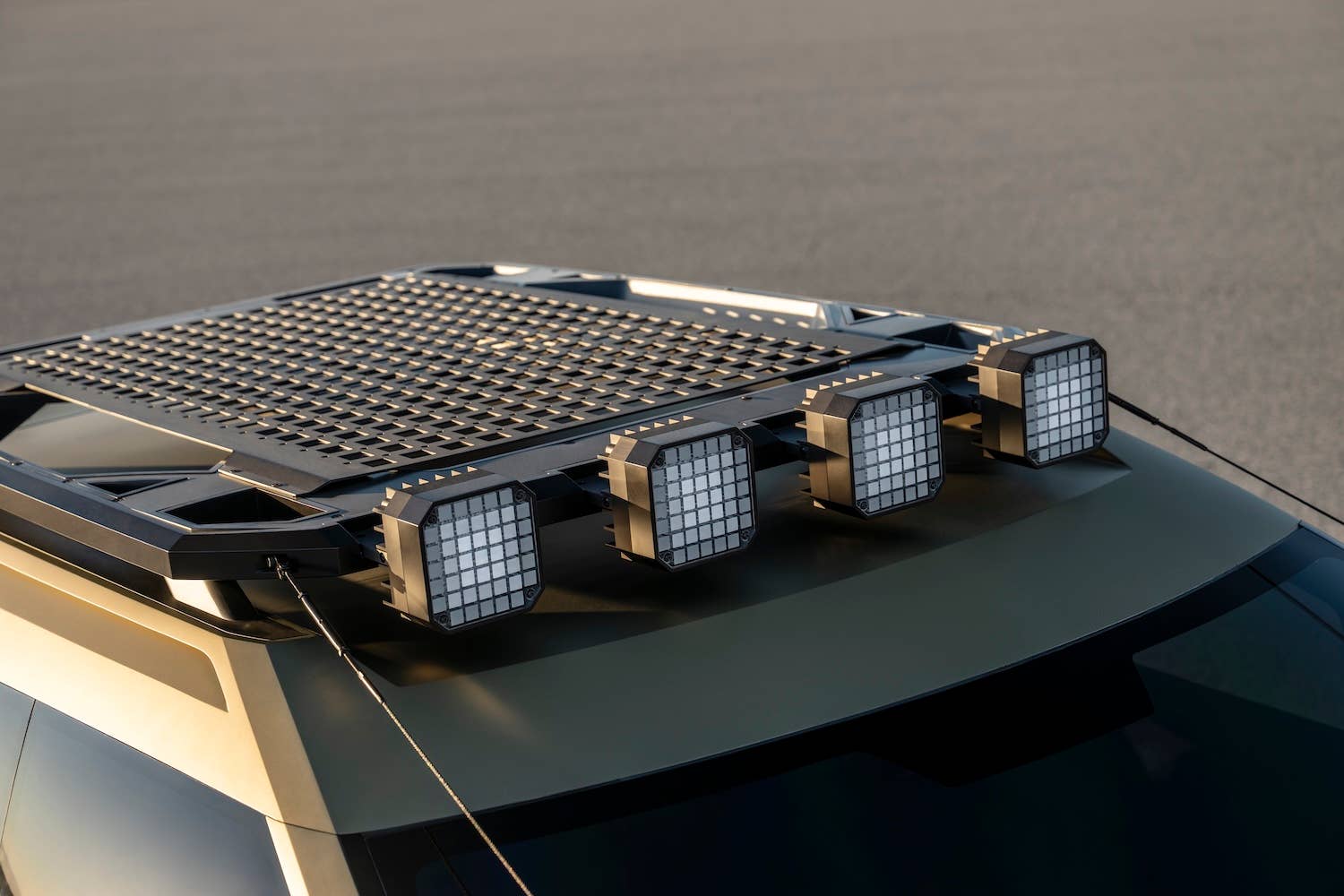
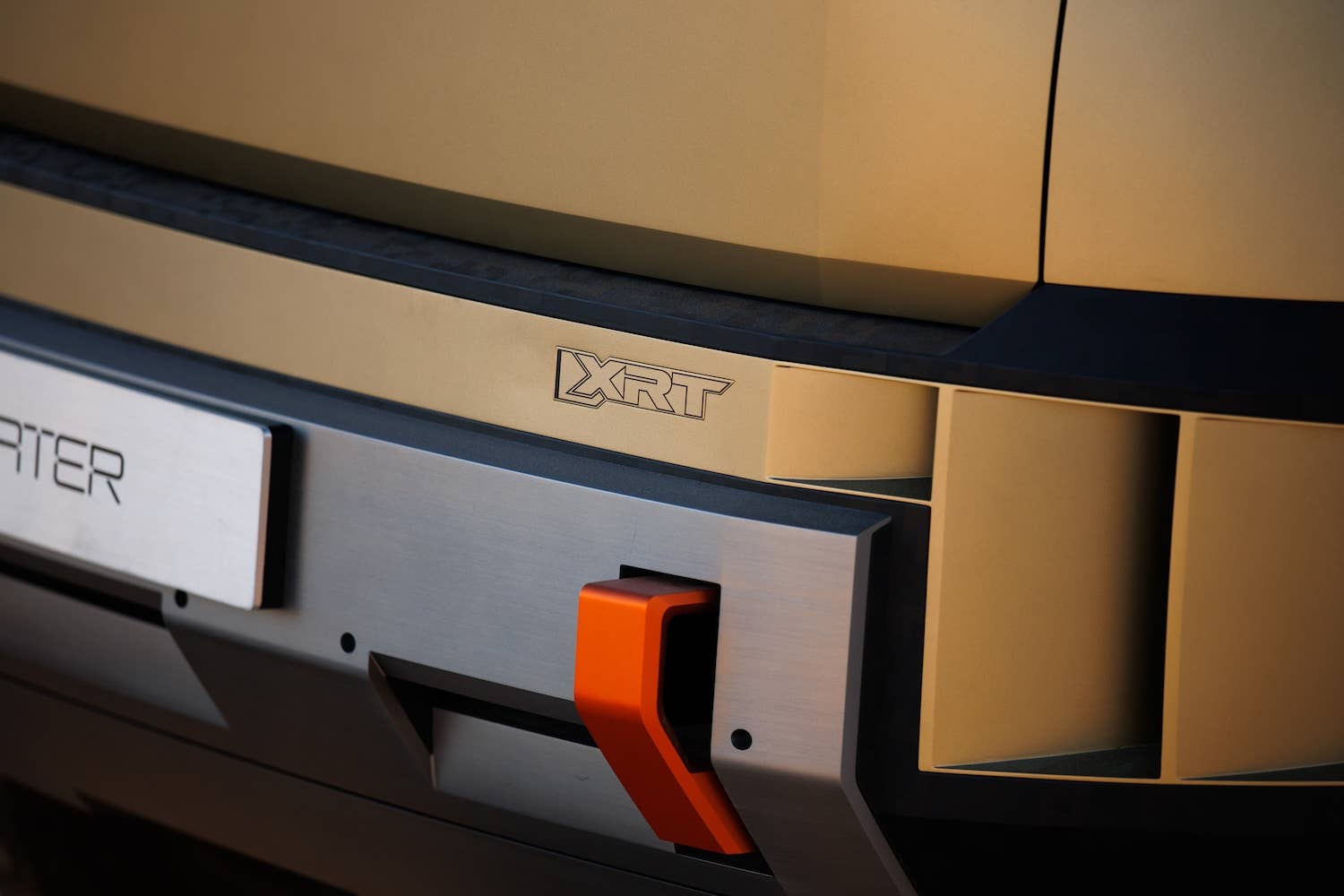
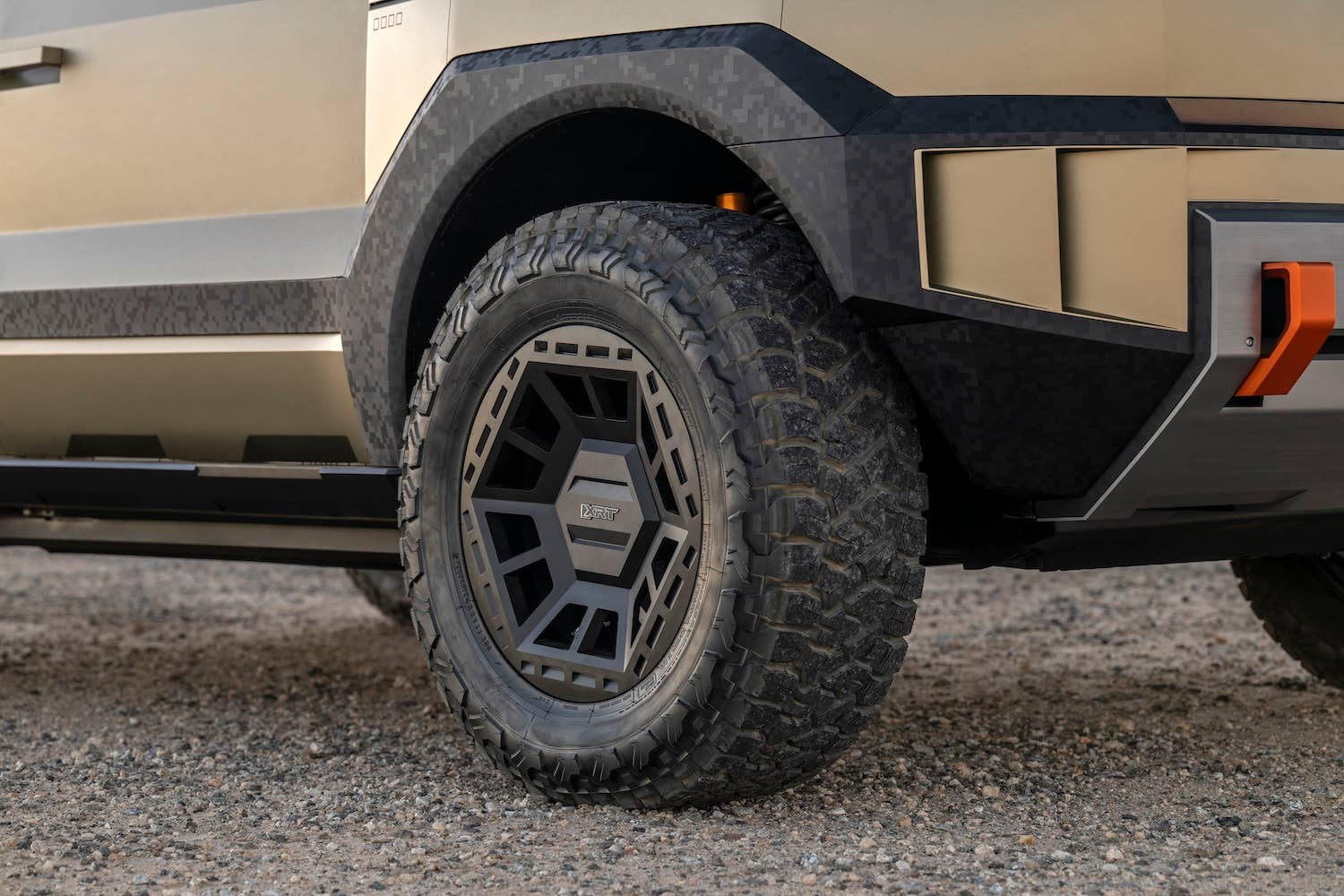
The Crater’s exterior uses the company’s “Art of Steel” philosophy, as seen in the Concept Three, giving it a mix of crisp lines, strong surfaces, and proportions designed for real trail use. The compact monocoque footprint, wide skid plate, tall angles, 33-inch tires, and roof-mounted hardware all support its intended purpose. Hyundai even built in useful extras like limb risers and removable mirror-mounted cameras that double as handheld flashlights.
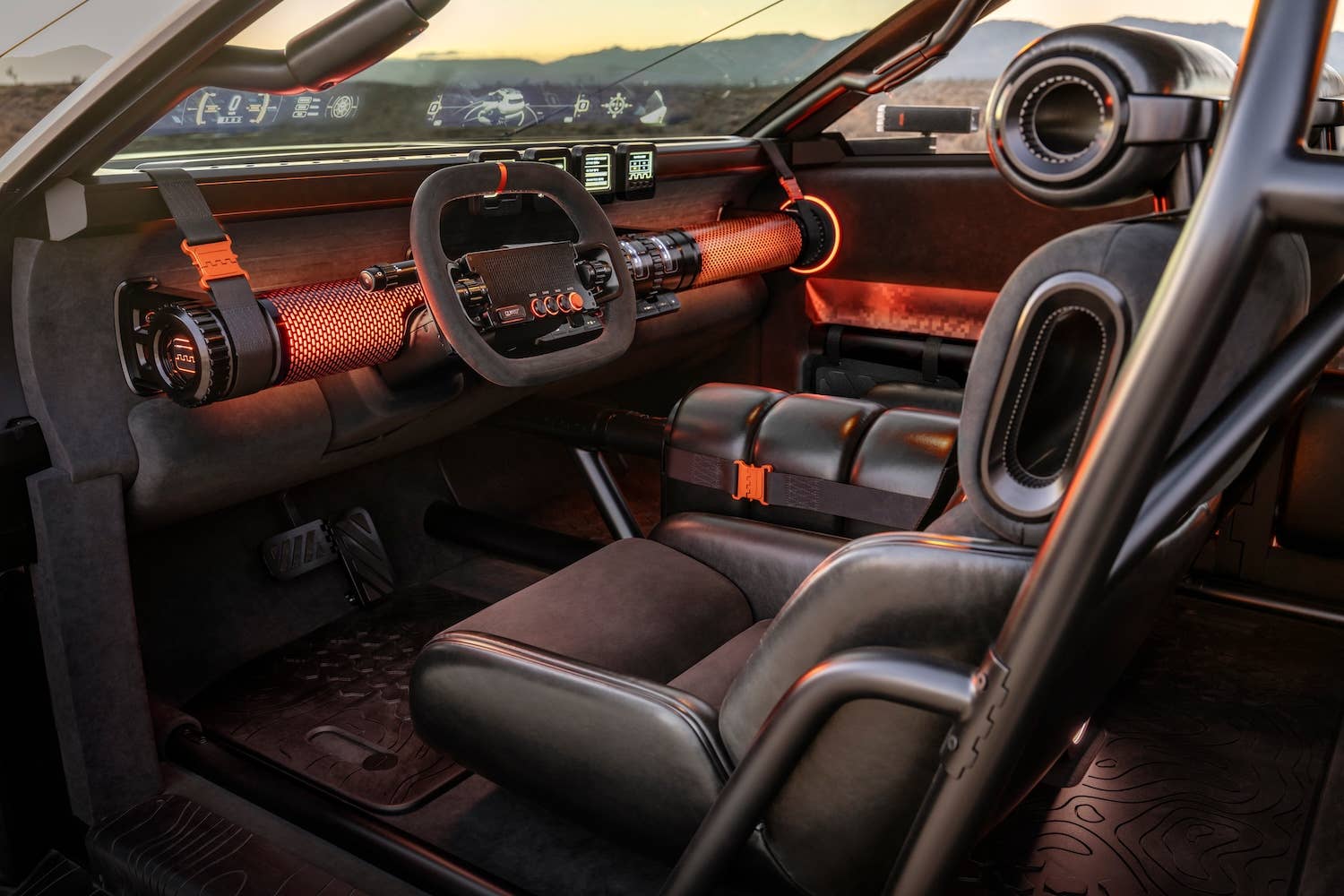
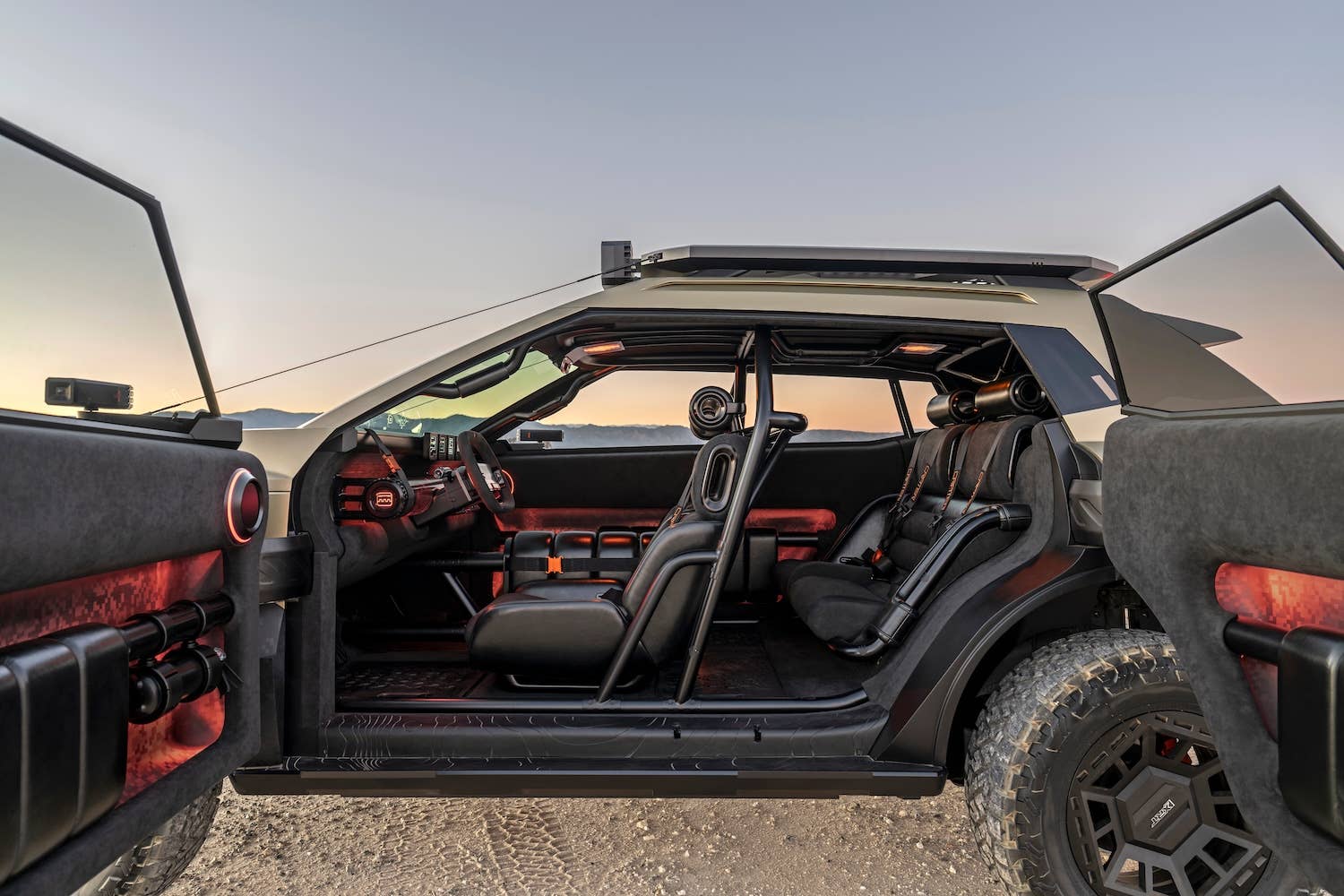
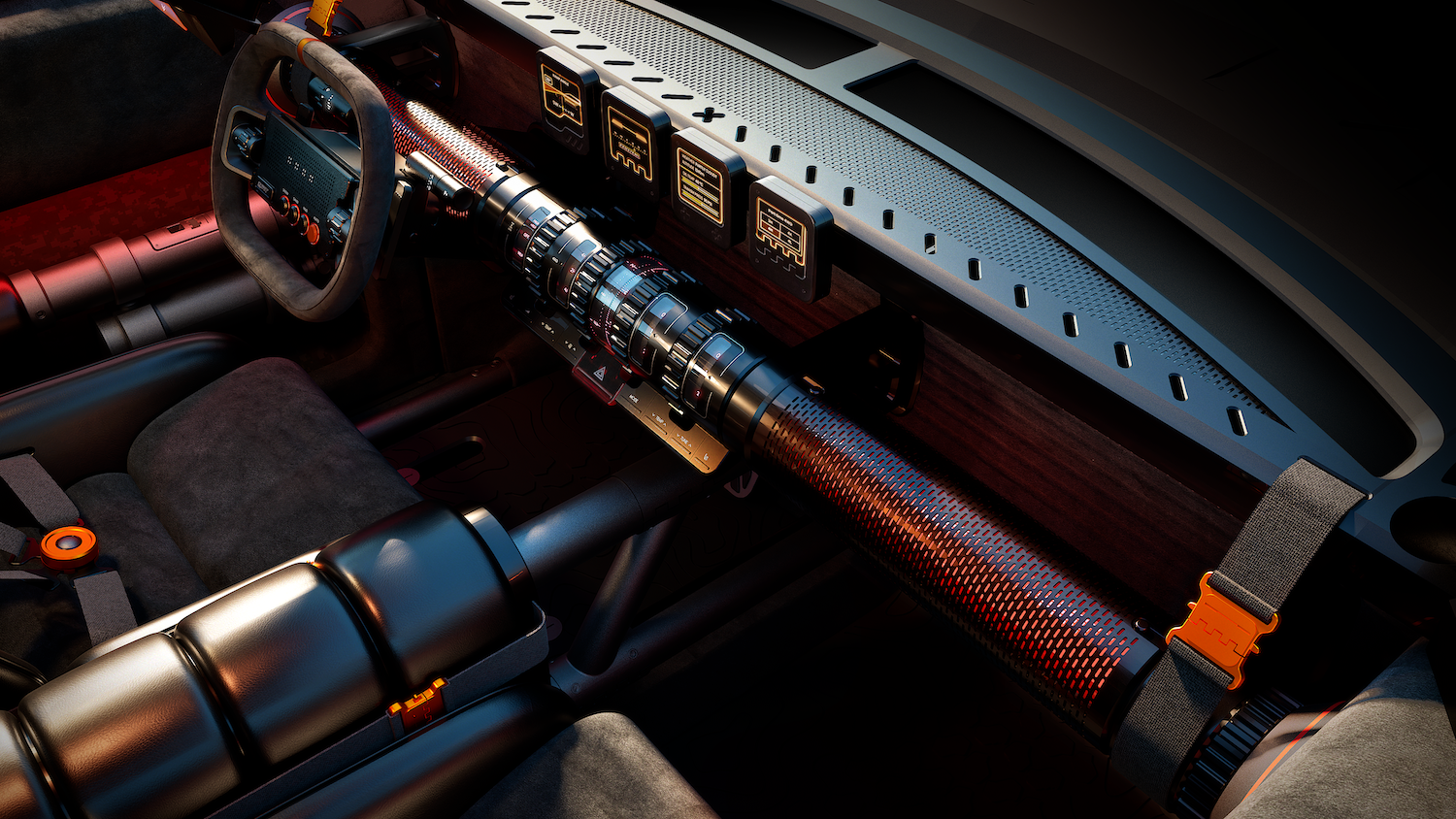
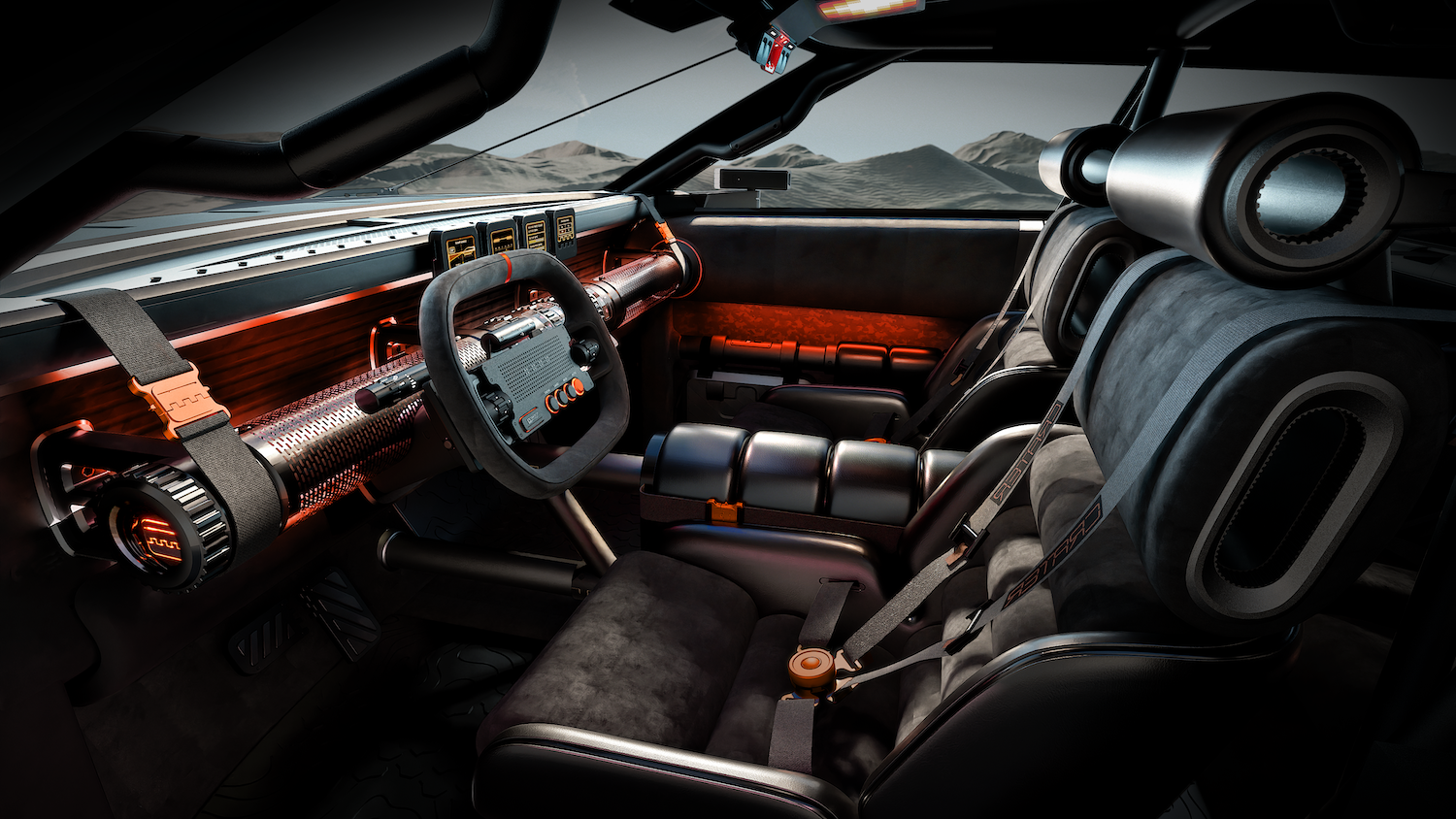
Inside, the truck shifts toward durability and modularity. The cabin favors functional shapes wrapped in soft but robust materials meant to withstand dirt and wear.
Hyundai also built the digital side around a bring-your-own-device (BYOD) approach, letting users rely on their own device ecosystem instead of a locked-down infotainment stack. It’s a similar idea to what Slate pushes in its EV, where personal tech becomes the core interface.
Wraparound seats, a structural roll cage, ambient lighting, and topographic interior surfaces tie the experience to outdoor use rather than urban luxury.
Hyundai
Hyundai
Off-Road Hardware First
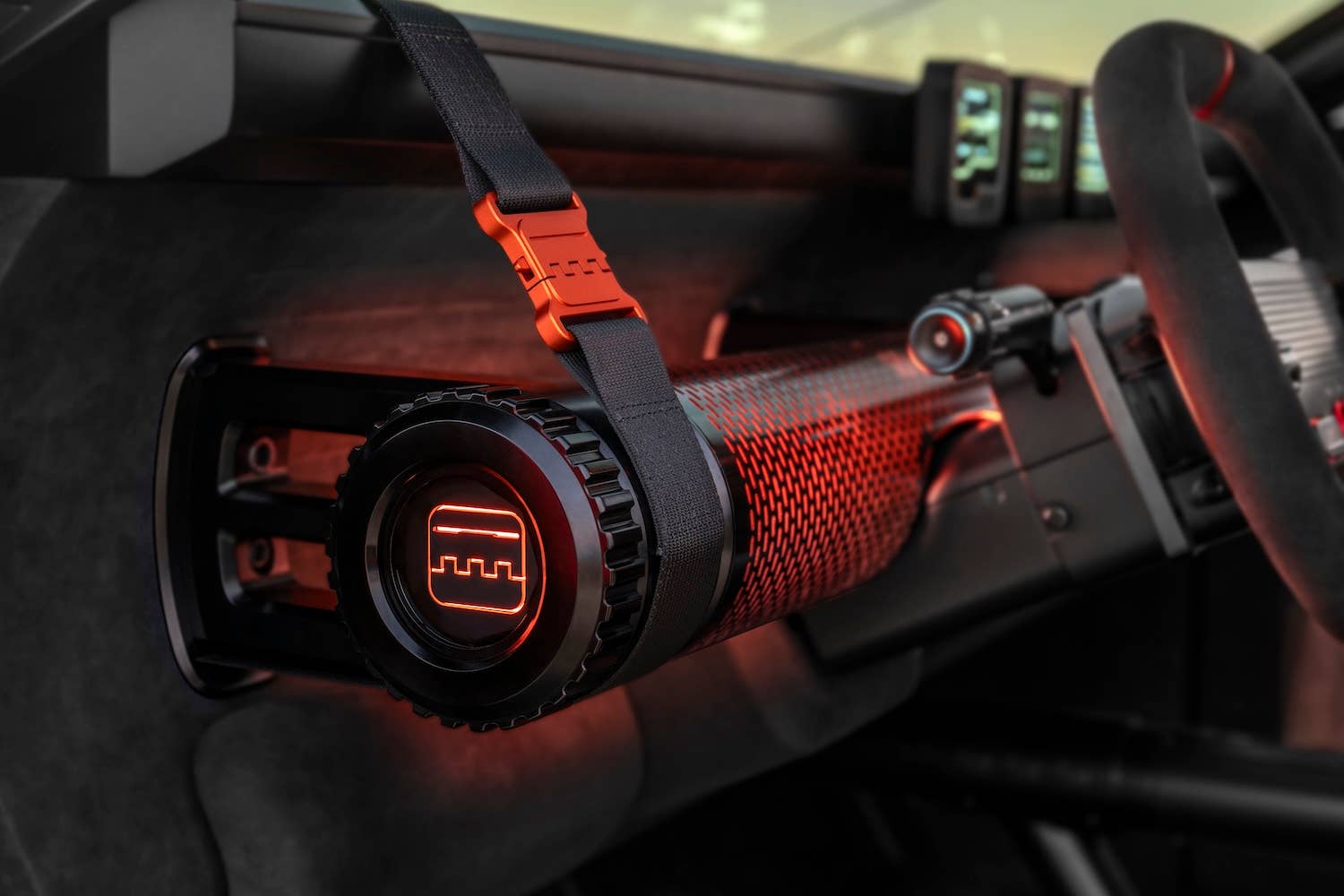
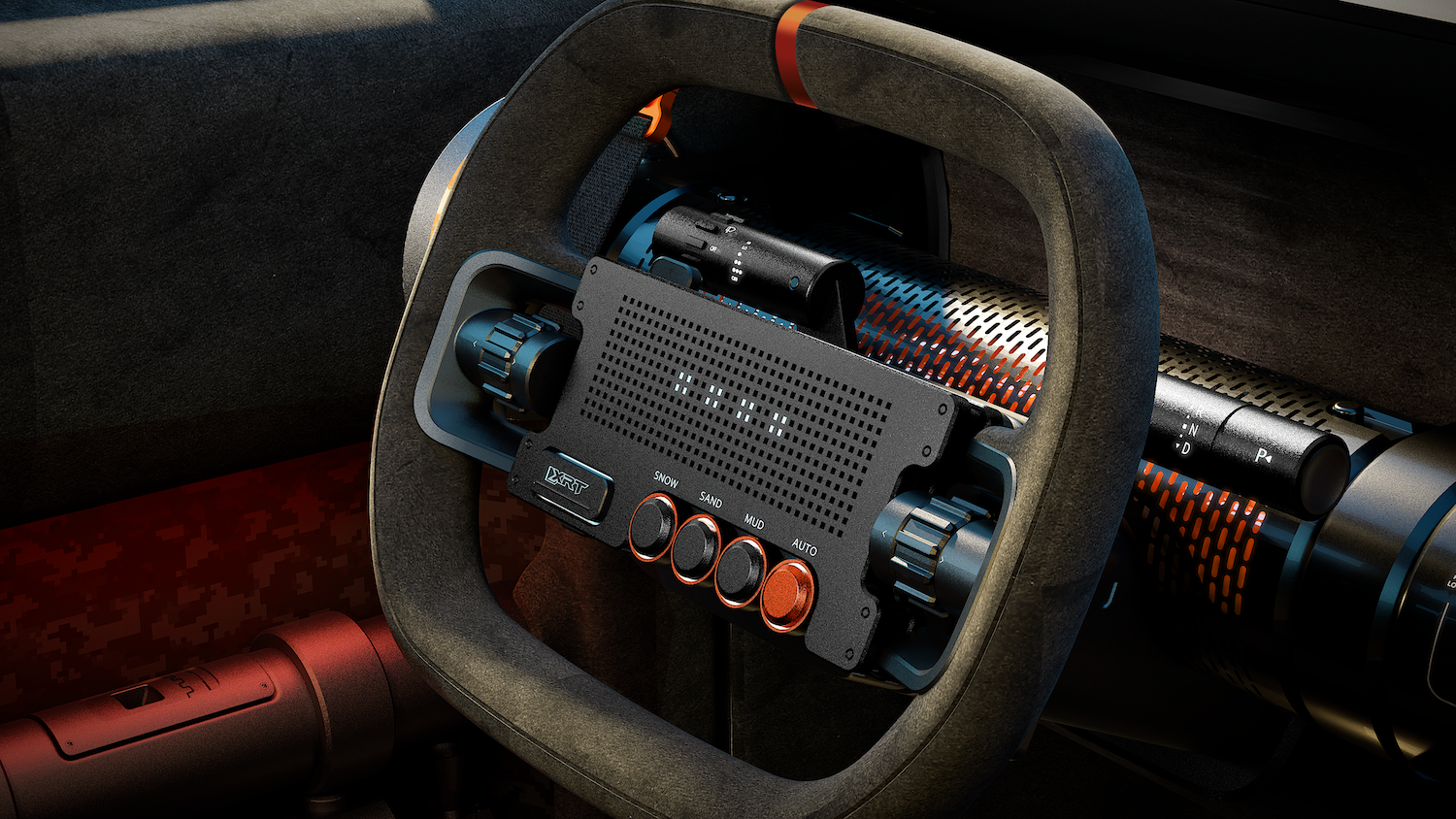
The Crater carries a full set of trail-oriented tools. There’s a multi-function off-road controller with tactile gear-like engagement, locking differentials, downhill and trailer brake control, and a terrain selector with Snow, Sand, and Mud presets. A compass and altimeter round out the setup.
Hyundai did not include any power or drivetrain figures, and that omission makes sense for a design-focused concept. The intent here is to showcase direction rather than specs. What the Crater communicates is that Hyundai is committing to rugged SUVs built around function. The brand appears ready to go beyond stickers, plastic panels, and adventurous marketing language. The Crater hints at real capability, and that may set the tone for Hyundai’s next generation of dirt-loving machines.
Hyundai
Hyundai
Hyundai
Hyundai
Hyundai
Hyundai
Hyundai
Hyundai
Hyundai
Hyundai
Hyundai
Hyundai
Hyundai
Hyundai
Hyundai
Hyundai
About the author

Jacob Oliva
Senior Editor, Autoblog