
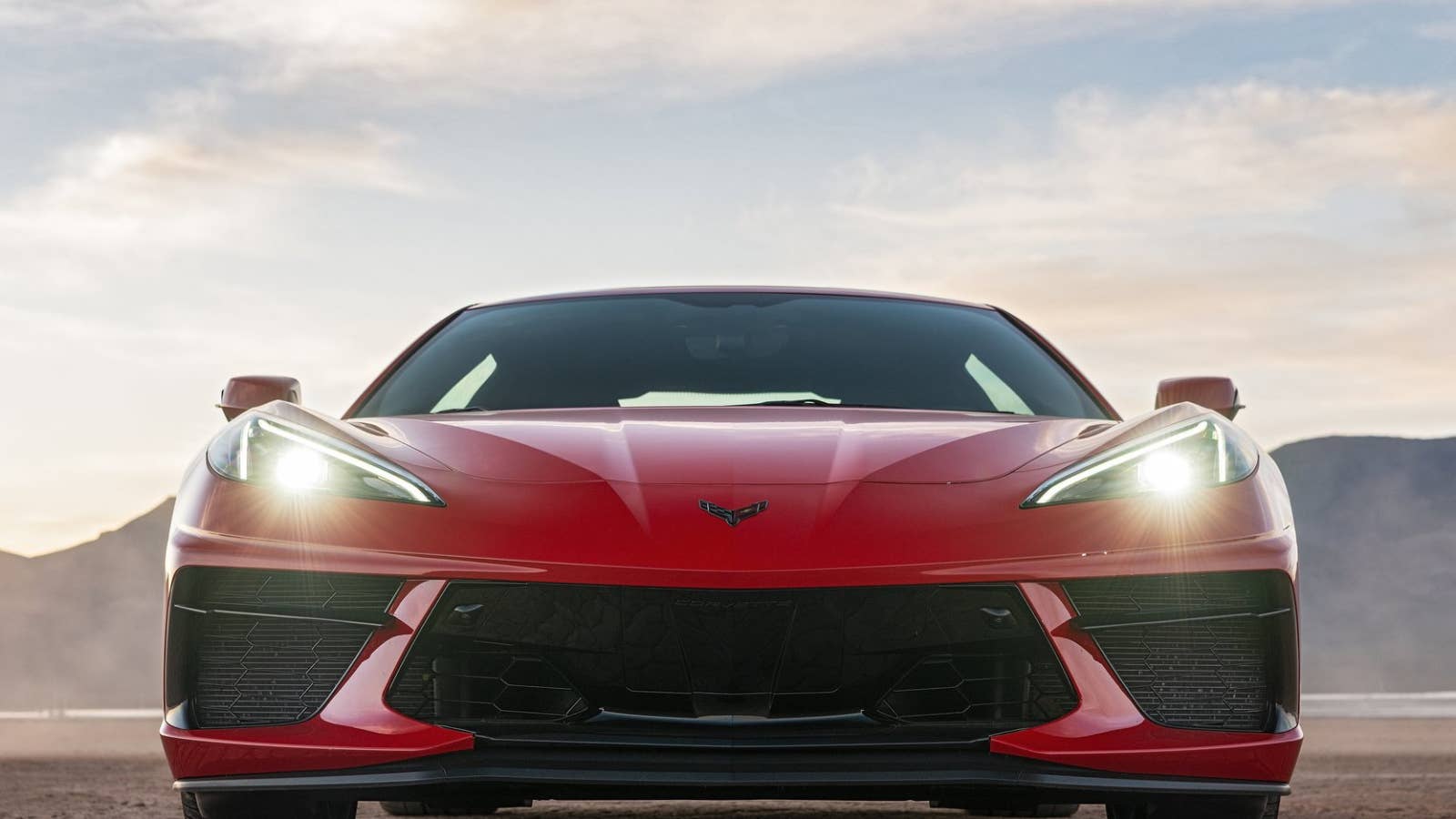
Taking a brand-new performance vehicle for a spin is usually the best part of the car-buying experience, completely free of charge. Dealerships actively encourage shoppers to get behind the wheel to seal the deal, assuming their corporate insurance policies will cover any minor parking lot scrapes. However, a customer in British Columbia just learned the hard way that when things go awry, you might be forced to swap insurance details and foot the bill yourself.
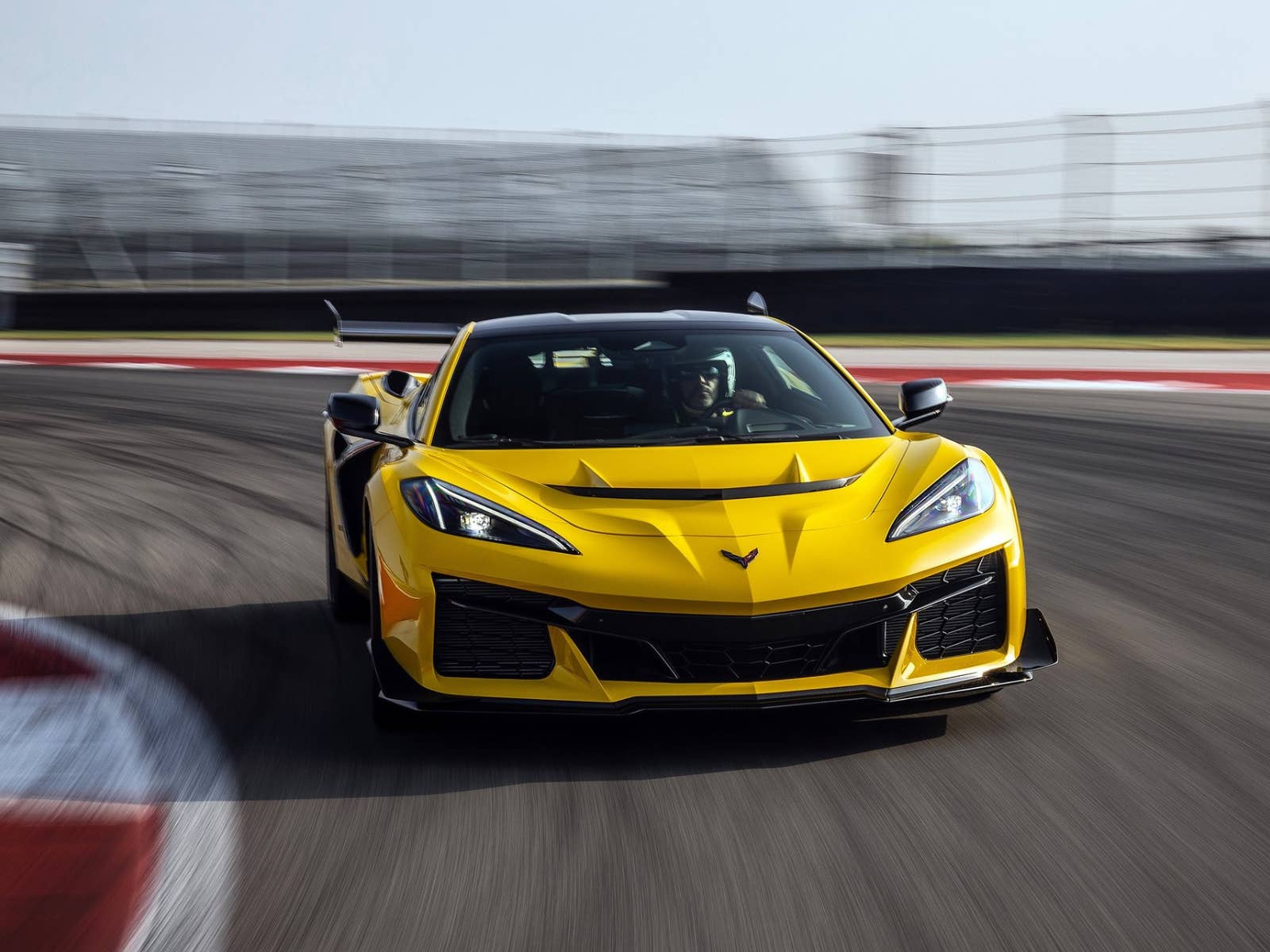
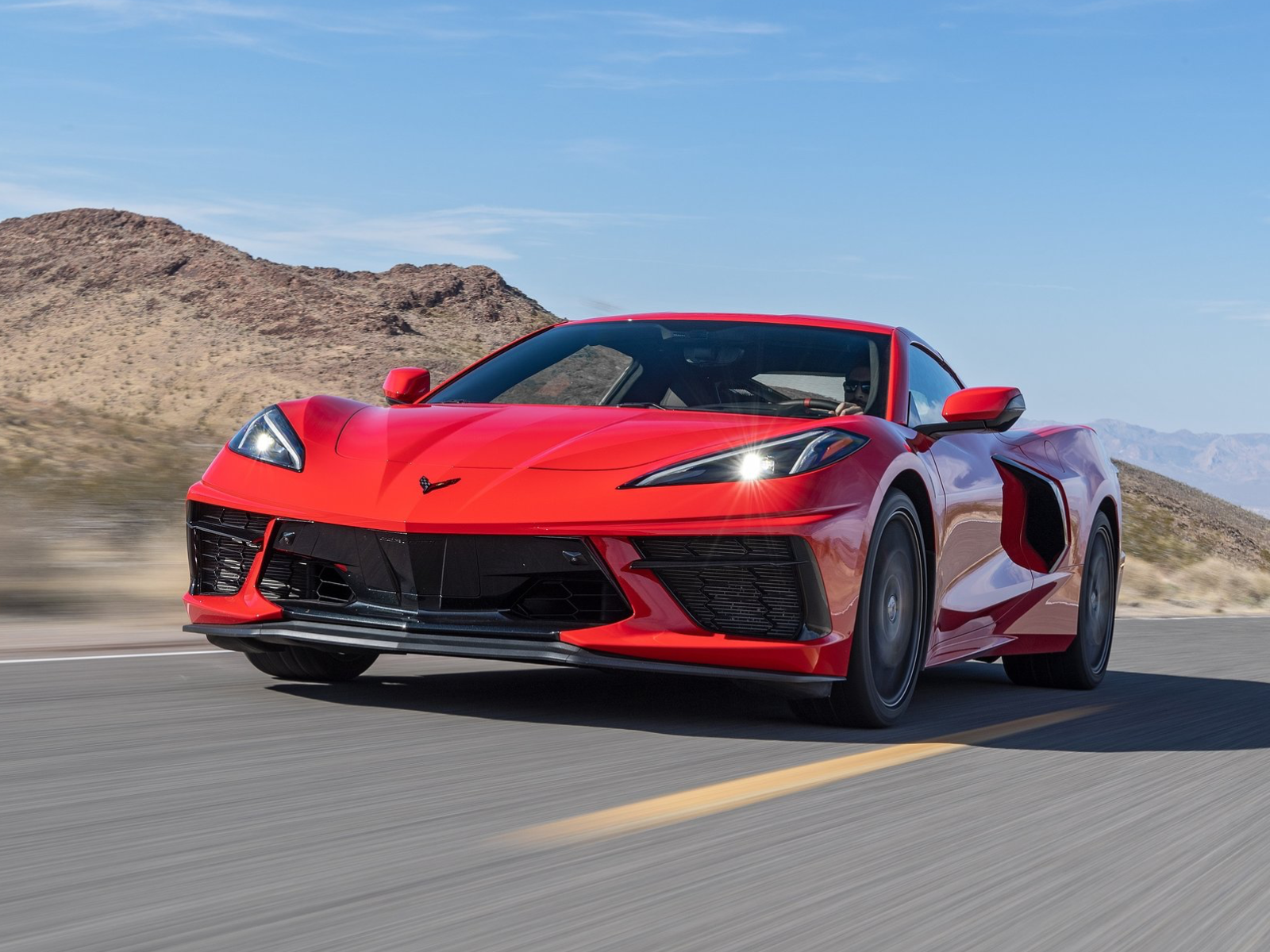
The costly ordeal began when customer Kirby Sewell ordered a new Chevrolet Corvette from Gardner Chevrolet-Buick-GMC. When the highly anticipated sports car finally arrived at the dealership in 2024, it was unfortunately missing several specific performance enhancements he had originally requested. Understandably hesitant, Sewell decided to take the vehicle for a solo test drive to determine if he still wanted to finalize the purchase despite the missing factory options.
Chevrolet
A Very Expensive Mistake
According to a recent report from Automotive News, Sewell parked the Corvette next to a concrete barrier at a local Flying J truck stop to inspect and take pictures of the exterior. When a large semi-truck suddenly needed to squeeze past the parked sports car, Sewell panicked. In a frantic attempt to quickly move the vehicle out of the semi’s path, he scraped and significantly damaged the entire passenger side of the car against the rigid concrete barrier.
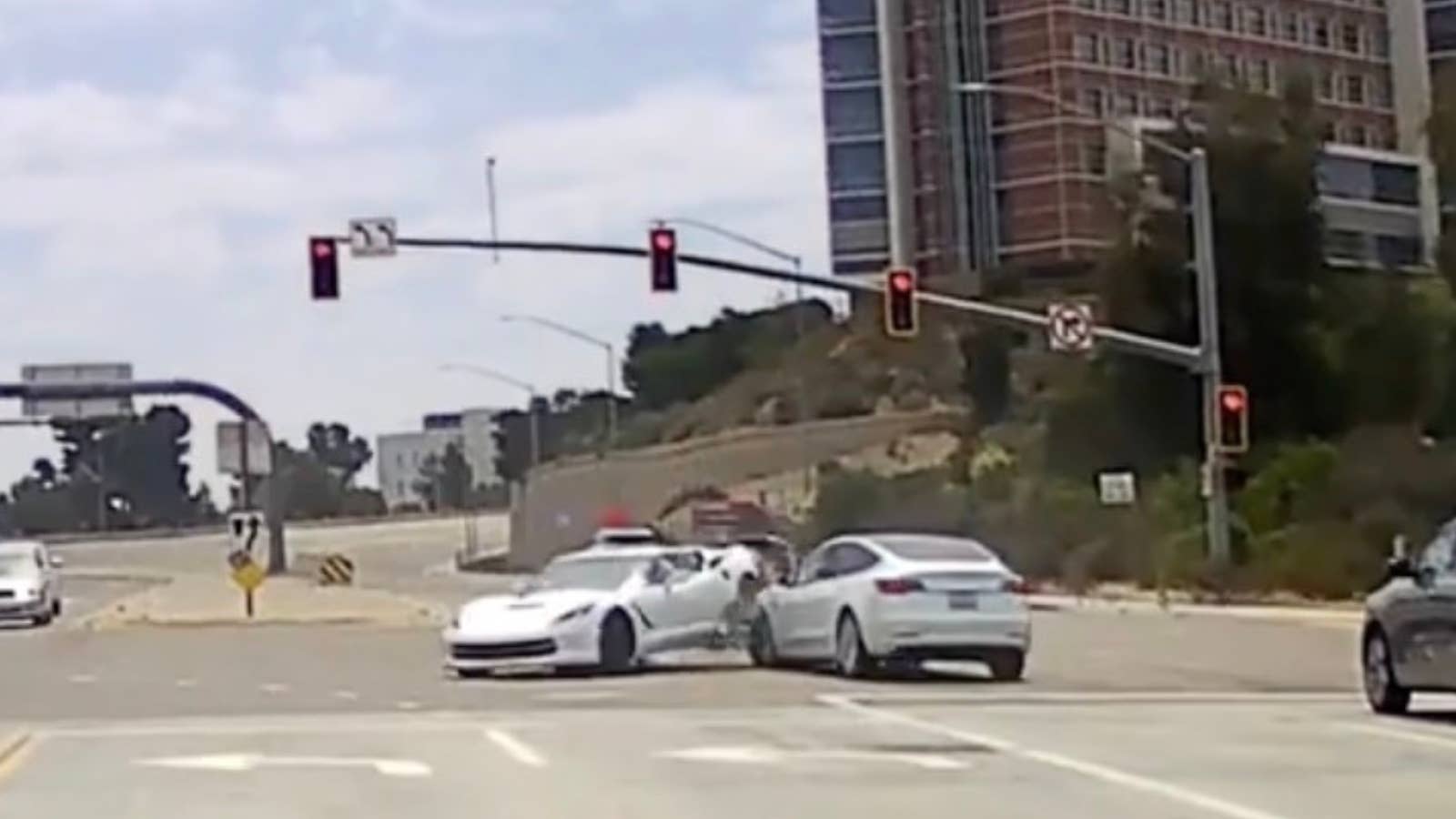
Following the costly mishap, Sewell attempted to argue in court that taking the test drive effectively made him a de facto employee of the dealership. He claimed this legislative loophole meant the dealer’s policy should cover the damage. While liability can admittedly get murky when a mechanic crashes cars, the judge vehemently rejected Sewell’s creative defense. The court ruled that his employment argument defied common sense, leaving him entirely liable for the damages.
You Break It, You Buy It
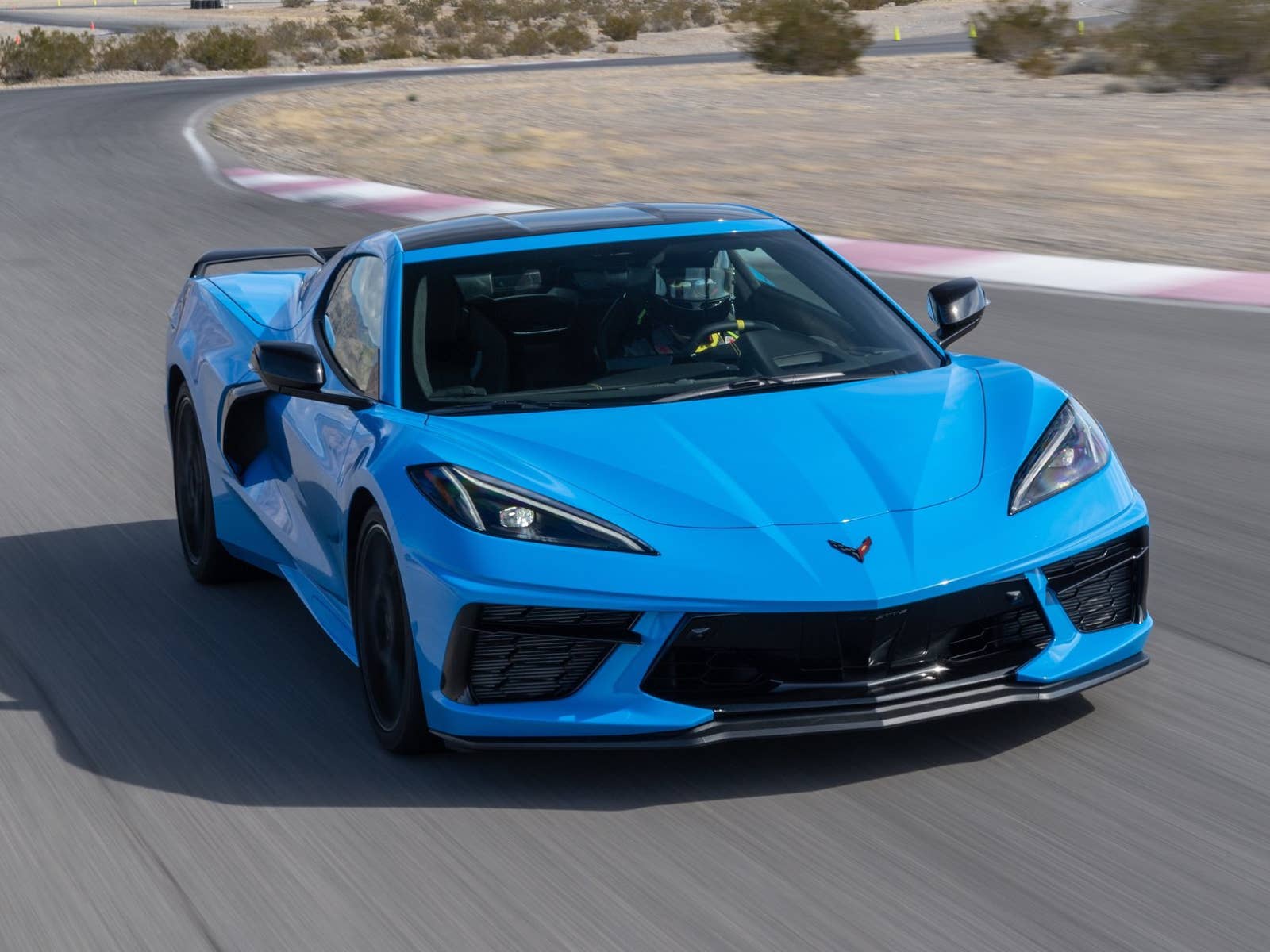
The dealership was ultimately forced to pay roughly $7,000 to repair the damaged fiberglass and paint, eventually selling the repaired sports car to another buyer for a reduced price of $82,000. To recoup their losses on the diminished value, the dealer took Sewell to court. The Supreme Court of British Columbia upheld the initial ruling, officially ordering the customer to pay the dealership a staggering $12,250 for the damages caused during the brief joyride.
The ultimate takeaway for consumers is to treat any dealership inventory with the utmost respect. Unlike a notoriously reckless Corvette driver who happily bought a replacement after totaling his car, Sewell walked away empty-handed and thousands of dollars poorer. As the presiding judge eloquently wrote, motor vehicle legislation is strictly intended to protect innocent third parties, not to protect a negligent driver from their own mistakes behind the wheel.
About the author

Roy Robles
News Editor