
The Court Steps In
The slowdown in electric vehicle adoption became more pronounced following Donald Trump’s re-election, as his administration shifted some policy priorities toward other infrastructure projects. Notably, the administration moved to suspend a $5 billion initiative created to help states expand EV infrastructure, including the buildout of public charging stations. That decision, however, was later ruled unlawful by a federal judge.
According to Reuters, U.S. District Judge Tana Lin ruled in favor of 20 Democratic-led states that challenged the suspension. The court found that the action violated federal administrative law, ordering that funding authorized by Congress under the Infrastructure Investment and Jobs Act be restored to the states. The ruling also permanently bars the federal government from withholding those funds from the National Electric Vehicle Infrastructure Program (NEVI) or cancelling state-approved funds.
A Boost for EV Stakeholders
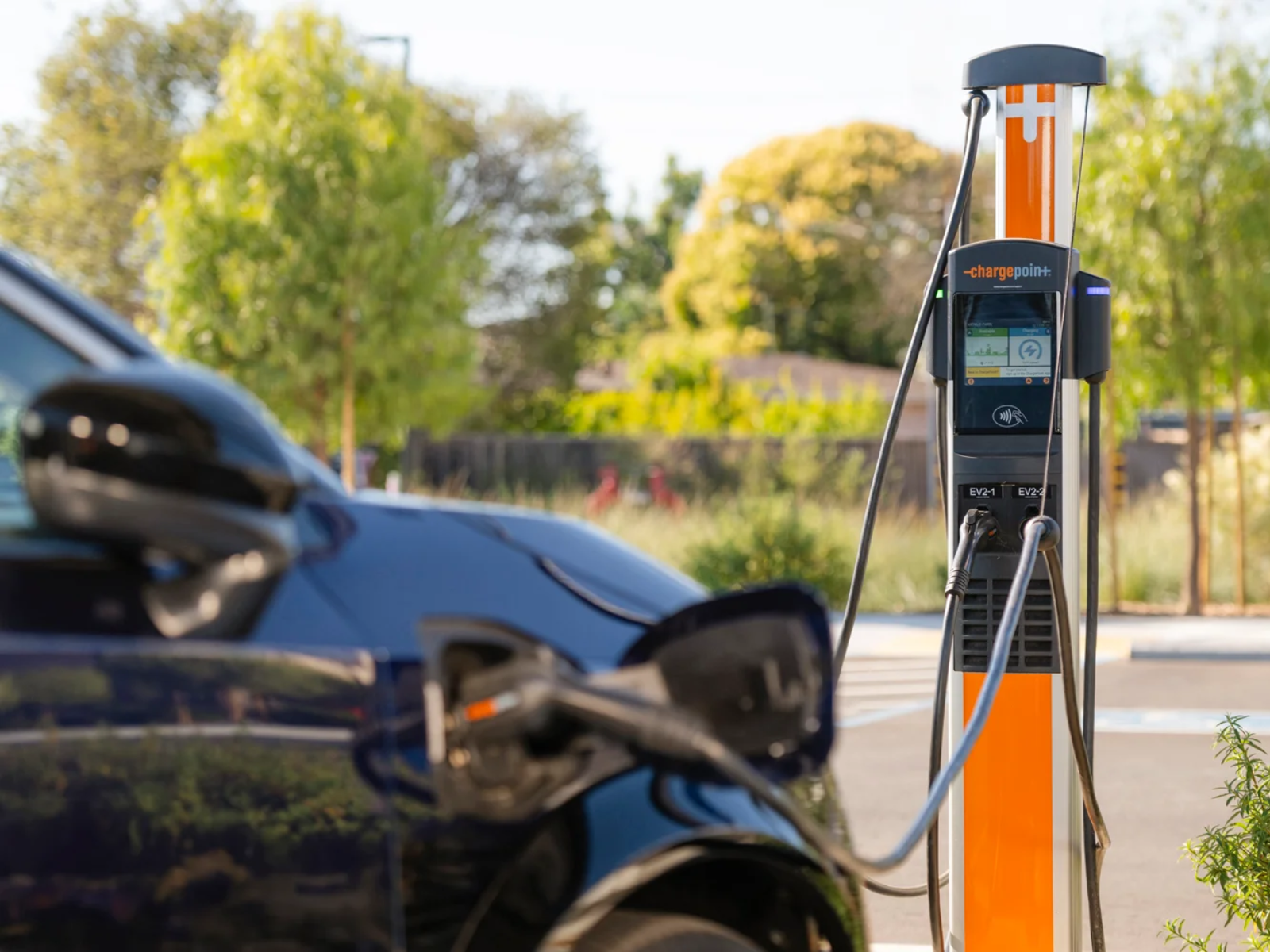
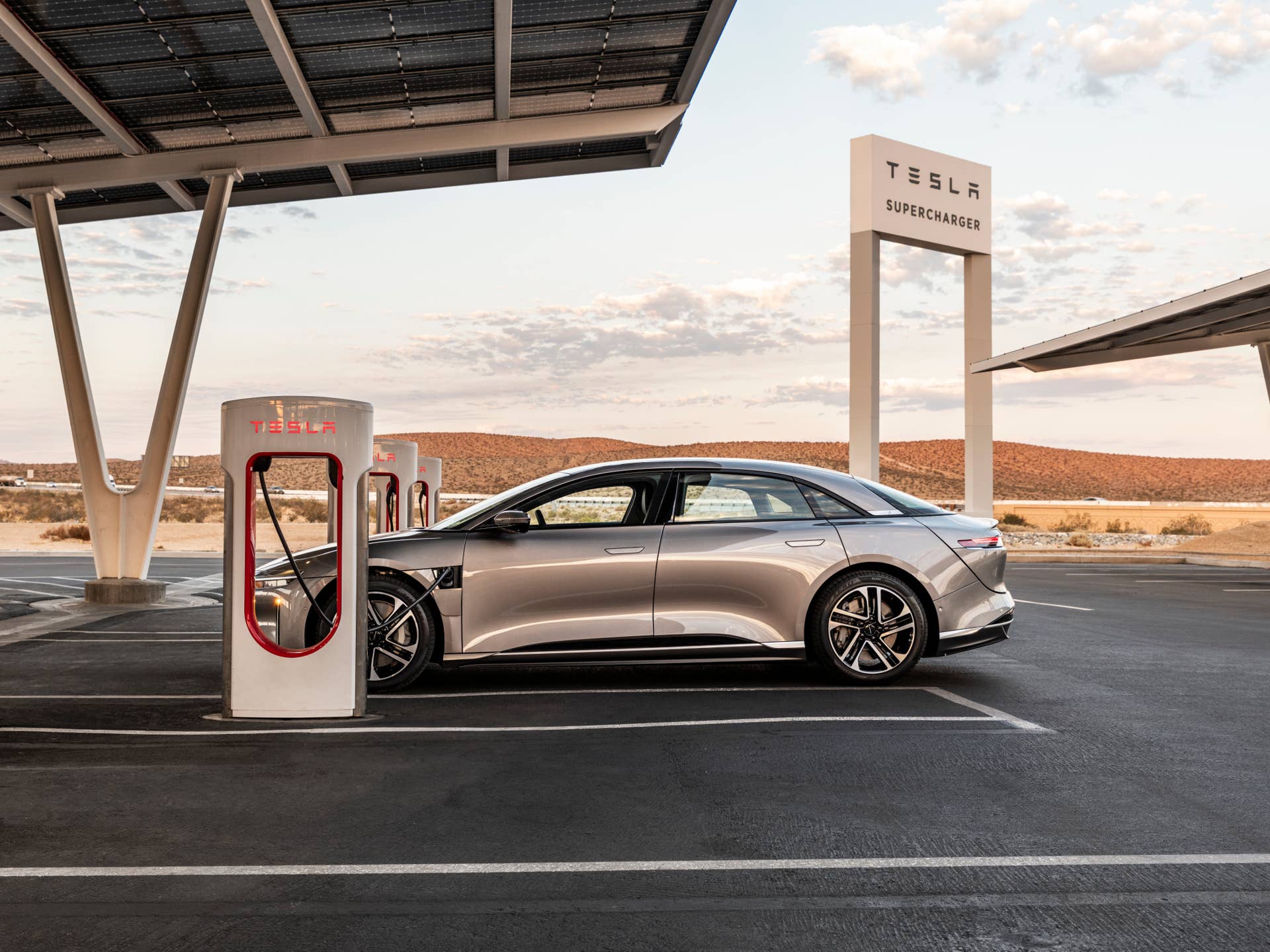
As such, the projects that had been stalled are expected to resume using funding from the NEVI. Charging providers such as ChargePoint can continue deploying new stations, a development that should help restore confidence among EV stakeholders. The ruling provides greater certainty for infrastructure investment at a time when demand for internal-combustion vehicles has shown signs of recovery. Ram, for instance, brought back its 6.2-liter supercharged Hemi V8 with the 1500 TRX, now packing even more punch at 777 horsepower.

What could this ruling entail? Expanded EV infrastructure could help states address so-called range anxiety by improving charging availability. In turn, this may encourage more buyers to consider electric vehicles, particularly after EV sales declined last year. U.S. EV sales fell for the first time in years in 2025, totaling roughly 1.28 million units—down about 2 percent year over year.
The Electric Transition Slows—But Doesn’t Stop
Some of the effects of this slowdown may already be evident, as several automakers have adjusted their EV strategies in response to softer demand and shifting market conditions.
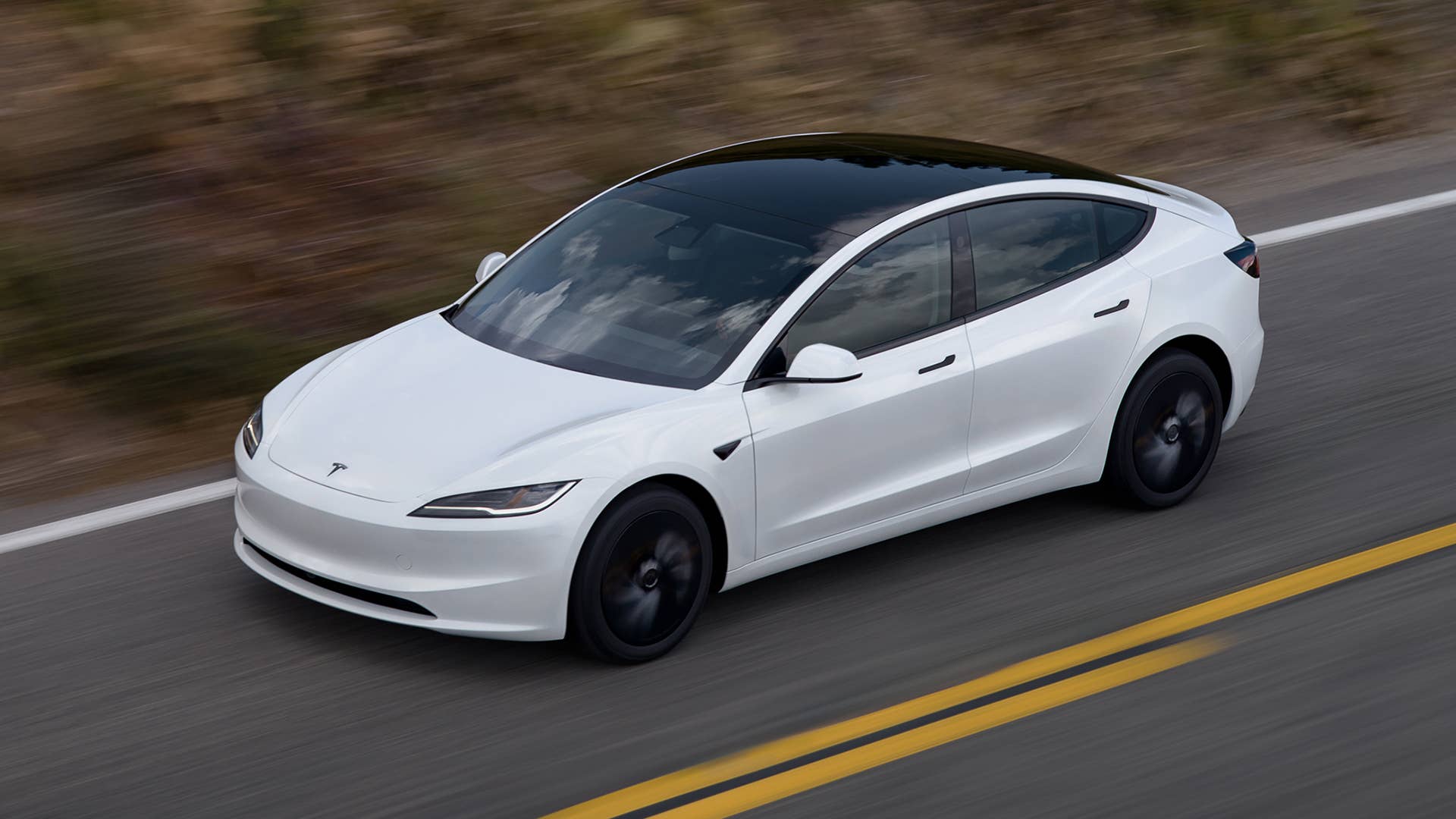
Ford, for example, discontinued the all-electric F-150 Lightning—once a challenger to Tesla in top U.S. EV sales—while signaling a greater emphasis on more affordable EV offerings. Other manufacturers, such as Rivian, have also shifted their focus toward affordability in an effort to regain sales momentum. Together, these moves reflect a broader reassessment of the pace and certainty of an all-EV transition that was once widely assumed across the industry.
With electric vehicles now both politically and economically contested, the U.S. Senate is reportedly considering legislation that would redirect $879 million in EV charging funds previously approved by Congress to other infrastructure priorities.

About the author

Rex Sanchez
News Editor