
A National Tech Pivot
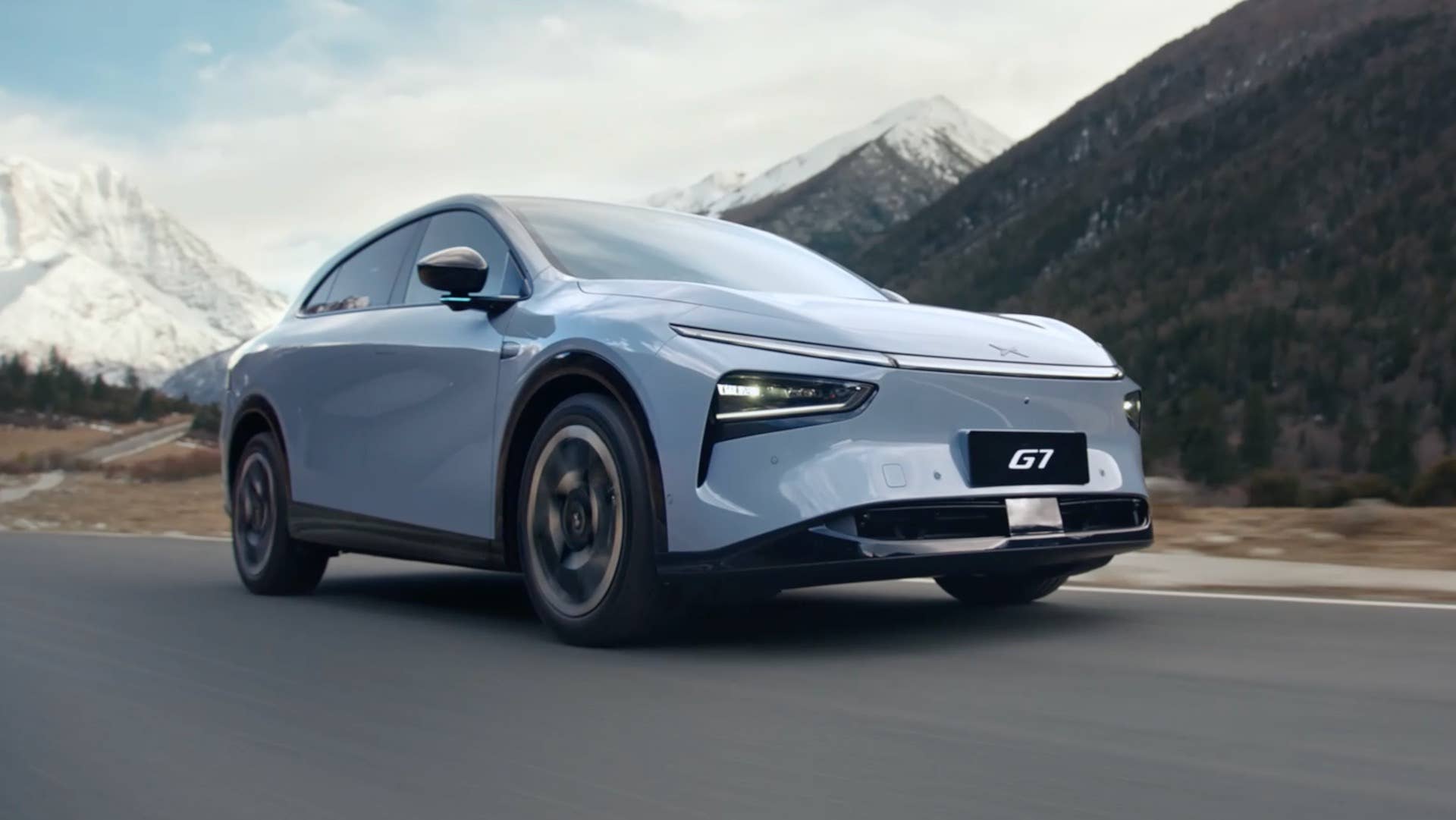
AI, like agriculture and electricity, belongs among the human inventions that have reshaped the world, and China is moving to capitalize on it. Reuters reports that the country’s latest five-year plan includes a blueprint for “AI Plus,” which seeks to integrate AI systems into nearly every sector, including automotive.
One notable goal is to reduce dependence on high-end semiconductors, a trade chokepoint described as dominated by the U.S. It essentially means China is reinventing itself with AI at the center, with Francois Roudier, secretary general of the International Organisation of Motor Vehicle Manufacturers, telling the publication that “there is no transition” but rather “it’s a revolution.”
Cars That Think Back
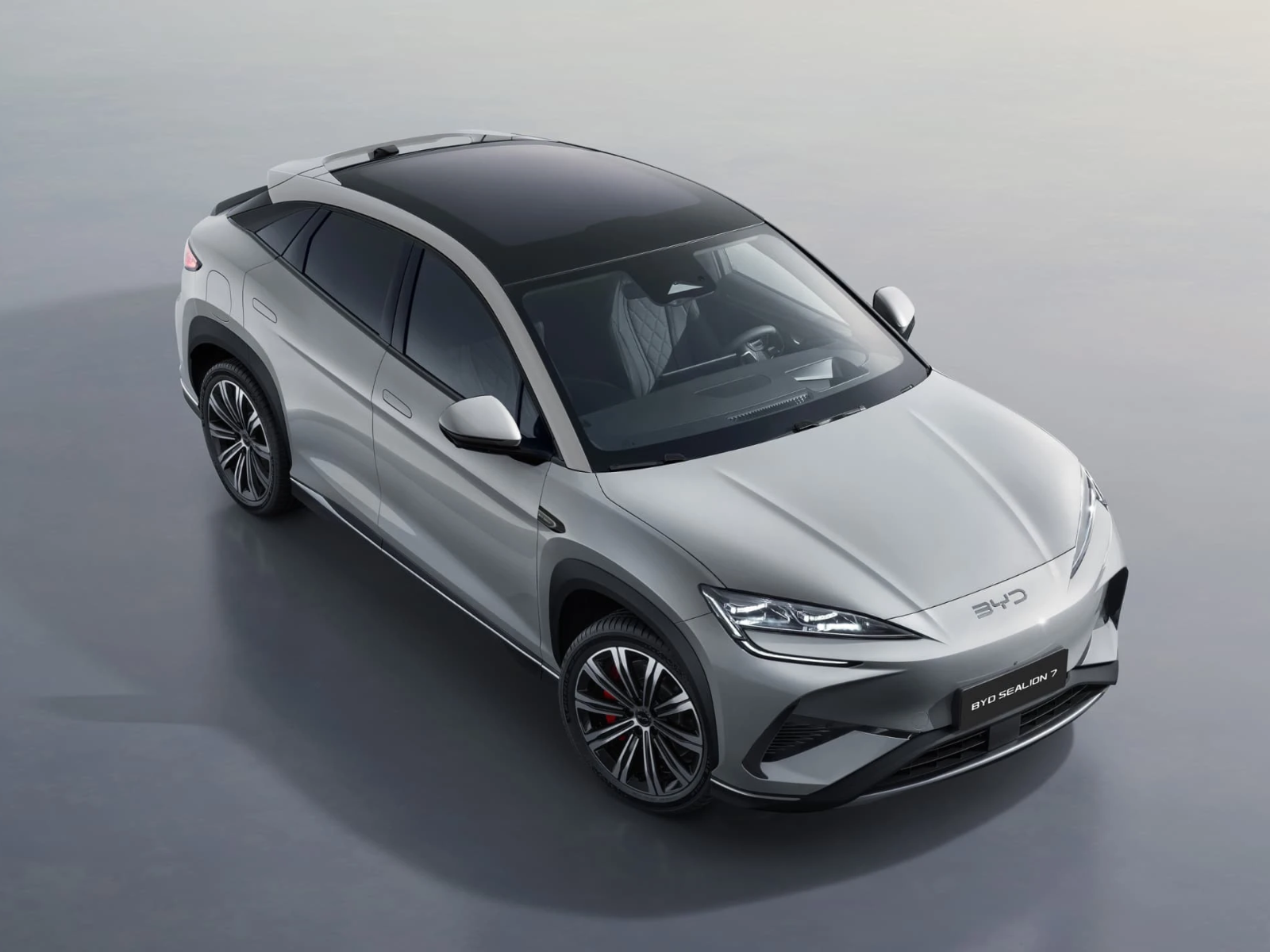
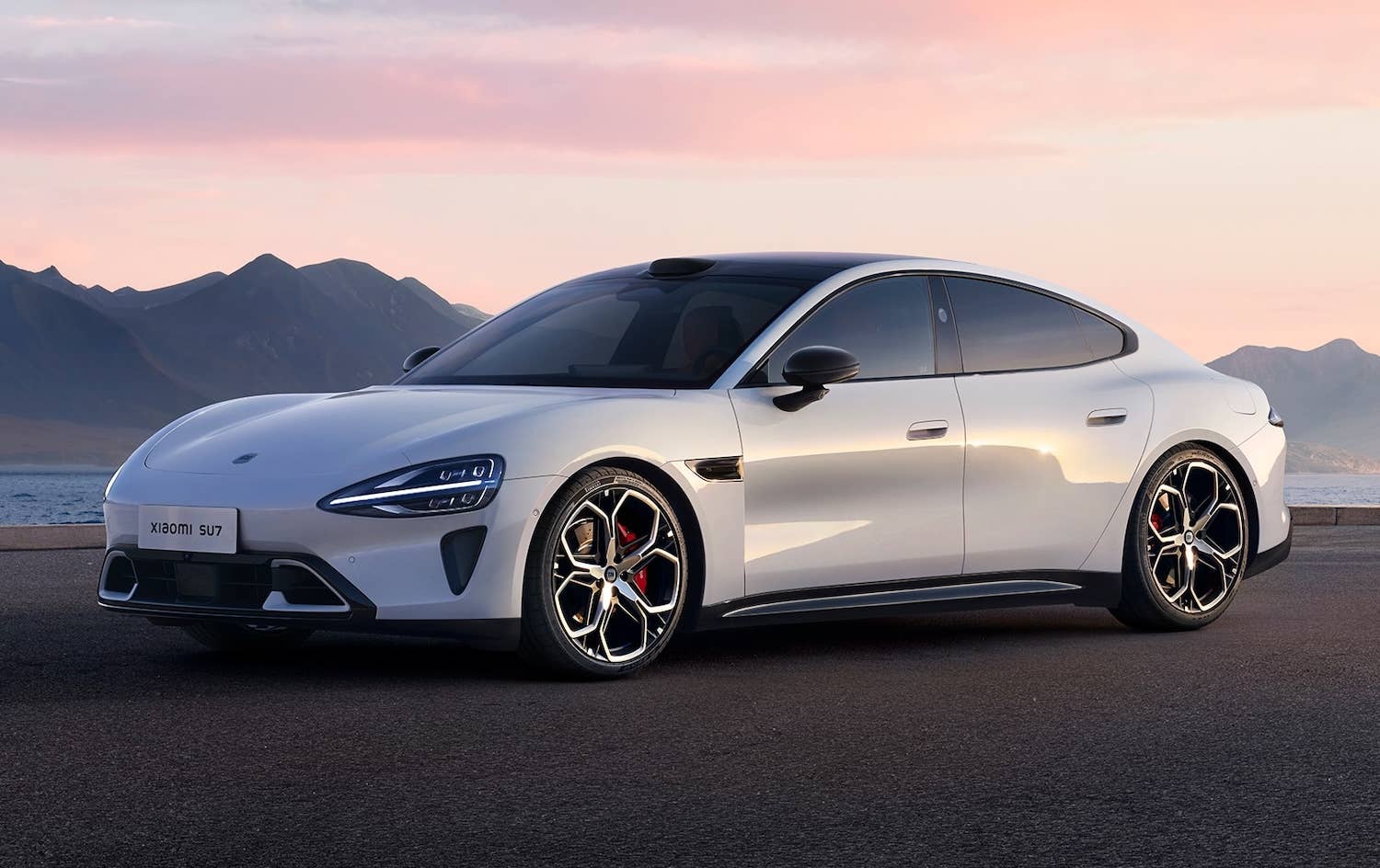
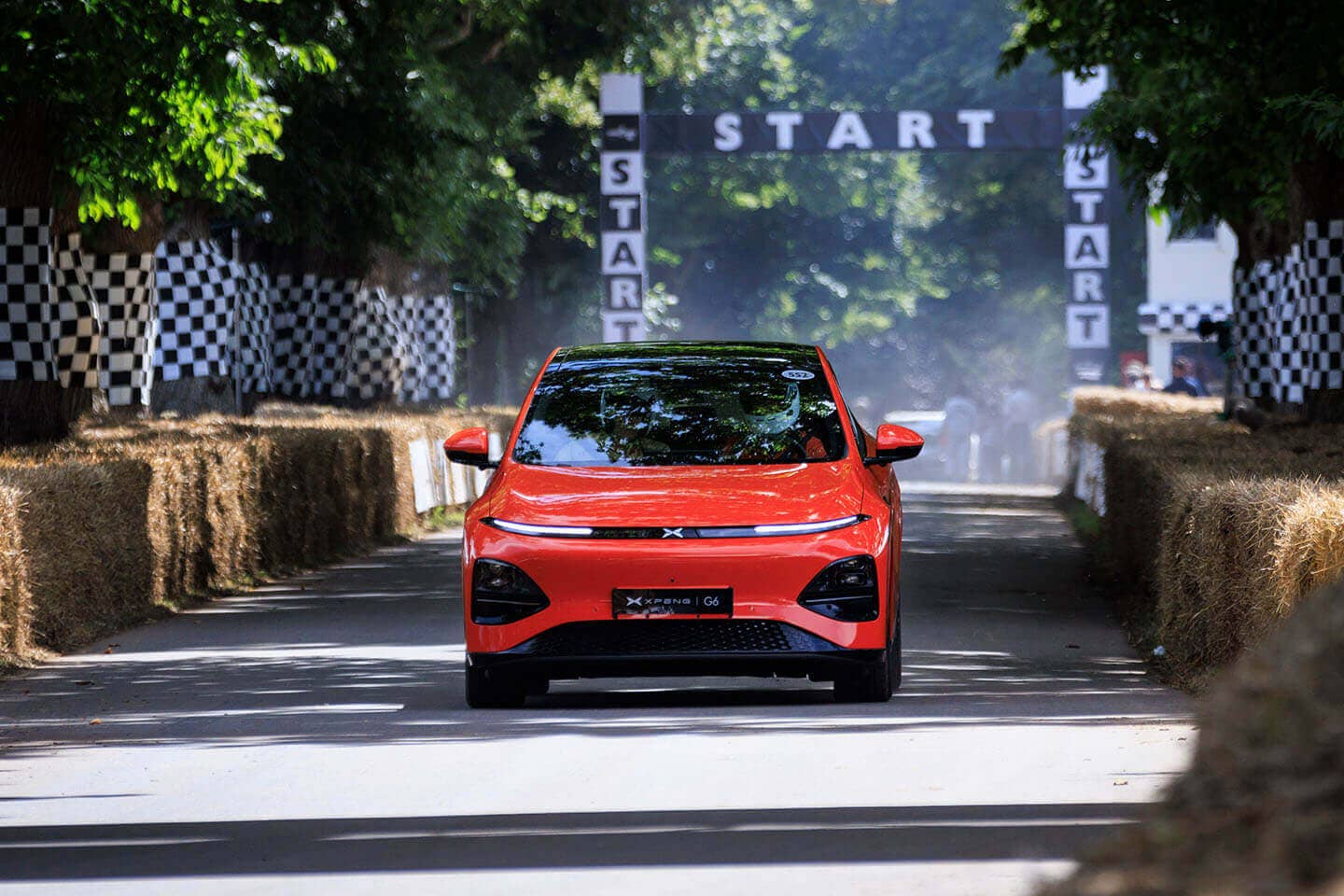
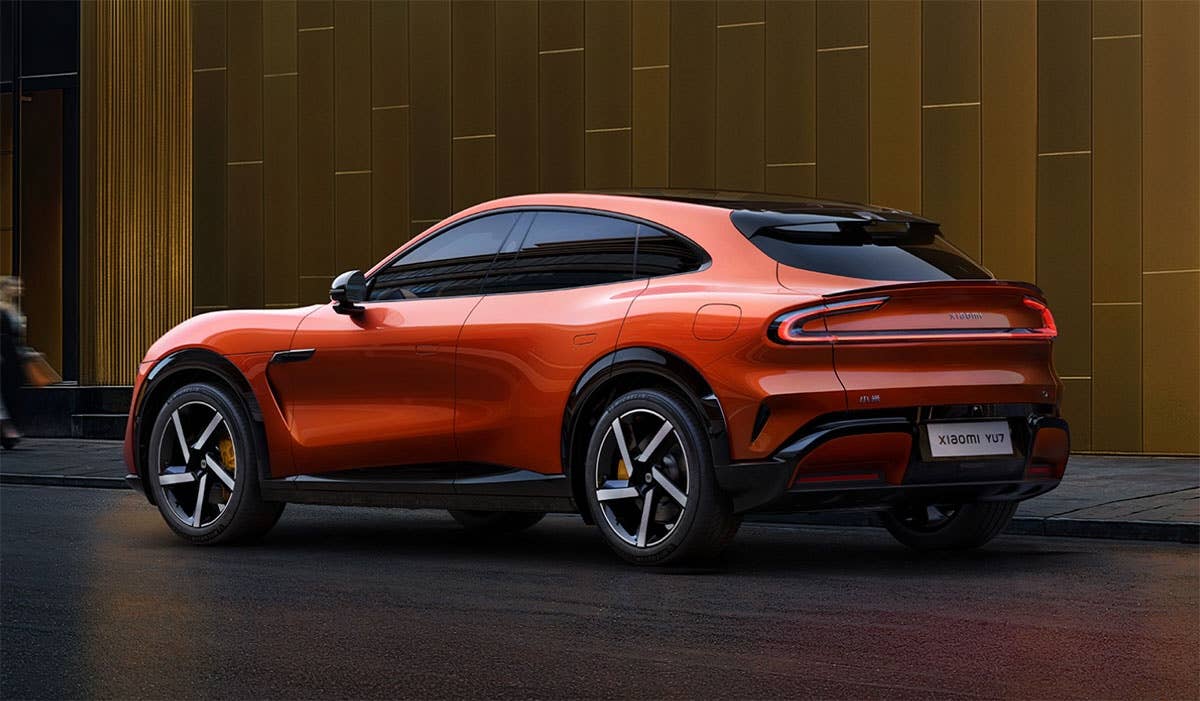
Several Chinese automakers, including Xiaomi and Xpeng, are already showcasing AI-driven features such as advanced voice assistants that can handle tasks beyond the car, like making restaurant reservations. Meanwhile, Huawei, a tech giant that also competes with Apple and Samsung in smartphones, said it will invest more than $10 billion to advance smart driving over the next five years.
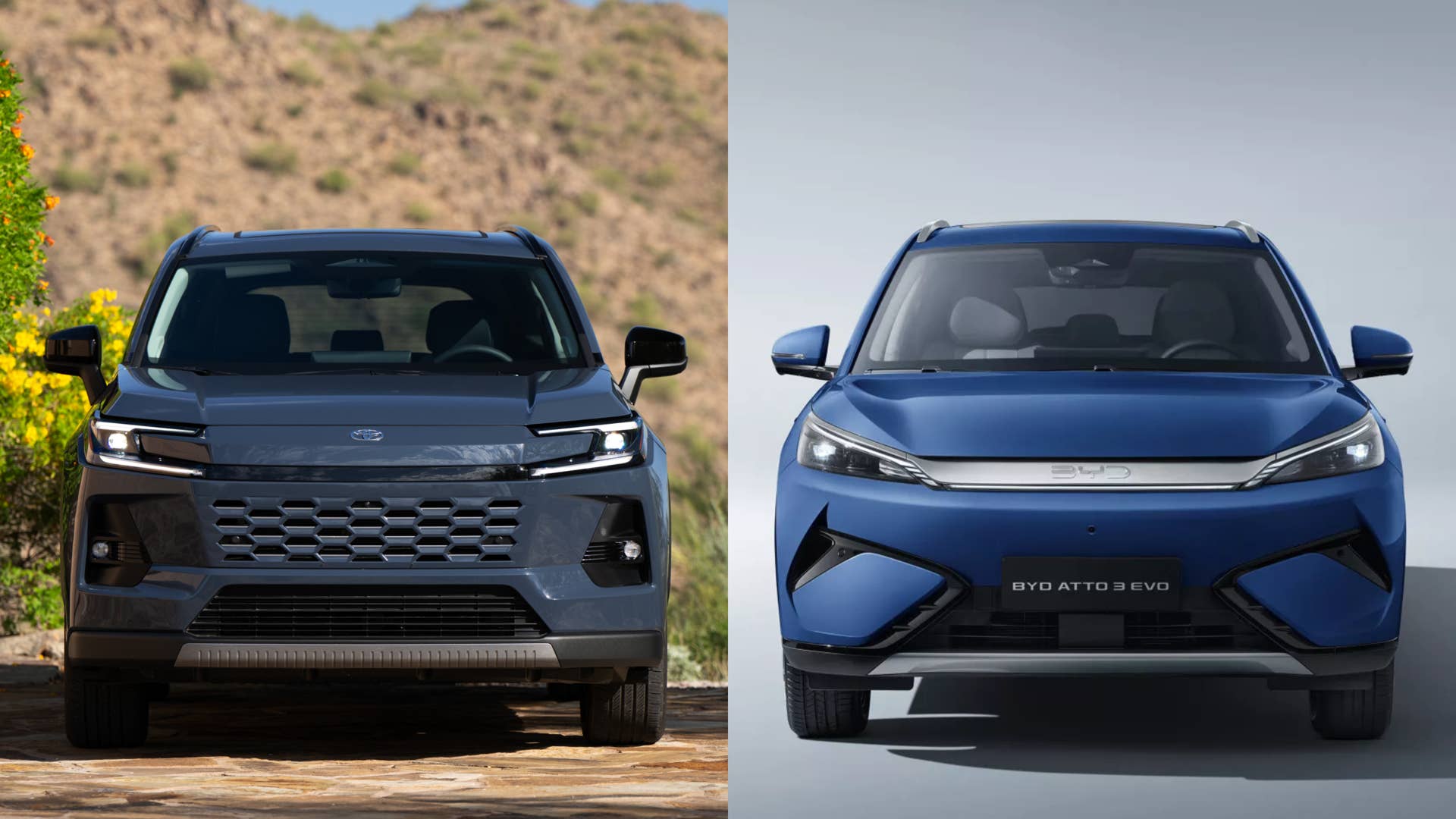
With China already leading the electric vehicle market in areas like battery technology, a shift toward AI-defined vehicles driven by government policy could further pressure legacy automakers. After all, a more convenient car that does more than just get from point A to point B is likely to appeal to many buyers. While some enthusiasts may resist the change, AI has already begun reshaping industries across the board.
Xiaomi
The Next Auto Revolution
It is still early to tell how AI will transform the automotive industry in the long term. If anything, such innovation could give U.S. policymakers another reason to scrutinize Chinese cars, since AI-powered and connected vehicles depend on large amounts of data, raising national security and privacy concerns.
The current outlook is best summed up by Nissan Motor China chief Stephen Ma, who told reporters at the 2026 Beijing Auto Show that “there’s no longer a distinction between a technology company and a car company.” Automakers are shifting away from traditional hardware like engines and multi-gear transmissions to prioritize AI-powered software platforms. It will be interesting to see how foreign automakers respond to China’s “AI Plus” push in the coming years.
About the author

Rex Sanchez
News Editor