

Save yourself the headache
When you’re buying a new car, depreciation is often the hidden cost that stings the most. It quietly eats away at your investment, sometimes to the tune of tens of thousands of dollars. And in 2025, that sting is getting even sharper.
A new report from iSeeCars analyzed more than 800,000 used cars sold between March 2024 and February 2025, looking at how much value each model lost over a typical five-year ownership period. The results are sobering, especially for anyone driving a luxury sedan or an electric vehicle.
The average new car now loses 45.6% of its value after five years, up significantly from 38.8% just two years ago. Certain models, however, plummet far faster. EVs as a category are losing value faster than ever before, with average depreciation rates hitting 58.8%. Luxury vehicles didn’t fare much better, largely due to high starting prices, costly maintenance, and shifting market preferences. Below are the 10 vehicles with the highest depreciation rates in 2025 and the amount of money their owners typically lose after five years behind the wheel.
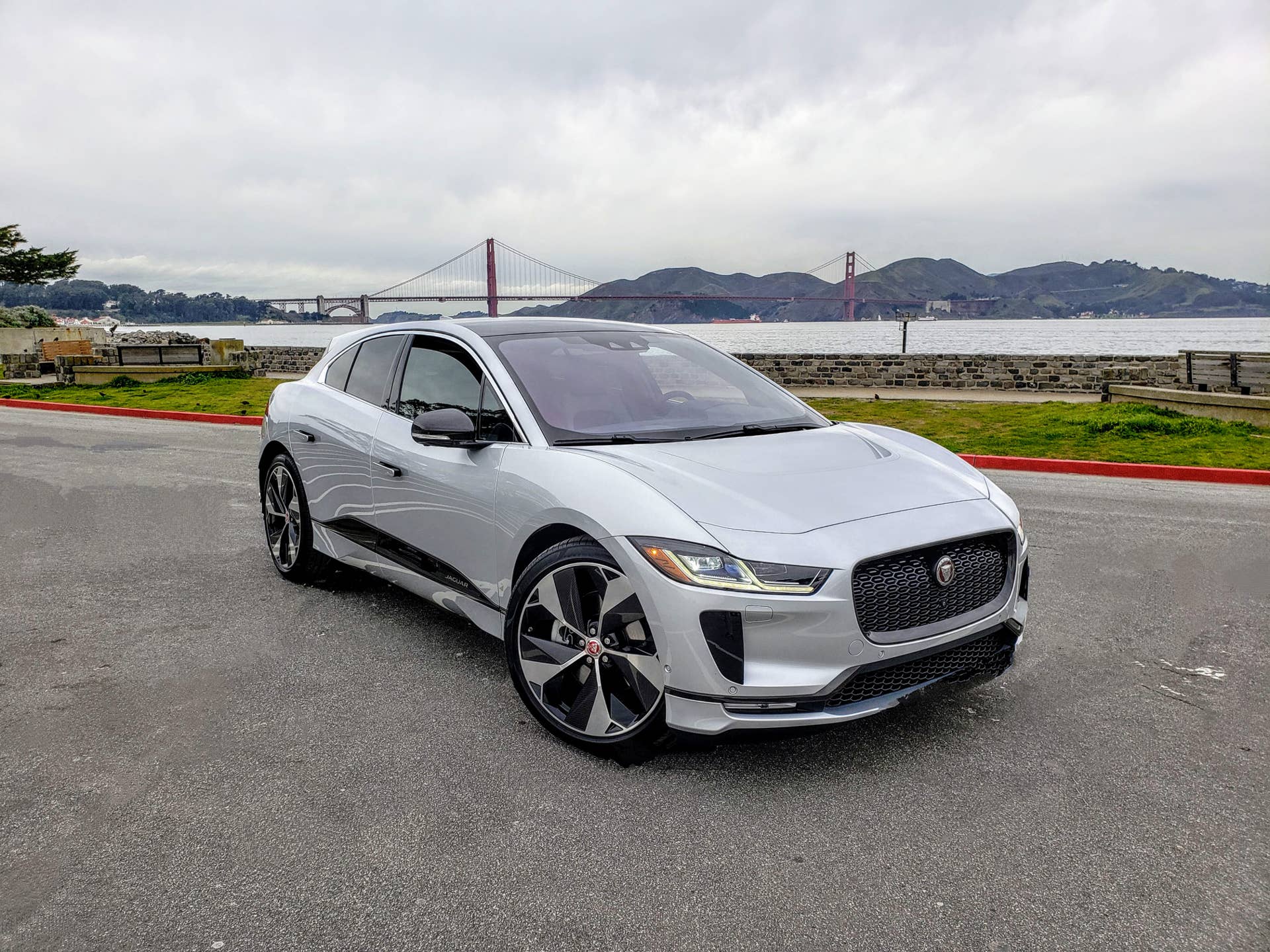
Jaguar I-PACE – 72.2% depreciation
Kyle Edward
The Jaguar I-PACE takes the top spot for worst resale value, depreciating by 72.2% over five years. That translates to an average loss of $51,953. Despite being a well-reviewed luxury EV when it launched, the I-PACE has struggled to keep up with rapid advances in range, charging speed, and in-car tech. With plenty of newer, more efficient electric SUVs now on the market, used buyers simply aren’t as interested in Jaguar’s first EV.
BMW 7 Series – 67.1% depreciation
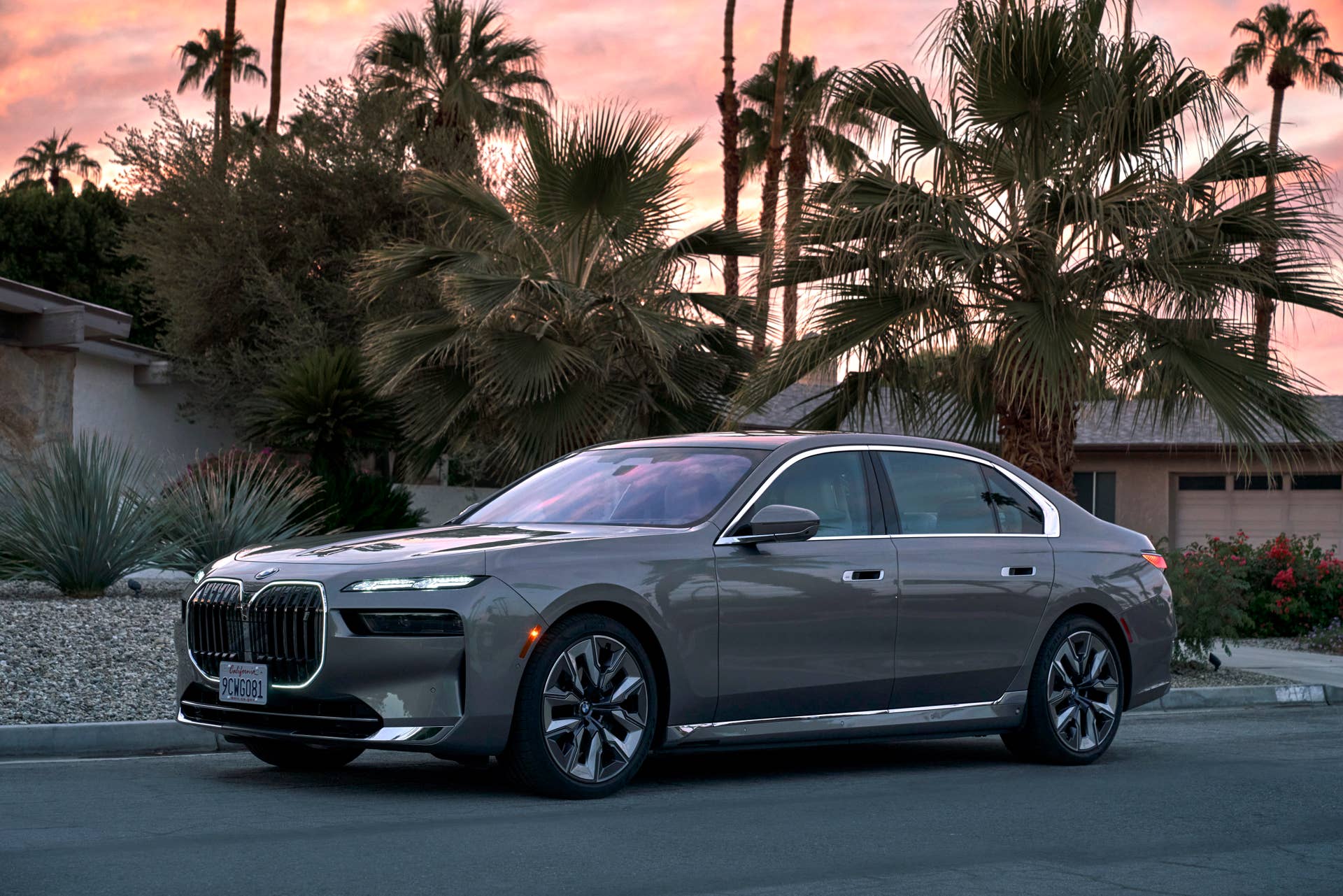
BMW’s flagship luxury sedan depreciated by 67.1%, which amounts to a staggering $65,249 average loss. While it delivers exceptional comfort and cutting-edge technology, the 7 Series faces stiff competition and a relatively small audience in the used market. Add in expensive repairs and rapidly evolving tech features, and it’s easy to see why buyers aren’t paying top dollar for older models.
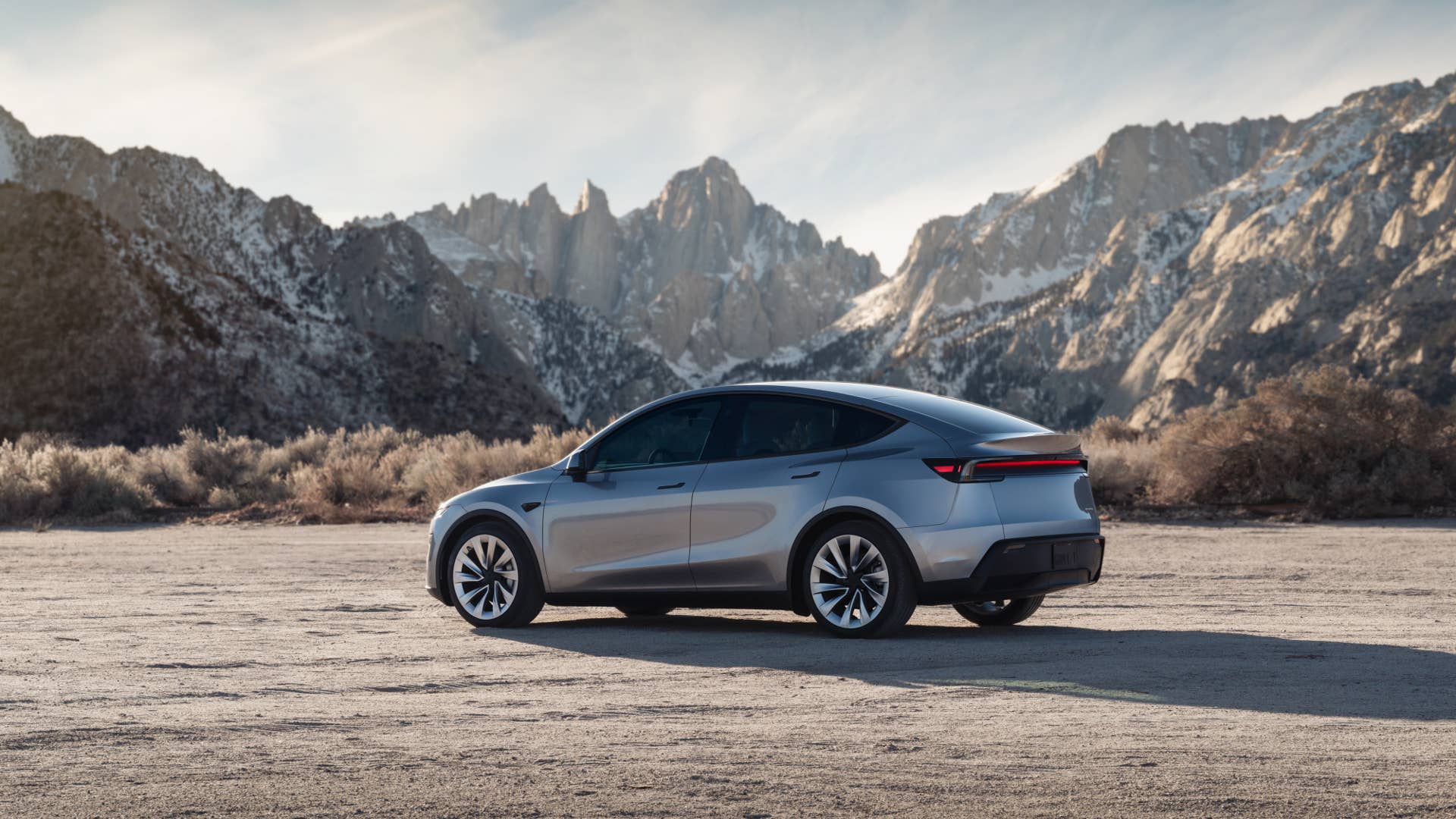
Tesla Model S – 65.2% depreciation

Once a game-changer in the EV world, the Tesla Model S has dropped 65.2% in value over five years. That’s an average hit of $52,165. As Tesla refreshes its lineup and more competitors enter the market with faster charging, better interiors, and lower price tags, the value of used Model S sedans has steadily declined. It’s a harsh reality for early adopters who paid a premium.
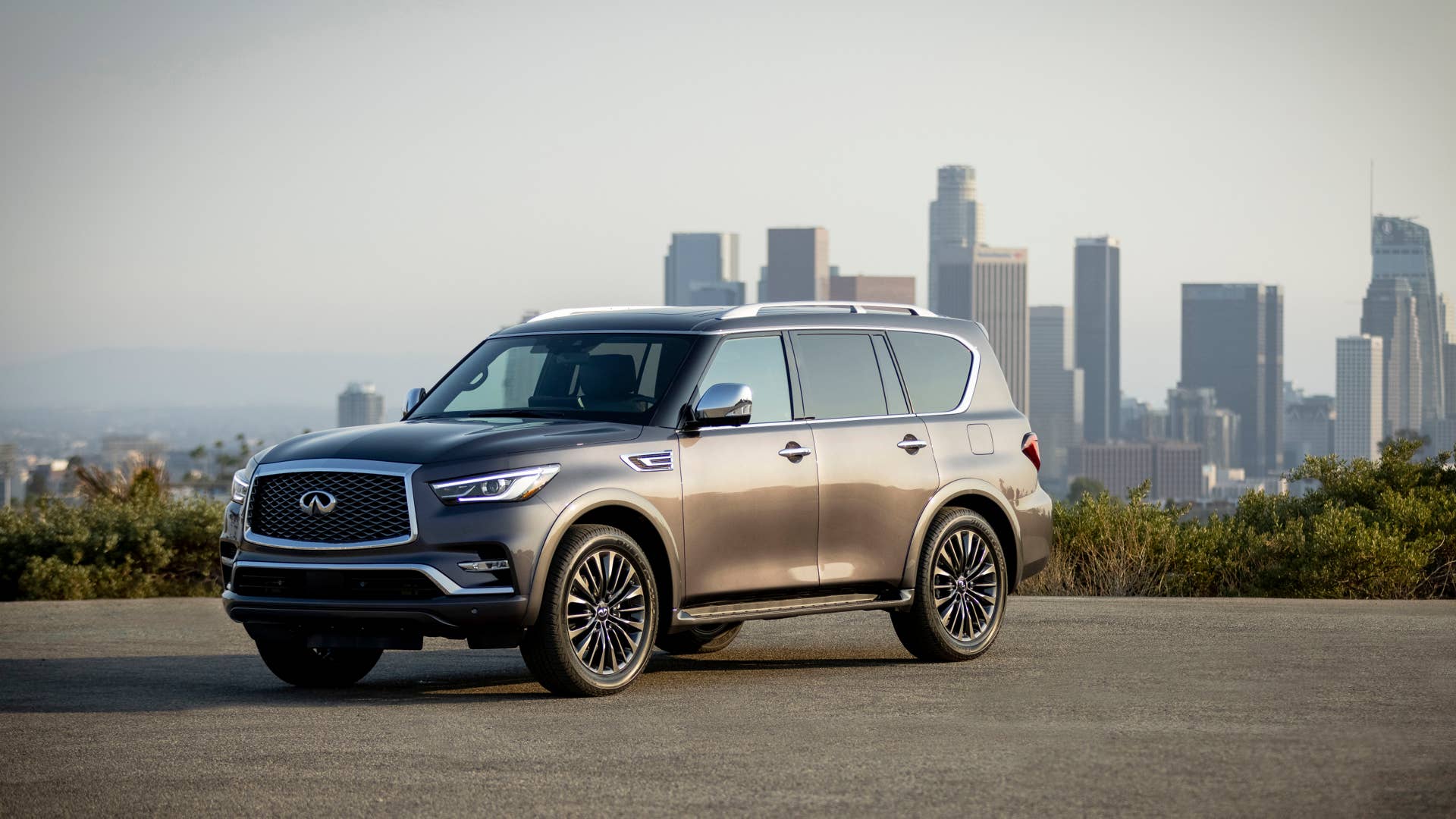
INFINITI QX80 – 65% depreciation
Infiniti
The INFINITI QX80, a full-size luxury SUV, lost 65% of its value, or around $53,571 on average. Though it offers loads of passenger space and a smooth ride, its outdated interior design and poor fuel economy make it a tough sell used, especially with newer full-size SUVs offering more efficiency and technology.
Maserati Ghibli – 64.7% depreciation

Maserati
The Maserati Ghibli lost 64.7% of its value over five years, with owners seeing about $70,874 evaporate from the original sticker price. While the Ghibli has Italian flair, its reliability concerns, expensive upkeep, and lack of brand prestige in the luxury space leave used buyers wary.
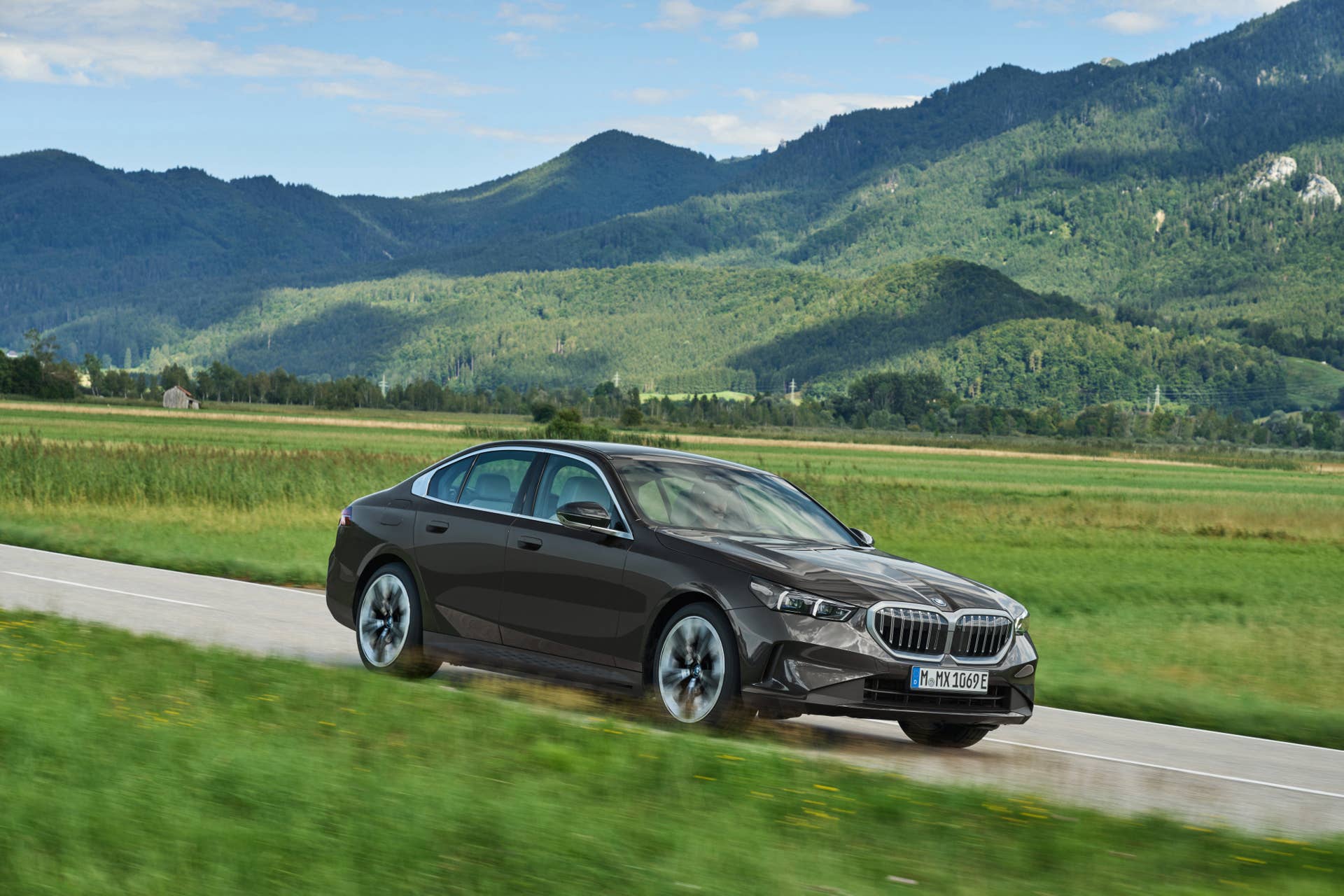
BMW 5 Series (Hybrid) – 64.7% depreciation
BMW
The hybrid version of BMW’s 5 Series also saw heavy depreciation at 64.7%, or an average of $47,457 lost after five years. Though it blends performance and efficiency, it’s overshadowed by plug-in hybrids and newer EVs. It falls into a tricky middle ground, not quite electric and not quite exciting enough to hold value.
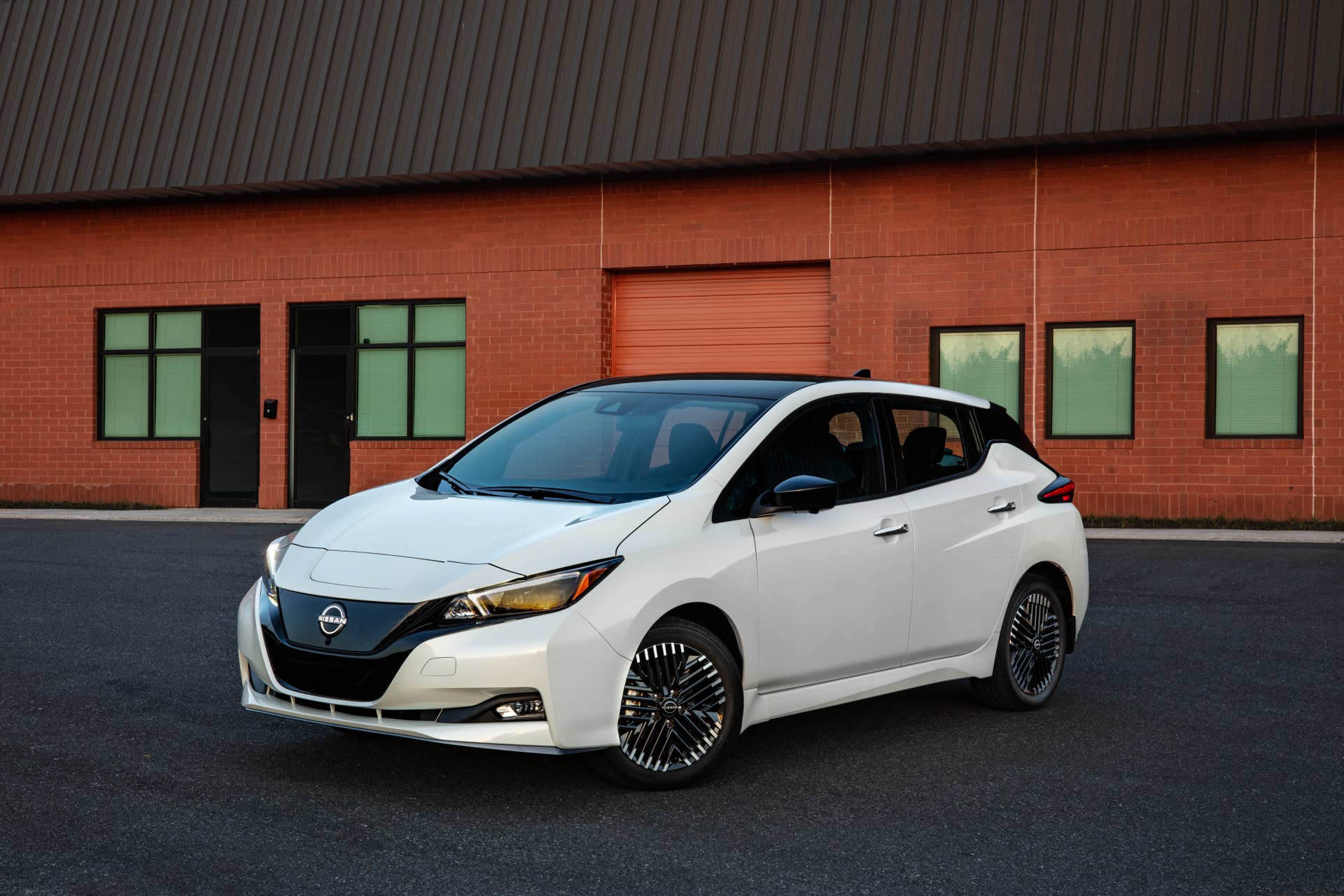
Nissan LEAF – 64.1% depreciation
Nissan
The Nissan LEAF depreciated by 64.1% in five years, equal to about $18,043 in lost value. It’s one of the more affordable cars on the list, but even budget EVs are struggling to maintain value. With limited range and aging tech compared to newer offerings, the LEAF has a tough time standing out in a fast-evolving segment.
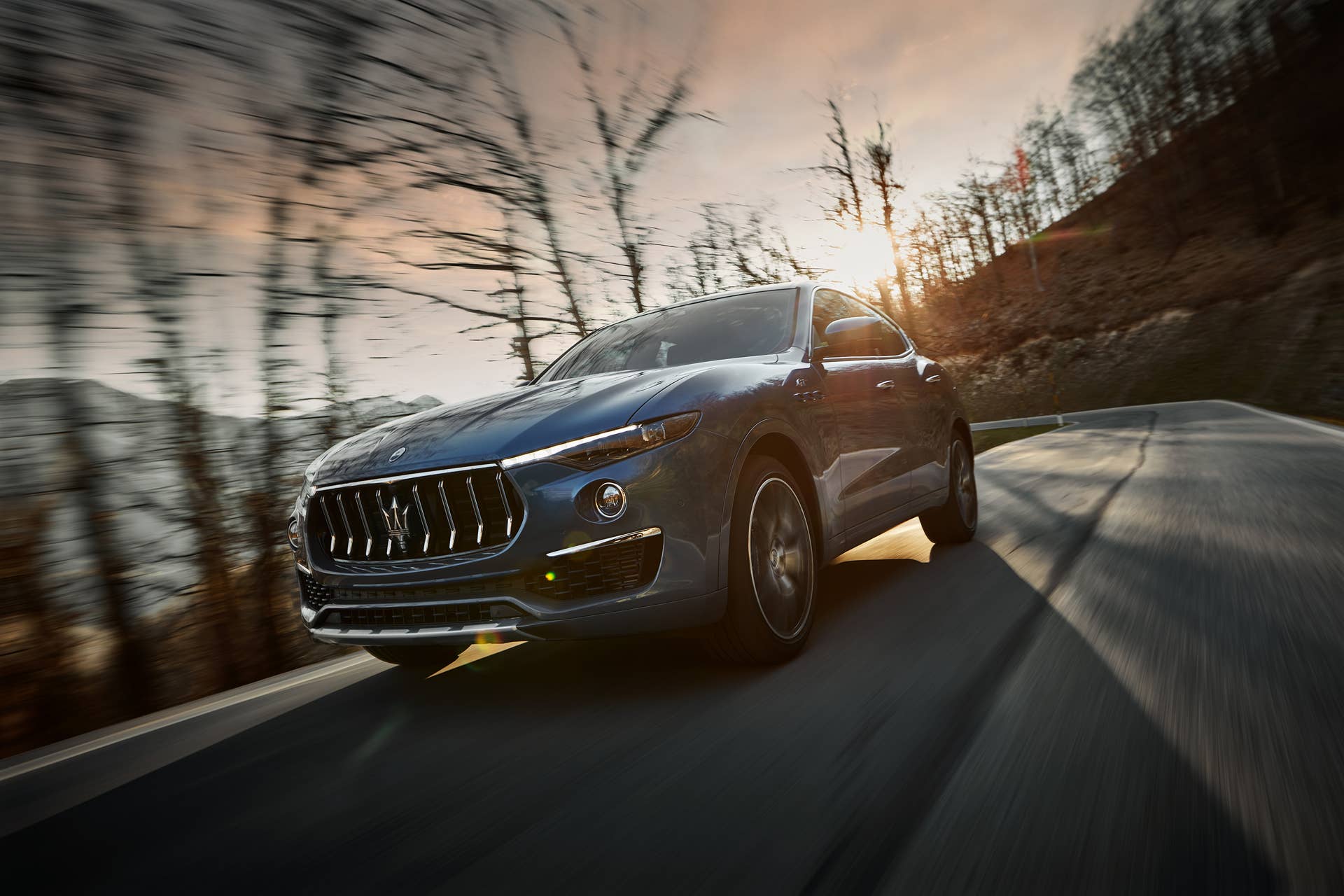
Maserati Levante – 63.7% depreciation
Maserati
Maserati’s luxury SUV, the Levante, lost 63.7% of its value in five years, or about $64,991. Despite its upscale design and sporty engine options, high maintenance costs, questionable long-term reliability, and limited dealer support make it a risky bet for used buyers.
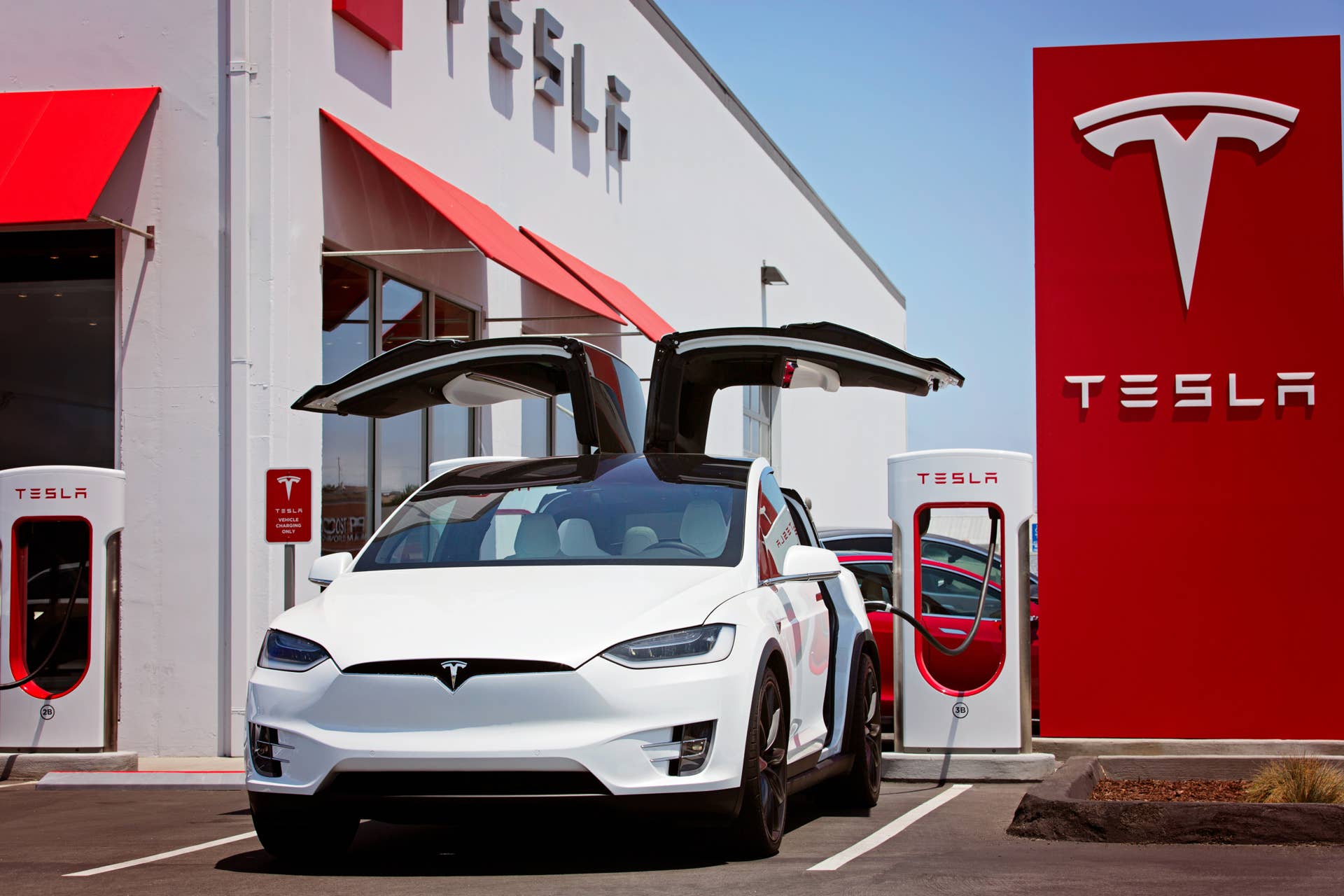
Tesla Model X – 63.4% depreciation
Aleksei Potov - stock.adobe.com
Tesla’s Model X SUV, with its signature falcon-wing doors and roomy interior, depreciated 63.4%, shedding around $53,846 in value. As with the Model S, resale values are undercut by newer tech, improved battery range in rivals, and a flood of fresh EV options from legacy automakers.
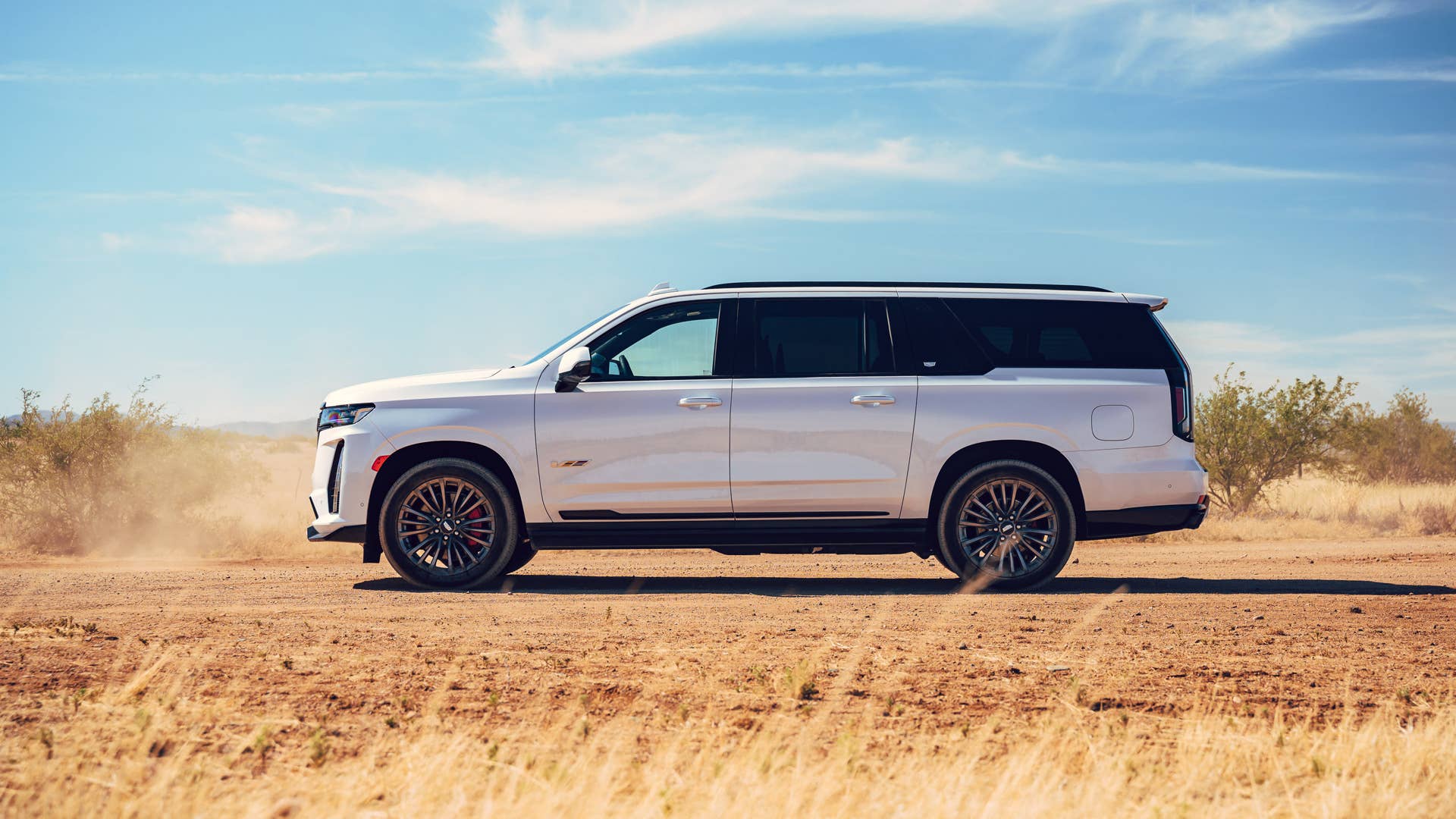
Cadillac Escalade ESV – 62.9% depreciation
Cadillac
The extended-length Cadillac Escalade ESV rounds out the list, losing 62.9% of its value, or about $56,996, over five years. While it remains a symbol of American luxury, its high purchase price, fuel economy, and steep running costs drive down demand in the used market, especially as buyers shift toward more practical or electrified alternatives.
Final thoughts
While depreciation may not be top of mind when you’re shopping for a new car, it should be, especially if you plan to sell or trade in your vehicle within a few years. For EVs and luxury models in particular, resale values can be shockingly low, turning what seemed like a savvy splurge into a costly mistake.
According to iSeeCars Executive Analyst Karl Brauer, the market is moving fast. “The variation between vehicle types and specific models is something consumers should consider when researching their next purchase. The difference between buying a hybrid versus an electric vehicle could be tens of thousands of dollars in lost value.”
This doesn’t mean you should avoid these vehicles entirely — many still offer great performance, safety, and comfort. But if you’re trying to make the most financially sound decision, it’s worth looking at vehicles that retain their value better over time. After all, the car that makes you feel rich today might just make your wallet feel a lot lighter tomorrow.
About the author

Elijah Nicholson-Messmer
Contributing Writer, Autoblog