
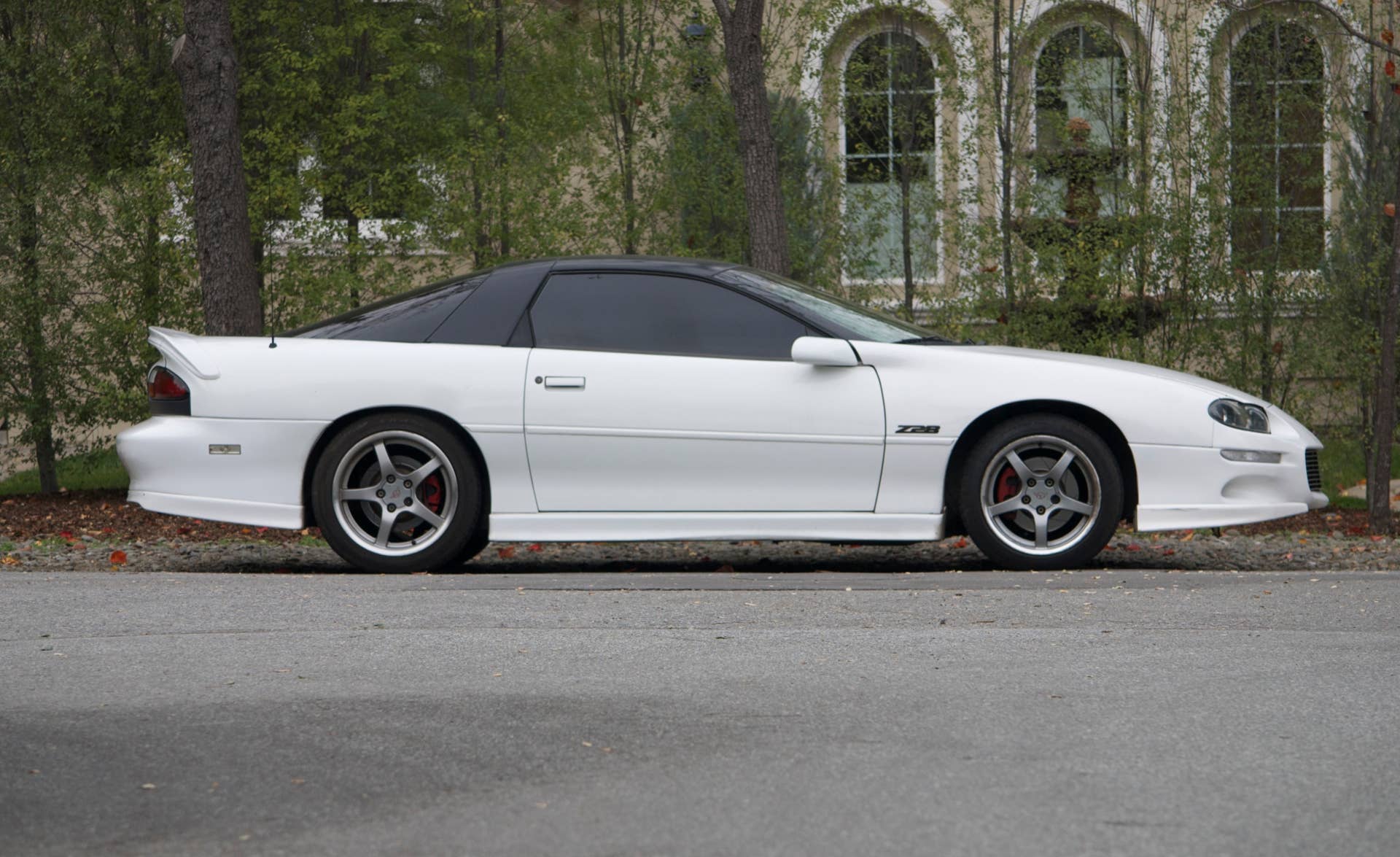
The analog muscle car that refuses to die
In an era dominated by EVs and automatics, finding a true rear-wheel-drive, V8-powered, manual-transmission car is like finding buried treasure. But the fourth-generation Chevrolet Camaro Z28 is still out there—still cheap, still fast, and still unapologetically analog.
Built from 1993 to 2002, the Z28 came with everything muscle car fans crave: a naturally aspirated small-block V8, aggressive styling, and the option of a six-speed manual. It’s not a museum piece. This car was made to be driven fast, loud, and sideways if necessary.
LS1 power and Corvette DNA
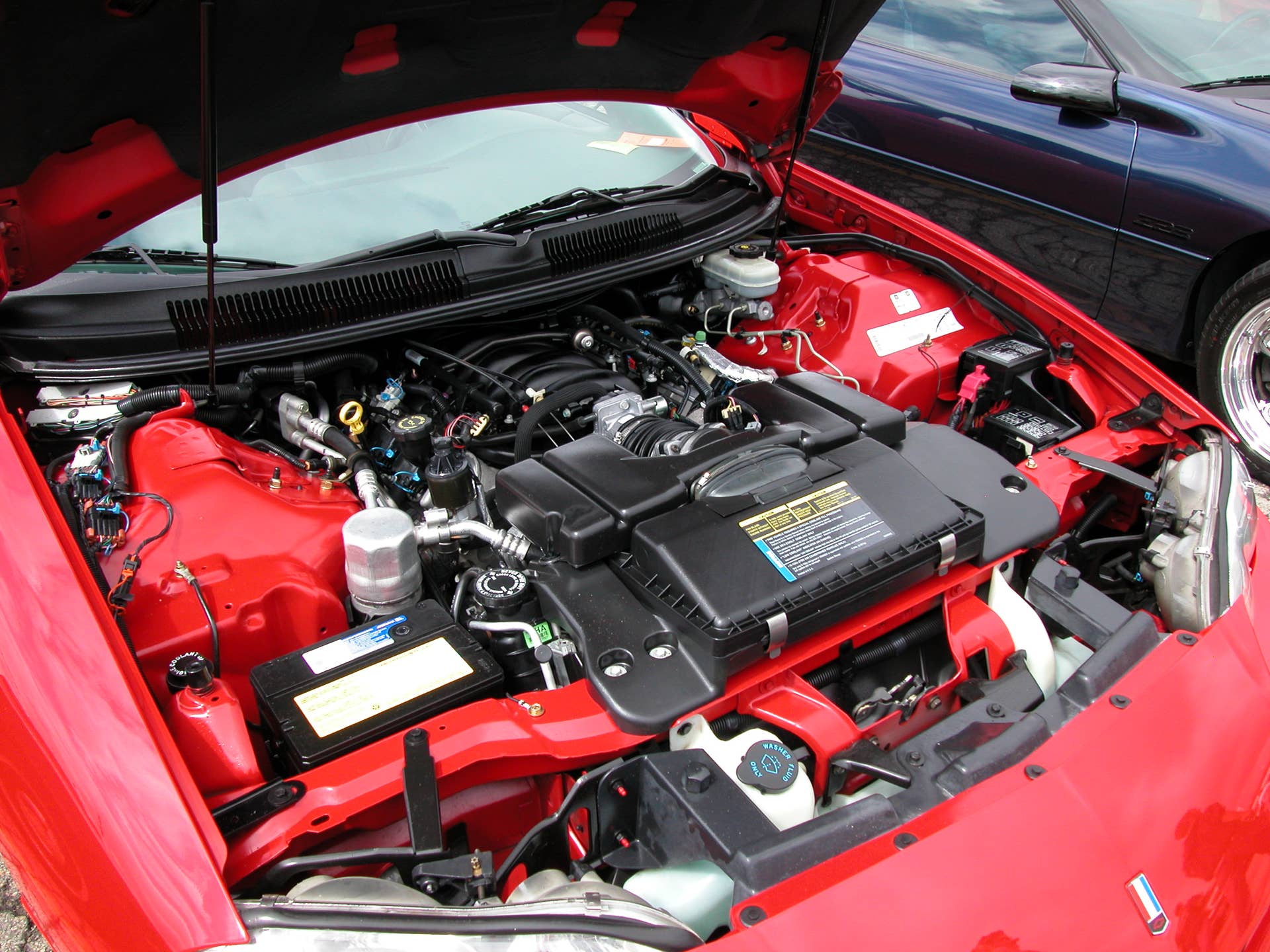
Early fourth-gen Camaros came with a 5.7-liter LT1 V8 borrowed from the Corvette, delivering 275 horsepower. However, things really got interesting in 1998, when GM introduced the all-aluminum LS1. That engine bumped power up to 305 hp and 335 lb-ft of torque, and paired with a six-speed Tremec manual, it turned the Camaro into a legitimate track-day brawler.
Wikimedia Commons
While the LS1 made even more power in the Corvette thanks to a better intake and exhaust, the Camaro’s version still had plenty of punch and room to grow. It was a lighter car, too, thanks to the F-body platform it shared with the Pontiac Firebird. With good tires and a competent driver, it could hang with far more expensive cars from the same era.
What does it cost today?
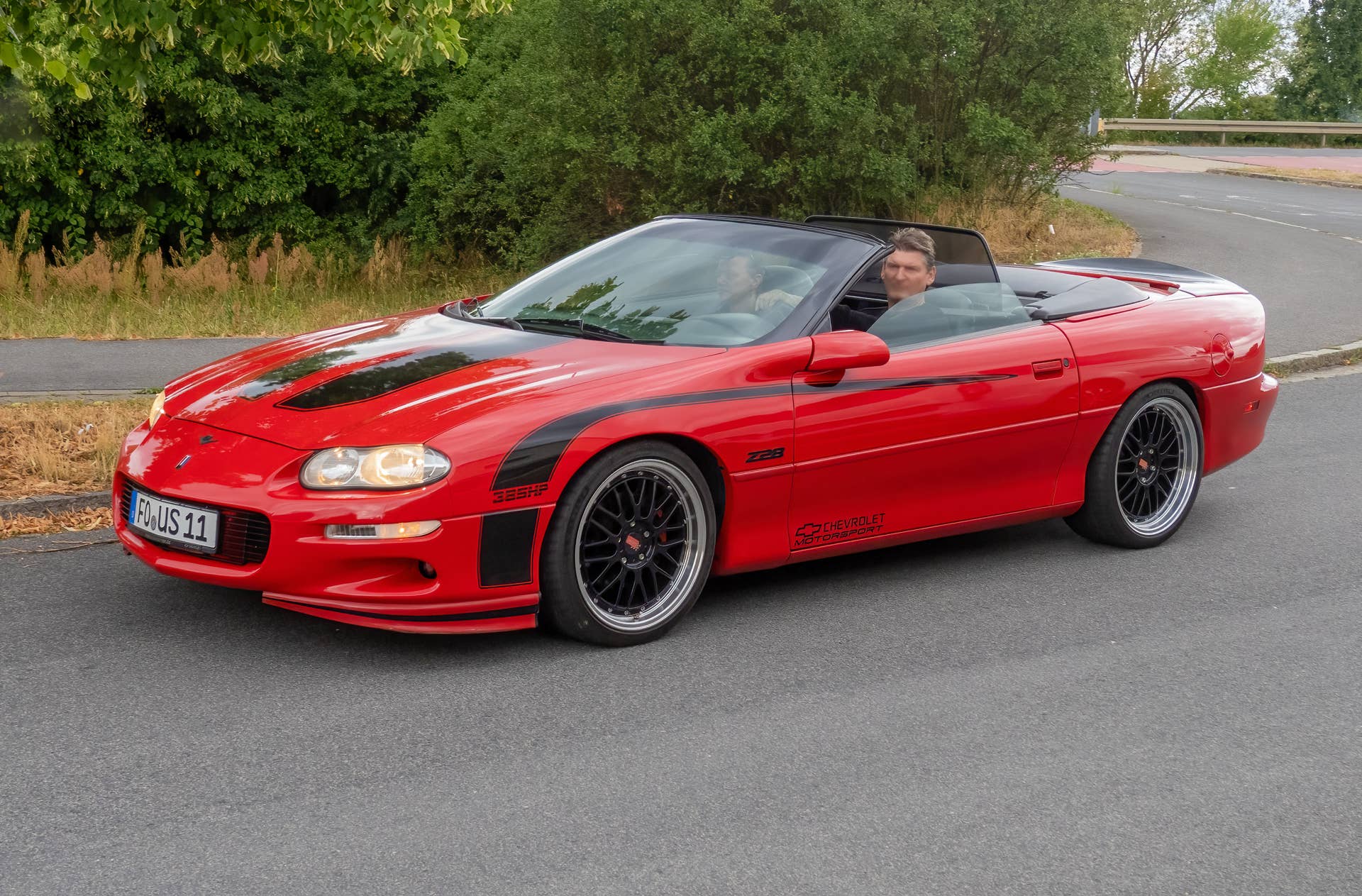
Back in 1993, a new Camaro Z28 started at $16,779. By 1998, the LS1-equipped model carried a $20,995 sticker. Fast forward to today, and the shocker is this: they’re still going for around the same money. According to Classic.com, the average sale price for a fourth-gen Z28 is around $14,300. Clean manual examples from the LS1 years (1998–2002) tend to fall between $12,000 and $28,000, depending on mileage and condition. Anniversary editions, convertibles, and low-mileage survivors go for more, but even those rarely crack $30K.
Wikimedia Commons
Need proof? A 2002 Z28 with a six-speed and only 33,000 miles recently popped up on Bring a Trailer with a starting bid of $2,500. Or consider a pristine 1997 30th Anniversary Edition Convertible listed at $27,900 with stripes, a stick shift, and just over 33,000 miles on the clock.
The Firebird: Camaro’s underrated twin
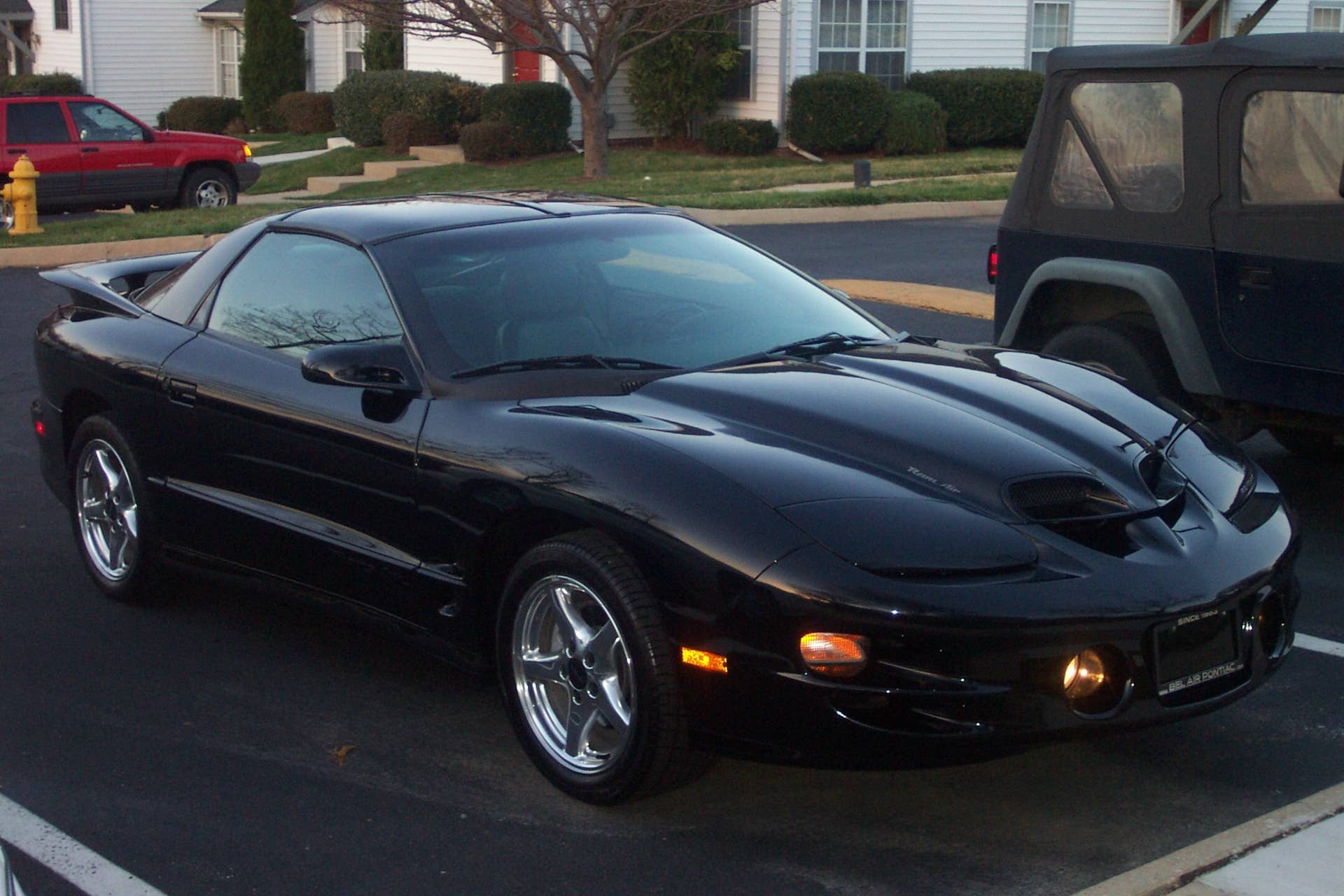
If you love the formula but want to stand out, the Pontiac Firebird—especially in Trans Am or Formula Firehawk trim—is a worthy alternative. Sharing the same engine options and chassis, late-model Firebirds with the six-speed manual are just as potent.
Wikimedia Commons
Fewer were made, so they’re a bit harder to find, but gems are still out there. A purple 1995 Firebird Formula Firehawk with a six-speed manual and under 60K miles is currently listed for $25,777. That’s a lot of style and speed for less than a new Civic.
Final thoughts
The fourth-gen Camaro Z28 is proof that you don’t need to spend big to get big power. For the price of a used econobox, you get RWD, a fire-breathing V8, and a six-speed manual that’s directly connected to your right hand. In a world of sterile, tech-heavy cars, the Z28 delivers raw, old-school fun without the collector tax. If you’re looking for the cheapest way into proper American muscle in 2025, this is it.
About the author

Elijah Nicholson-Messmer
Contributing Writer, Autoblog