
Some saw the trap door and still stepped on it
Every year in the automotive industry, there are a fair number of disappointments amid the numerous breakthroughs and surprises. 2025 has been no exception, and some of this stuff can’t be made up. Some vehicles that have been hotly anticipated end up failing to resonate with buyers, while others are downright polarizing and poorly executed.

Getty Images
While some moves by automakers are pressured by environmental requirements that dilute their purist formulas, others take the form of corporate strategies that seem like the worst kind of unforced errors. Not every move is a good one, and some of them leave us deflated and maybe even a bit angry. Then, there are changes that just make you wonder who’s ultimately responsible for these decisions. Here are the four biggest automotive disappointments of 2025.
Tesla Cybertruck: The wedge got stuck

Did anyone see this coming? Maybe. When the Tesla Cybertruck was unveiled in 2019, it was the hottest news in the automotive world (yes, even the window break). Musk’s angular Cybertruck has been one of the most talked-about vehicles of the past decade, and that takes some doing. However, the range, towing, construction, and supercar-level performance ultimately proved to be letdowns, as did the initial sub-$40,000 price tag, which ballooned to $60,000. By 2025, real-world ownership has revealed cracks in the armor, both figuratively and literally.
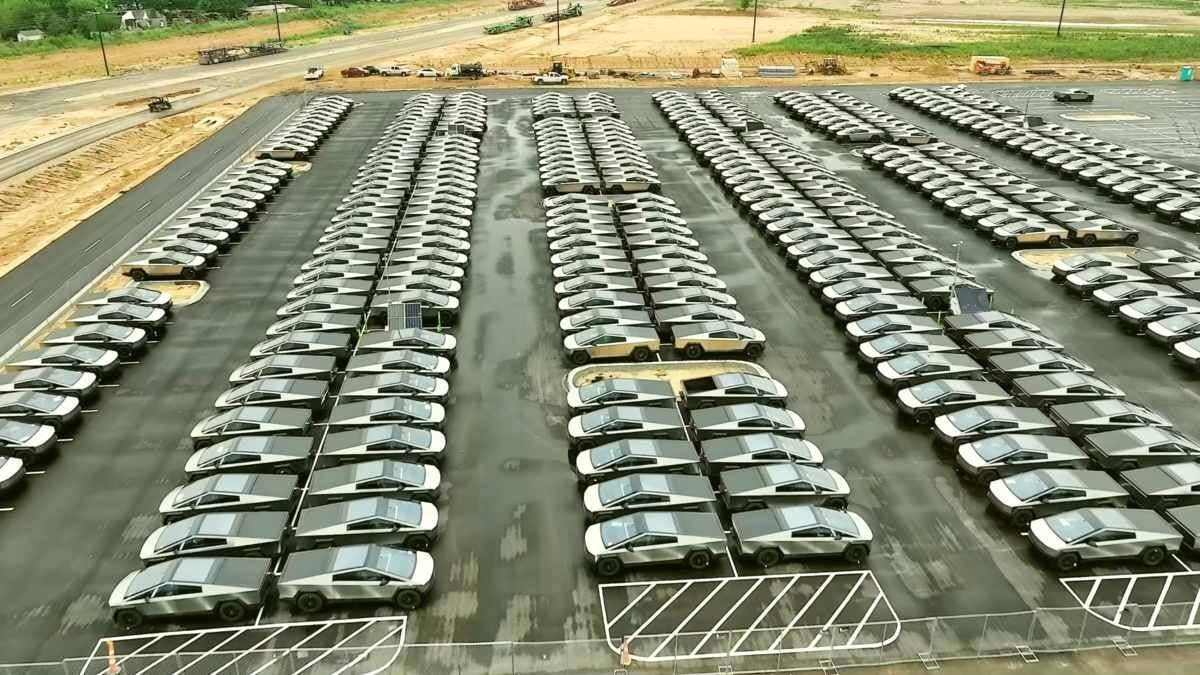
Owners continue to report inconsistent panel gaps, rattling interiors, and concerns about stainless steel bodywork that shows fingerprints, smudges, and dings. Despite Musk’s bold claims, real-world range hasn’t been close to the 340-mile top end. It’s more like 250-320, and maxing out the 11,000-lb. tow rating results in a plummeting range of around 90 miles. Musk’s political involvement with President Trump hasn’t helped matters, either. The end result is thousands of unsold Cybertrucks sitting on lots, and Tesla has struggled to meet its lofty goals, with some Cybertruck workers moved to Model Y production. Cybertruck sales have dropped over 50 percent year-over-year as of Q2 2025.
Jaguar’s rebrand: When pink isn’t hot

Jaguar
If there’s a more controversial rebrand than Jaguar in 2025 (Cracker Barrel notwithstanding), we can’t think of one. Jaguar entered 2025 with a bold strategy: a complete rebrand aimed at transforming the storied British marque into a fully electric, ultra-luxury company by the end of the decade. Jaguar sales have been dropping precipitously over the past few years, and they seemed desperate for a turnaround. The rebrand, however, came across as extreme in a bad way. First, there were the avant-garde androgynes in its ads (without a car in sight). Then the automaker killed off its modern icon, replacing it with a pink electric monolith with no back window. Radical? Yes. Head-scratching? Definitely.

Jaguar
The brand has promised to “redefine luxury” with futuristic EVs, but it hasn’t shown a single production-ready model; only concepts that look like they came out of a giant 3D printer. The backlash has been significant, and even advertising experts have denounced the change. Enthusiasts lament the abandonment of Jaguar’s racing and performance roots. While going electric isn’t inherently a problem, the brand hasn’t explained its plan with any convincing details. Instead of sparking excitement, Jaguar’s rebrand has created more uncertainty. The departure of JLR CEO Adrian Mardell last month does not help matters.
Volkswagen Golf GTI and Golf R: Not sticking to its legendary roots
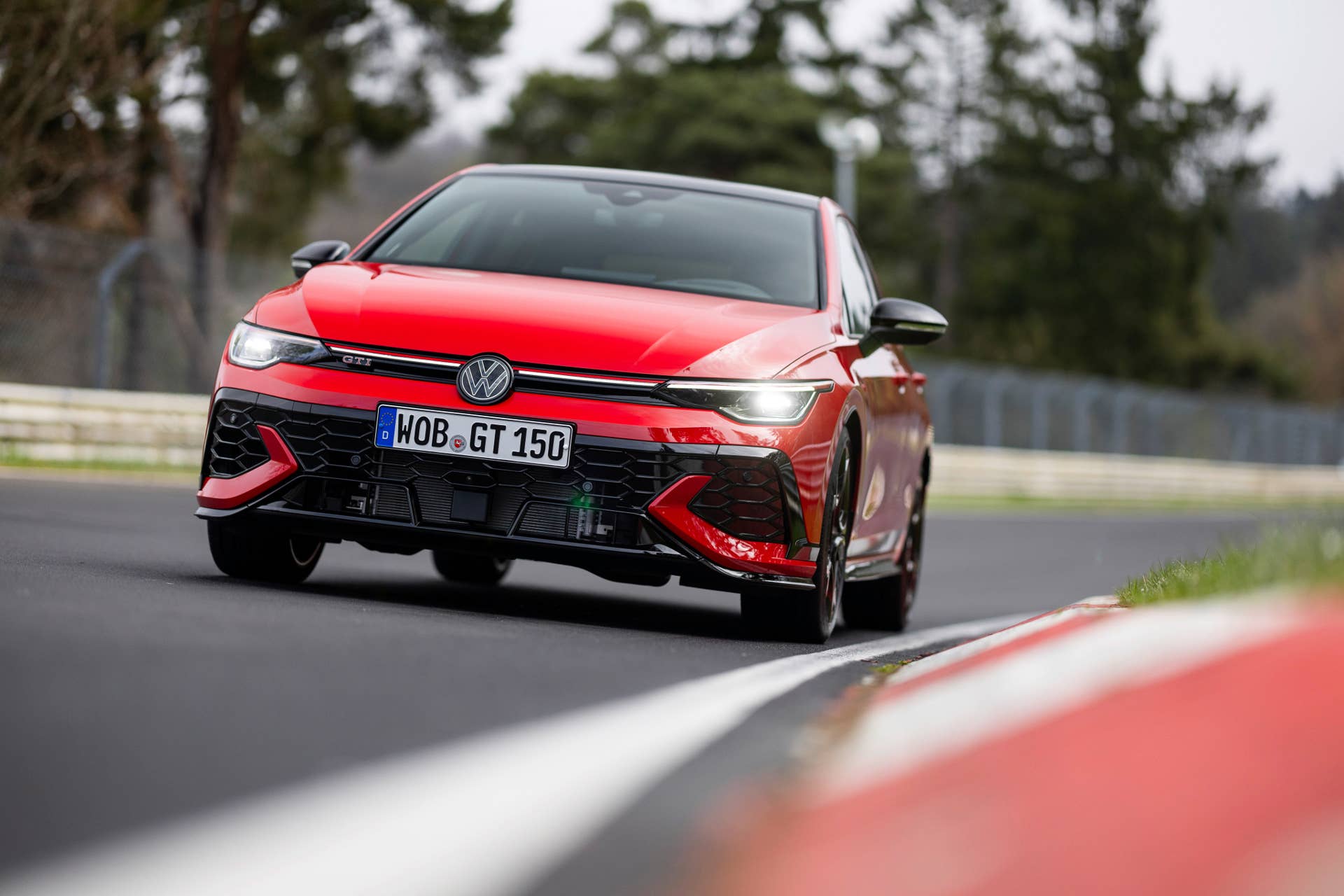
The Golf GTI is the hot hatch granddaddy, but it has lost its most iconic feature: the manual transmission. It hasn’t been the most powerful hot hatch, but it stands as one of the most engaging, attractive, and thrilling. Much of that magic came from the option to rope your own gears, allowing drivers to connect directly with the car in a way that dual-clutch automatics just can’t. In 2025, VW stopped selling both the GTI and Golf R with a manual gearbox. We’re still crying.

Volkswagen discontinued the manual transmission for the GTI primarily due to poor sales and stricter European emissions regulations that made it challenging and pricey to make the manual transmission compliant. The manual GTI has been a rite of passage for driving enthusiasts since the 1970s, and now both cars can only be had with a dual-clutch. Yes, they’re both quick, but the driver engagement just isn’t the same. The proof is in the pudding. In the U.S. in 2024, GTI sales increased 48.6% from 2023, with a meteoric rise of 156% for the manual version before its death. In Q1 2025, sales have dropped by almost 22% year-over-year.
Mercedes-Benz G580 EV: Silent running and sales silence

Mercedes-Benz
The G-Class is one of Mercedes-Benz’s most iconic vehicles, known for its military-inspired boxy shape, monster V8 engines, and the ability to traverse just about anything you can throw at it. Triple locking diffs, gonzo power, and body-on-frame toughness give it the chops that make other luxury SUVs go limp. The G-Wagen (Gelandewagen) has long been a status symbol as much as an off-roader. With a starting price of just over $148,000, the G-Class isn’t exactly cheap, either. In 2025, Mercedes introduced the G580 EQ, an all-electric version aimed at future-proofing the legend. Asking price? $161,500. With that steep price come some glaring shortcomings whose impact was unforeseen.
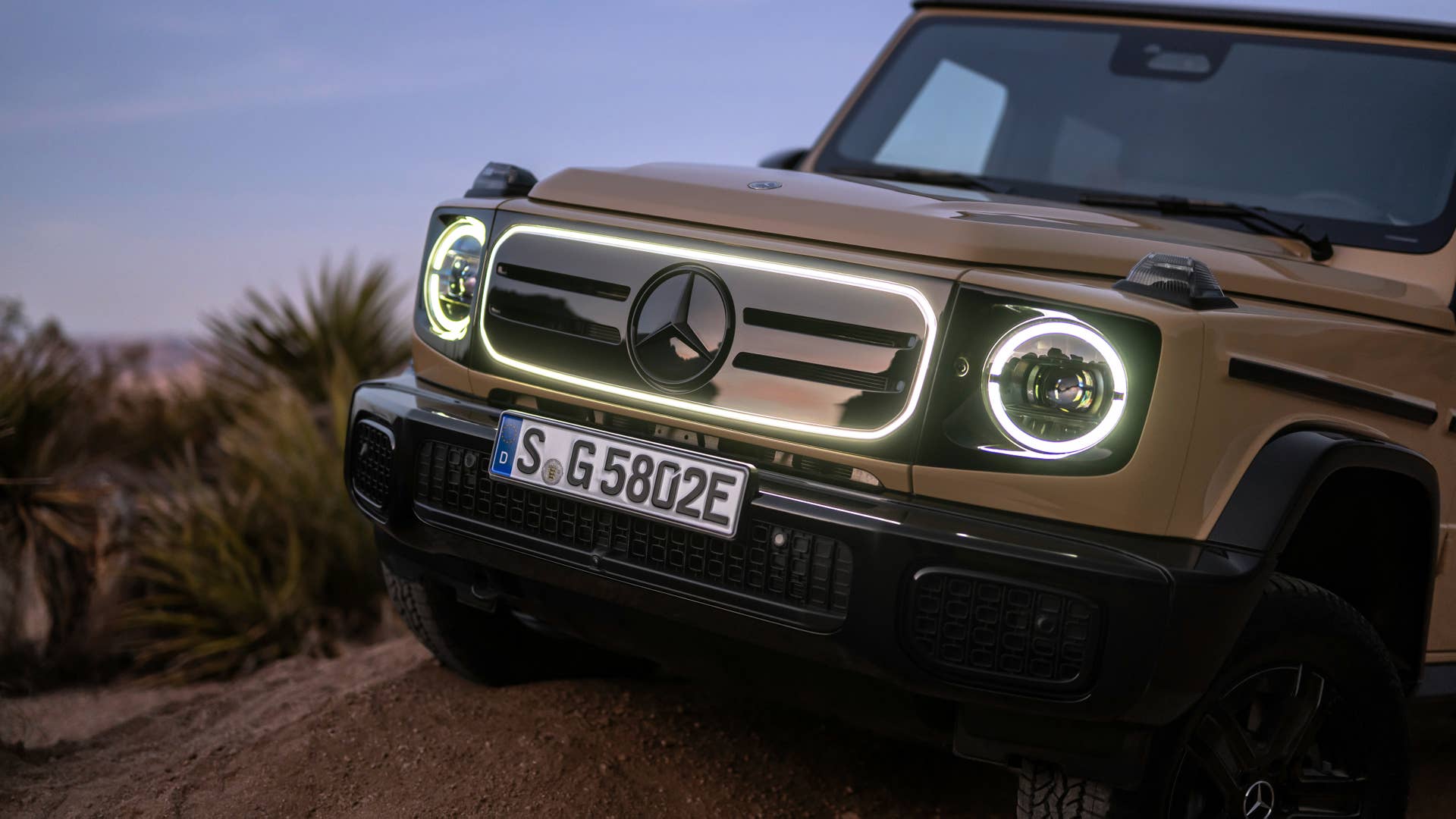
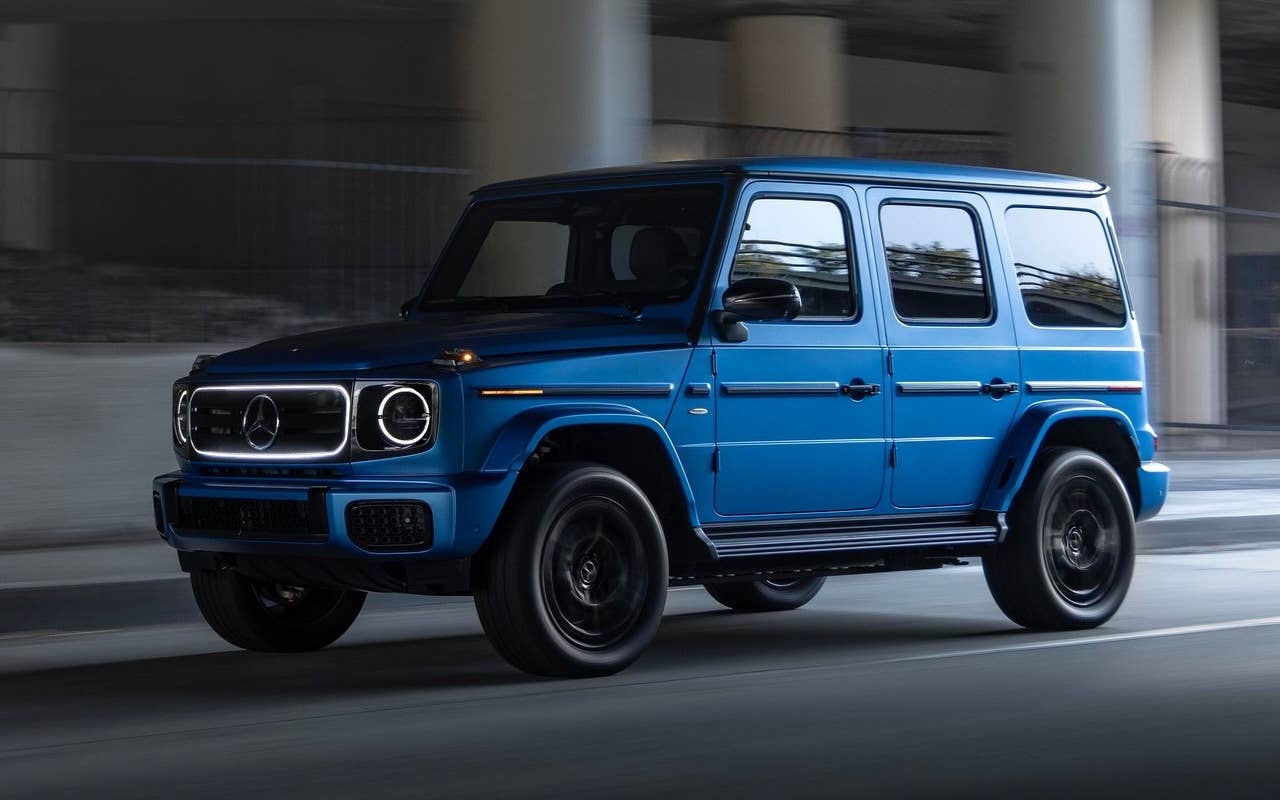
Whereas the V8 power from the G-Class (now only in the G63 AMG) was loud and burly, the G580 is whisper quiet, not exactly what you want when both physical and aural presence matter at this price. Coupled with a massive battery pack, the G580 tips the scales at over 3 tons, compromising the German tank’s handling. Its 239-mile range is respectable but not remarkable. To add insult to injury, the gas-powered G550 can tow 7,700 pounds, but the G580 isn’t even recommended for towing and comes without a tow bar. It fails to deliver the kind of experience customers are looking for. When an anonymous Mercedes exec calls it “a complete flop” and gas G-Class sales are way up, do you need any more evidence that the electric G-Wagen failed miserably?
Final thoughts
Chalk up another year of some dramatic automotive failures. Even juggernauts like Tesla, Mercedes, and VW can make some pretty glaring mistakes. Jaguar’s bizarre rebrand, on the other hand, shows the world what not to do when attempting to redefine oneself. 2025 has shown us that progress isn’t always perfect, and sometimes things can even go horribly wrong. Enthusiasts and consumers alike are left hoping that future automotive endeavors will evolve from these disappointments. Until then, we’re still cringing.
About the author
Amos Kwon
Contributing Writer, Autoblog