
Key Points
- Wheels of NYC’s fall event celebrated New York’s diverse and growing automotive culture at the Brooklyn Navy Yard.
- Four standout vehicles included a 1932 Ford Roadster, 1961 Guerin Spyder, 2000 Honda Civic Si, and Citroën 2CV.
- Expanded vendors, music, and community attendance transformed the gathering into a festival-like celebration of car culture.
In a New York State of Mind
While it may not seem like it from the surface, New York City is a car city. While the city is known for its subways and trains to get people around, another side of New York deals with the unique perils of owning a car in the five boroughs. Strict alternate-side parking rules, speed cameras, expensive tolls and congestion pricing in Manhattan’s core business district may make commuting and car ownership a pain, but they help to create New Yorkers who take immense pride in their vehicles.
Although NYC is the densest urban metropolis in the United States, the summer of 2026 has been very busy for car enthusiasts in the city and beyond. Nearly every weekend, it seemed that there was a high-profile cars and coffee event or some sort of automotive gathering somewhere within the five boroughs. For those glued to their social media feeds, it felt easy to feel FOMO watching cool cars and their owners pop up to events in picturesque locations from the Lower East Side to East Williamsburg.
James Ochoa
James Ochoa
James Ochoa
James Ochoa
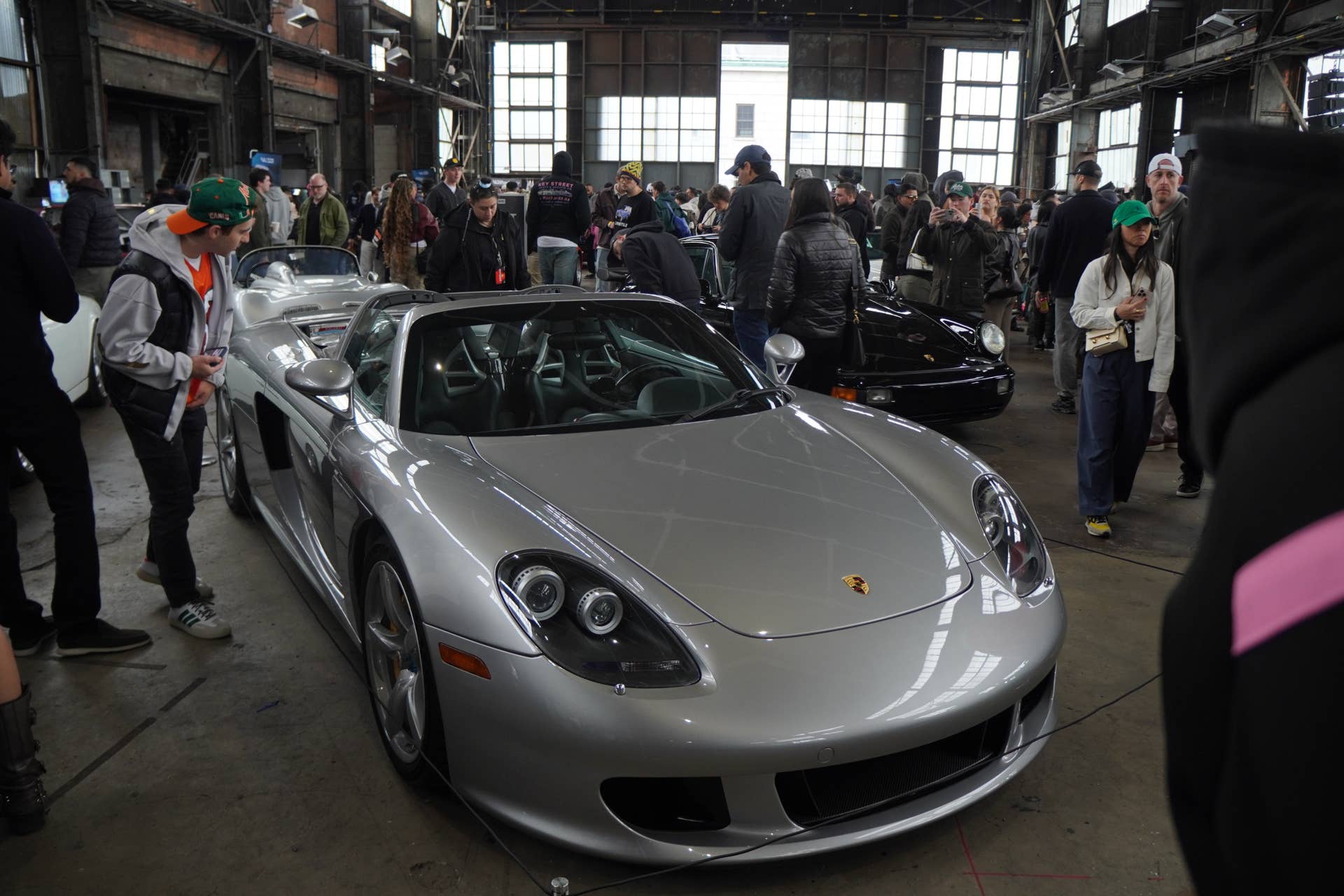
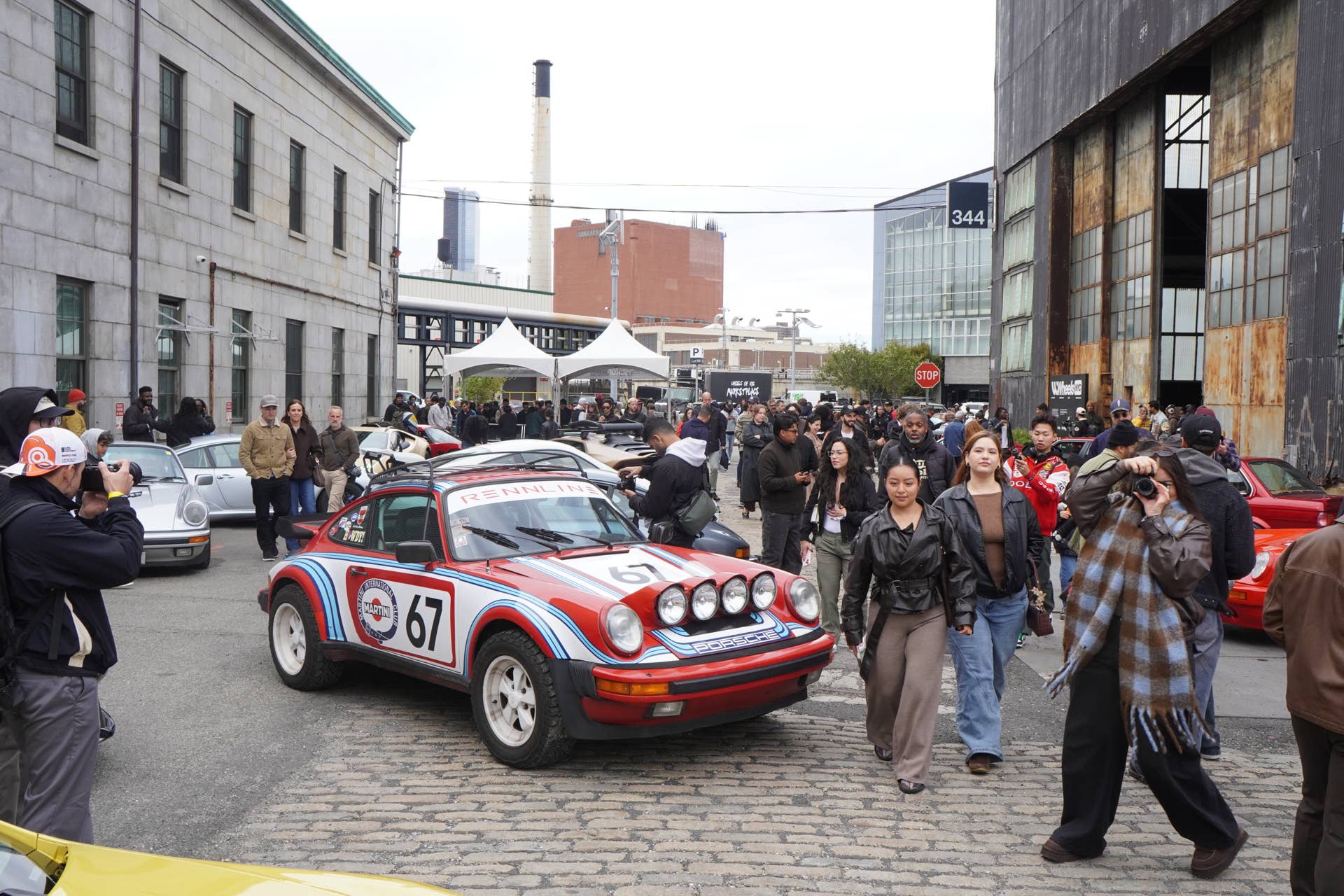
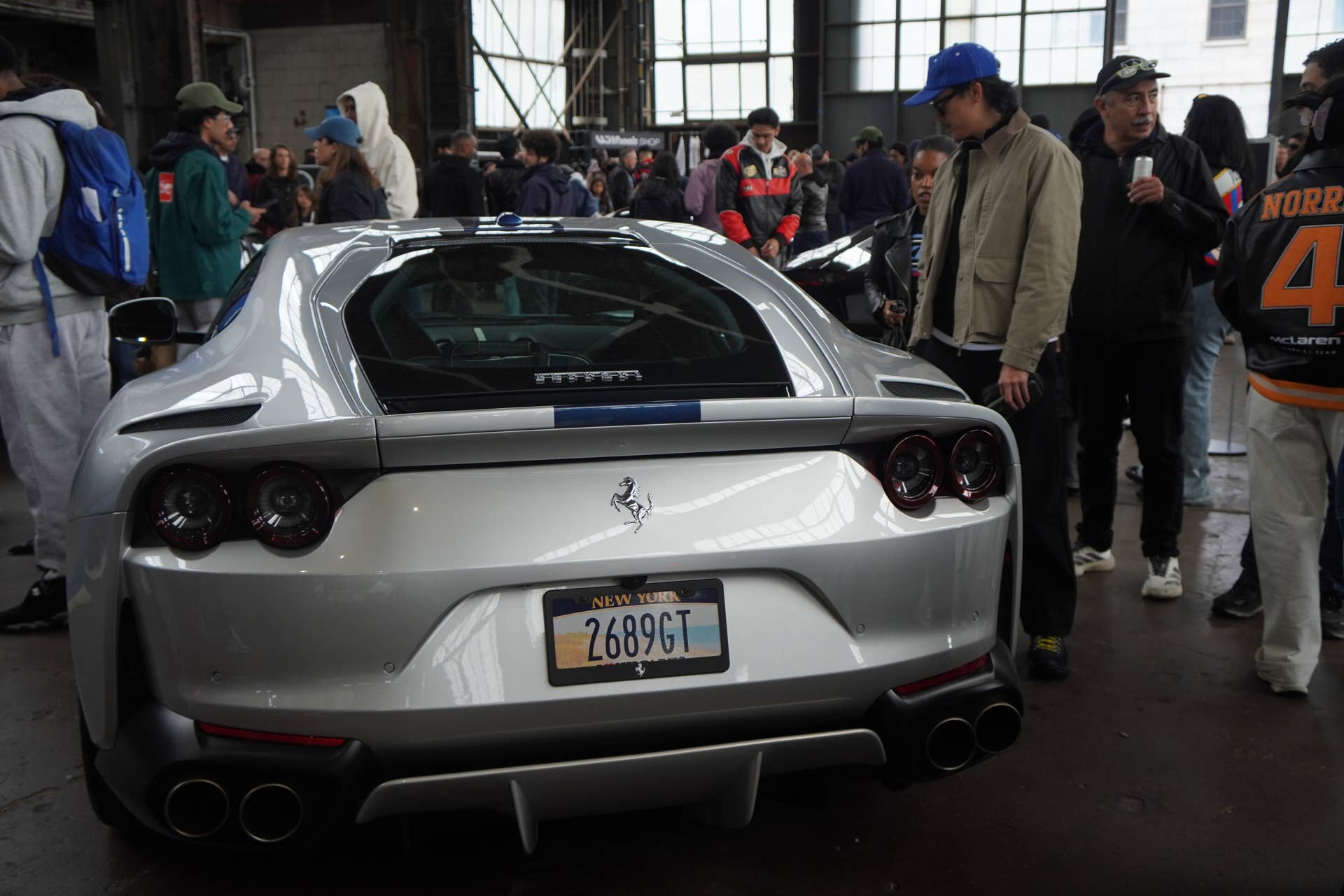
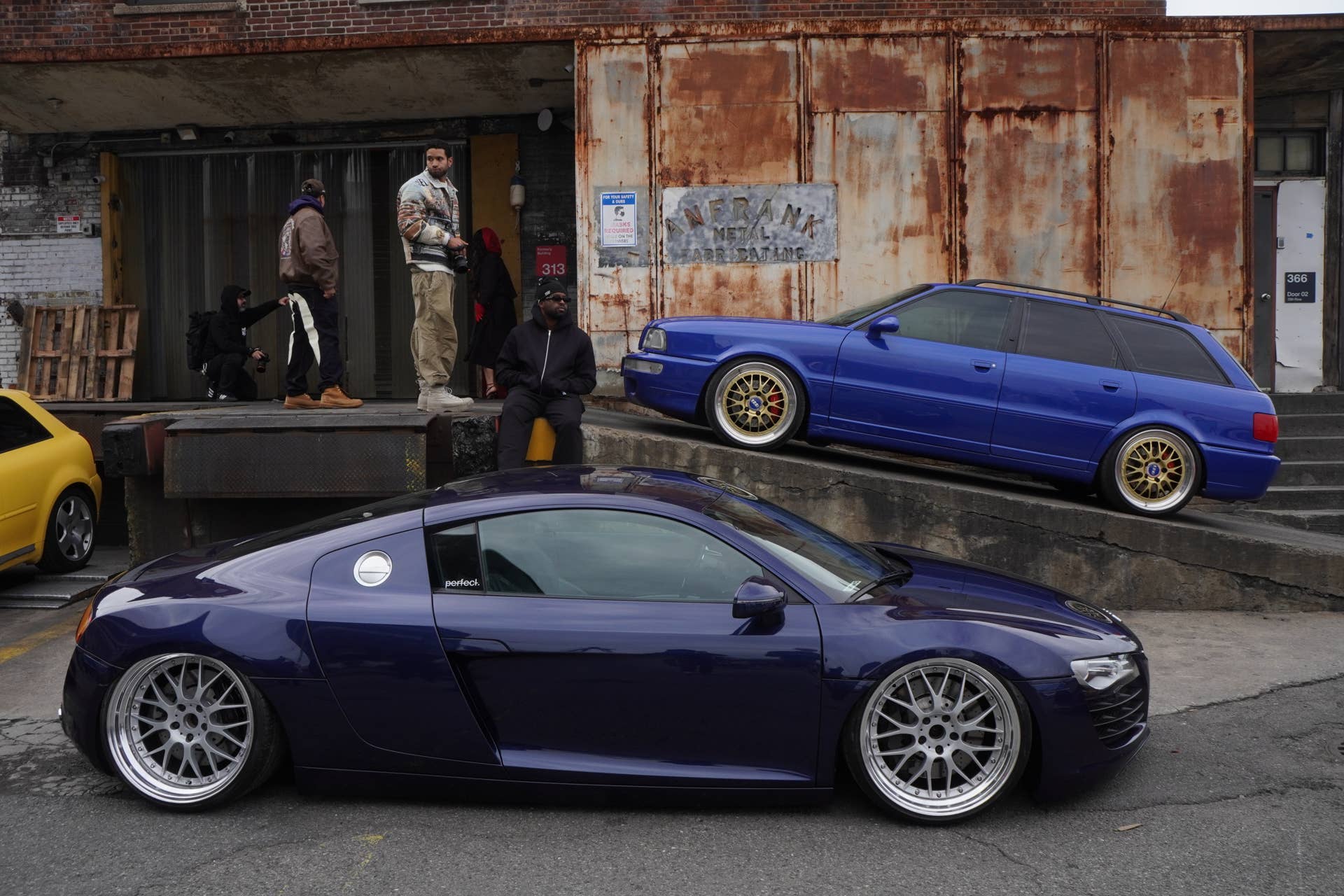
All of this culminated in one of the most anticipated car events of the season. On Saturday, October 17, the Agger Fish Warehouse at the Brooklyn Navy Yard played host to the fall edition of Wheels of NYC’s premier event, a celebration of New York City’s unique car culture and the people who make it. This gritty setting in the former shipbuilding hub is far from a concours d’elegance, but this event brought the community together to celebrate car culture in a way that’s uniquely New York.
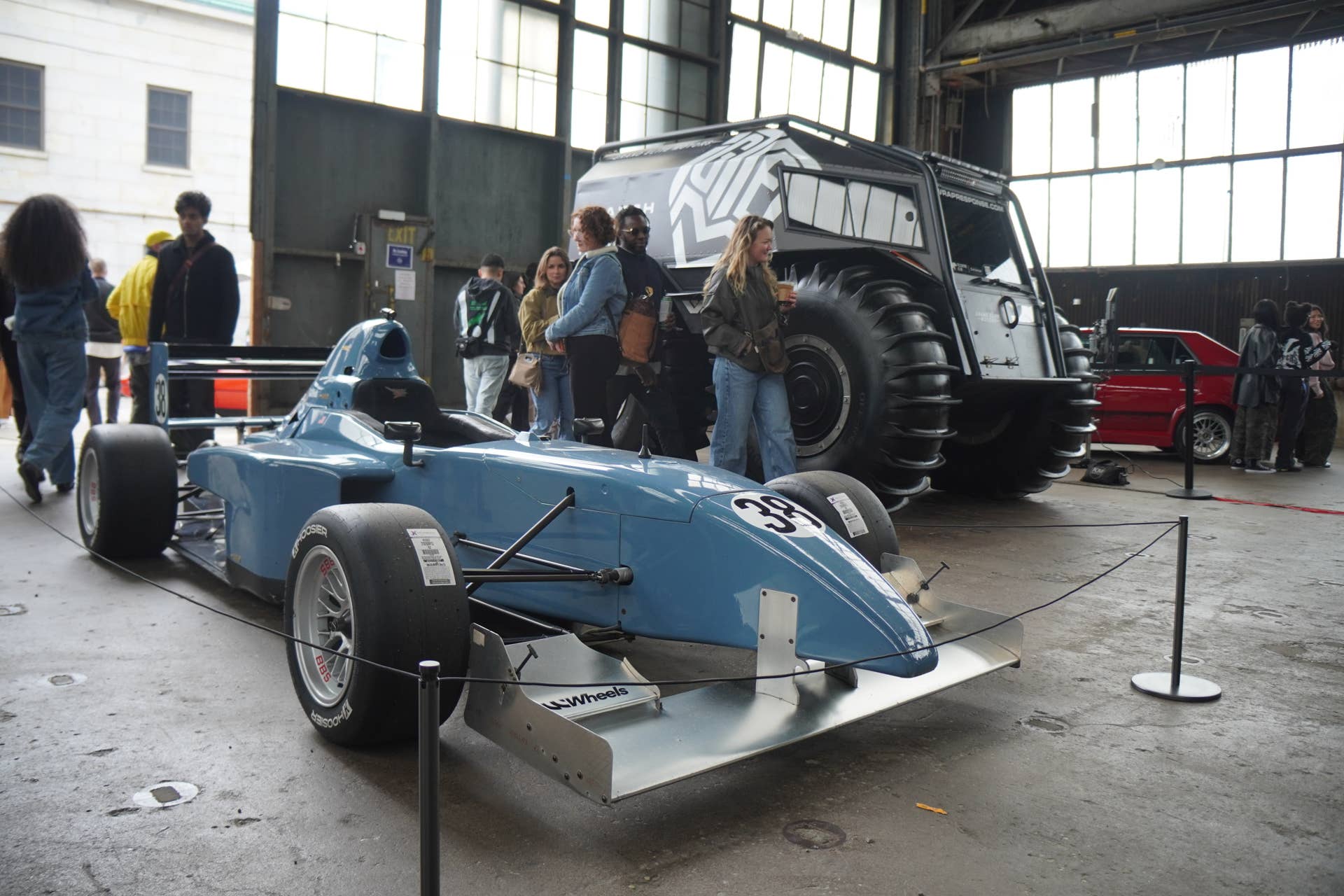
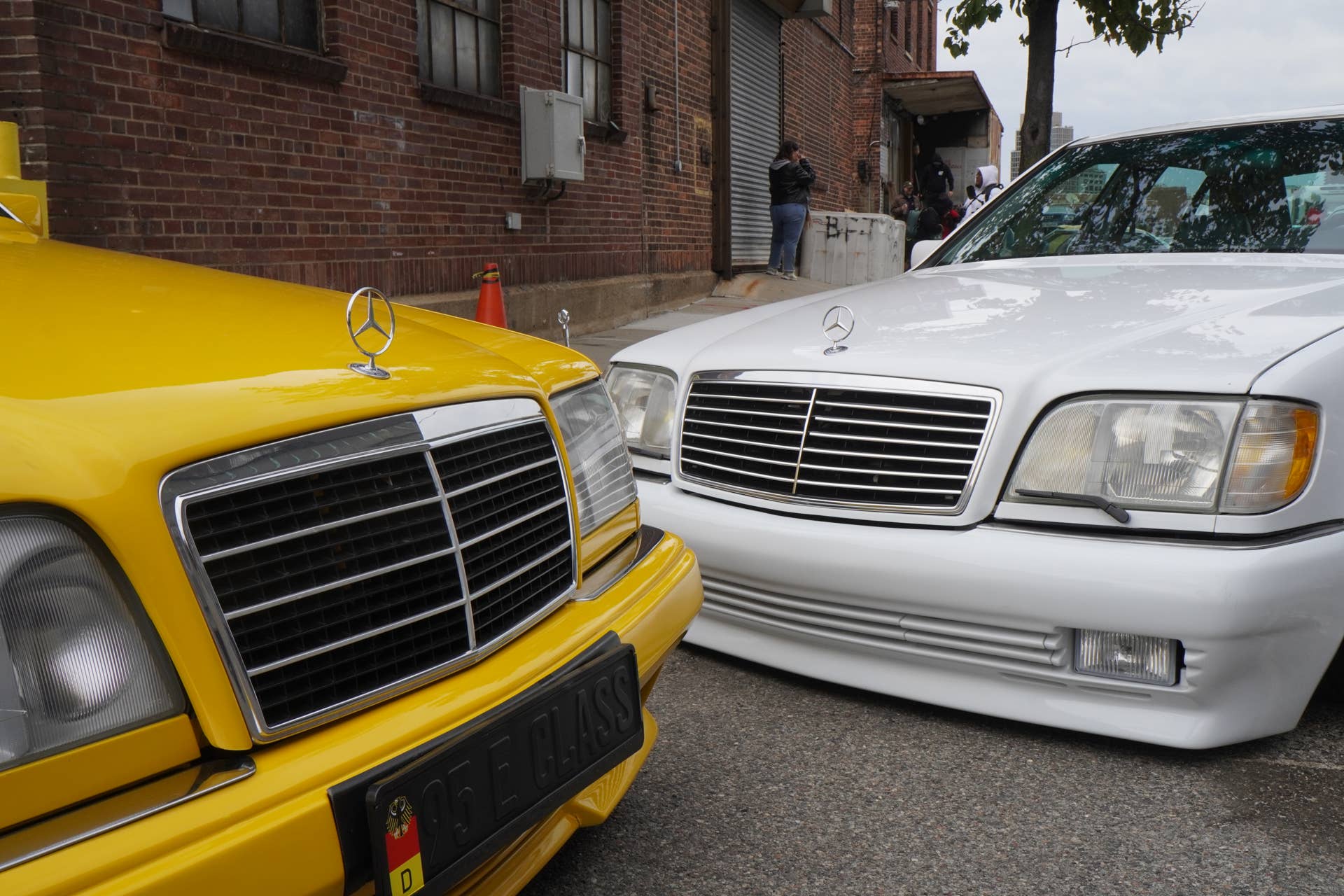
It was hard to choose favorites among an intensely diverse selection of cars that spanned multiple eras and decades. However, these four stood out even in the company of supercars and ultra-rare vehicles worth millions of dollars.
James Ochoa
James Ochoa
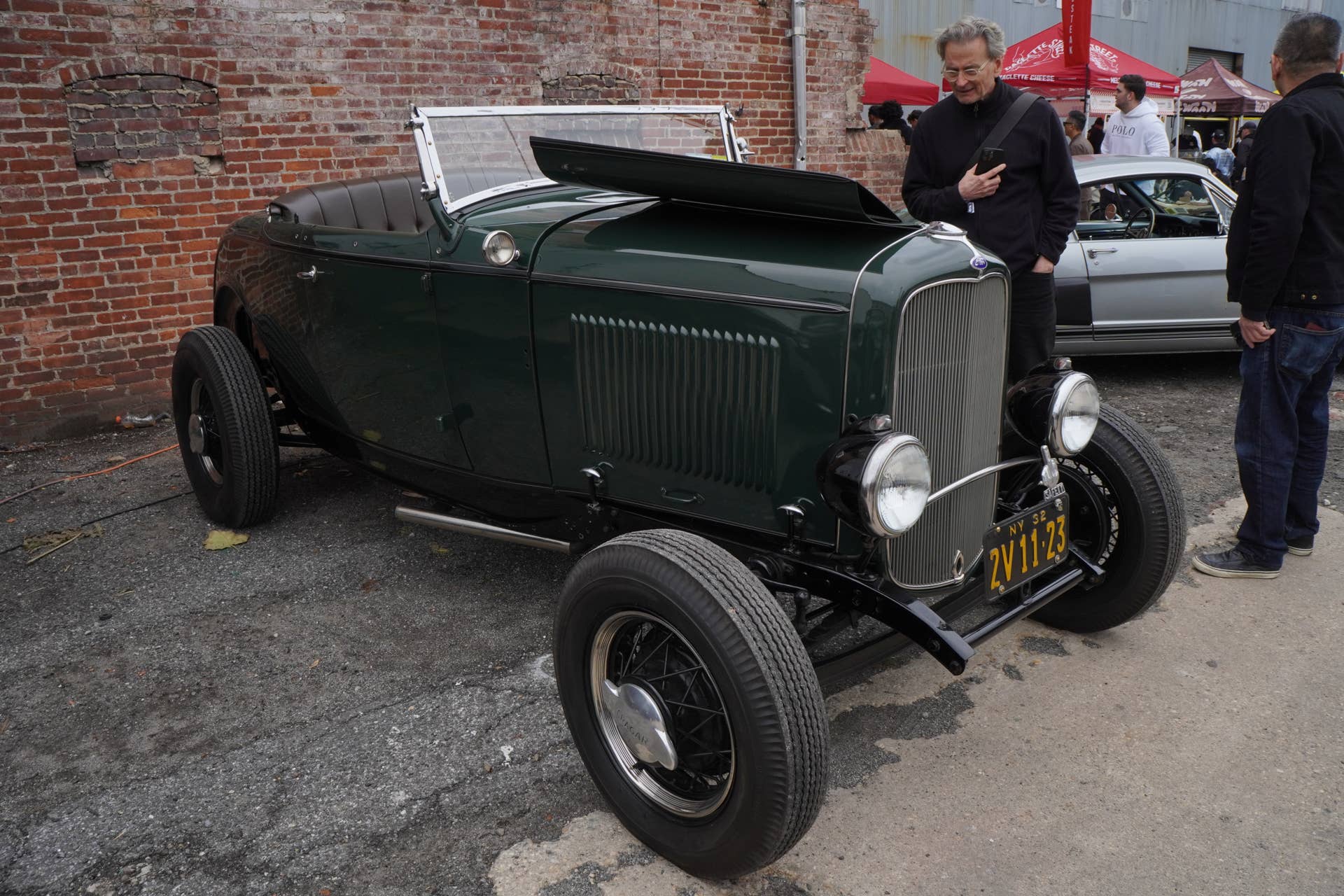
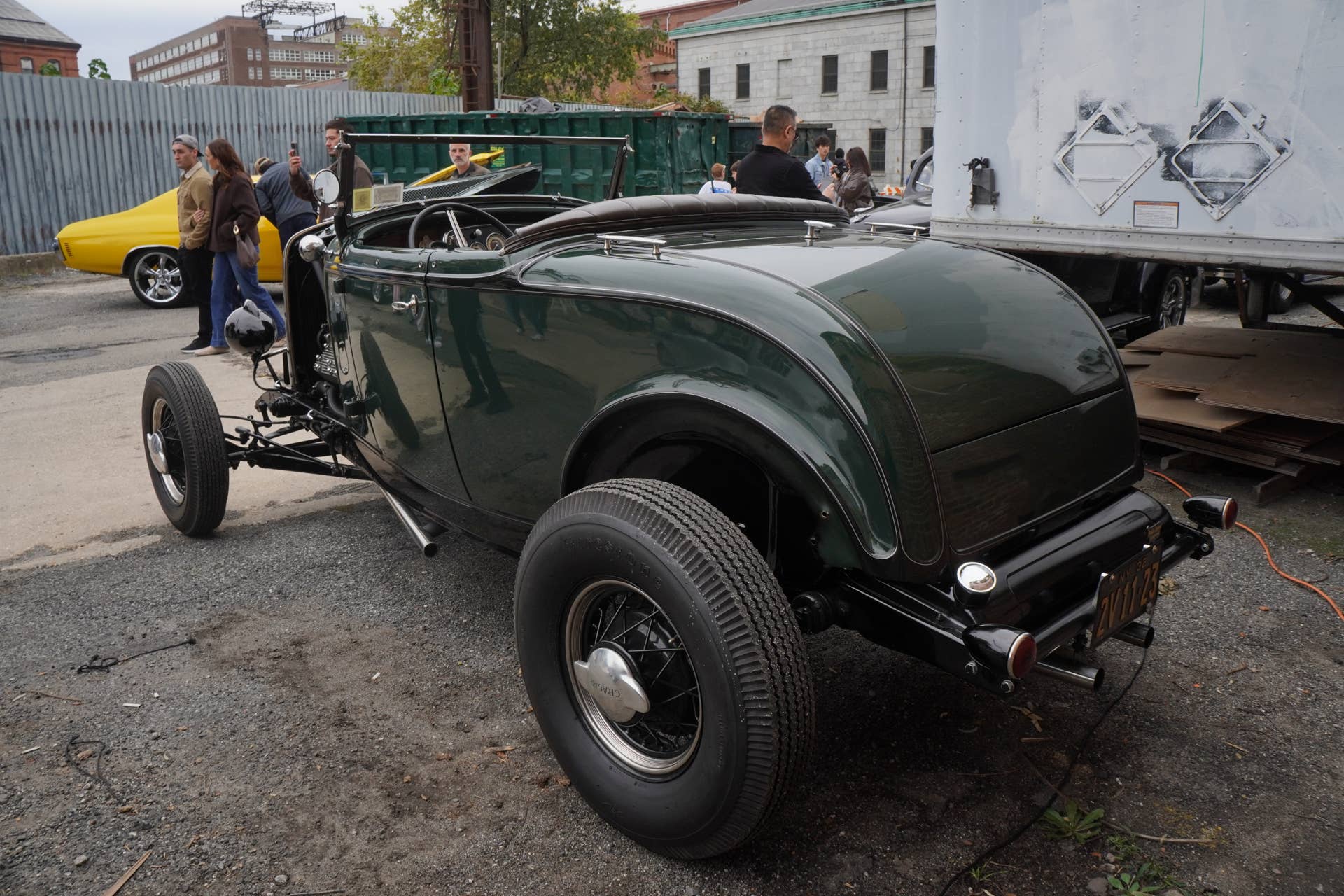
1932 Ford Roadster Hot Rod
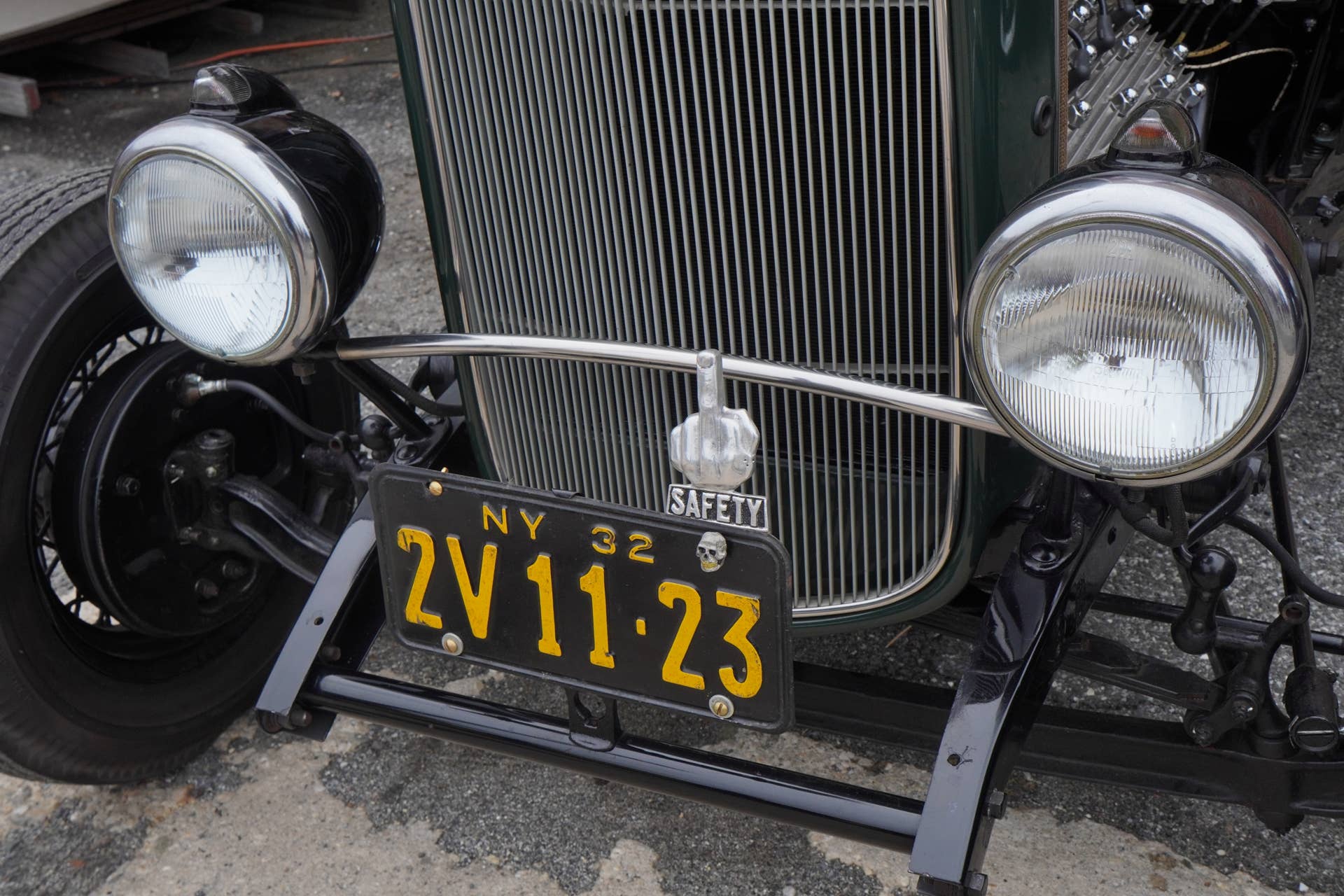
When World War II ended, a generation of returning servicemen found a cheap used Ford and a handful of speed parts, and the American hot rod was born. The formula was simple: take a $100 car, pull the tired engine and drop in something stronger. Few cars capture that moment better than the 1932 Ford, the first mass-market V8 car in America, which became a legend in its own right as a getaway car of choice for outlaws like Bonnie and Clyde.
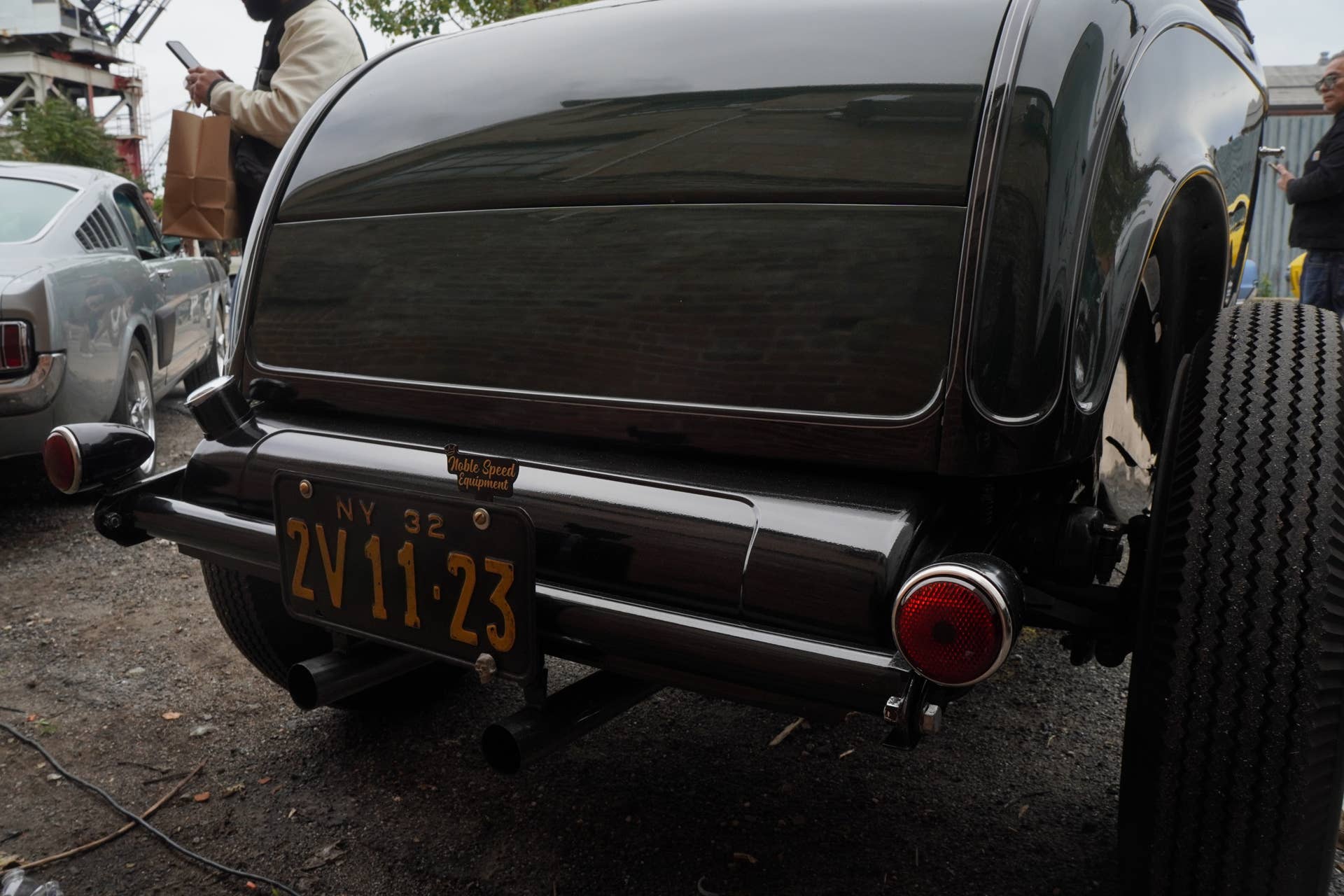
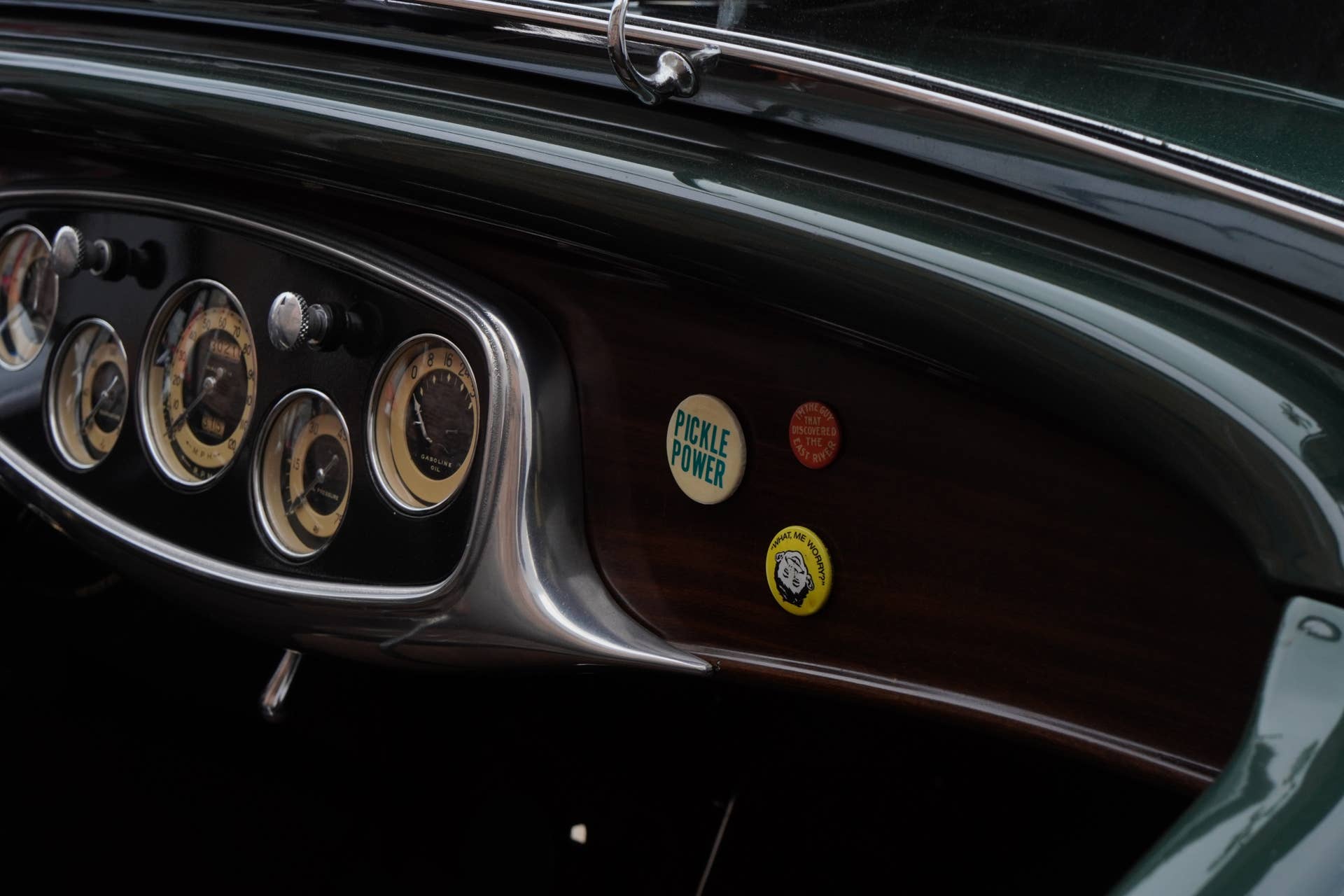
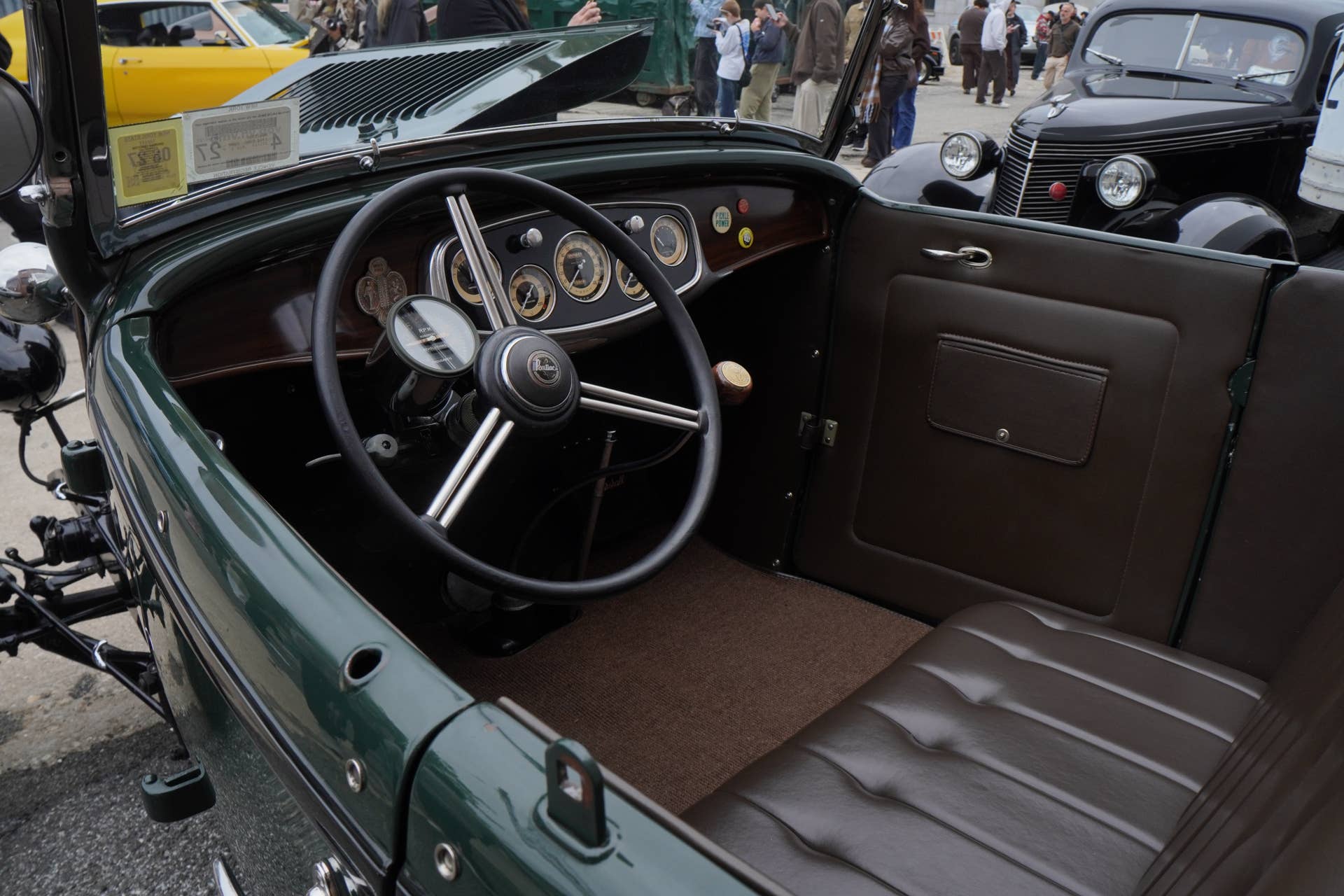
This 1932 Ford Roadster, owned by Brian Newman of Brooklyn, was built to look and feel like one of those post-war creations. Newman said every part on the car is period-correct, with nothing newer than 1949. Power comes from a 1938-1939 Ford flathead V8 topped with an Edelbrock high-rise intake and dual carburetors, while 1940 Ford brakes and wire wheels handle stopping and rolling. Inside, it gets Packard gauges and a Pierce-Arrow gauge panel, along with a 1937 Pontiac steering wheel, a mix-and-match approach that Newman said he “could go on forever” describing. The theme, he explained, is the kind of hot rod you’d see in photos from the era.
James Ochoa
James Ochoa
James Ochoa
James Ochoa
Newman said he got the car from Iron Trap Garage in Pennsylvania, which he described as keepers of that nostalgic era, making cars that drive the way they did back in the day. Despite living in a residential neighborhood in Brooklyn, he keeps the roadster in a tiny garage dating to the 1930s, where he also works on it, and has driven it into Manhattan a few times.
At Wheels of NYC, Newman pushed back on the idea that New York isn’t a car city, saying “car people are everywhere” and that they will come out if given the space. He’s excited about the growing scene of cars and coffee events and meetups in the city and in Brooklyn, especially the reaction from younger enthusiasts. At 45, he said he loves watching kids in their 20s and 30s see a flathead V8 for the first time and ask what it is. When asked about social media, and whether it makes the automotive hobby performative, Newman didn’t buy it: everyone photographs everything anyway, he said, but “you can’t get the feeling, the smell of something like this online.”
James Ochoa
James Ochoa
James Ochoa
James Ochoa
1961 Guerin Spyder
Porsche is a company that has built its reputation on the back of producing successful race cars throughout its storied history, and the Porsche 718 RSK is no exception. Built from 1957 to 1959, the 718 RSK was an evolution of the iconic Porsche 550A; a lightweight, mid-engine, two-seat roadster designed specifically to dominate lightweight sports car endurance racing across the globe.
The 718 RSK quickly proved its engineering mettle on the track, seeing action in legendary, grueling events like the 24 Hours of Le Mans, Targa Florio, and the Carrera Panamericana. Along with new aerodynamic styling and a sleek aluminum body, this special Renn-Sport (the RS in ‘RSK’) featured an improved torsion-bar suspension setup that, according to Porsche engineers, was intentionally arranged in the shape of the letter ‘K.’ With an outright victory at the 1959 Targa Florio and a remarkable third-place overall result at Le Mans in 1958, the 718 Spyder cemented its status as a highly desirable masterpiece among sports car enthusiasts, inspiring clever custom creations worldwide.
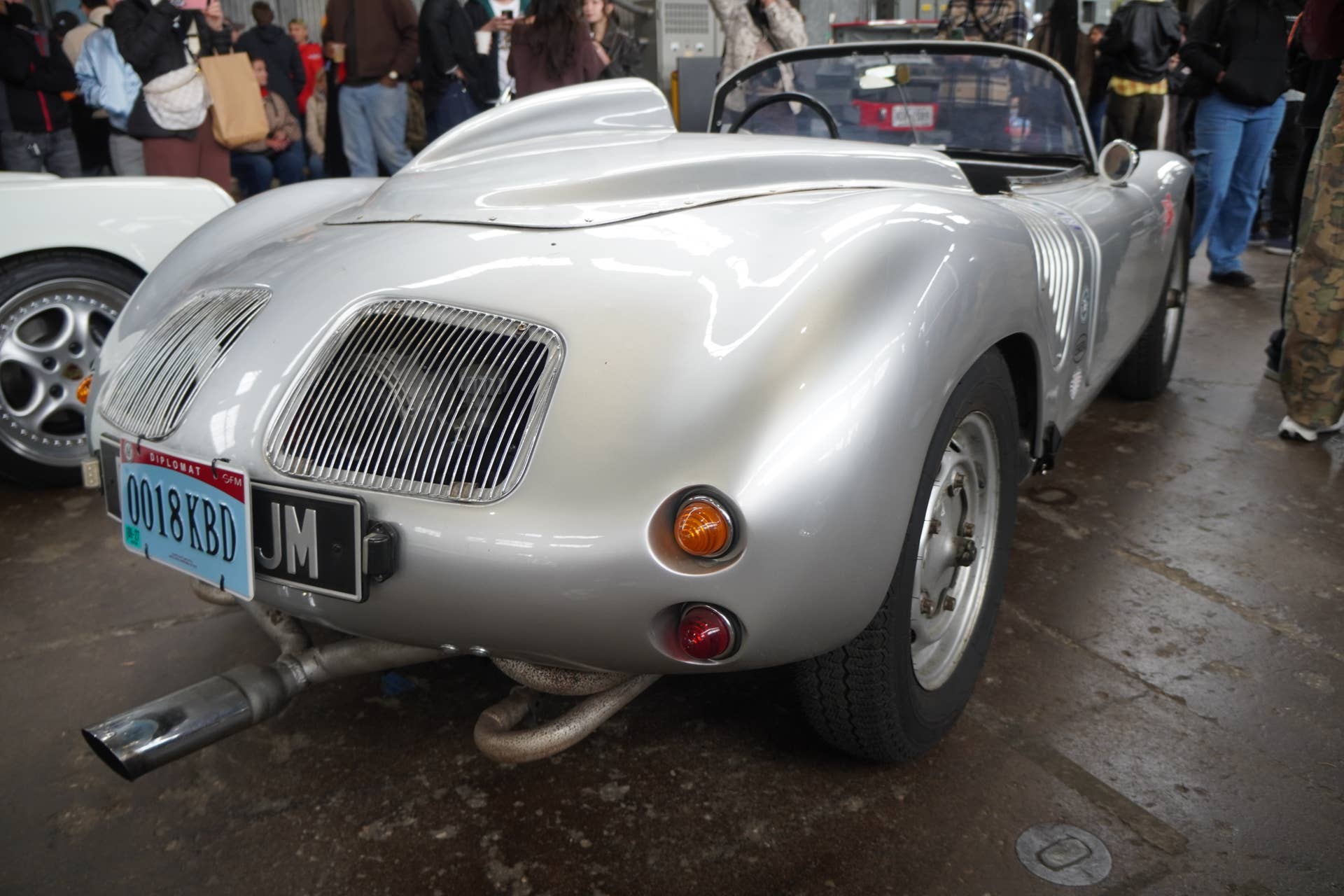
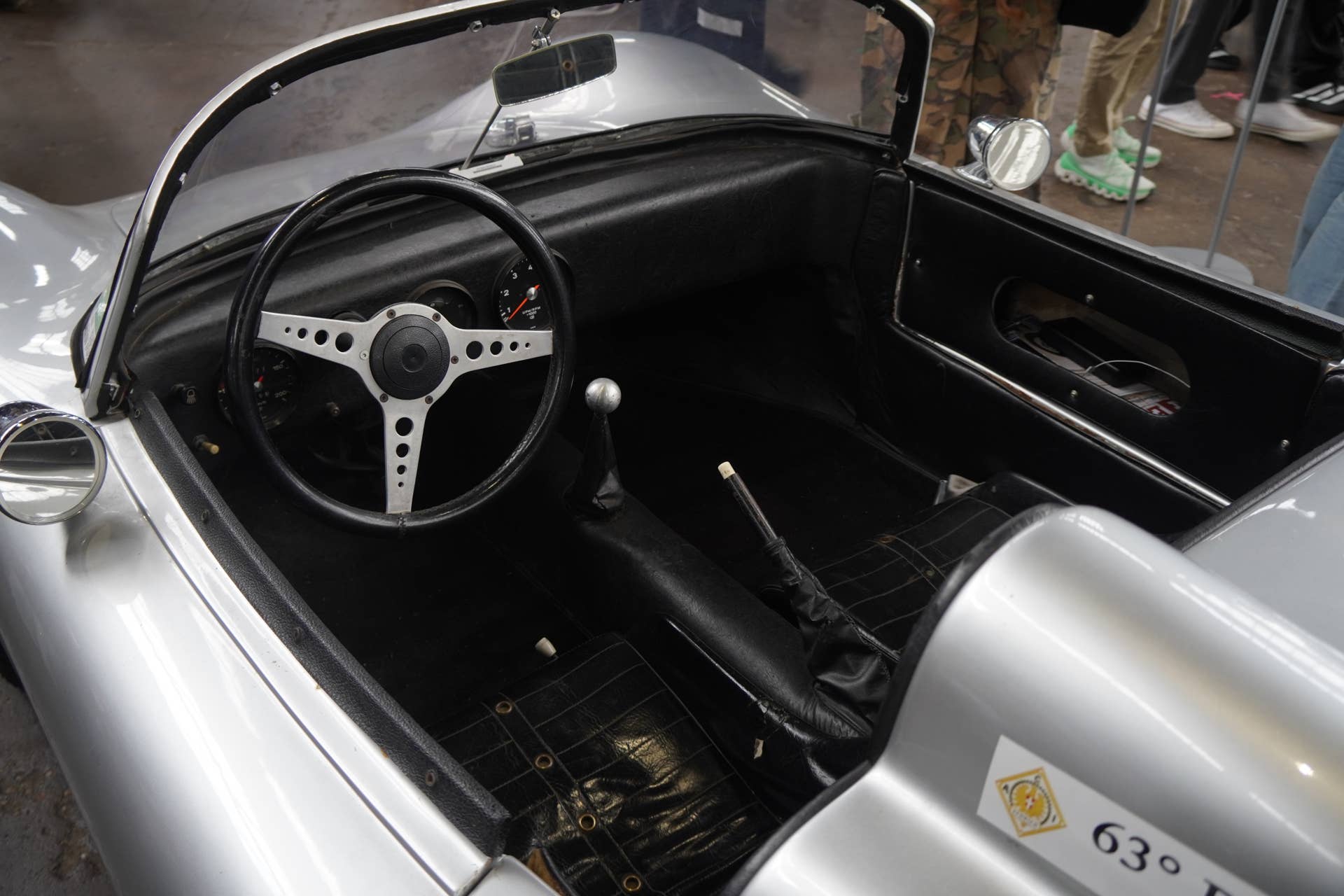
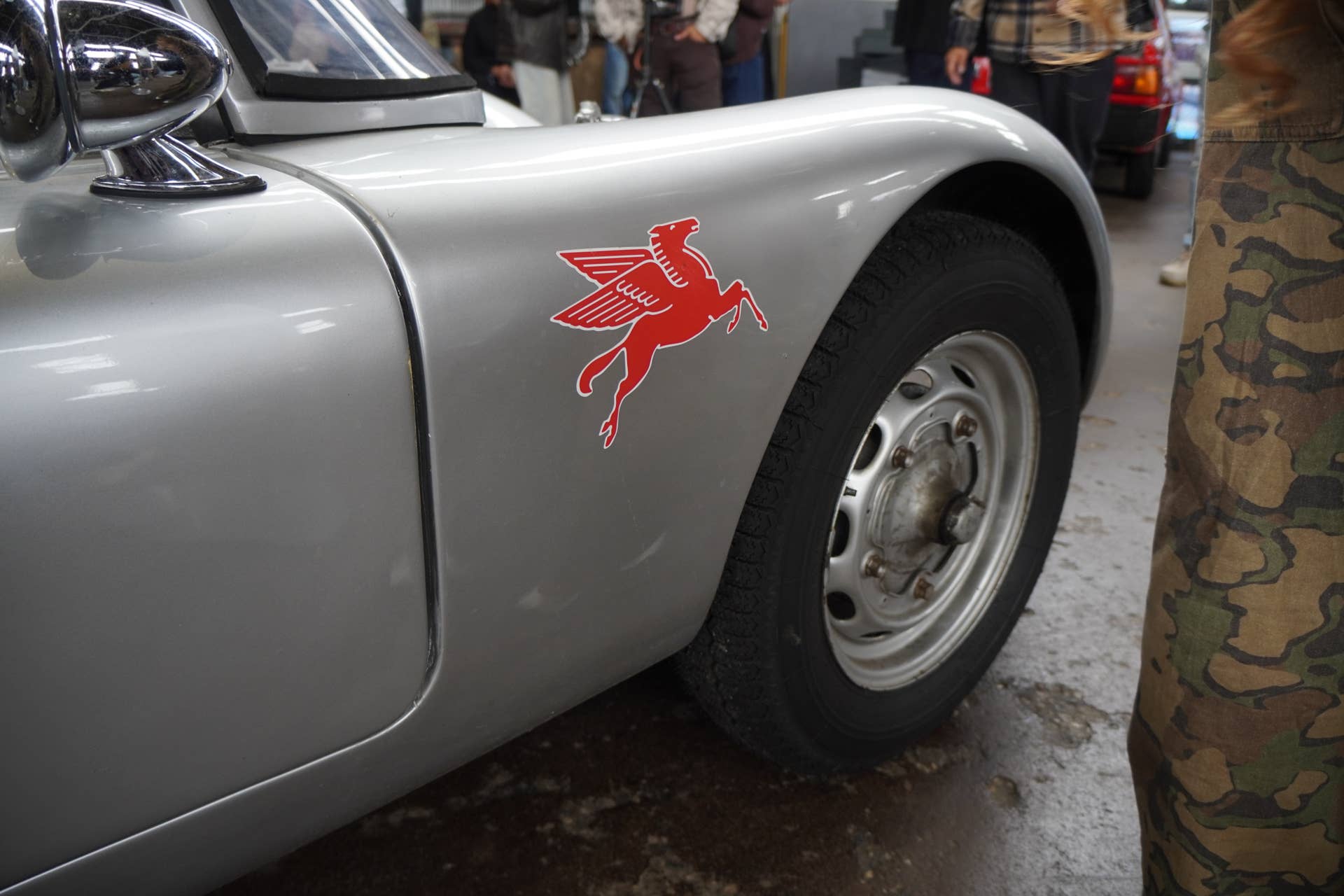
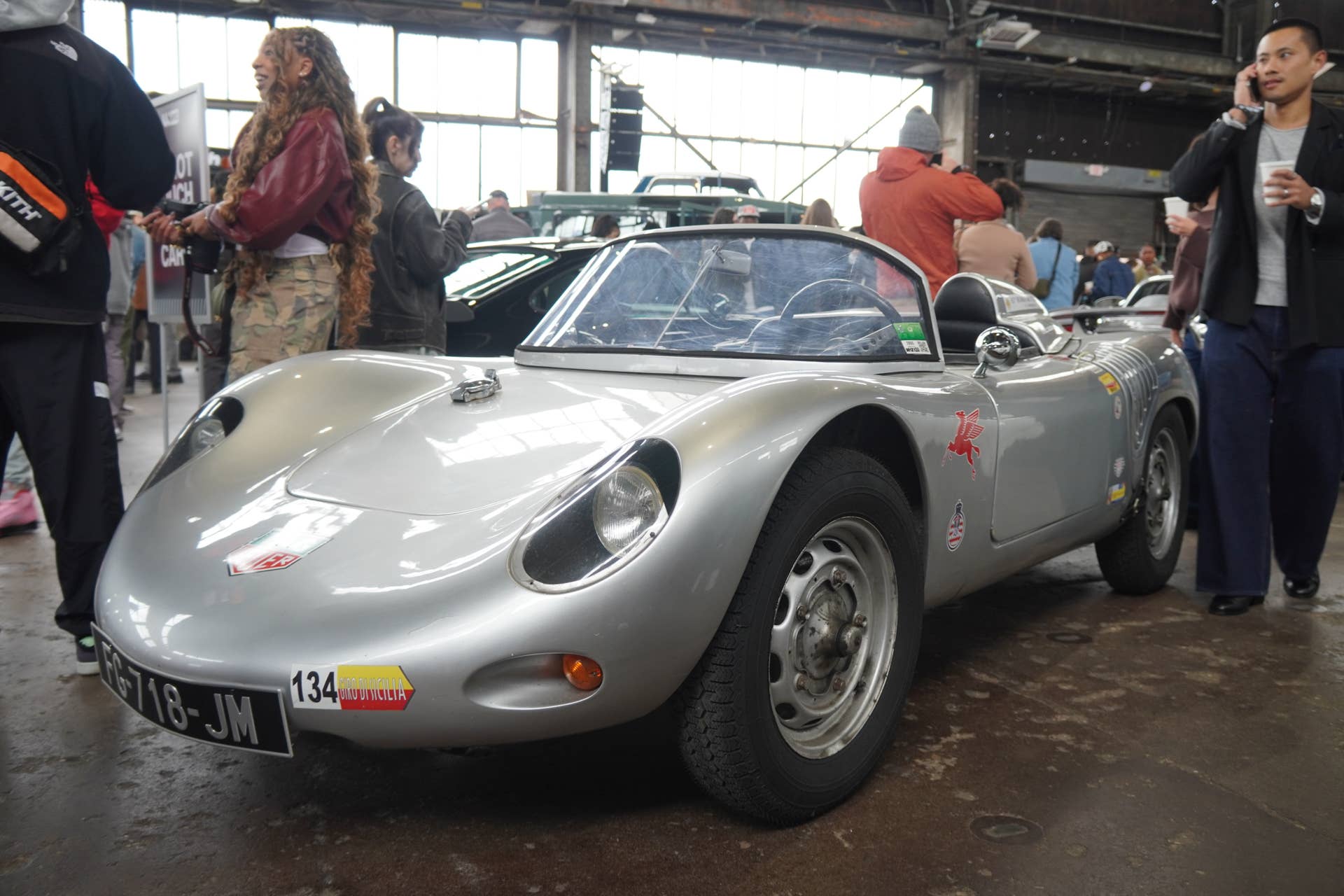
One of the most fascinating examples is this 1961 Guerin Spyder, which was displayed at the Wheels of NYC show flanked by a modern Porsche Carrera GT. Per its owner, Alyson, the Guerin Spyder is a unique creation inspired by the lines of the 718 RSK. Powered by an air-cooled VW Beetle engine, the Spyder’s namesake was the exclusive importer of Porsche vehicles in Portugal during the 1960s, who built this custom vehicle specifically for display in their showroom. Alyson brought the Spyder to the US after it spent seven long years sitting tucked away in her father’s garage, and it now proudly roams the streets of New York.
James Ochoa
James Ochoa
James Ochoa
2000 Honda Civic Si
Being a “car guy” is an expensive hobby, and if you have car enthusiast friends who love to tinker and modify their rides, the phrase “I am going to keep this car stock” can be treated more like a new year’s resolution than an outright statement or promise. There is always that one gateway part that pulls them down a slippery slope that ends in thousands spent on even more parts and countless hours burnt on installation and upkeep. For many, it starts with a cool set of wheels and tires. They say that it’ll be all they do, but then they’ll buy some new suspension components, and before you know it, they’re swapping in a newer, more powerful engine.
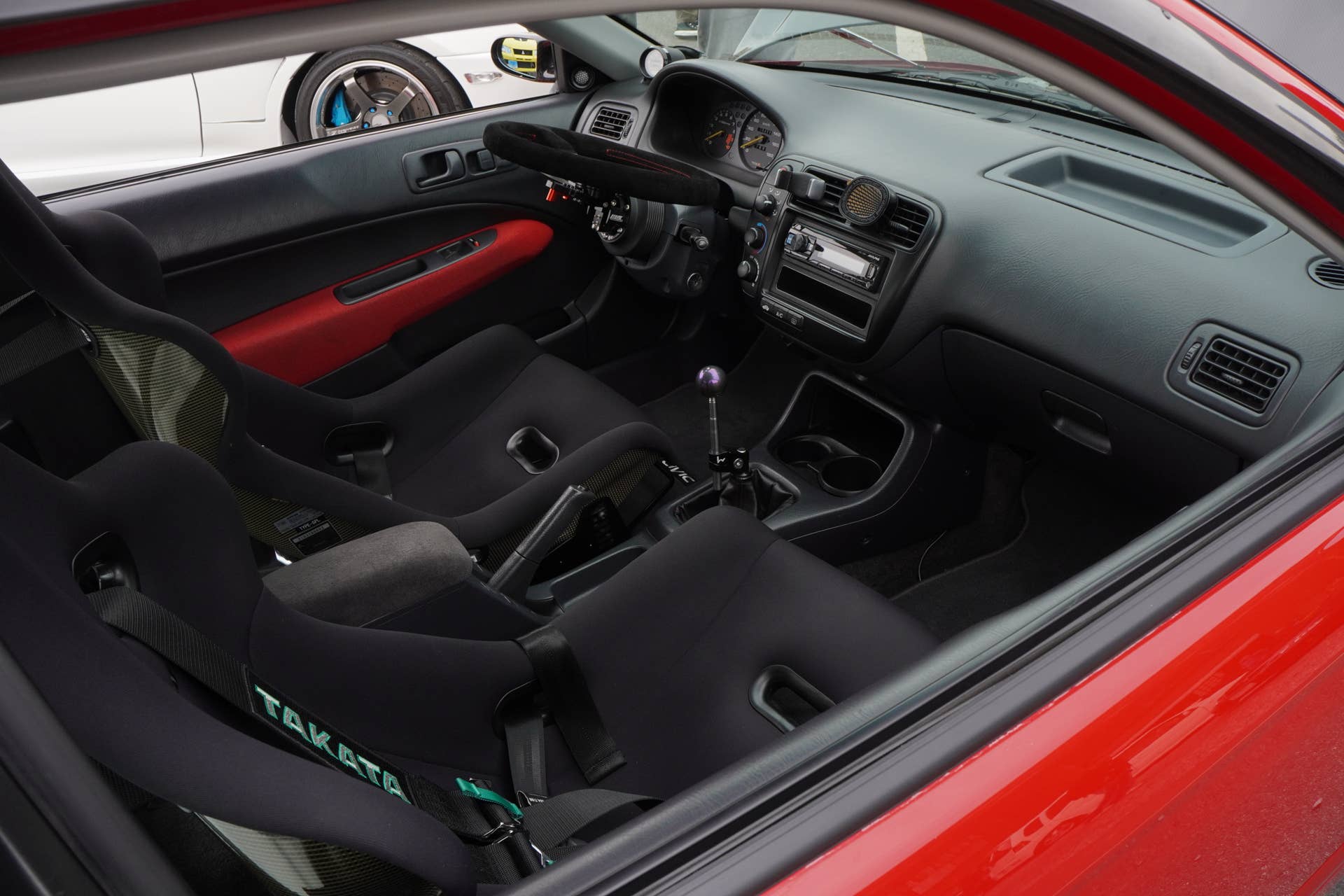
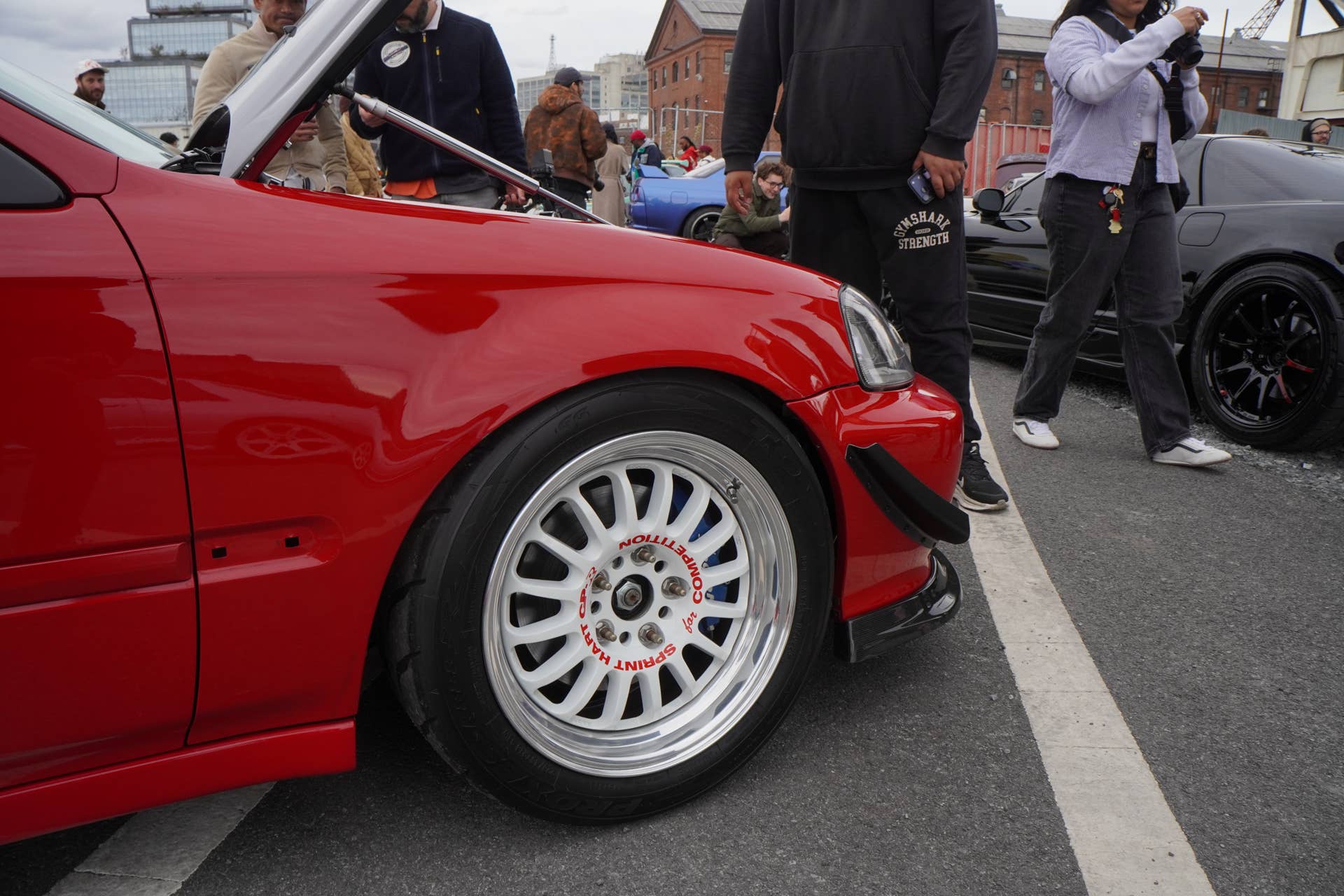
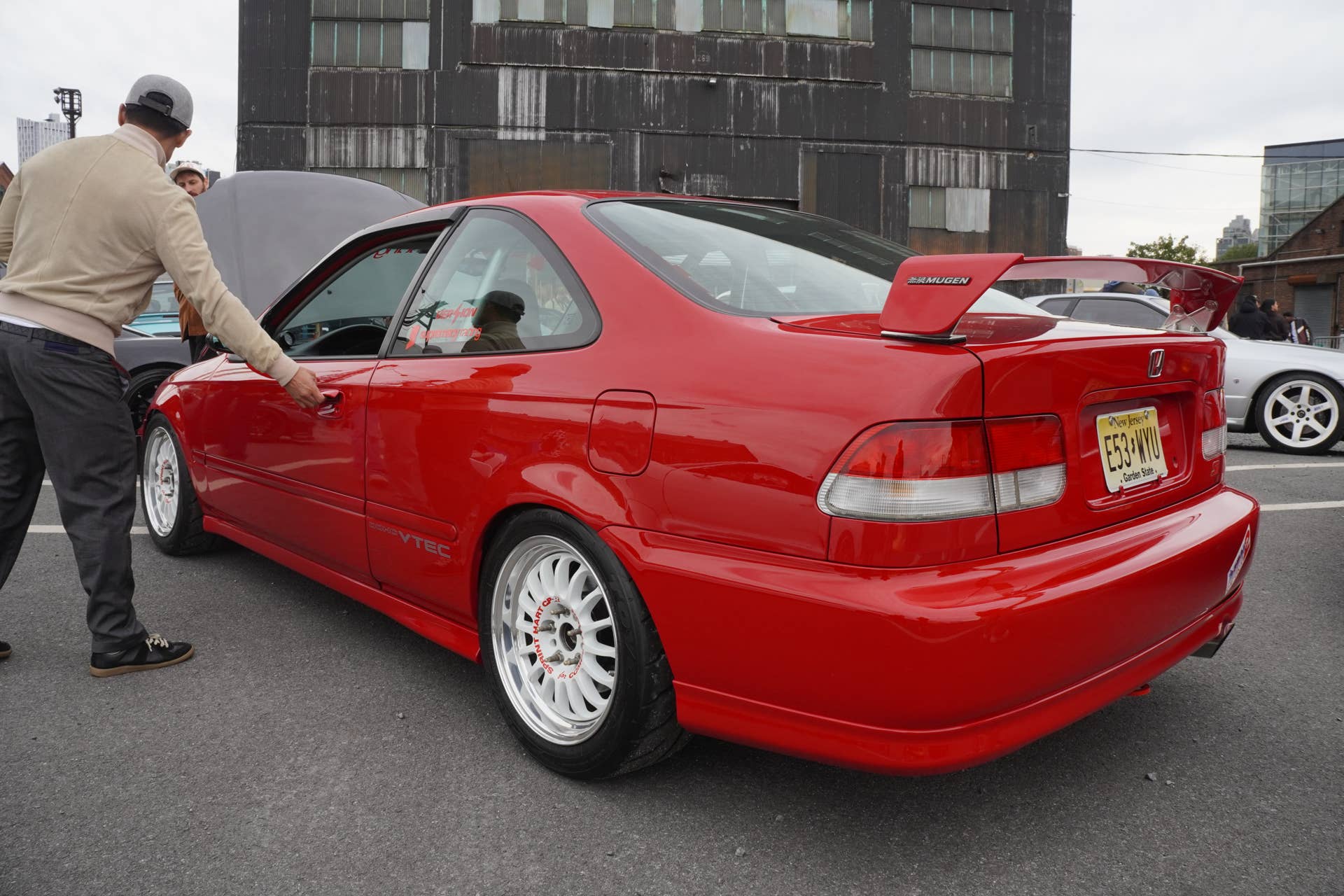
For Kelly Silouangkhoth, that slippery slope was represented in one of his pride and joys. This 2000 Honda Civic Si, according to him, is the result of a detour back into the local New York City car scene. He called the car “unfinished business,” and said the pull came from a local community that threw regular meets, which made the itch to build contagious. Simply said, when the opportunity came, he jumped on it, and executed on his vision.
James Ochoa
James Ochoa
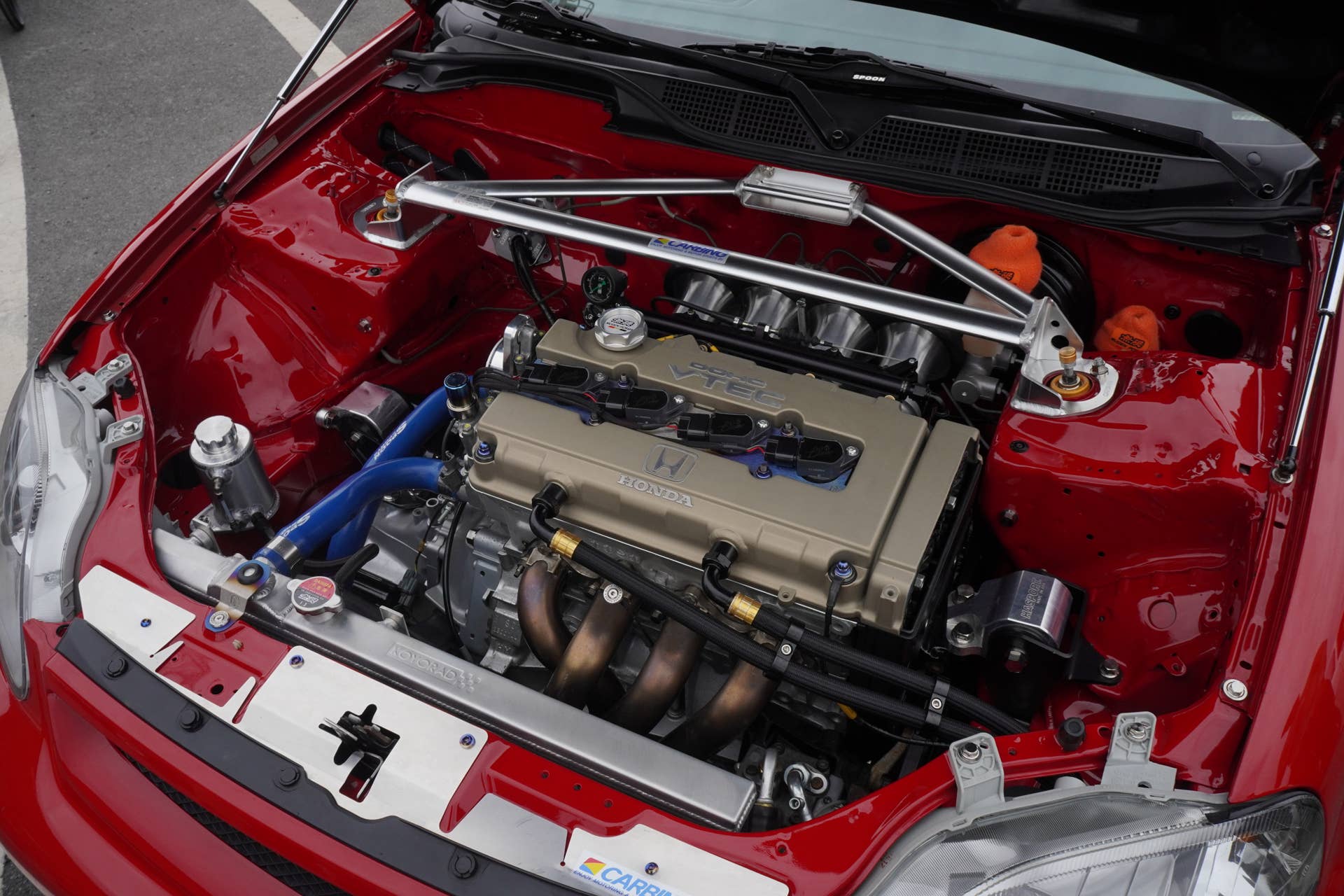
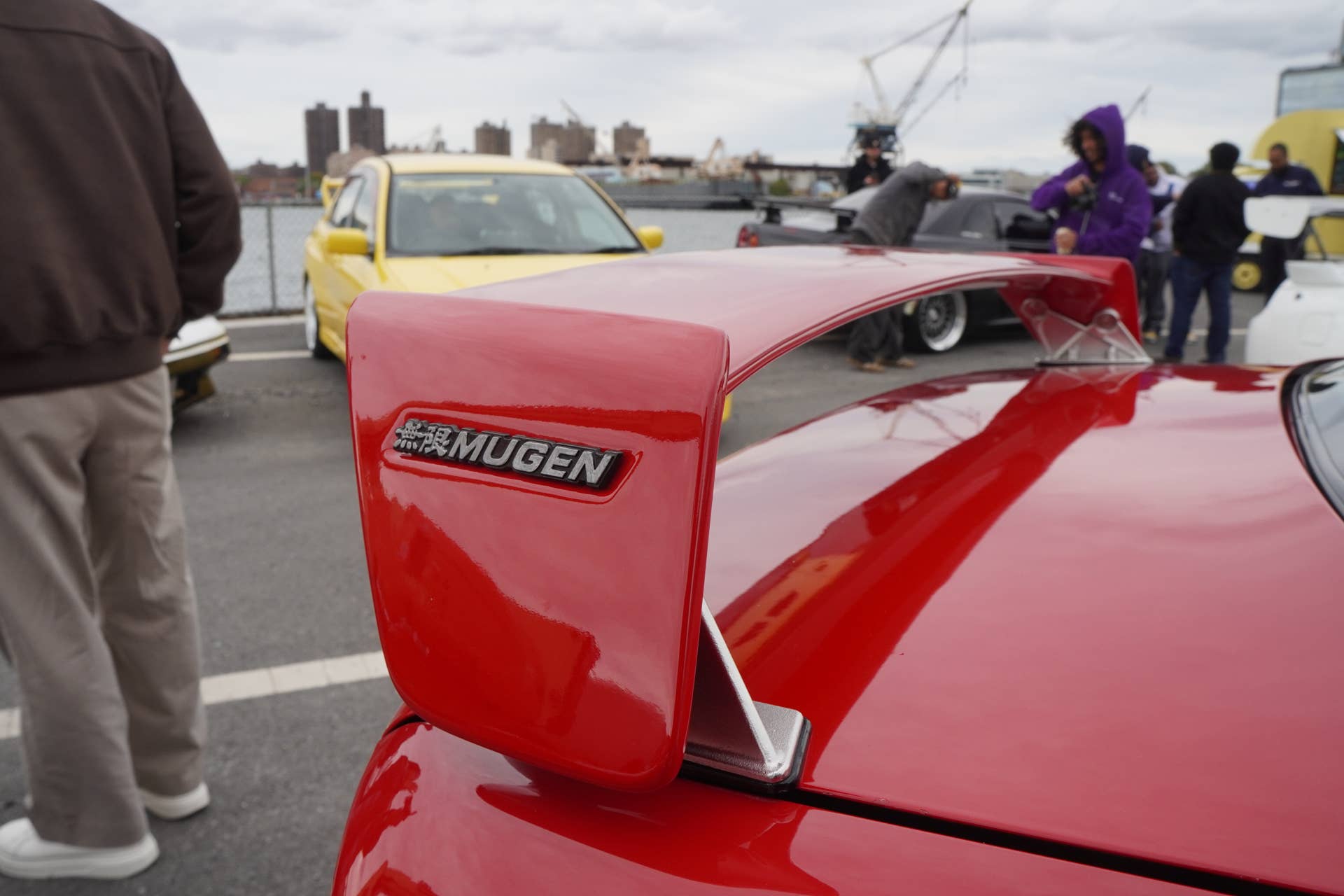
The result is a dream build in the truest sense, loaded with period-correct aftermarket pieces. Outside, it wears a Mugen spoiler and Sprint Hart CPR wheels, while Spoon racing seats fill the cabin. Under the hood sits a fully built B18C with Kinsler individual throttle bodies, TODA headers and a Hytech exhaust. Silouangkhoth described the finished product as “a combination of everything that’s spinning inside my head,” and said much of the fun was in the hunt, which meant building relationships and sourcing parts over a long stretch of time.
The car’s early-2000s feel, he said, wasn’t an attempt to stand apart. “Everything’s been done,” Silouangkhoth explained, so the point is how you present and style it. Style, in his view, is something you “can’t buy” and “can’t teach.” Asked whether the car scene has become more performative in the age of social media, Silouangkhoth called it a tough question but said the difference shows. “You gotta enjoy the cars,” he said, and “you can really tell” who does. Even so, he takes a welcoming view: everyone starts somewhere, and today’s casual attendee could be tomorrow’s true enthusiast.
James Ochoa
James Ochoa
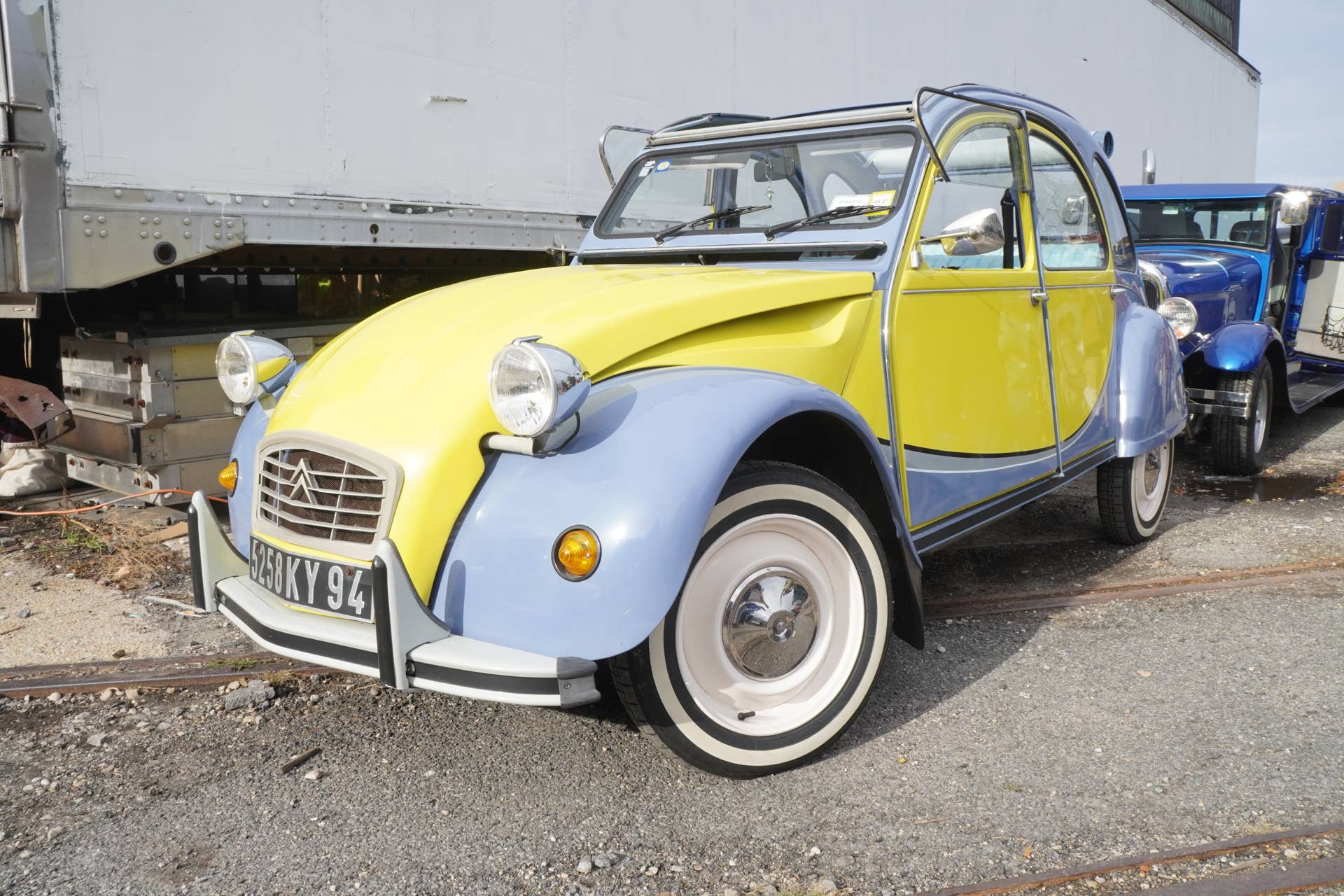
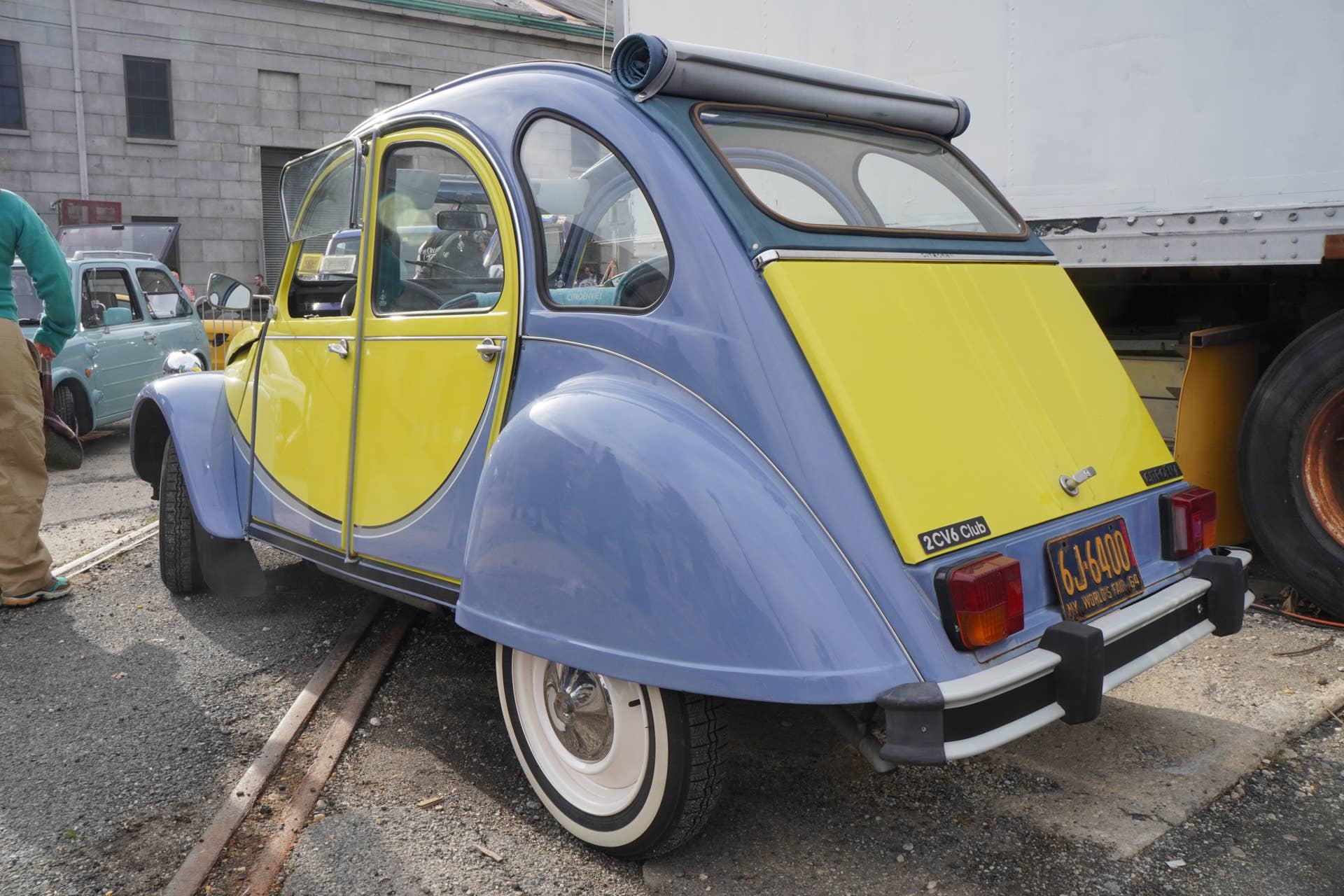
1984 Citroën 2CV
Few cars were designed with as little pretense as the Citroën 2CV. Developed to mobilize farmers in the French heartland past their horses and carts, the deux-chevaux was a massive success when it was released after World War II in 1948. Up until its end of production in 1990, the bare-bones “umbrella on wheels” became a counter-cultural symbol of French enginewering and ingenuity. Although millions of 2CVs were sold worldwide, they remain a rare sight in the United States and they tend to stop people in their tracks.
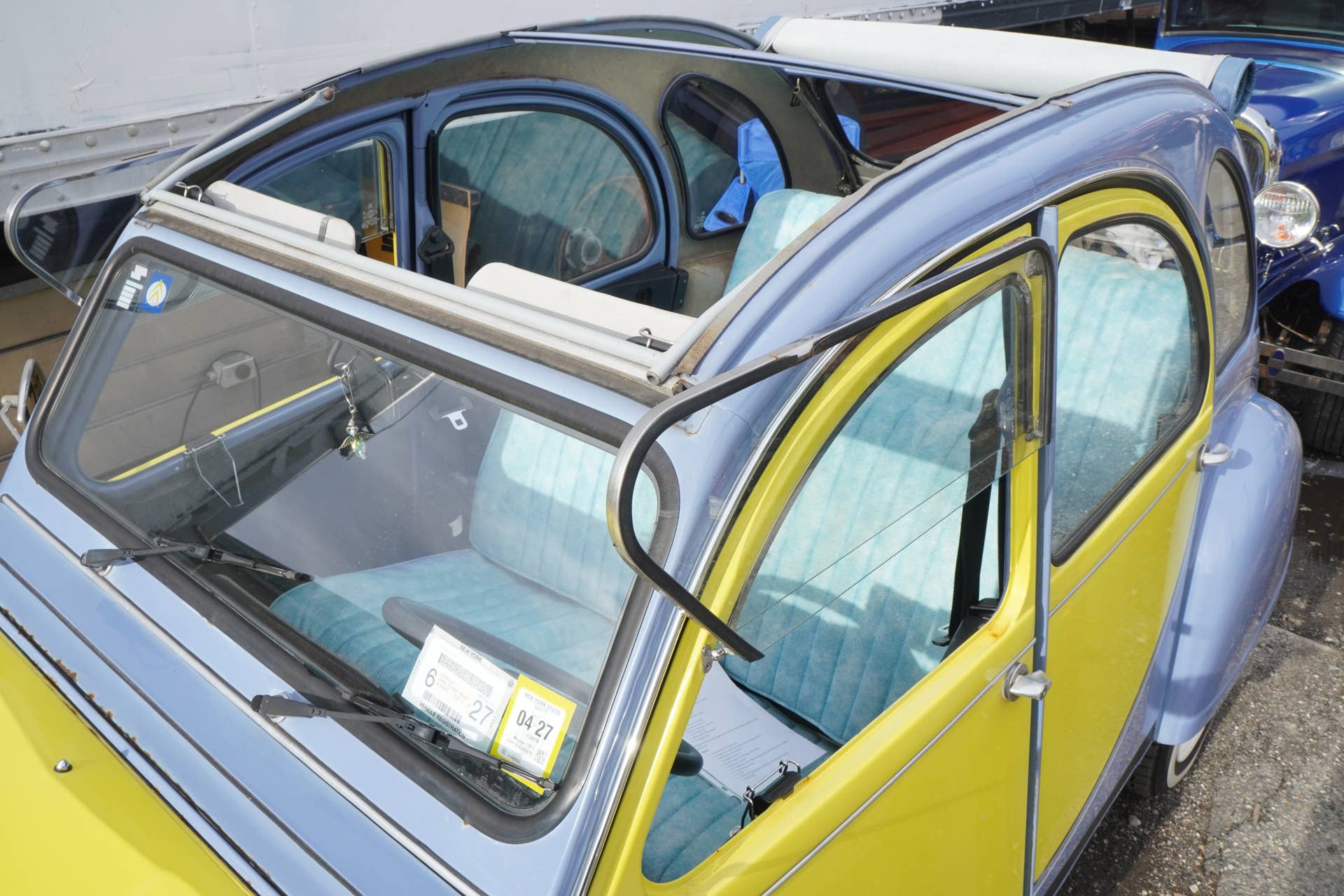
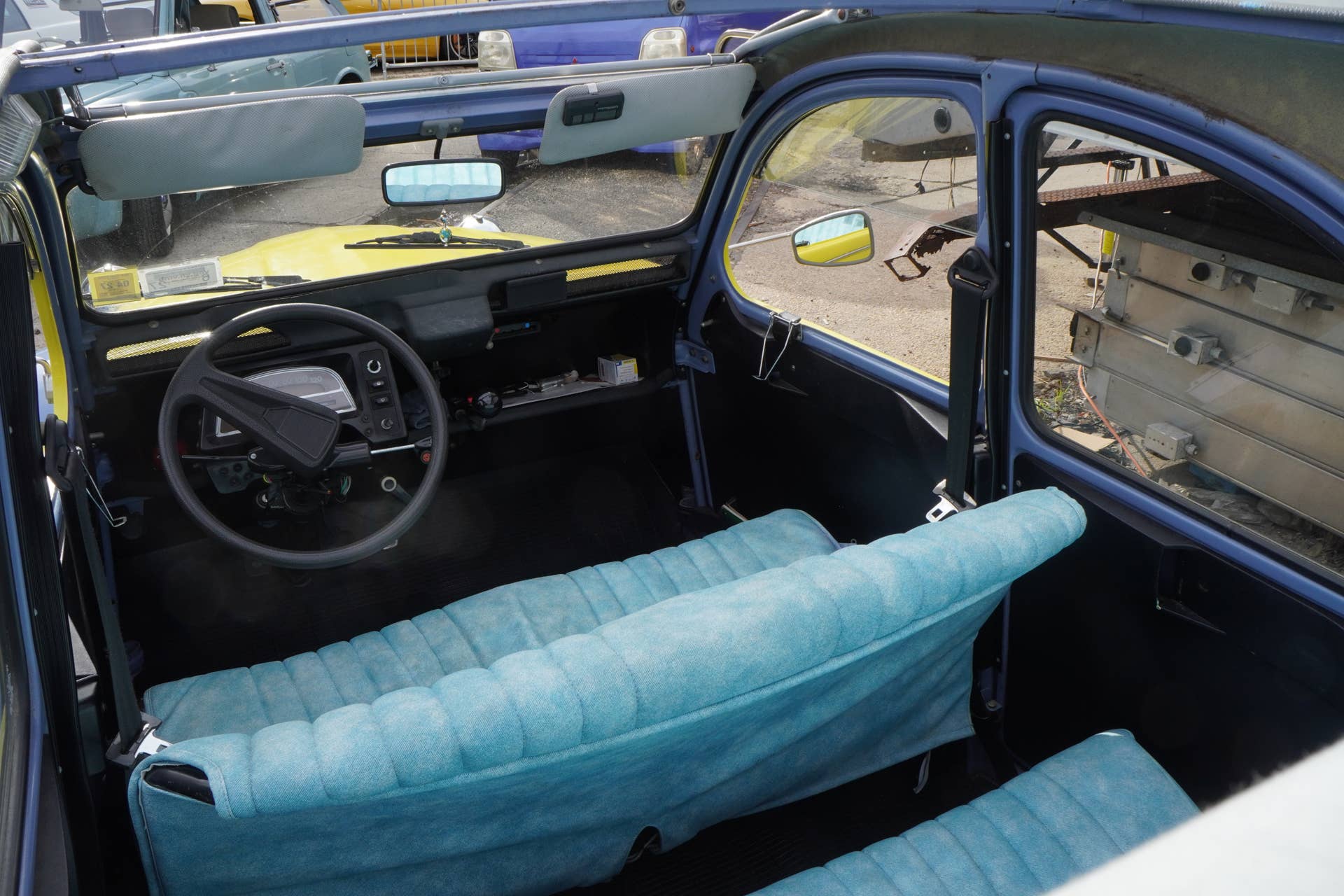
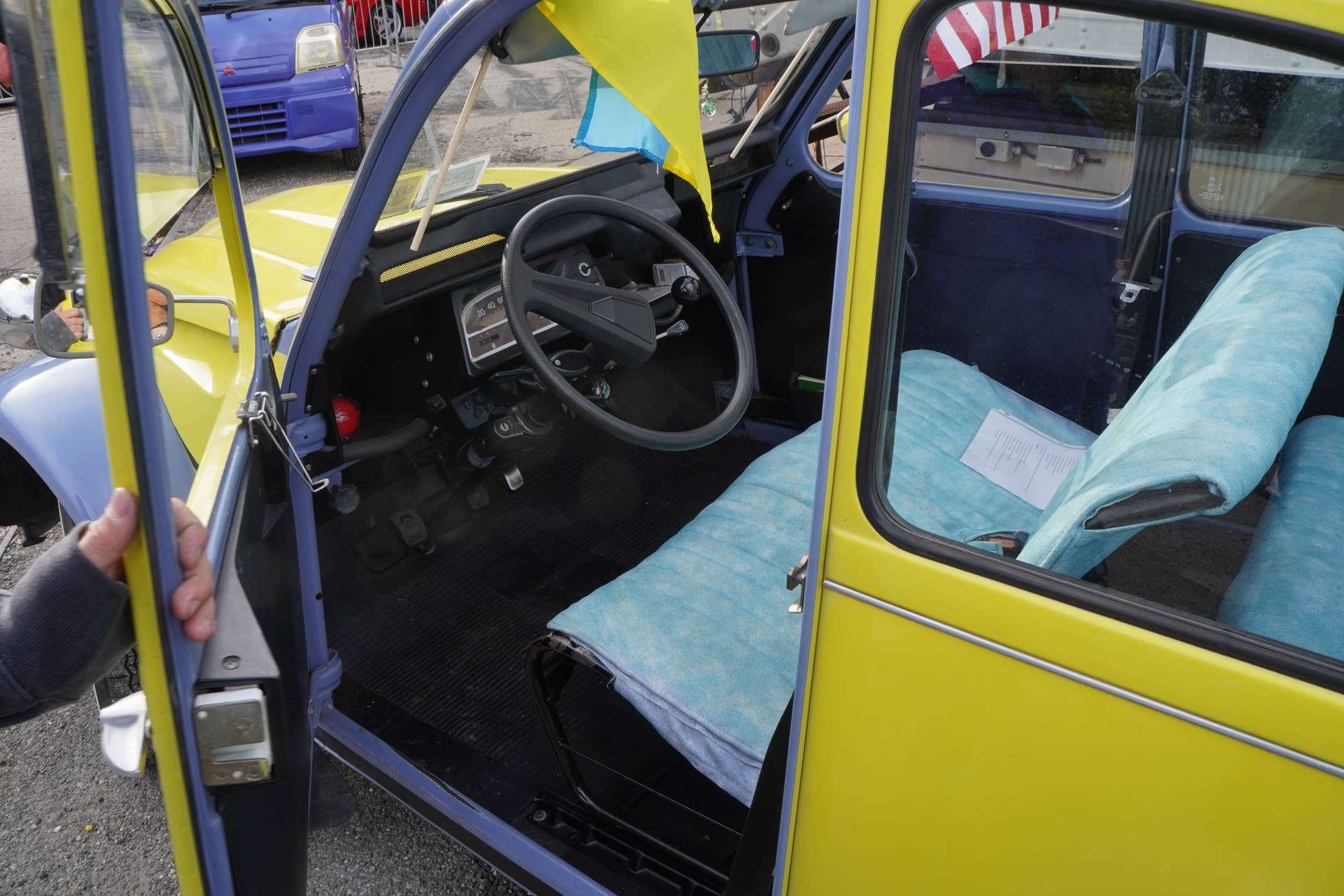
This 1984 Citroën 2CV is owned by Adam Hamaker of Nassau County, Long Island, who co-owns it with his father, Steve. The ownership story is mostly family: Adam’s uncle previously owned the car, and his father, who had a Volkswagen Type 3 (1500/1600) in college, has always been drawn to air-cooled oddballs. When the chance to buy it came up, they took it.
James Ochoa
James Ochoa
James Ochoa
The 2CV has also seen some real mileage. This summer, Hamaker and his father drove it from Long Island to a gathering in Saratoga Springs, near Albany, NY, a long haul for a car like this. Hamaker said the drive demands attention, since the throttle is wide open for much of the highway stretch. He added that the seats were designed so they can be removed and used as lawn chairs, and they have no bolstering, which makes a six-hour trip feel like sitting on one. Despise the long haul, he met owners who had driven from Michigan and even across the country at the event, which put his own trip in perspective.
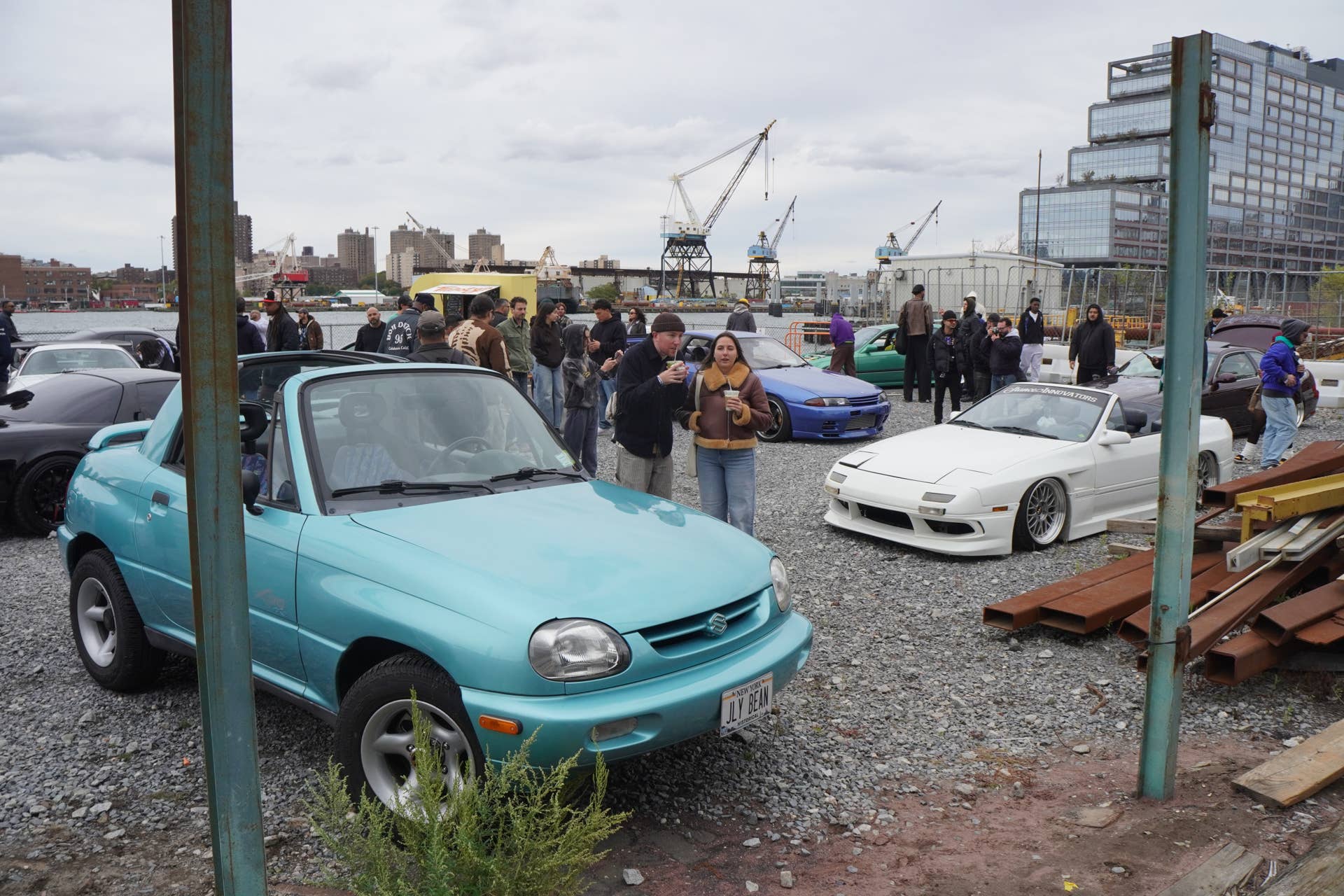
Hamaker says that keeping a 2CV running is easier than it sounds. Parts are plentiful in Europe, and he leans on a supplier in Washington State resells and ships them in the U.S. Because the UK was a big 2CV market, English-language manuals are easy to find. Hamaker, who works at a shop, said his other cars, including a very quirky Suzuki X-90, are harder to source parts for. At Wheels of NYC, Hamaker said that the best part of owning the 2CV is how people react, especially those from Europe, Africa and South America who grew up around them. He recalled a man in Brooklyn traffic who was shocked to see one, since his father had owned one back in Africa and he hadn’t seen another since childhood.
James Ochoa
James Ochoa
Final Thoughts
I previously attended the Spring edition of this show back in May, and can confidently say that Wheels of NYC is evolving into something much, much more meaningful with every iteration of its marquee event. Though I said that they have expanded their footprint beyond the Agger FIsh Warehouse at the Brooklyn Navy Yard in previous editions, it is safe to say that they may be well on their way of outgrowing their current venue.
Cars were not only inside and outside the venue, they spilled into parts of the streets adjacent to it. With a DJ-curated soundtrack, more food and drink vendors and Alfargo’s Marketplace setting up a vintage clothing and timepiece flea market on the grounds; this was much more than a “car show.” In the past, I have labeled it as a block party, but now, I am not afraid to call Wheels of NYC a festival — not exactly something out of Forza Horizon, but not something that feels like San Gennaro.
Perhaps that’s what cars are supposed to do. All I can say was that they managed to bring a lot of people together on a bitterly cold day to celebrate cars and car culture. While my camera could only capture so much, the energy around this event tells me that it is only getting started. Like its last iteration event, Wheels of NYC remains a must-attend event, and I look forward to the next edition.
About the author

James Ochoa
Senior Editor, Autoblog