
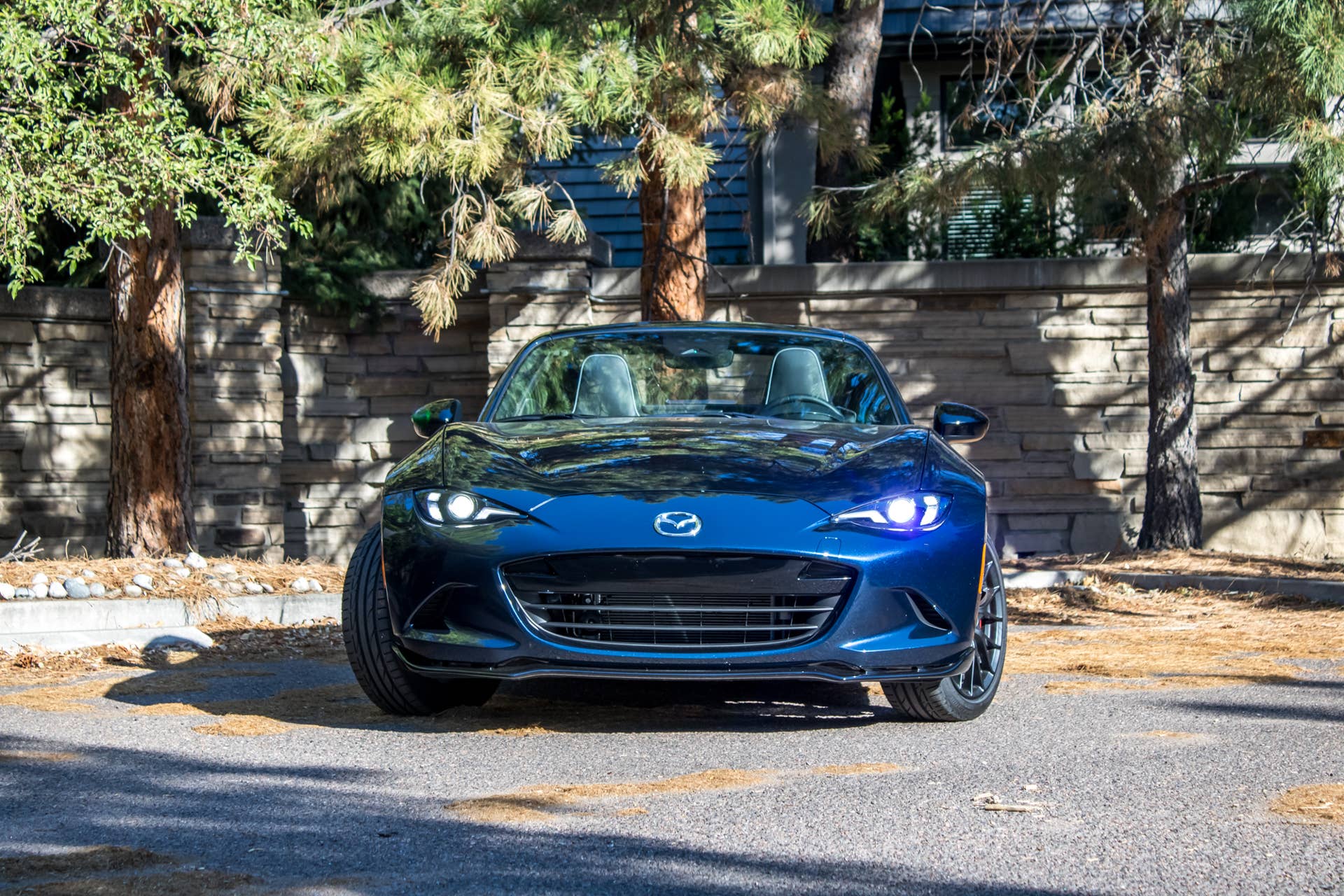
Sorry to say, but the biggest difference between an old car and a new one is… time. I knew Mazda would be an excellent testbed for a new-versus-old road test, given the purity of thought behind the Miata formula, but I was shocked by how the two cars felt back-to-back. Some things are obvious. 20 years of materials improvements in sound deadening, crash safety, and cost efficiency mean the new ND Miata feels, well, very modern. In contrast, you’d be hard-pressed to tell the two gearboxes apart with a blindfold on.
Design: 20 Years Adds Light And Height
Chase Bierenkoven
Chase Bierenkoven
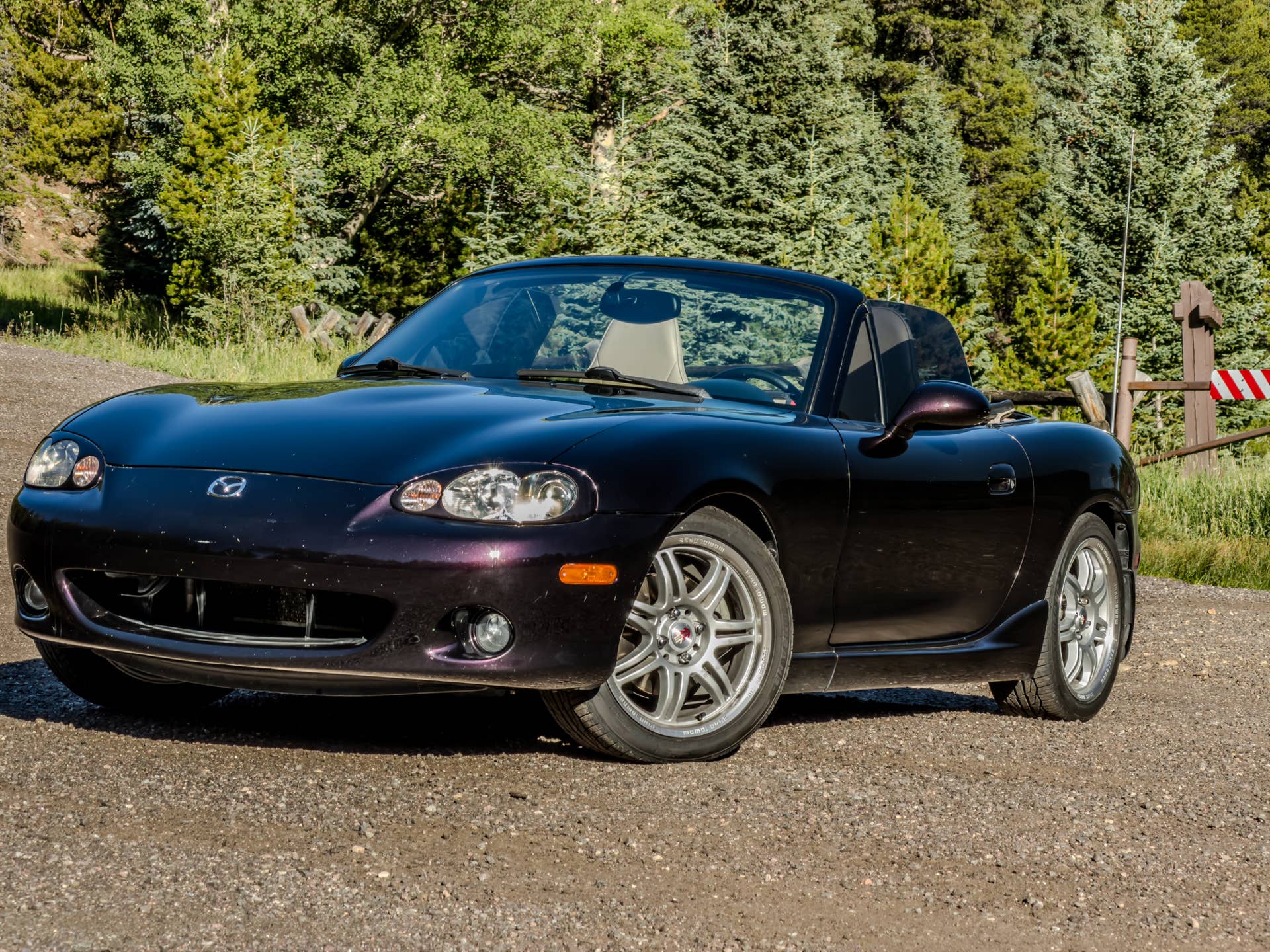
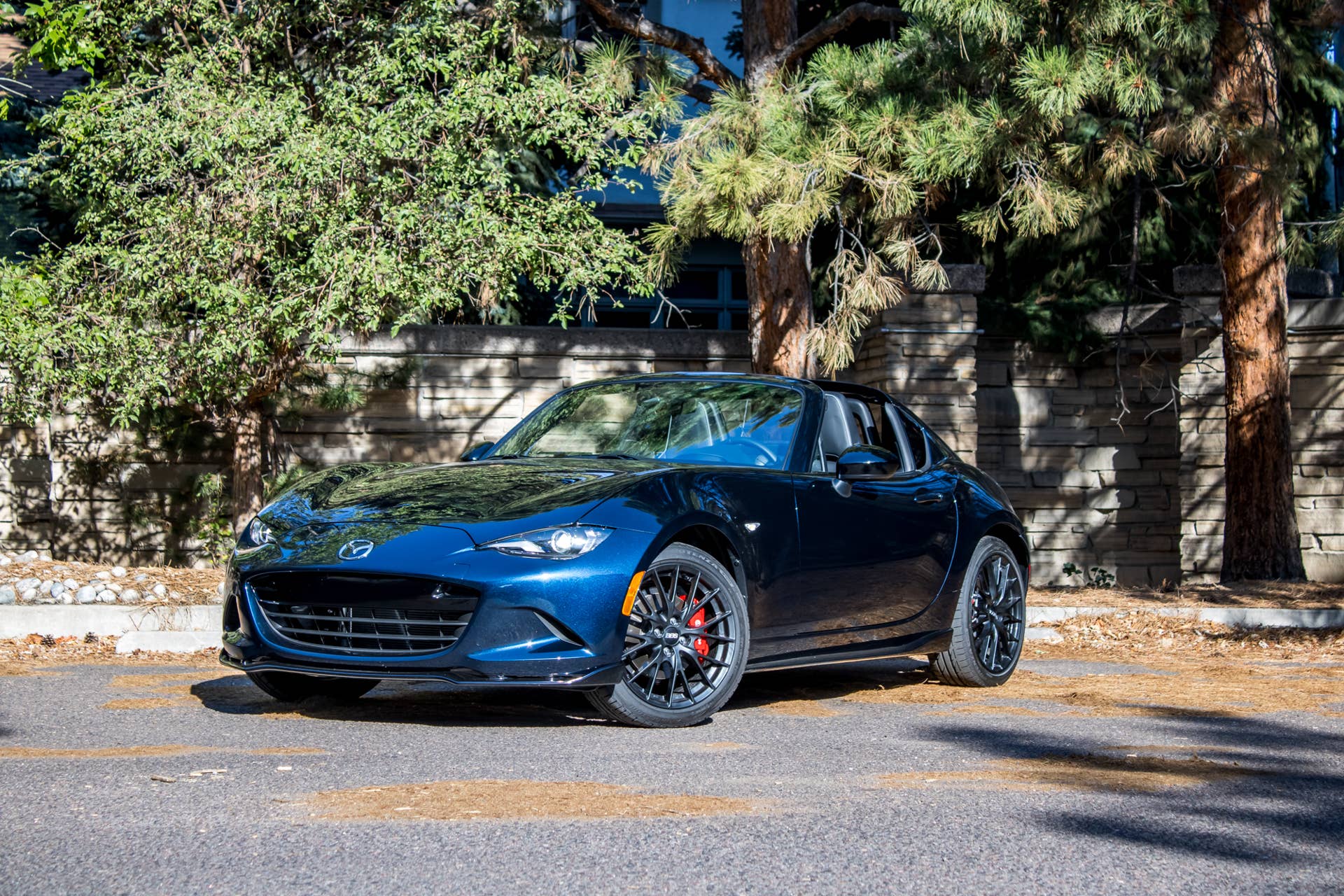
Unsurprisingly, the biggest difference between the new Miata and the second-generation NB model is the advancement of safety technology. The old NB is a car you sit on top of. Your shoulder is well above the car’s door sill, even at my staggeringly massive 5’7″ in height. In the new car, you are in it.
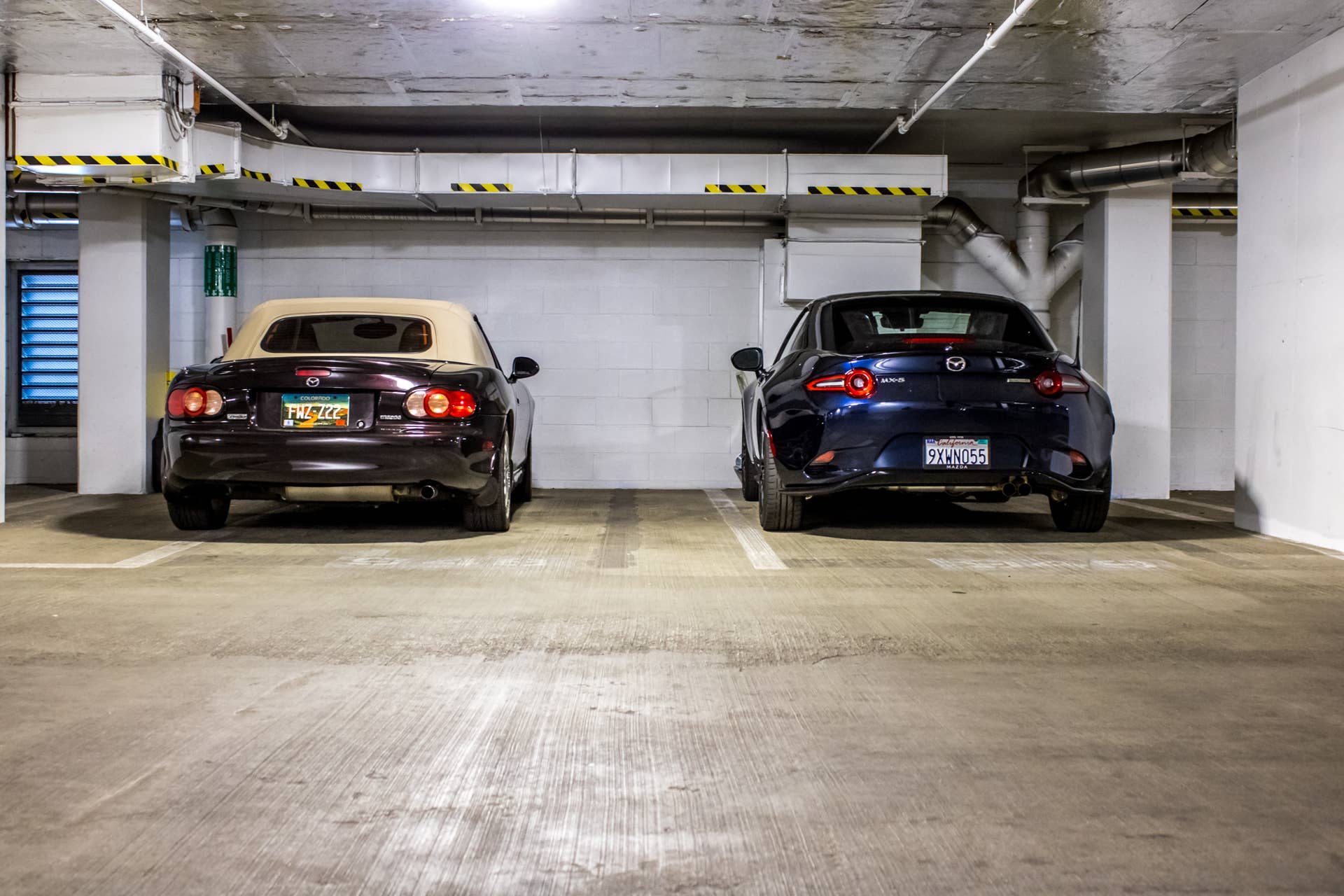
That’s down to crash regulations changing. The ND’s hood rides a touch higher, as does the rest of the car. This has some practical benefits. So too do the LED lights, which make the old ones look like a pair of candles. Whether you like one or the other is down to personal preference. A few things stick around – the round lights at the back, the happy grin, the short wheelbase. Through and through, both still feel like a Miata, then as now.
Powertrain: A Stark Contrast
Chase Bierenkoven
Chase Bierenkoven
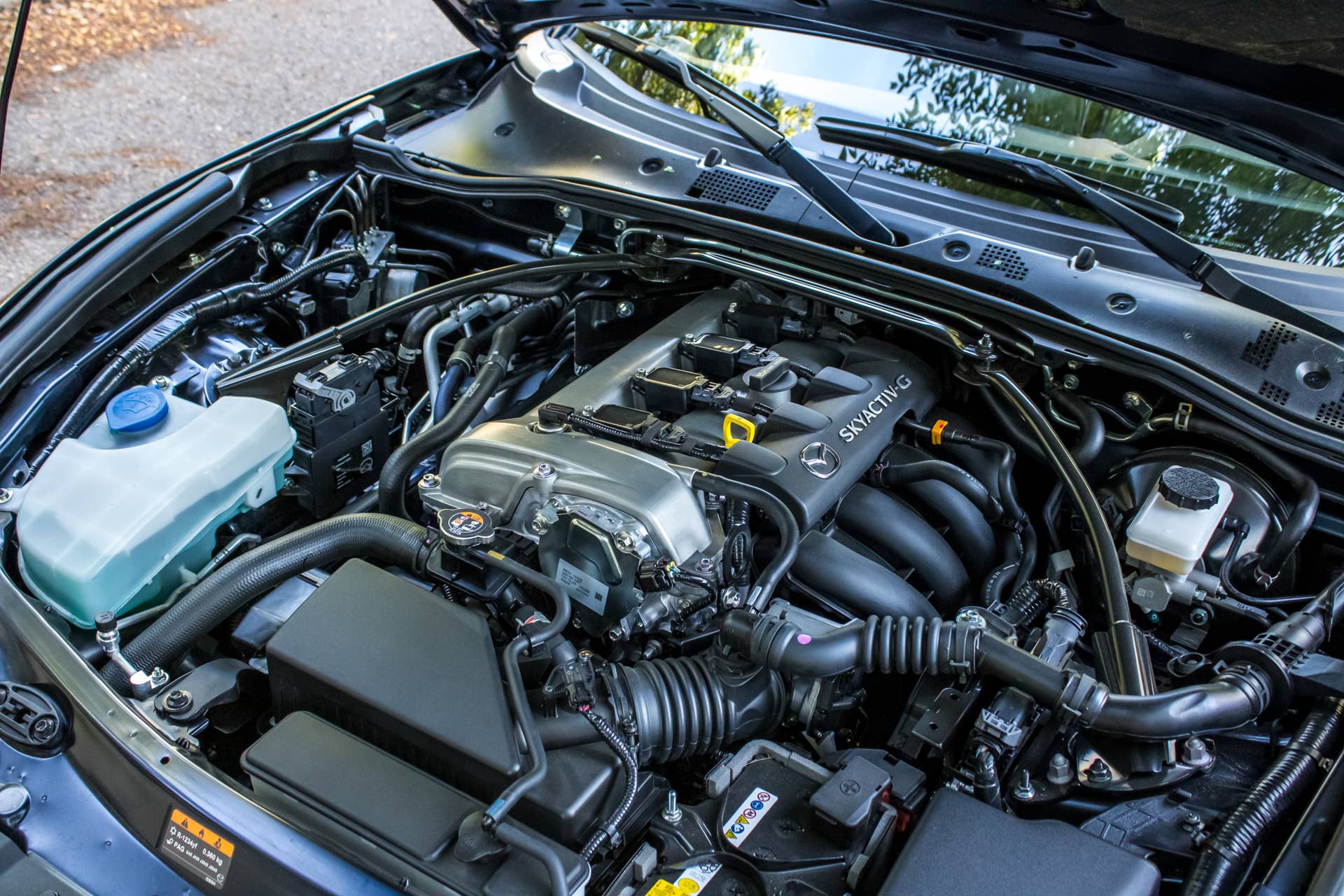
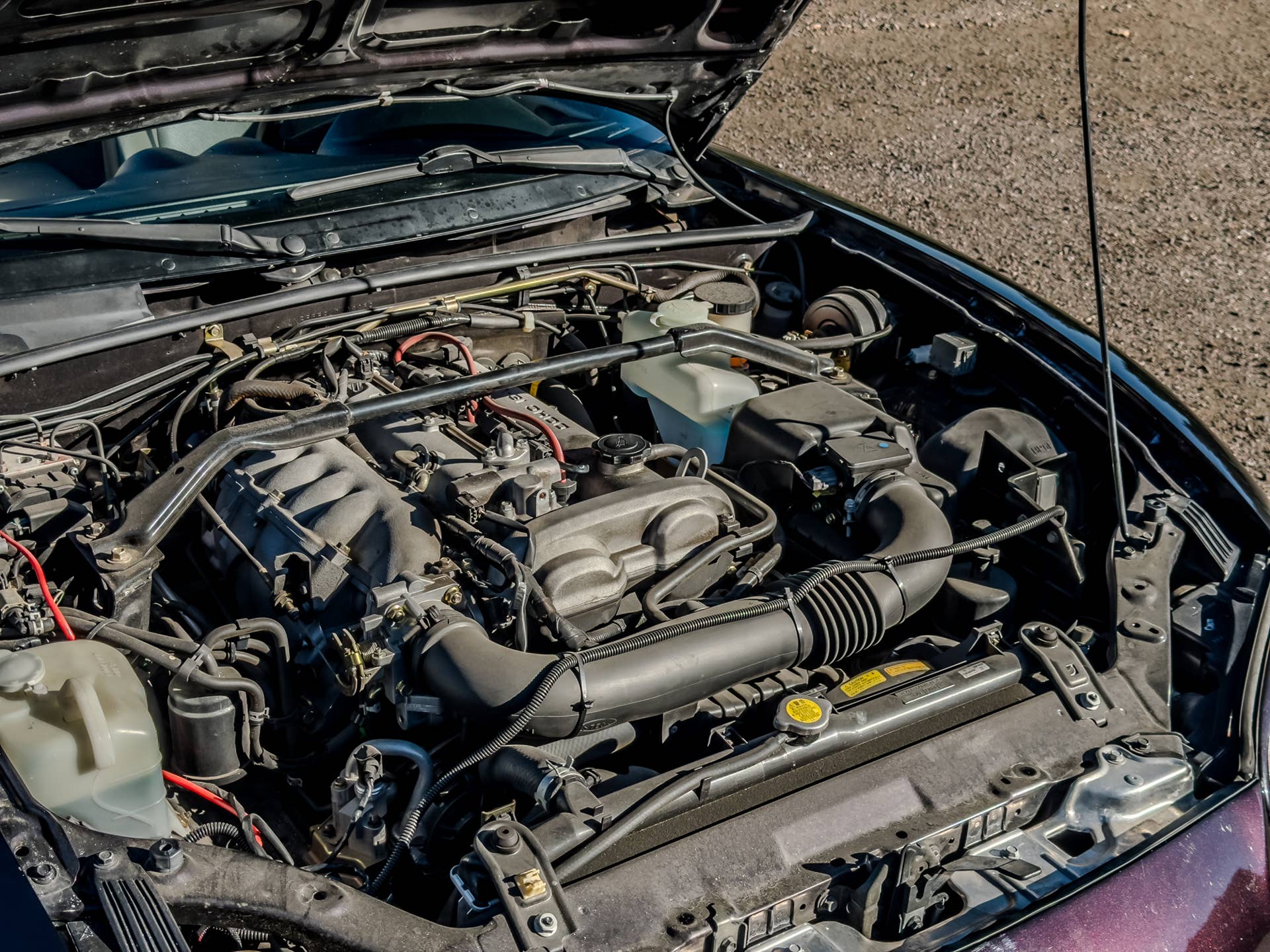
Coming as a surprise to absolutely no one, I’d kill to have the more modern powertrain. With 181 horsepower from a larger 2.0-liter, the ND’s engine is both revvier and more powerful than the old car and its 118-horsepower, 1.8-liter mill. It is also way quieter. A positive depending on how often you drive your Miata of choice. The fuel economy is damn near 10 miles per gallon apart, with the ND pulling a stellar 32.6 mpg over my time with the car.
The NB is also much more willing to step out of line thanks to its less modern all-season tires and its lack of traction control. The slides, though, are much easier to control in the ND, which lets you know what’s happening with much more direct and immediate steering feedback.
All that aside, the two feel similar to drive. They must both be run out to get the best of their power output. Predictably, Mazda nailed the controls in both, but the NB’s pedals feel a little mushy and cheap in their age. Both heel-toe easily, and both gearboxes are among the best I’ve ever driven. There’s no winner here, only a discount at the bank, with NBs costing under $15k easily, and this 2026 car coming in at a hefty $43,000.
Usability: The NB Is A Half-Turn More Loose
Everything in the NB feels a lot like the ND, just a half-turn looser. Time does that. But each has its pros and cons. For instance, the NB’s trunk is wider, accommodating flat, large items more easily. However, it’s about half as deep as the ND’s trunk. Noise, vibration, and harshness are much reduced in the NB, with its new sound deadening and cushy, snug seats. That folding metal roof does a lot to dampen the outside world for a bit of drawback-free motoring not found in the NB. I’d rather drive the new car every day, unsurprisingly, but the NB is my car, and I have no issues going right back to getting groceries in the 20-year-old car despite its lack of refinement – it’s still just comfy enough.
Chase Bierenkoven
About the author

Chase Bierenkoven
Senior Editor, Autoblog