
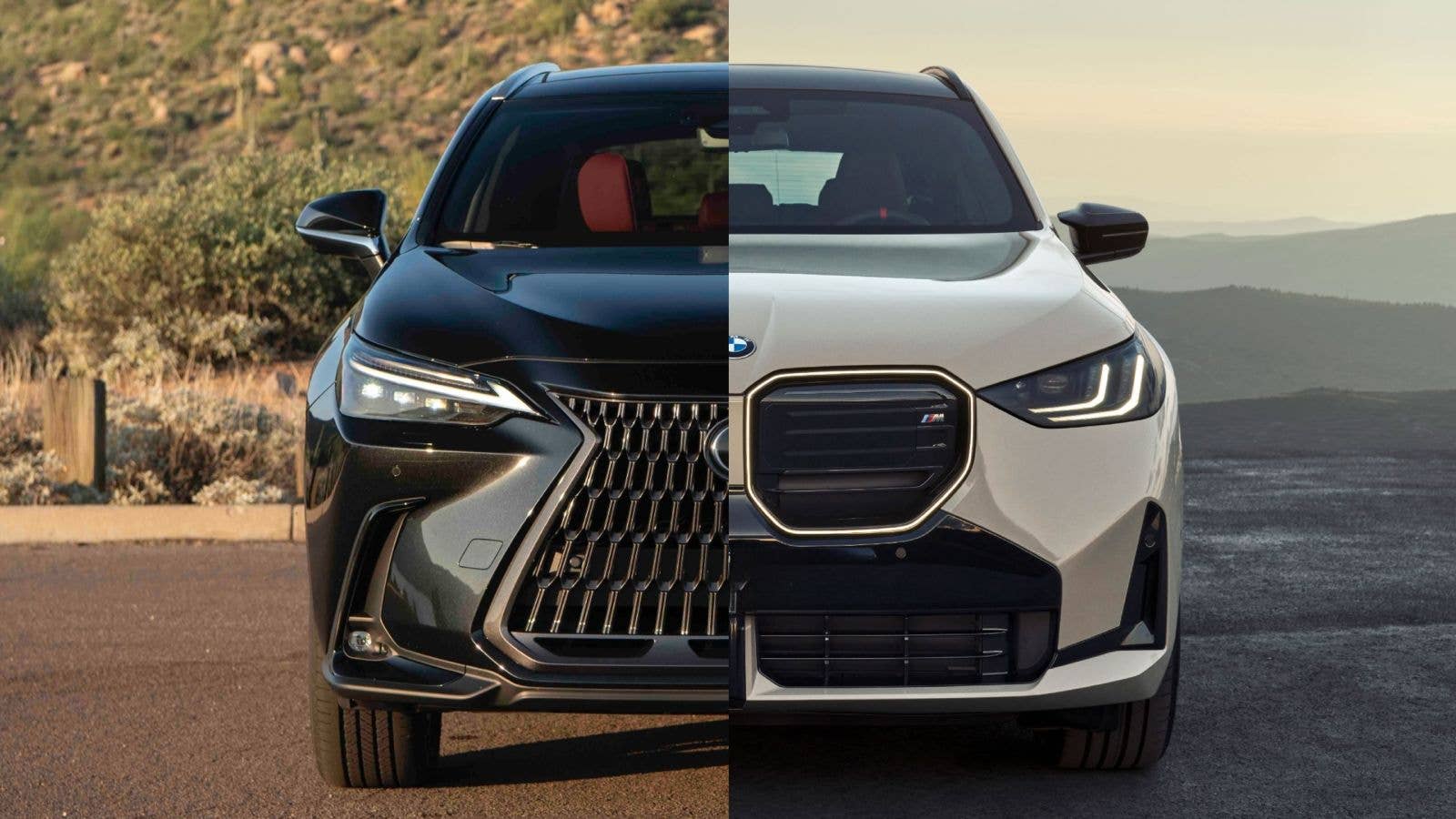
The Lexus NX and BMW X3 are two of the best-selling models in the compact SUV market. The BMW is slightly larger, sportier and comes with some of the latest tech in its segment. The NX, meanwhile, offers a more laid-back and comfortable driving experience, and is cheaper to buy and run. We compare these two top-selling compact luxury SUVs to see which approach works best in this very competitive marketplace.
Lexus NX
Lexus
Lexus
Lexus
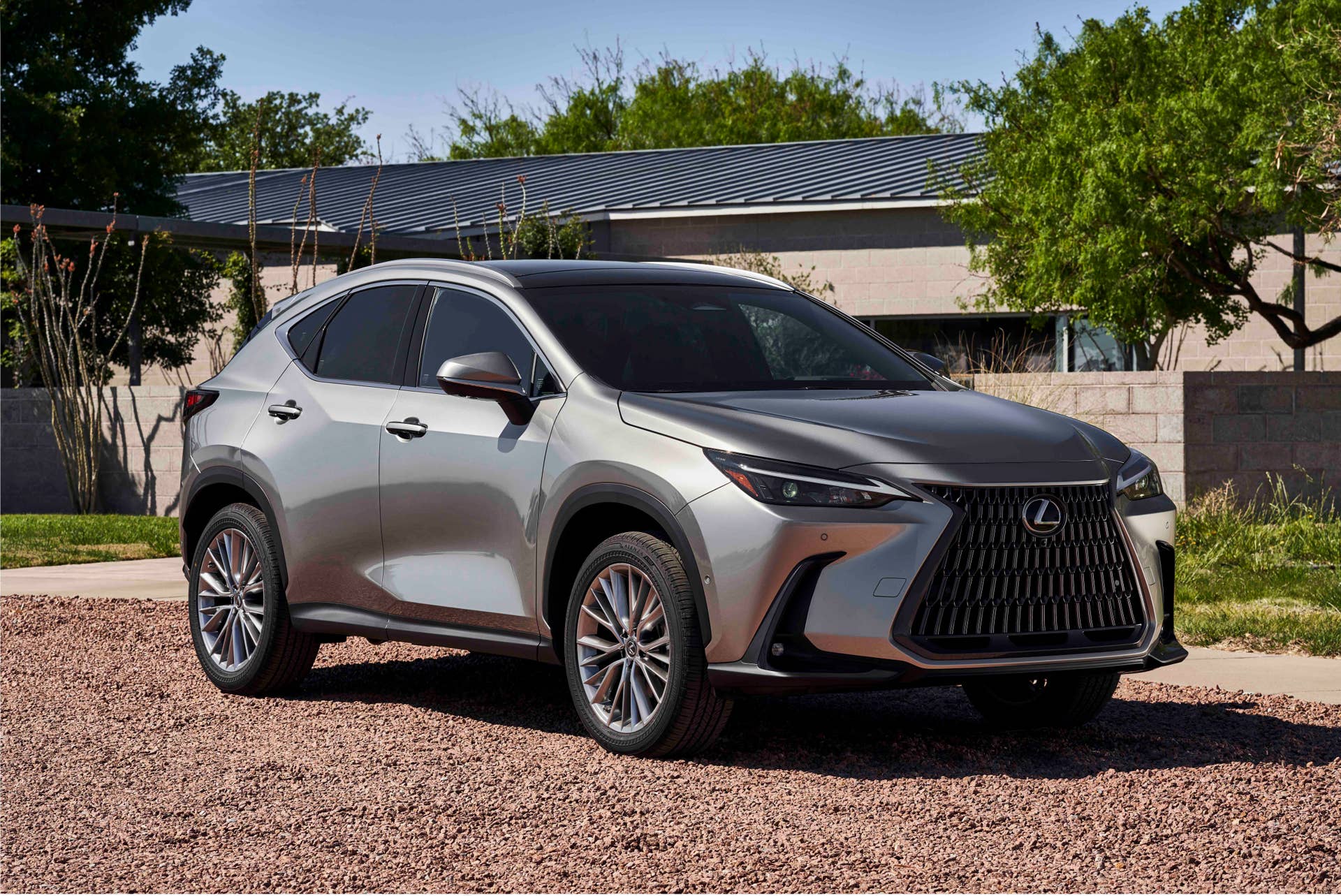
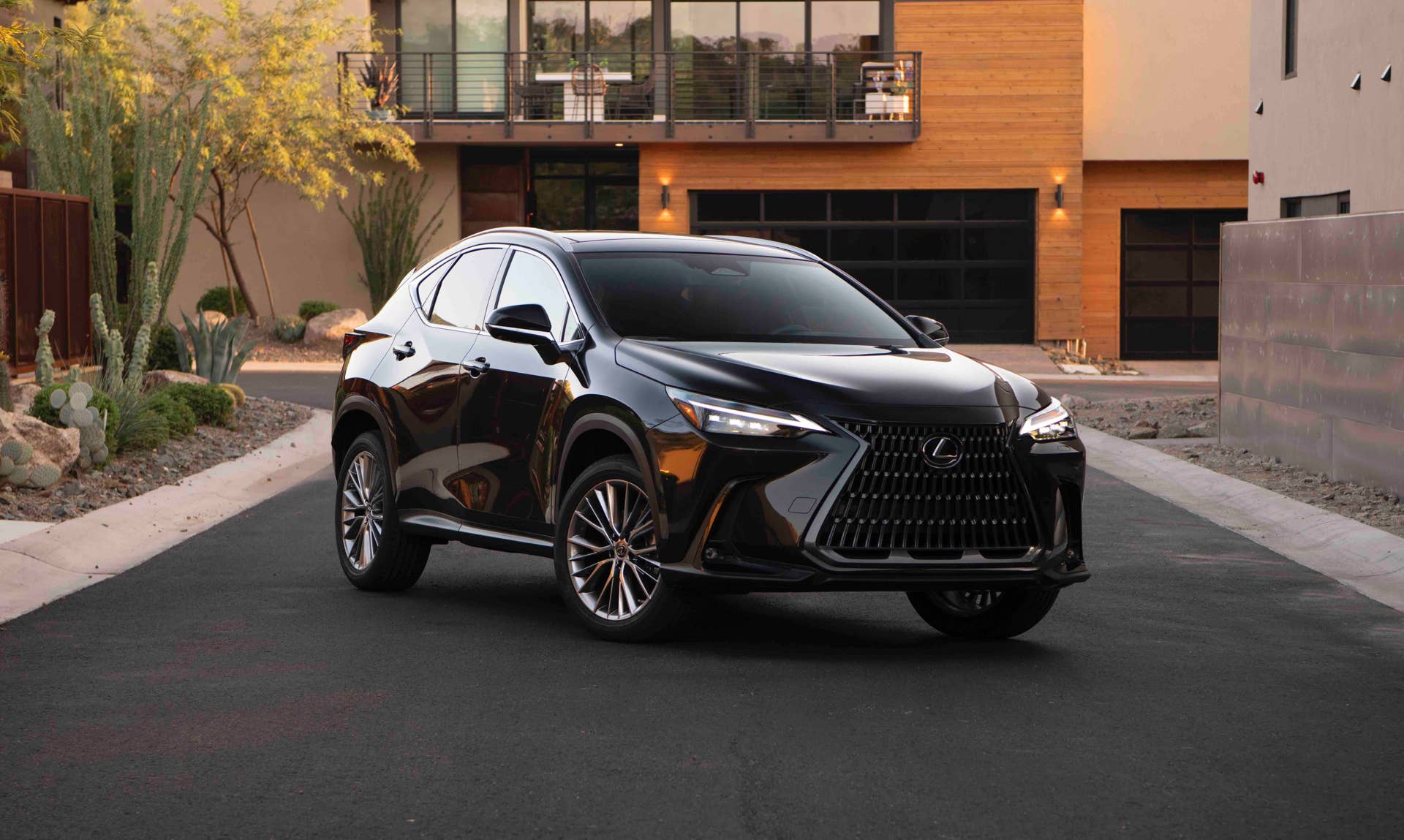
Slotting in between the BMW X1 and X3 in terms of size, the Lexus NX offers buyers in the premium compact SUV segment an interesting alternative to the usual German offerings.
| Model | Base MSRP | Engine | Power | Combined MPG | 0–60 mph |
| Lexus NX 350 | $47,220 | 2.4L Turbocharged Inline-4 | 275 hp | 24 MPG | 6.6 sec |
| Lexus NX 350h | $46,570 | 2.5L Inline-4 Hybrid | 240 hp combined | 40 MPG | 7.2 sec |
| Lexus NX 450h+ | $59,505 | 2.5L Inline-4 Plug-in Hybrid | 304 hp combined | 84 MPGe | 6.0 sec |
The NX 350 comes with a 2.4-liter turbocharged inline-four, an eight-speed automatic transmission and standard all-wheel drive (AWD), and it delivers solid, if not class-leading performance figures. The NX 350h gets a 2.5-liter hybrid assisted gas engine, and is available either in front-wheel drive or AWD. The more powerful NX 450h+ is a plug-in hybrid (PHEV) and is both quicker than the other two variants as well as more fuel efficient if you keep the battery charged and make the most of its 37 miles of all-electric range.
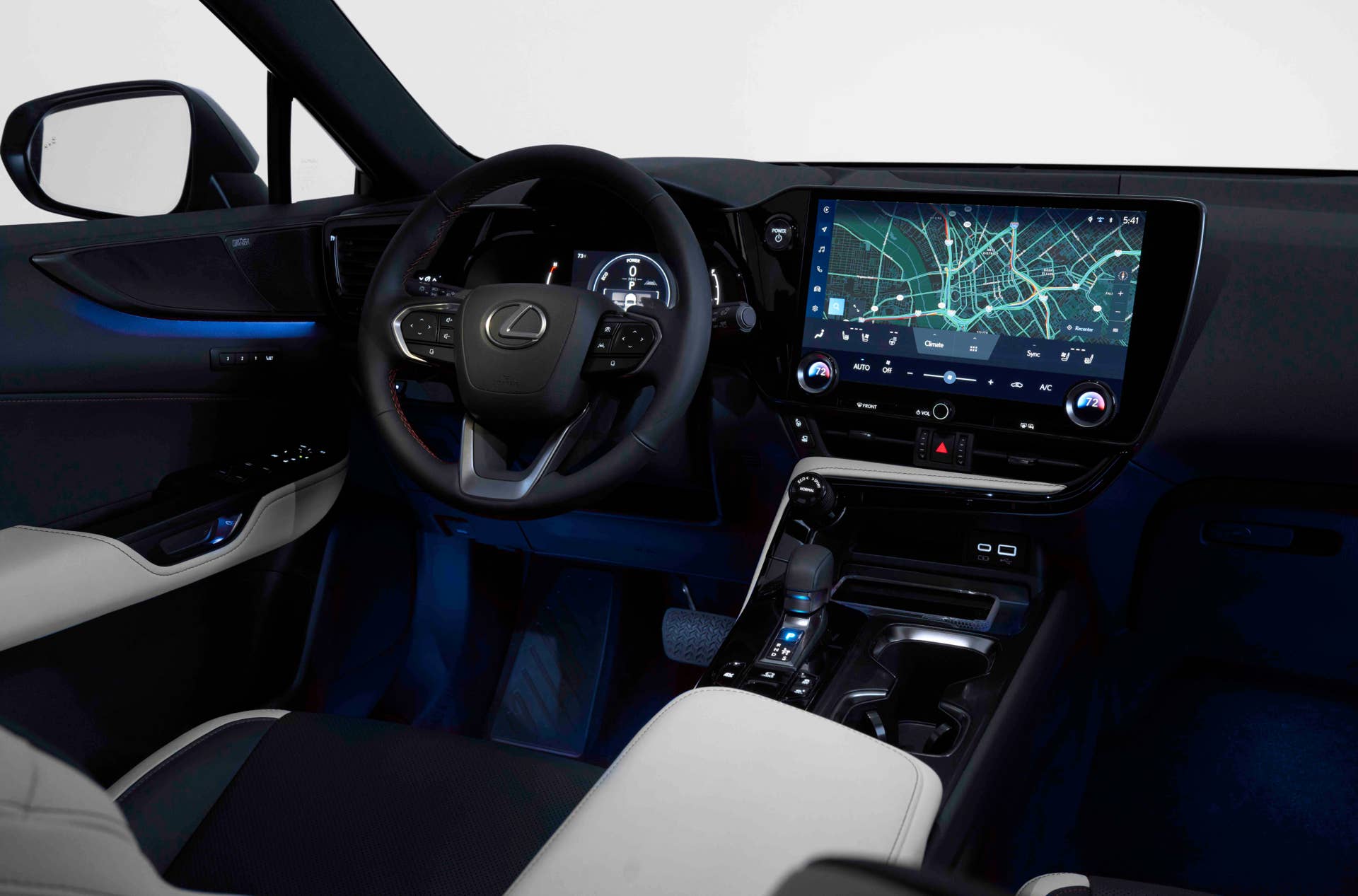
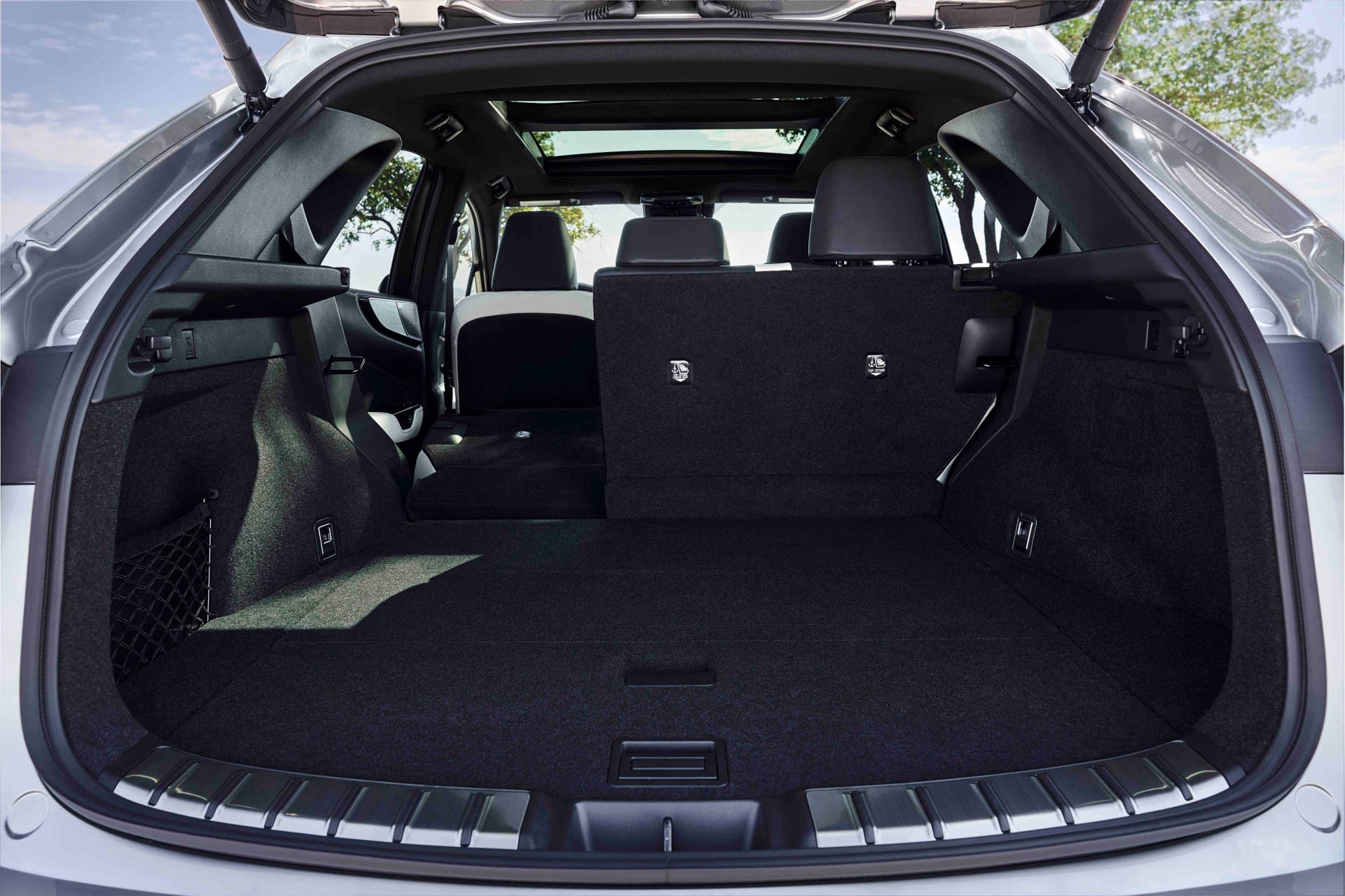
The NX lineup is available in Base, Premium, Luxury, and F Sport trim levels. All trims get the Lexus Safety System+ 3.0 suite (featuring adaptive cruise control and lane-keeping assist) and a touchscreen interface with wireless Apple CarPlay and Android Auto. Stepping up to the Luxury or F Sport trims adds a massive 14-inch touchscreen display, ambient interior lighting, a head-up display, and an optional 17-speaker Mark Levinson audio system. When it comes to practicality, the Lexus NX offers 22.7 cubic feet of cargo space behind the second row, expanding to 46.9 cubic feet with the rear seats folded flat.
BMW X3
BMW
BMW
BMW
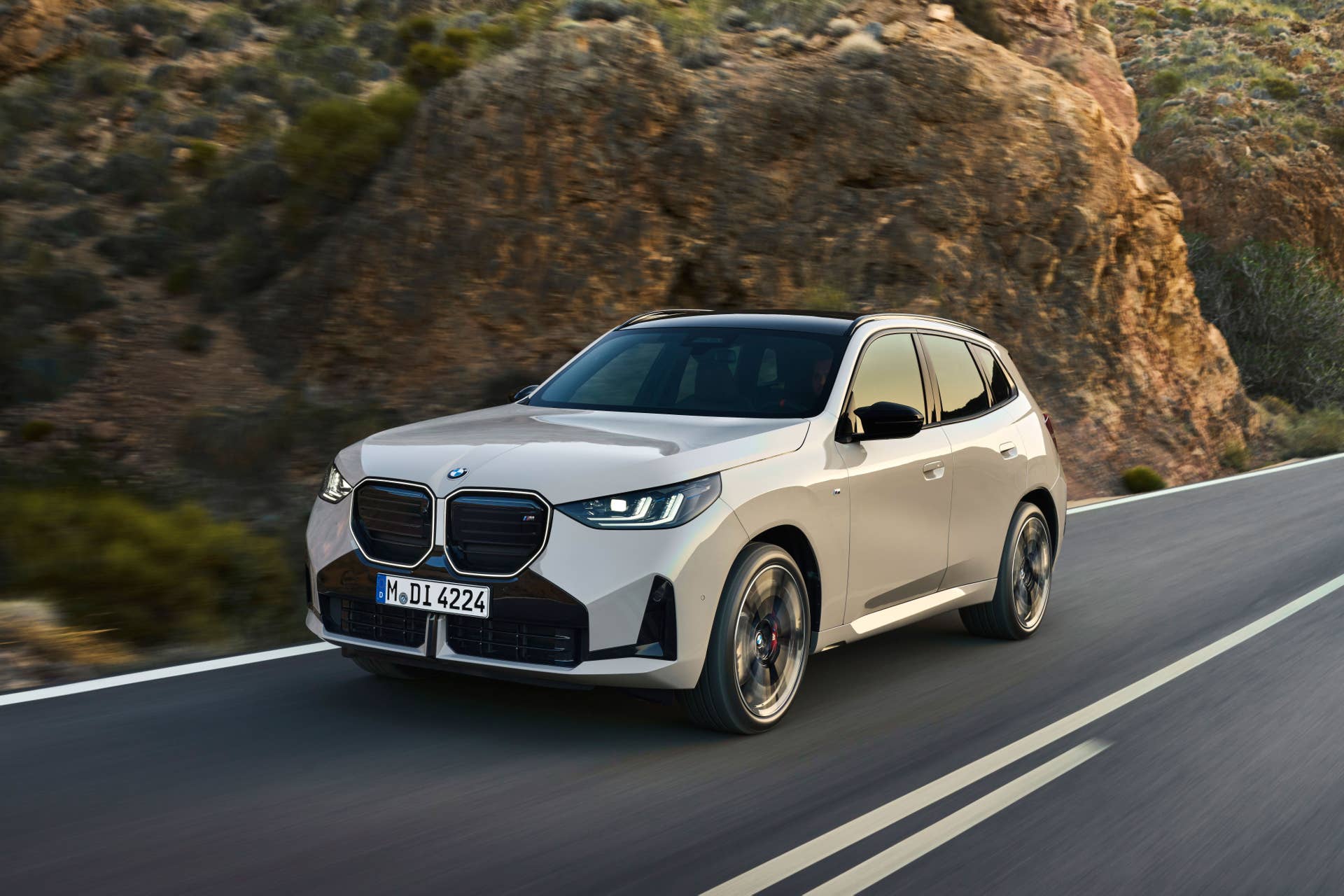
The X3 may be slightly larger overall than the X1, but in terms of specification levels and overall pricing, the two are pretty evenly matched.
| Model | Base MSRP | Engine | Power | Combined MPG | 0–60 mph |
| BMW X3 30 xDrive | $51,300 | 2.0L Turbo Inline-4 Mild-Hybrid | 255 hp | 33 MPG | 6.0 sec |
| BMW X3 M50 xDrive | $66,500 | 3.0L Turbo Inline-6 Mild-Hybrid | 393 hp | 30 MPG | 4.4 sec |
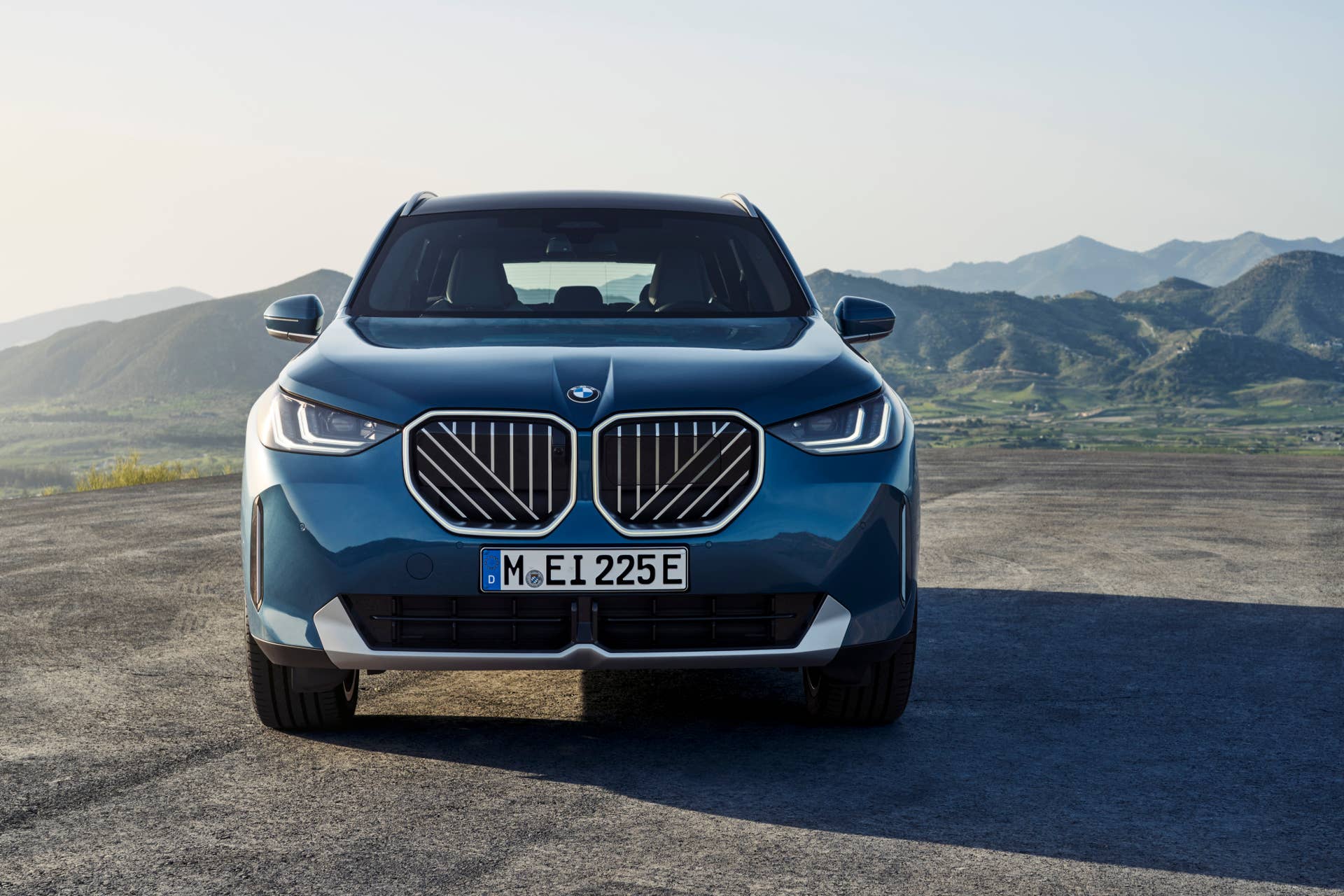
US-spec X3s come in one of two flavors, a sporty 255hp 2.0-liter turbocharged 30 xDrive and a ballistic 393hp 3.0-liter turbocharged M50 xDrive. Both come standard with AWD, an eight-speed automatic transmission, and the M50 gets sportier suspension, beefed-up brakes, and more aggressive exterior styling. The only concession here to fuel economy is a 48-volt mild hybrid system which helps smooth out the stop-start system, but its real claim to fame is that it adds up to 11hp under heavy acceleration and helps reduce turbo lag.
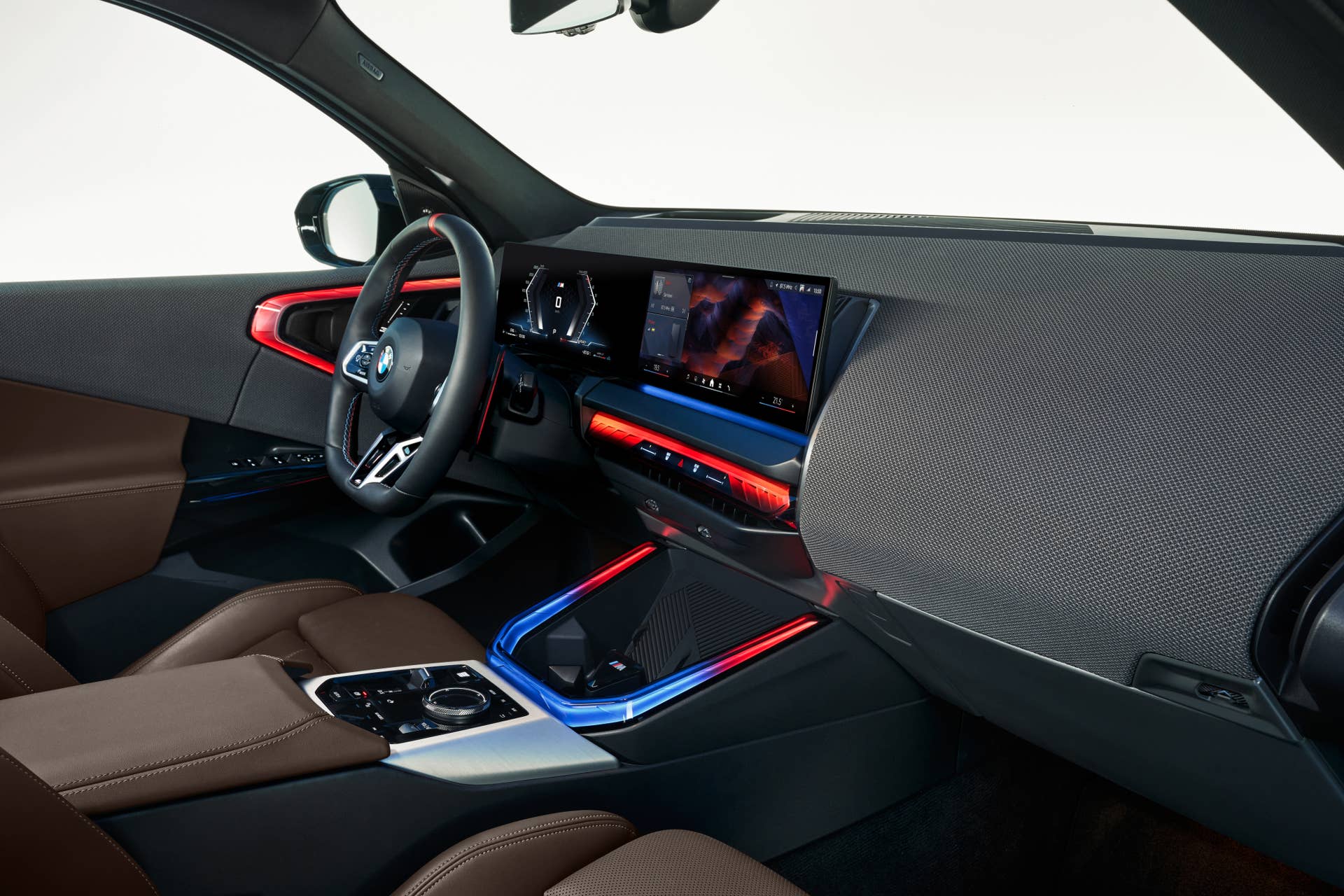
Fuel economy is still competitive for its class, but clearly BMW is more focused on the performance side of the compact luxury SUV segment. Inside, the X3 features a 12.3-inch digital instrument cluster with a 14.9-inch central touchscreen. Standard features include dynamic ambient lighting, and tri-zone automatic climate control.
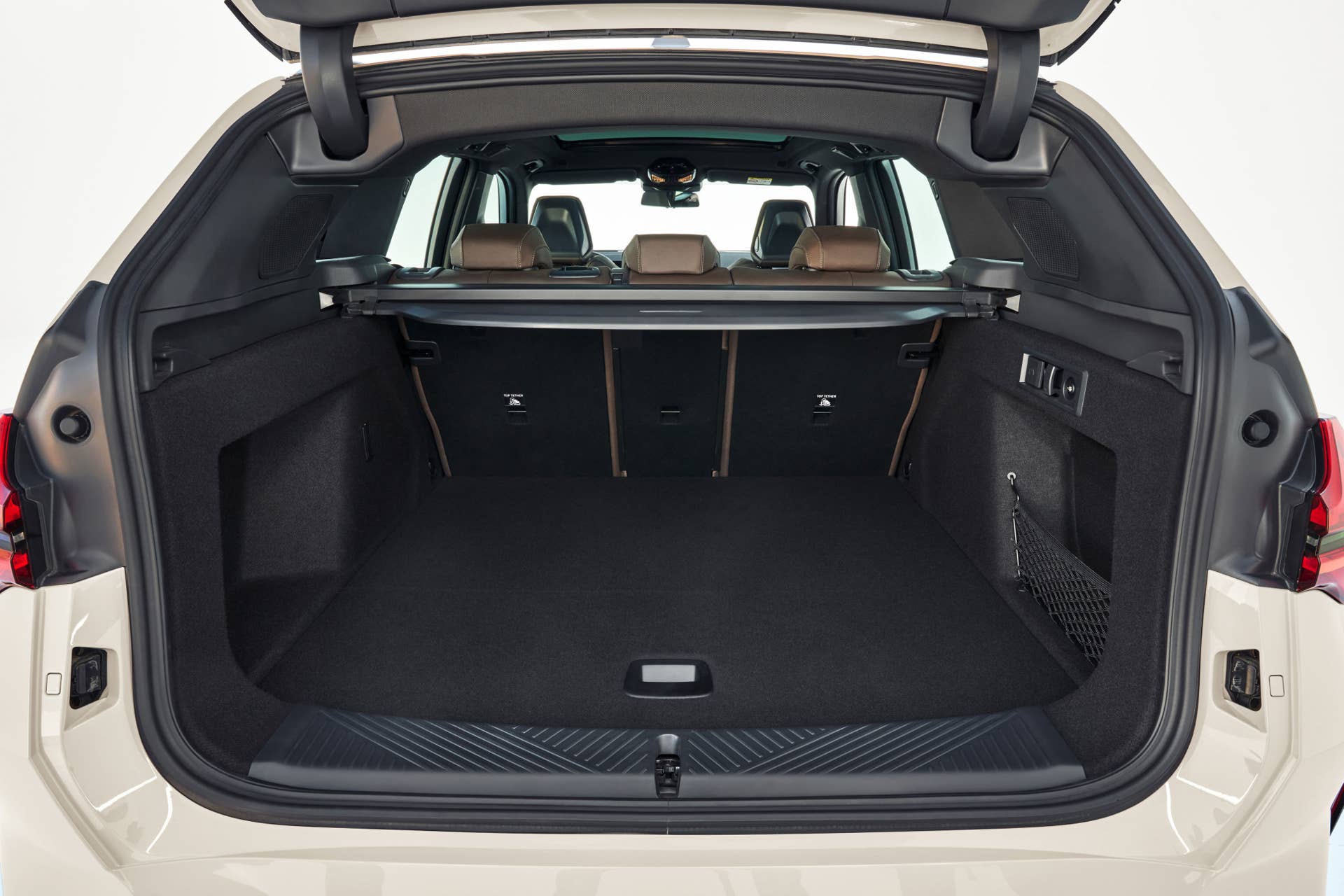
Optional packages add features like the Sky Lounge Panoramic Roof, Parking Assistant Professional, and a Harman Kardon surround-sound system. In terms of interior space, the X3 offers 31.5 cubic feet behind the second row, expanding to an impressive 67.1 cubic feet with the rear seats folded down.
Lexus NX vs BMW X3
BMW
Lexus
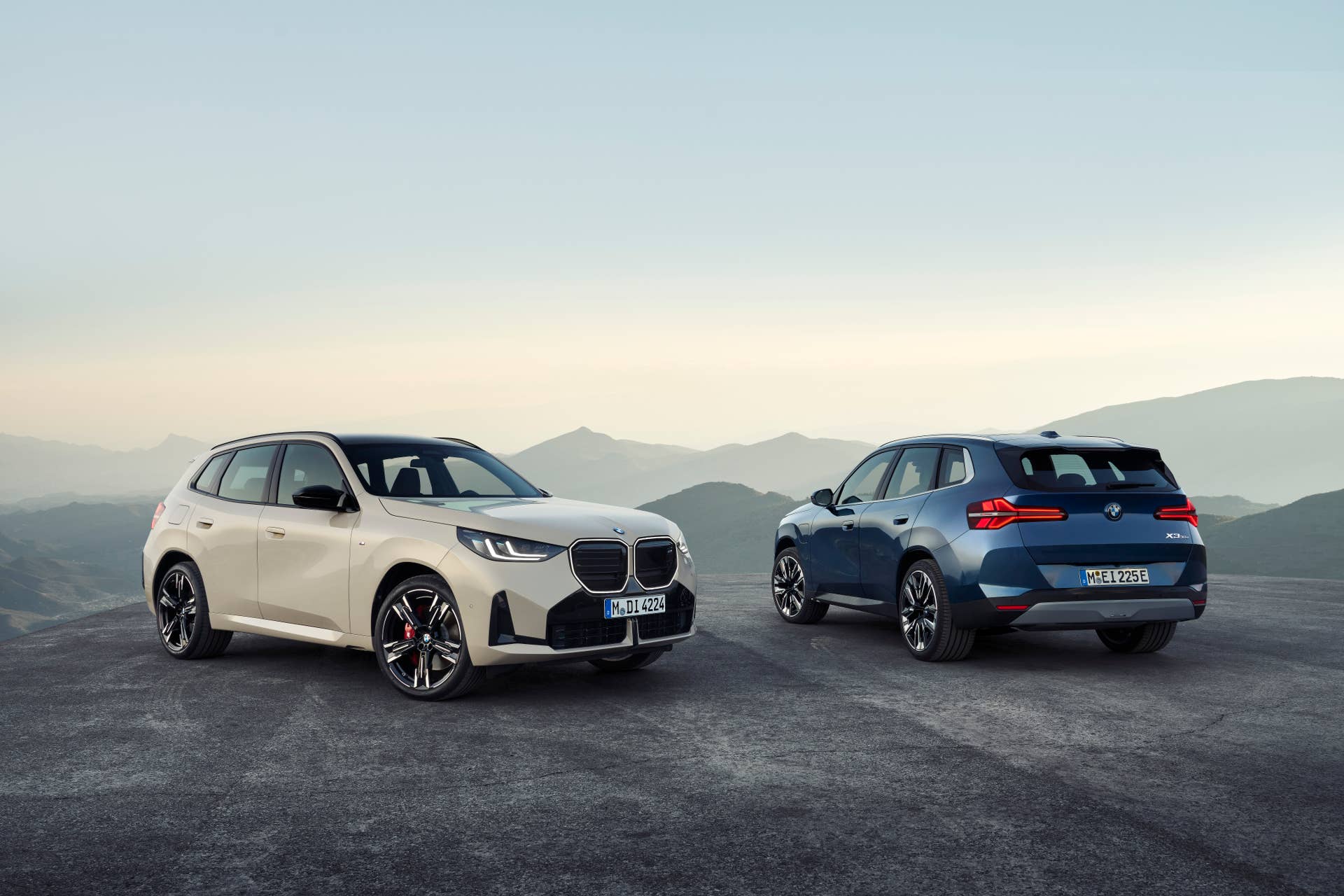
The turbocharged NX 350 and base X3 30 xDrive are arguably the closest match, and while the Lexus comes in at over $4,000 cheaper in base trim, and has 20hp more power, but is both slower and less fuel efficient. Some of that price gap is made of a more comprehensive list of features offered on the BMW, and Lexus buyers can easily spec their NX up to similar levels, although at the cost of eroding the price advantage. The NX350h hybrid doesn’t have a direct X3 rival, and is underpowered in this company, but it offers the best value and great fuel economy.
Dimension Comparison
| Make and Model | Lexus NX 350 | BMW X3 30 xDrive |
| First Row Headroom | 38.3 in | 40.5 in |
| First Row Legroom | 41.0 in | 41.5 in |
| Second Row Headroom | 38.5 in | 38.8 in |
| Second Row Legroom | 36.1 in | 36.3 in |
| Cargo Area behind second row | 31.5 cubic feet | 22.7 cubic feet |
While the X3 does have marginally more interior space, it has significantly more cargo area, and can tow more, too. However, the Lexus NX’s slightly more compact dimensions make it easier to thread through traffic, and both SUVs can comfortable seat four to five adults.
Reliability and Warranty Comparison
| Make and Model | Lexus NX | BMW X3 |
| Consumer Reports Reliability Index 2025 | 73/100 | 42/100 |
| Consumer Reports Reliability Index 2026 | 71/100 | 42/100 |
| Powertrain Warranty | 6 Years / 70,000 Miles | 4 Years / 50,000 Miles |
| Basic Warranty | 4 Years / 50,000 Miles | 4 Years / 50,000 Miles |
Lexus’s enviable reputation for reliability shines through here, and the NX comprehensively outscores the X3 in the Consumer Report index for both 2025 and 2026. While the basic warranty is the same for both vehicles, the NX comes with a longer powertrain warranty. Based on this historic reliability data, the NX is more likely to be less costly to own and run in the long term.
Lexus NX vs BMW X3: Different Philosophies
ChatGPT
BMW
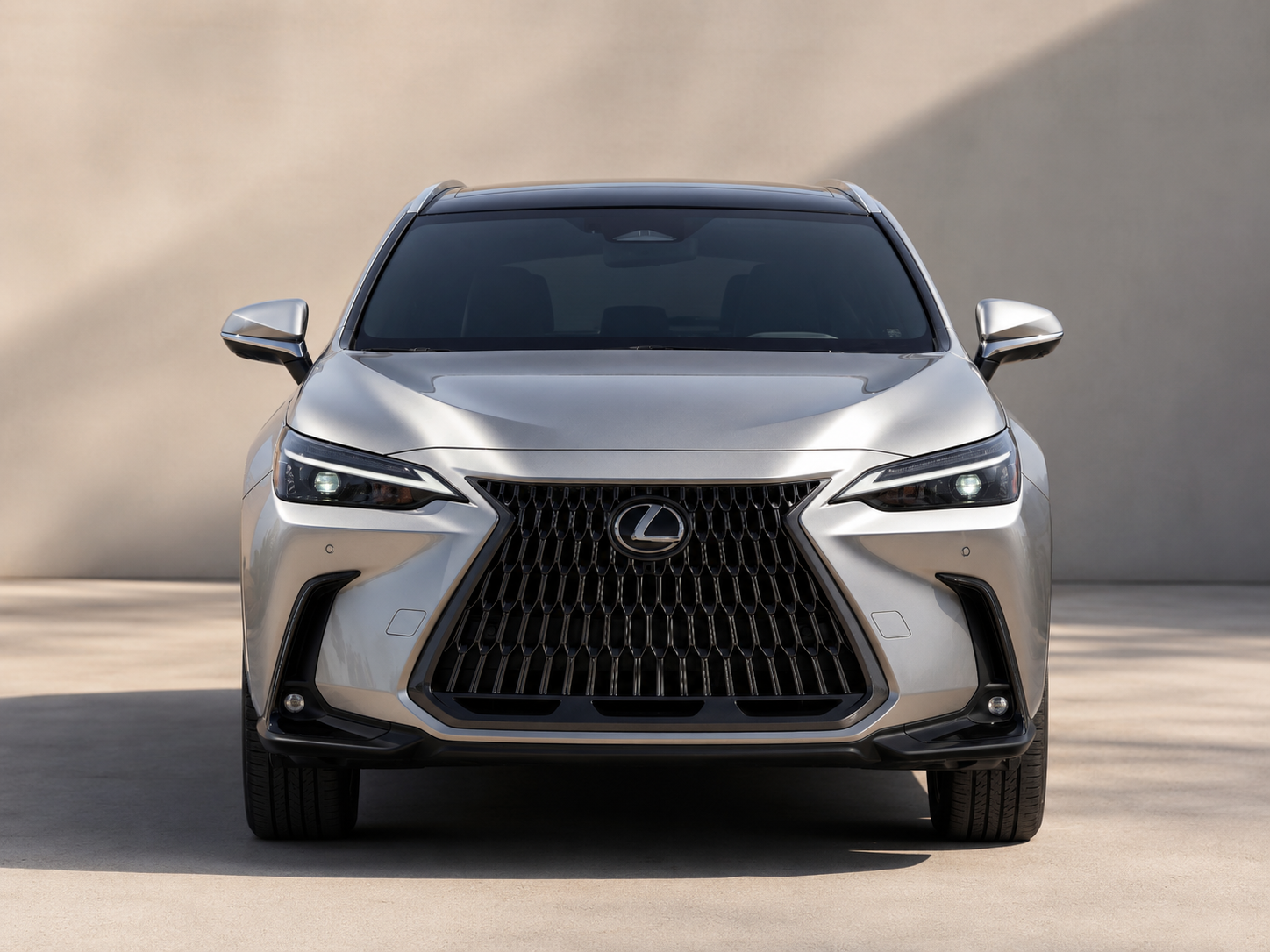
To get a better picture of the pros and cons of both SUVs, it helps to take a look at the two highest spec offerings. The top-spec BMW X3 M50 xDrive is in another league when it comes to outright performance, and dynamic ability. Lexus’s NX 450h+ Plug-in hybrid range-topper underlines the different philosophies both automakers have regarding their compact SUVs. It is more comfortable, offers vastly better fuel economy and comes packed with features that focus more on luxury than lap times.
Even in the top F Sport Handling trim, the Lexus is still over $3,000 cheaper than the M50 xDrive, although the X3 is slightly larger and far more powerful. The X3 is also slightly newer, so it has a more advanced infotainment system. Where the Lexus draws ahead is in its fuel-efficient engines, superb ride quality, near-silent cabin, and better reliability levels. It is slightly smaller overall but is priced accordingly, and you can always step up to the RX which is slightly larger than the X3 but costs a bit more.
The BMW is undoubtedly the sharper driving tool, but when you consider that most SUVs are used as family transport in crowded cities and for long distance road trips, the Lexus NX’s mix of attributes is a better fit more of the time.
About the author

John Tallodi
Senior Editor