
Key Points
- The Kia Borrego was an ahead-of-its-time, body-on-frame SUV, underappreciated at launch.
- A speculative modern Borrego concept blends rugged design with current Kia styling and technology.
- Market conditions now favor purpose-built SUVs, potentially making a Borrego revival more viable.
There are moments in the market when an old idea suddenly feels relevant again, perhaps even more so than it did way back in the day. The Kia Borrego is an SUV that embodies the notion “ahead of its time” to a tee. Full-size, body-on-frame SUVs are no longer exclusive to being excessive indulgences or fleet-driven workhorses; they’ve become cultural statements, valued for durability, presence, and the promise of real capability. Buyers today are craving real substance again from their SUVs. In a sea of crossovers that blur together, vehicles that look and feel purpose-built stand out.
Kia, now firmly established as a design-forward and well-respected brand, operates in a vastly different world from fifteen years ago. During an evening spent trying to avoid the brainrot of Instagram reels, which I instead spent scrolling through catalogues of brochures for forgotten cars, I had a thought: Why doesn’t Kia bring back the long-lost Borrego?
Kia
What the Borrego Was, and Why It Still Matters
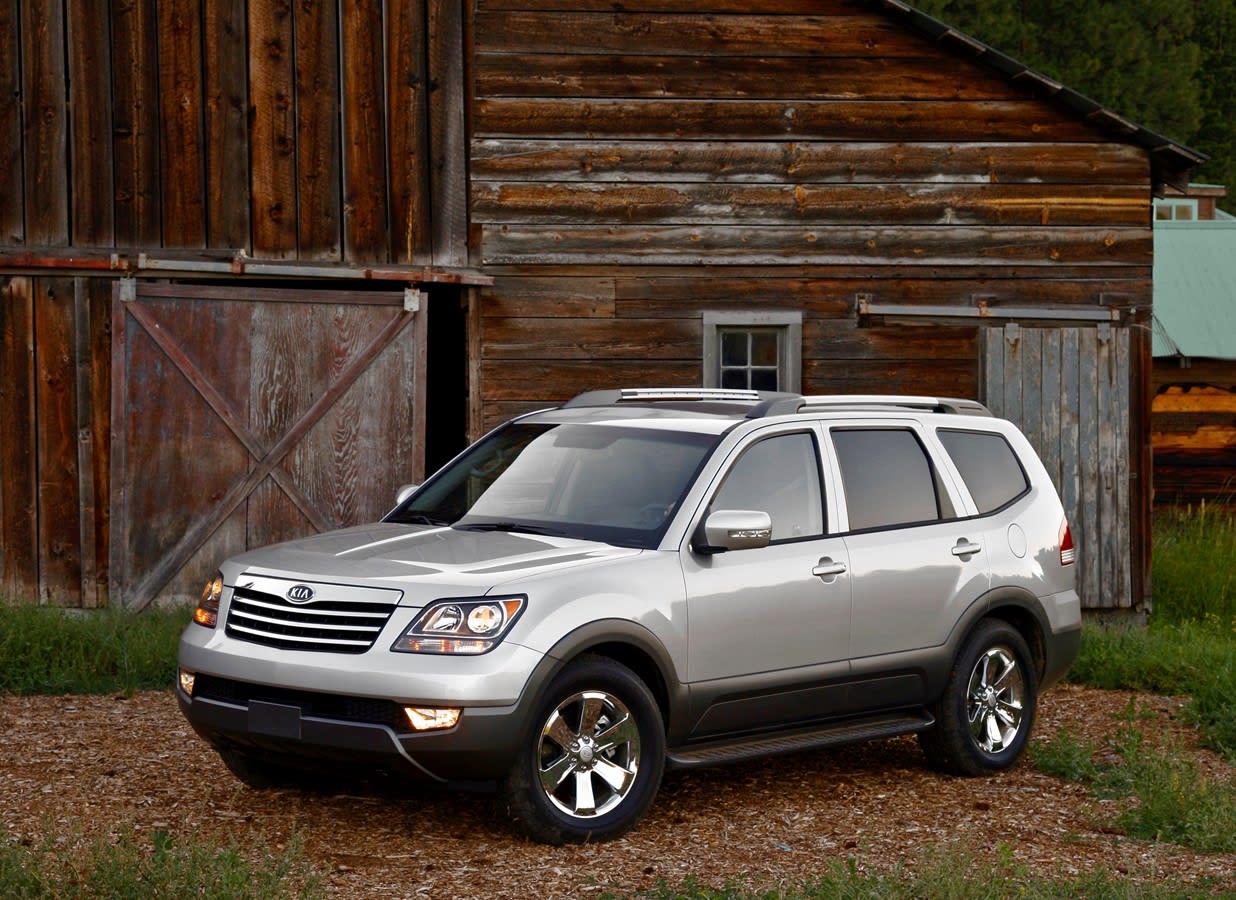
When the Borrego debuted in the late 2000s, it was a total departure from what American buyers expected from the then-niche Korean brand. This was a true body-on-frame SUV with low-range four-wheel drive and even an available V8—hardware that felt out of place in a showroom better known for dinky hatchbacks and cheap compact cars.
The Borrego’s eventual failure wasn’t due to poor execution; it was mostly because of poor timing and brand perception. Fuel prices were rising, the economy took a steep downturn, and buyers weren’t ready to associate Kia with a pricey, full-size, rugged SUV. Nobody saw the Kia Borrego as a status symbol, whereas a Chevy Tahoe was, at least to some degree. Yet, in hindsight, the Borrego feels less like a miscalculation and more like an early draft of a story that buyers weren’t yet ready to read. Enthusiast circles—and publications like Road Ethos, an enthusiast-led, lifestyle-focused automotive publication—often revisit vehicles like the Borrego because authenticity tends to age better than trendiness, and that’s exactly what the legacy of Kia’s long-lost body-on-frame SUV still has going for it.
Cole Attisha Using Gemini 3 Pro, Midjourney 7.0, and Adobe Photoshop
What Could It Look Like?
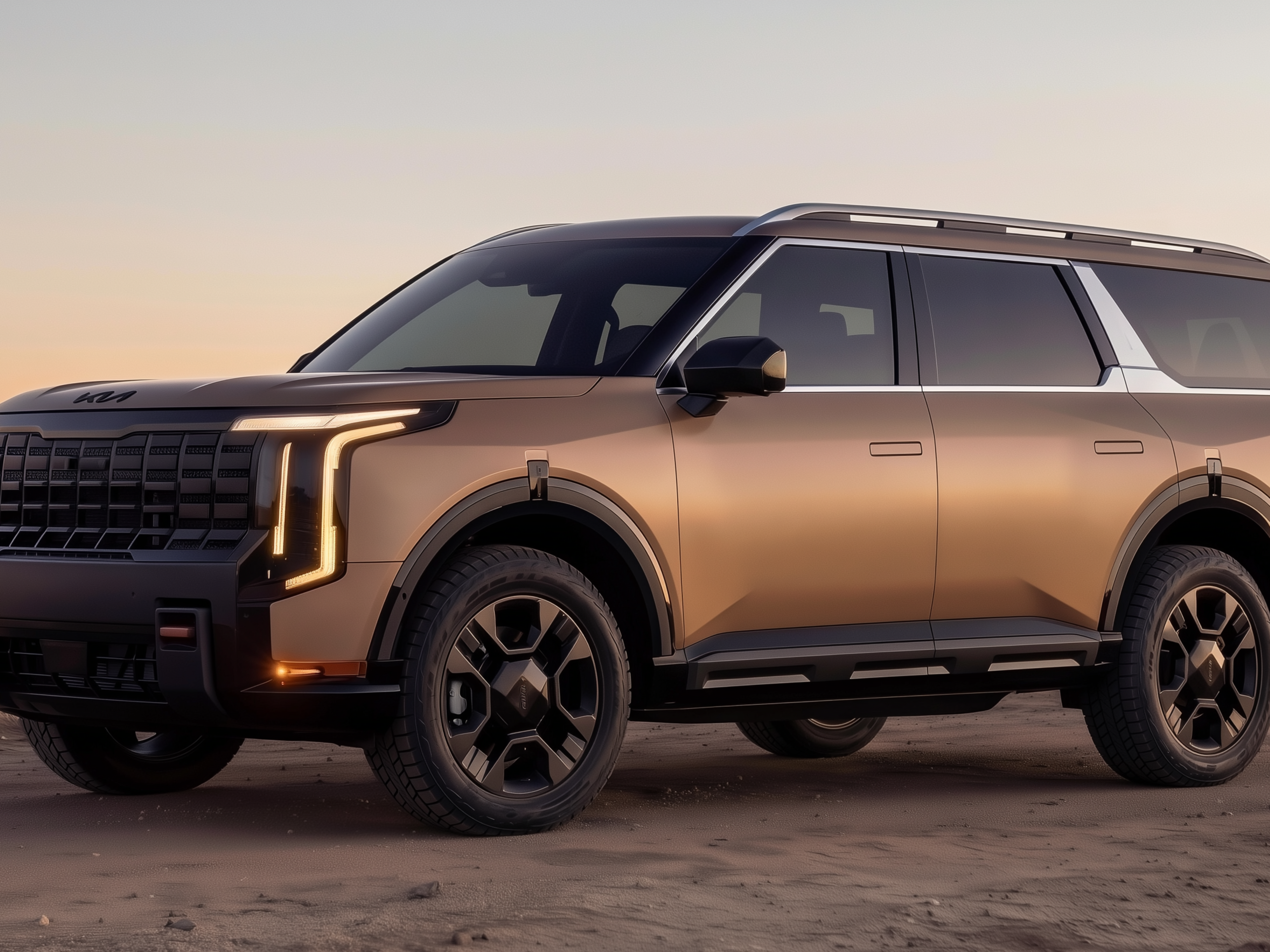
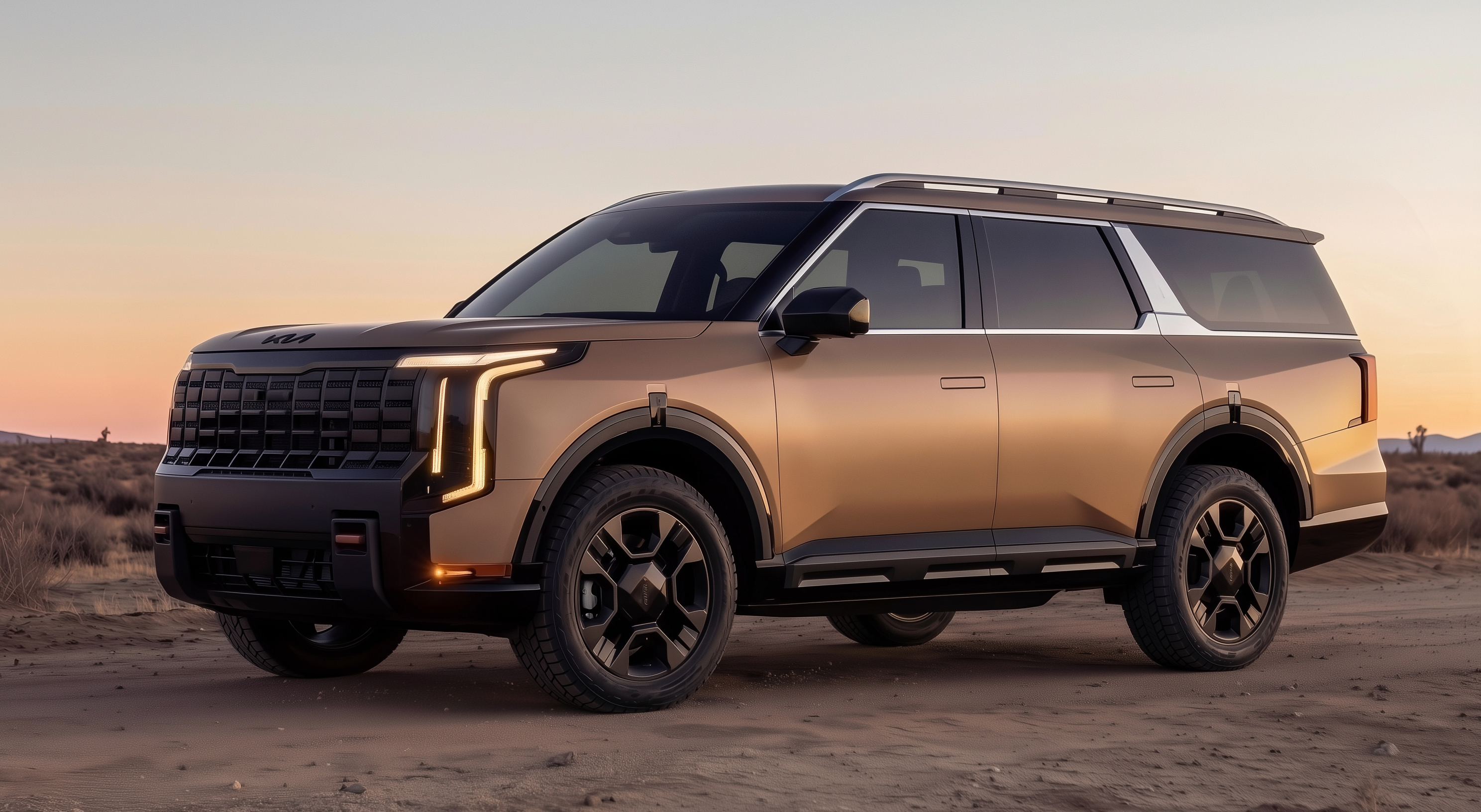
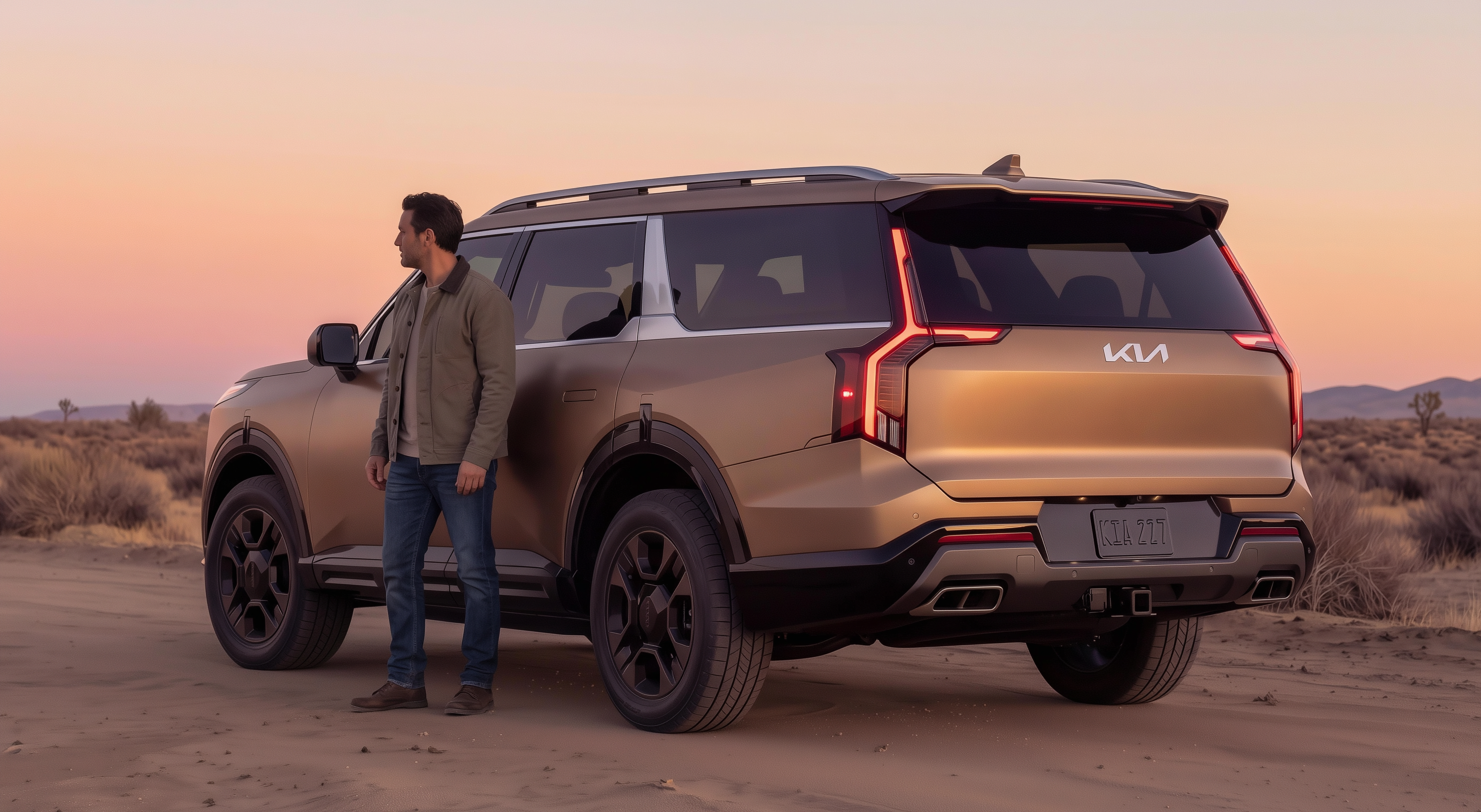
What you see before you is what I think a modern Kia Borrego revival could look like. Its upright proportions and squared-off stance immediately communicate mass and rugged intent, signalling body-on-frame architecture while remaining coherent with Kia’s current design language, which translates surprisingly well to such a large application. Borrowing elements from the Telluride and the EV9 gives it a sense of modernity, yet it remains distinctly unique from those other models. It doesn’t feel like a retro tribute because, frankly, the original Kia Borrego looked a bit boring, but it still feels like a natural evolution of the original product had it kept up with Kia’s innovations over the past decade or so.
The rendered Borrego concept shown here was developed by the author using Gemini 3 Pro, Midjourney 7.0, and Adobe Photoshop for visualization. The imagery is intended solely to explore how a modern interpretation of the Kia Borrego could look if reimagined today. This render does not depict, preview, or imply any actual Kia, Hyundai Motor Group, or affiliated product currently in development. It is not based on confidential design information, internal sketches, or future production plans, and should be viewed strictly as an independent, speculative concept for illustrative purposes only.
Cole Attisha Using Gemini 3 Pro, Midjourney 7.0, and Adobe Photoshop
Potential Powertrains and Target Demographic
A modern Borrego wouldn’t need to chase excess to justify itself, but eye-catching style and dominating proportions certainly couldn’t hurt its appeal. A turbocharged V6, perhaps the 3.5-litre unit that Genesis uses, would deliver the torque and towing capability expected in this segment, while a hybrid variant could potentially broaden appeal without diluting its rugged character. Crucially, a revived Borrego wouldn’t be a Telluride alternative—it would be something different entirely. If the Telluride competes with the Chevy Traverse, then the Borrego would go head-to-head with the Tahoe.
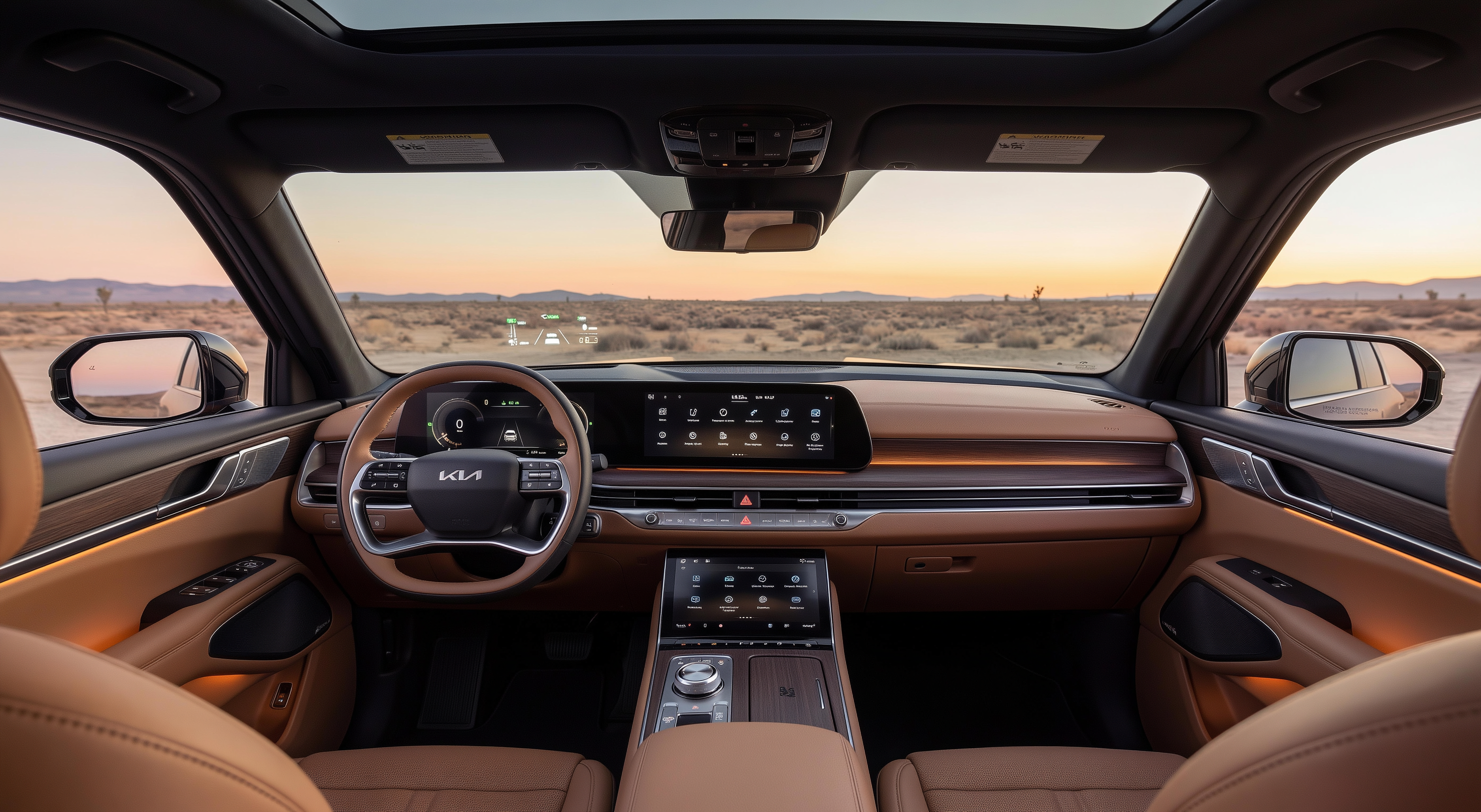
Cole Attisha Using Gemini 3 Pro, Midjourney 7.0, and Adobe Photoshop
Final Thoughts
Reviving the Borrego would not be without risk. Body-on-frame platforms can be expensive to develop; regulations these days are like ever-moving goal posts; and the Borrego name lacks the instant nostalgia of icons like the Expedition or Sequoia. Kia would need to explain not only what it is but also why it exists. Still, the conditions that doomed the Borrego the first time no longer apply. Kia’s brand strength is no longer in question, and the market is once again receptive to honest, overbuilt SUVs. As conversations within enthusiast spaces—and outlets like Road Ethos—often suggest, credibility isn’t declared through posture; it’s earned through authenticity. A Borrego revival, developed with a clear purpose and aimed at the right demographic, could act as exactly that kind of statement for Kia.
About the author

Cole Attisha
Staff Writer, Autoblog