
Real-life testing is crucial for vehicle development
We live in an era when people and the world’s leading car manufacturers have access to a wide range of technologies, and today’s latest models reflect how advanced vehicle technology has become. Although automakers have access to a treasure trove of technology, including advanced computer software and artificial intelligence, real-world vehicle testing is essential to vehicle development because it exposes prototypes to unpredictable conditions that simulations cannot fully replicate.
By getting behind the wheel, test drivers and engineers gain insight into how prototype vehicles perform across diverse terrains, weather conditions, and driving scenarios. This allows them to identify issues with handling, durability, and safety systems, validate engineering assumptions, uncover unexpected interactions between components, and ensure regulatory compliance.
This kind of real-world feedback from test drivers and engineers on the ground provides invaluable insights into user experience, comfort, and performance, ultimately refining designs before vehicles hit the showroom.
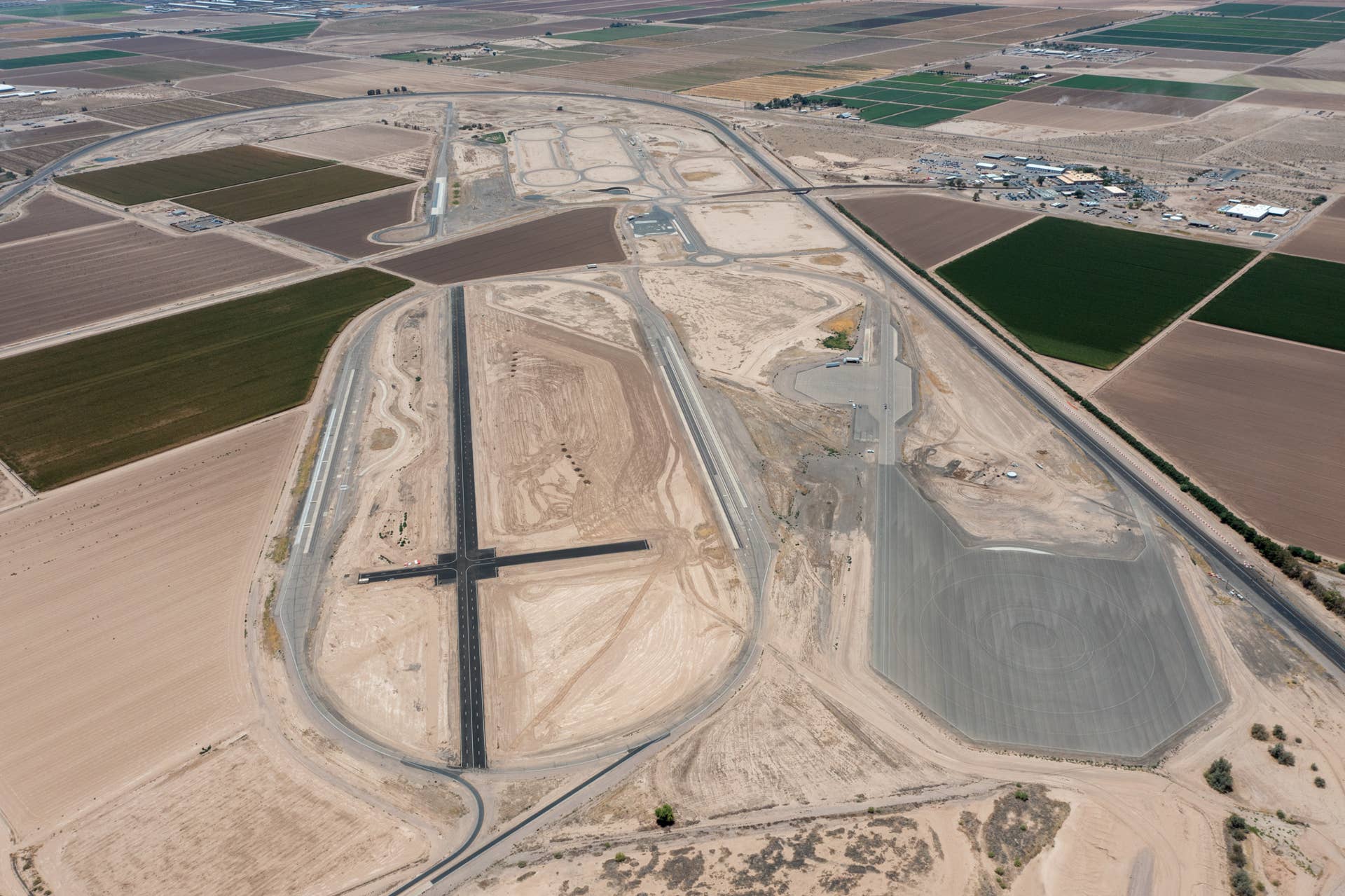
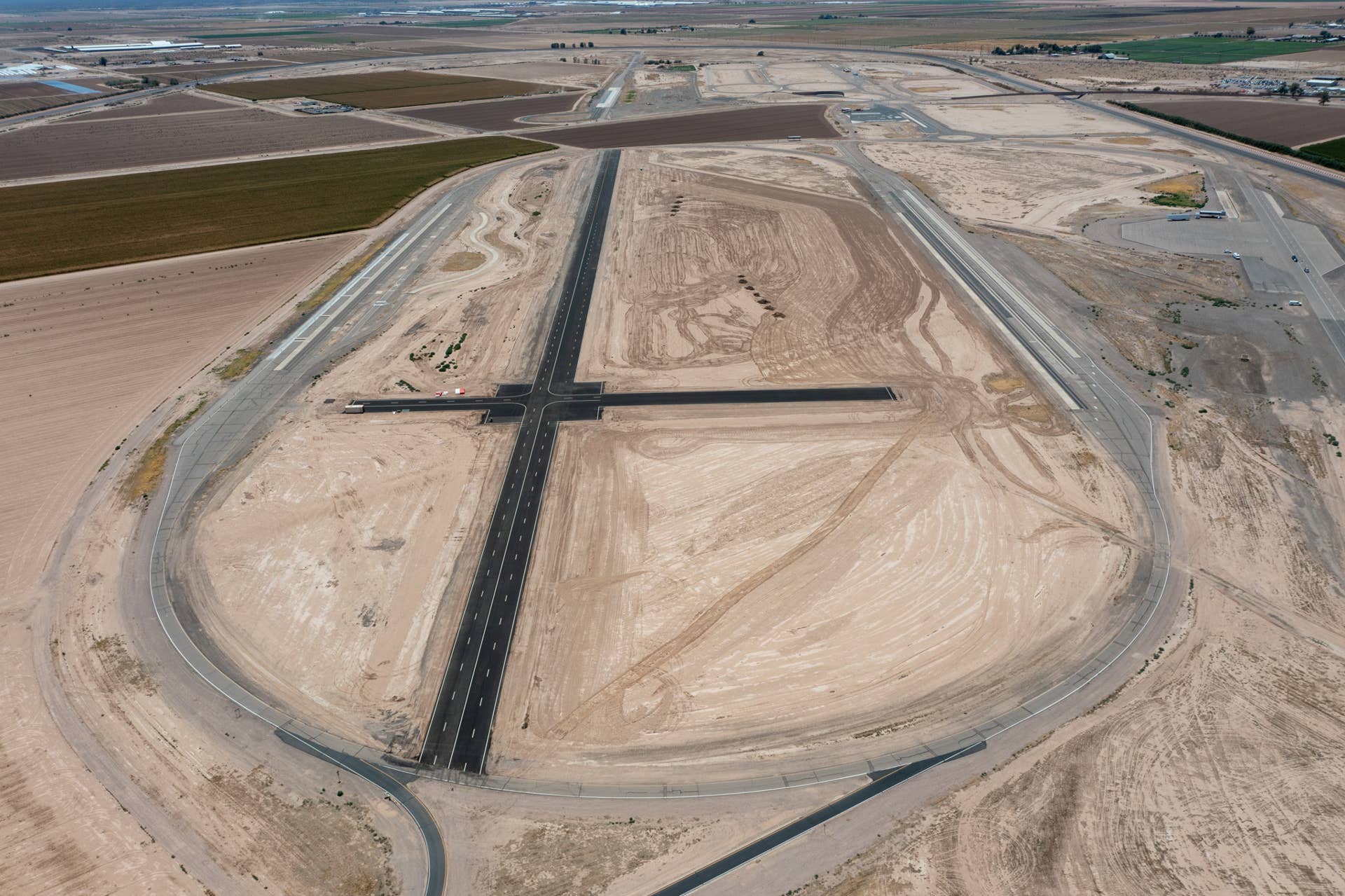
Real-life testing is crucial to Japanese automaker Nissan. Recently, it announced that it had opened a new facility at its Arizona proving ground that is exclusively dedicated to testing the automaker’s newest ADAS and driver assistance system, which it includes in its proprietary Nissan Safety Shield 360 and ProPILOT Assist systems.
From a bird’s-eye view, the two strips of intersecting Asphalt that make up the ADAS testing area in the middle of Nissan’s Arizona Testing Facility look visually similar to the runways of a small airport. Although no Cessnas or Beechcraft Bonanzas are scheduled to take off or land anytime soon, Nissan says this design is intended to be a bespoke facility for running ADAS system tests at real-world road speeds.
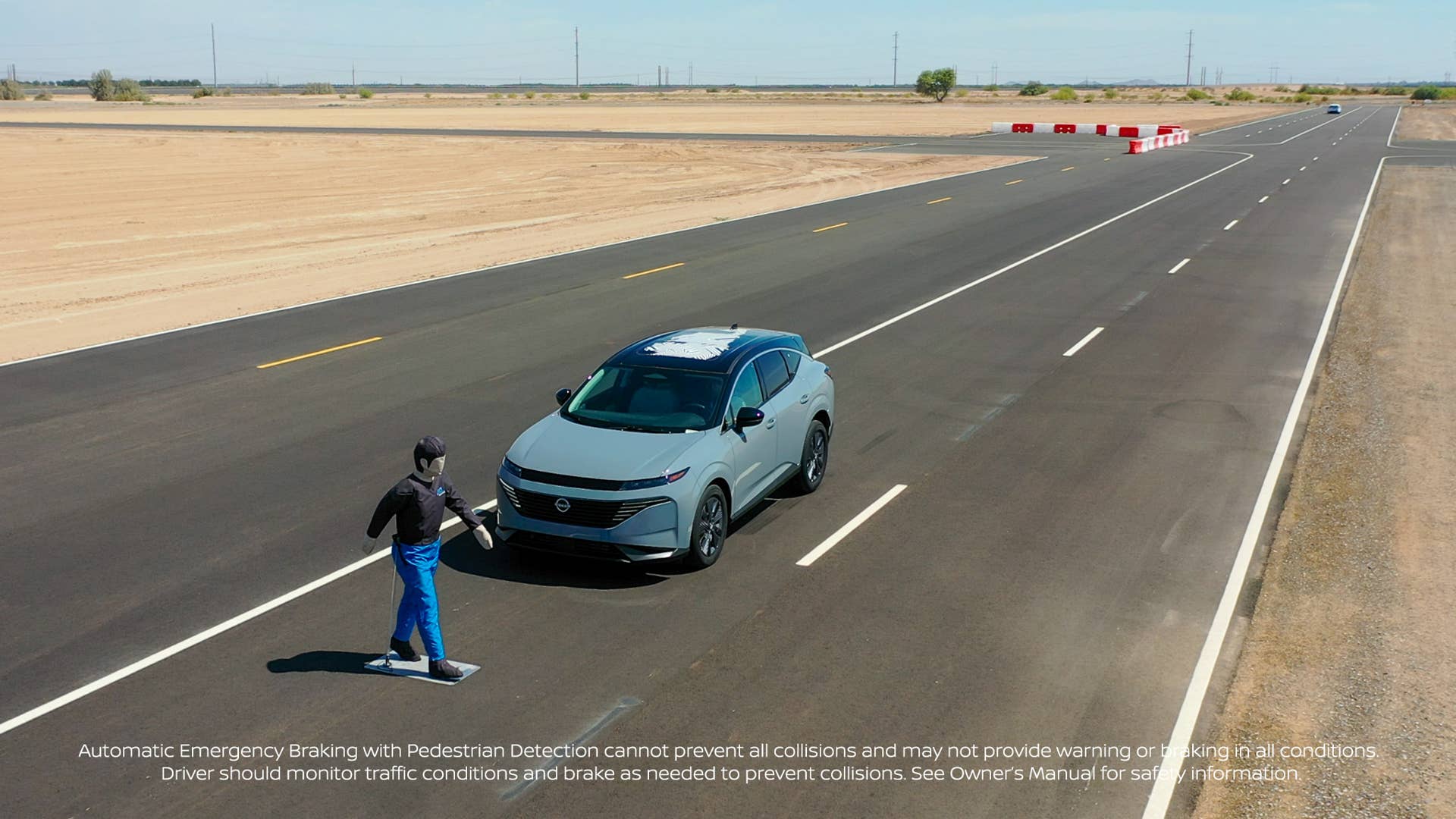
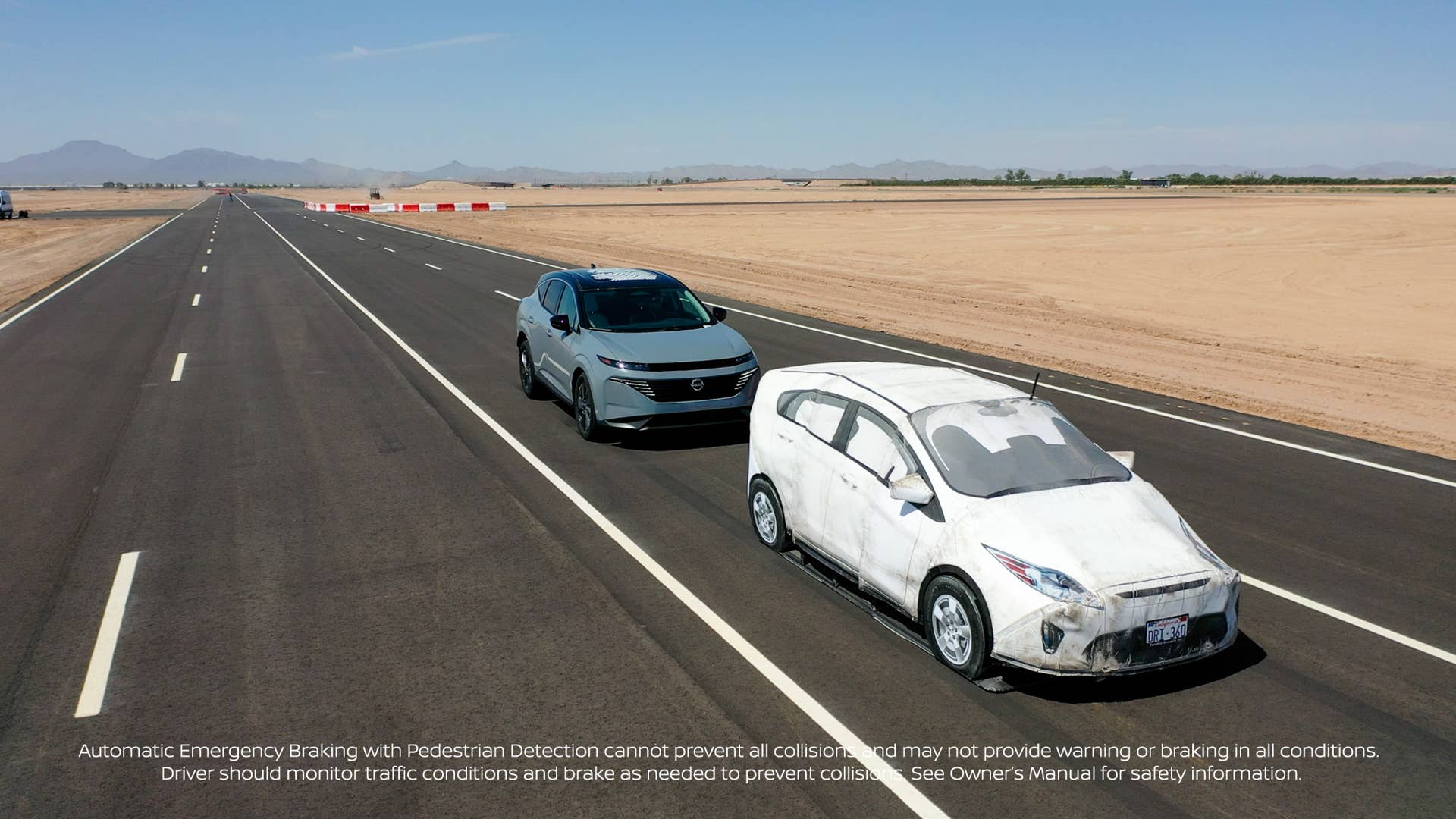
In addition to facilitating more tests during the day and at night, it also enables Nissan engineers to adapt their testing to meet different safety standards, such as NCAP, IIHS, and Euro NCAP. This environment helps test features like Junction Assist, a feature available in the Rogue and Kicks crossover SUVs that helps drivers avoid T-bone collisions that can occur at intersections due to motorists who run red lights.
Nissan
In an interview, Ryan Rumberger, one of the engineers responsible for testing Nissan’s ADAS systems told Autoblog that as Nissan develops and adds features like Junction Assist into its lineup of cars, the safety standards for vehicle testing evolve, which keeps Nissan engineers like him on their toes to make sure its vehicles meet or exceed such standards; especially if they go through a minor refresh, facelift or are redesigned completely.
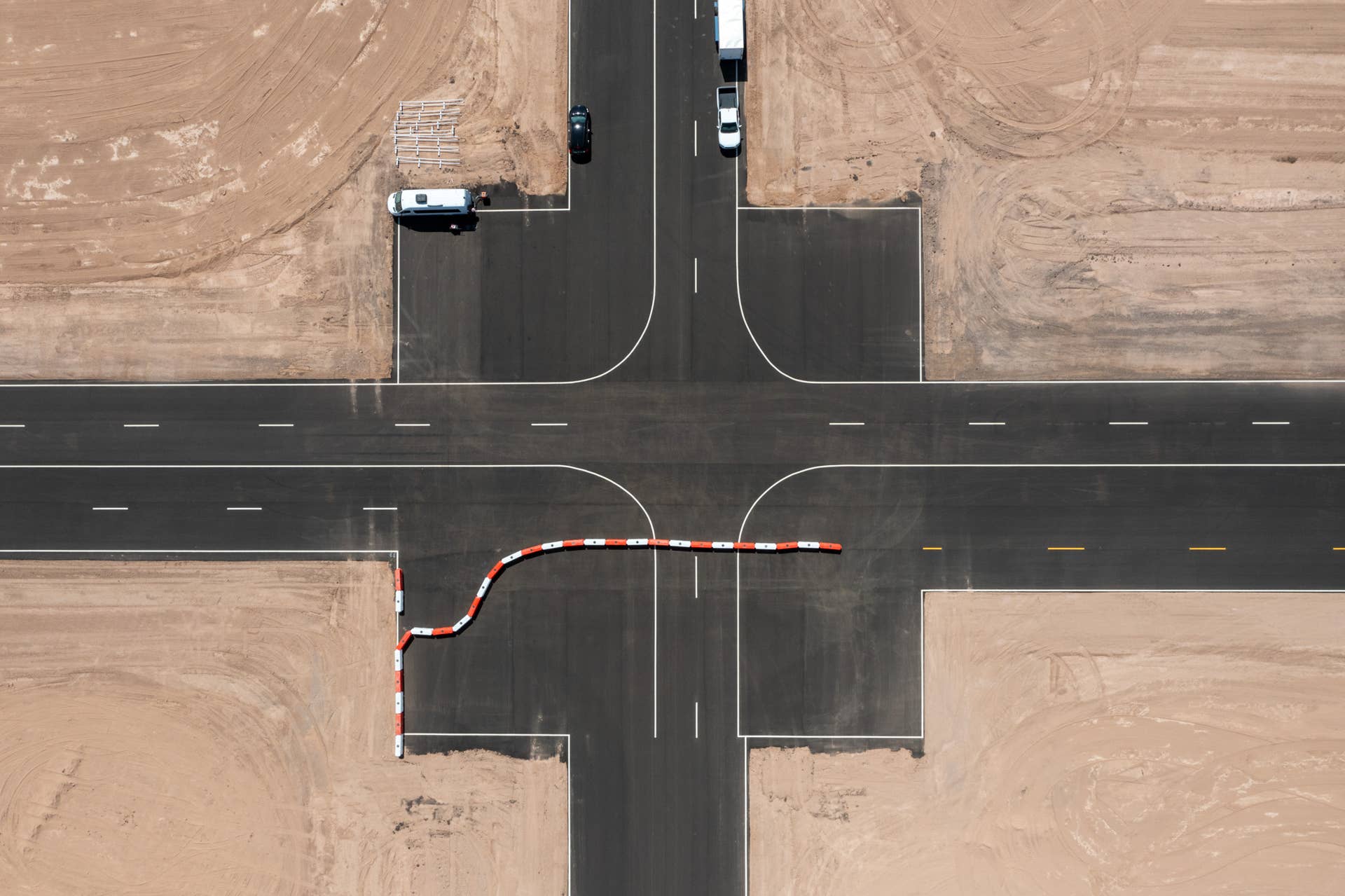
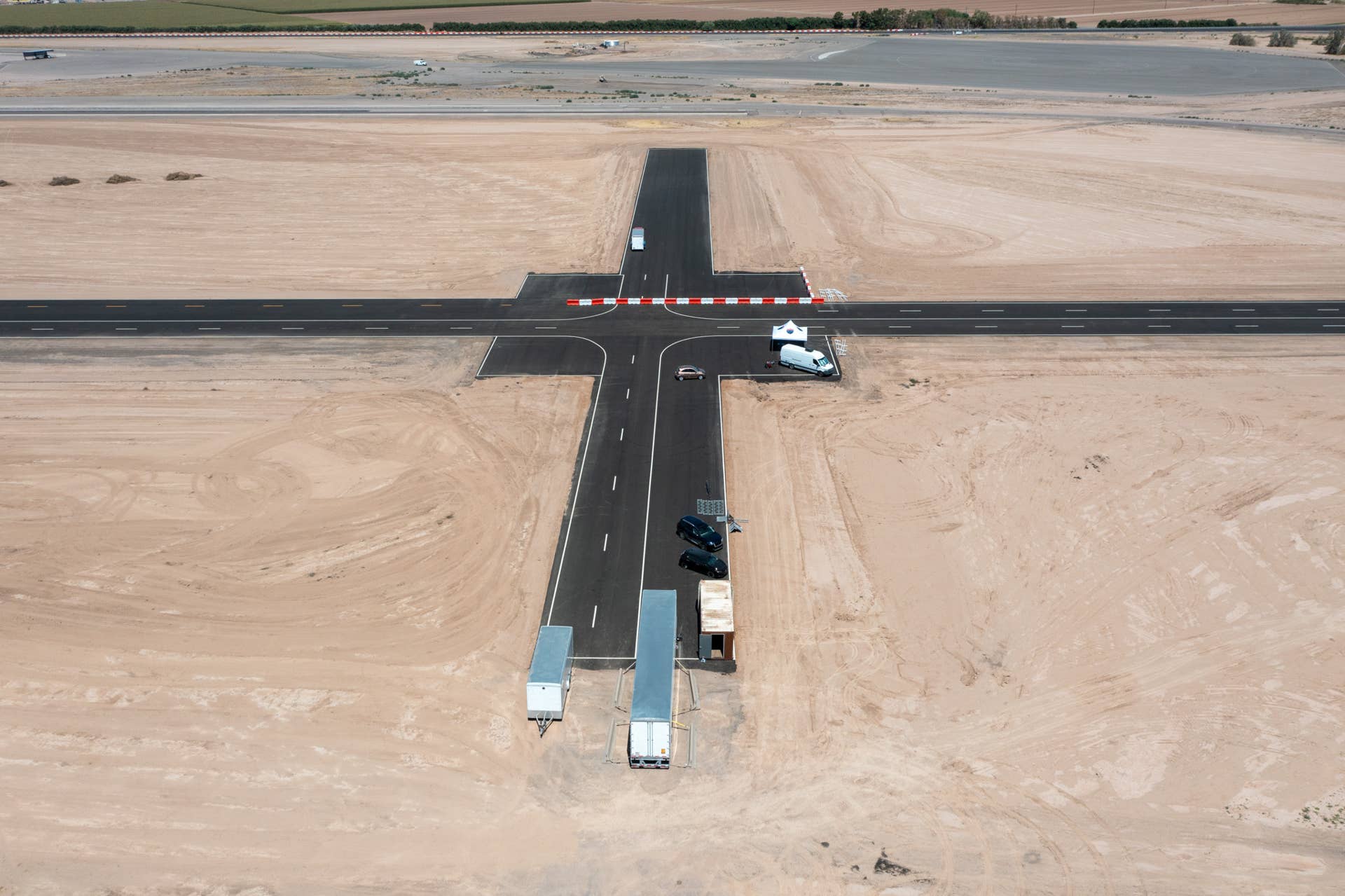
Prior to the addition of the ADAS-dedicated space at the Arizona testing grounds, Nissan’s ADAS engineers were required to share testing facilities with other testing groups, such as those who test Chassis, Durability, and Marketability.
“Nissan is very adamant about putting features on the vehicle that can help assist in reducing accidents or accident mitigation and reducing injury for people,” Rumberger said. “We’ve needed a place to actually do that versus using just a VDA or a vehicle dynamic pad that we were using before, which we were sharing with Chassis and sharing with other teams, but it created a very steep workload that would affect everybody. […] Now that we have this intersection, we can run this test, and then we can even expand to test even more things as we move into the future. It’s a very important step in our growth here in the US.”
Nissan
Being able to test cars efficiently and without interference is crucial to the development of new Nissan products, as the tests conducted by Rumberger and the rest of the Nissan ADAS testing team during their day-to-day activities are intense. The Nissan engineer says that the team has welcomed in more people, who are tasked with gathering data and replicating real-life scenarios at highway speeds.
However, the nature of these tests can subject those tasked with conducting them to mental and physical fatigue, which is only exacerbated by the fact that they’re testing in the desert air of Arizona.
“[…] we’ve grown in our team and we’ve brought on and trained our technicians and test team members to be able to handle vehicles in these conditions, so that they’re able to feel comfortable in this environment and understand. We try and talk to them about and work with them on,” Rumberger said. “It’s okay to say, ‘Hey, we’ve had a lot of rapid stops in a row. I need to take a break.’ Thinking that from a safety aspect as well, that’s why we have an air-conditioned trailer and van out there for them to take breaks in and to be able to rest in and stuff like that. It’s a very important part of our aspect as well to make sure that the people doing the testing are comfortable to execute it correctly.”

To Nissan, flexibility means efficiency
In a September 2025 interview with Bloomberg, Nissan CEO Ivan Espinosa said that the automaker’s efforts to speed up development and launch times began more than a year and a half ago, when he served in a product planning and global strategy role before taking the helm as CEO in April this year. Currently, it takes Nissan more than 50 months to develop a production model from a concept car; however, it aims to reduce that time frame to 37 months.
Ferrari
“We are pushing to do everything we can because we need to improve the performance of the company,” Espinosa said. “The only way of becoming better at coping with these things is to be quick, and this is what we are working on now.”
However, when the work is done and cars hit the production line, Nissan engineers like Rumberger say that they wish customers would actually use the features they spent their blood, sweat, and tears developing over the course of thousands of hours of extreme testing. In an era where customers are feeling tech fatigue, he says the team is aiming for a sense of “balance,” where Nissan can meet customer expectations and awareness, and provide as much technology as they are comfortable with.
“If you don’t get that balance right, what is the customer going to do? They’re going to turn off the system. They’re going to say, ‘This isn’t helping me,’ But that goes exactly against what we want to happen,” he said. “It’s trying to find that right balance of we’re going to offer the customer a feature that can help them, but then they’re going to keep on because they recognize that it is helping them or that it’s not annoying them. I think that is one of the most important balance points because you want to have the feature that the customer going to keep on. If they turn it off, you’ve lost them.”
Mercedes-Benz
Other automakers are investing heavily in testing
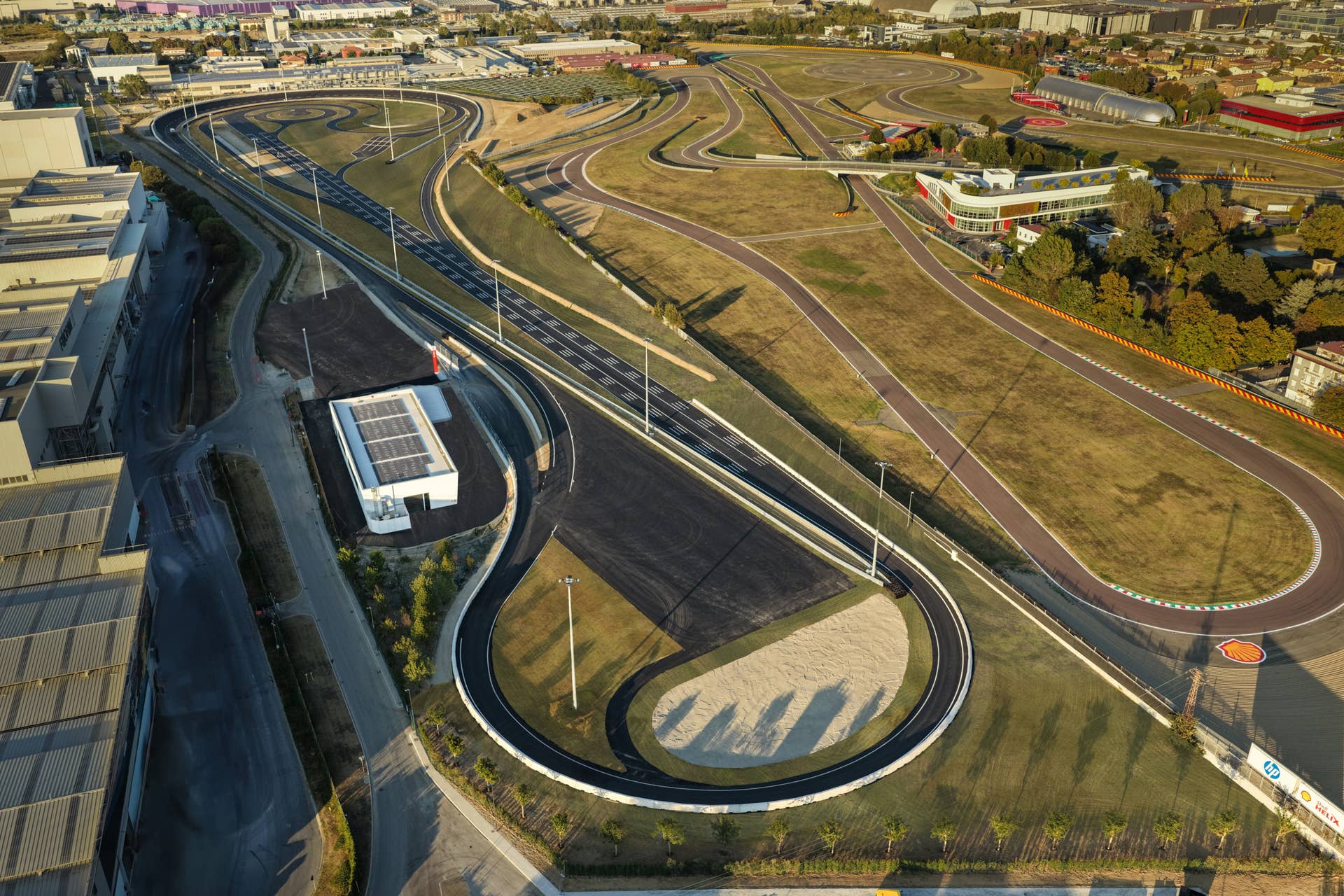
Nissan isn’t the only automaker investing in new facilities for real-life, on-the-ground vehicle testing. Ferrari recently opened up a new testing facility next to its existing Fiorano test track in Maranello, known as the Ferrari e-Vortex. The new two-kilometer-long track is designed to represent a significant step forward in the way Ferrari tests its newest cars, which had previously been done on public roads around Maranello.
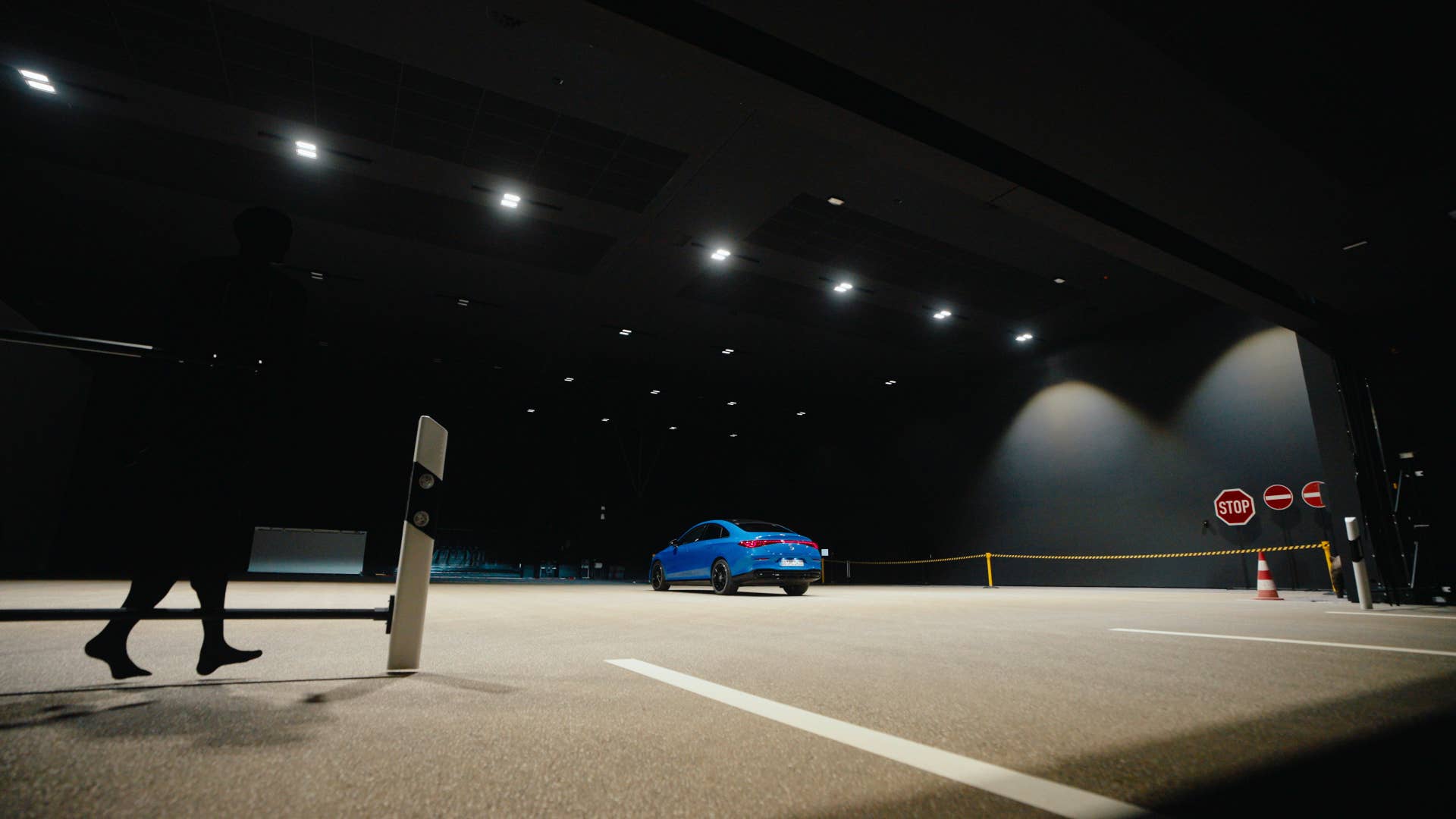
In addition, German luxury mainstay Mercedes-Benz recently took the wraps off the Light Testing Center, a massive building located within its sprawling Global Proving Ground in Immendingen, Germany. Measuring 443 feet long and 26 feet high, Mercedes sought to create the largest indoor controlled environment possible, where its engineers can test their headlights without having to wait for dusk or worrying about rain or fog, ensuring that a headlight’s performance is measured with absolute precision.
Final thoughts
Nissan’s new testing grounds in Arizona are a game changer for the way the automaker develops its vehicles. By dedicating a space specifically for Advanced Driver Assistance Systems, they’re really stepping up their game when it comes to safety. By testing features like Junction Assist in real-world conditions, Nissan is ensuring drivers feel more secure on the road without being overwhelmed by new technologies.
As the automotive world continues to develop new technology, Nissan is ensuring that it remains in pole position to lead the charge. Ultimately, it’s all about making driving a better and safer experience for everyone, and we’re glad to see that Nissan, and even other automakers, are taking it seriously.
About the author

James Ochoa
Senior Editor, Autoblog