
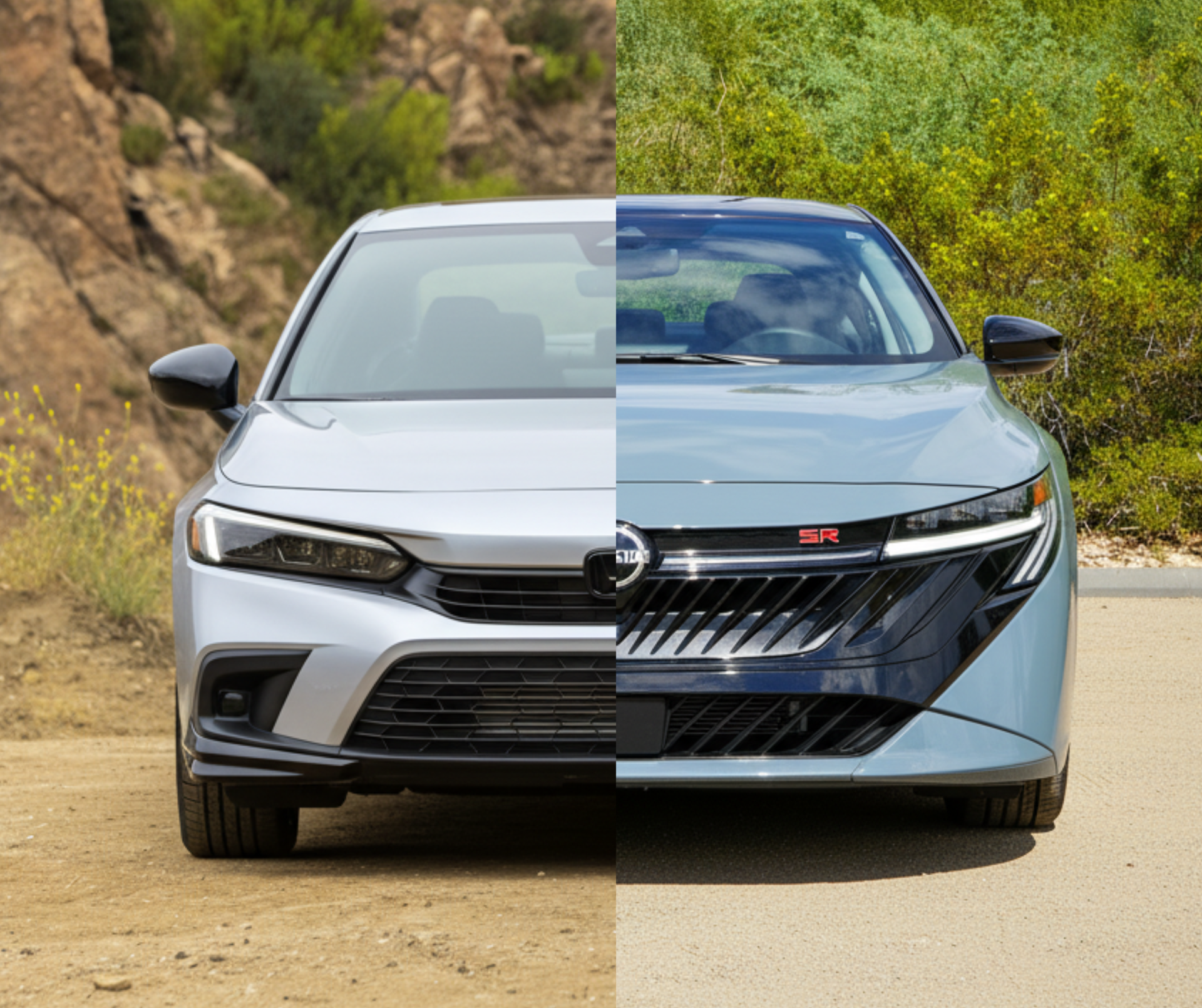
Honda and Nissan both have a broad offering of models, ranging from compact sedans to mid-size trucks and SUVs of all shapes and sizes.
Each brand has a unique personality that has attracted loyal followers over the decades. Both offer good value and have plenty of safety tech, but the approach to the driving experience, interior design and infotainment tech differ greatly between these two marks.
Buyers of these cars have preexisting expectations of what they will be like to own, and these are usually based on a mix of manufacturer promises and previous experiences.
This is where owner satisfaction surveys come in. They assess a broad range of categories based on real-world feedback from owners. This allows for the more subjective parts of vehicle ownership, such as the driving experience, perceived value, and dealership experiences to be quantified.
So, to find out which owners are the happiest overall, we turned to the latest J.D. Power and Kelley Blue Book survey data for these two brands.
Honda vs Nissan: Owner Satisfaction: JD Power Stats
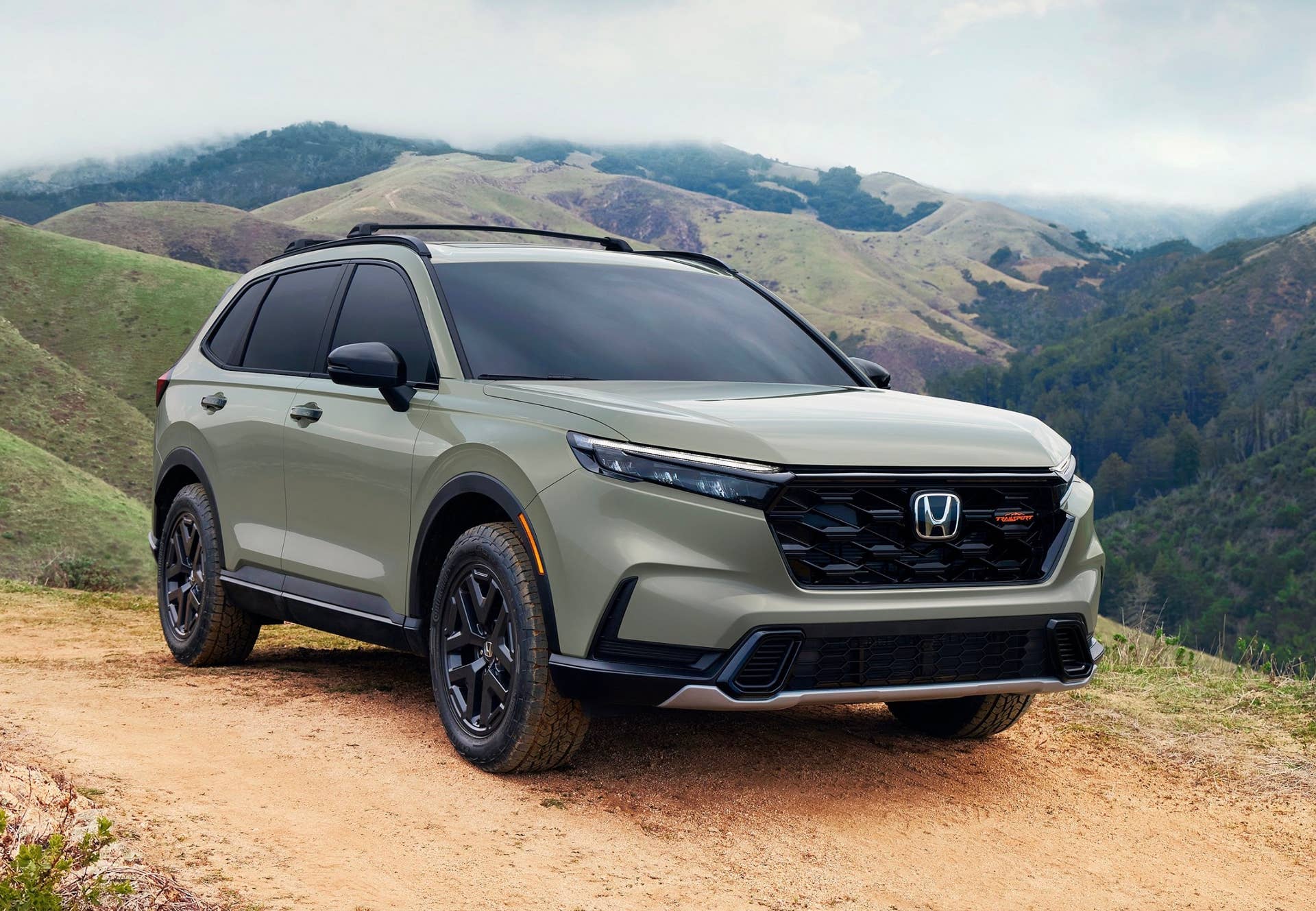
Honda

Nissan
To measure real-world satisfaction, J.D. Power pools feedback from thousands of verified owners across four sectors, namely: Quality and Reliability, Driving Experience, Resale, and Dealership Experience. The resulting 100-point score shows which cars actually live up to their promises. Here is how the 2026 models from each brand stack up:
| Vehicle Segment | Nissan Model | Score (out of 100) | Honda Model | Score (out of 100) |
| Compact SUV | Rogue | 85 | CR-V | 83 |
| Subcompact SUV | Kicks | 83 | HR-V | 82 |
| Compact Car | Sentra | 84 | Civic | 84 |
| Midsize three-row SUV | Pathfinder | 83 | Pilot | 82 |
| Midsize SUV | Murano | 80 | Passport | 81 |
| Average | 83.0 | 82.4 |
Across the five segments, Nissan holds a slight edge with an 83.0 average compared to Honda’s 82.4, but the differences really are small.
The smaller vehicle segments performed well here, with the Nissan Rogue scoring an impressive 85, and the Sentra and Civic tying on 84 a piece. Owners appreciated the responsive driving feel of the Civic, while the Sentra was lauded for good initial build quality.
At the other end of the scale, the lowest ratings landed in the midsize bracket, with the Nissan Murano (80) and Honda Passport (81) trailing behind. Both suffering from a few issues after their recent redesigns.
Honda vs Nissan: Owner Satisfaction: Kelley Blue Book
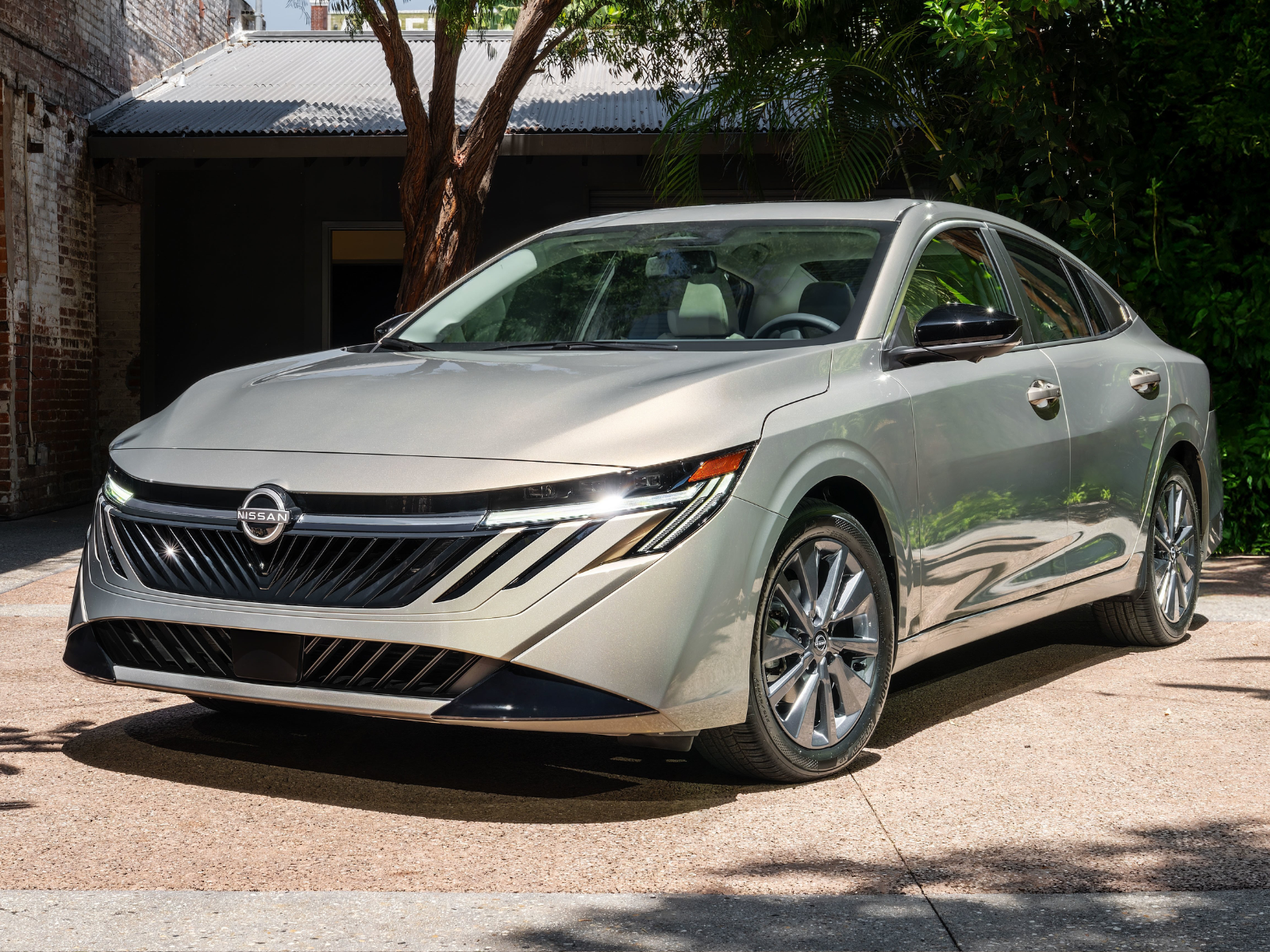
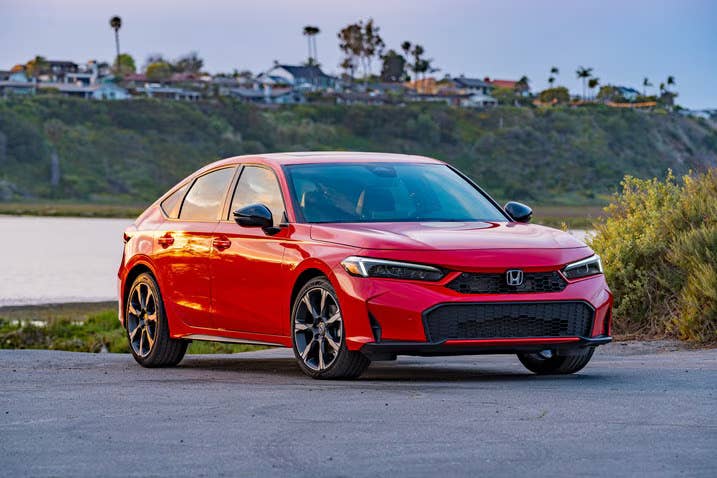
Honda
Kelley Blue Book (KBB) evaluates owner satisfaction through consumer feedback gathered over years of ownership. Measured on a scale out of five, KBB’s results reflect real-world criteria including Value, Quality, Performance, Styling, Comfort, and Reliability.
Here is how the same lineup compares based on KBB Consumer Review scores:
| Vehicle Segment | Nissan Model | Score (out of 5) | Honda Model | Score (out of 5) |
| Compact SUV | Rogue | 3.7 | CR-V | 3.6 |
| Subcompact SUV | Kicks | 3.0 | HR-V | 4.0 |
| Compact Car | Sentra | 3.9 (2025) | Civic | 3.7 |
| Midsize three-row SUV | Pathfinder | 4.0 | Pilot | 3.9 |
| Midsize SUV | Murano | 3.3 | Passport | 3.9 |
| Average | 3.58 | 3.82 |
Honda edges out Nissan with a slightly higher overall KBB consumer rating, driven by stronger consistency across the crossover categories.
At the top of the rankings, the Honda HR-V and Nissan Pathfinder lead the group with matching 4.0 ratings, closely followed by the Nissan Sentra, Honda Pilot, and Honda Passport at 3.9.
Owners praised the HR-V for its fuel efficiency and clever cargo versatility, and commended the Pathfinder for its quiet cabin, punchy V6, and comfortable long-distance cruising ability.
On the lower end of the scoring, are the Kicks at 3.0 and the midsize Murano at 3.3, while the Honda CR-V also posted a modest 3.6.
According to KBB owner feedback, Kicks drivers were dissatisfied with its sluggish highway acceleration, noticeable wind and tire noise, and underwhelming cabin.
CR-V owners cited elevated road noise and stiff seating, feeling the interior materials didn’t fully justify recent price increases despite the vehicle’s generous passenger room.
The Nissan Sentra is all new for 2026, and as there was not enough data from KBB for a representative score, so we used the 2025 results here. The Civic scored an identical 3.7 for both 2025 and 2026.
The wider gaps between models here compared to the J.D. Power results can partly be attributed to the fact that KBB encompasses owner feedback beyond the first 90-days of ownership, and this can highlight latent issues.
Which Brand’s Owners Are The Most Satisfied?
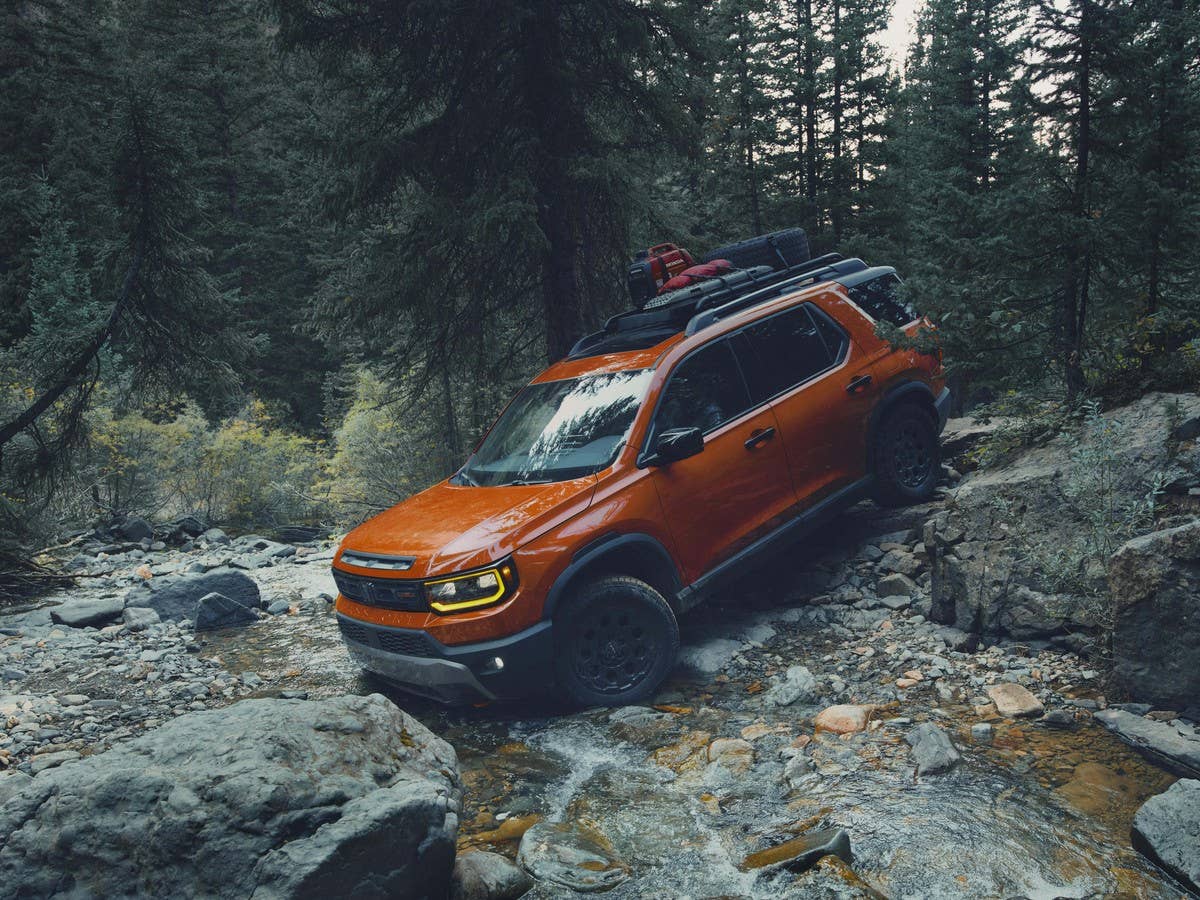
Honda
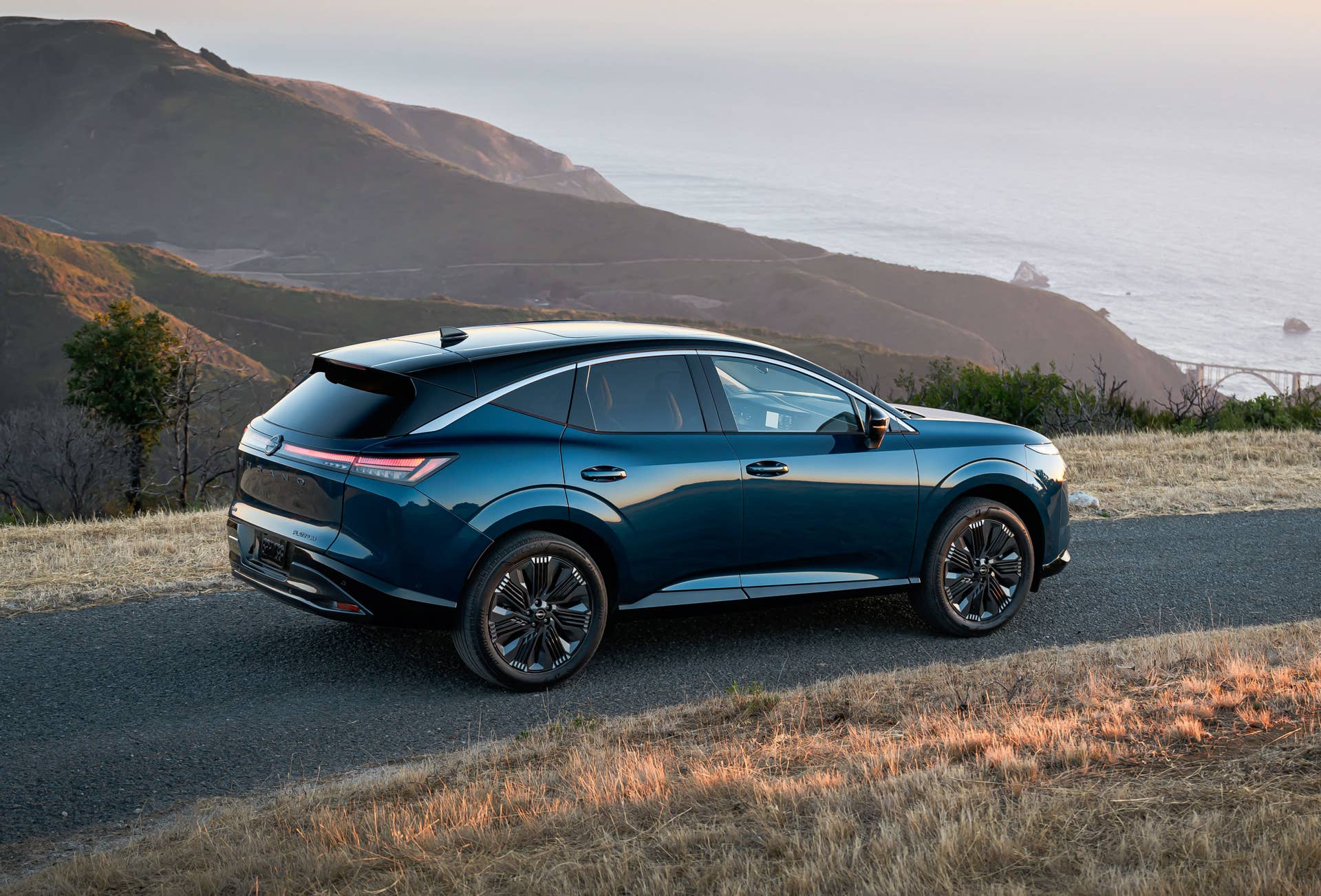
The J.D. Power results gave Nissan a narrow victory, while KBB showed Honda to be a more satisfying brand to own. However, aside from a few anomalies, the scores across these five segments are close, and differences in weighing and data collection can often yield marginally differing results like these.
Each brand has its strengths in different areas, with Nissan scoring well with the Murano and Rogue in both studies. Honda delivered more consistent results across its range, with the Civic and HR-V both performing above average overall. While the final results are very close, we will have to give Honda the win here thanks to its models delivering what owners expect more consistently over a broad range of segments.
About the author

John Tallodi
Senior Editor