
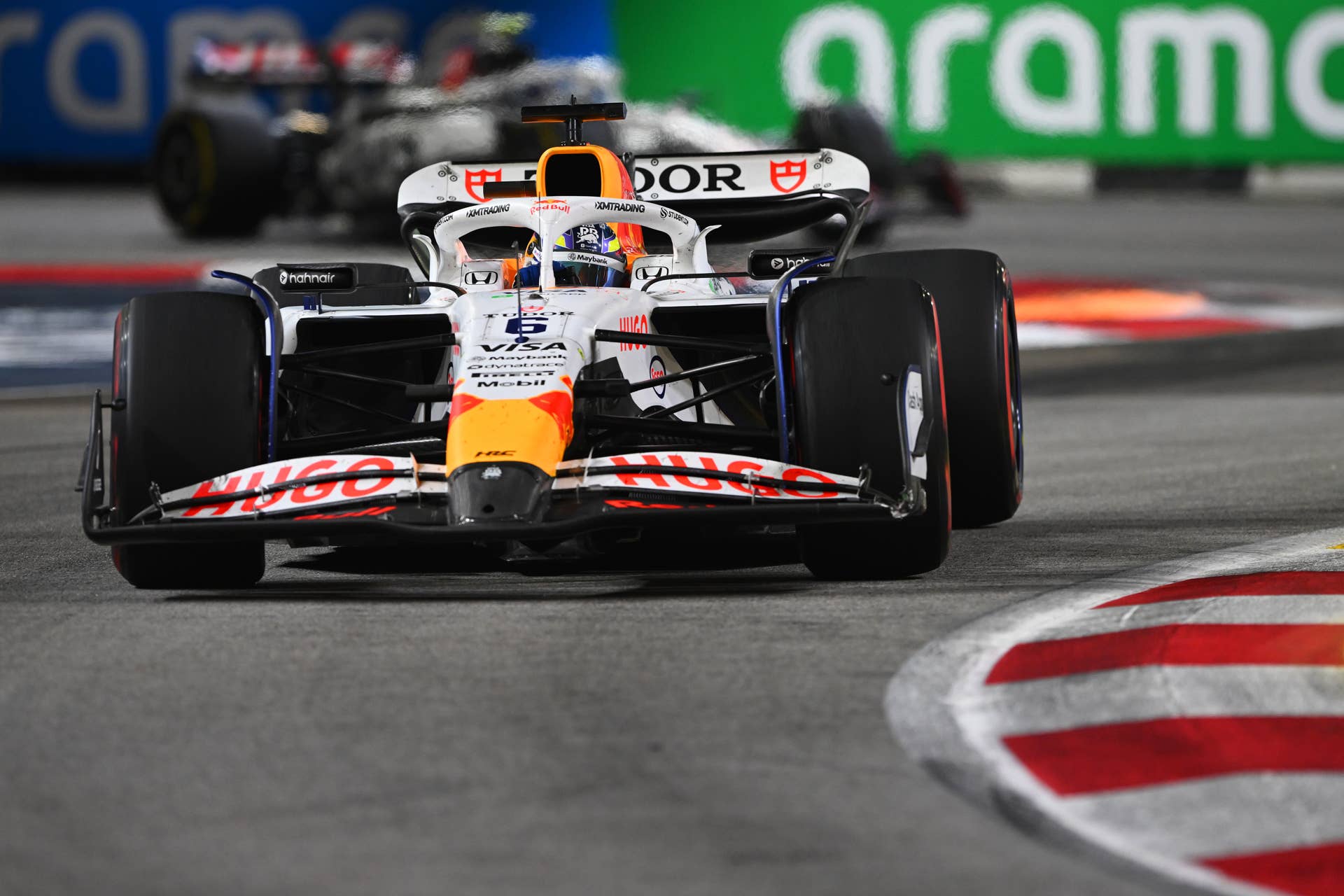
VCARB’s Isack Hadjar has made his mark during his rookie F1 season
If there is one notable driver on the current grid of the Formula 1 World Championship to make note of, it would be none other than Isack Hadjar, a phenom out of Red Bull’s junior team, Visa Cash App Red Bull (VCARB), who is making quite a name for himself during his rookie season.
While much attention is directed at the title contention, Hadjar is on track to finish up a pretty impressive season. At the time of writing, he has 39 points in the championship standings, putting him in 9th place before the United States Grand Prix on October 19, a position that puts him ahead of some pretty big names like Red Bull Racing’s Yuki Tsunoda and former Drivers’ Champion Fernando Alonso.

Photo by Mark Sutton - Formula 1/Formula 1 via Getty Images
Rudy Carezzevoli/Getty Images
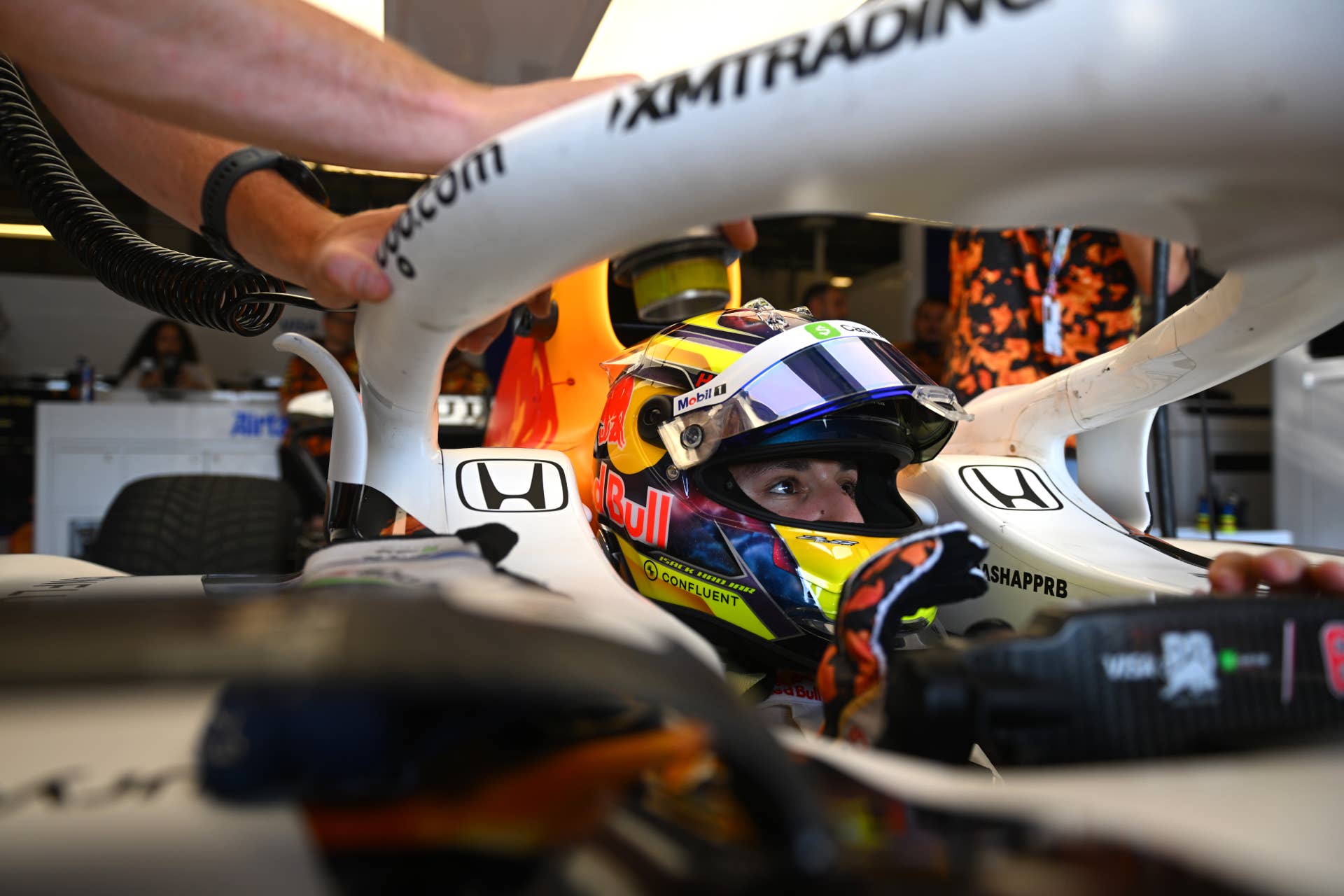
For someone in his position, Isack Hadjar seems relaxed before the final six races of the 2025 season. In a virtual interview, he told Autoblog ahead of the United States Grand Prix that not much about his game plan has changed; a “rare situation”, in his words.
“I don’t really feel a lot of pressure going into those final races,” Hadjar said. “I feel like, obviously, I’ve shown a lot this year so far, so now I kind of have this luxury to just focus on […] maximizing my performance, having fun out there, trying stuff, taking experience, and try and repeat weekends like Zandvoort even though it’s very unlikely, but it’s, my, it’s my approach.”
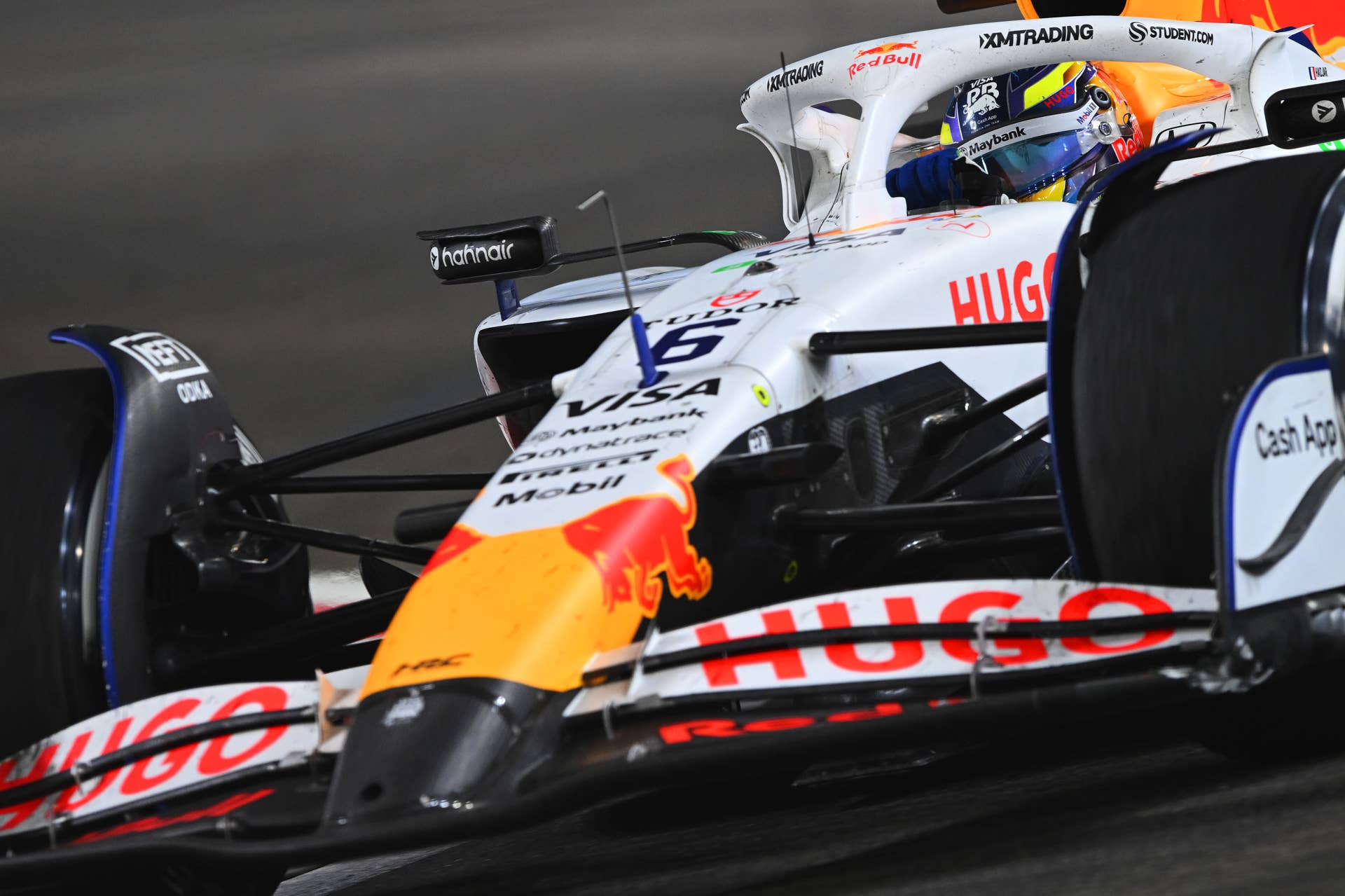
Photo by LILLIAN SUWANRUMPHA/AFP via Getty Images
This year’s Formula 1 season is very notable, as it has seen the largest group of rookies entering the grid since 2001. The 21-year-old Hadjar is one of six rookies entering the grid this year, along with 18-year-old Kimi Antonelli of Mercedes, 20-year-old Oliver Bearman of Haas, 21-year-old Gabriel Bortoleto of Kick Sauber, as well as 22-year-olds Jack Doohan and Franco Colapinto at Alpine.
Hadjar’s entry into Formula One this season comes on the heels of a second-place finish in the sport’s second-tier division, dubbed Formula 2, a spec series that sees drivers race the same (albeit less powerful) car on some of the same tracks, including Monaco, Baku, Imola, and Silverstone. Although the Circuit of the Americas in Austin, Texas, where the United States Grand Prix is held, is not usually on the F2 calendar, Hadjar said he’s pretty confident, despite not having prior racing experience there.
“I’m very, very excited. To be fair, I feel like I know the track, I’ve done so many simulations, so many laps since, like, on my PS3, PS4, since I’m a kid, so I feel like I know this place, even though I’ve never raced there,” he said. “The real thing, it’s quite, it’s quite impressive.”
Hadjar: Manual cars “not something I’ve been used to”
In a recent YouTube video, Hadjar and his VCARB teammate, Liam Lawson, took out several classic performance Fords for a drive, including a 1965 Ford Mustang and a 2010 Ford Focus RS500, where they expressed admiration for the driving feel and experience these road-oriented cars provided. Of the cars they drove, he says his favorite was the silver GT40 MKIII, a relic of Ford’s former dominance at Le Mans in the 1960s—a car they deemed to be “the coolest car.”
Notably, road-going cars like the ones Hadjar and his teammate drove differ significantly from racing vehicles designed for a no-holds-barred level of performance. When asked about the difference between the driving experience of road cars versus that of an F1 car, he noted that they both have “the same principle” when pushed to their limit, though the experience behind the wheel of “an F1 car is very unique,” and that there is a noticeable difference in the performance levels between Formula 2, Formula 1, and road cars.
However, he noted that one particular feature of the performance cars that he and his teammate drove makes the driving experience much different, especially in a high-performance scenario.
“You know, I’m a new generation, I never raced cars, like, with manual gears, for example, with a clutch pedal, you know, that’s […] that’s not something I’ve been used to,” he said. “It definitely feels weird, and I definitely don’t feel like, in my normal […] habitat, let’s call it like this. So, it’s definitely a different skill set you’re using.”
Rudy Carezzevoli/Getty Images
Final thoughts
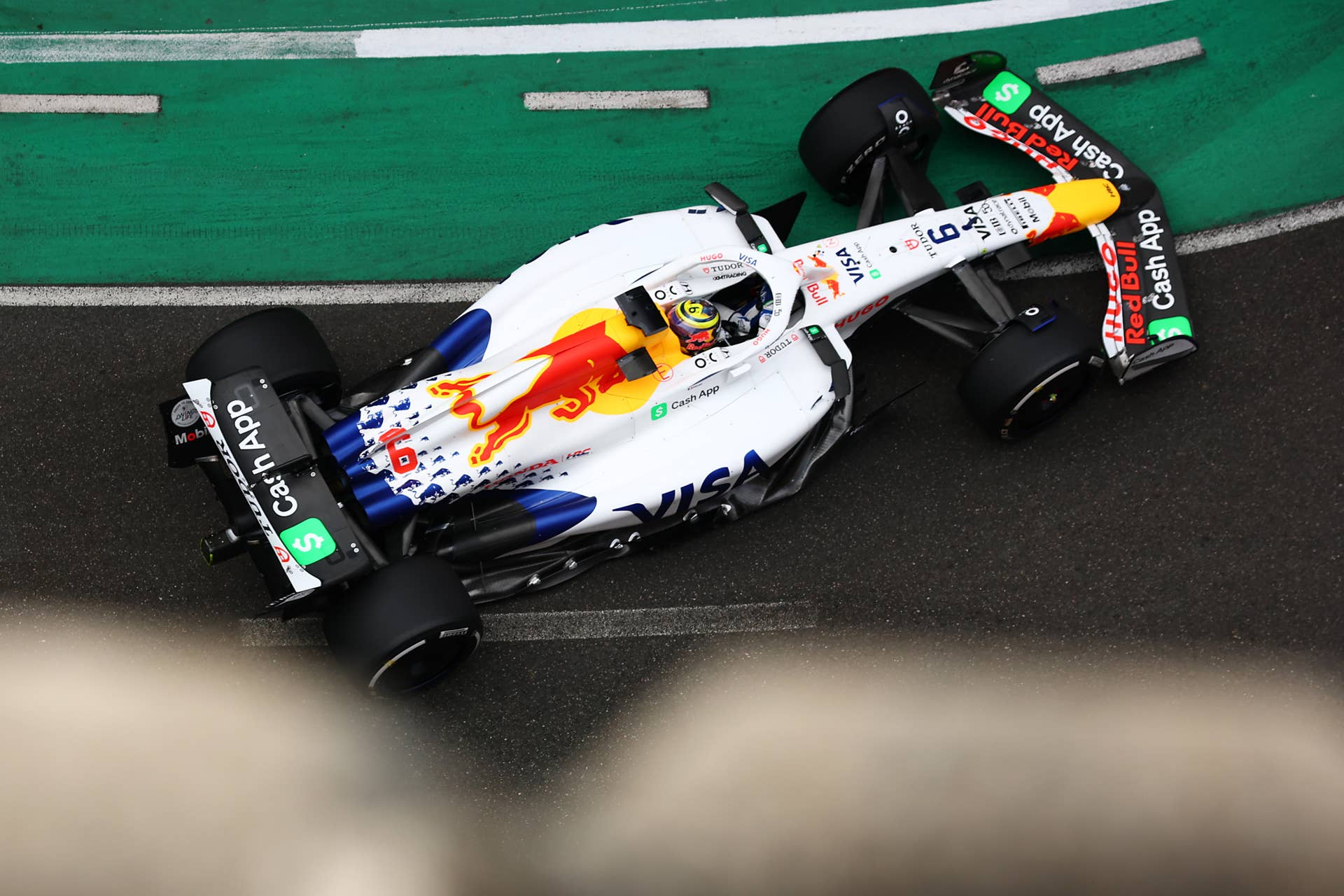
Though Hadjar will make his racing debut on the grid at the Circuit of the Americas (COTA) during this year’s U.S. Grand Prix, it is not his first time at the track and in the city, as he served as a reserve driver for both Red Bull teams during the same race last year. He noted that he came to Austin quite early, in his words, to “chill” and take time for himself in a city he really enjoys.
“I like the vibe around here,” he said. “I’m being a tourist, staying healthy as well, like, preparing for the race weekend. […] I enjoy moments like this off the track.”
When asked about his expectations going into the race weekend, he notes that the on-track vibes have always been “very good” since he began watching Formula 1 as a kid. He added that he looks forward to diving in front of a crowd that “looks like it’s always packed.” But while many children look at the Formula 1 racing that takes place at the U.S. Grand Prix and on other tracks around the world as a dream that they would look forward to fulfilling, Hadjar sees it a bit differently. He sees his current position in his life and racing career as targets he truly worked towards.
“I wouldn’t say a dream, it’s something I’ve worked for my whole life, because it was a clear target. I mean, dreams are dreams. And me, I set myself targets, and I achieve them or I don’t, and at the moment, it’s going well, so I’m enjoying it.”
About the author

James Ochoa
Senior Editor, Autoblog