

When Henry Ford introduced the Model T in 1908, he didn’t just build a car, he revolutionized the entire automotive industry. As the first mass-produced vehicle ever, it lowered production costs dramatically, effectively making cars affordable for the vast majority of Americans.
The Model T set the stage for an automotive powerhouse to develop and flourish, resulting in some of the most influential cars ever built. We look into the best Ford cars of all time, and picked five that not only changed the automotive industry, but still influence it to this day.
Ford F-Series
Ford
Ford
Years of Production:
- 1948 – Present (14 Generations)
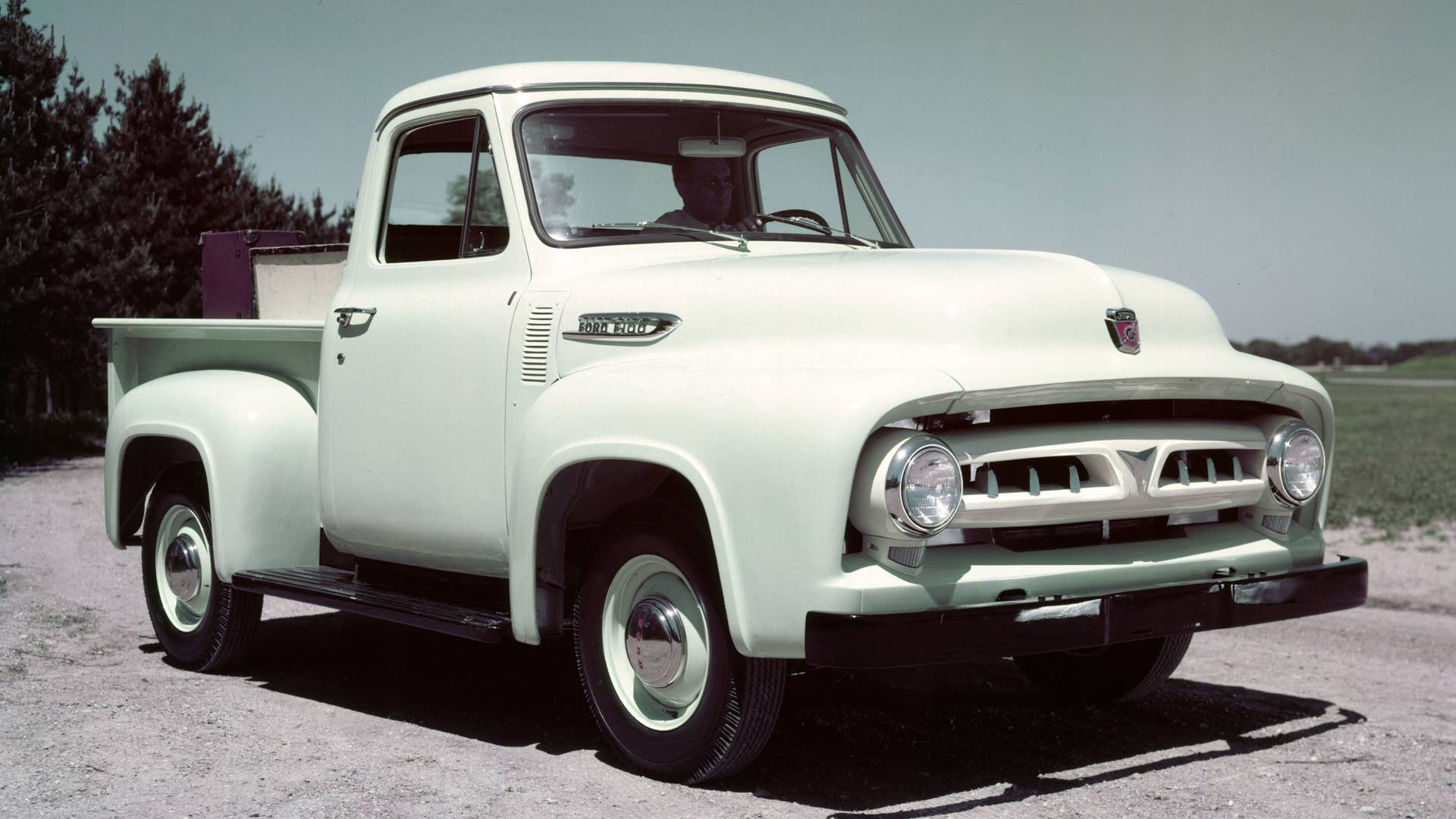
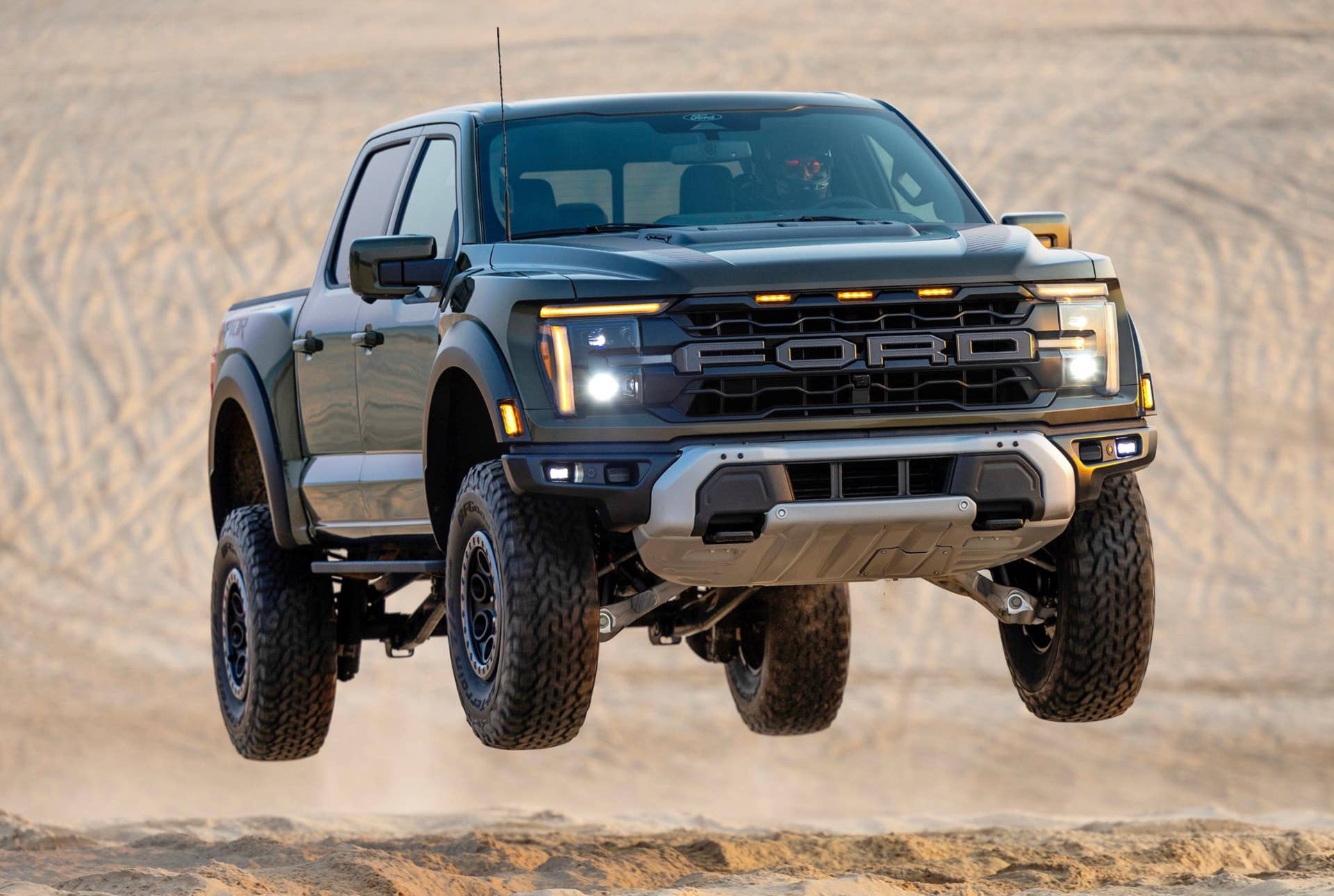
First introduced in 1948, the F-Series completely revolutionized how Americans viewed work trucks. Before the F-Series, they were strictly spartan, uncomfortable and mostly based on existing car designs, making them unsuitable for really tough work. Ford changed the game by building its F-Series on a dedicated truck platform, and prioritizing driver comfort with a roomy cab and comfortable seats.
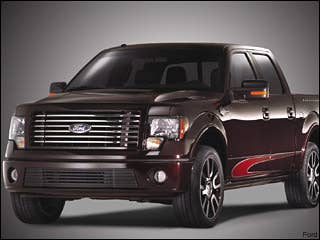
The F-Series became the best-selling truck in the US and has held onto this accolade for decades. Its gradual evolution has seen it develop from a simple, durable work vehicle, into the tough and advanced modern F-150. Today’s models have swapped heavy steel for a high-strength, aluminum-alloy body and feature cutting-edge powertrains. The 14th generation F-Series continues to dominate the market thanks to its perfect blend of practicality, workhorse toughness and endless customizability.
Ford GT40
Ford
Years of Production:
- 1964 – 1969 (Original GT40)
- 2005 – 2006 (1st Gen Modern GT)
- 2017 – 2022 (2nd Gen Modern GT)
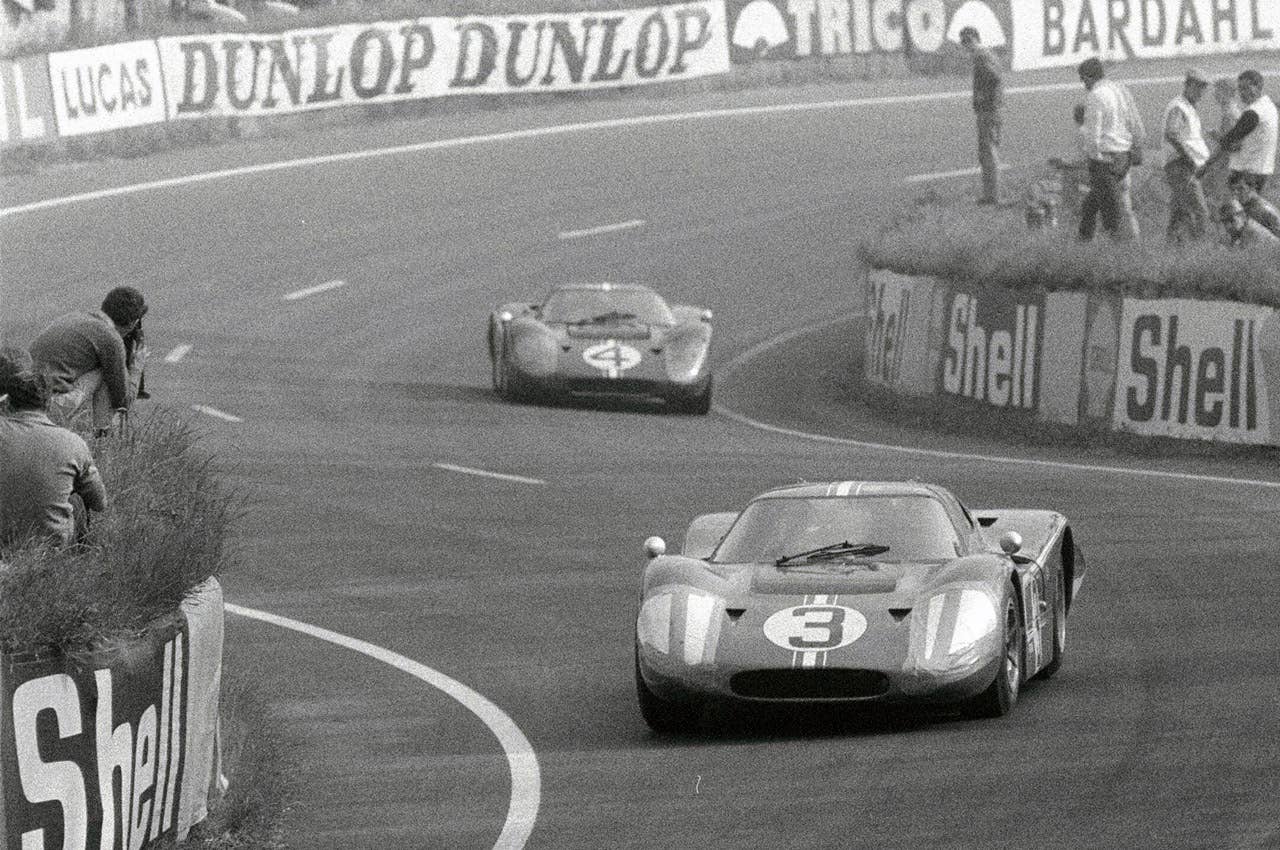
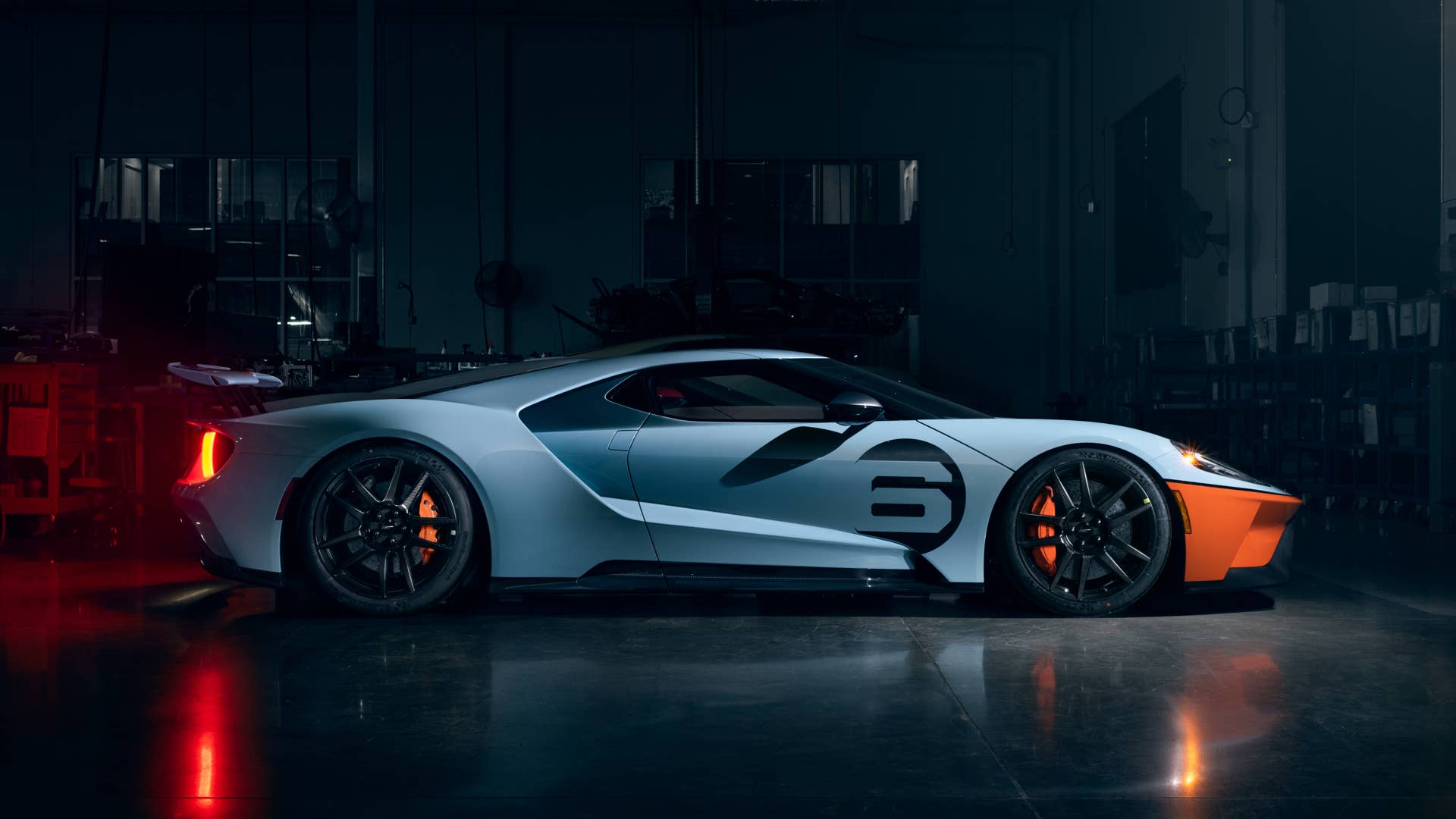
The GT40 was born out of a feud between Enzo Ferrari and Henry Ford II, when the sale of the Italian company fell through at the last minute. Ford made it his singular goal to humiliate Ferrari on the racetrack. While the punchline was four consecutive titles between 1966-1969 for Ford, the road to that monumental achievement was a rocky and very expensive one.
However, it proved that America could take on Europe’s best and win, and that is how the GT40 legend was created. It also spawned two further generations of GT models, but now without the trademark ‘40’ suffix thanks to rights issues. The 2005 model was a retro-styled homage to the original, while the 2017 GT was a futuristic road-bound missile that won its class at Le Mans in racing spec the year before it was released as a road car.
Ford Mustang
Drew Phillips
Ford
Years of Production:
- 1964 – Present (Seven Generations)
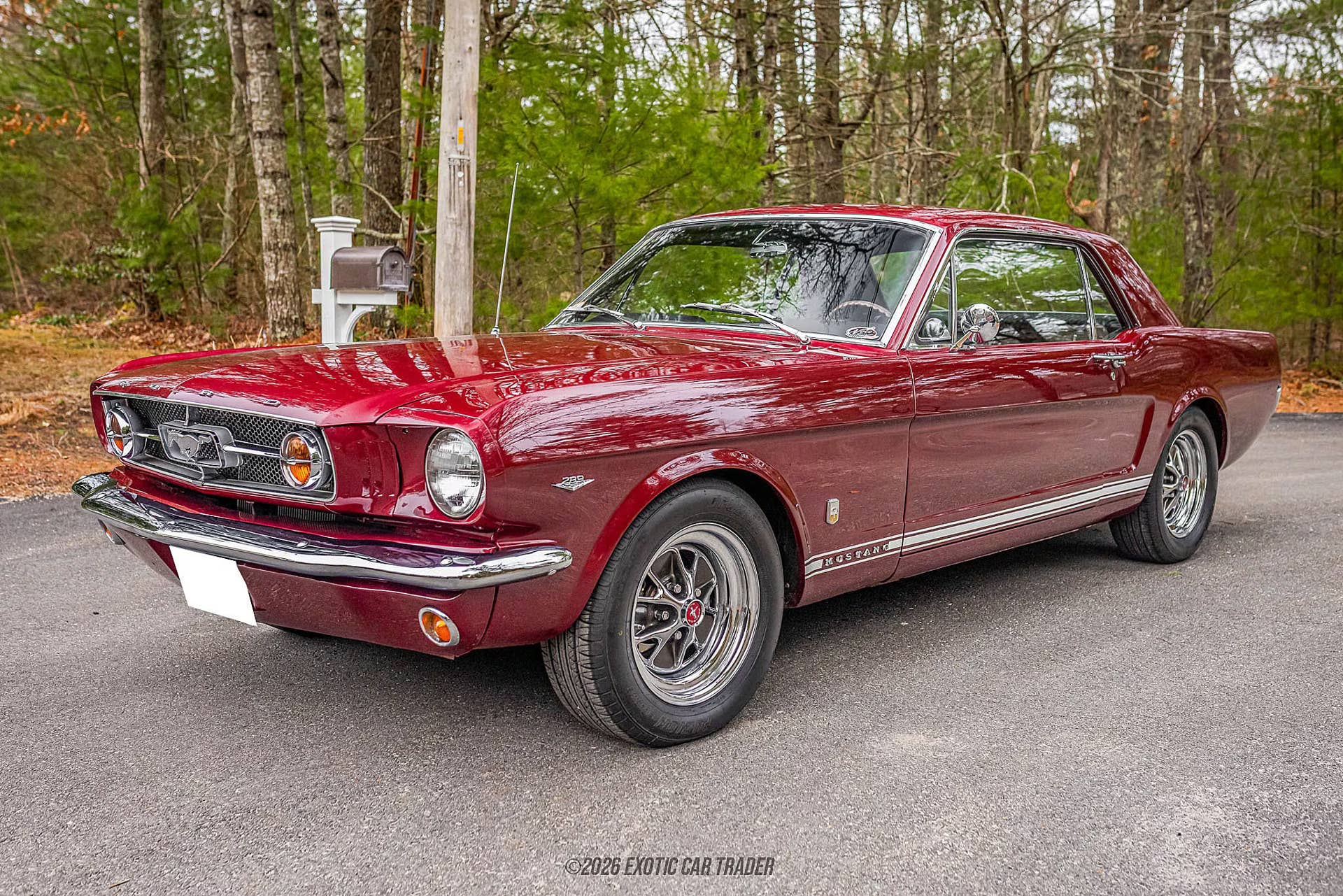
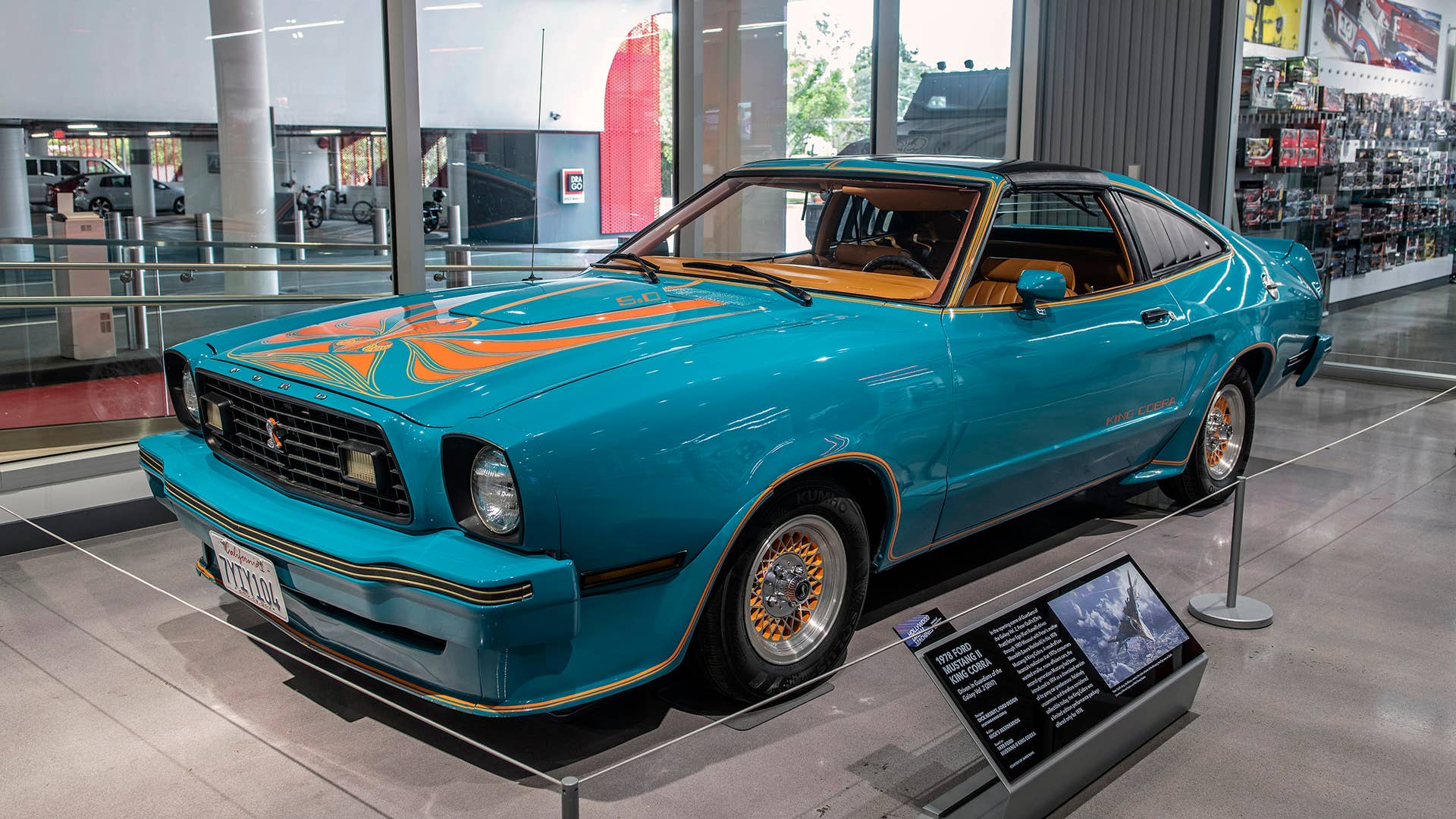
When the Ford Mustang debuted at the World’s Fair in April 1964, it caught the motor industry completely off guard. It created the pony car class overnight, bringing affordable, highly customizable, sporty vehicles within reach of a new generation of drivers. Selling over one million units in its first two years, it was an instant success. The earliest models debuted with low-powered V6 powerplants, but soon V8 engines were introduced as well.
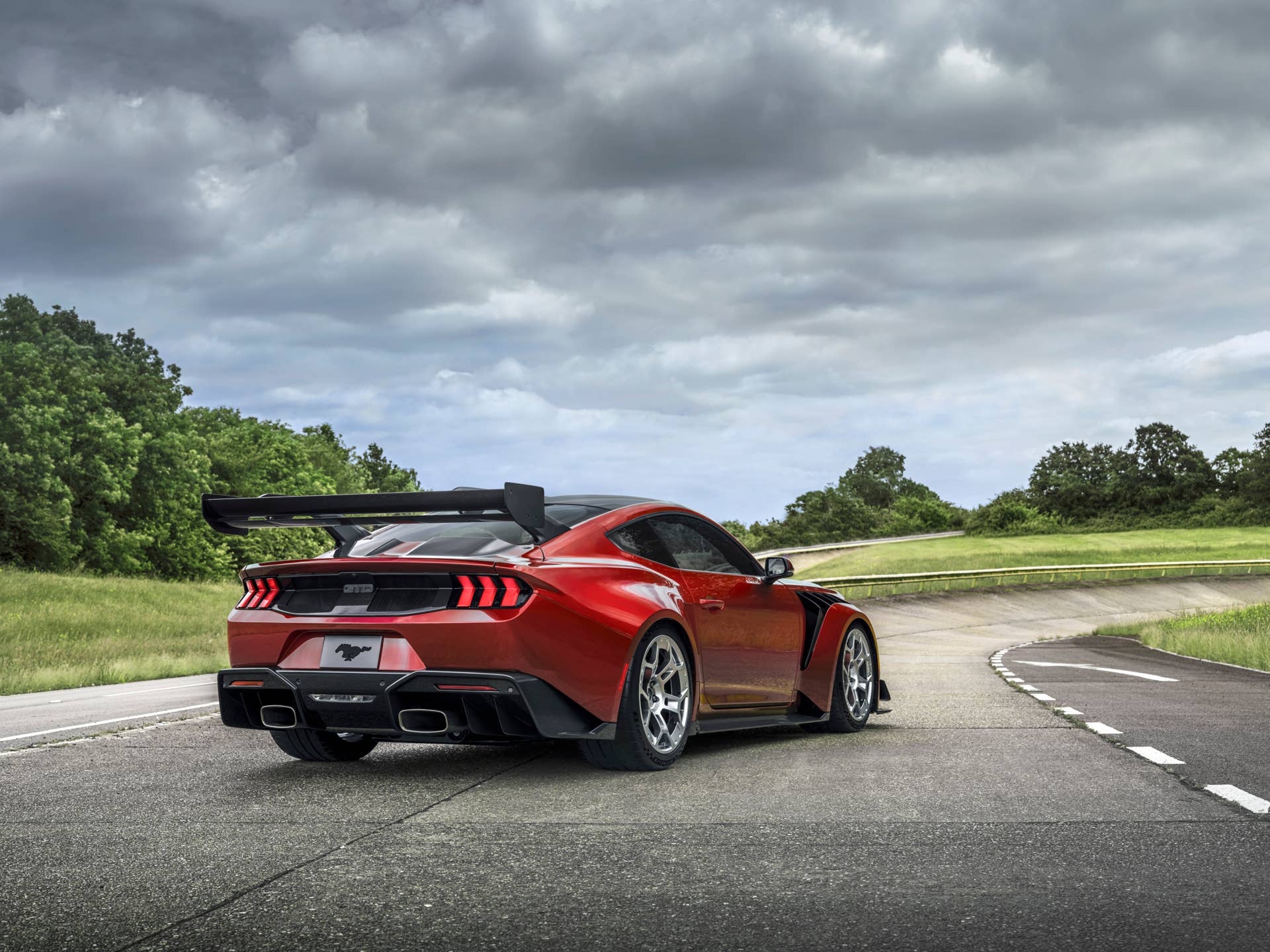
The Mustang survived fuel crises and changing tastes, as well as some questionable styling and powerplant choices, but it has endured to become one of the most recognizable motoring icons the world over. The latest models still offer V8 power, but now also include everything from turbocharged fours to track-ready special edition models like the latest GTD.
Ford Bronco
Ford
Ford
Years of Production:
- 1966 – 1996 (First Five Generations)
- 2021 – Present (Modern Era)
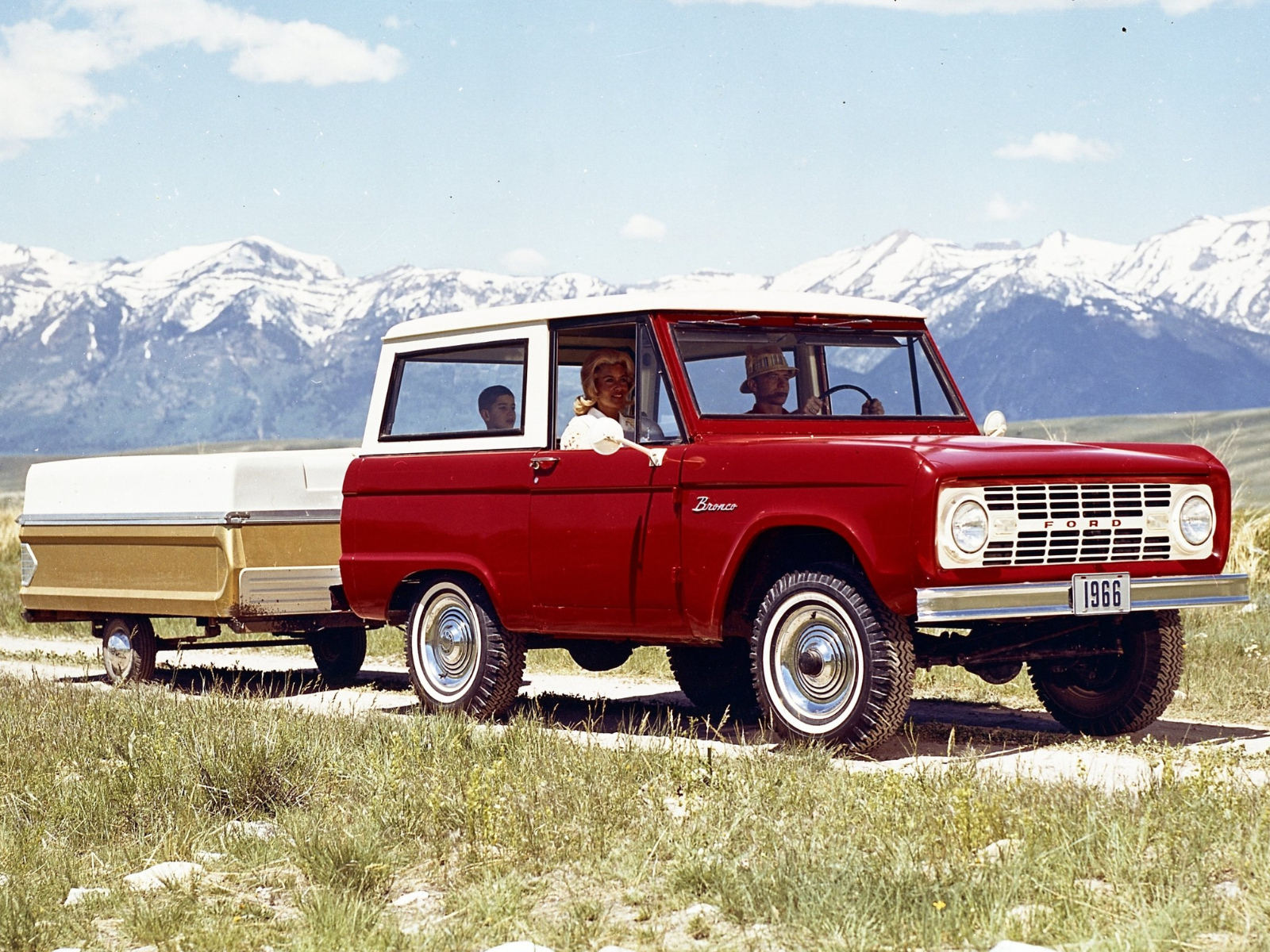
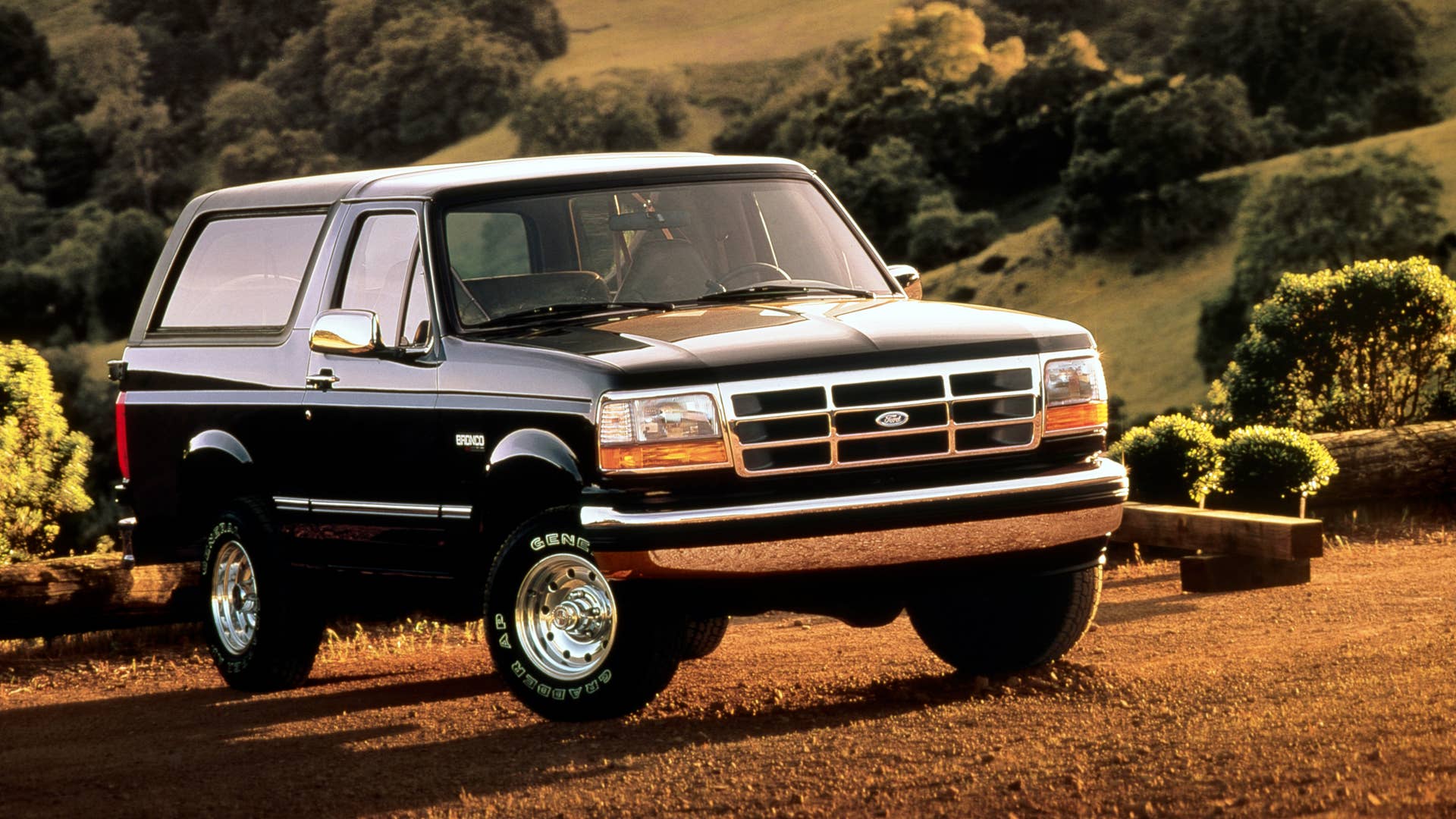
While the genesis of the first Sport Utility Vehicle (SUV) is a topic that is sure to stir of differing viewpoints, the 1966 Ford Bronco certainly qualifies as one of the earliest SUVs to go on sale. Launched as a short-wheelbase two-door model, it was marketed as an innovative All-Purpose Vehicle, helping four-wheel drive vehicles transition into mainstream use, and while the first-generation model was still relatively simple, it soon evolved into a much larger, more luxurious and even more capable truck.
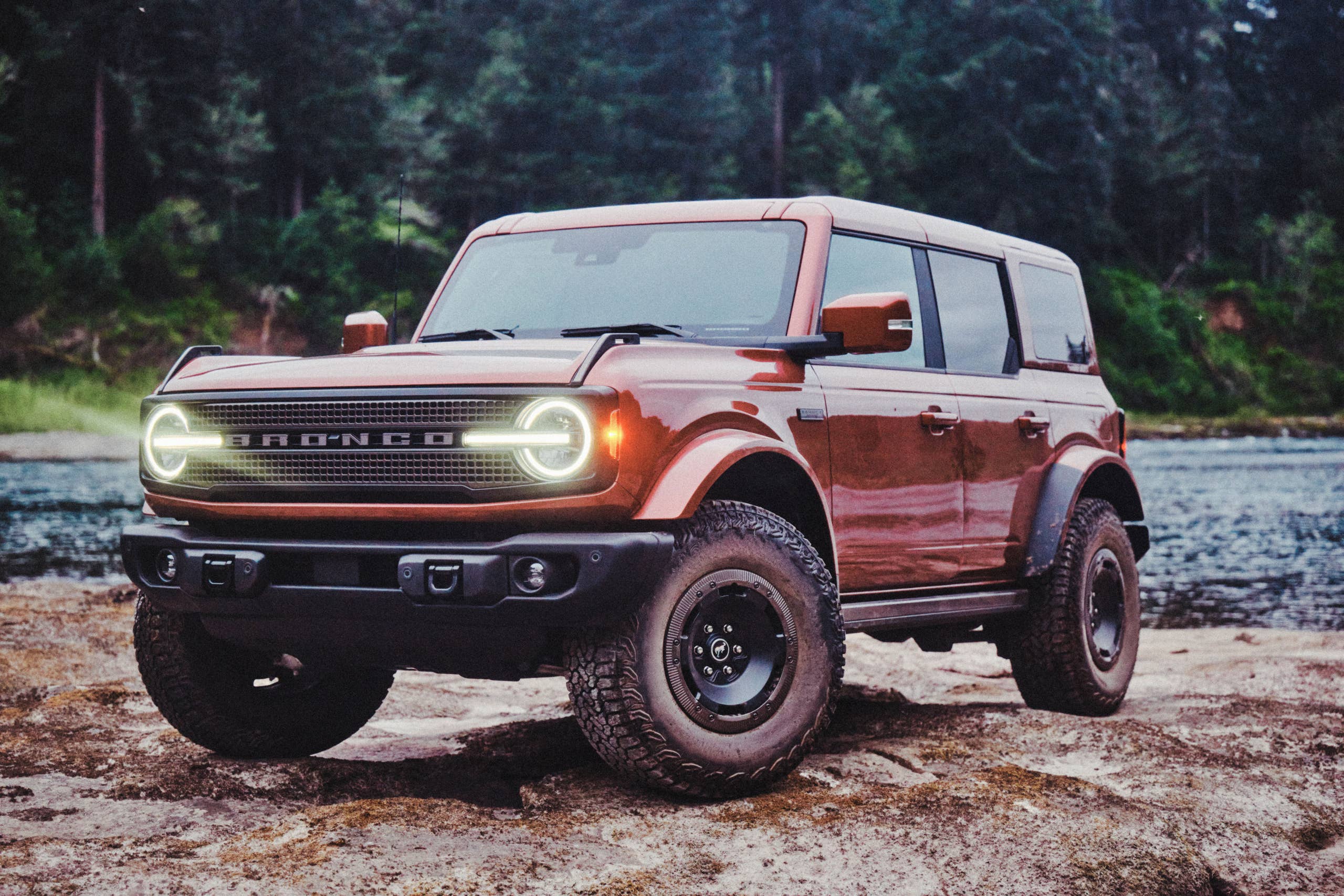
The Bronco fluctuated in size over the years, but it was still defined by a two-door bodystyle, and a four-wheel-drive layout. There were continuous improvements in refinement and daily-drive usability, too. The fifth-gen model finally ended production in 1996, making way for the much larger four-door Expedition. The return of the nameplate in 2021 has been a great success, with the new Bronco managing to embody the spirit and styling of the old models with the latest powertrain and drivetrain tech available.
Ford Crown Victoria
Ford
Ford
Ford
Years of Production:
- 1992 – 1997 (First Gen)
- 1998 – 2011 (Second Gen)
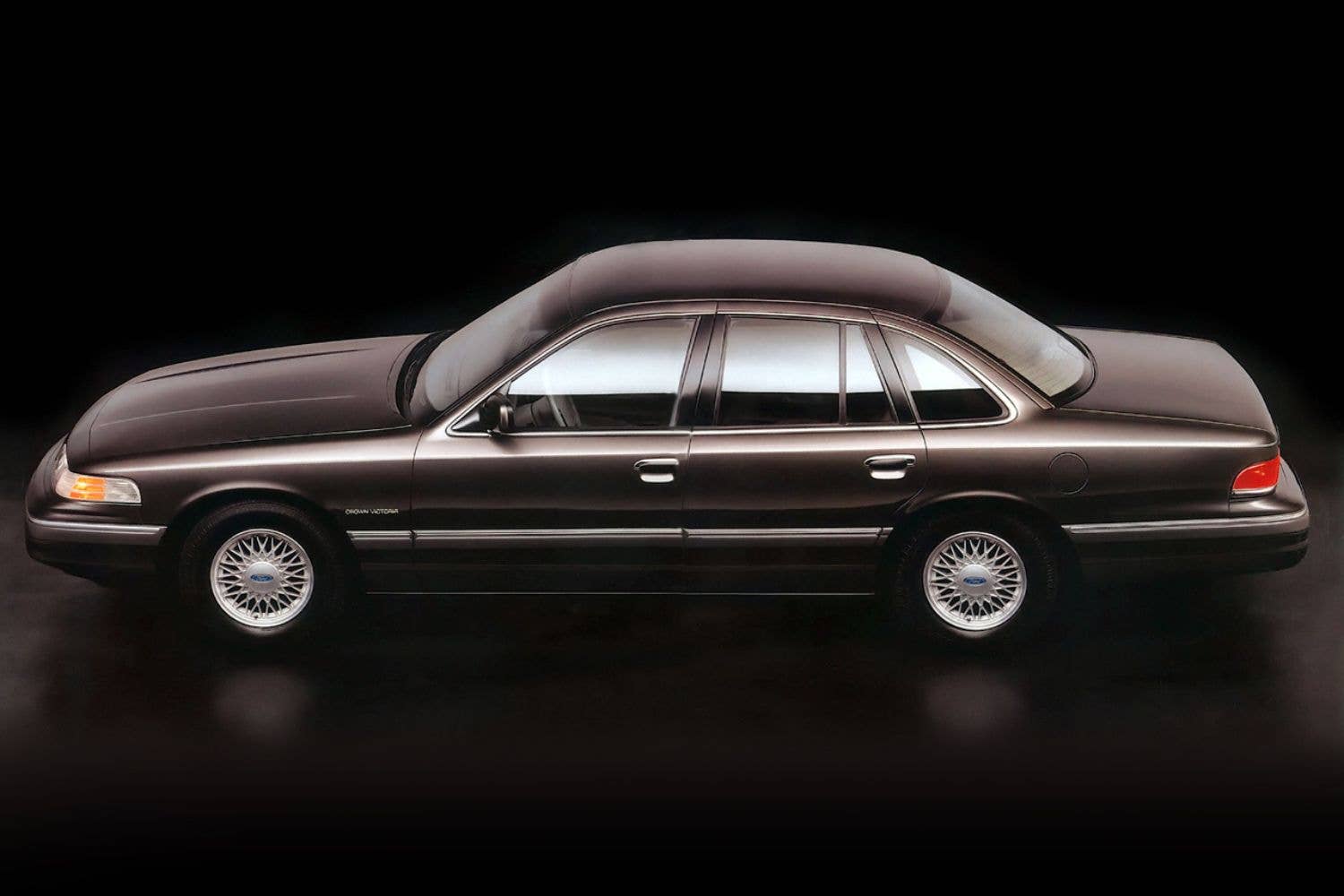
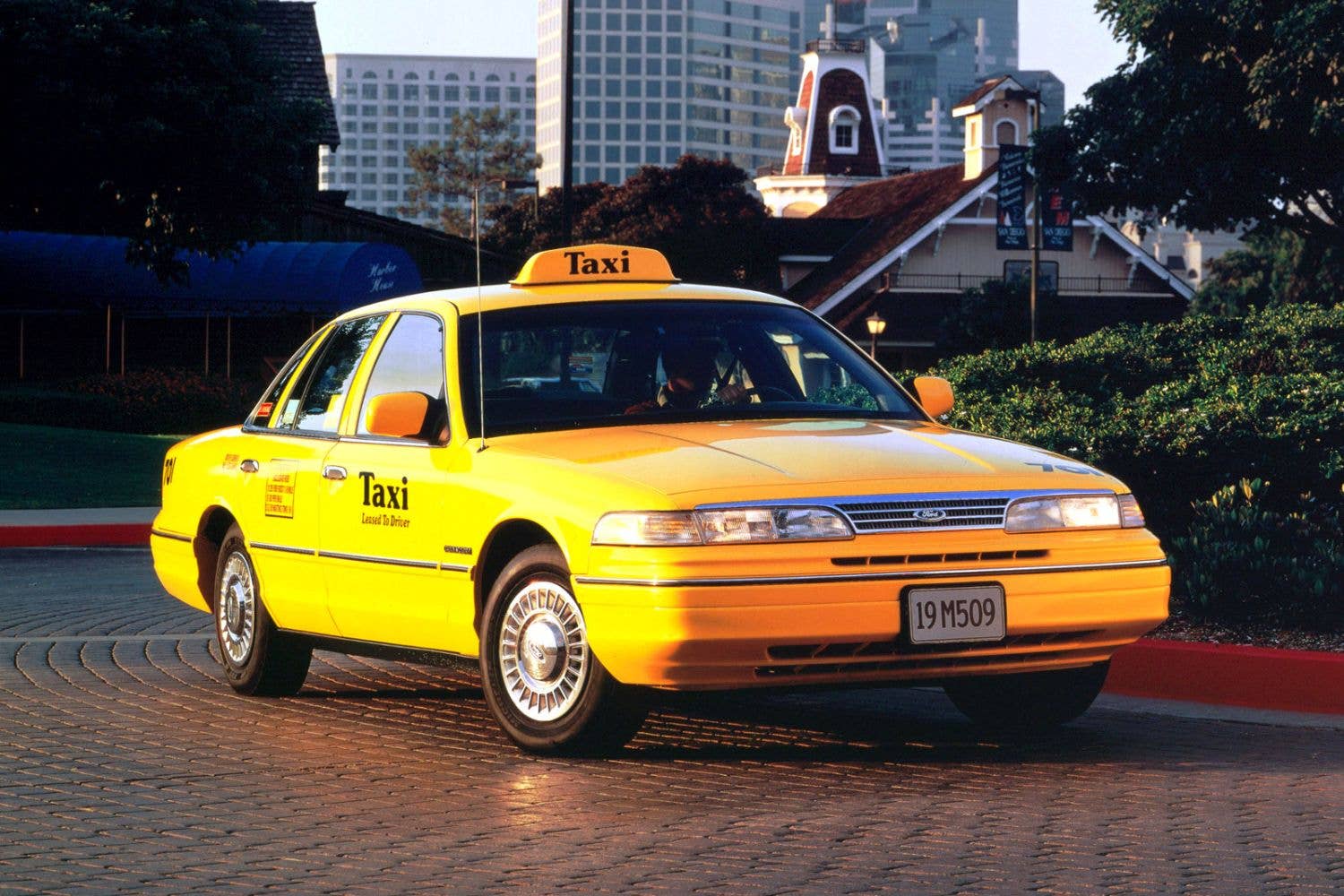
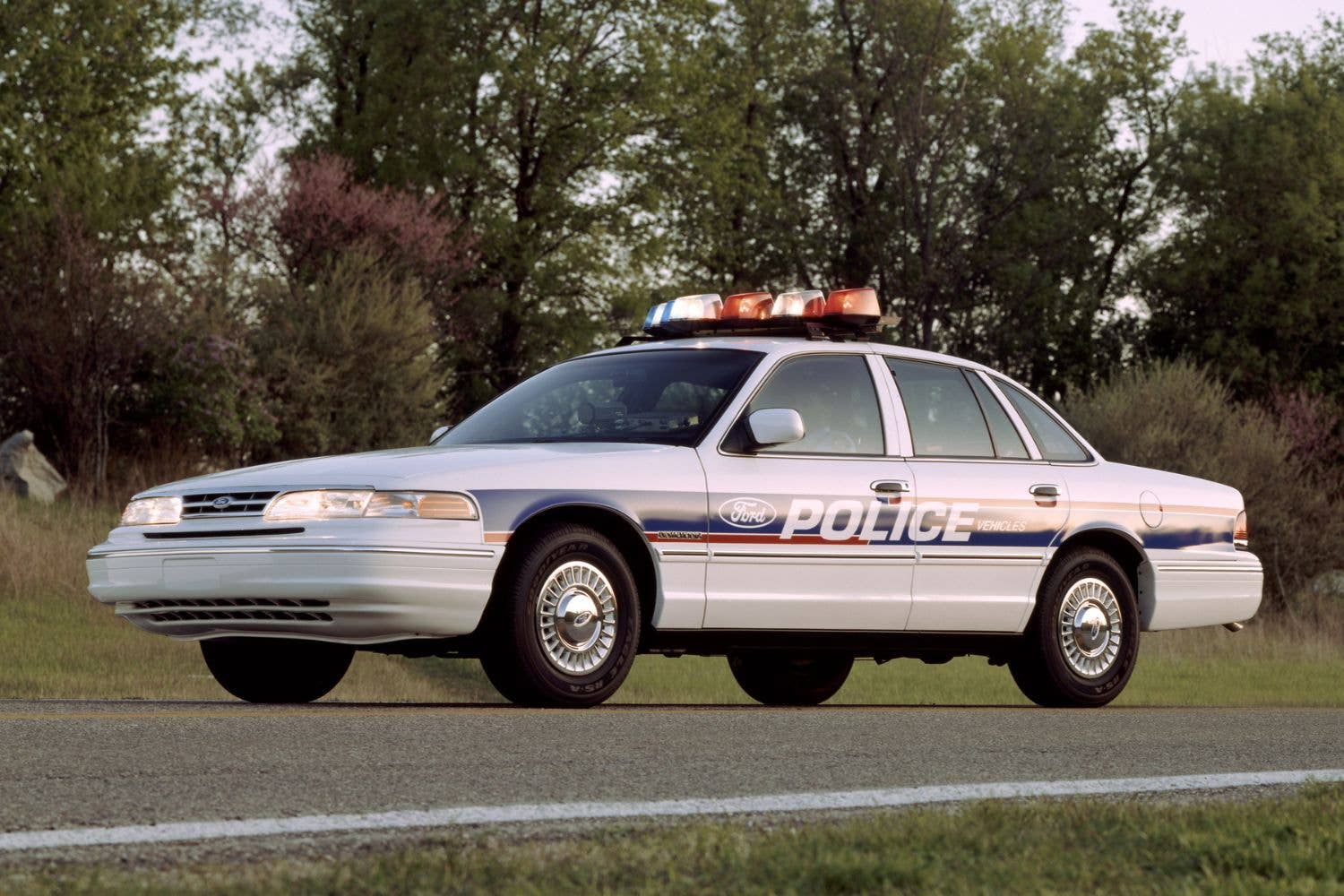
The Crown Vic was technically old even when it was new, but its rugged, body-on-frame Panther platform, unbreakable V8 engine, and simple design made it the perfect choice for law enforcement and taxi fleets. Spanning two generations, both models looked largely similar from the outside, but improvements to the body rigidity, steering setup and suspension system made the second generation model a far more competent high-speed pursuit vehicle.
A 4.6-liter V8 was the sole engine option, producing between 190 and 250-hp, it was a low stressed unit, and many Crown Vics have gone on to do mega mileages. For close on two decades, it ruled the roads across the US, and it remains popular as a used vehicle to this day to the point that some people want it to go back into production.
About the author

John Tallodi
Senior Editor