
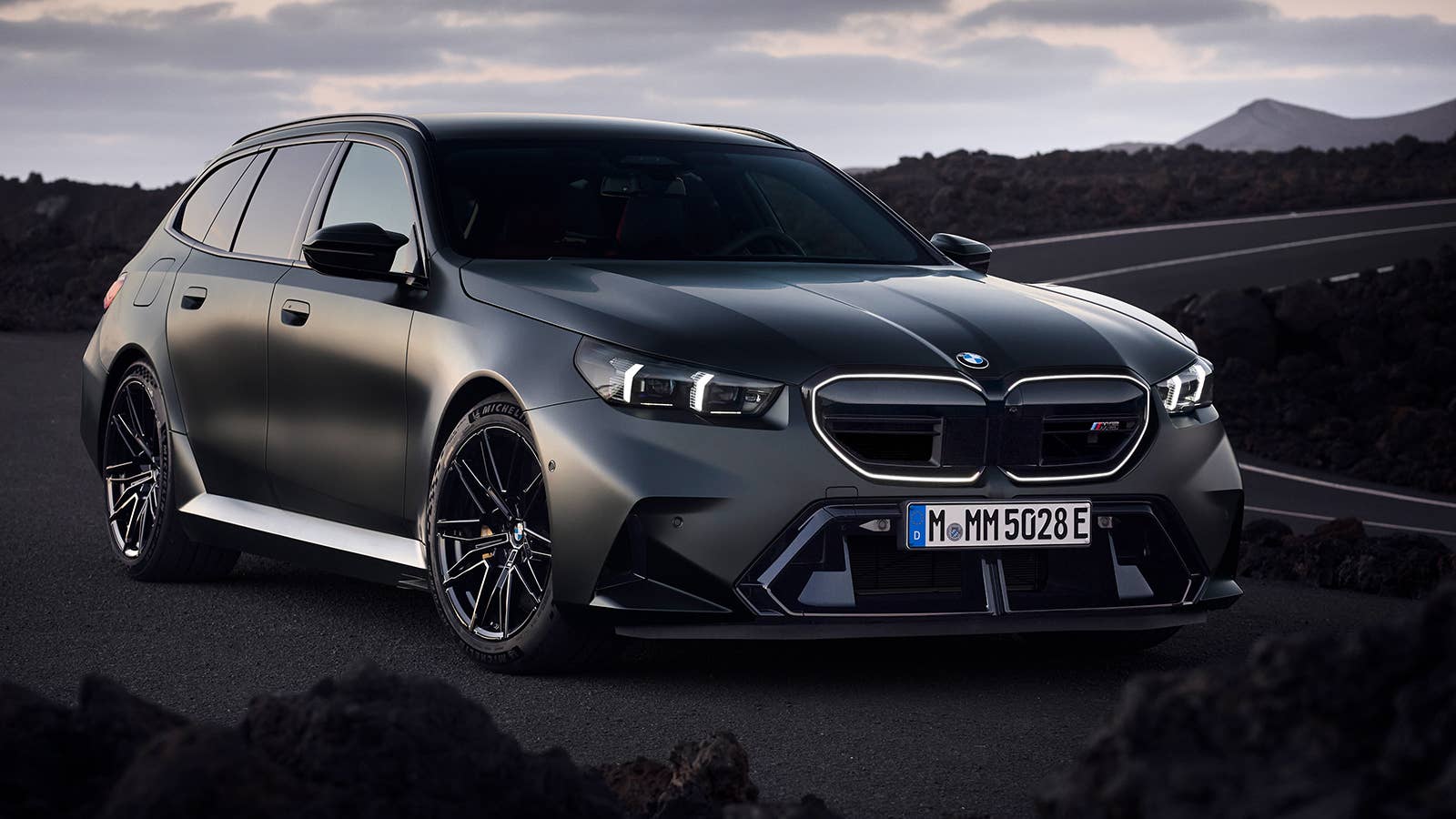
Cars have evolved immensely
Twenty-five years might seem like a long time to those in their twenties and thirties, but it feels like the blink of an eye to those who are a bit older. Back then, supercars were capable of hitting 60 mph from a standstill in around four seconds, which is still quick. There were a scant few models that could haul kids and gear while also being super quick, but all that has changed today, as automakers build do-it-all vehicles that can roar down the road and also take the family on a road trip. Today’s performance-oriented family vehicles have shattered images of molasses-slow family vehicles from a quarter century ago.
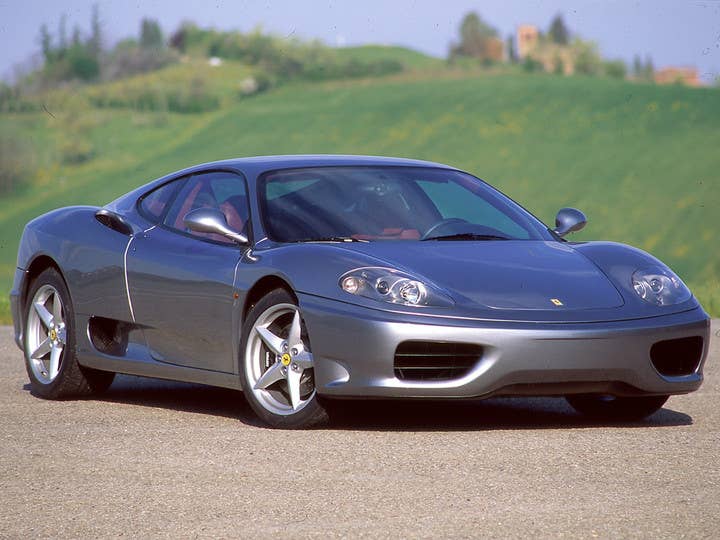
Thanks to hybrid technology, electrification, and ever-more-potent gasoline engines, some family haulers can outpace bona fide supercars from just a quarter-century ago. To put things into perspective, the 2000 Ferrari 360 Modena, one of our favorite supercars of the past, took around 4.0-4.5 seconds to go from 0-60. The Porsche 911 Turbo from 2000, widely regarded as a monster, could dip into the 4.0-second range. Impressive then, but actually a bit slow compared to today’s performance family machines. Here are five family-friendly vehicles that can blitz from 0–60 mph quicker than supercars from 25 years ago.
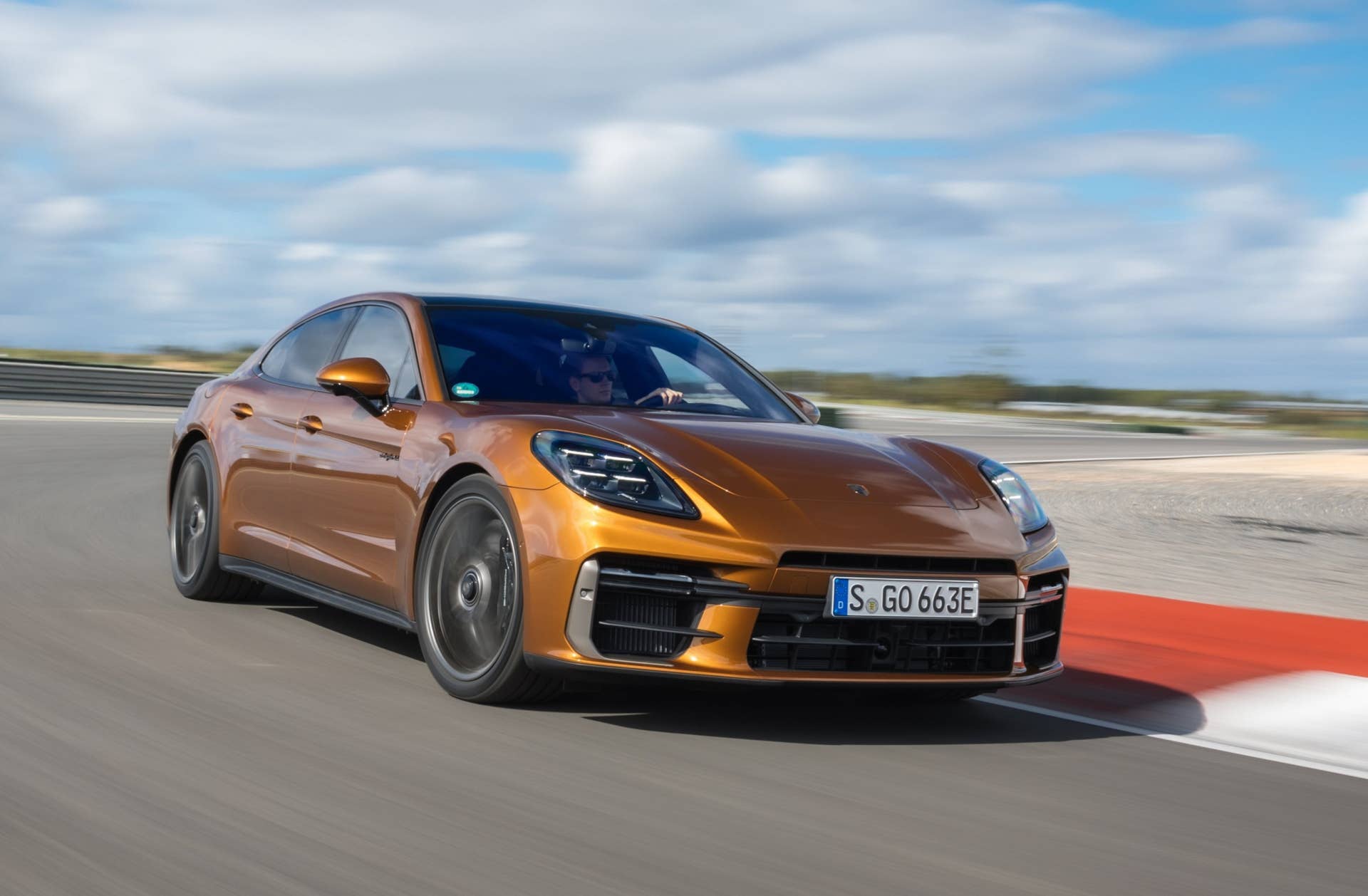
1. Porsche Panamera Turbo S E-Hybrid
Porsche
The Porsche Panamera started life as a controversial addition to Porsche’s lineup in 2009, but it has evolved over its two generations to become a svelte powerhouse. The Turbo S E-Hybrid is the pinnacle of the 4-seater Panamera sedan lineup, combining a 4.0-liter twin-turbocharged V8 with an electric motor for 771 horsepower and 737 lb-ft of torque. Despite weighing over two tons and offering seating for four adults, the Panamera Turbo S E-Hybrid launches from 0–60 mph in 2.8 seconds. That’s significantly quicker than the 2001 Lamborghini Diablo VT’s 3.8 seconds.
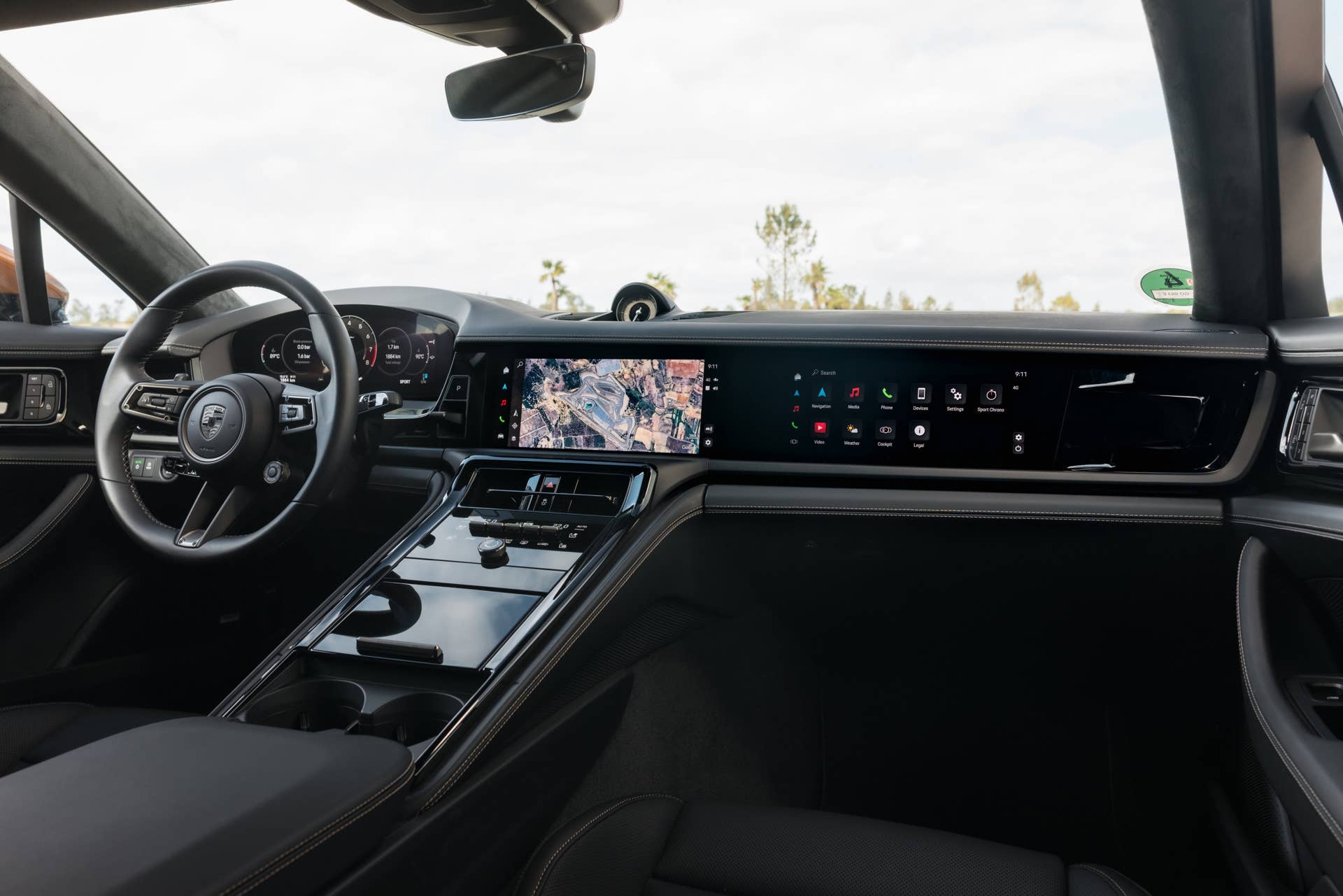
And yes, you can fit your kids in the back without getting squished. It’s also plush and tech-forward inside, with full leather interiors, a sophisticated infotainment system, and the kind of luxury trimmings that make it equally adept at a school run as it is embarrassing an old-school Ferrari at a stoplight. The capacious hatchback cargo space measures 18.3 cubic feet with the rear seats in place and 49 cubic feet with the seats folded. Keep your gear tied down, though, ‘cuz stuff is gonna fly with this kind of power.
2. Lucid Air Sapphire
Zac Palmer
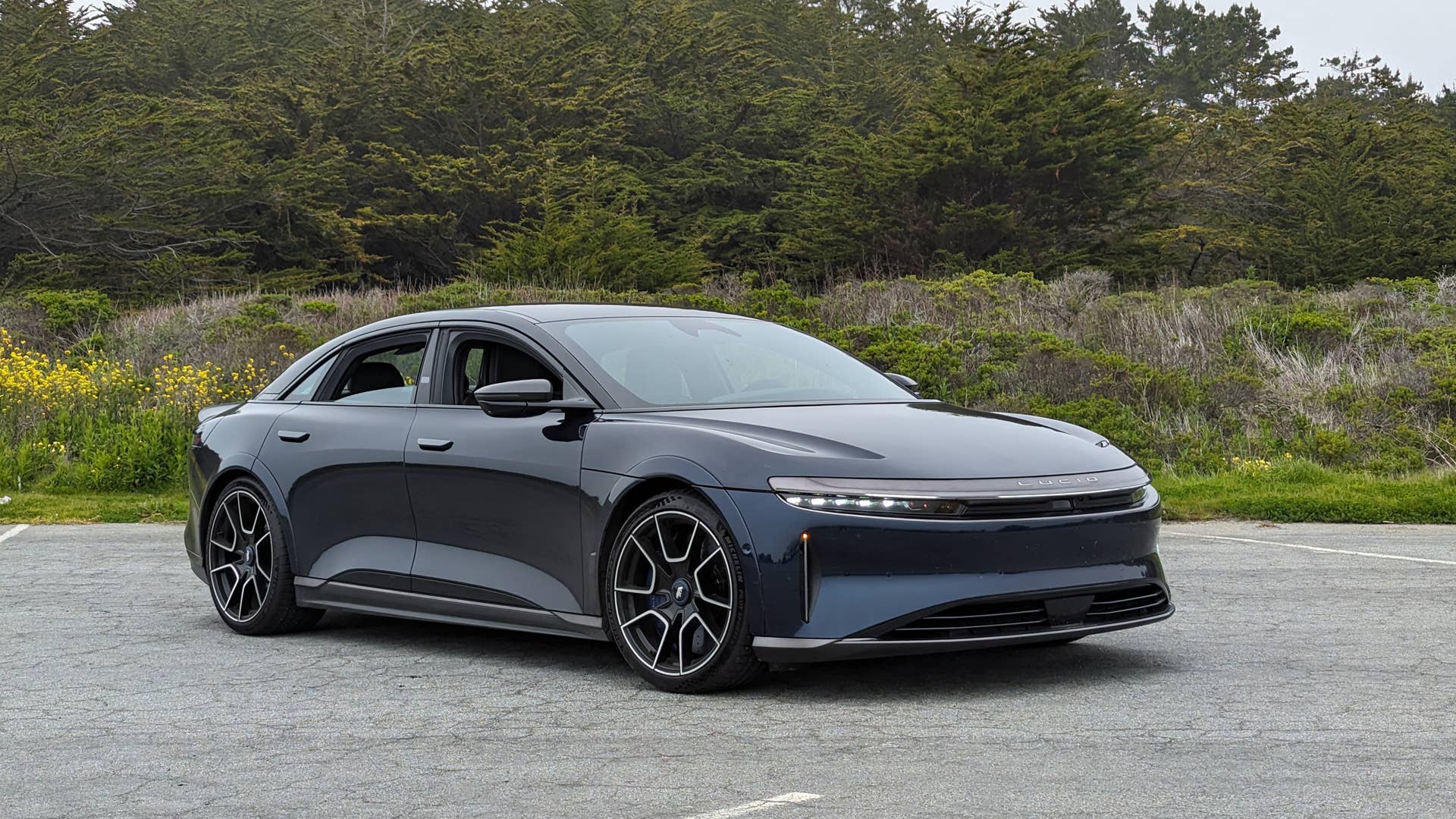
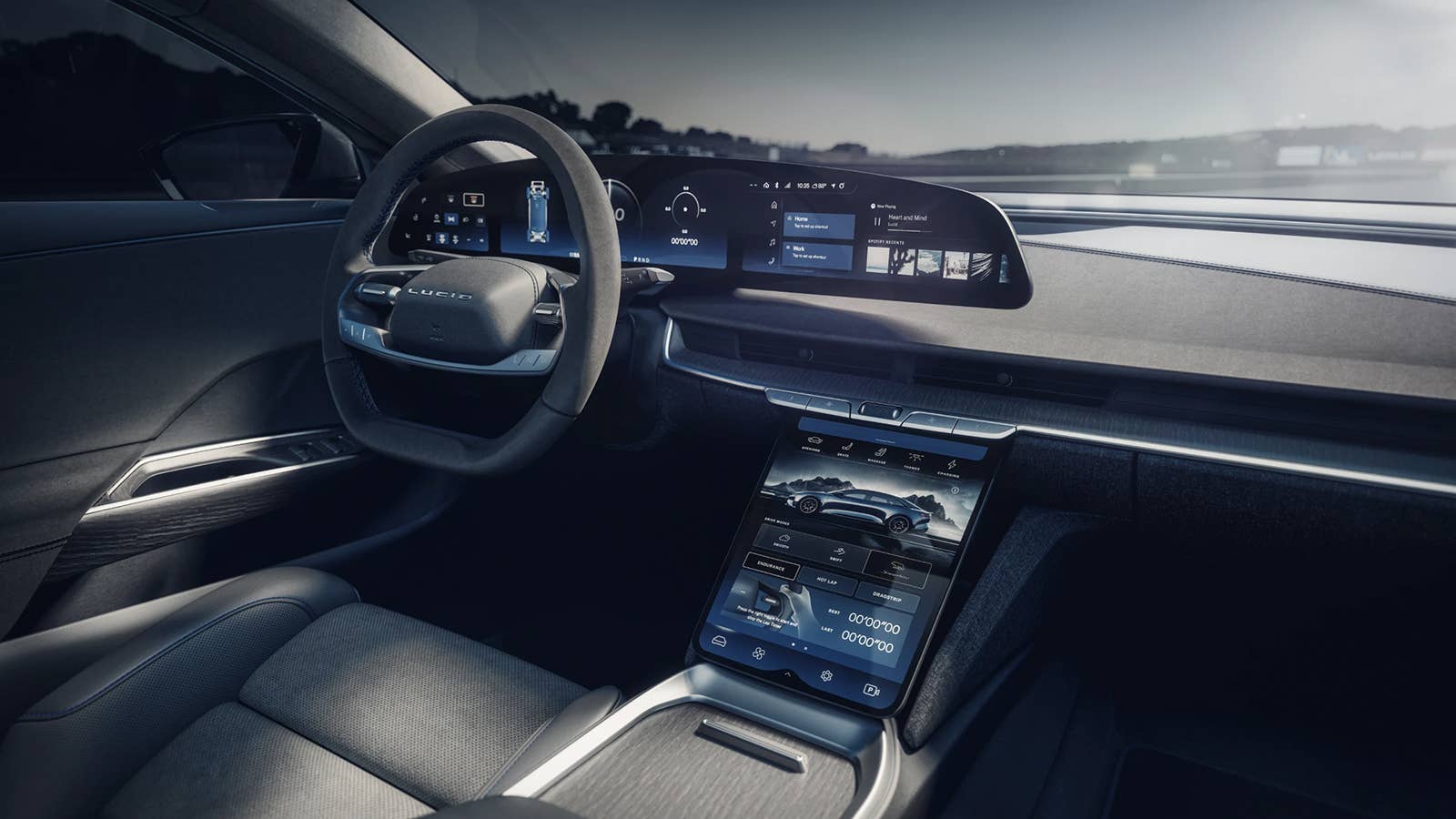
Lucid has become one of the most exciting names in the performance EV space, and the Air Sapphire is its premium weapon of choice. This luxury sedan is the quickest electric four-door in the world, boasting a tri-motor setup that produces over 1,200 horsepower. The result? A jaw-dropping 0–60 mph time of just 1.9 seconds and a quarter-mile sprint in under 9 seconds. Those numbers obliterate every supercar from the past and most from the present day. It’s also perfectly comfortable for family duties.
Lucid
The Air Sapphire can seat five adults in comfort and space, complete with a minimalist but high-tech and high-end interior, cutting-edge driver assistance, and an EPA-estimated range of up to 427 miles, dispelling any range anxiety. It’s a family sedan that can humble a McLaren F1 on the drag strip, something pretty much unimaginable even a decade ago. Try putting groceries and a couple of kids in your F1. This thing will pull your face back and take the family to dinner without skipping a beat.
3. Tesla Model S Plaid
Tesla
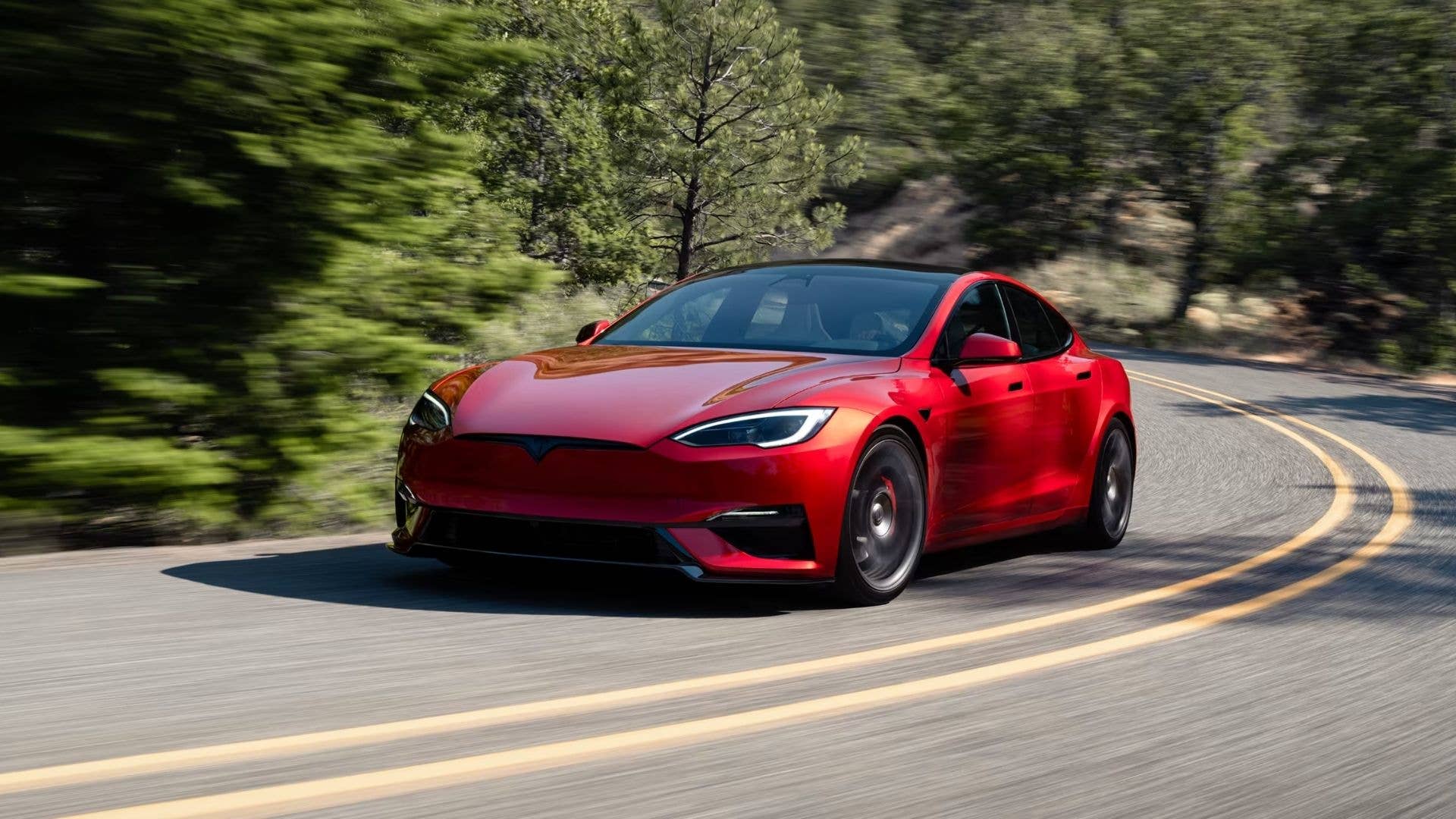
Tesla shook up the performance world when it introduced the Model S Plaid in 2021. With three electric motors generating 1,020 horsepower, the Plaid makes mincemeat out of traditional benchmarks. It rockets to 60 mph in 1.99 seconds, obliterating just about every vehicle on the planet, much less Ferraris, Lamborghinis, etc., from two decades ago. Compare the Plaid to the supercars of 2000, like the Lamborghini Murciélago, which hit 60 mph in about 3.6 seconds. The Plaid could beat it while carrying a week’s worth of groceries and your kids in the back.
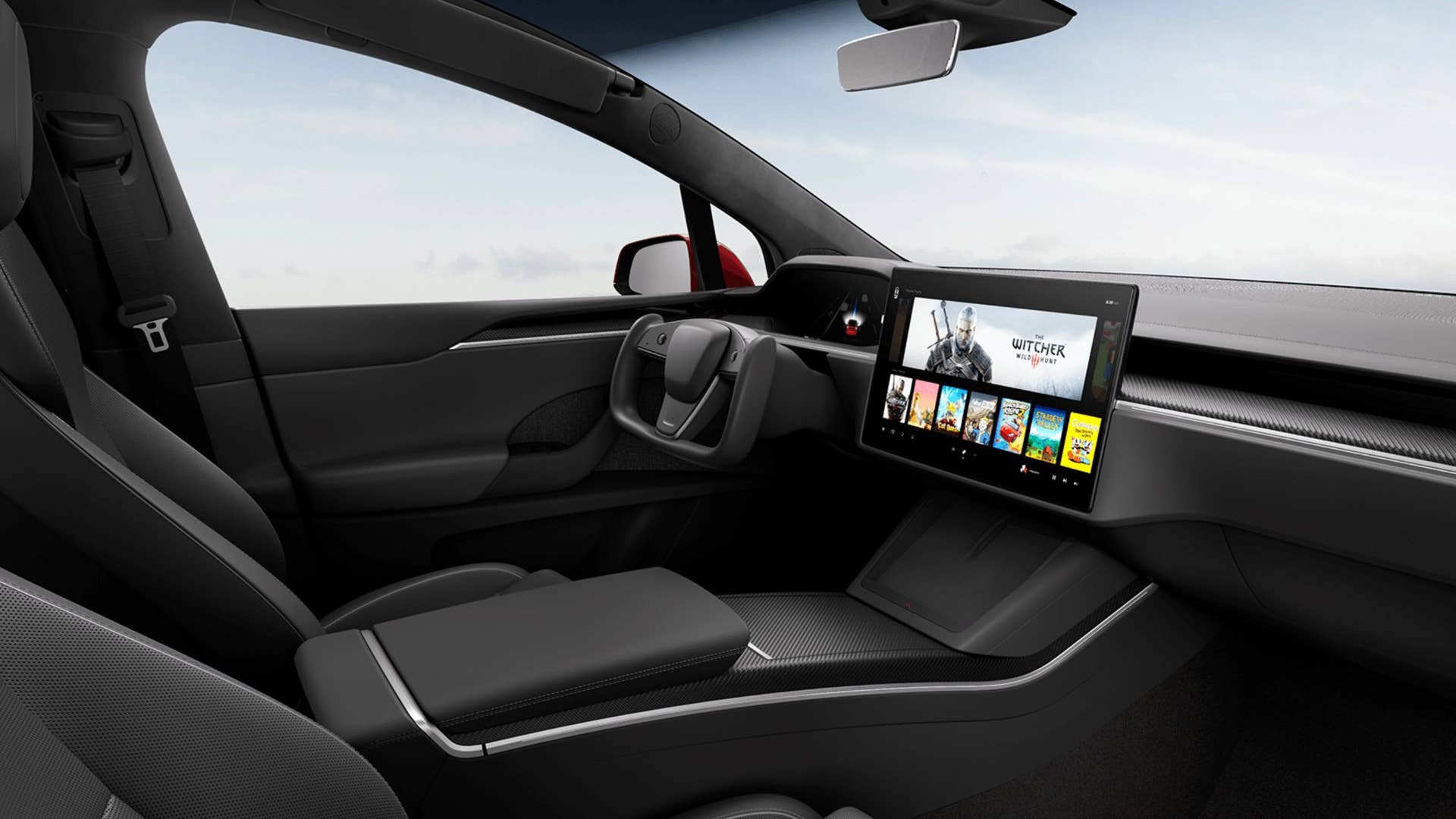
The Model S Plaid isn’t just about raw acceleration, though. It also offers a spacious hatchback body, seating for five adults, and a cargo hold with 26 cubic feet with the seats in place and 64 cubic feet with them folded flat. On the inside, Tesla’s signature minimalist aesthetic pairs with cutting-edge software updates that keep the car feeling fresh. The yoke steering wheel and the insane acceleration make it feel more like a spaceship than a car.
4. BMW M5 Touring
BMW
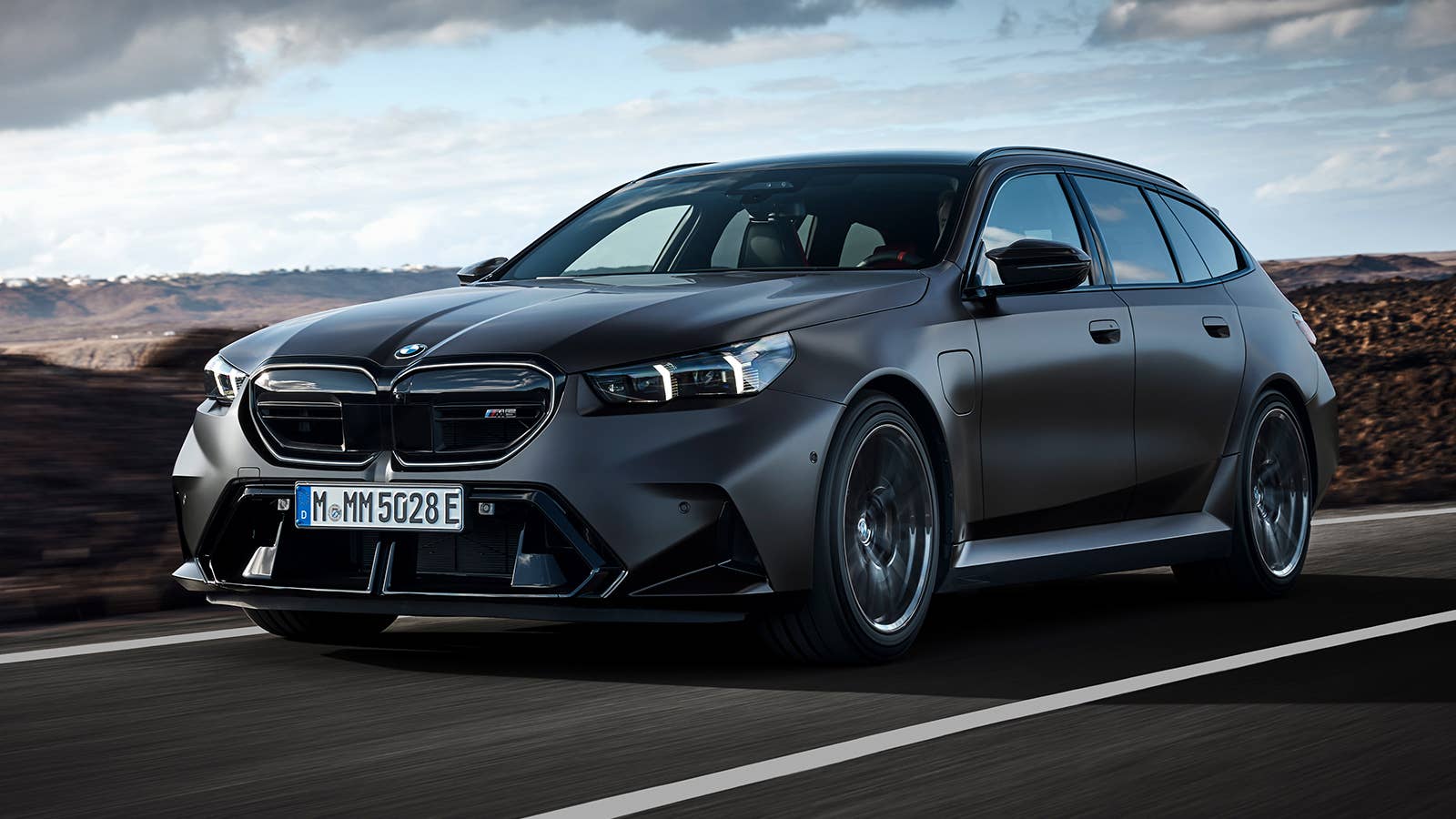
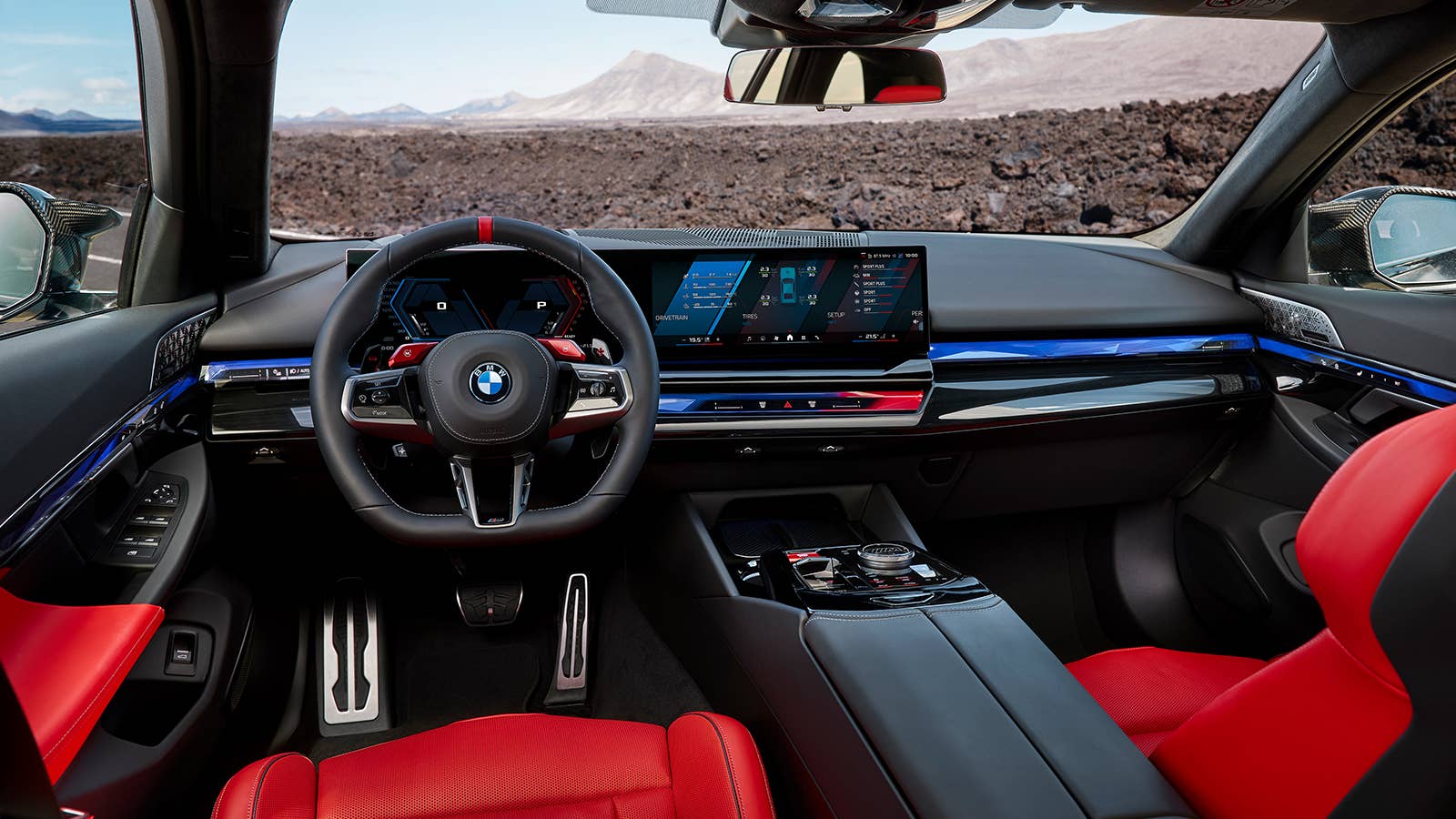
This is the rocket sled wagon of our dreams. It redefines the family truckster and turns it into a legitimate supercar with a wagon silhouette and cargo area. The M5 Touring brings not only blistering pace but also true family-hauling utility. Powered by a high-performance M hybrid powertrain, combining a twin-turbocharged 4.4-liter V8 engine with an electric motor to deliver 717 horsepower, it will utterly humiliate supercars of old and many on the streets today.
BMW
It’s almost hard to believe that this spacious monster can do a family vacation and, at the same time, hurtle from 0-60 mph in a scant 3.2 seconds, placing it in the same league as exotics that can’t hold more than two people. Back in 2000, even a Ferrari 550 Maranello, Ferrari’s V12 flagship, needed about 4.2 seconds to hit 60 mph. The M5 Touring not only beats that but can also take on IKEA flat-packs in its 58 cubic-foot cargo area.
5. Mercedes-Benz GLS 63 AMG

Our last potent family steed is good in so many ways. The thought of something this big and quick 25 years ago was unheard of. The Mercedes-Benz GLS 63 AMG is powered by a 4.0-liter twin-turbocharged V8 with EQ Boost 48-volt mild-hybrid technology, delivering 603 horsepower and 627 lb-ft of torque. Despite its size and weight, the GLS 63 hits 60 mph in 3.6 seconds, trampling on supercar territory from two decades ago. Okay, so it won’t corner like a 360 Modena, but it will mess it up nicely in a straight line.
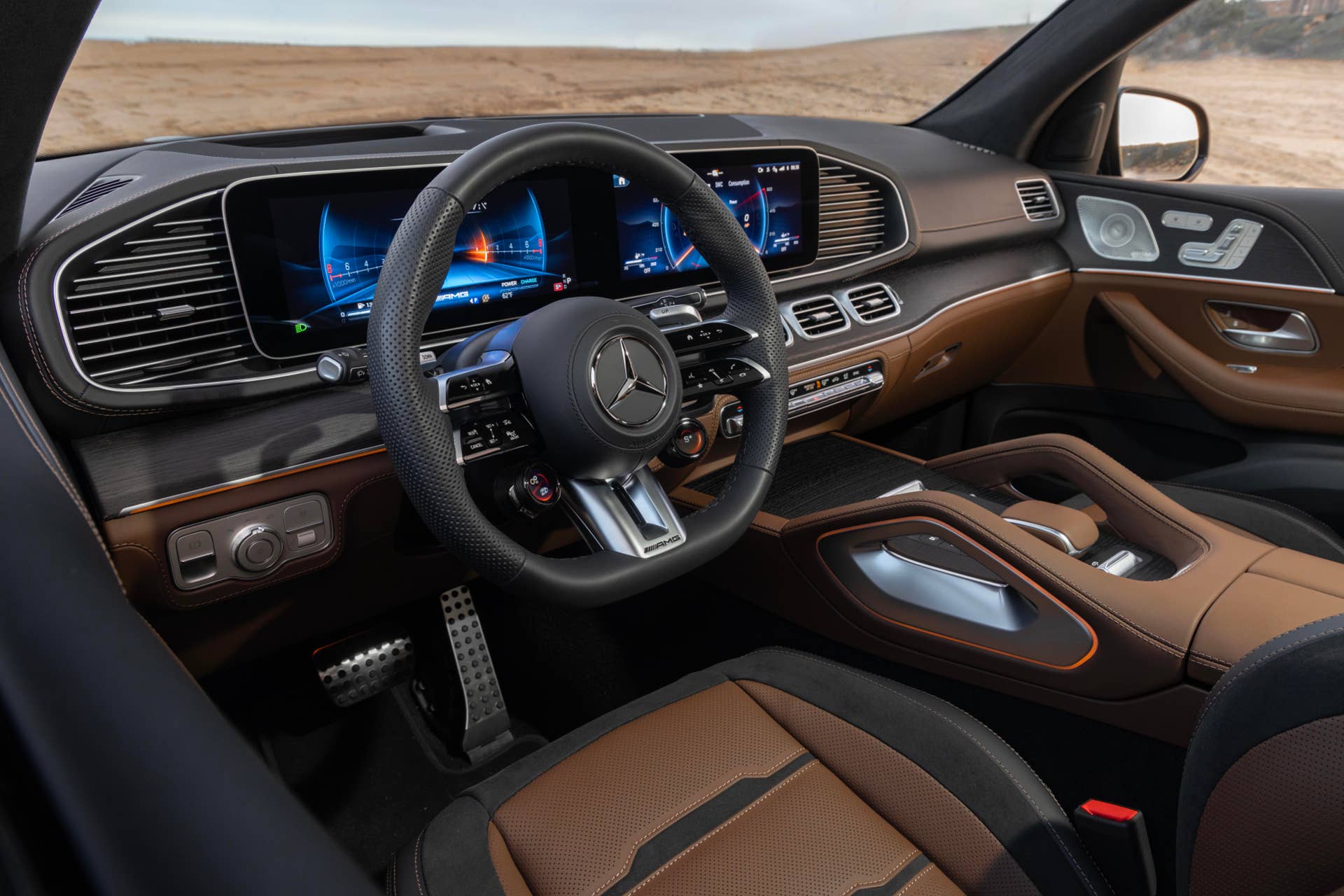
What makes the GLS 63 remarkable is that it doesn’t sacrifice its mission as a family hauler in order to perform. With seating for seven, advanced air suspension, and Mercedes’s MBUX infotainment system, it’s as comfortable for cross-country road trips as it is humbling plenty of supercars of old at a drag race. To give you an idea of space, the cabin provides 40.3 inches of legroom in the first row, 41.9 inches in the second row, and 34.6 inches in the third row. It also opens up to a whopping 84.7 cubic feet when all rear seats are folded down. Try that in the short truck bed of a Lamborghini LM002.
Final thoughts
Supercars used to be unattainable dreams, serving as poster material for teenage boys’ bedroom walls. That game has changed with the arrival of some of the fastest family haulers ever created. Now, you can get the same (or better) performance from mainstream sedans, wagons, and SUVs that offer blistering acceleration without sacrificing comfort, safety, or practicality. Pull up next to a Ferrari 360 Modena in your BMW M5 wagon, and we can guarantee the Ferrari breaks a sweat, possibly along with its transmission.
About the author
Amos Kwon
Contributing Writer, Autoblog