
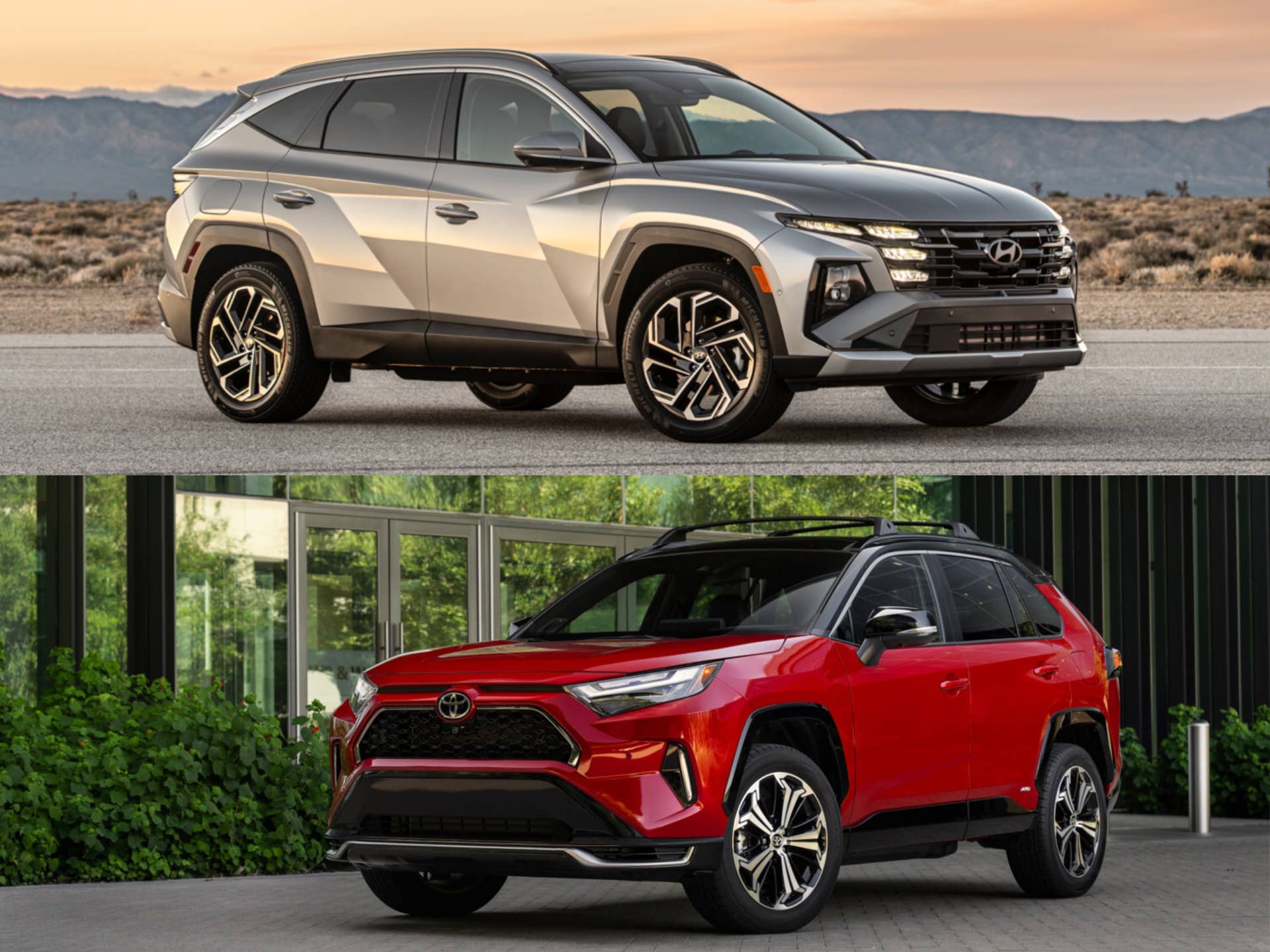
Both compact crossover plug-in hybrid SUVs provide exactly what’s needed in this segment, but one proves to be the better choice
If a compact crossover is destined for family duty—and let’s face it, most of them are—then you might as well conscript the most efficient one you can. Efficiency, after all, is the new horsepower; it’s what lets you glide past gas stations with the smug serenity of a monk who’s finally figured out enlightenment. Plug-in hybrids are the real deal in this regard. They’ll cheerfully shoulder a full day’s worth of American driving without ever troubling the gasoline engine for more than moral support. When you do wander beyond the suburbs and into the great wide open, the whole contraption slips seamlessly into hybrid mode, humming along like a well-trained valet who knows when to step forward and when to disappear.
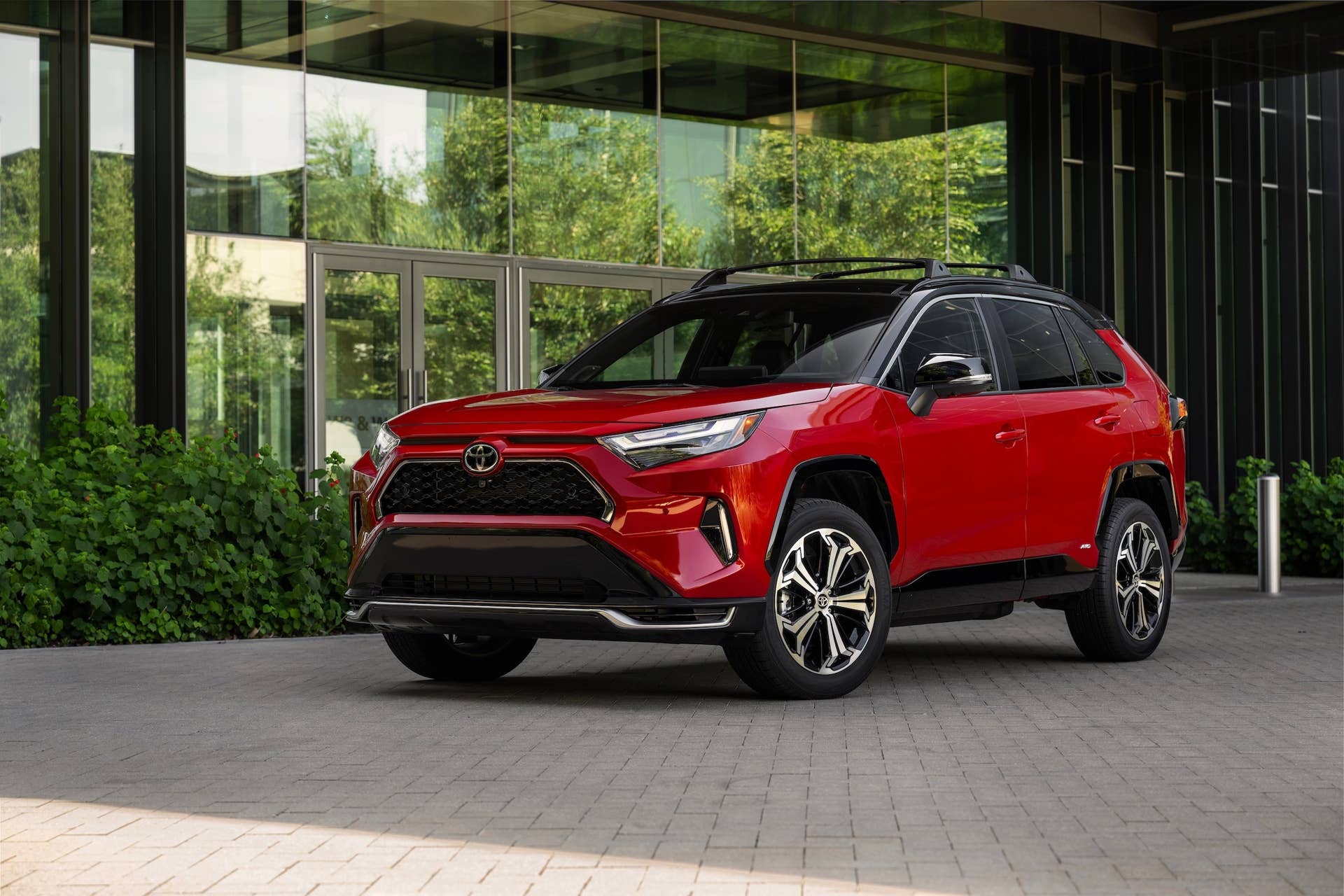
For a family that needs only two rows and doesn’t insist on piloting something the size of a national monument, a compact crossover plug-in hybrid is about as ideal as it gets: practical, quiet, thrifty, and just clever enough to make you feel like you’ve beaten the system.
Deciding which plug-in hybrid is better isn’t as difficult as you might think
Hyundai
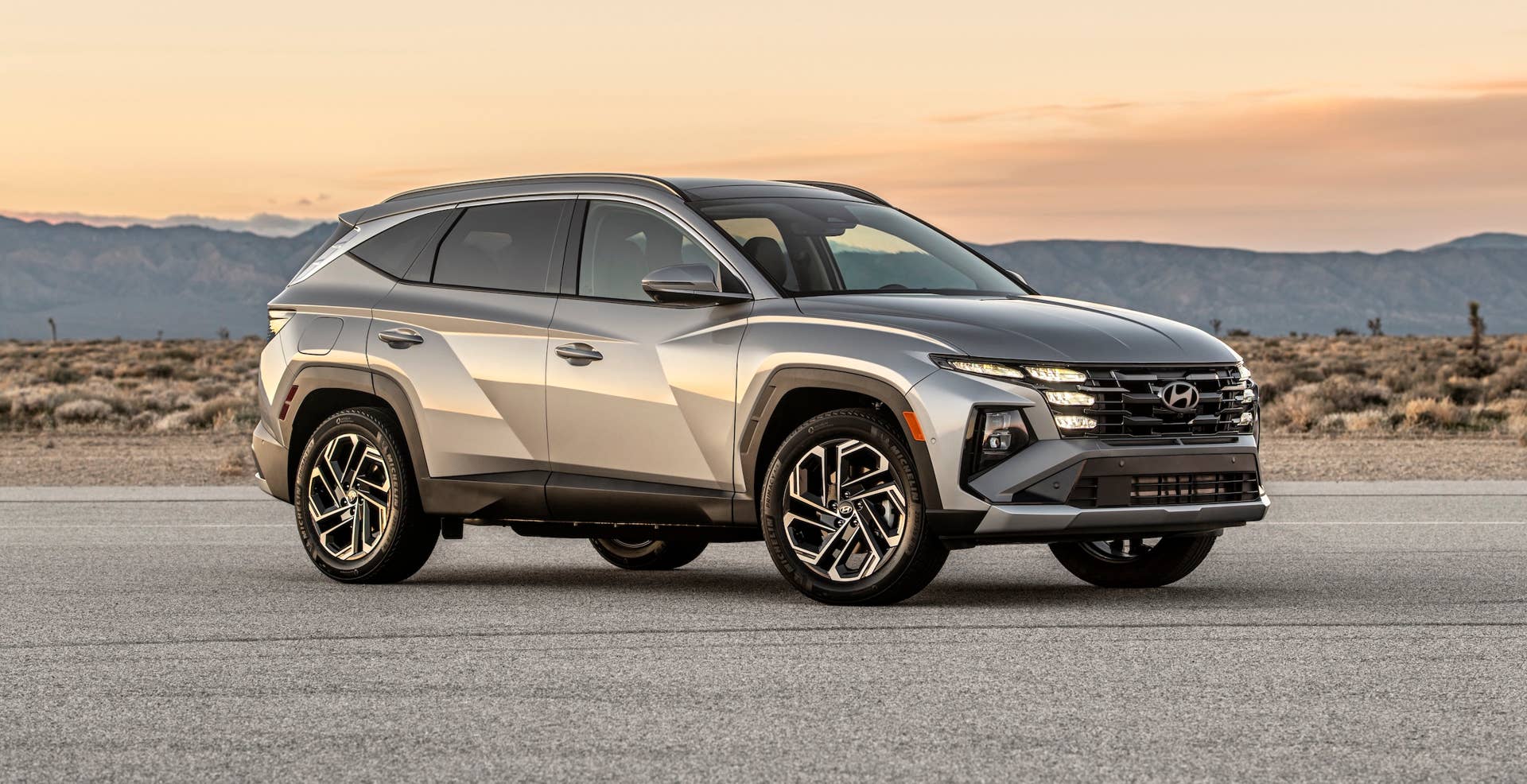
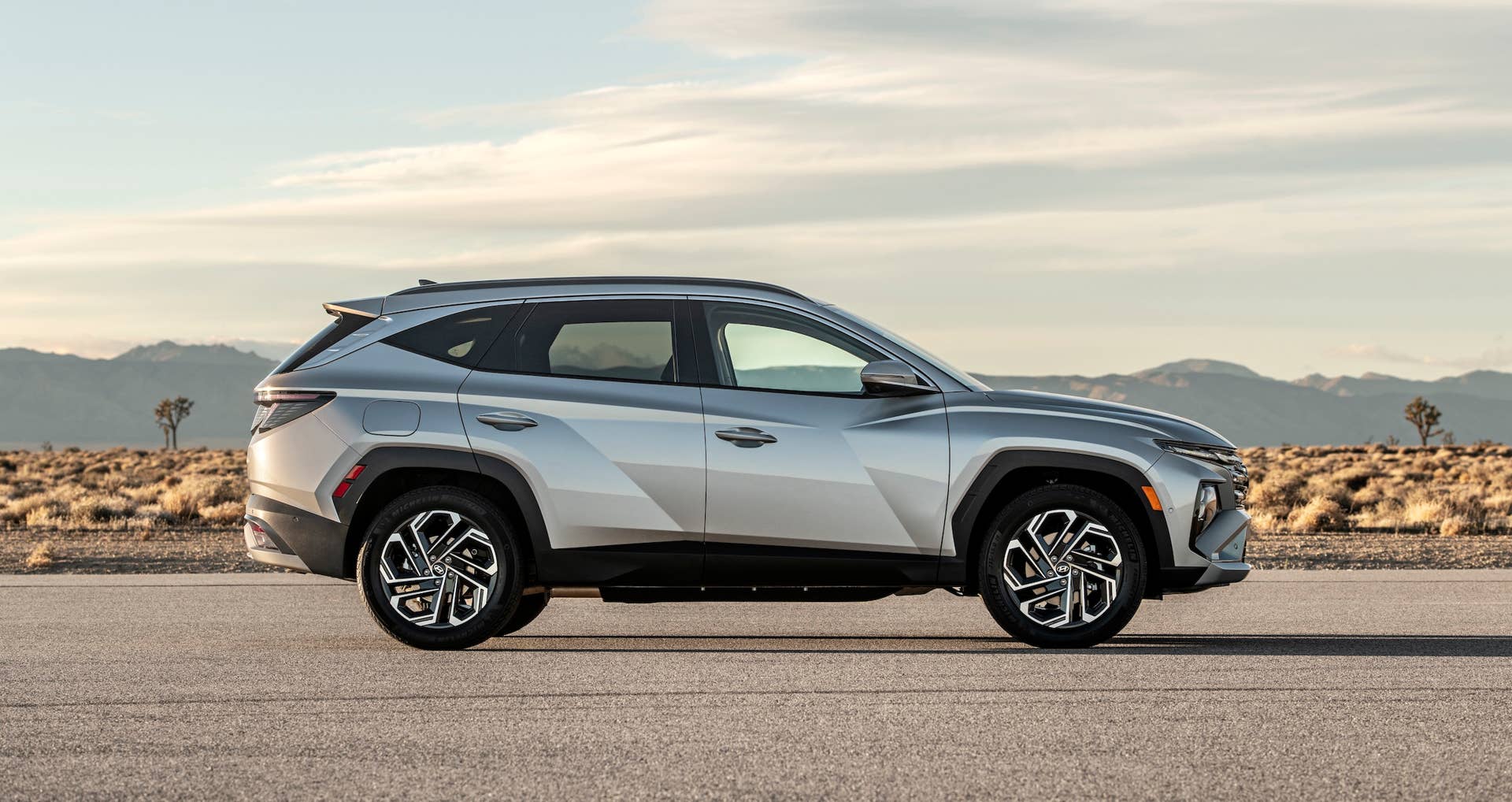
Consider the 2026 Hyundai Tucson Plug-In Hybrid and its longtime sparring partner, the 2025 Toyota RAV4 Plug-In Hybrid. At first blush, they seem like fraternal twins separated only by notions of brand loyalty. Both are about the same size, both wear enough creases and angles to make an origami master weep with joy, and both pair a dutiful four-cylinder engine with an electric motor that provides just enough silent running to convince you that the future might not be so dreadful after all. They come standard with all-wheel drive, ride atop a familiar MacPherson-strut-in-front, multi-link-in-back arrangement, and both hail from that industrious half of the globe that’s been eating Detroit’s lunch for the better part of three decades.
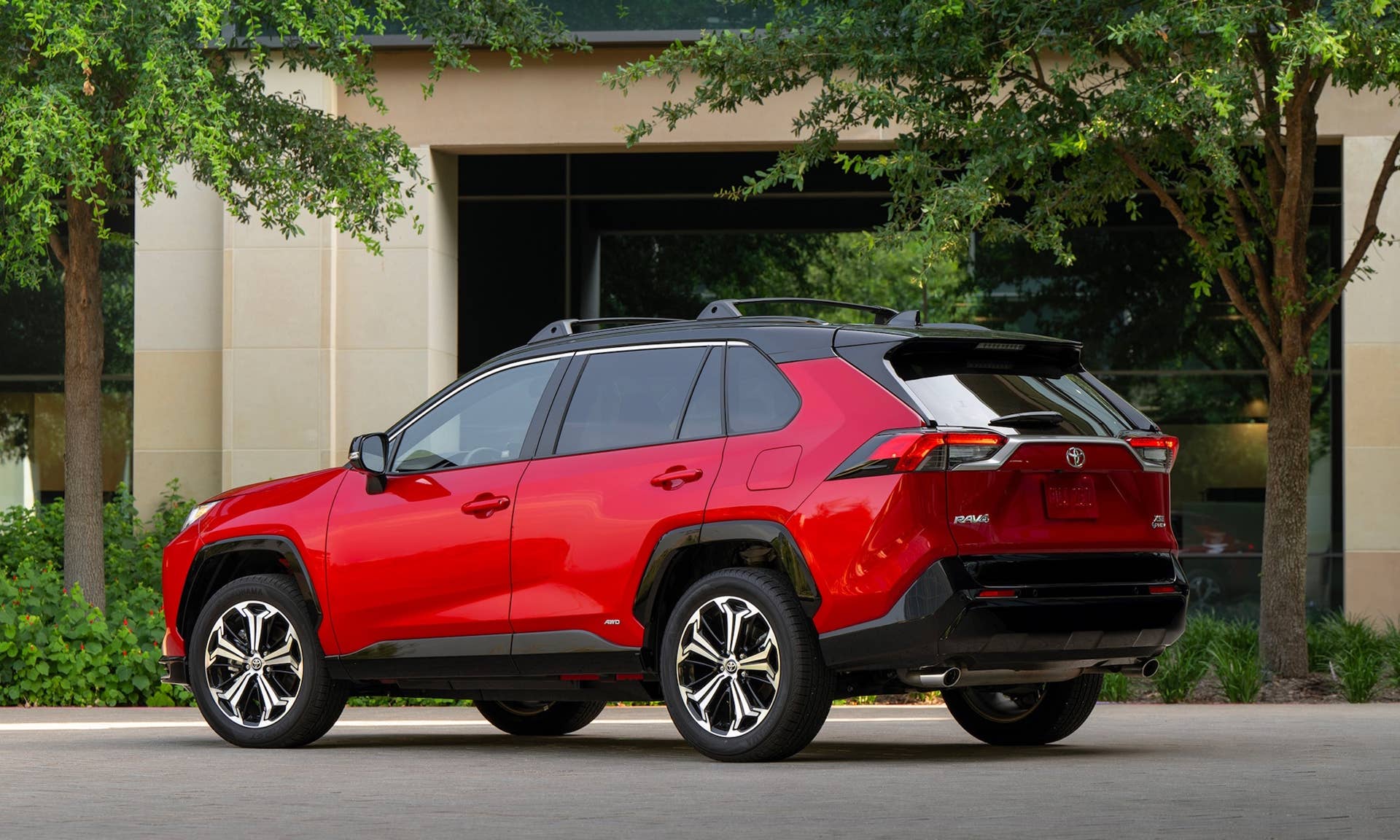
But look closer and you begin to see the places where these two diverge. The devil, as always, shows up for work in the details. One of these machines is more convincing, more compelling, and ultimately more worth parking in your driveway than the other.
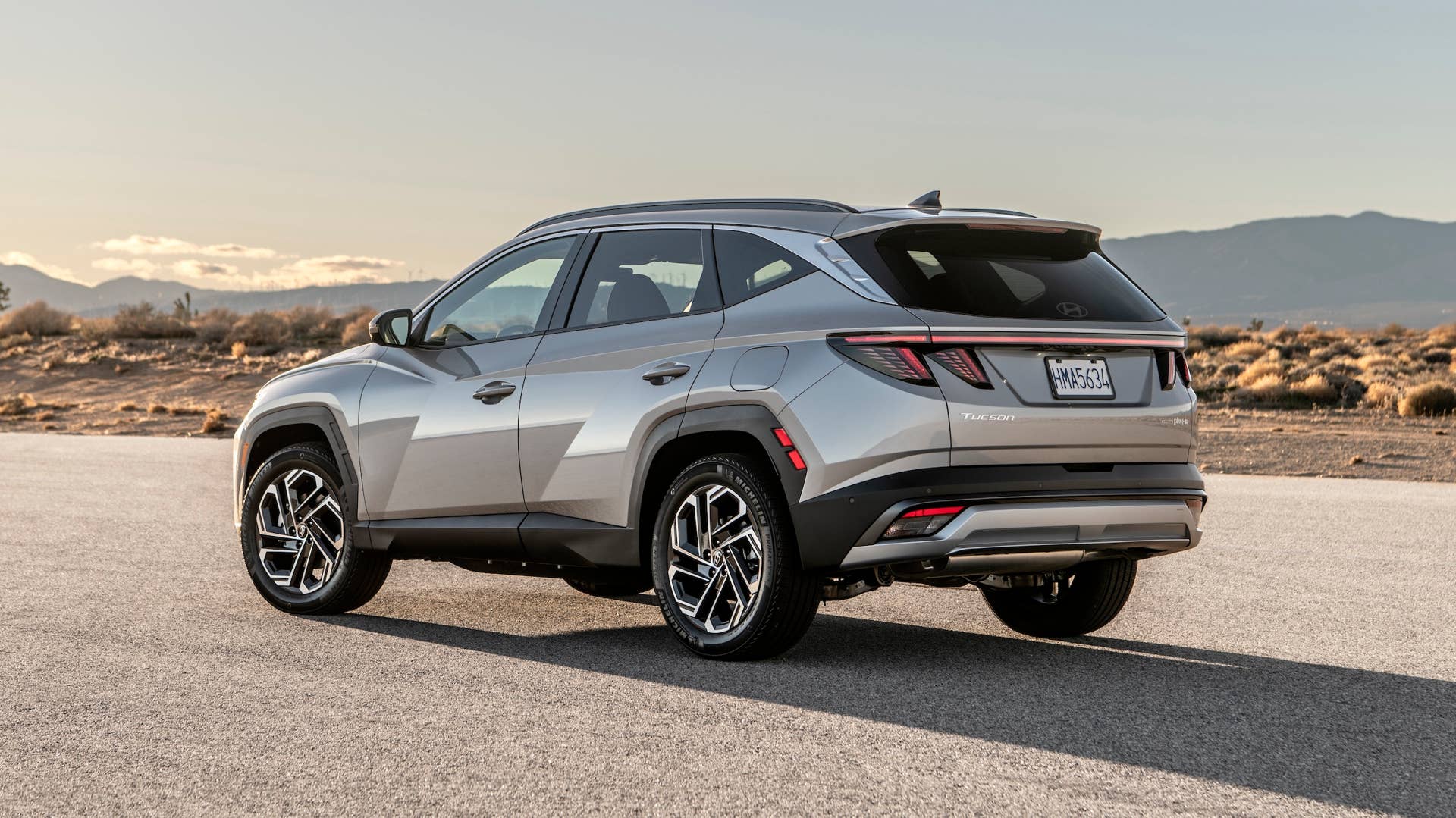
A note before we wade too deeply into the comparison: yes, we’d prefer to pit the Tucson against the upcoming 2026 RAV4 Plug-In Hybrid, but Toyota insists on keeping that one behind the curtain until spring. So we’re left with the 2025 model, the final act of a generation that debuted back in 2020. Yet, like a seasoned prizefighter on the wrong side of thirty, it still holds its own against its fresher, gym-toned rival from Hyundai.
One is notably more efficient and powerful
The 2026 Hyundai Tucson Plug-In Hybrid arrives with the sort of respectable, middle-class statistics you’d expect from a compact crossover determined to mind its manners. It musters 268 horsepower, offers 32 honest miles of electric motoring, and returns 35 mpg once the electrons run dry and the gasoline engine is asked to pick up the slack. Perfectly adequate, perfectly proper.

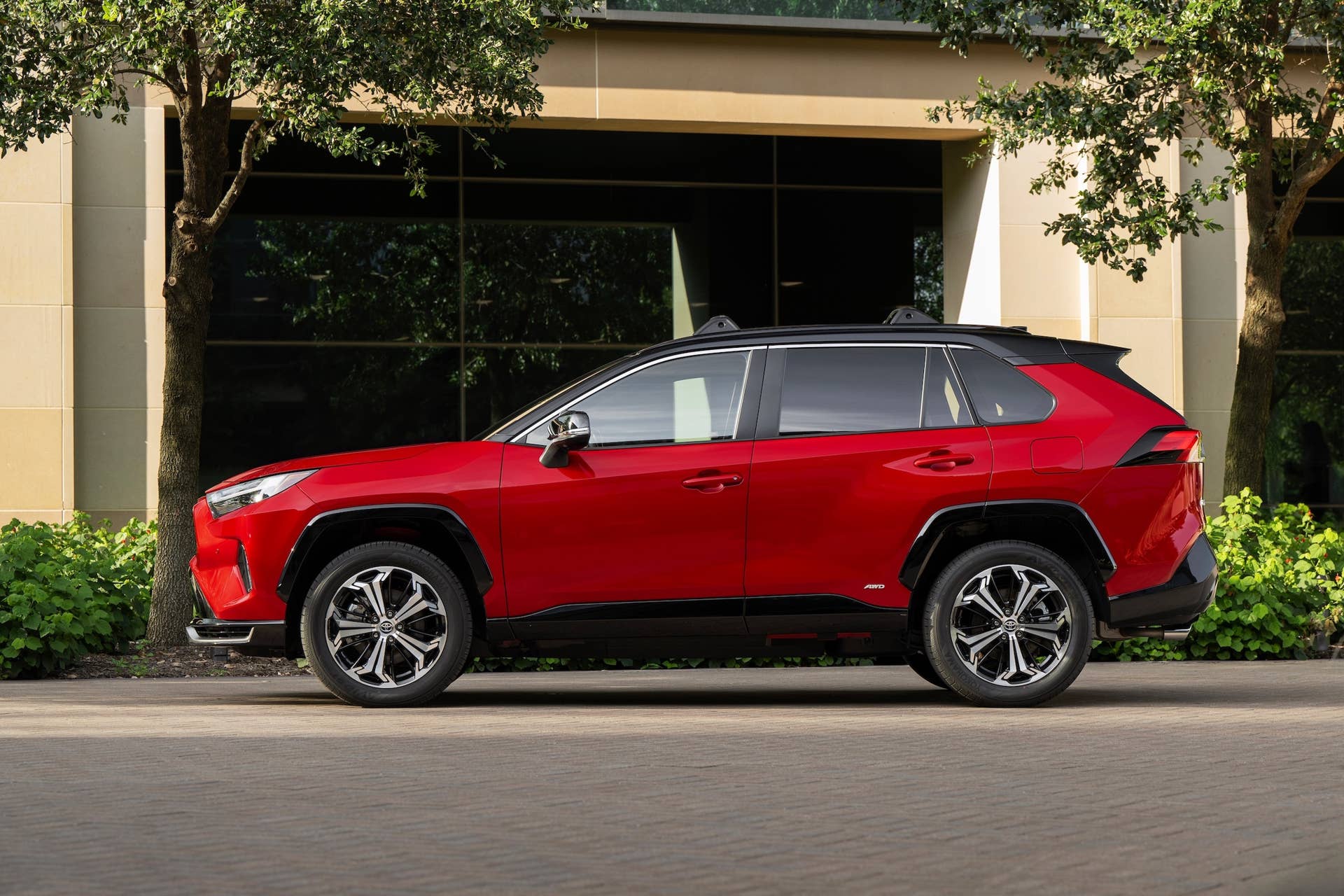
But then the 2025 Toyota RAV4 Plug-In Hybrid saunters in with its shirt unbuttoned and its chest hair showing, tossing down 302 horsepower, 42 miles of EV range, and 38 mpg in hybrid mode—numbers that make the Hyundai look like it’s still stretching before the race. The Toyota is legitimately quick, too; it’ll snap off a 0–60 run in under six seconds, which is the sort of performance that would’ve embarrassed a sports sedan not so many years ago. It will even tow 2,500 pounds, beating the Tucson’s 2,000 pounds.
Hyundai
Where would you prefer your space?
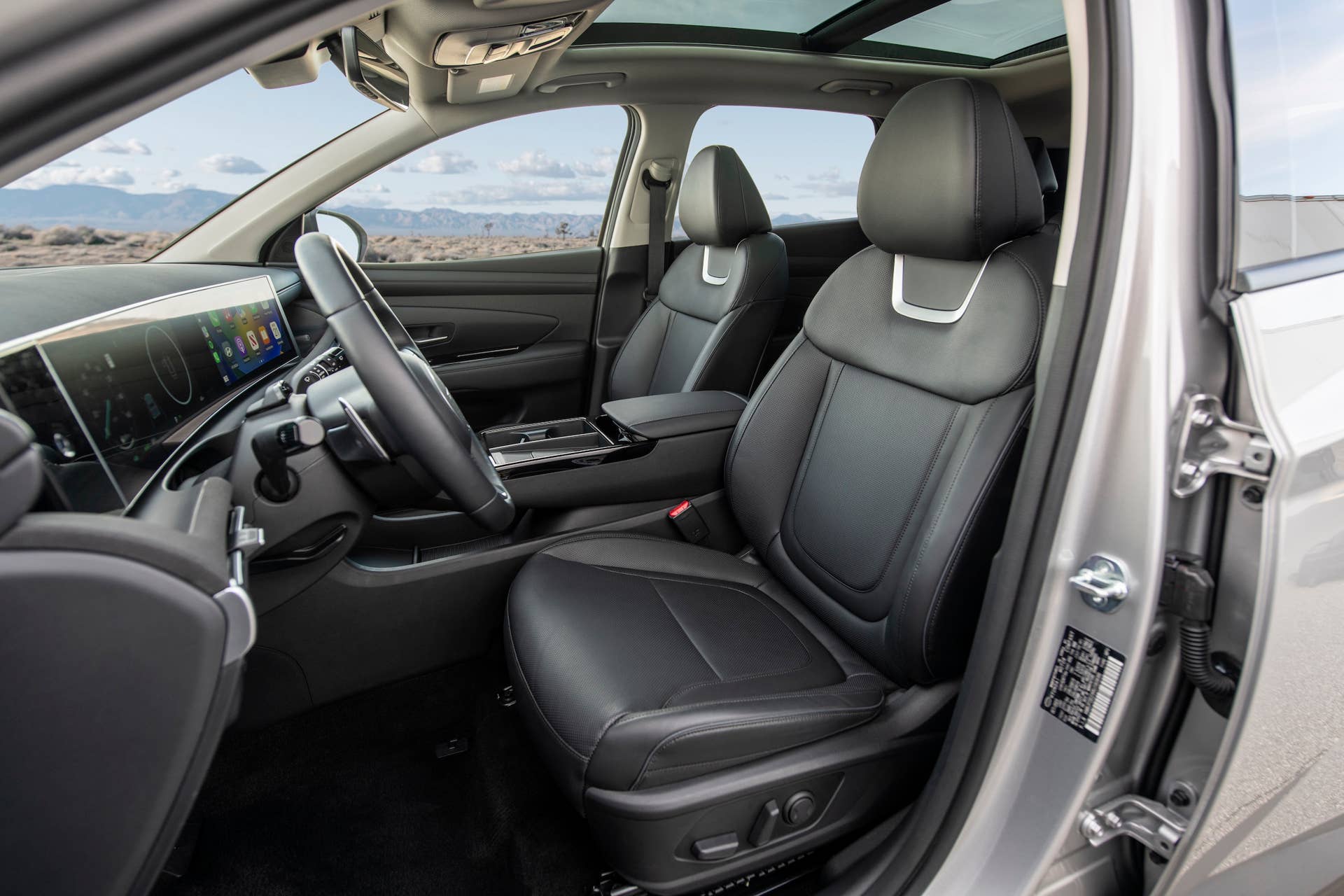
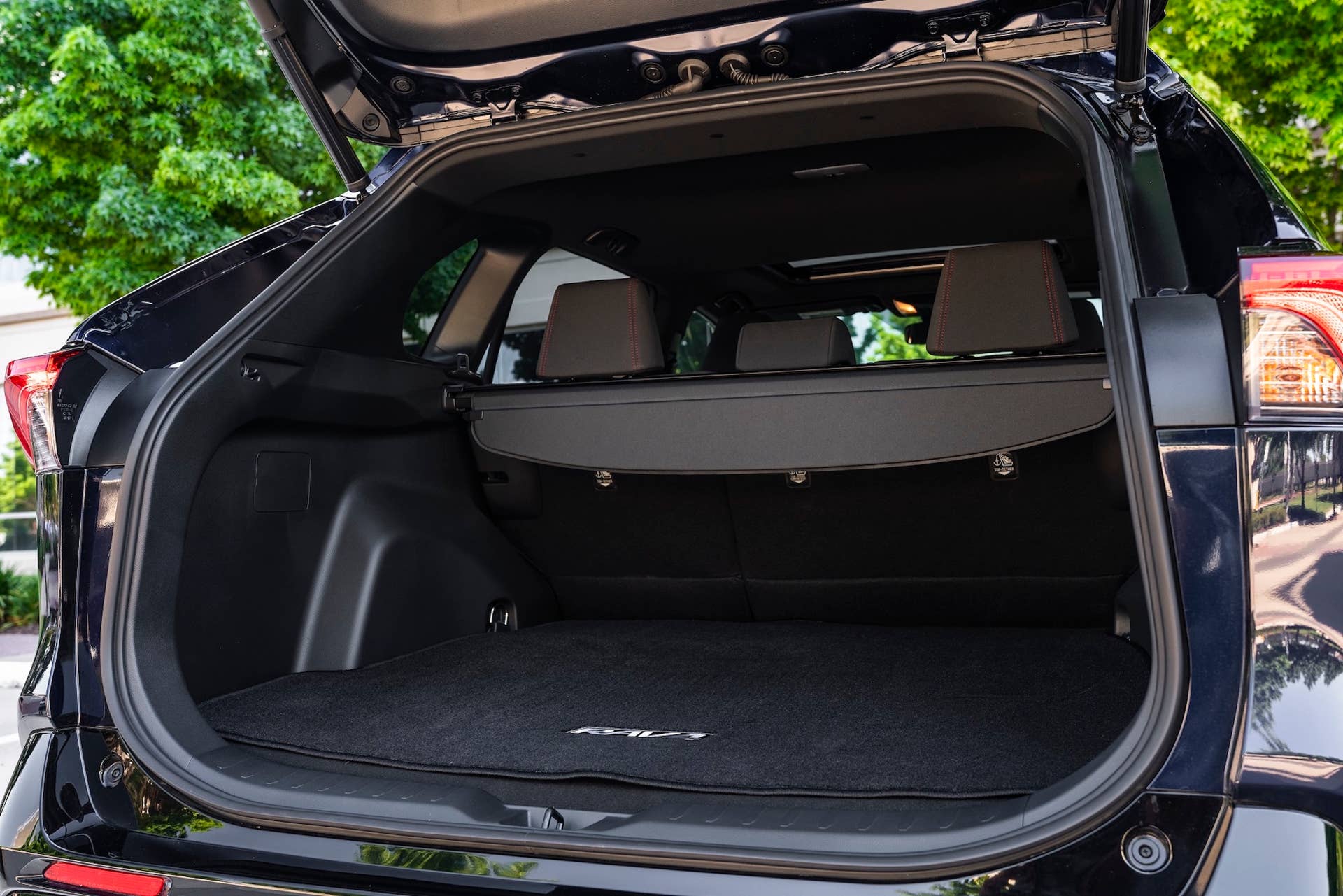
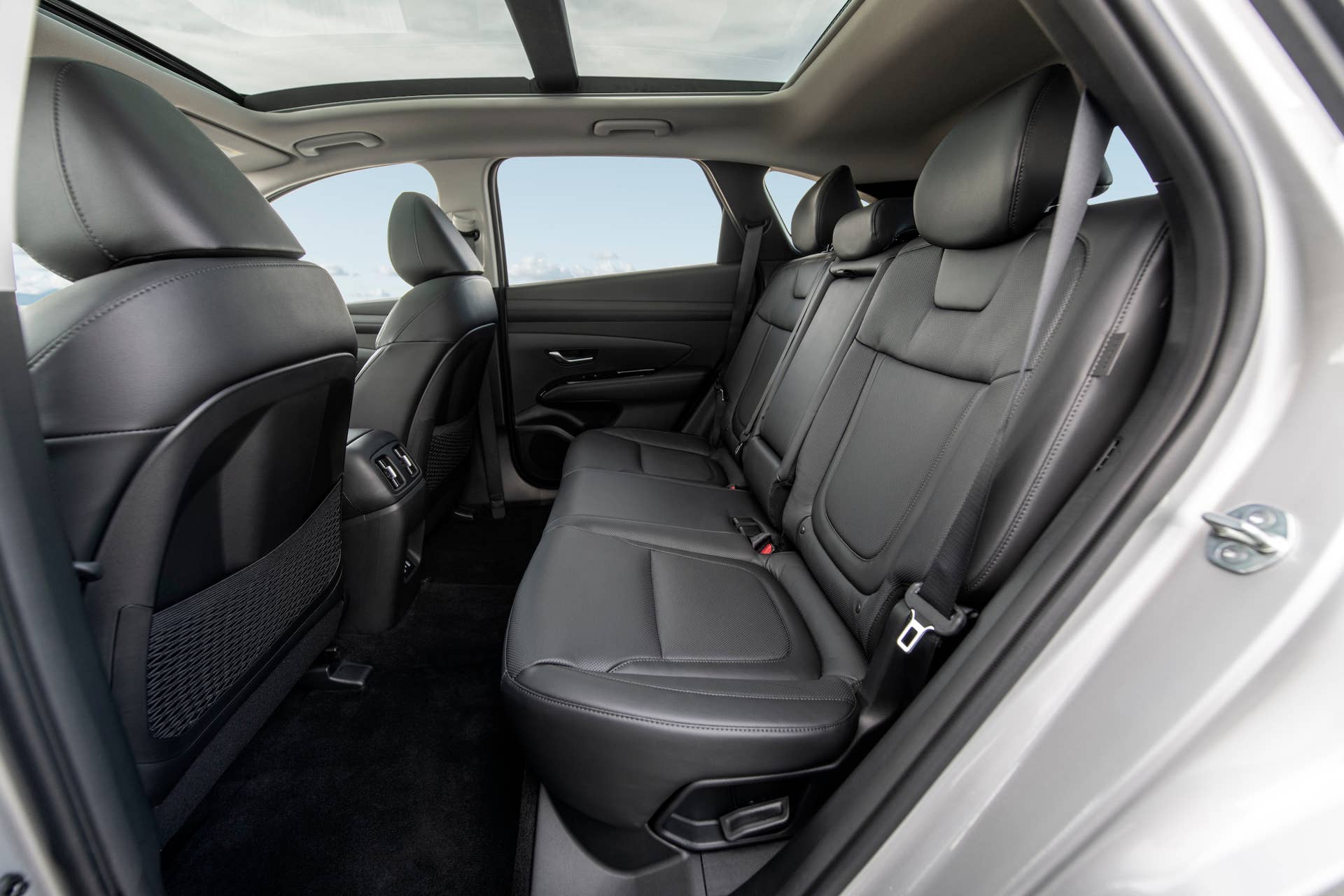
Being that the 2026 Hyundai Tucson Plug-In Hybrid is 1.8 inches longer than the Toyota RAV4, it’s no surprise that it offers 4.6 cubic feet more passenger space. But curiously, its cargo hold is 1.6 cubic feet smaller at 31.9 cubic feet. Still, both provide sufficient space for Costco runs. As for ambience, the Toyota’s cabin possesses a note of rugged durability, dressed in black and festooned with plenty of plastic. There are also plenty of storage spaces to stash stuff.
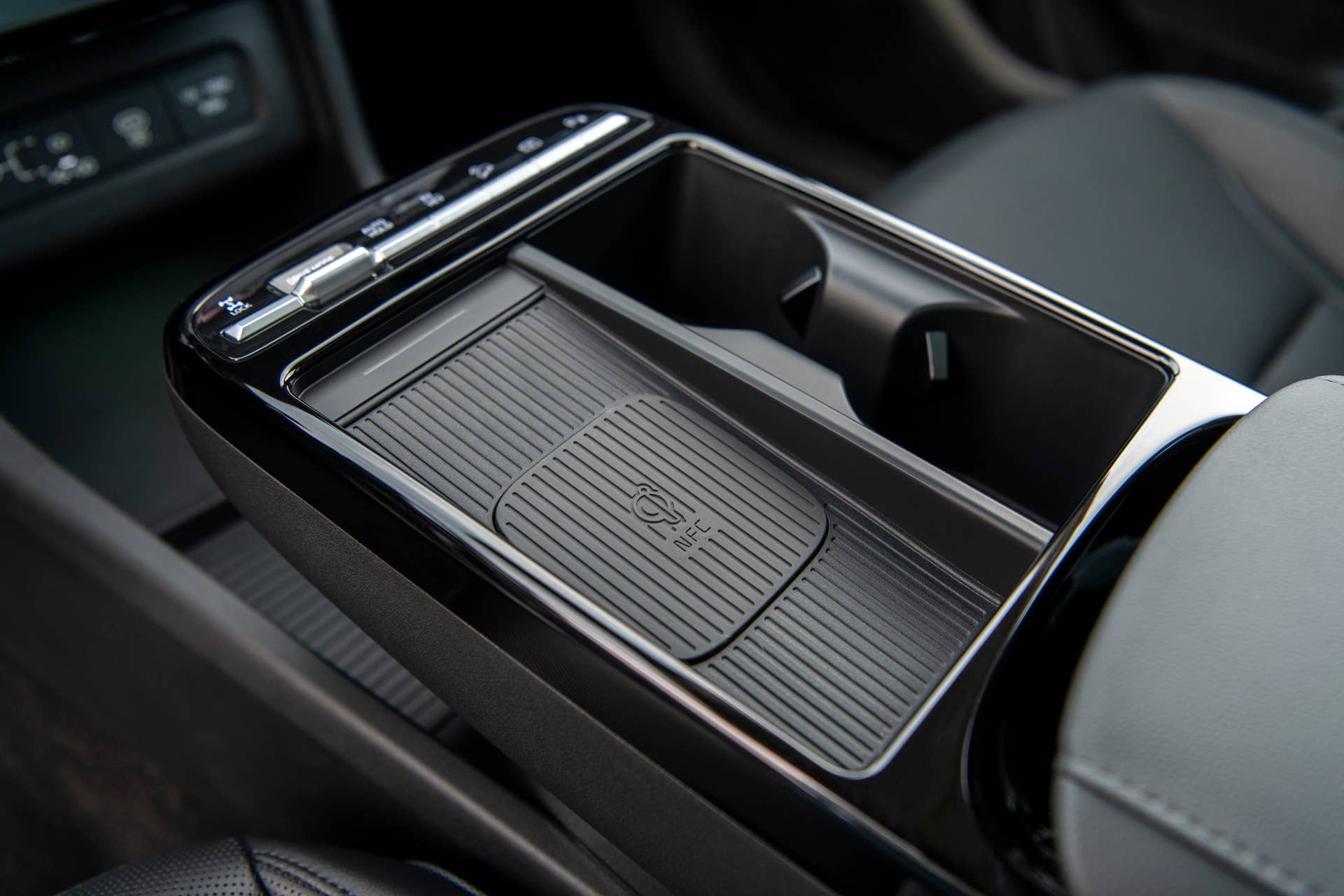
Yes, the Hyundai has its share of plastic as well, but the ambience feels more modern and airy. The instrument panel features two 12.3-inch displays behind a single sheet of glass. One is the driver’s digital instrument cluster, the other an infotainment touchscreen. The RAV4 also comes with a 12.3-inch instrument cluster, but a smaller 10.5-inch infotainment touchscreen—both feature wireless Apple CarPlay and Android Auto integration. We prefer the Tucson’s interior, which is quieter than the Toyota’s, but the RAV4 seems more appropriate for an SUV, no matter what the size.
Hyundai
You won’t stand out
When you choose a mainstream vehicle, you can’t expect to stand apart from the crowd. Still, the Toyota RAV4 is the third most-popular new vehicle sold in the U.S, whereas the Hyundai Tucson ranks 14th. What this means is that RAV4 owners will see themselves coming and going far more than a Tucson driver. If this is the sort of thing that bothers you, look elsewhere.
Final thoughts
Neither the 2026 Hyundai Tucson Plug-In Hybrid nor the 2025 Toyota RAV4 Plug-In Hybrid is going to send your pulse rocketing into the red, unless your idea of excitement is a vehicle positively marinated in practicality. These are machines built for the school run, the Costco haul, and the Tuesday-night soccer commute, not for climbing the Stelvio Pass in Italy. In that quiet, dutiful realm, both deliver exactly what’s asked of them with the earnest enthusiasm of a golden retriever. So while neither one will make your heart race, both will make your life easier. In the suburban jungles where these vehicles truly earn their keep, it’s hard to go wrong with either.
But it’s the 2025 Toyota RAV4 that walks away with the trophy. With more power, more electric range, and better fuel economy, the numbers line up with the cold, unemotional precision of a tax auditor’s spreadsheet. On paper, this one isn’t merely a favorite; it’s a foregone conclusion. Since both crossovers share the same on-road disposition, namely their competent, comfortable handling and a driving experience about as memorable as the wallpaper in your dentist’s waiting room, there’s no hidden dynamic brilliance waiting to surprise you. Neither the Toyota nor the Hyundai is going to have you rhapsodizing about steering feel or chassis balance.
These aren’t the cars you dream about; they’re the cars you rely on. If you’re shopping for a tool, you might as well reach for the one that swings harder, cuts cleaner, and asks the least of you. In this matchup, the 2025 Toyota RAV4 Plug-In Hybrid serves as the key tool.
About the author

Larry Printz
Contributing Writer, Autoblog