
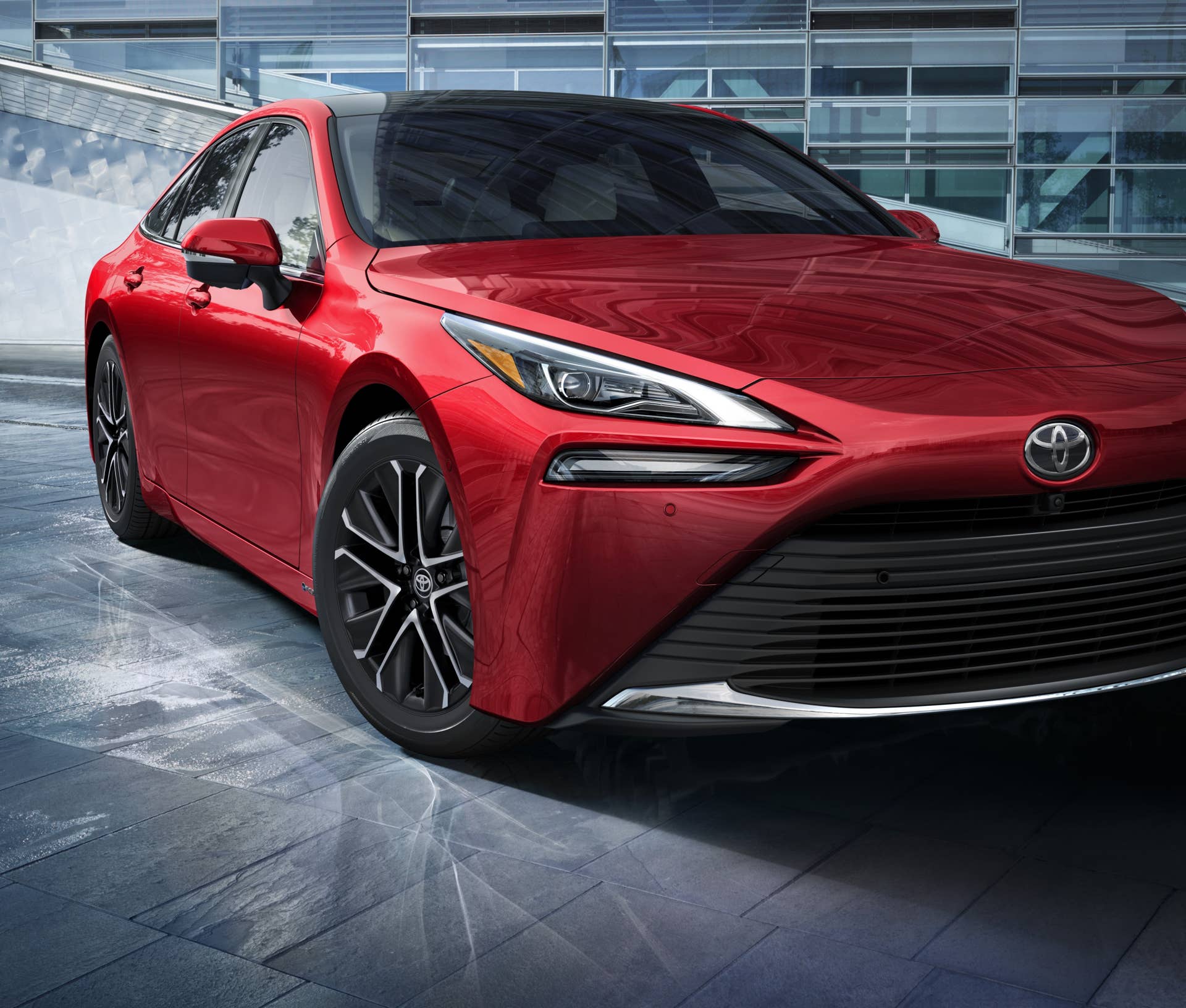
MSRP: $51,795
Use the table of contents to jump to a section
Overview
The 2025 Toyota Mirai fuel-cell electric sedan remains one of the strangest mainstream sedans on sale, though not because of the way it drives. In practice, it feels more like a polished near-luxury four-door that happens to use hydrogen instead of gasoline or a plug. Its fuel-cell system turns hydrogen into electricity onboard, sends that power to a rear-mounted electric motor, and emits only water vapor from the tailpipe.
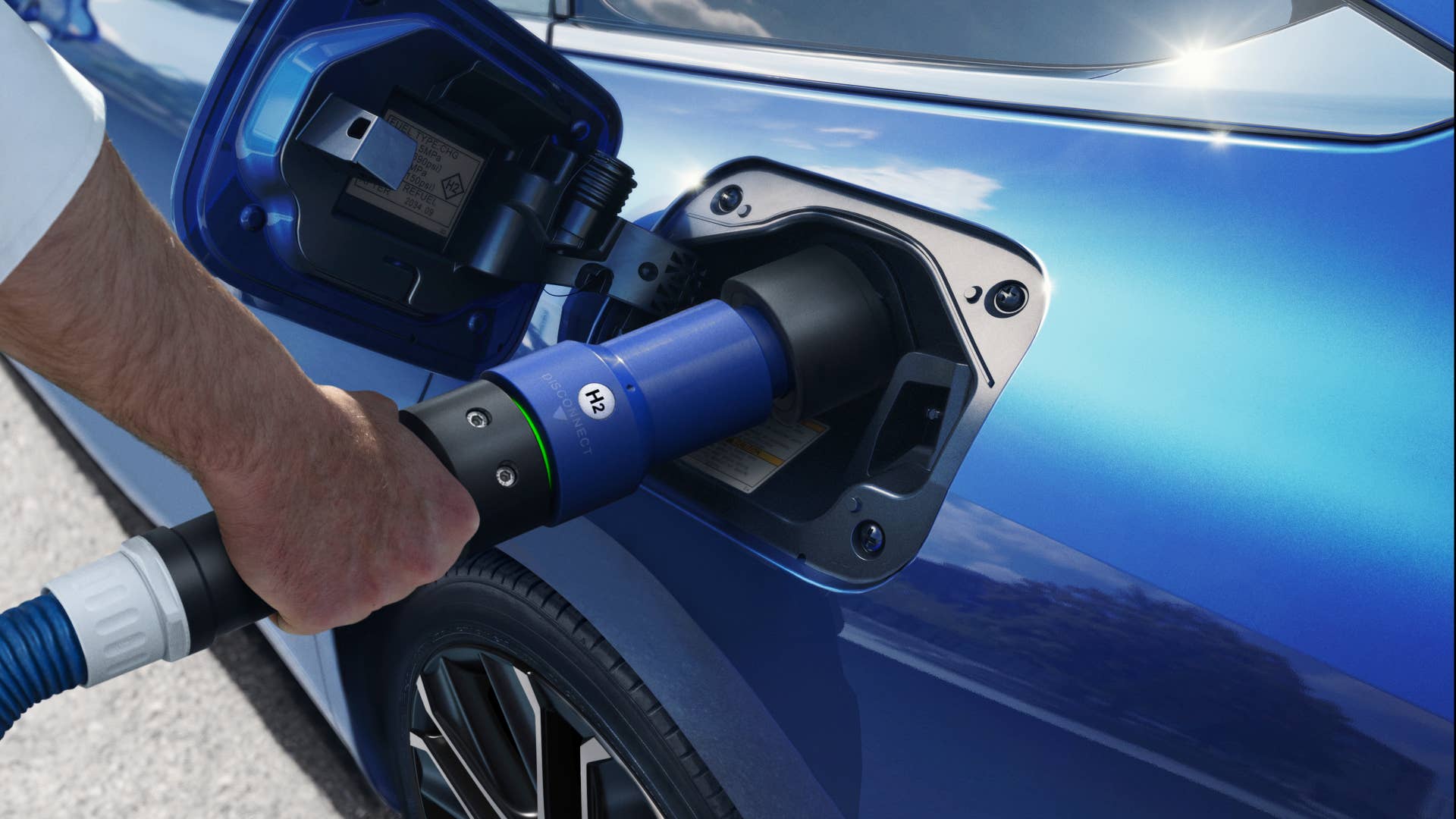
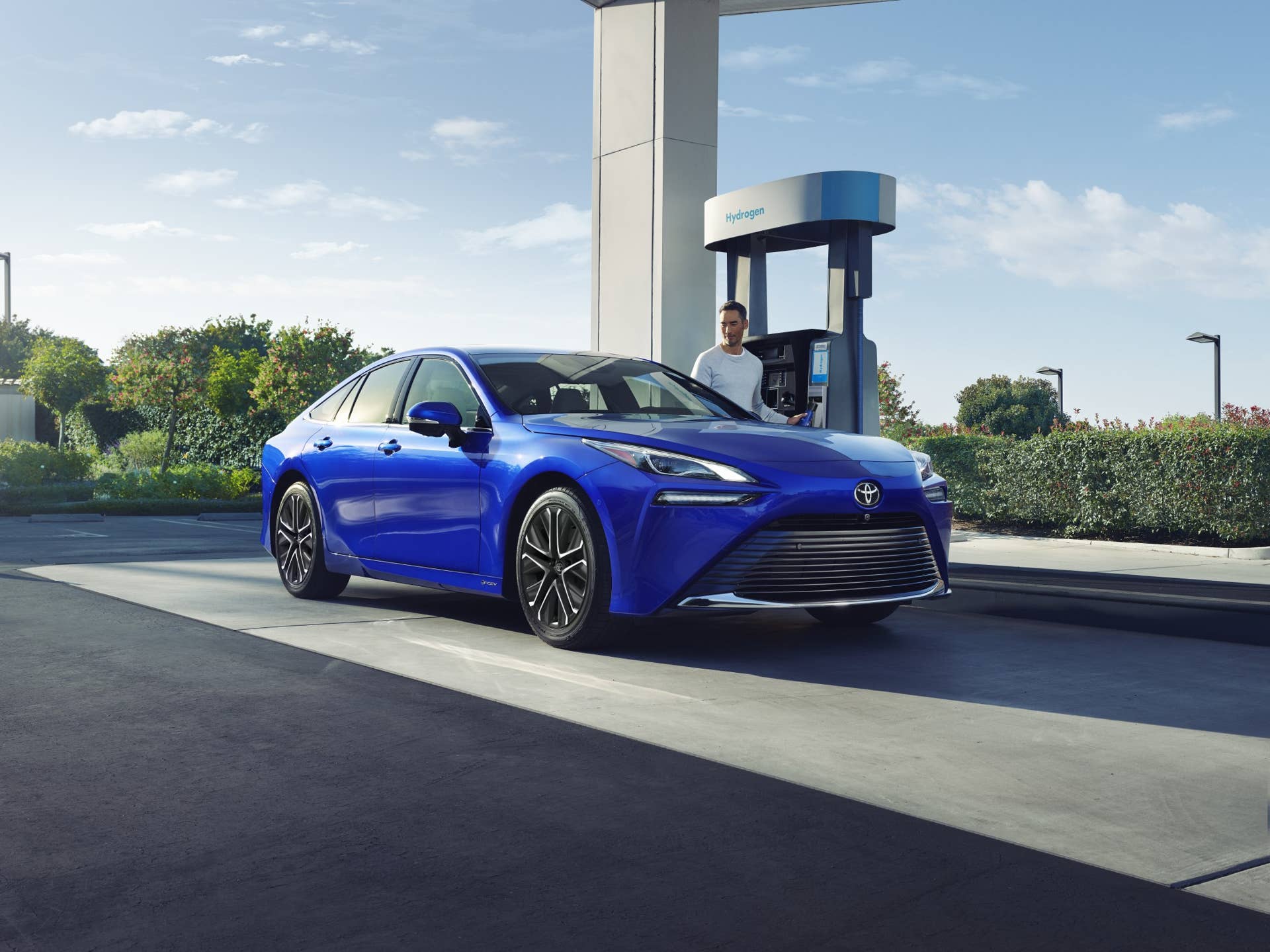
What makes the 2025 Mirai interesting is the way it blends electric-car character with gas-car refueling habits. It offers an EPA-estimated 402 miles of range, and filling its hydrogen tanks takes only a few minutes instead of requiring a lengthy charging stop. Beyond the tech story, the sedan itself is quiet, refined, and unexpectedly well sorted from behind the wheel.
What’s New for 2025?
For 2025, Toyota drops the Limited trim and leaves the Mirai lineup with just one version, the XLE. That sounds like a simplification, but the remaining trim picks up several features that help soften the loss. Newly standard equipment includes a surround-view camera, front and rear parking sensors with automatic braking, front footwell illumination, Digital Key capability, and dual-tone heated outside mirrors.
That means the Mirai enters 2025 with a cleaner lineup and a better-equipped base model. The powertrain and core formula stay the same, so the changes mostly focus on convenience and everyday usability rather than performance or range.
Exterior
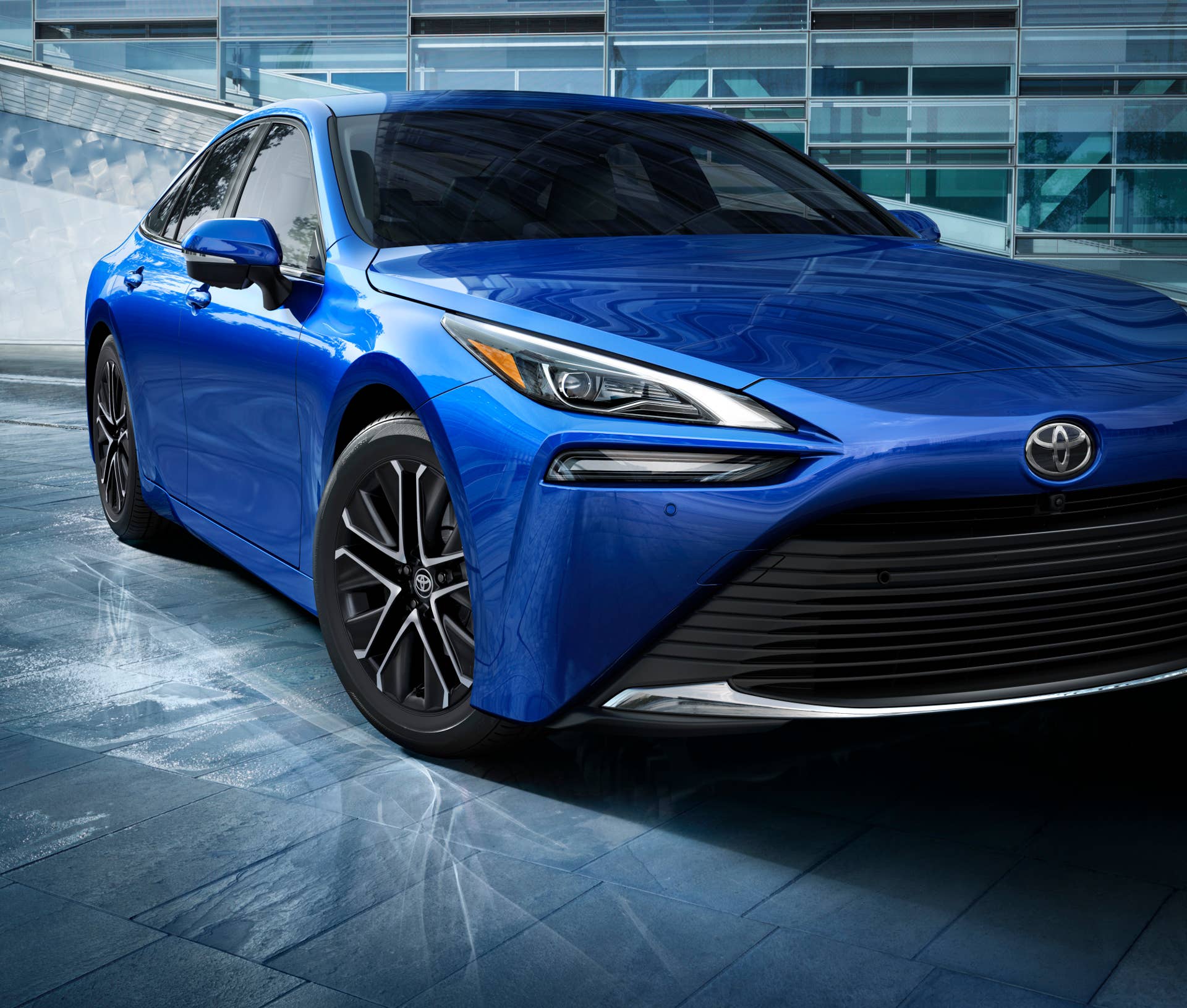
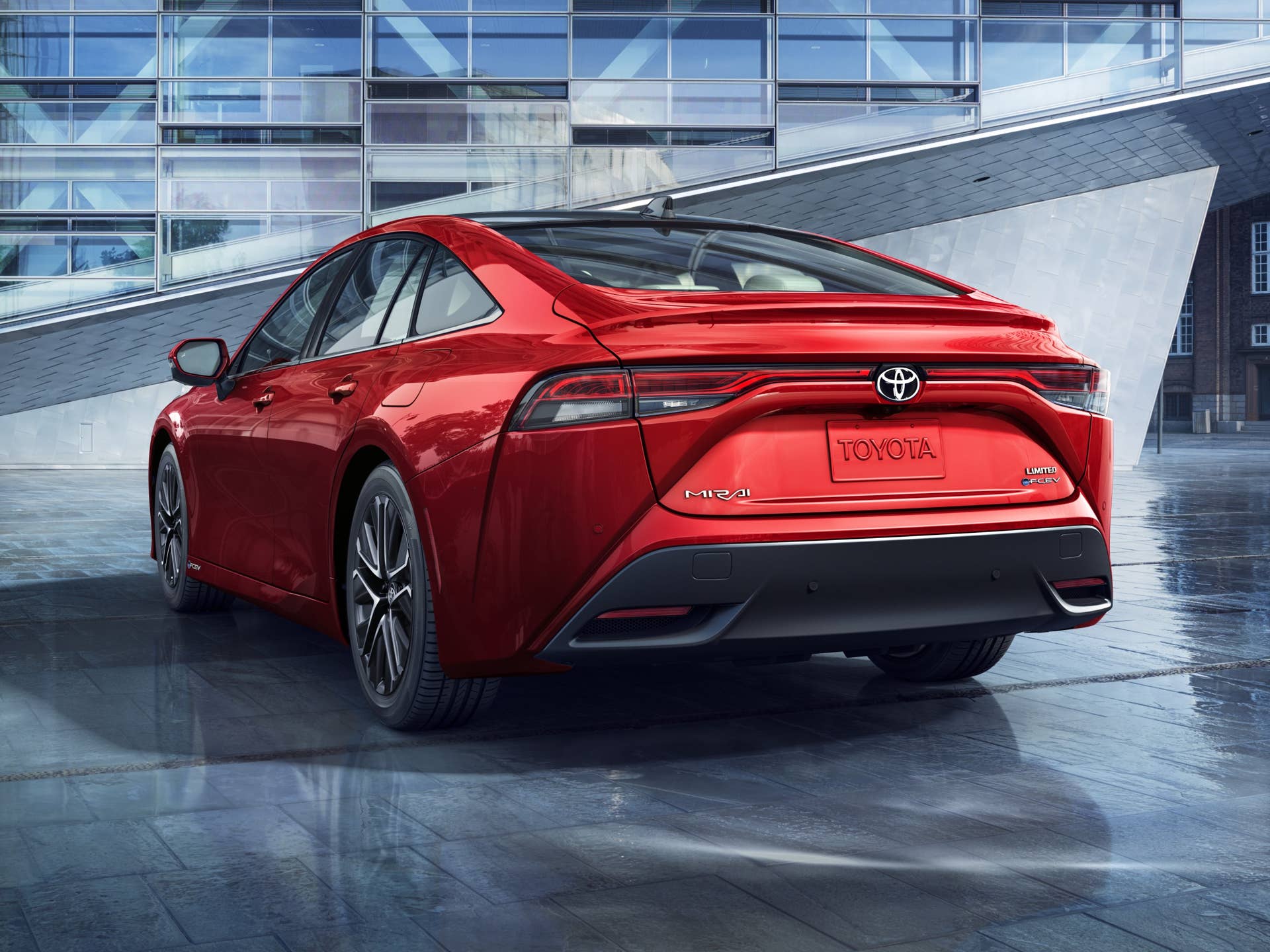
Instead of looking quirky for the sake of it, this sedan leans into a low, wide, and long silhouette that gives it real presence. The proportions are a major part of the appeal. A long hood, a sweeping roofline, and a short rear deck make it look more premium than its badge might suggest, while the broad stance helps it avoid the awkwardness that often comes with alternative-powertrain design.
Details are clean and deliberate. The XLE rides on 19-inch twin-spoke aluminum wheels, and the lighting setup includes auto-leveling bi-beam LED headlights, LED daytime running lights, multi-LED turn signals, and a thin taillight panel that stretches across the rear. Heated power-folding mirrors and subtle trim touches help the Mirai look upscale without trying too hard.
Toyota
Toyota
Toyota
Interior
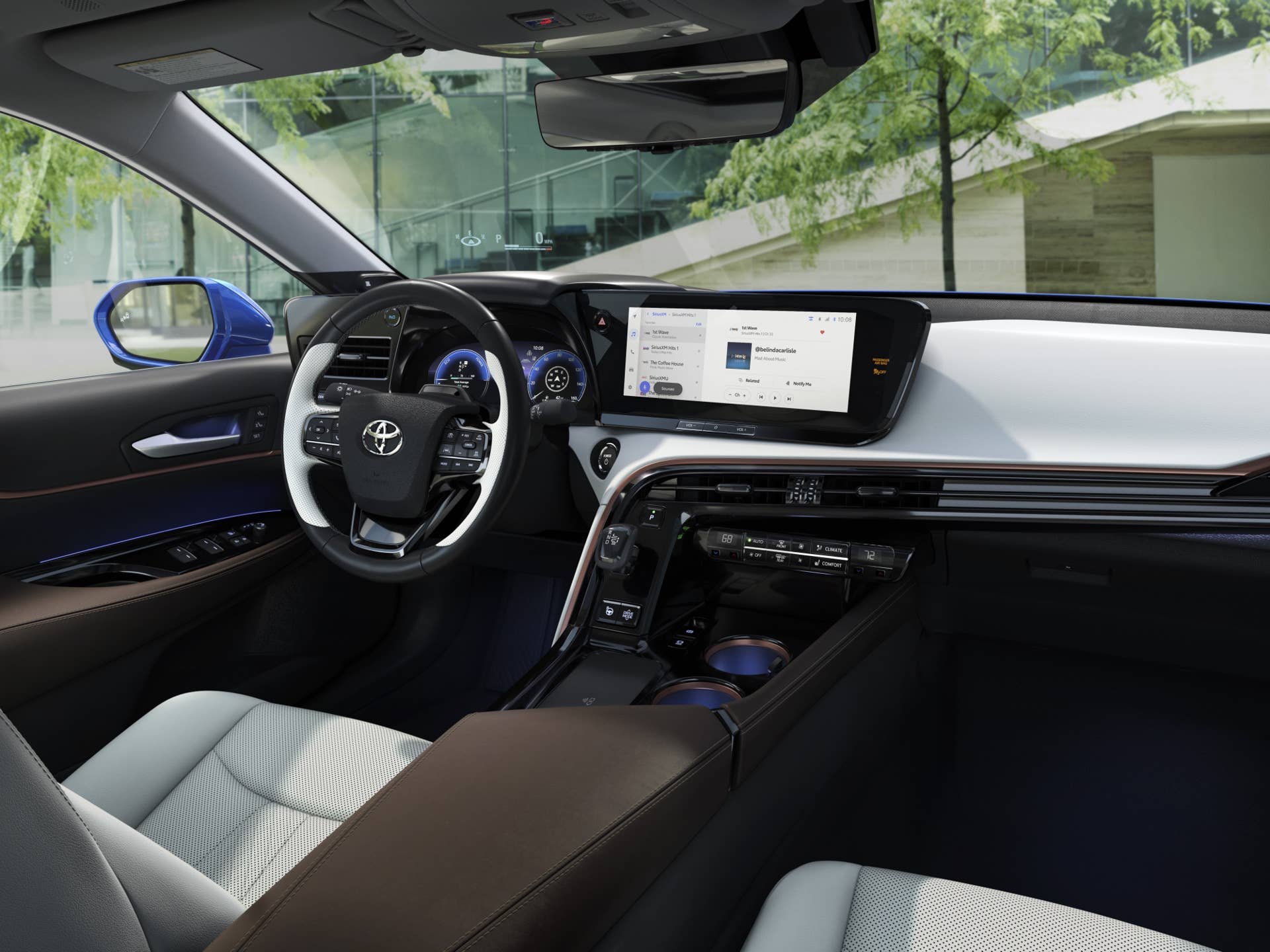
The cabin looks richer than what most people expect from a Toyota sedan, with a flowing dashboard, a wide center display, and enough visual drama to keep it from feeling generic. SofTex leatherette-trimmed heated front seats come standard, along with power adjustment, dual-zone climate control, and a leather-wrapped tilt-and-telescopic steering wheel.
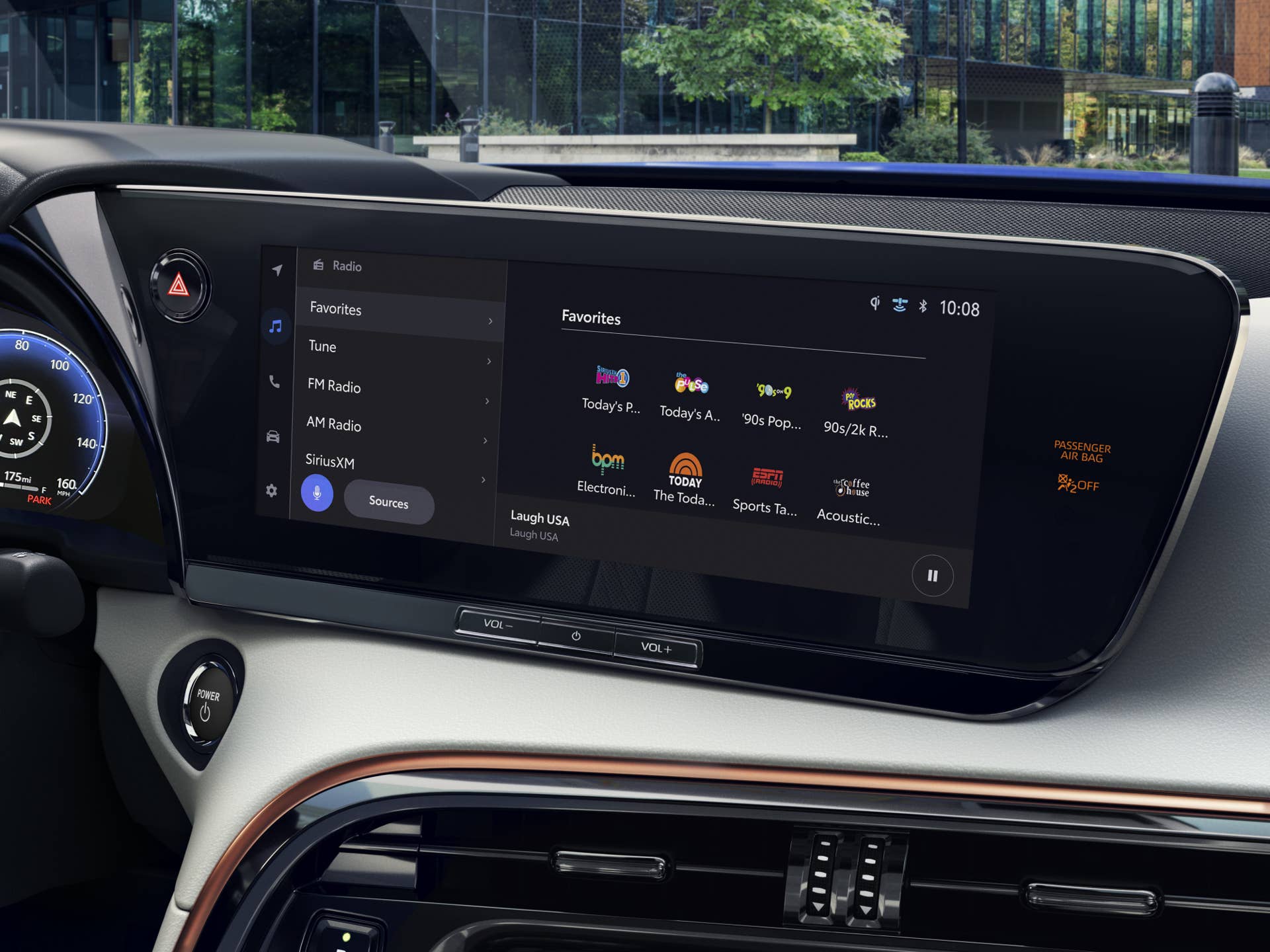
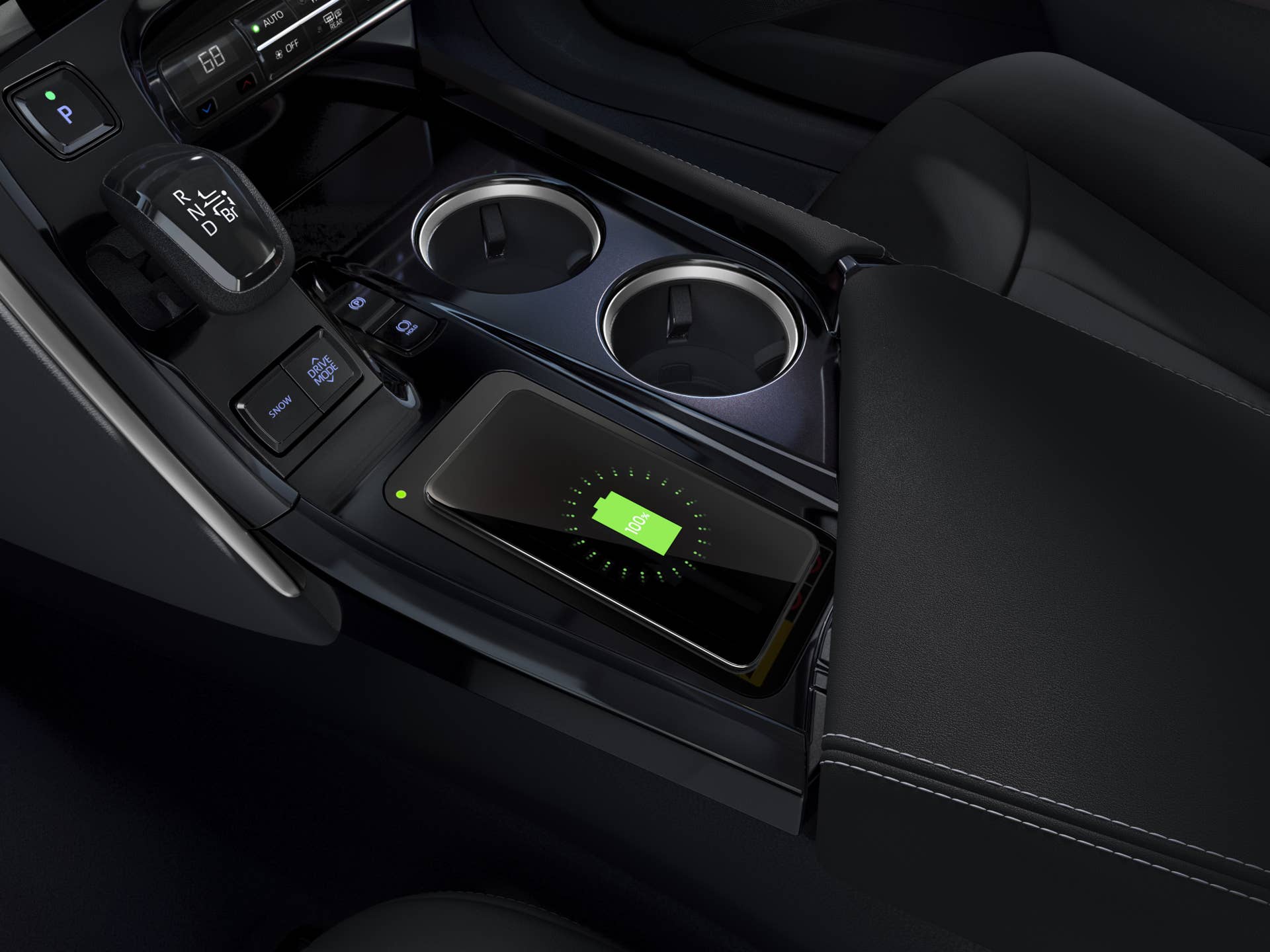
Tech is one of the Mirai’s stronger points. Every model gets a 12.3-inch touchscreen, a 12.3-inch digital gauge cluster, wireless Apple CarPlay and Android Auto, a 14-speaker JBL audio system, wireless phone charging, and multiple USB ports. The added Panoramic View Monitor and Digital Key functionality help the 2025 model feel properly up to date. Passenger space is decent, especially up front, but packaging remains a compromise. Hydrogen tank placement eats into cargo room, leaving the trunk noticeably smaller than what you would expect from a sedan this large.
Toyota
Toyota
Toyota
Price Range and Best Value Trim
| Trim Level | Price |
| XLE | $51,795 |
The 2025 Toyota Mirai’s price range encompasses all of one trim, but it makes a reasonable case on its own merits. At $51,795, it includes the full 182-hp hydrogen fuel-cell powertrain, 402 miles of EPA-estimated range, dual 12.3-inch displays, a 14-speaker JBL audio system, heated power front seats, wireless smartphone integration, and, for 2025, newly standard features such as the surround-view camera, front and rear parking sensors with automatic braking, Digital Key capability, and dual-tone heated mirrors.
Key Specs
Powertrain
| Specification | Value |
| Powertrain | Hydrogen fuel-cell EV |
| Output | 182 hp |
| Torque | 221 lb-ft |
| Battery | 1.24 kWh lithium-ion |
| Drivetrain | RWD |
| Transmission | Single-speed automatic |
| 0-60 MPH | 9.2 seconds |
Fuel Economy
| City | Highway | Combined | Range |
| 76 MPGe | 71 MPGe | 74 MPGe | 402 miles |
Dimensions
| Measurement | Value |
| Length | 195.8 in |
| Width | 74.2 in |
| Height | 57.9 in |
| Wheelbase | 114.9 in |
| Cargo Capacity | 9.6 cu ft |
| Ground Clearance | 5.9 in |
Warranty
| Coverage | Term |
| Limited Warranty | 3 years / 36,000 miles |
| Powertrain Warranty | 5 years / 60,000 miles |
| Complimentary Maintenance | 3 years / 35,000 miles |
Pros and Cons
Pros:
- Smooth, refined ride quality
- Long 402-mile EPA-estimated range
- Quick hydrogen refueling compared with battery charging
Cons:
- Hydrogen infrastructure remains extremely limited
- Slow acceleration for the price
- Small trunk for a full-size sedan footprint
Verdict
The 2025 Toyota Mirai is easy to appreciate as a car and much harder to justify as a purchase. It looks sharp, rides well, feels upscale inside, and delivers one of the biggest advantages any alternative-fuel vehicle can offer: long range with fast refueling. In day-to-day driving, it comes across less like a science project and more like a polished sedan with an unusual energy source. That’s a real achievement.
Still, the Mirai cannot escape the limits of hydrogen availability. The car itself is better than its reputation suggests, but ownership only makes sense for a very specific buyer with reliable access to stations. If that describes you, the Mirai offers a distinct and genuinely premium take on zero-emission driving. If not, its clever engineering is not enough to overcome the inconvenience.
Toyota
Competitors
About the author

Cobus F. Potgieter
Reviews and Features Editor