
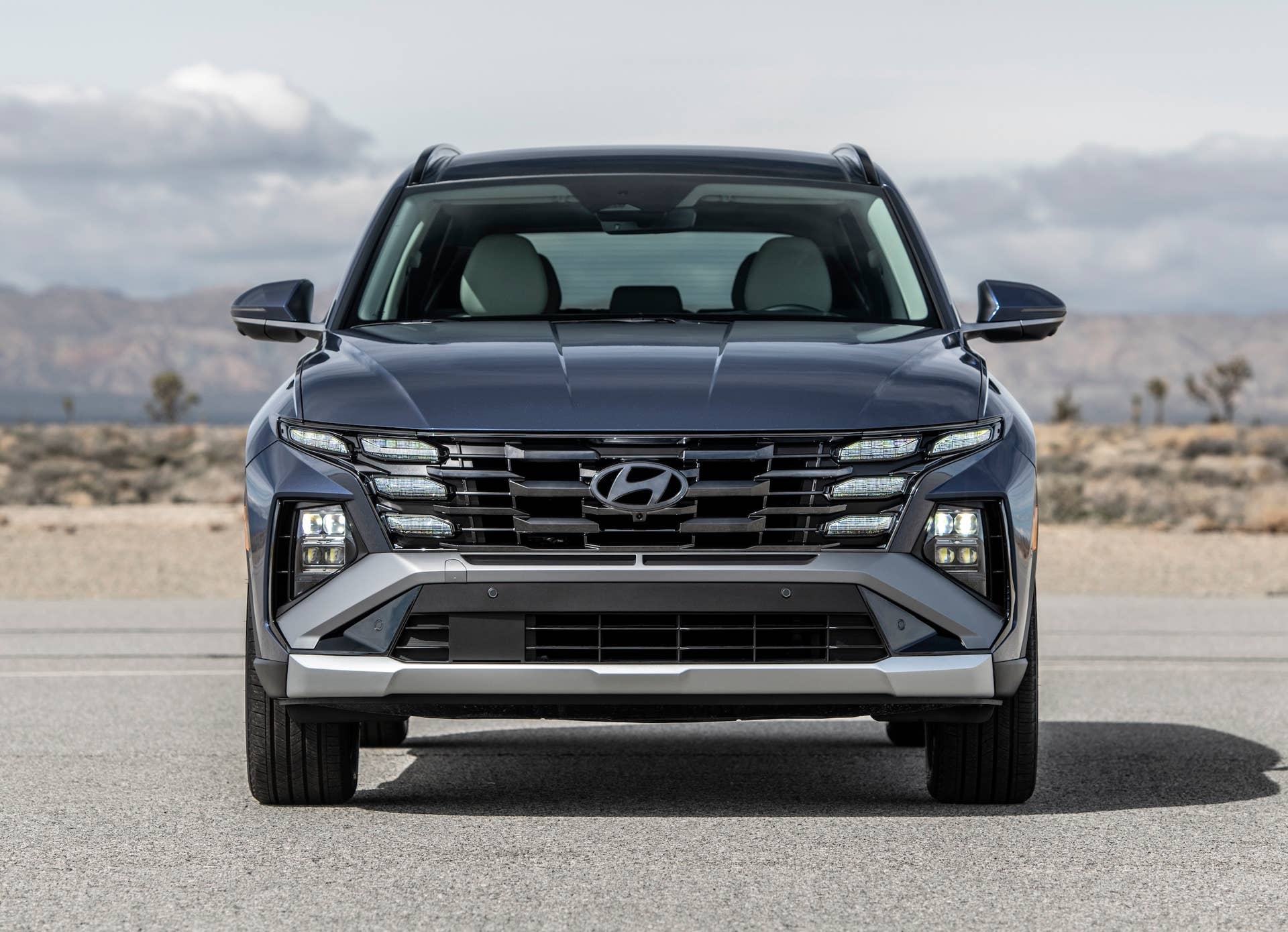
Tucson trim decoder: From entry-level to XRT
The Tucson was Hyundai’s top-selling vehicle in 2024, and the compact SUV has maintained this position through the first three quarters of 2025. For the Tucson’s 2026 model year, the pure internal combustion engine lineup, featuring five trims, starts at $29,200. While the 2026 Tucson is a carryover model with no significant changes from 2025’s redesign, you may be unfamiliar with each trim’s differences. Below you’ll find a detailed look at specs and cabin highlights for each 2026 Tucson trim, covering areas such as driver-assist tech, comfort features, infotainment, and efficiency.
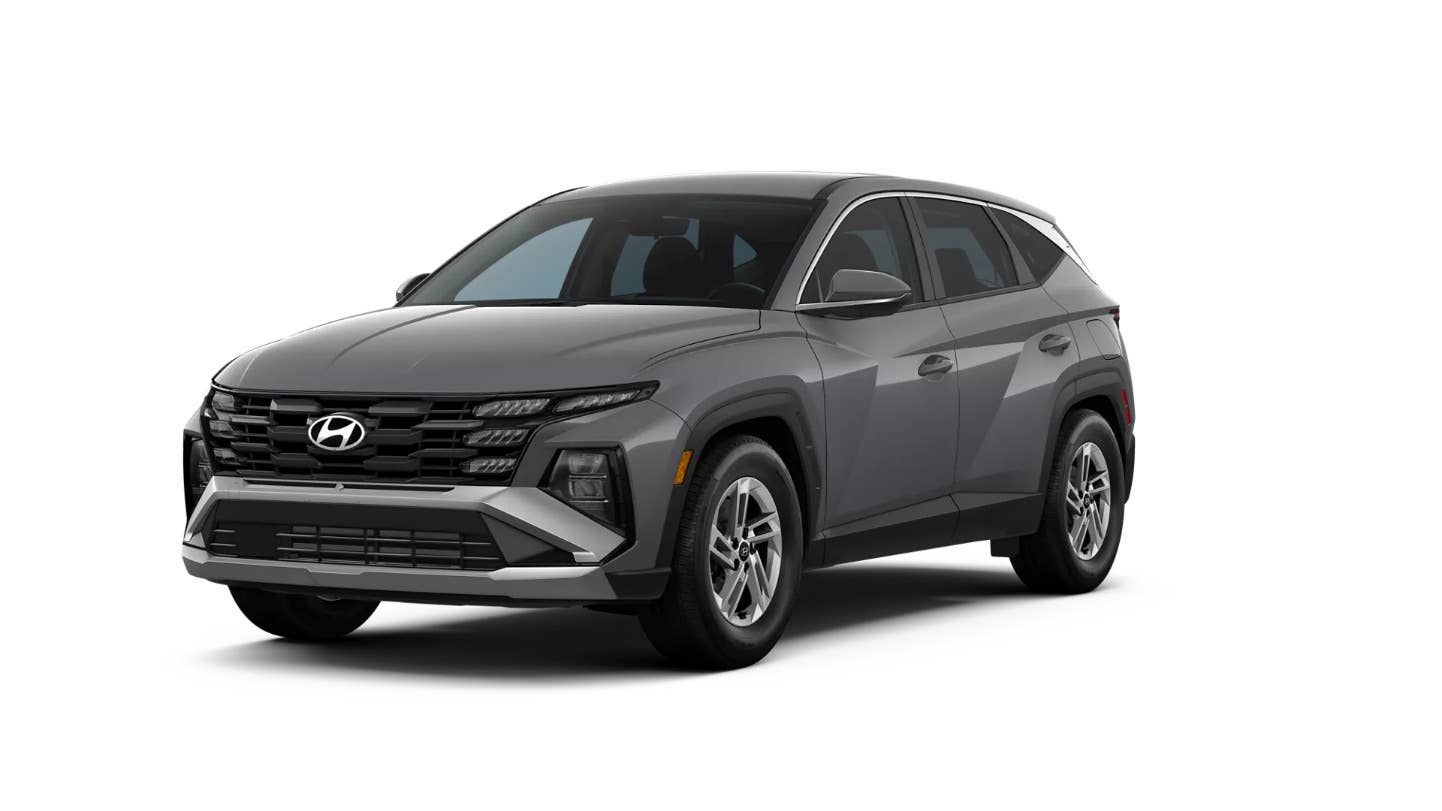
Tucson SE – $29,200
Hyundai
Price is the most significant advantage of opting for an entry-level vehicle, and the 2026 Tucson’s SE base grade enhances its value with a sub-$30,000 starting cost. The Tucson SE and every standard Tucson are equipped with a 2.5-liter inline-four-cylinder engine paired with an 8-speed automatic transmission, delivering 187 horsepower and 178 lb-ft of torque. Like all standard 2026 Tucson trims, the SE features standard front-wheel drive (FWD) and available all-wheel drive (AWD). The Tucson’s fuel efficiency is decent, but nothing special for a compact SUV at 25/33 city/highway mpg in FWD, and 24/30 city/highway mpg in AWD. Those seeking better mileage should look toward the 2026 Tucson’s hybrid or plug-in hybrid trims. Standard integrated drive modes include Normal, Sport, and the custom My Drive, but Snow mode is available only in AWD.
The Tucson SE’s wheels measure 17 inches, and its taillights are bulb-type rather than LED like those on higher trims. The entry-level Tucson’s exterior also misses out on heated side mirrors with LED turn signal indicators, a power sunroof, rear privacy glass, roof side rails, and a hands-free power liftgate. Seats in the SE are cloth, and the driver’s seat is six-way power-adjustable instead of eight-way. Consider upgrading to a higher 2026 Tucson trim if you’re prioritizing comfort features like a driver’s seat with power lumbar support, heated front seats, a leather-wrapped steering wheel/shift knob, and dual automatic climate control with an auto defogger.
The Insurance Institute for Highway Safety (IIHS) is still evaluating the 2026 Tucson’s crash protection, but we know that the base SE trim doesn’t include the following in-demand safety features:
- Forward attention warning
- Highway driving assist 1 (combines smart cruise control and lane centering)
- Smart cruise control 2 and navigation-based smart cruise control (maintains a set speed and a safe distance from the vehicle ahead)
- Advanced rear occupant alert (detects rear seat movement with sensors)
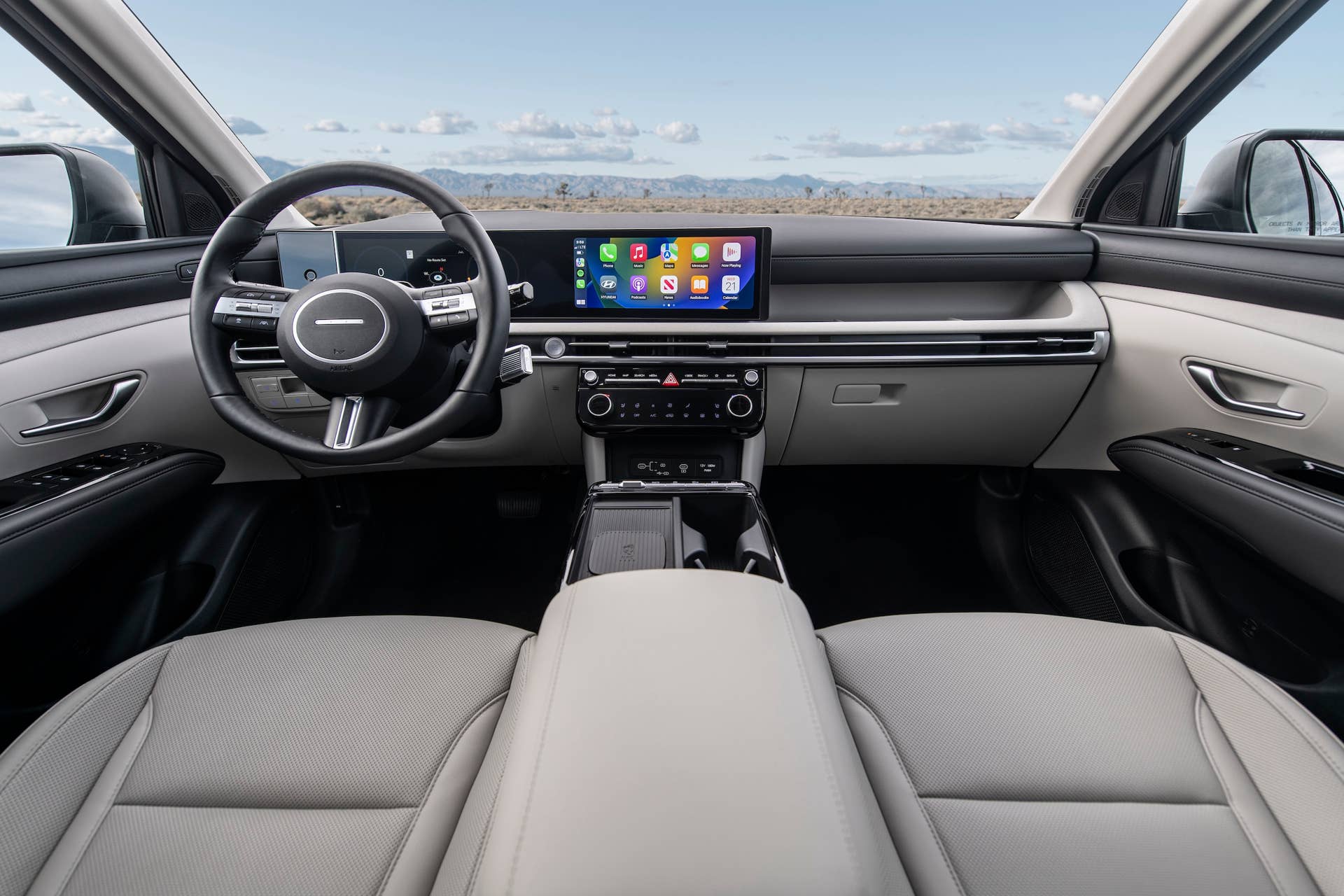
Tech features removed from the SE include wireless smartphone charging, onboard navigation, voice recognition, and a 12.3-inch digital instrument cluster, which is replaced by a 4.2-inch gauge cluster. Still, the 12.3-inch infotainment touchscreen is standard. Those who frequently drive at night should weigh whether the SE’s decision to omit 64-color expanded ambient lighting and an auto-dimming rearview mirror, reducing headlight glare, is worth upgrading to a more expensive trim. Some may view the Tucson SE’s lack of front passenger auto up/down functionality as a minor inconvenience, but since these vehicles are typically daily drivers, what’s initially seen as a slight downside may snowball into a major annoyance.
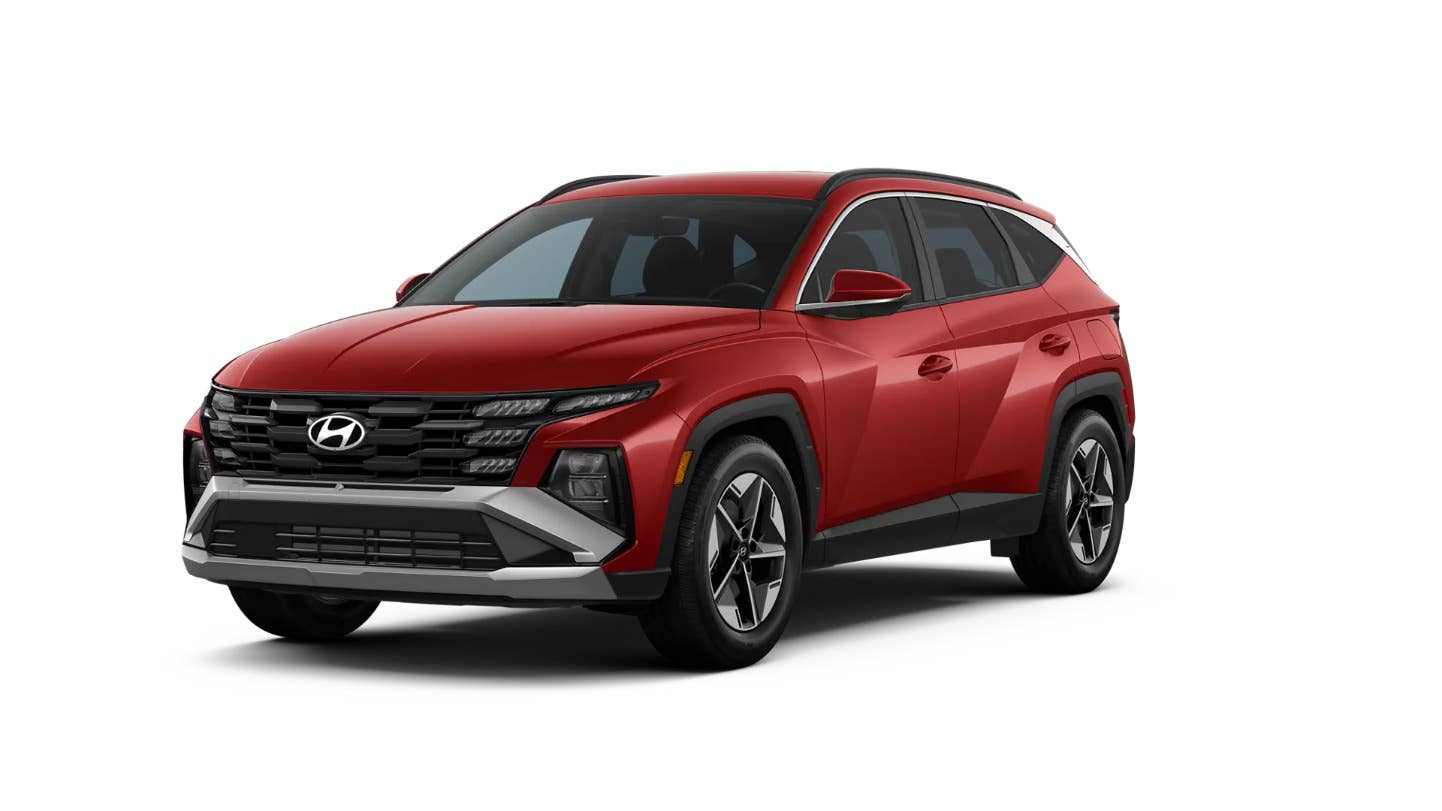
Tucson SEL – $30,550
Hyundai
Wheels slightly increase in size from 17 inches to 18 inches, and heated side mirrors become standard on the SEL, along with other exterior features like rear privacy glass, roof side rails, and the hands-free power liftgate. Inside, seats remain cloth, but the driver’s seat upgrades from six-way power-adjustability to an eight-way power configuration, complemented by power driver’s lumbar support and front heated seats. Hyundai further elevates the SEL’s comfort and convenience by adding dual automatic climate control, floor console-mounted rear A/C vents, front passenger auto up/down window functionality, and wireless smartphone charging. Safety features between the Tucson SE and SEL are equivalent.
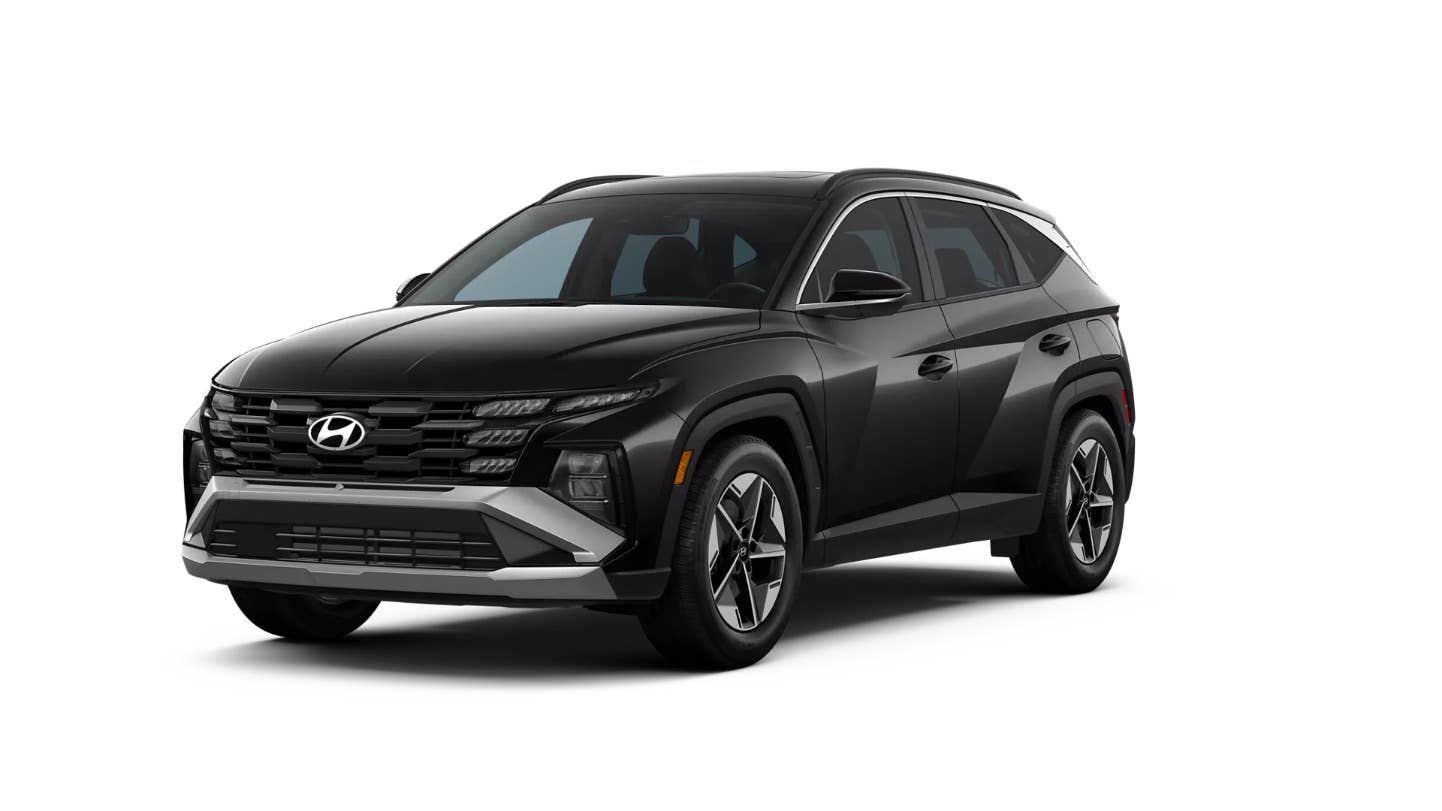
Tucson SEL Premium – $33,550
Hyundai
Upgrading to the Tucson SEL Premium adds LED taillights, LED turn signal indicators to the heated side mirrors, and a power sunroof. While these isolated features may not justify spending at least $3,000 more than the Tucson SE and SEL Premium, Hyundai enhances this trim’s value with synthetic leather seats, a leather-wrapped steering wheel/shift knob, onboard navigation, and a 12.3-inch digital instrument cluster. You can also unlock/lock and start the SEL Premium with your smartphone via Hyundai Digital Key 2 Premium. Adjustable 64-color ambient lighting and an auto-dimming rearview mirror provide the SEL Premium’s interior with more comfort, and safety capabilities increase via forward attention warning, highway driving assist 1, smart cruise control 2 with navigation and curve control, and advanced rear occupant alert.
Tucson XRT – $33,225
Hyundai
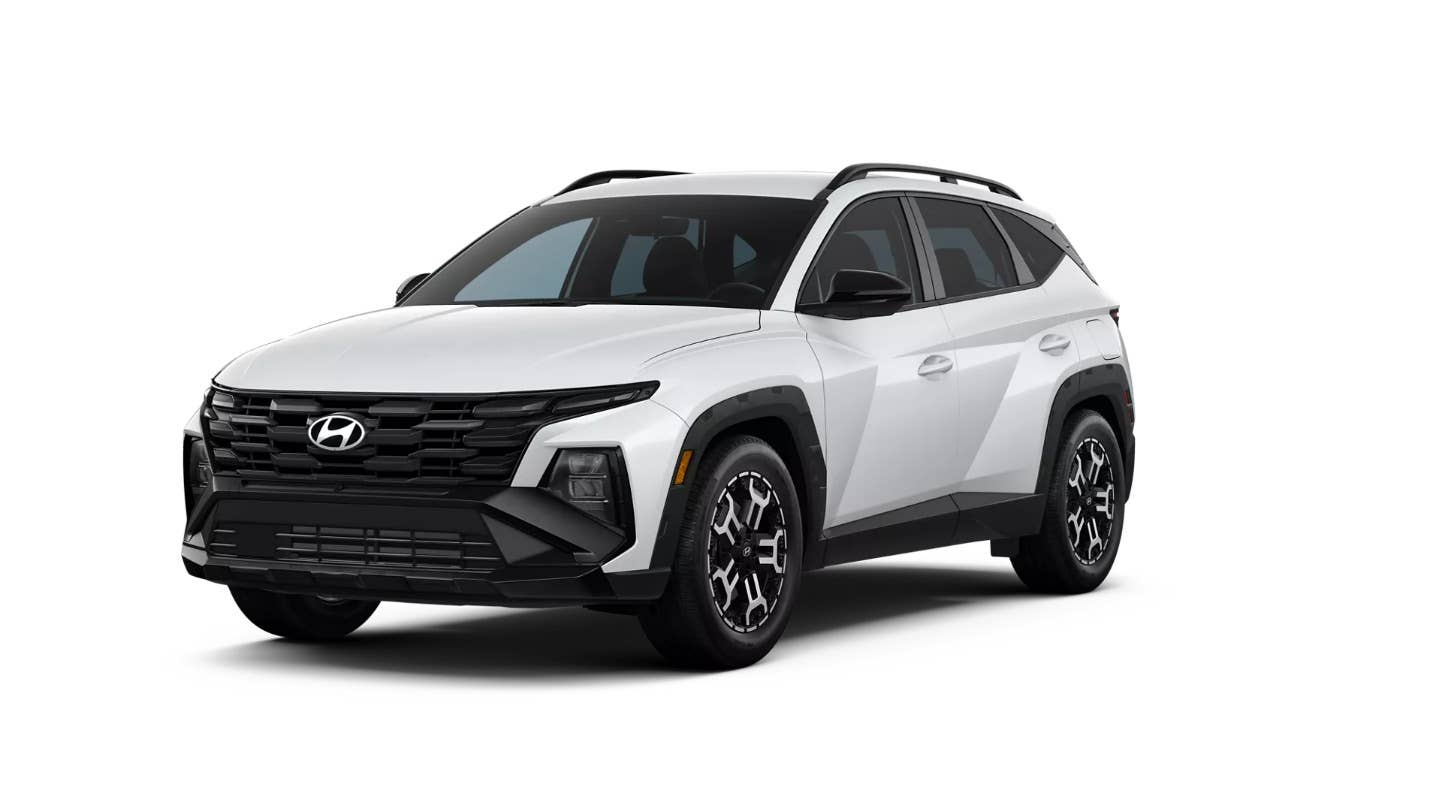
Like the SEL Premium, you’ll find 18-inch wheels on the XRT, but these wheels are trim-exclusive with a unique spoke pattern and blacked-out accents. Other XRT-exclusive exterior features include black front/rear lower fascias, black side cladding, black side mirrors, and an XRT liftgate badge. Despite not being limited to the XRT trim, this grade adds premium daytime running lights with a more upscale look and better visibility, and a dark chrome accent grille, with gloss black pillars that further the exterior’s appearance. Interior XRT-exclusive features are limited to black-only synthetic leather seating with XRT debossing and a black headliner. However, shoppers will likely be disappointed with how the XRT trim doesn’t offer a 12.3-inch digital instrument cluster or an auto-dimming rearview mirror. The XRT also loses several safety features that the SEL Premium has, such as forward attention warning, highway driving assist 1, and smart cruise control 2, making the XRT’s lack of standard AWD more painful.
Tucson Limited – $38,465
Hyundai
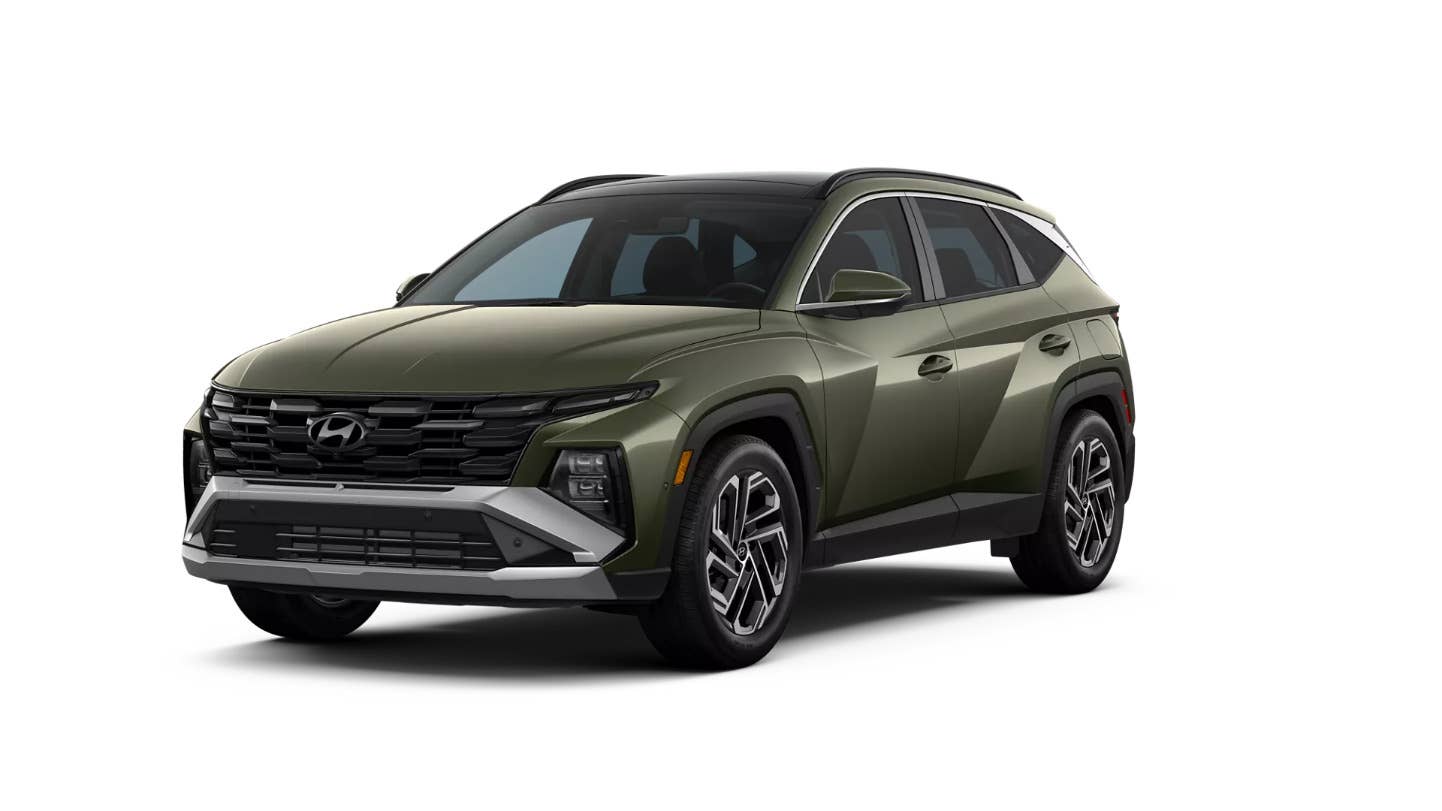
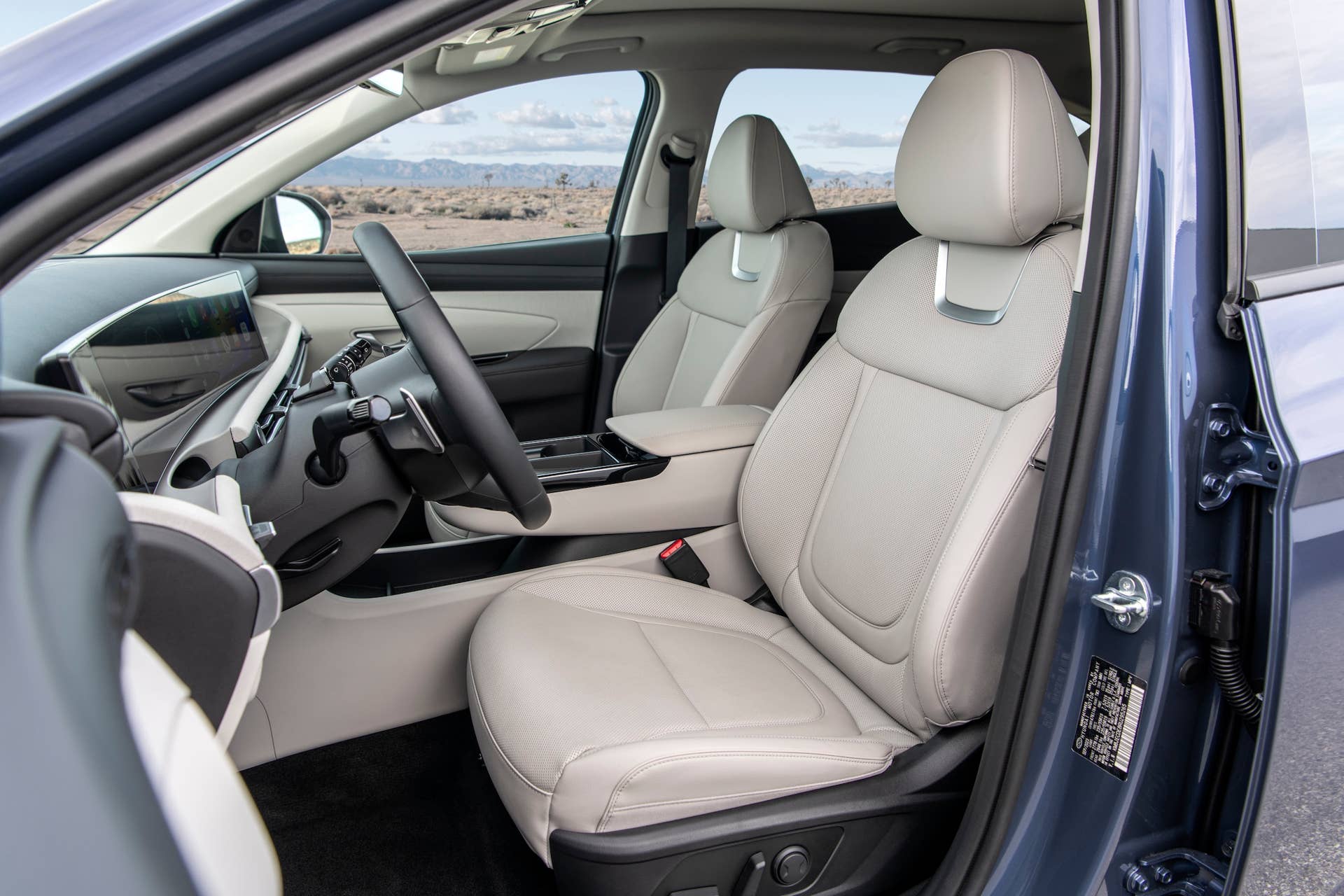
While easy to overlook, the top-tier Tucson Limited’s bi-LED projector-type headlights are a quality feature increasing projection distance and reducing glare. The wheels on this trim are the Tucson’s largest at 19 inches, and a panoramic sunroof gives the cabin an airy feel, which warrants consideration when shopping within the compact SUV segment. Acoustically laminated front-side windows help reduce road noise in this cabin; front seats receive ventilation; rear seats gain heating; and all seats graduate from synthetic leather material to genuine leather. Confusingly, the leather-wrapped shift knob isn’t present like in previous trims, and the upgraded Bose system only has eight speakers, but a standard 12-inch head-up display, rain-sensing windshield wipers, and a heated steering wheel even the score.
Hyundai
Hyundai
Hyundai
Final thoughts
While you can check out some of our other buying guides for recommendations on the best trim for popular models, the guide above provides an overview of each grade’s strengths and weaknesses so you can prioritize which you’d like to test drive. Still, many buyers might find that there’s not enough value in the XRT to justify its cost beyond styling, and that the peak Limited trim’s sub-$40,000 base price is a good buy given its exclusive features.
About the author

Cody Carlson
Contributing Writer, Autoblog