
Value in the midsize sedan class is about far more than the lowest sticker price, since what a car costs to own often matters more than what it costs to buy. The Toyota Camry, Nissan Altima, and Kia K5 all promise plenty of sedan for the money, but they get there in very different ways.

Toyota
Purchase price, fuel economy, warranty coverage, resale value, and standard features all shape which of these delivers the best value. Here is how the Camry, Altima, and K5 compare, and which one is the best value.

Nissan
Specs and pricing
| Specification | Toyota Camry | Nissan Altima | Kia K5 |
|---|---|---|---|
| Starting price | About $30,000 | About $26,500 | About $28,700 |
| Powertrain | Hybrid only | Gas, available AWD | Gas, available AWD |
| Combined mpg | 50 mpg | 31 mpg | 32 mpg |
| Powertrain warranty | 5 yr / 60,000 mi | 5 yr / 60,000 mi | 10 yr / 100,000 mi |
| Resale value | Strongest | Weakest | Average |
| Standout value trait | Efficiency, resale, reliability | Low price, AWD | Warranty, features, style |
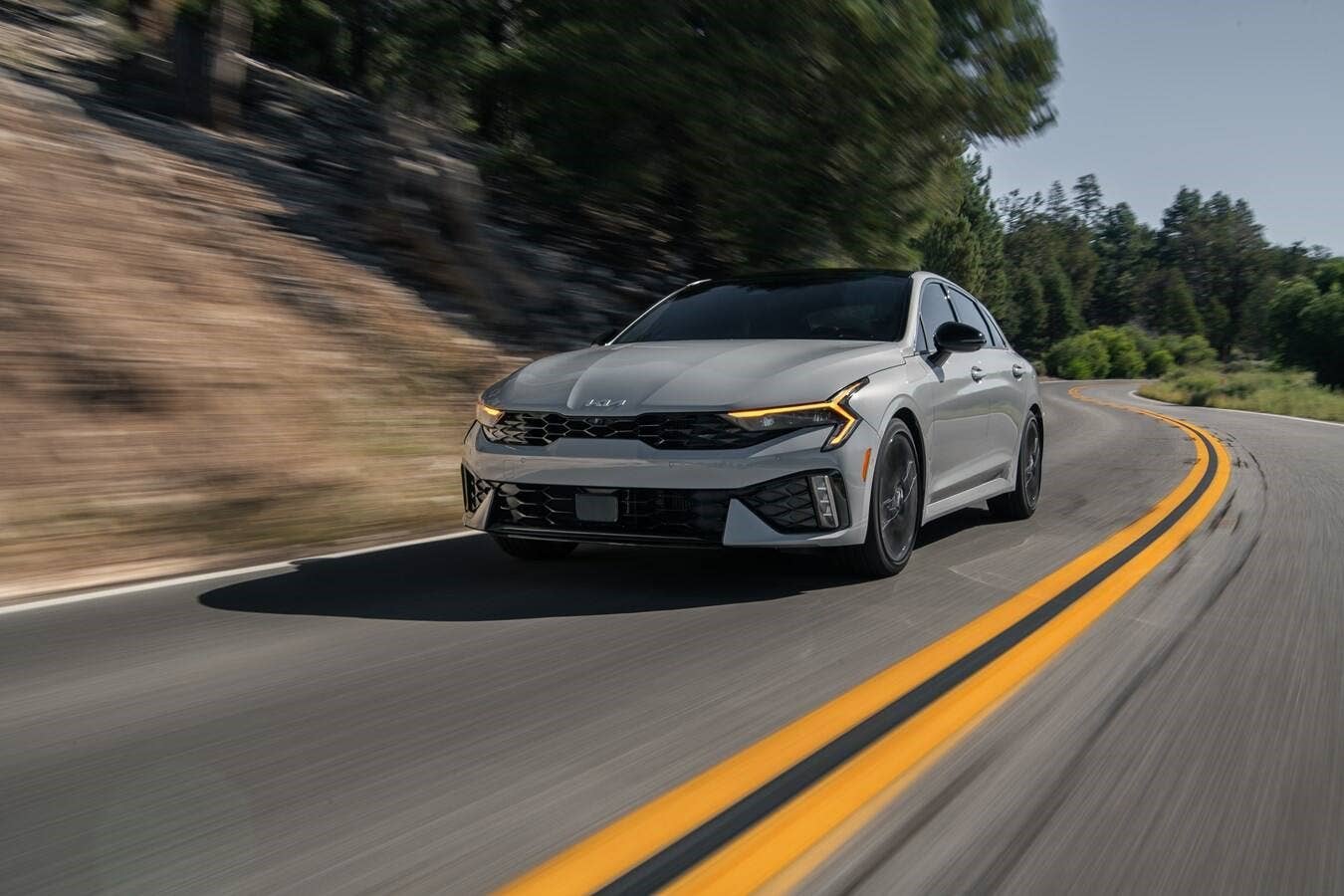
A Kia K5 undercuts a Toyota Camry on price, but value here comes down to far more than the number on the window sticker.
Kia
How good is the value of the Toyota Camry?
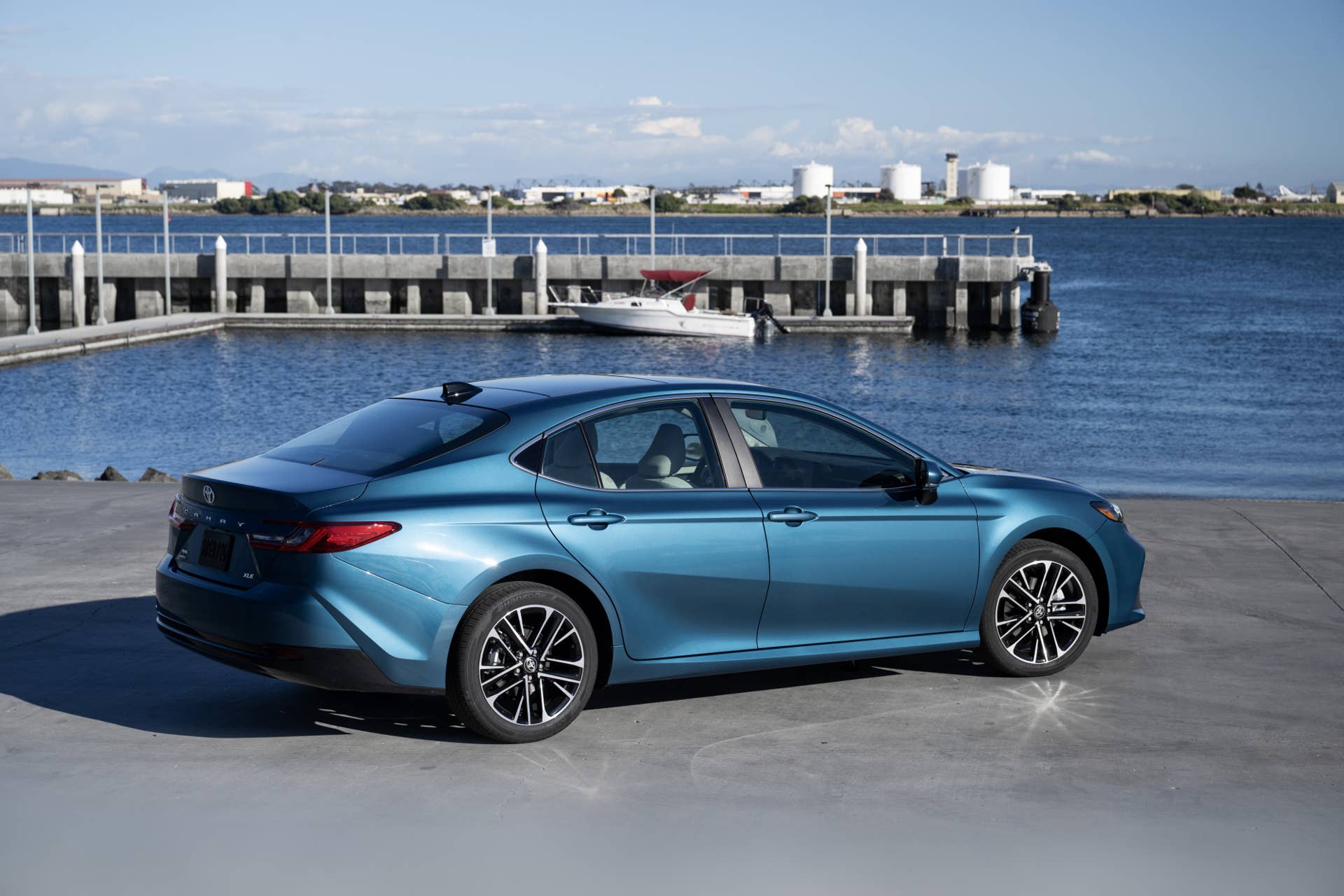
The Camry wins on the value that lasts. Toyota’s midsize sedan costs the most to buy, starting around $30,000 now that it is hybrid-only, but that hybrid system delivers an outstanding 50 mpg combined, roughly 19 mpg better than its gas rivals, which saves hundreds of dollars a year at the pump.
Toyota
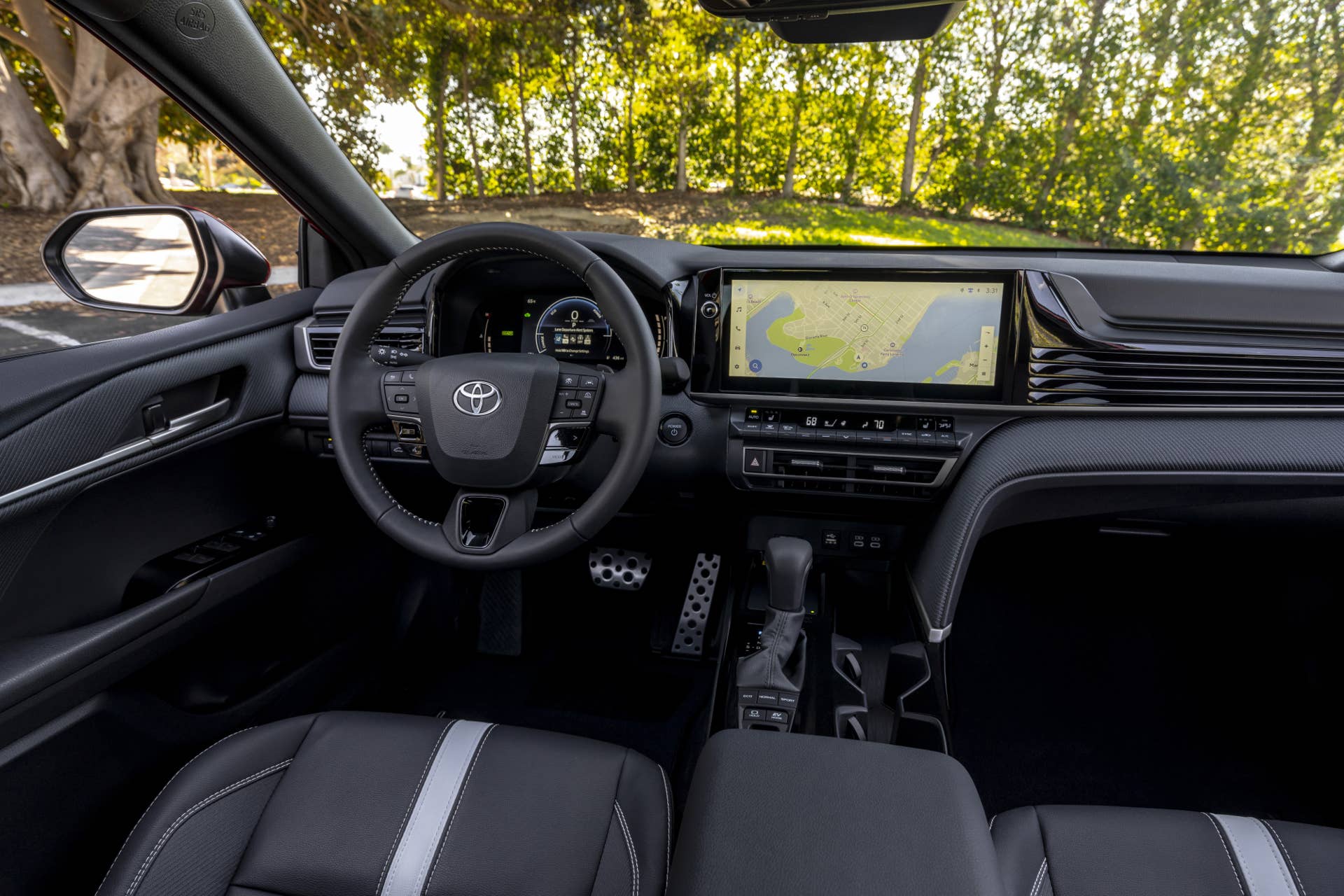
Add in the strongest resale value in the class, meaning you get more money back when you sell, and Toyota’s top-tier reliability, meaning fewer repair bills, and the Camry has the lowest true cost of ownership of the three. You pay more upfront, but you get the most of it back and spend the least keeping it. For total value, it leads.
Toyota
How good is the value of the Kia K5?
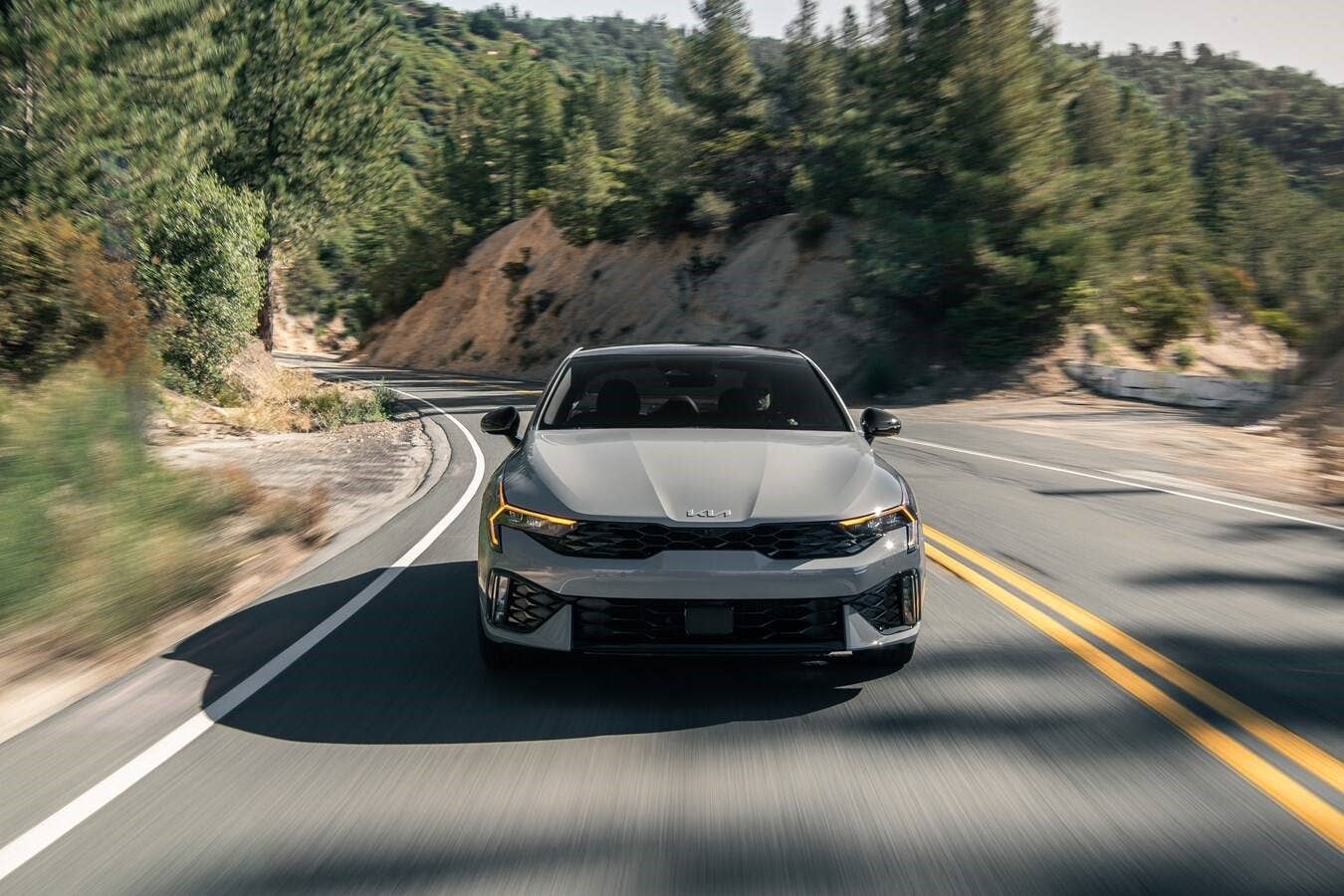
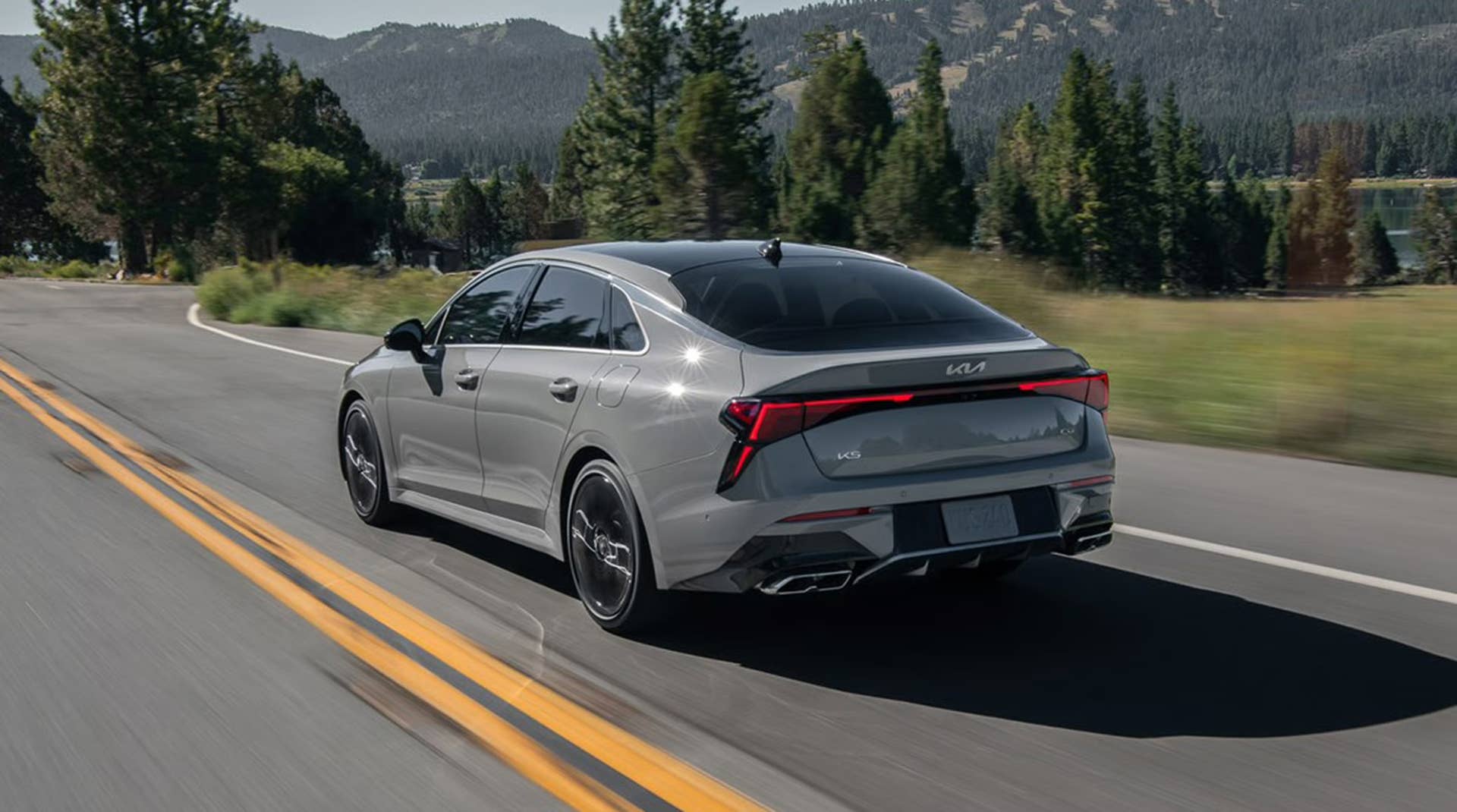
The K5 is the value champion at the checkout. Kia’s stylish sedan undercuts the Camry by well over a thousand dollars, starting around $28,700, and piles on the equipment, with generous standard tech, available all-wheel drive, sharp coupe-like looks, and a sporty 290-horsepower GT model at the top.
Kia
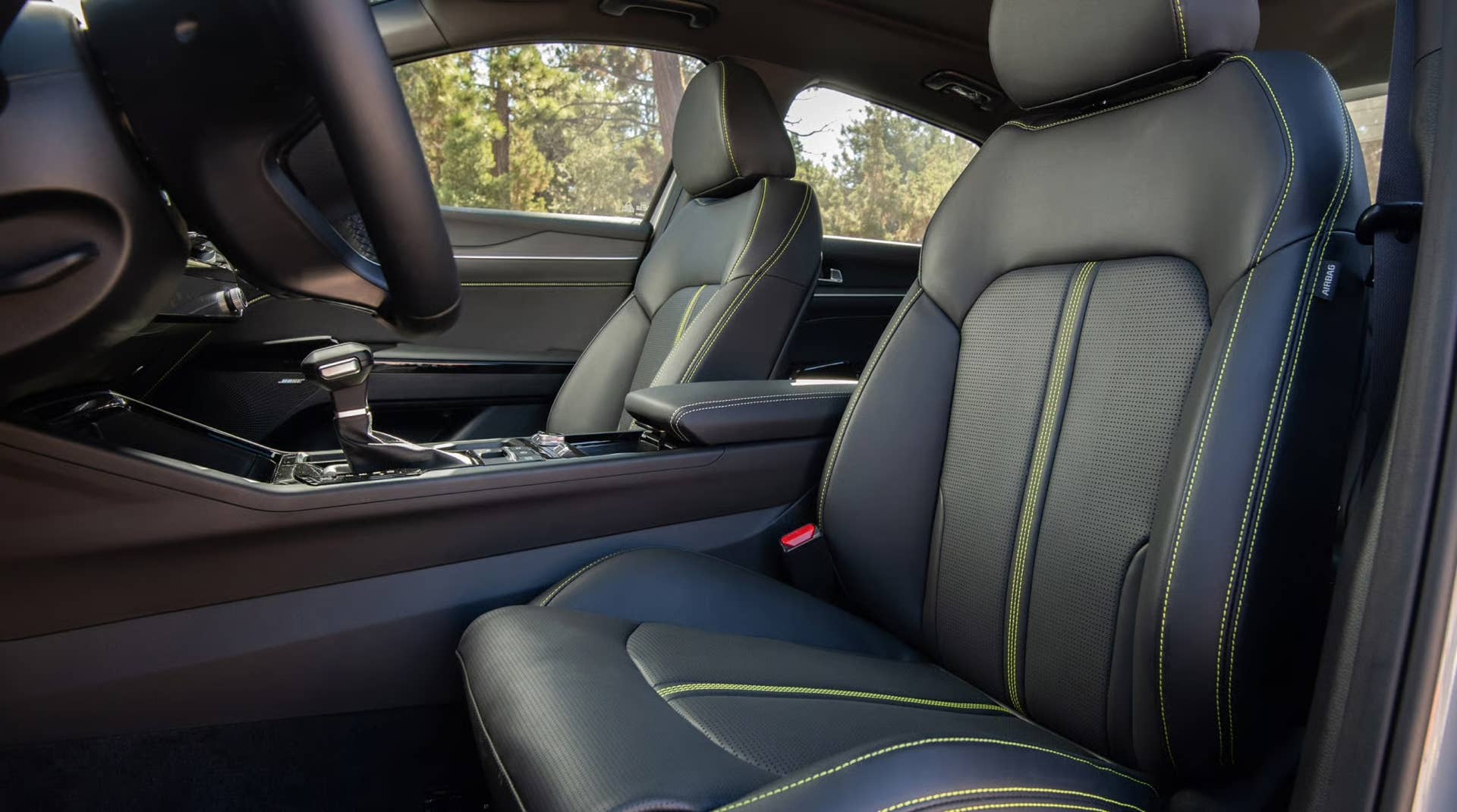
Its trump card is the warranty, an industry-leading 10-year or 100,000-mile powertrain plan that dwarfs the 5-year coverage from Toyota and Nissan. Its resale is decent and its running costs are reasonable. If your idea of value is the most car, style, and coverage for the least money upfront, the K5 is genuinely hard to beat, landing a very close second.
Kia
How good is the value of the Nissan Altima?
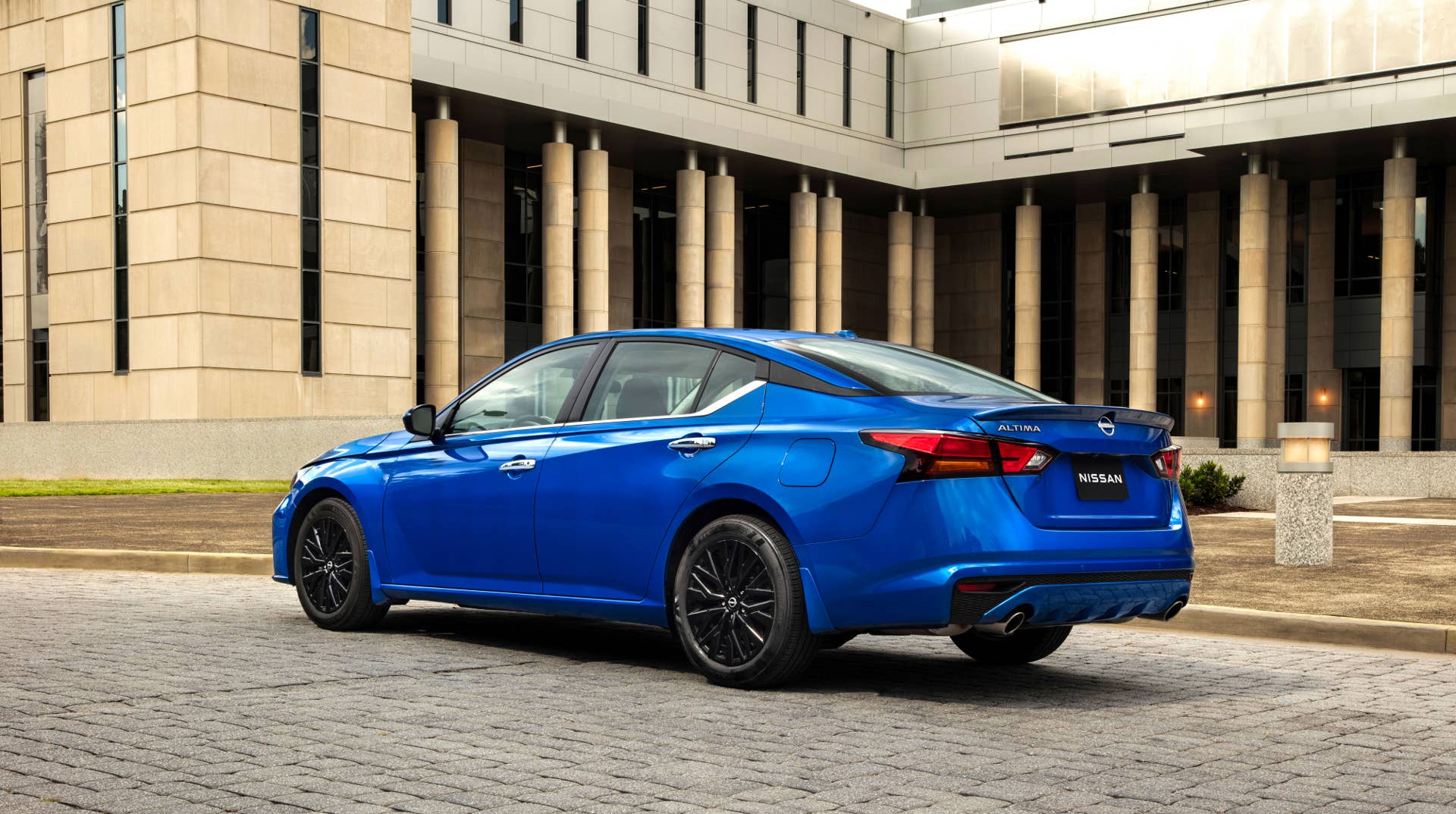
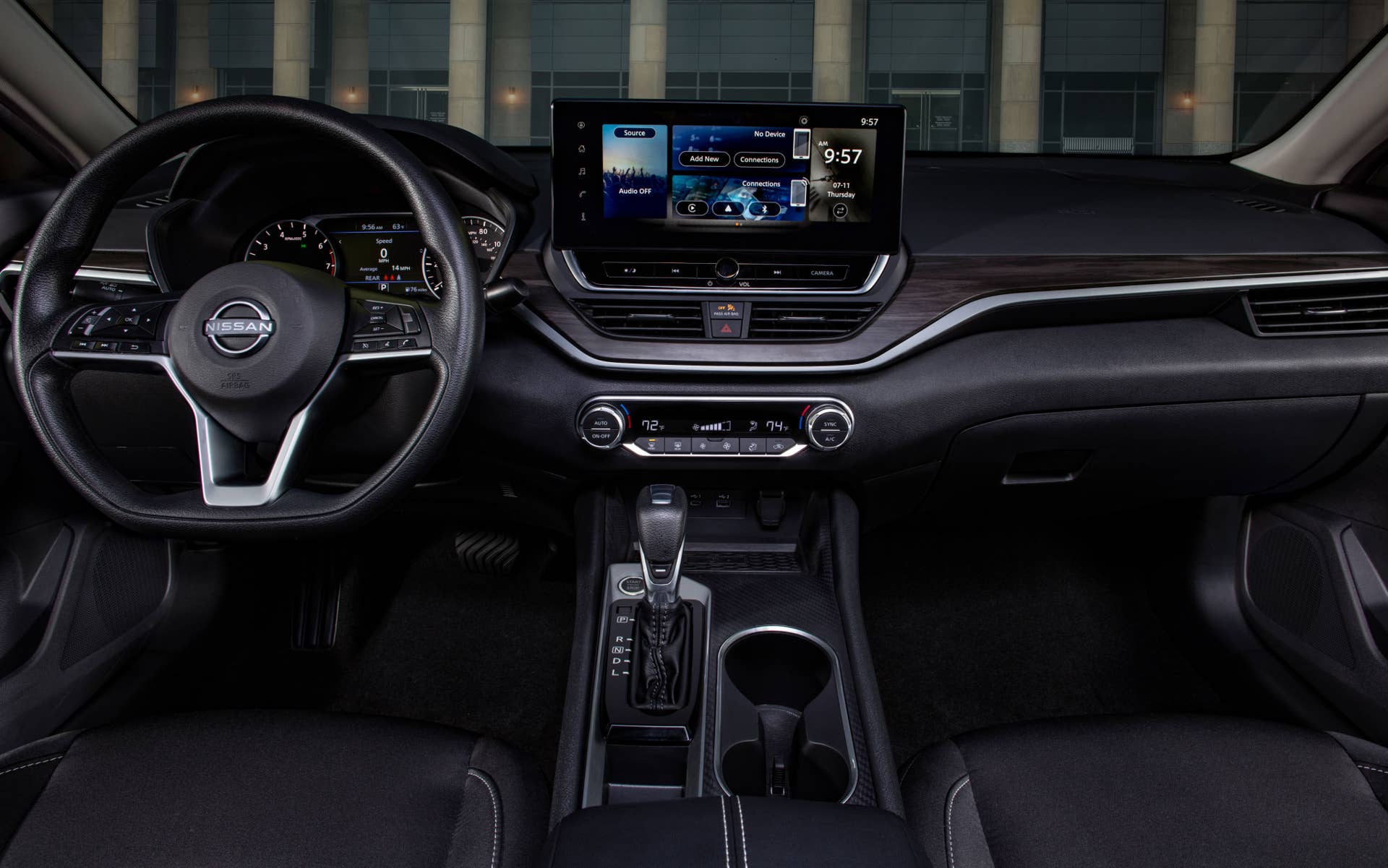
The Altima competes on price and a unique feature. Nissan’s sedan is the cheapest to get into, starting around $26,500, and it is the only car here to offer all-wheel drive with its standard engine, a genuine draw for buyers in wintry climates, along with comfortable seats and solid standard safety tech.
Nissan
Where its value case weakens is down the road, since it has the weakest resale value of the three, an aging design, and only average reliability, so it costs you more in lost value over time. It is a lot of sedan for the money on day one, but the least rewarding to own over the long haul, which lands it third.
Nissan
So which one is the best value?
The Toyota Camry is the best value, once you look past the sticker price. Yes, it costs the most upfront, but its standard 50-mpg hybrid efficiency, class-leading resale value, and top reliability give it the lowest total cost of ownership and the most retained value of the three, which is what value really means over the life of a car. For the smartest long-term money, it is the pick.
The Kia K5 is a very close second and the clear winner on upfront value, offering a lower price, the longest warranty by far, and the most features and style for the money, ideal if you shop on purchase price and equipment. The Nissan Altima is third, cheap to buy and uniquely available with all-wheel drive, but weaker resale and an older design undercut its long-term value. For the best all-around value, though, the Camry wins.
About the author

Kyle Edward
Editor-in-Chief, Autoblog