

Somewhere right now, a Model Y owner is telling everyone at a dinner party that he drives for “four cents a mile.” He charges exclusively at home, on a time-of-use electricity plan, in a state with cheap power. He also conveniently forgets that his car lost $12,000 in value during those same twelve months. Four cents a mile? Not really.

Tesla
The cost-per-mile question is the one every Model Y buyer eventually asks, and almost nobody answers honestly. Tesla’s marketing wants you to compare electricity to gasoline and declare victory. The internet wants you to include the cost of your home charger installation, your solar panels, and maybe the shirt you were wearing when you signed the lease. The truth lives somewhere in the middle, and it’s more interesting than either camp admits.
The electricity: What it actually costs to move this thing
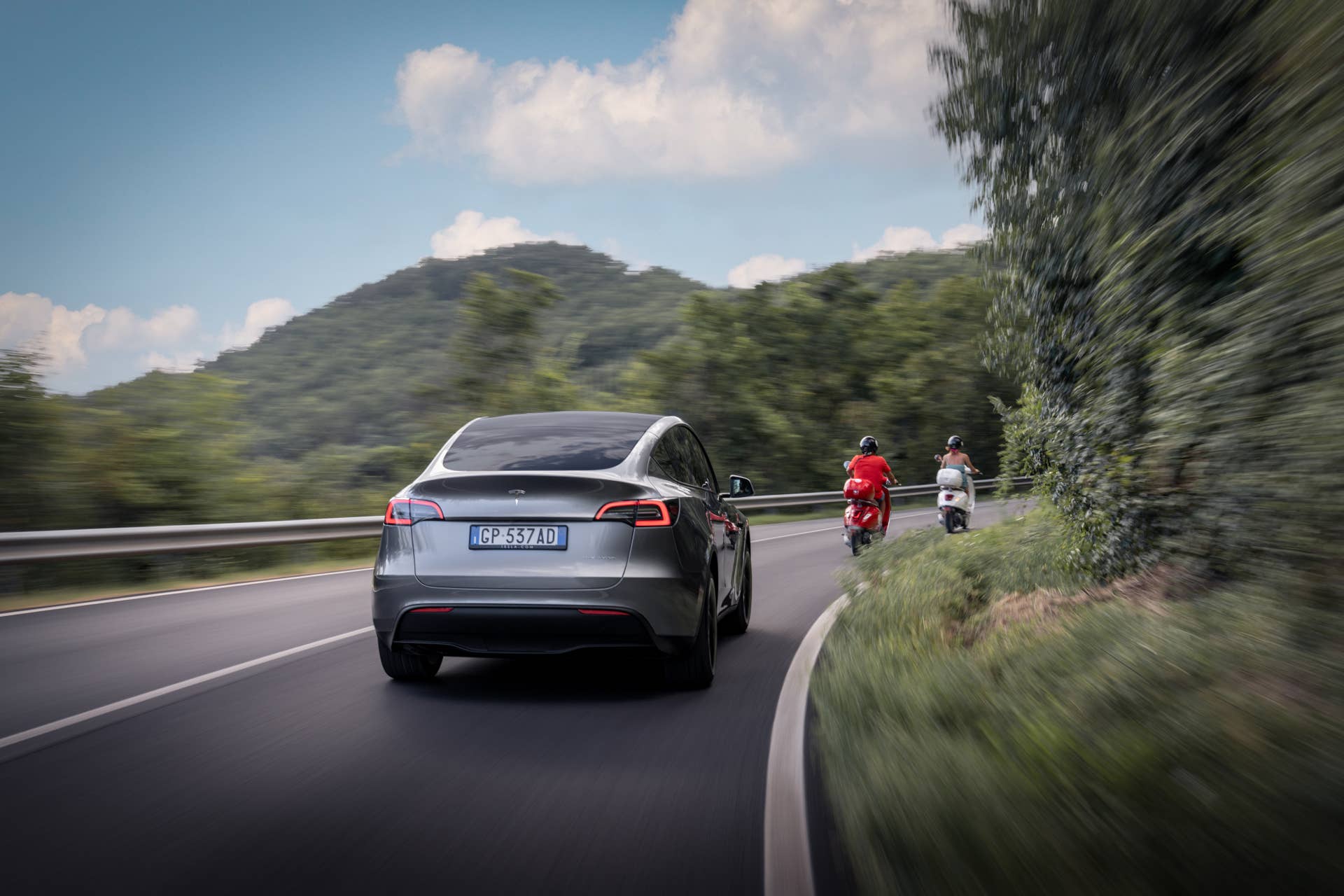
The 2026 Model Y gets roughly 4 miles per kilowatt-hour on the base and Premium RWD trims, which translates to about 250 watt-hours per mile. The AWD versions are slightly thirstier at around 274 Wh/mile. For simplicity, let’s use the 250 Wh/mile figure, since it covers the most popular configurations. At the national average electricity rate of about $0.17 per kWh, your cost is roughly 4.3 cents per mile. If you drive the American average of around 13,500 miles a year, you’re spending somewhere between $540 and $580 annually on electricity. That’s $45 to $48 a month. For context, the average American spends $150 to $200 a month on gasoline.
Tesla
So yes, the electricity itself is cheap. Genuinely, meaningfully cheap. A comparable gas SUV running on regular unleaded at $3.08 a gallon and averaging 28 mpg costs you about 11 cents per mile. The Model Y’s energy cost is less than half that. On this metric alone, the EV wins by a landslide. But this number assumes you’re charging at home. And that assumption does a lot of heavy lifting.
Home charging vs. Supercharger: The gap no one talks about enough
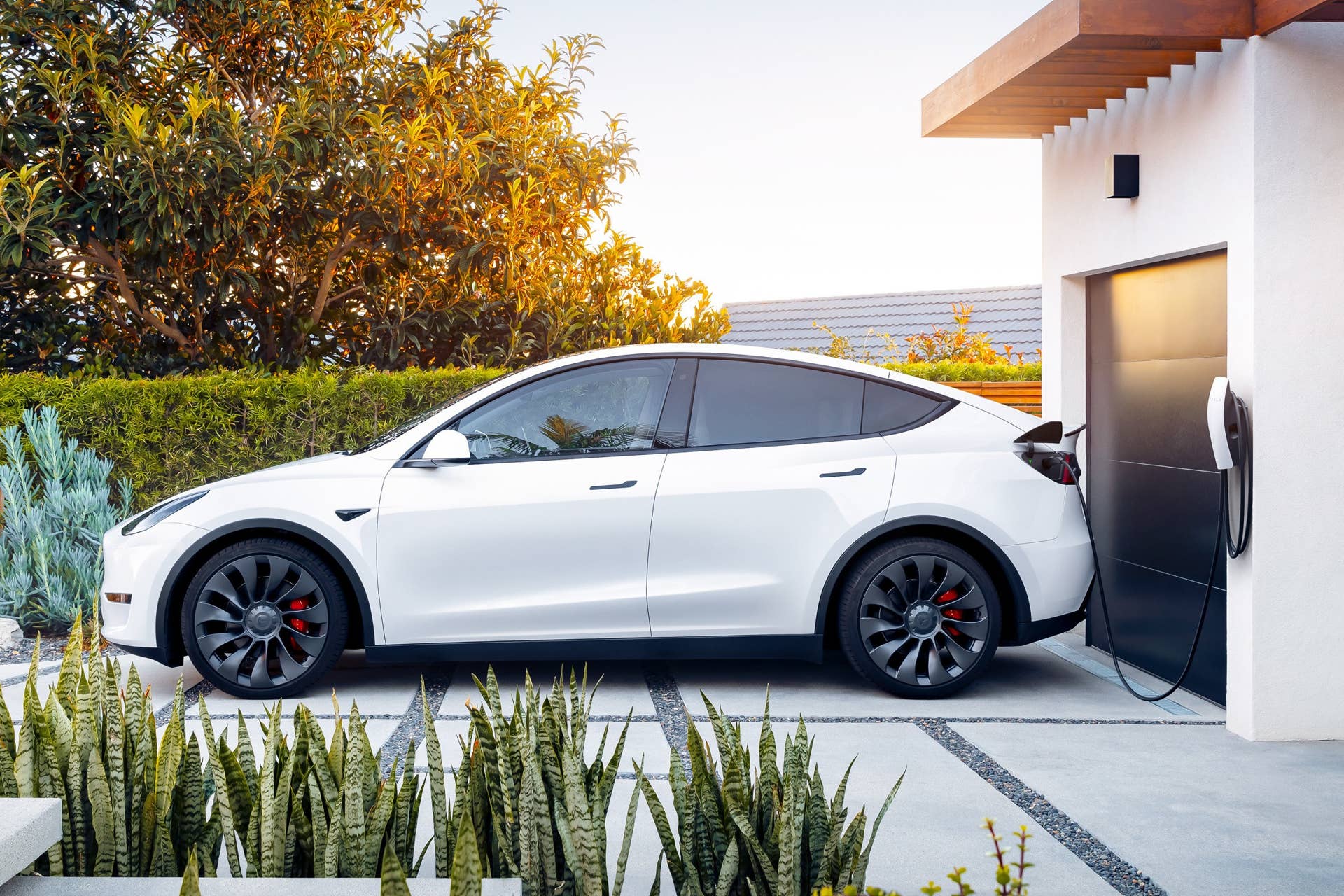
If you charge at home on a standard residential rate, you’re getting the 4-to-5-cent-per-mile figure that makes the whole ownership proposition shine. Charge during off-peak hours on a time-of-use plan, and you might push that even lower. Some owners with solar panels are charging for effectively nothing, though they conveniently amortize the cost of those panels over “the life of the sun” rather than, say, the 10 years it takes to pay them off.
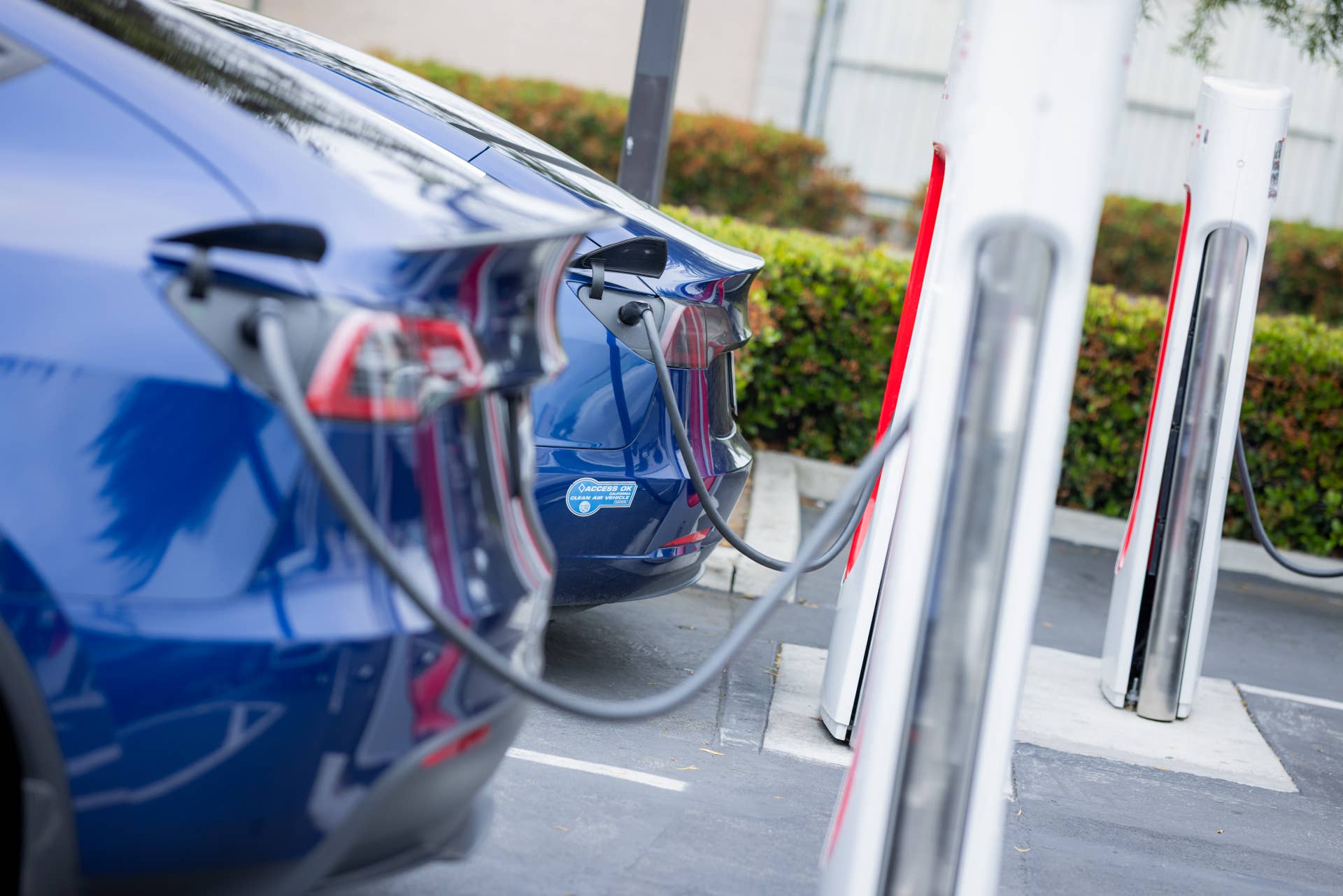
Supercharging is a different animal. Tesla’s Supercharger rates hover around $0.40 per kWh in most markets, with some variation by time of day and location. At that rate, your cost per mile jumps to roughly 10 cents. Still cheaper than gasoline in most scenarios, but the gap narrows considerably. And if you’re someone who relies heavily on Superchargers, perhaps because you live in an apartment without home charging, you’re looking at energy costs that approach what a fuel-efficient gas car delivers.
Jay L Clendenin/Getty Images
The math is unforgiving here. An apartment dweller Supercharging during peak hours could easily spend $0.12 to $0.13 per mile on electricity alone. Meanwhile, a Toyota Camry at the gas pump costs around $0.09 per mile. The hybrid Camry, at 52 mpg, costs about $0.06 per mile. That’s an uncomfortable reality for anyone who bought a Model Y partly to save on fuel, but who doesn’t have access to a home outlet.
Depreciation
Here’s where the conversation gets uncomfortable. The Model Y depreciates aggressively. According to iSeeCars data, a new Model Y loses about 58% of its value over five years. On a $45,000 purchase, that’s roughly $26,000 down the drain. Over 67,500 miles (five years at 13,500 per year), depreciation alone costs you about 39 cents per mile. Some of this is typical new-car behavior. Most vehicles lose around 40-45% over five years. But the Model Y has been hit harder than average, partly because Tesla has a habit of slashing new-car prices without warning, which instantly devalues every used Model Y on the market. When Tesla cut prices in 2023, owners who’d bought at peak pricing watched thousands of dollars evaporate overnight. Brand perception issues in recent years haven’t helped resale values either.
Tesla
Maintenance: Cheaper than gas, until the tire bill shows up in the mail
This is Tesla’s legitimately strong suit, and it deserves credit. No oil changes. No transmission service. No timing belts. Brake pads last 80,000 to 100,000 miles thanks to regenerative braking. The official maintenance schedule is so short it fits on a single page: rotate tires every 6,250 miles, replace the cabin air filter every 2 years, check the brake fluid every 4 years. That’s essentially it. Most owners report spending $300 to $650 a year on routine maintenance for a newer Model Y under warranty. Over five years, you’re looking at a total of $1,300 to $3,300. A comparable gas SUV will easily double that.
But then there are the tires. Teslas are heavy, thanks to their battery packs and electric torque, and the Model Y is no exception. A base model on 19-inch wheels typically needs new rubber every 25,000 to 35,000 miles, at a cost of $900 to $1,500 per set plus alignment. The Performance model on 21-inch wheels? Every 15,000 to 20,000 miles, at $1,900 to $2,500 per set. One source estimates the Model Y Performance’s tire costs at 100,000 miles could triple what you’d pay on a similarly sized gas crossover.

Tesla
Insurance will also make you wince
Insuring a Model Y costs significantly more than insuring a comparable gas vehicle. Full-coverage premiums average roughly $2,700 to $3,500 per year, depending on which source you trust and how you define “average.” Some estimates run as high as $4,600 to $5,000 annually. The national average for all vehicles is around $2,500 to $2,700. Why so expensive? Tesla’s aluminum body panels, specialized repair requirements, and advanced sensor calibration make even minor fender benders costly to fix. Not every body shop can work on a Tesla, and those that can charge accordingly. Insurance companies pass that risk straight to your premium.
The real cost per mile: Adding it all up
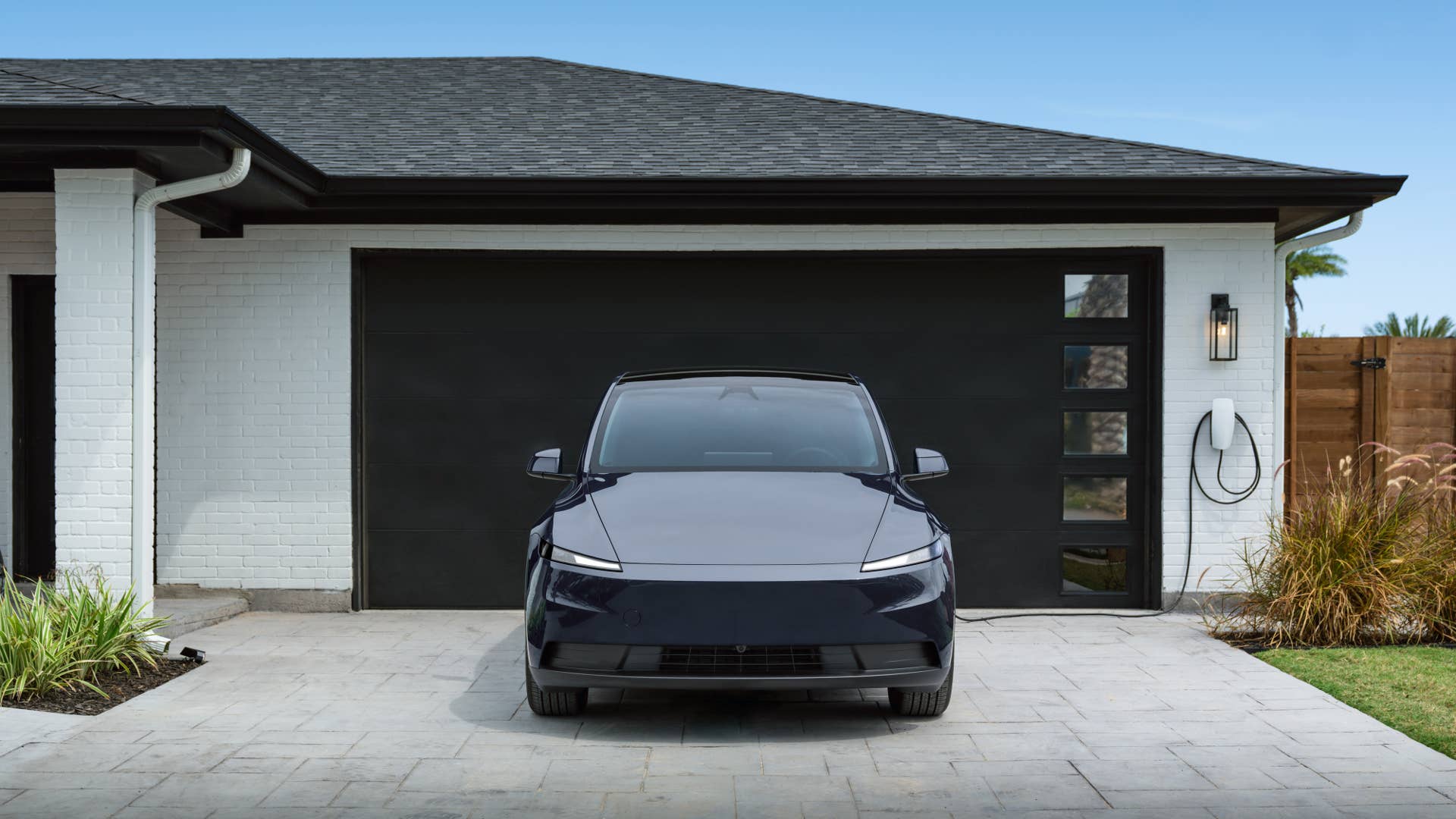
Let’s build the full picture for a Model Y owner who charges at home, drives 13,500 miles a year, and keeps the car for five years. Electricity runs about 4 to 5 cents per mile. Depreciation adds roughly 39 cents. Insurance contributes around 22 cents. Maintenance and tires together average about 6 to 8 cents. Toss in financing costs and registration fees, and you’re looking at a total cost of ownership somewhere in the range of 75 to 80 cents per mile. A comparable gas SUV? Depending on the model, you’re looking at 70 to 90 cents per mile when you account for the same categories. The Model Y isn’t dramatically cheaper to own. It’s roughly competitive, with the balance tipping in its favor mainly when electricity is cheap, and depreciation cooperates.
Tesla
The honest verdict
The Tesla Model Y is not the financial slam dunk that early EV evangelists promised. It is, however, a legitimately good deal on energy costs if you charge at home, a genuine winner on routine maintenance, and a reasonable choice for someone who values the driving experience, the technology, and the economics. If you’re buying one purely to save money, do yourself a favor: run the numbers with depreciation and insurance included, not just the electricity bill.
About the author

Kyle Edward
Editor-in-Chief, Autoblog