
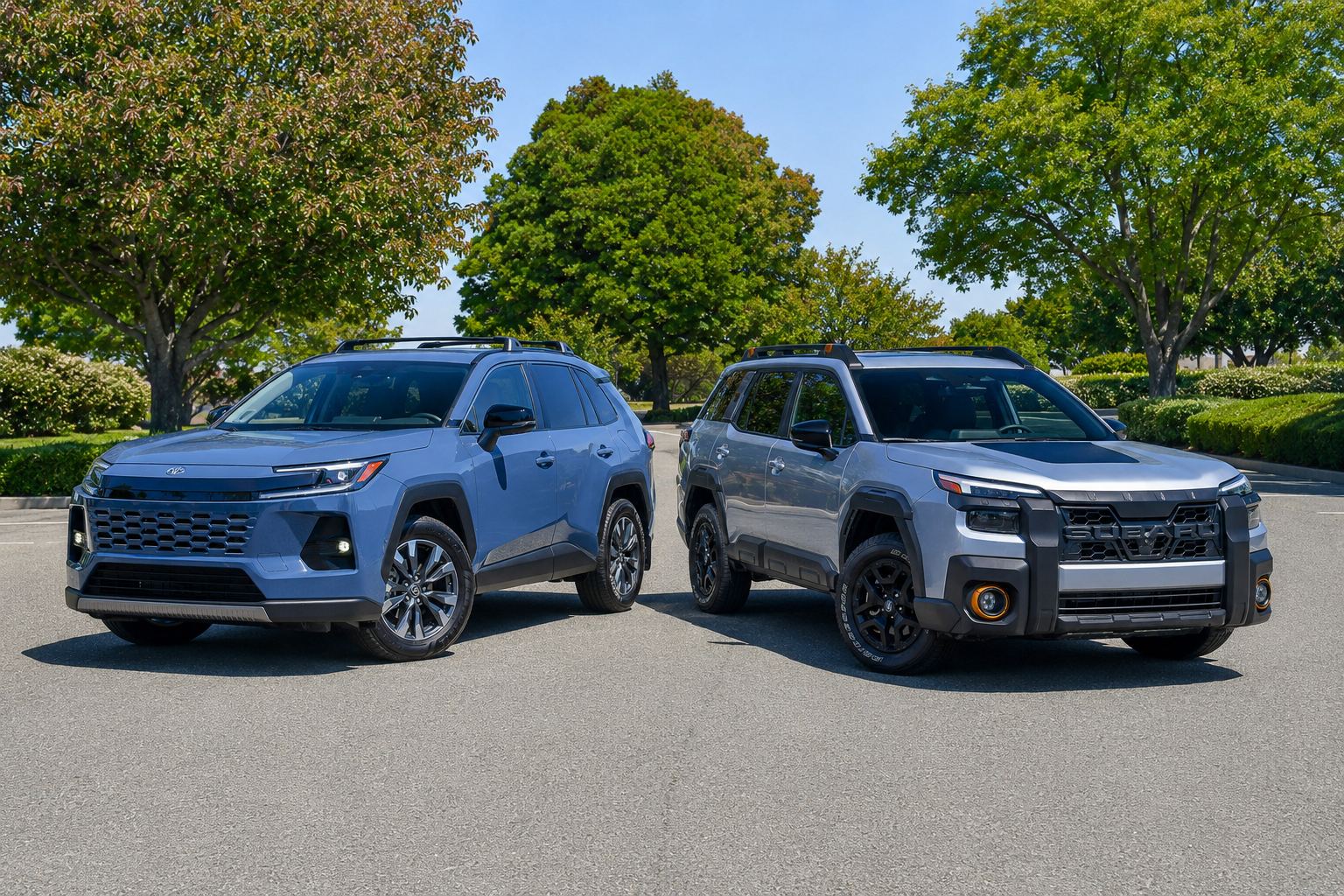
Ask which vehicle to buy for a snowy climate, and both of these names come up immediately, for good reason. The Outback built its entire identity around all-weather security, while the RAV4 is the best-selling SUV in the country, partly because it handles almost anything, snow included. The difference is one of emphasis: winter capability is the Outback’s core mission, and merely one of the RAV4’s many competencies. That shows up in the hardware.
Kristen Brown
Standard versus available all-wheel drive
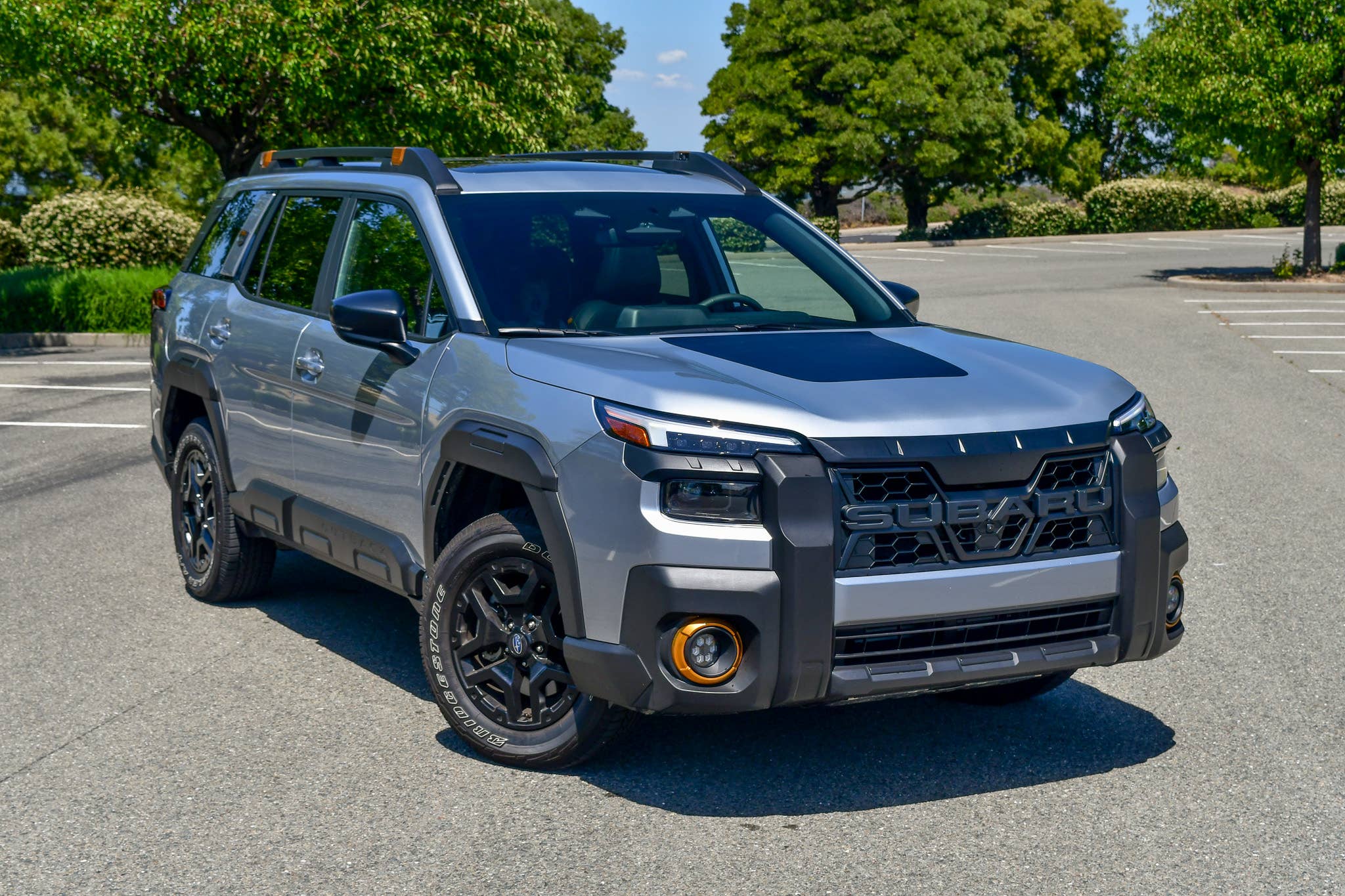
The most important distinction is what comes standard. Every Outback sends power to all four wheels through Subaru’s symmetrical all-wheel-drive system, with no front-wheel-drive version to accidentally end up in. That means every single Outback on the road is set up for slippery conditions from the factory.
Kristen Brown
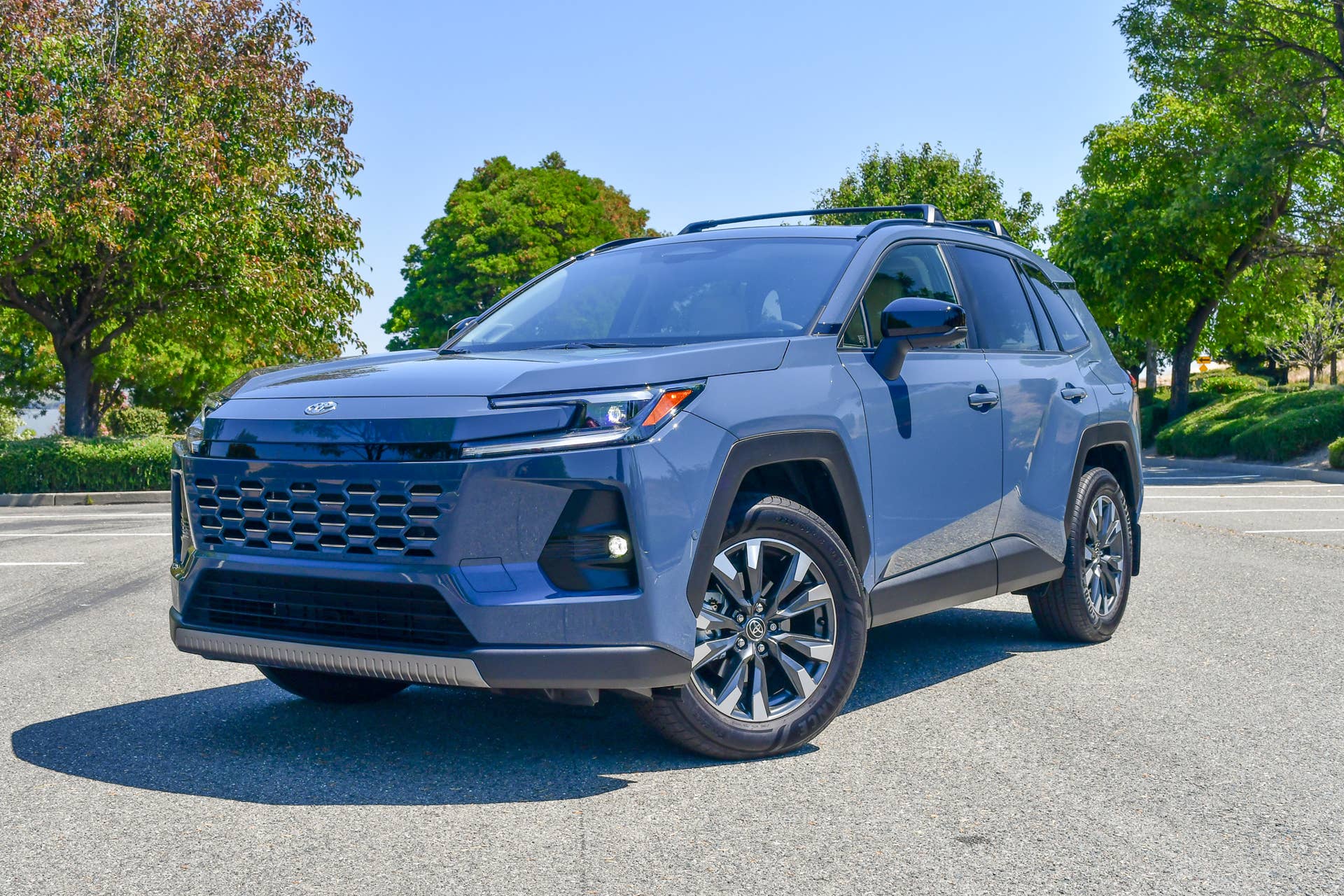
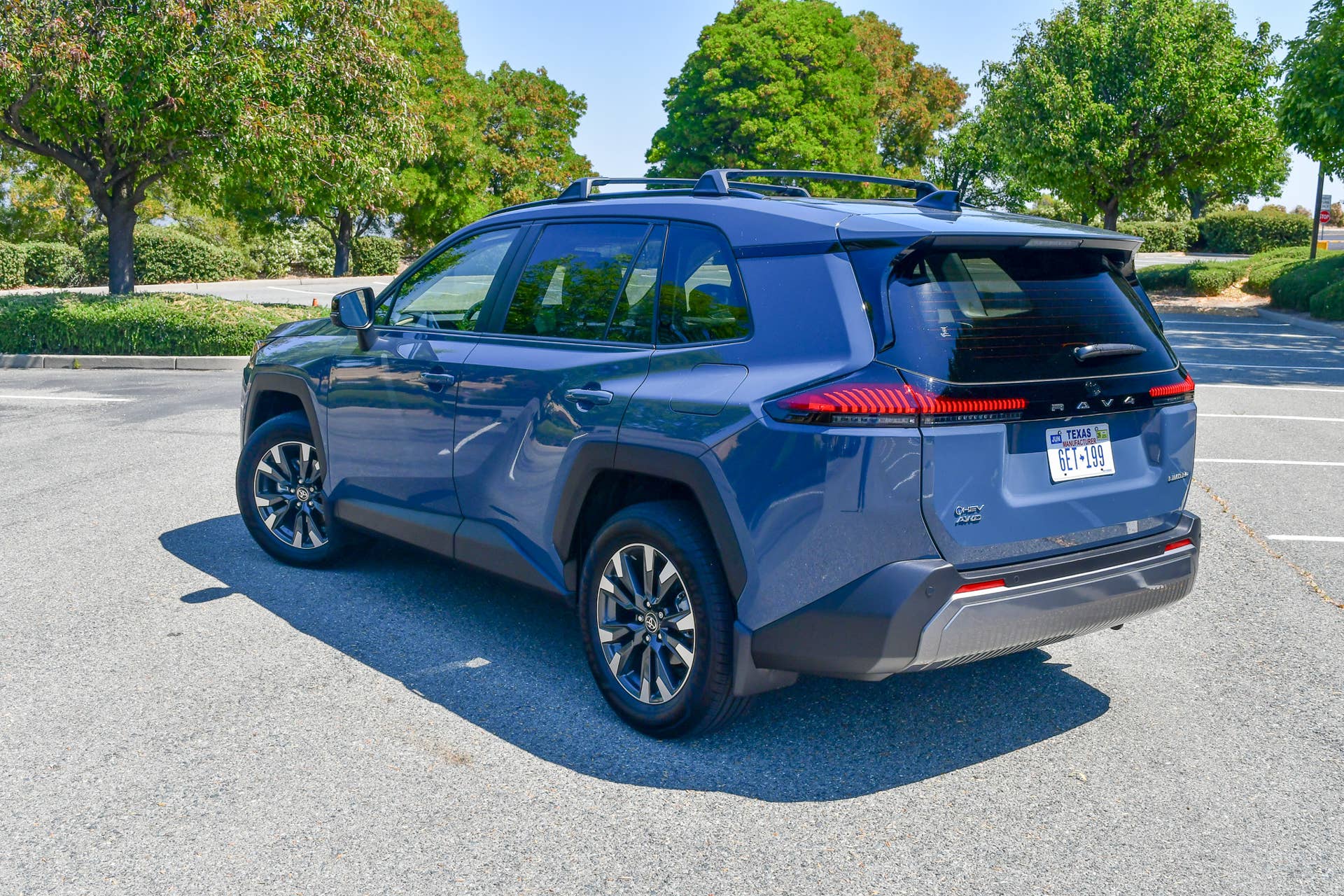
The RAV4’s approach varies by configuration, with all-wheel drive standard on some versions and optional on others. A properly equipped RAV4 with all-wheel drive is very capable, but a shopper has to make sure they are getting it, and the system is generally tuned to send power rearward only when slip is detected rather than being permanently engaged. For pure snow confidence, standard full-time traction is the better starting point.
Ground clearance and design
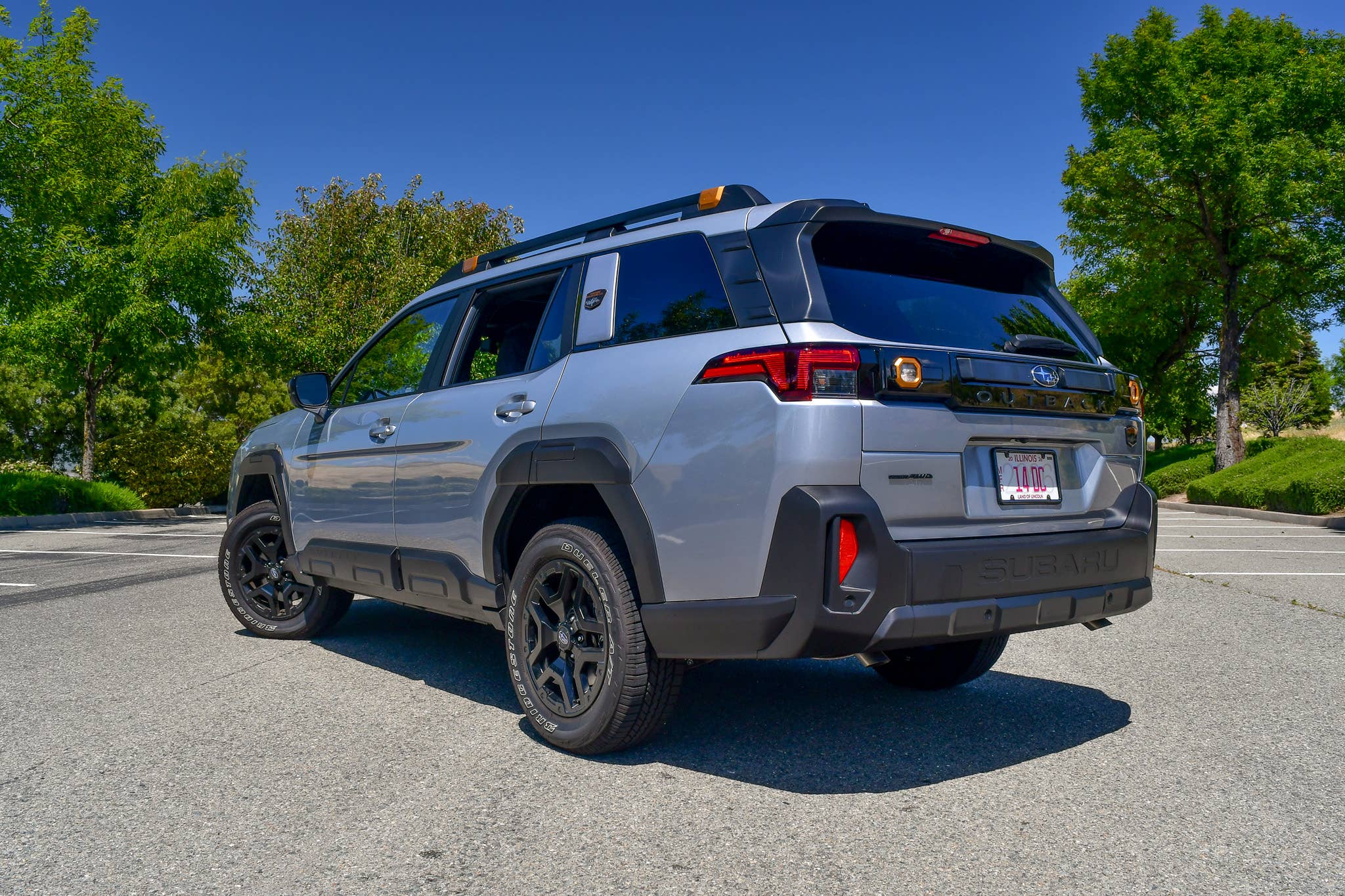
Physical design favors the Outback in deep snow. It offers about 8.7 inches of ground clearance in standard form, more than a typical RAV4, and the rugged Wilderness trim raises that further. That extra height helps it push through unplowed roads and deeper drifts without getting hung up.
Kristen Brown
The Outback also benefits from its boxer engine, which sits low and flat, giving the vehicle a lower center of gravity than a comparable crossover. That improves stability on slick surfaces and in crosswinds. The RAV4 carries its weight a little higher and offers slightly less clearance depending on trim, so while it is far from helpless, it does not have the same planted, hunkered-down feel in the worst conditions.
Kristen Brown
Winter hardware and traction
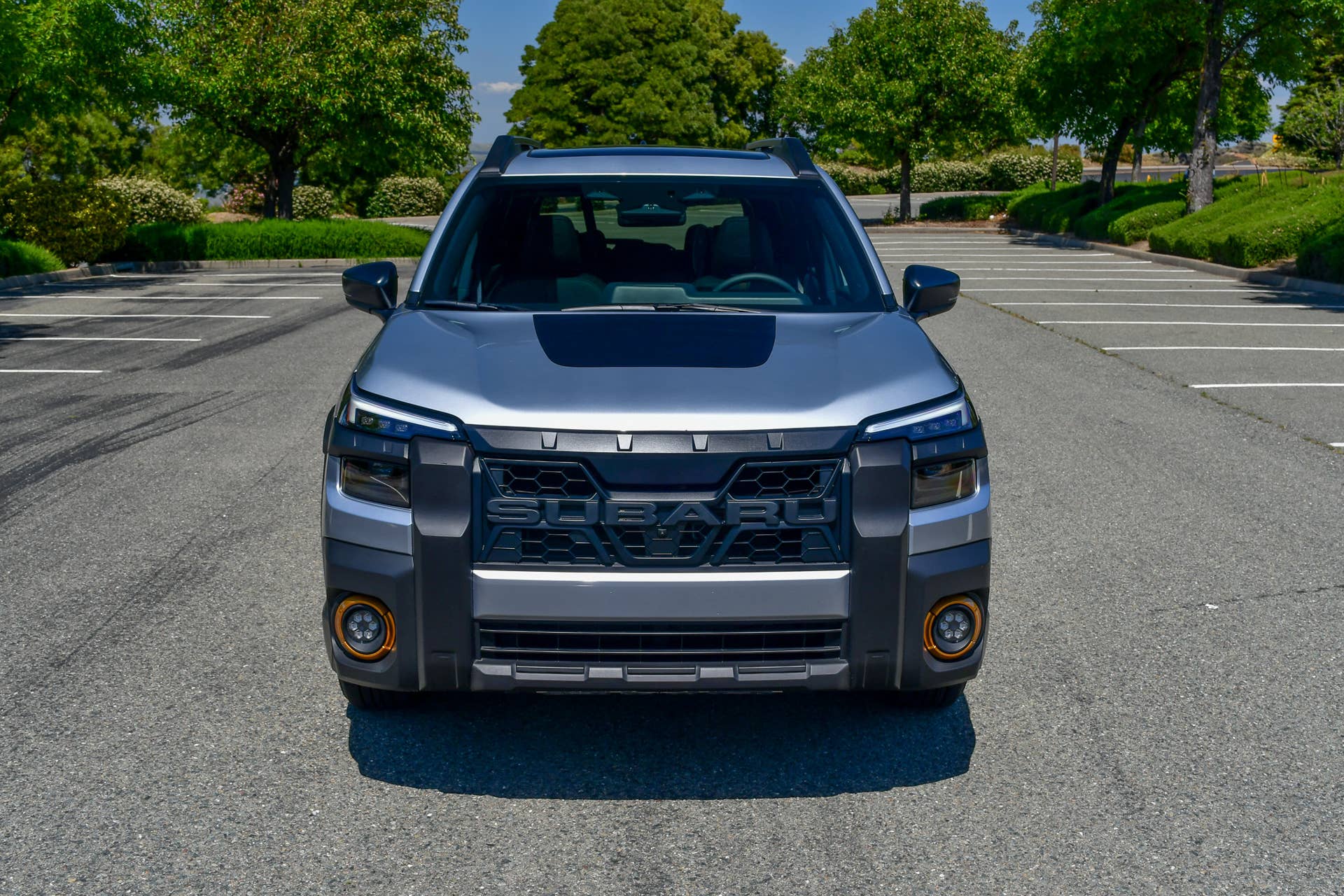
Both vehicles include electronic traction aids, but the Outback leans into winter with its X-Mode system, which optimizes the all-wheel drive, throttle, and braking for slippery surfaces and includes hill descent control for icy grades. Combined with standard all-wheel drive and generous clearance, it is a package clearly built with snow in mind.
Kristen Brown
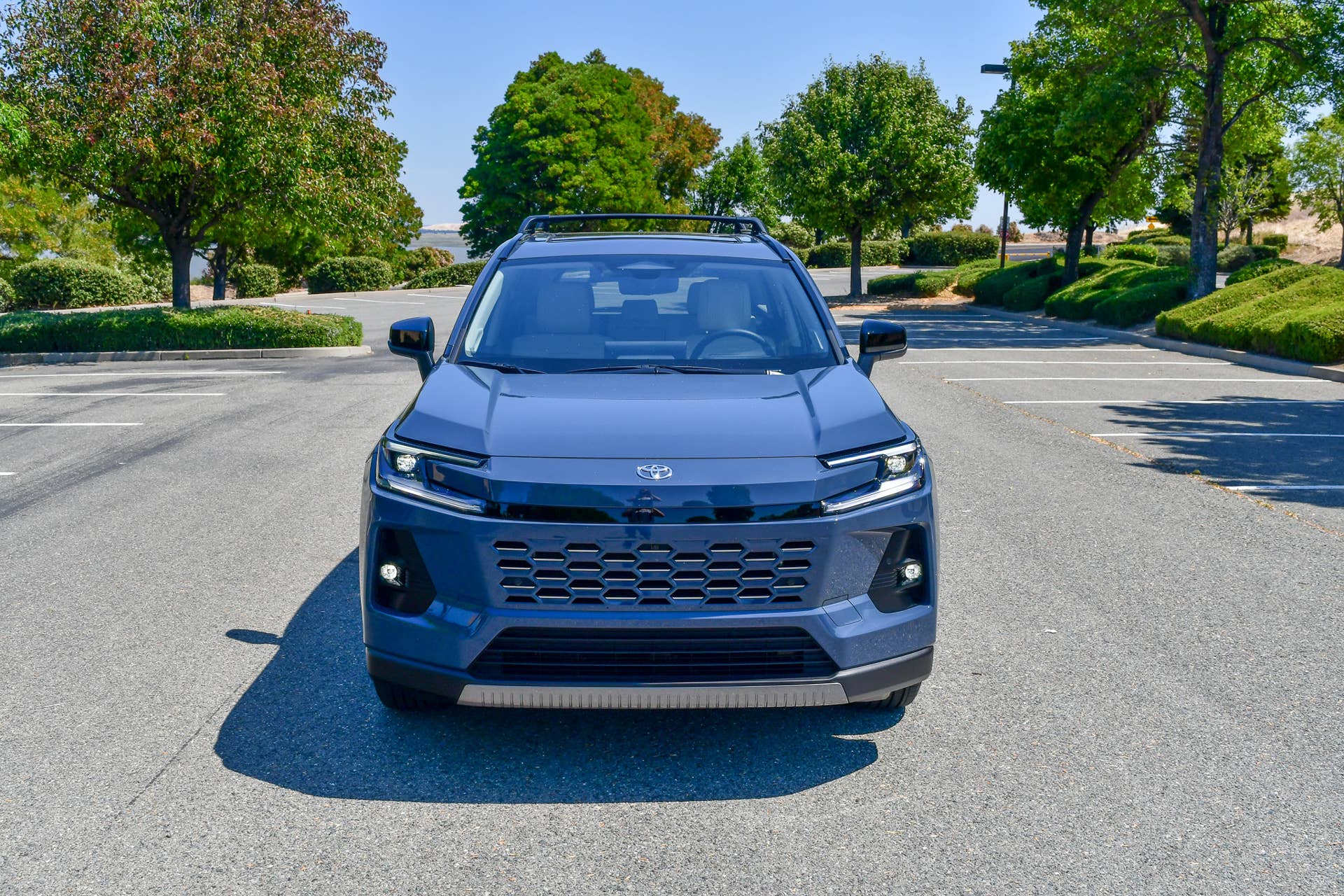
The RAV4 offers capable all-wheel-drive systems of its own, including more advanced setups on certain trims that can send torque to individual rear wheels, and the hybrid’s electric rear axle responds quickly to slip. In practice a well-equipped RAV4 will get through most winters without complaint. It simply asks the buyer to choose the right version, whereas the Outback arrives ready.
Kristen Brown
So which one handles snow better?
The Subaru Outback handles snow better. Standard symmetrical all-wheel drive, more ground clearance, a low center of gravity, and the X-Mode traction system add up to a vehicle engineered from the ground up for winter, and it shows when conditions get genuinely bad. The RAV4 is no slouch, and a buyer who selects all-wheel drive, especially in hybrid form with its responsive electric rear axle, will be well equipped for most snowy commutes.
About the author

Kyle Edward
Editor-in-Chief, Autoblog