

The old adage may not always be true anymore
When shopping for a car, there are a few different ways to pay for it. The most common way today is to finance it, which means obtaining a loan from the bank to pay for a majority of the car, which you then will have to pay back over a period of time. Another way to take a new car home, without technically purchasing it, is through leasing. Leasing enables you to effectively “rent” the car for a predetermined amount of time and for a lower monthly payment than you would have if it were financed.
However, the other popular way to buy a new or used car is with cold, hard cash. This means that you have saved up your pennies and dollars and are ready to plunk them all down for some solid sheetmetal and tires in the form of a car. However, it also usually means that you get a better deal from the dealership you’re buying from, since they will have all their money for the car up front, right? Not really. Here is why cash is not always “king” these days when it comes to buying a new or used car from a dealership.
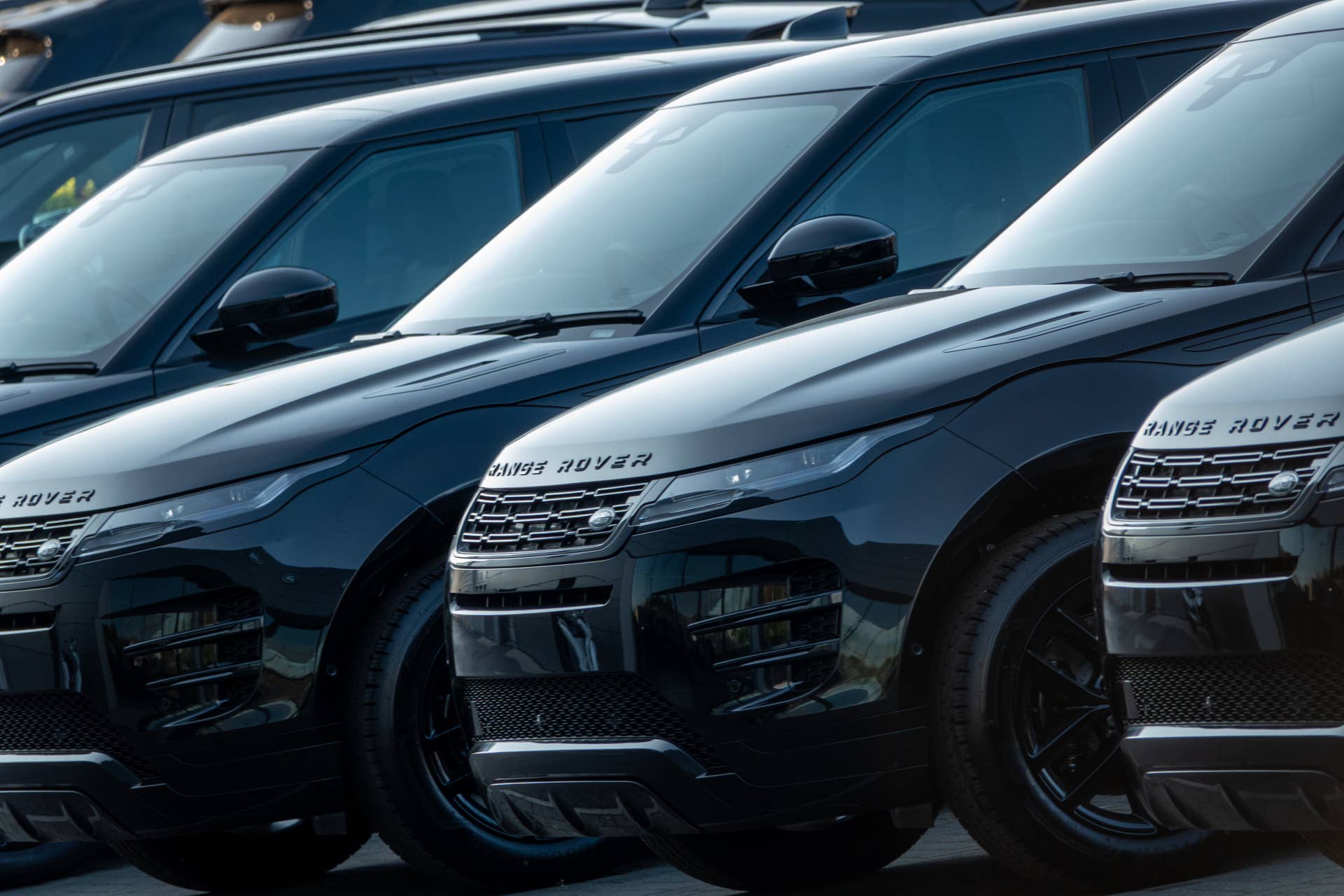
What does it mean to buy a car with cash?
You have likely heard the term “paying in cash,” but what does that really mean? On one hand, it does mean that you will use actual dollar bills to pay for a car, but on the other, it technically means that you’re paying for the full cost of the car upfront. That means that after you pay the dealer, you can walk away with the keys and the car’s title as the full legal owner. While most dealerships allow you to buy a car with actual cash, there are a few other ways to pay for the car without having to lug in a backpack full of greenbacks.
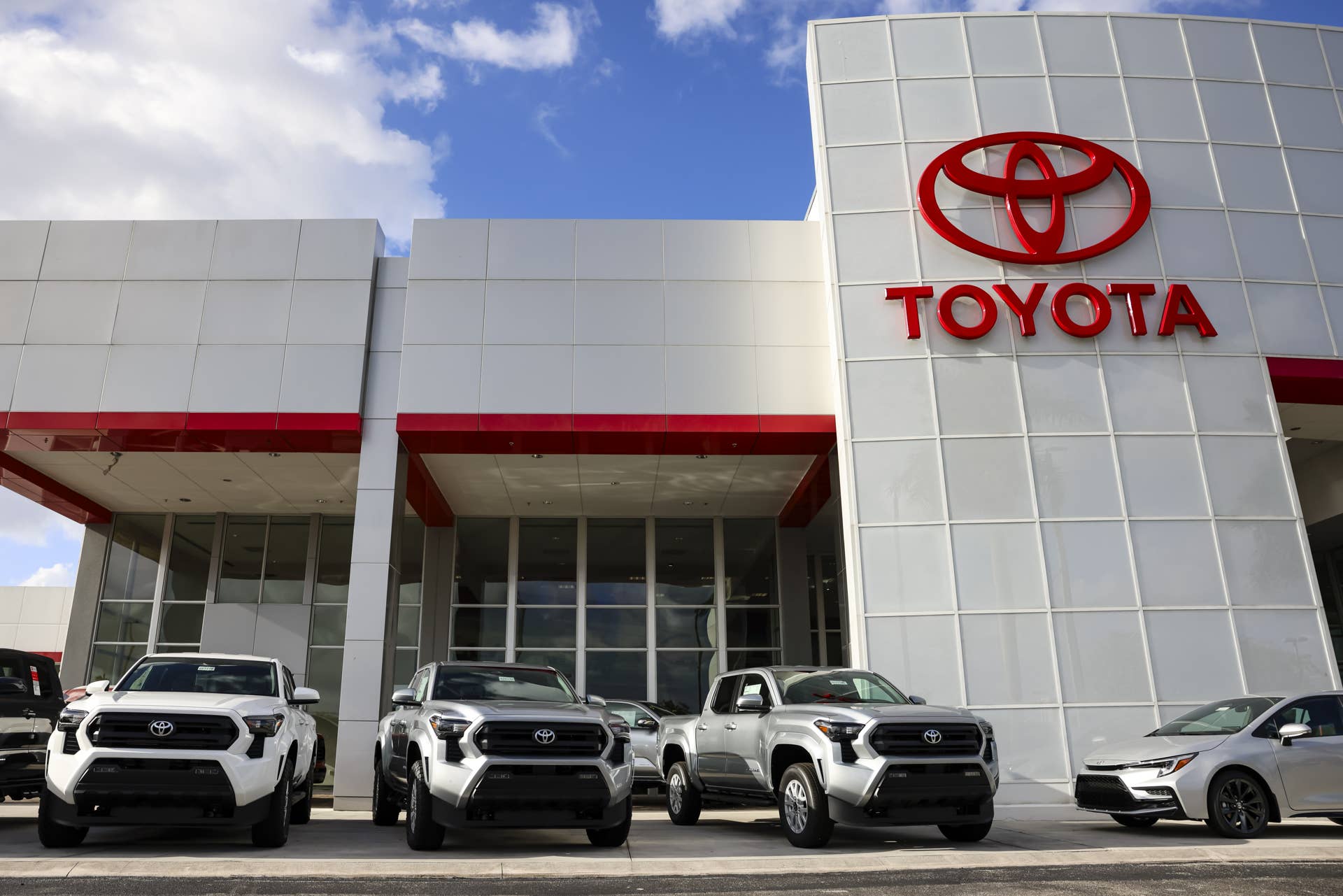
As such, you can expect that all dealerships will accept a cashier’s check from your bank, a personal check, or a wire transfer from your bank account. No matter which way you choose to pay for the car, there are benefits to paying upfront, including:
- You don’t have to pay interest on a loan or other lending fees
- You won’t be tempted to buy a more expensive car than you can afford.
- No monthly payment
- Some car dealerships will give you a discount on the car when paying cash, but this can vary between dealerships.
On that last point, while some dealerships might give you a discount for paying cash up front, that’s not always the case. Since there are other ways to take a car home, most dealerships would rather you not pay for the car, which makes cash the less favorable way to go.
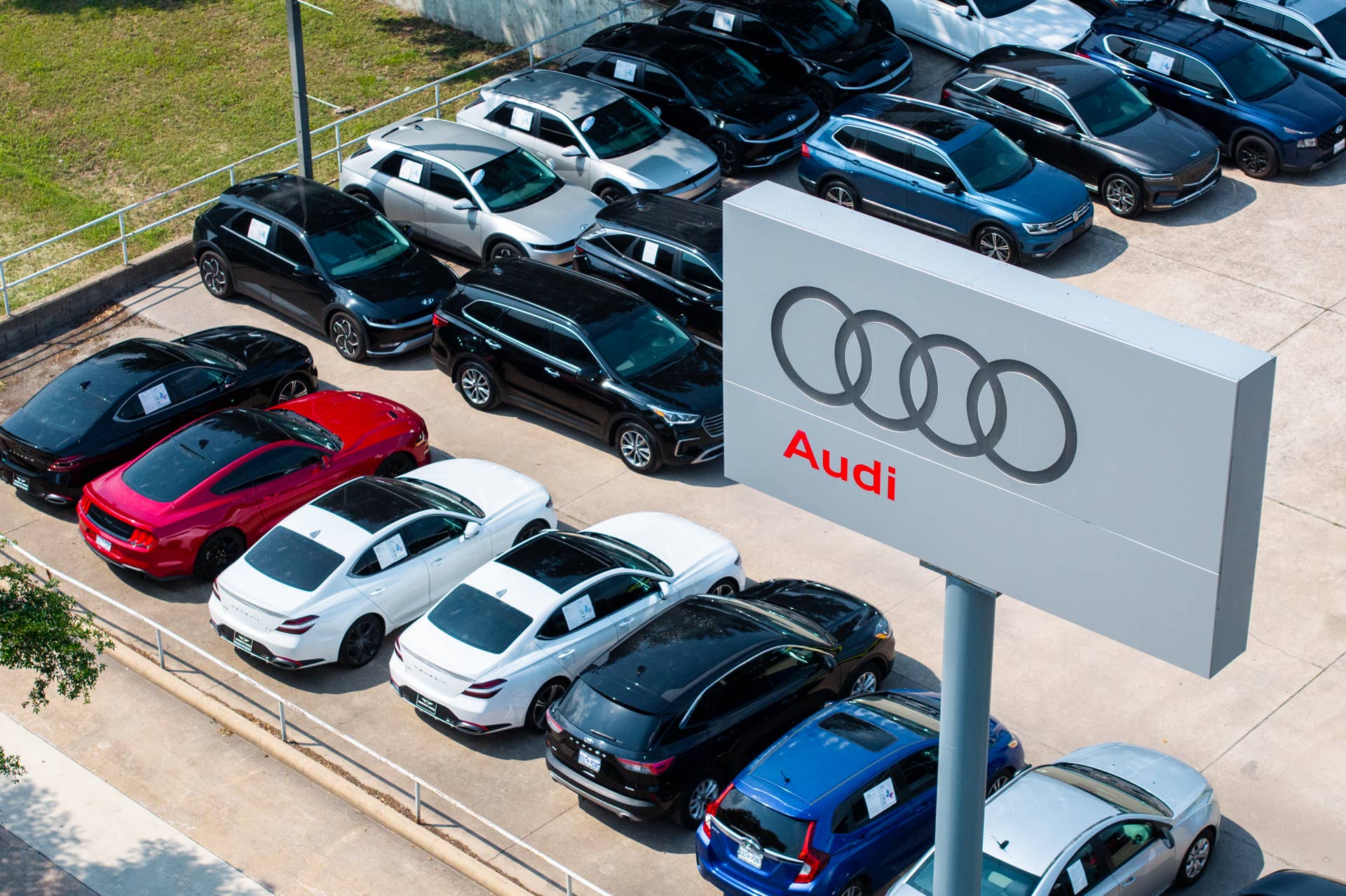
Brandon Bell/Getty Images
Why cash isn’t the best way to buy a car these days
The car-buying landscape has changed dramatically in the past few years. Nowadays, dealerships make a significant portion of their profits through financing car deals. This means that if you tell your salesperson that you’re paying cash, you might not get the best deal. Dealerships would rather you finance the car because they make more when you do. For example, manufacturers offer rebates and incentives specifically for financing through them, which can save you money and make the dealership some money in the process.
When you finance a car through the manufacturer’s lending arm (like Honda Financial, for instance), the dealership generally makes about one percent of the loan’s value, according to Kelley Blue Book. That means if you’re buying a $40,000 car, they would make around $400. Also, if you finance a car, you’re more likely to buy additional accessories and services since you can roll those extras into a loan. If you were paying cash, you likely wouldn’t opt for those goods or services.
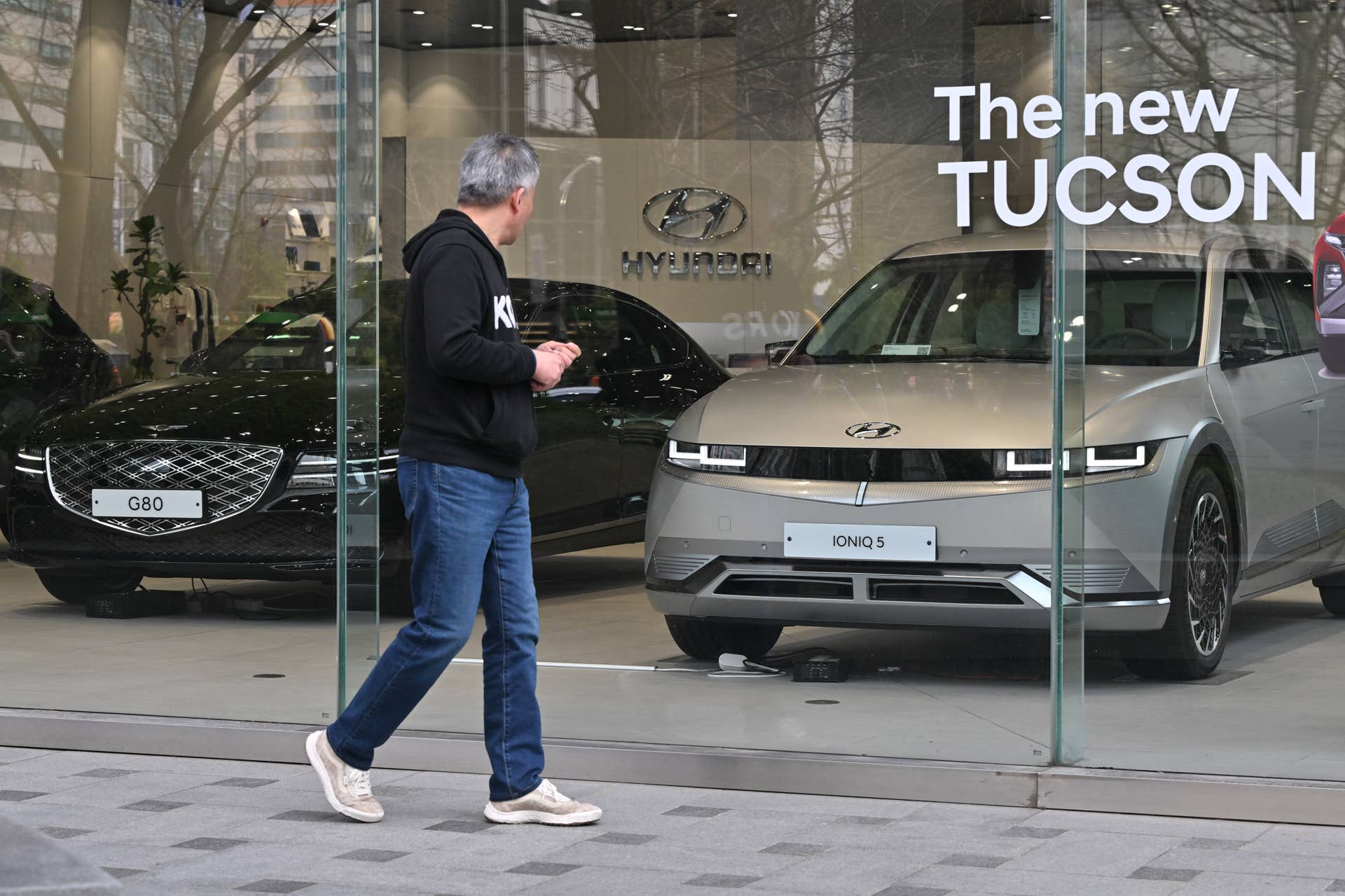
Does this mean you shouldn’t pay cash for a car?
Not necessarily. If you’re the type of shopper who likes to only spend what you can afford on a car, then do so. However, just know that there are disadvantages to it. Here are a few tips for when you buy a car with cash:
- Negotiate the best price you can before the salesperson knows that you’re paying cash. Also, only negotiate the “out the door” price, which is the cost of the car after all the taxes and fees.
- Buy a car that meets your needs and your budget so that you don’t hand over more money than you can afford.
- Consider the lease or financing deals that may come with the car. You may be leaving money on the table by not financing or leasing a car, so it doesn’t hurt to explore those options.
Additionally, if you were to take out a loan on a car, you could pay it off within a couple of months to negate any further monthly payments. That way, you can get the benefits of financing a car, like any discounts, without being tied to the loan for years.

FREDERIC J. BROWN/AFP via Getty Images
Final thoughts
Be sure to weigh your options when deciding whether you want to pay cash for a new or used car. Although the advantages of paying cash, like not having a monthly payment or paying interest, are clear, there are some disadvantages to it as well. Either way, it’s okay to explore your options as a buyer, even if it means having to take out a loan in the short term. After all, you don’t want to lose out on free money that the manufacturer may be offering when financing through them.