
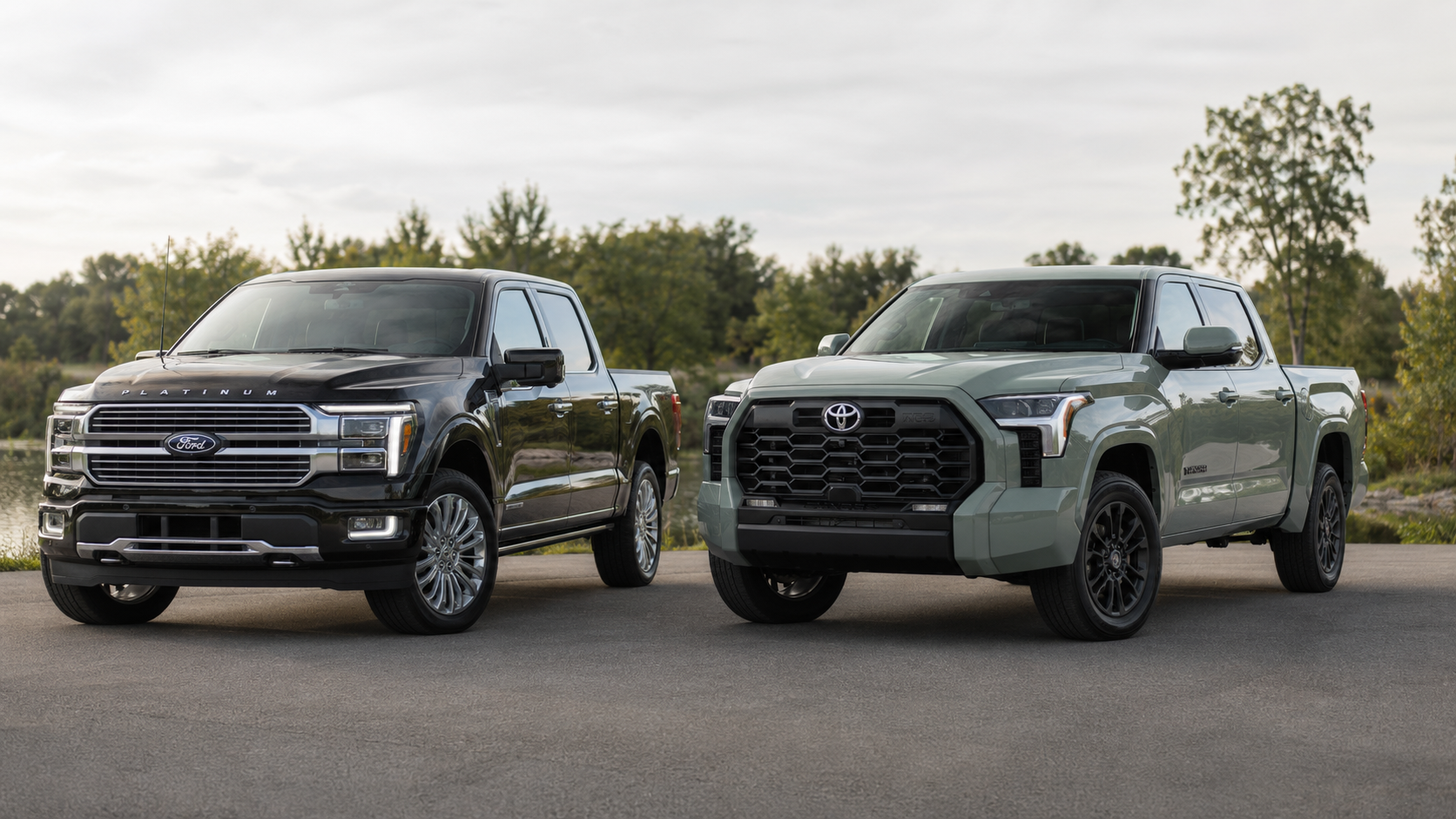
Full-size trucks are where brand loyalty runs deepest, and these two anchor the conversation. Ford’s F-150 is the best-selling vehicle in the country year after year, built to cover every job from work-site basics to six-figure off-road toys. Toyota’s Tundra is the challenger that trades on durability and resale, backed by a modern turbocharged and hybrid lineup. Both are genuinely capable, so an honest comparison comes down to which strengths match your work and your driveway.
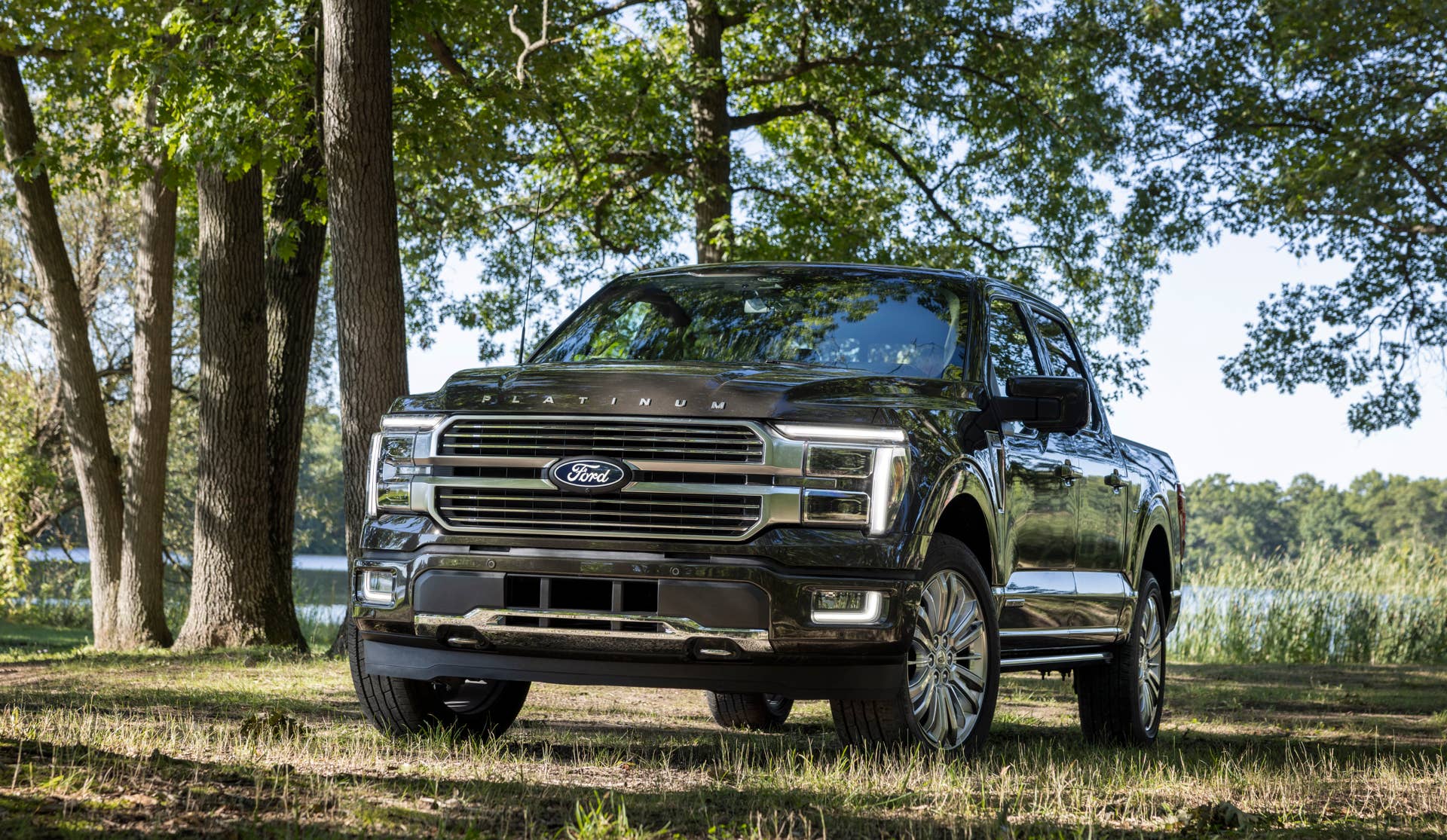
Ford
Neither is a bad truck, and both will haul, tow, and last. What separates them is breadth versus focus: Ford spreads its bets across engines, configurations, and features, while Toyota keeps things simpler and leans on the ownership math. Here is how they compare where it counts.
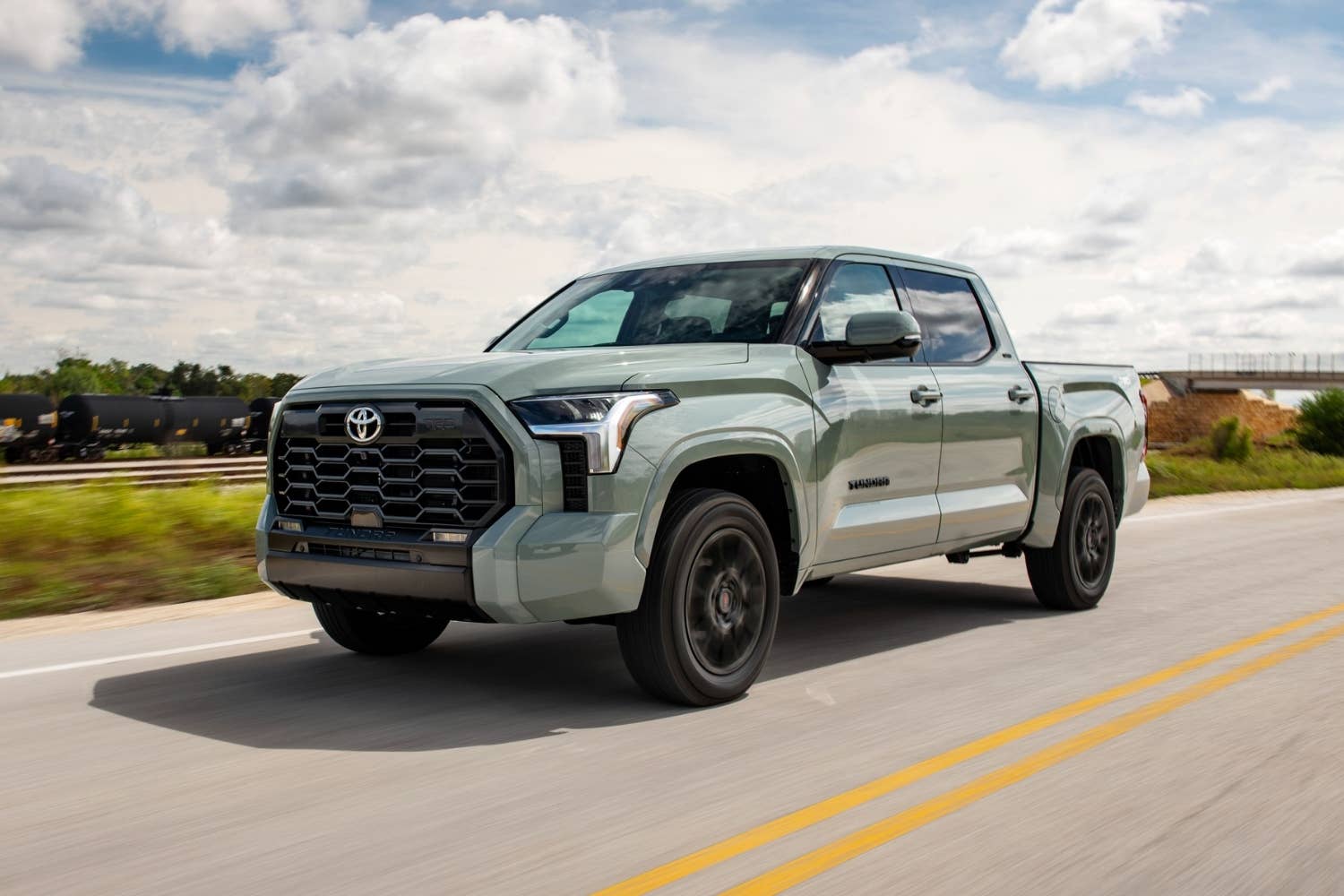
Toyota
Specs and pricing
| Specification | Ford F-150 | Toyota Tundra |
|---|---|---|
| Starting price | About $39,300 (XL) | About $43,000 (SR) |
| Top trim price | Over $110,000 (Raptor R) | About $81,000 (Capstone) |
| Engines | 2.7L and 3.5L turbo V6, 5.0L V8, hybrid, supercharged V8 | 3.4L twin-turbo V6, hybrid |
| Max power | Up to 720 hp (Raptor R) | Up to 437 hp (i-FORCE MAX) |
| Max torque | Up to 640 lb.ft | Up to 583 lb.ft |
| Max towing | About 13,500 lb | About 12,000 lb |
| Max payload | About 2,440 lb | About 1,940 lb |
| Fuel economy | Up to about 24 mpg (hybrid) | Up to about 20 mpg (hybrid) |
| Bed material | Steel | Composite |
Pricing tells part of the story. A base Ford F-150 XL starts around $39,300, undercutting a Toyota Tundra SR that starts near $43,000, and Ford also offers a wider spread of cabs and beds at the affordable end for true work-truck buyers. At the top, the F-150 climbs far higher, past $110,000 for the supercharged Raptor R, while the plush Tundra Capstone tops out around $81,000. Ford simply offers more ways to spend, from bare-bones to bonkers.
Powertrains and performance
Ford’s engine menu is the deepest in the class. The F-150 offers a 2.7-liter turbo V6, a 5.0-liter V8, a stronger 3.5-liter twin-turbo V6 making 400 horsepower, a PowerBoost hybrid rated around 430 horsepower with useful electric-assisted torque, and the supercharged Raptor R at the extreme end. That variety lets buyers match an engine precisely to their needs, and the PowerBoost hybrid delivers the best real-world economy of any full-size gas truck.
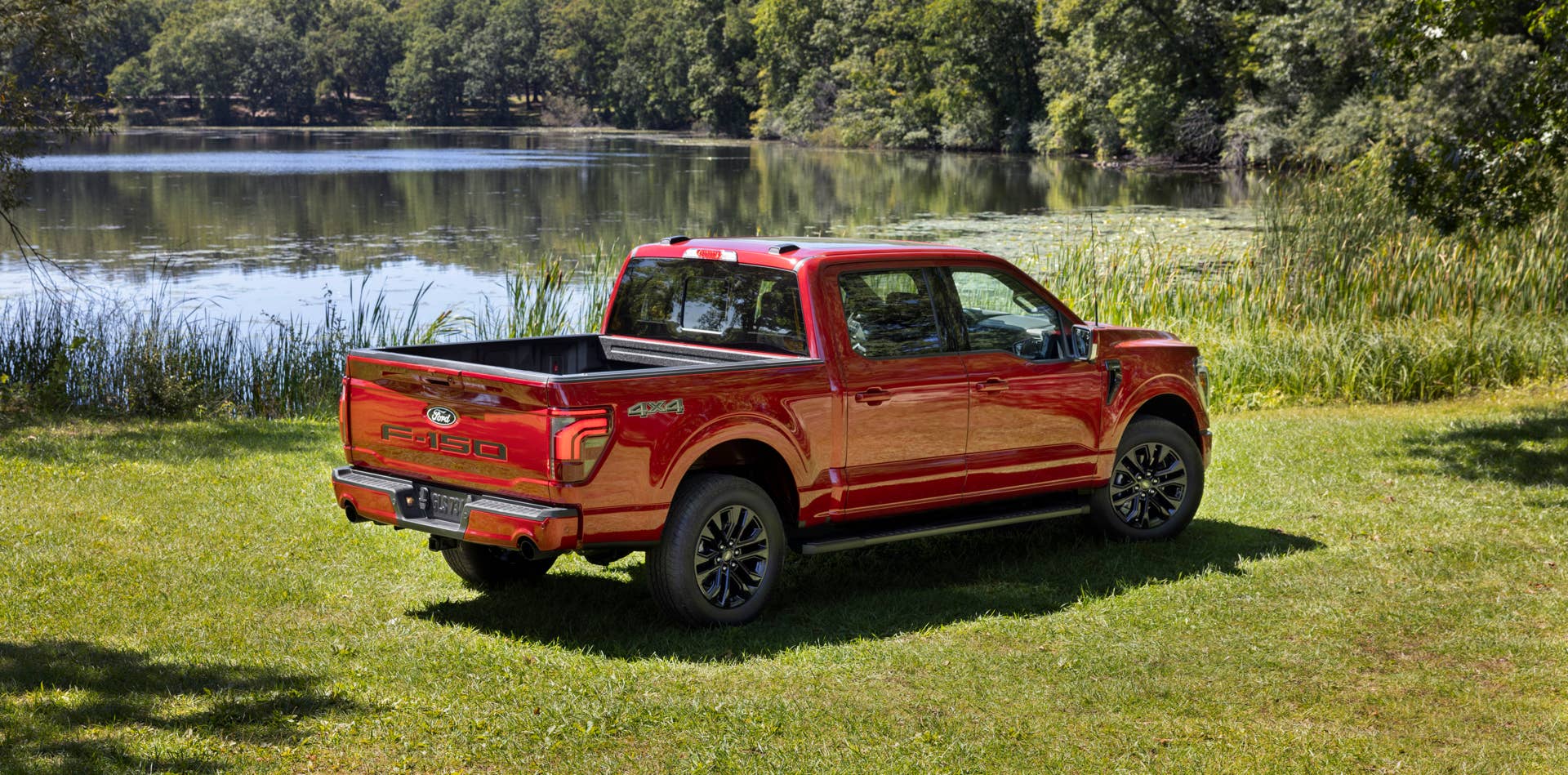
Ford
Toyota keeps it simpler and boostier. The Tundra drops V8s entirely in favor of a 3.4-liter twin-turbo V6, the i-FORCE, making up to 389 horsepower, and an i-FORCE MAX hybrid that pushes 437 horsepower and a stout 583 lb.ft of torque. That hybrid grunt is excellent for towing, though its fuel economy leans more toward performance than savings. Buyers who miss the rumble of a V8 will not find one here, which remains a sticking point for some traditionalists.
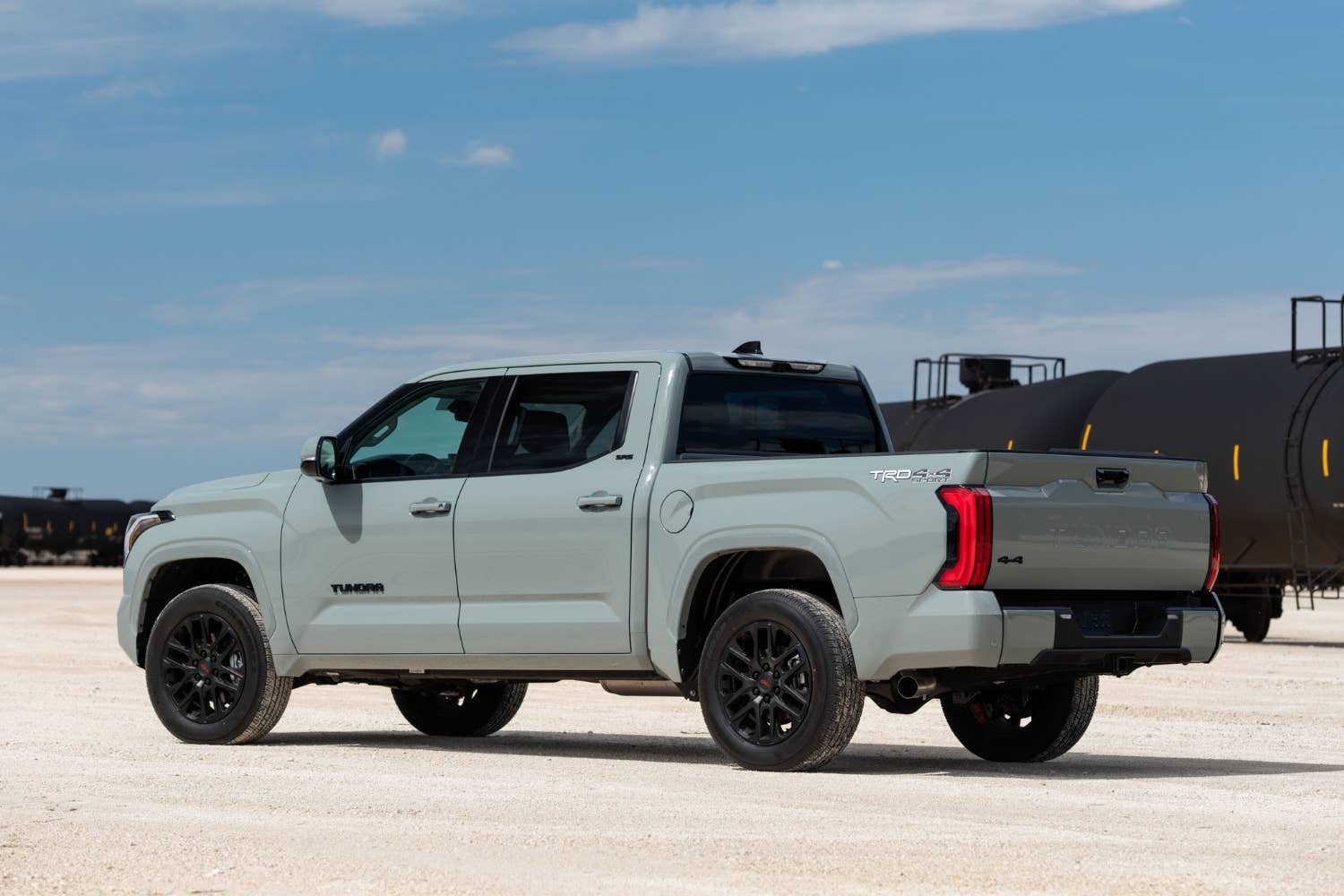
Toyota
Towing and capability
Ford holds the capability edge on paper. Properly equipped, the F-150 tows up to around 13,500 pounds and carries a higher maximum payload near 2,440 pounds, both class-leading figures that give it real headroom for heavy trailers and loaded beds. Ford also piles on work-focused technology, including Pro Power Onboard, which turns the truck into a mobile generator, as well as trailer backup assist and onboard scales that estimate payload.
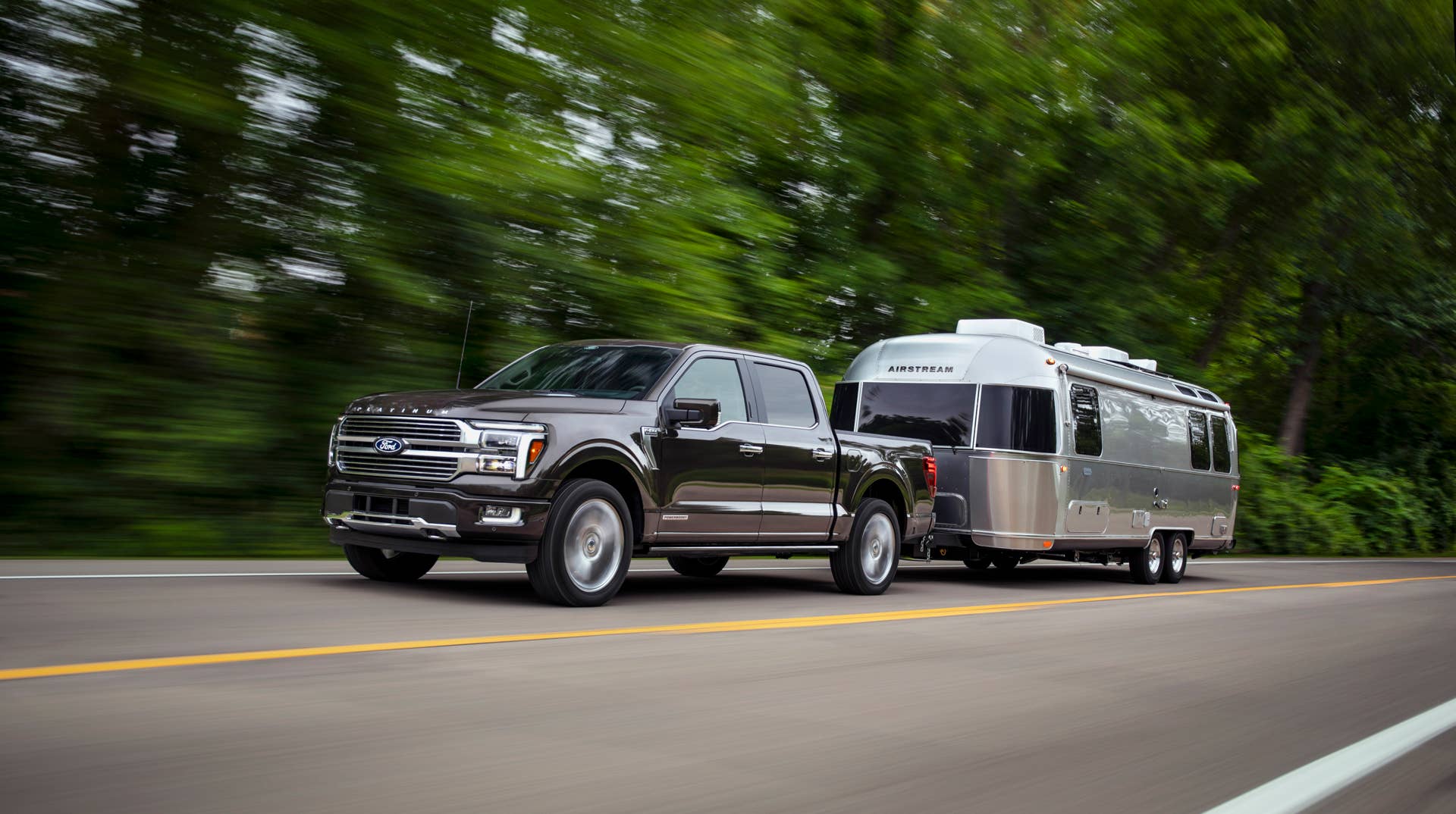
Ford
Toyota’s Tundra is no slouch, towing up to about 12,000 pounds, and it counters with durability arguments. Its composite bed resists dents and rust better than a steel bed can, and its coil-spring rear suspension gives it a smoother ride than the leaf-sprung Ford, both empty and loaded. For buyers who value how a truck feels day to day over the last thousand pounds of capacity, that ride quality matters.

Toyota
Interior, technology, and space
Both trucks offer spacious crew cabs, but the F-150 edges ahead on rear-seat room and sheer configurability, and its available BlueCruise hands-free driving system works on compatible highways and even while towing. Ford’s cabin ranges from a rubber-floored work truck to a leather-lined Platinum, so the interior you get depends heavily on your budget.
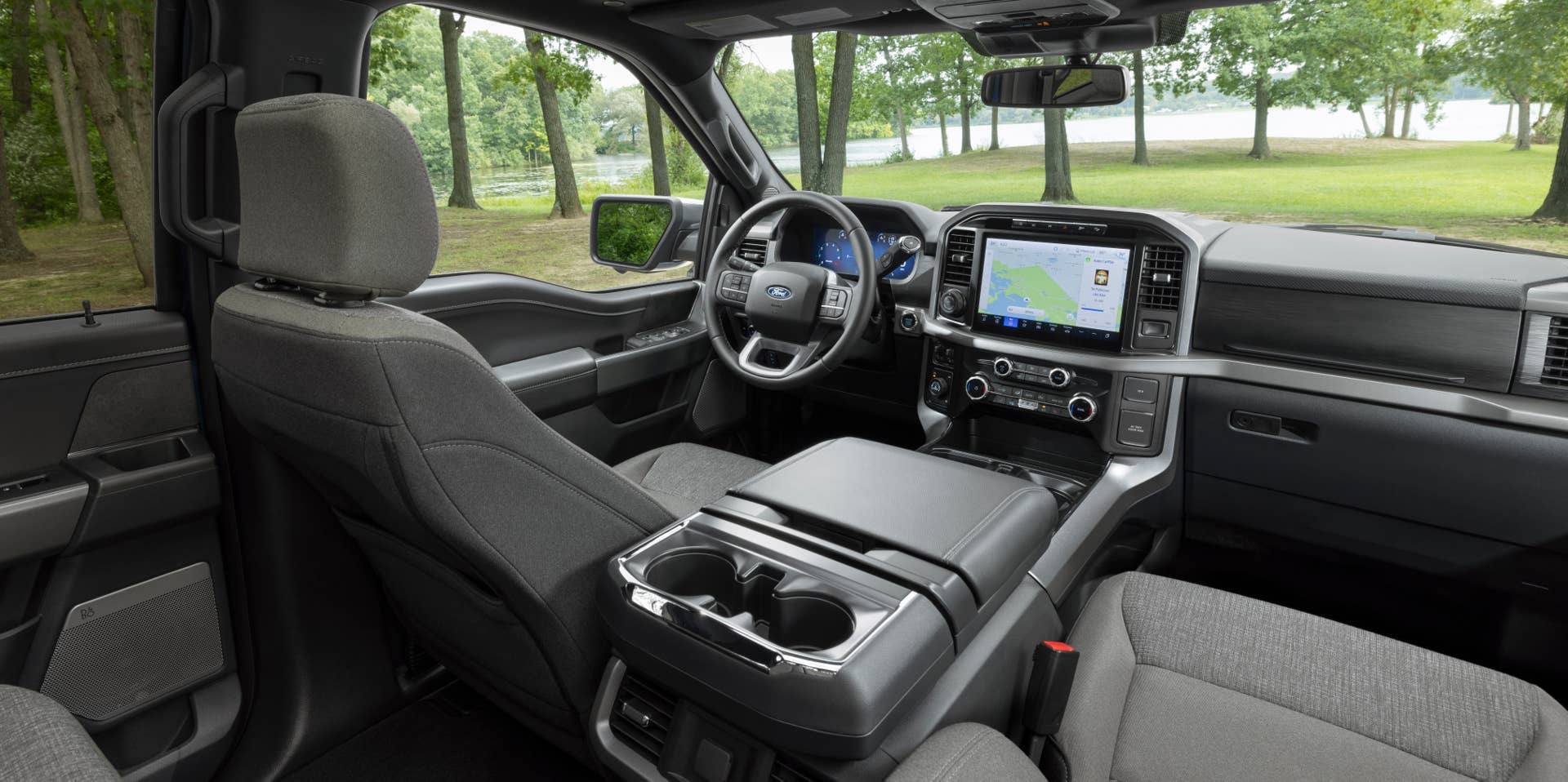
Ford
Toyota builds the Tundra to a consistently solid standard, with a large available 14-inch touchscreen and a well-assembled cabin that feels modern and durable. Materials on upper trims like Platinum and Capstone are genuinely upscale. Ford offers a wider range and a stronger hands-free tech story, but the Tundra’s interior rarely feels like a compromise.
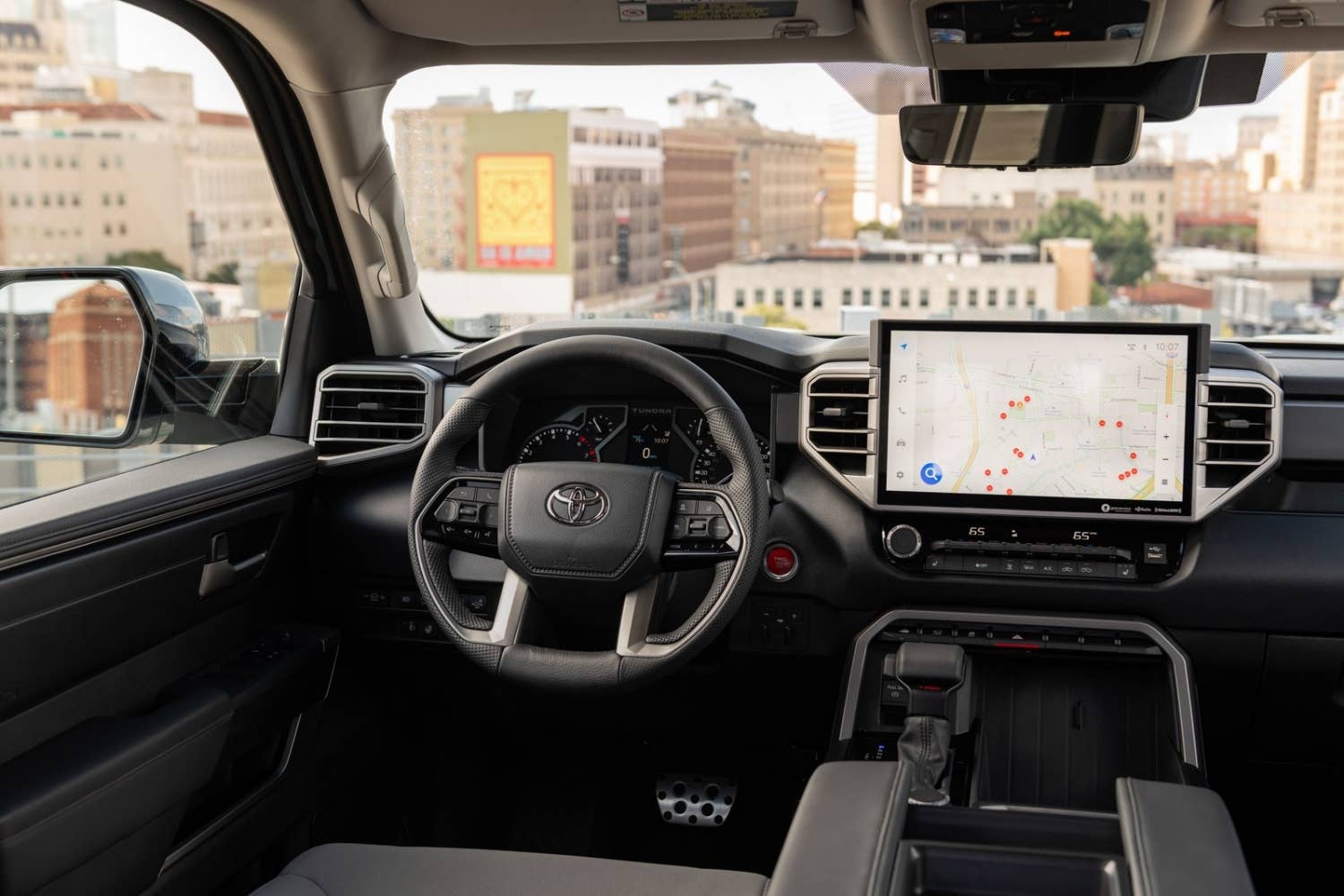
Toyota
Value, safety, and ownership
This is where Toyota fights hardest. The Tundra wins its class for resale value, and Toyota’s reputation for longevity is a powerful draw for buyers who keep trucks a long time, even as some owners have flagged reliability concerns on the newest turbocharged models. Strong resale can erase a chunk of the higher purchase price over years of ownership.

Toyota
Ford answers with a lower entry price, more configurations, better real-world hybrid efficiency, and a deeper feature set that makes daily ownership easier. Both trucks carry comprehensive standard driver-assistance technology and perform respectably in crash testing. Ford’s resale is merely average for the segment, a trade-off for all that breadth and volume.
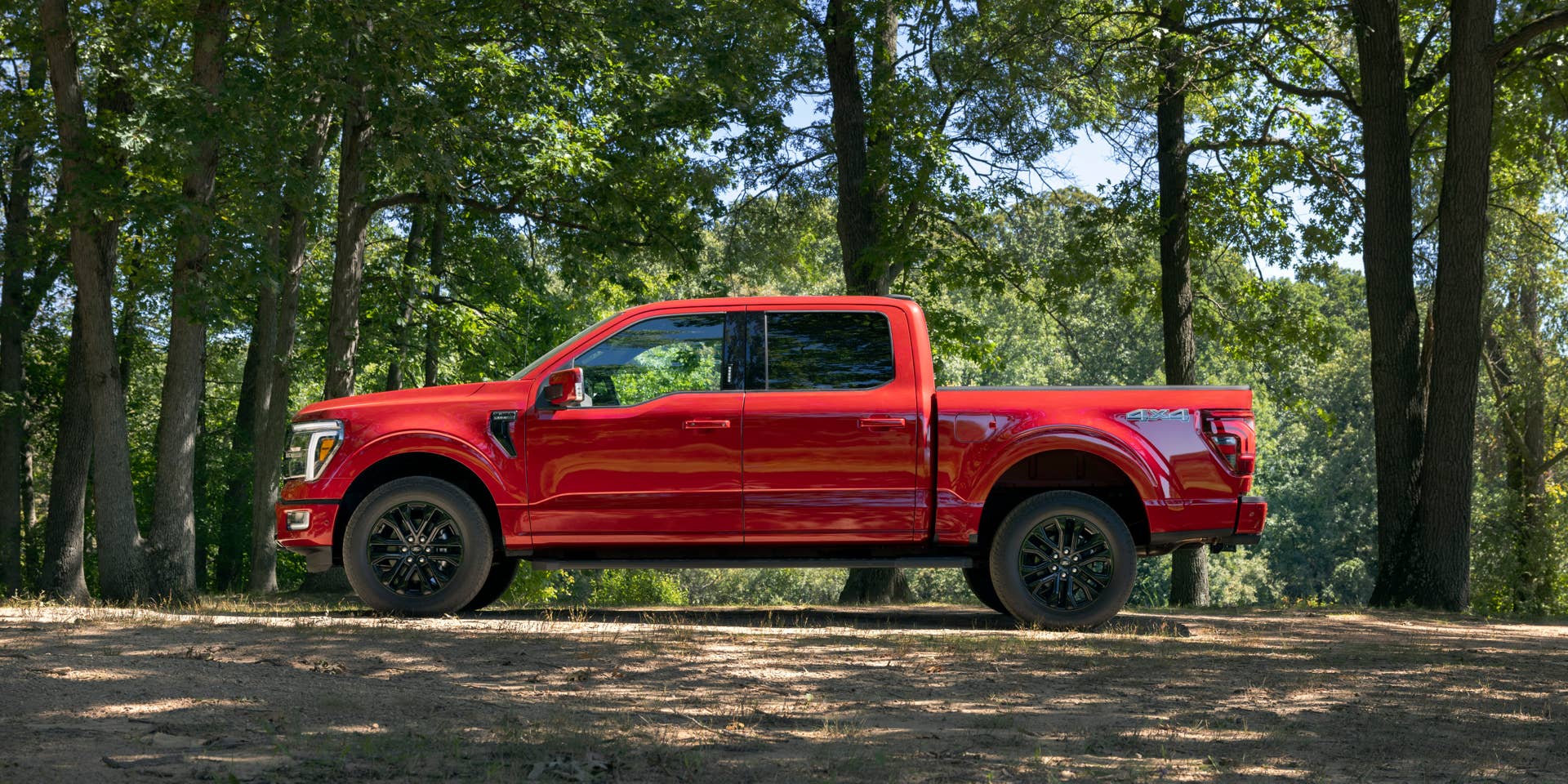
Ford
The honest verdict
Honestly, the Ford F-150 is the more complete truck for most buyers. Its engine variety, class-leading towing and payload, better real-world hybrid economy, roomier cab, and deeper technology make it the more flexible choice across the widest range of needs, from job site to family duty to weekend towing. It is the default for good reason.
Toyota’s Tundra is the honest pick for a narrower but real group: buyers who prize resale value, want strong hybrid torque for towing, or love the durability of its composite bed and Toyota’s long-haul reputation. It gives up some capability and efficiency to the Ford, and it costs more to start, but it rewards owners who hold onto their trucks. Our honest advice: if you want maximum capability, choice, and value up front, buy the F-150; if you want the truck that gives the most back at trade-in time, the Tundra makes the stronger case.
About the author

Kyle Edward
Editor-in-Chief, Autoblog