
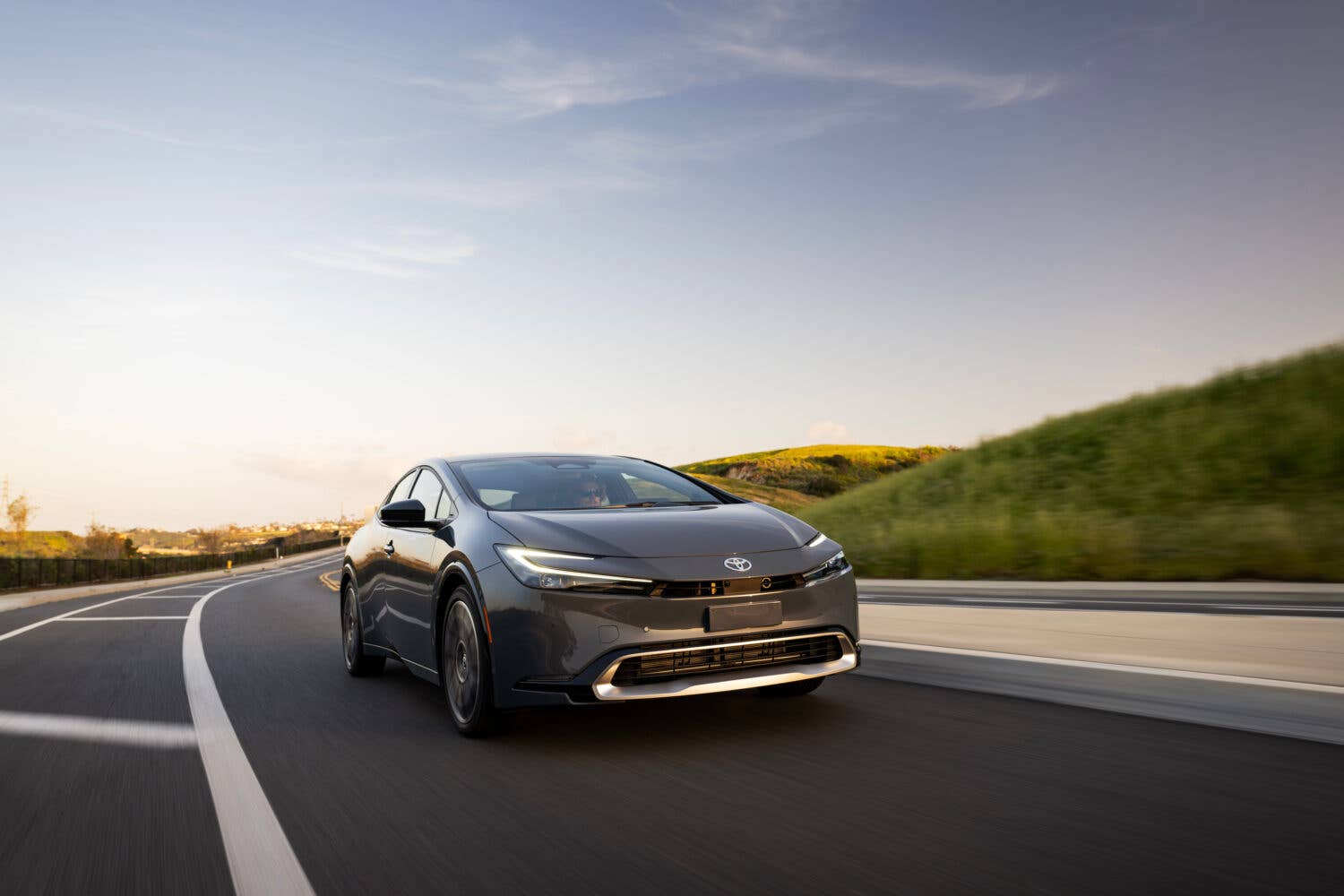
Take the third-gen Prius with a plug home for less in August
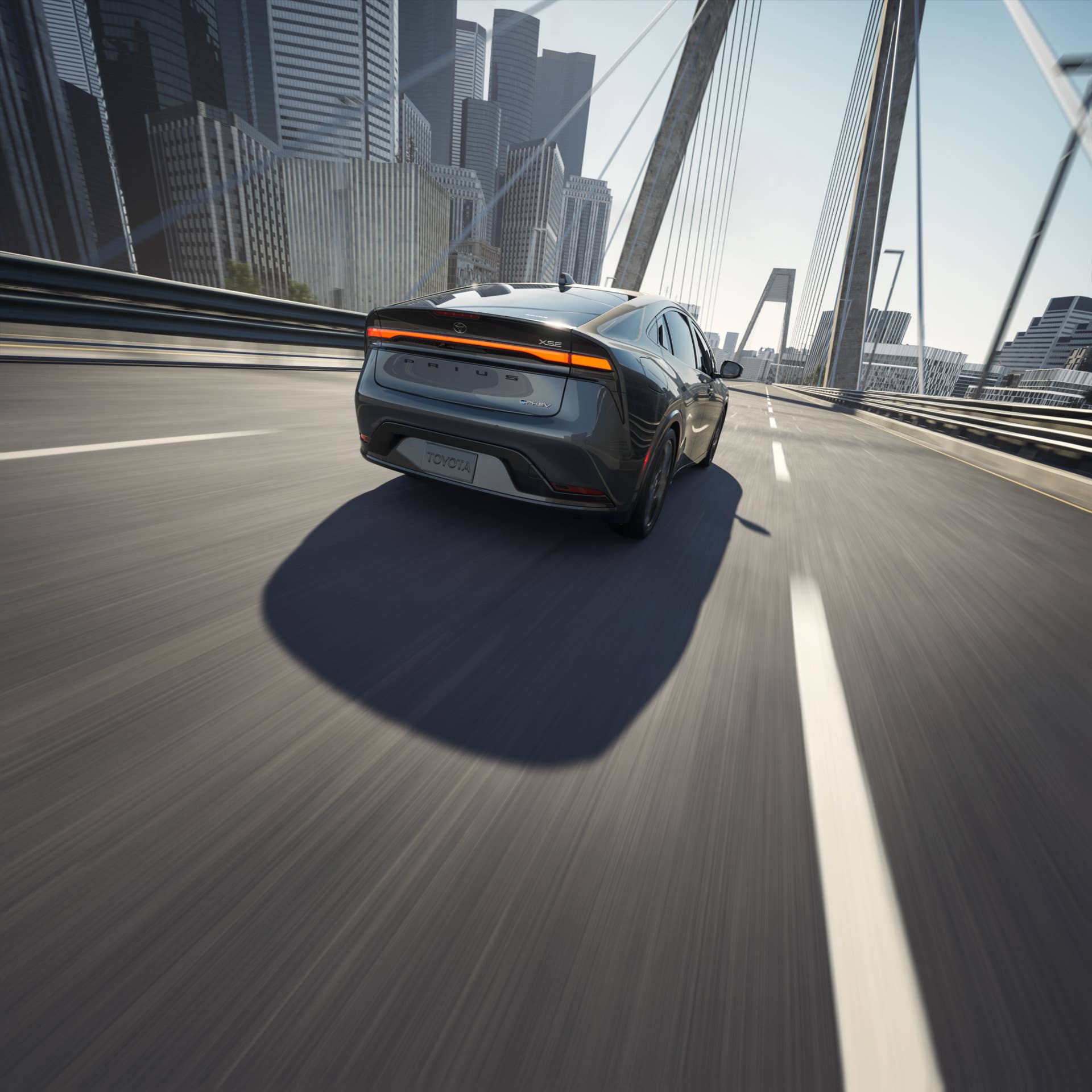
The Prius has always been about efficiency, but none more so than the plug-in hybrid variant. Its debut trailed the original Prius by over a decade, but today, the two models peacefully coexist. In more current news, you can lease a 2025 Prius Plug-In Hybrid in August for as low as $179 per month in some markets, including the greater New York metro and Northeast. The lease term is 36 months, allows 10,000 miles per year, and requires $3,999 due at signing. Don’t fret if you aren’t in those markets: a similar deal is available for other regions, including the Southwest states like Arizona and New Mexico. That one is advertised as $269 per month and includes 12,000 miles per year, requiring just $2,999 down.
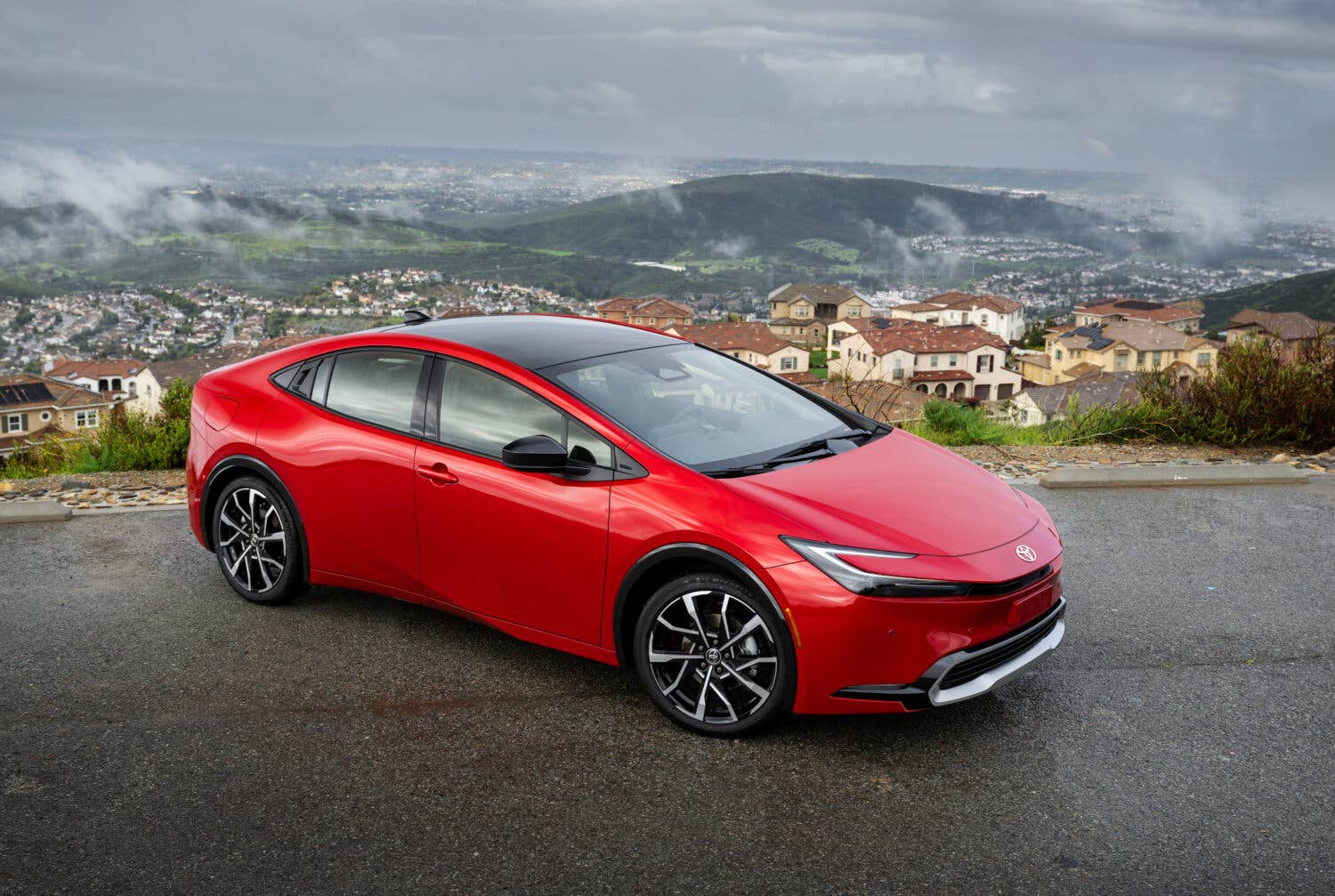
Prefer $0 down on your Prius Plug-In Hybrid lease?
With such a small payment, it’s tempting to absorb the cost of the down payment into the monthly payment and save yourself some cash upfront. Doing so gets us a basic idea of what a zero-money-down lease might look like on a Toyota Prius Plug-In Hybrid in August. On the original $179 per month lease deal, spreading the $3,999 due at signing across the 36-month term results in a new payment of $290 per month. For the second deal we mentioned, spreading the $2,999 due at signing across the same term gets us to $352 per month. Neither of these payments is an official $0 down quote, and all of these figures exclude taxes, fees, and any other charges that may be imposed. For the most accurate quote, enter your zip code on the Toyota website, where you’ll find the most current Prius Plug-In Hybrid deals and incentives.
Why choose the Toyota Prius Plug-In Hybrid?
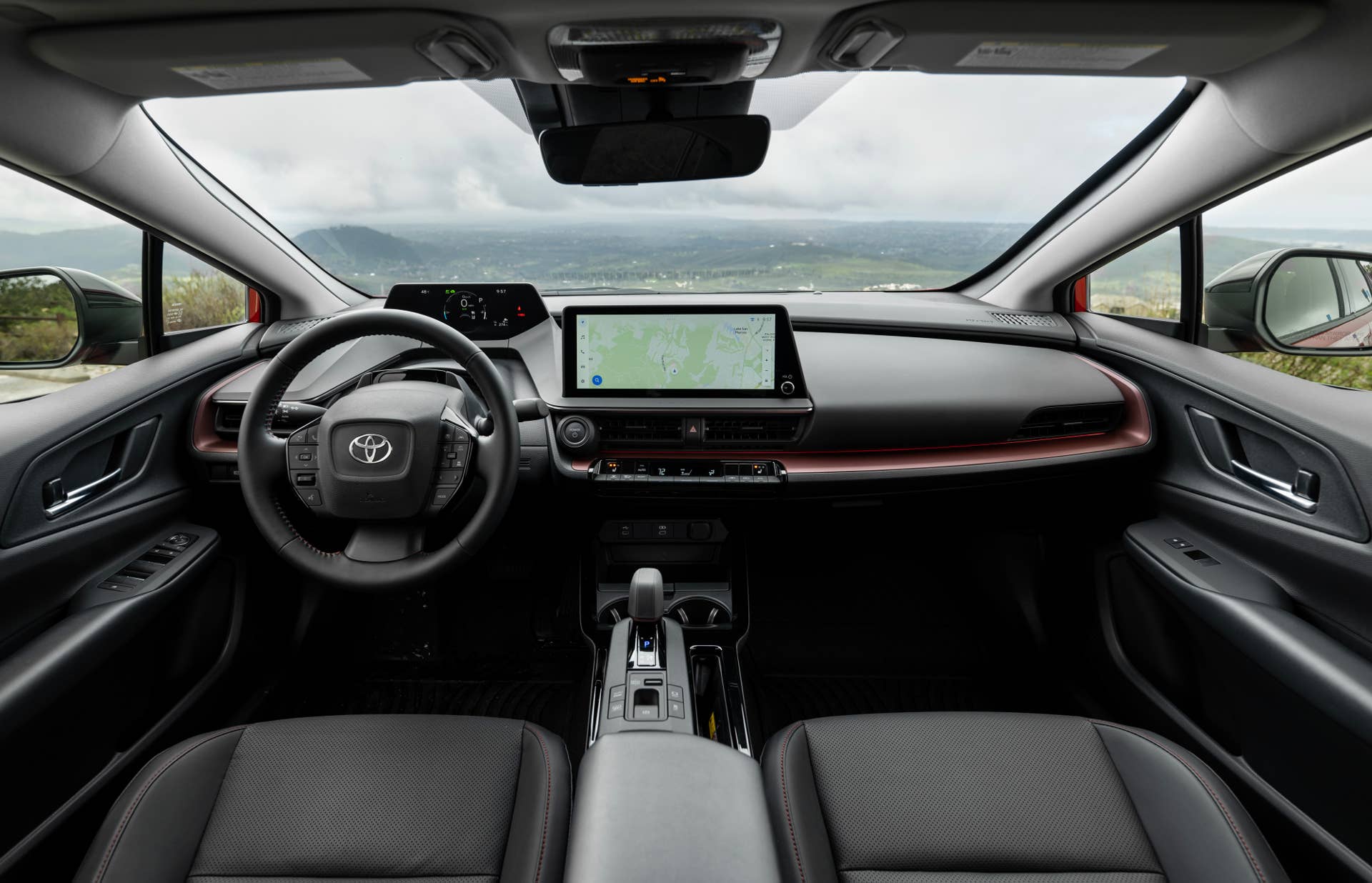
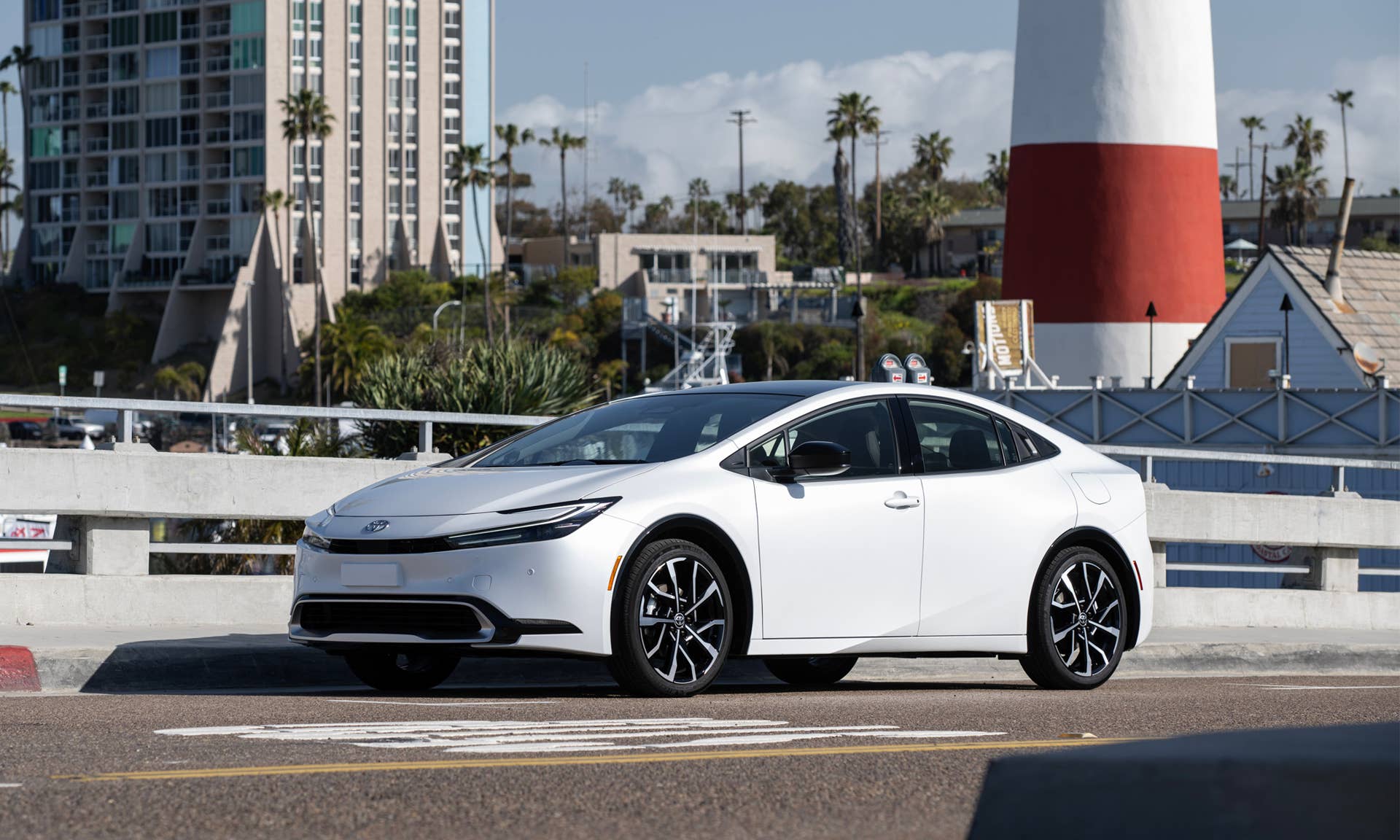
There are a lot of good reasons to choose the Prius Plug-In Hybrid beyond its exemplary fuel economy. However, we’ll start there — the combined fuel economy for the Prius Plug-In Hybrid is 52 mpg and 127 MPGe, which makes it almost as efficient as the regular Prius even without charging it up. An added bonus is 220 horsepower, 60 more than the standard non-PHEV variant. The car’s also shockingly stylish, coming standard with handsome 17-inch wheels, LED daytime running lights, and a sloping fastback design that still offers good cargo space (26.7 cubic feet when the 60/40 split-folding rear seats are down). Tying it all together is good standard technology. The Prius Plug-In Hybrid comes with wireless Apple CarPlay and Android Auto, Blind Spot Monitoring and other driver aids, and an 8.0-inch touchscreen display.
Final thoughts
If your budget is tight and you have even remotely plausible access to a charging station, there is very likely no better vehicle for you than the Prius Plug-In Hybrid. A lease payment under $300 is unusual these days, so anything under that immediately deserves consideration. We give this August lease deal two thumbs up and encourage you to make moves now if you’re considering the Prius Plug-In Hybrid.
*Disclaimer: This article is provided for informational purposes only. The information presented herein is based on manufacturer-provided lease offer information, which is subject to frequent change and may vary based on location, creditworthiness, and other factors. We are not a party to any lease agreements and assume no liability for the terms, conditions, availability, or accuracy of any lease offers mentioned. All terms, including but not limited to pricing, mileage allowances, and residual values, require direct verification with an authorized local OEM dealership. This article does not constitute financial advice or an endorsement of any particular lease or vehicle.
About the author

Steven Paul
Contributing Writer, Autoblog