
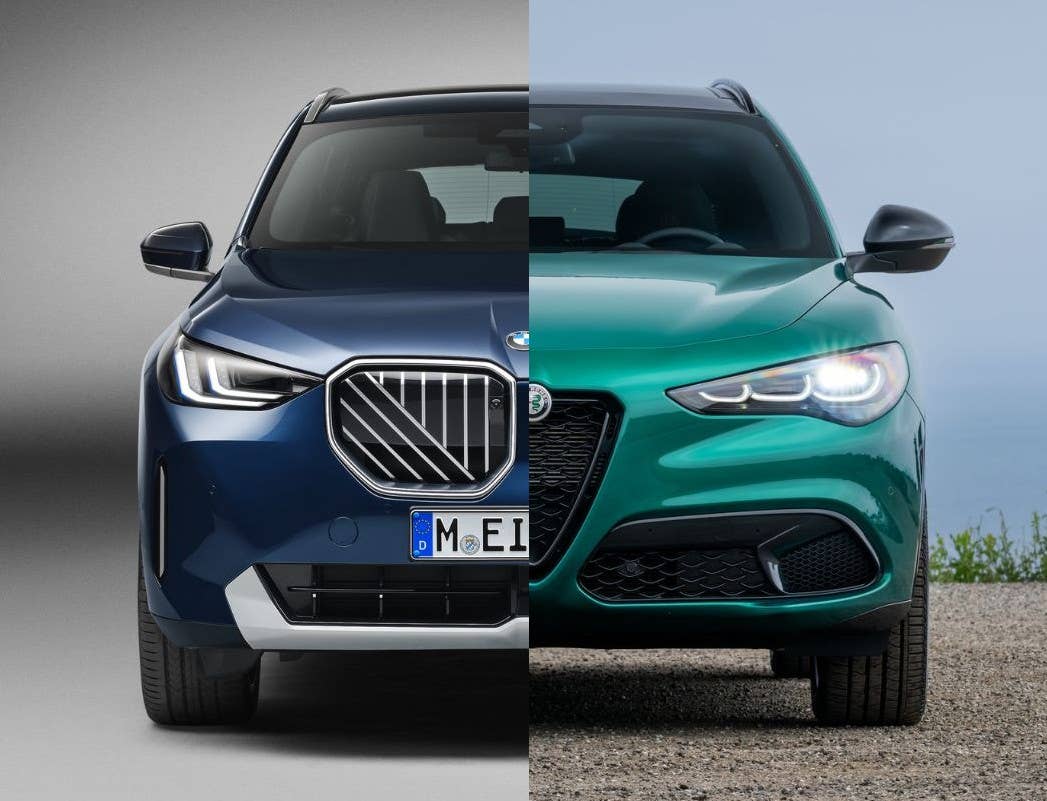
Two different flavors of the driver’s SUV
Not every midsize luxury SUV qualifies as a driver’s SUV. Honestly, most of them are geared for comfort and style, with driver engagement as an afterthought, if at all. Then there are those luxury SUVs that set themselves apart with great driving dynamics as their first priority, with style, tech, and interior comfort following as close seconds. The BMW X3 30xDrive and the Alfa Romeo Stelvio Veloce are two of those that can claim to be more driver-focused than most of the rest of the pack. The X3 has been fully redesigned for 2025, and the Stelvio has been around in its current form since 2017 with a facelift in 2023.
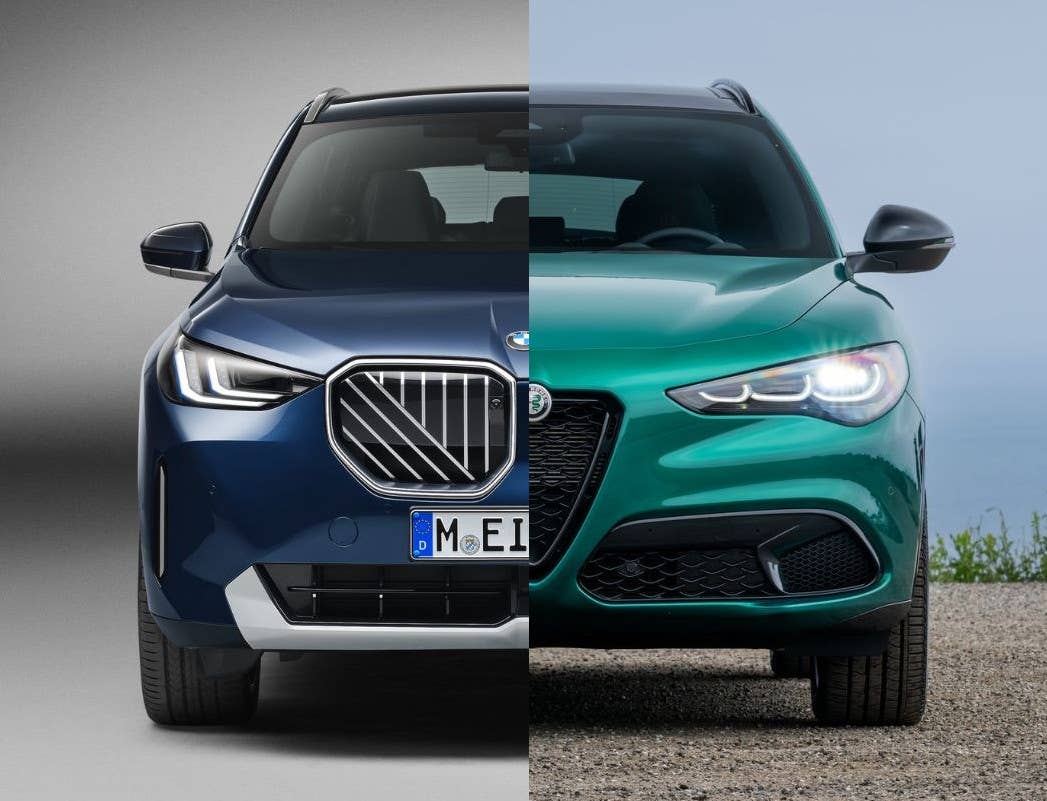
Both SUVs promise style, performance, and refinement, but their executions are vastly different in the way they pursue those traits. The BMW boasts German precision, while the Alfa exudes Italian passion. Their styles couldn’t be more divergent, both inside and out. When it comes to driving dynamics, both provide the kind of spirited performance you’d expect, expressed in different ways. If you’re weighing these two contenders, here are four key differences that set them apart.
1. Exterior design and road presence
BMW
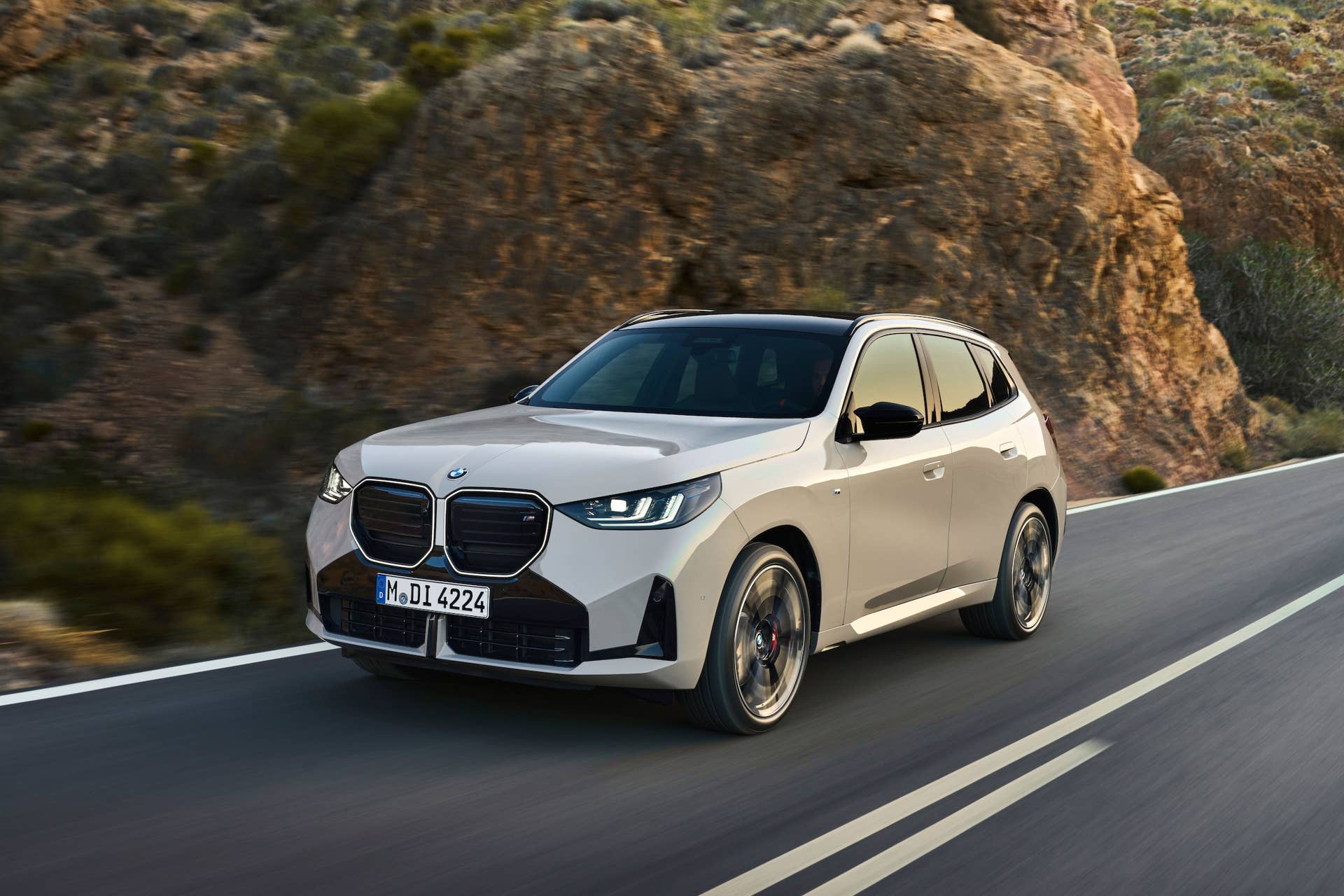
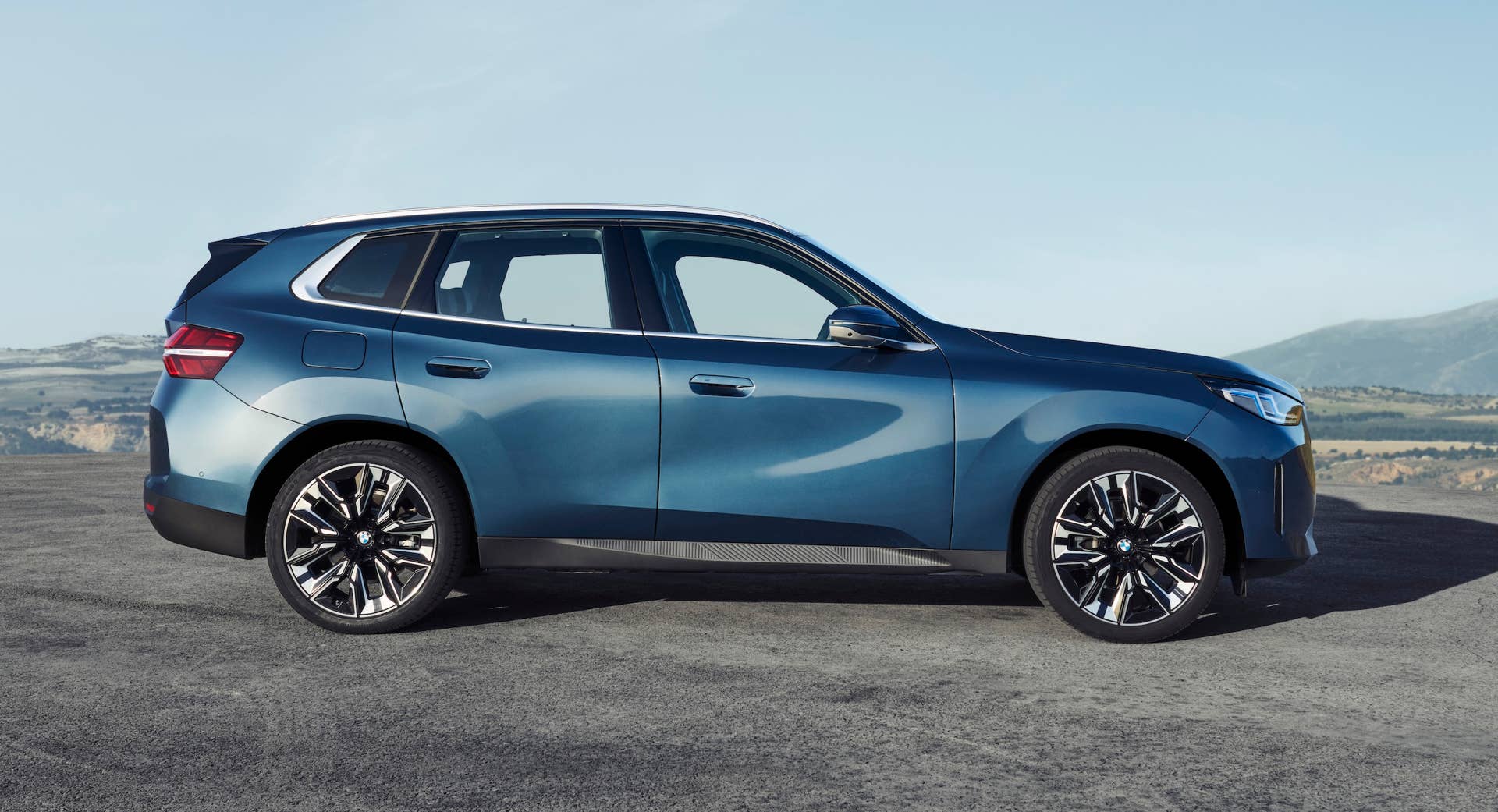
For 2025, the X3’s full redesign is the biggest change in its history. The new X3 wears an angular, taut, and dramatically modernized look with taller kidney grilles, slimmer LED headlights, and sharper body lines that lean more toward aggression than elegance. It’s a pretty stark change from the 2024 X3, but it’s also more noticeable on the road. It falls more in line with the styling of the BMW XM and the 7-Series. Some might say it’s polarizing, and they’d be right. The goal of BMW’s designs of late has been to attract the kind of attention that premium brands covet. It should stand out in a crowd, and the X3 pulls it off.

The Stelvio is the polar opposite. Italian design thrives on curves and sinew rather than straight lines and harsh cuts, and Alfa Romeo embraces that wholeheartedly. The Stelvio carries a distinctive triangular “trefoil” grille, flowing curves, and sculpted sides that give it an athletic, almost coupe-like stance. Its muscular body looks capable and attractive from front to back. Standard 20-inch wheels and darkened exterior accents add aggression. The Veloce trim provides black mirrors, black grille trim, black rocker panels, and a black rear bumper.
2. Interior design, comfort, and tech
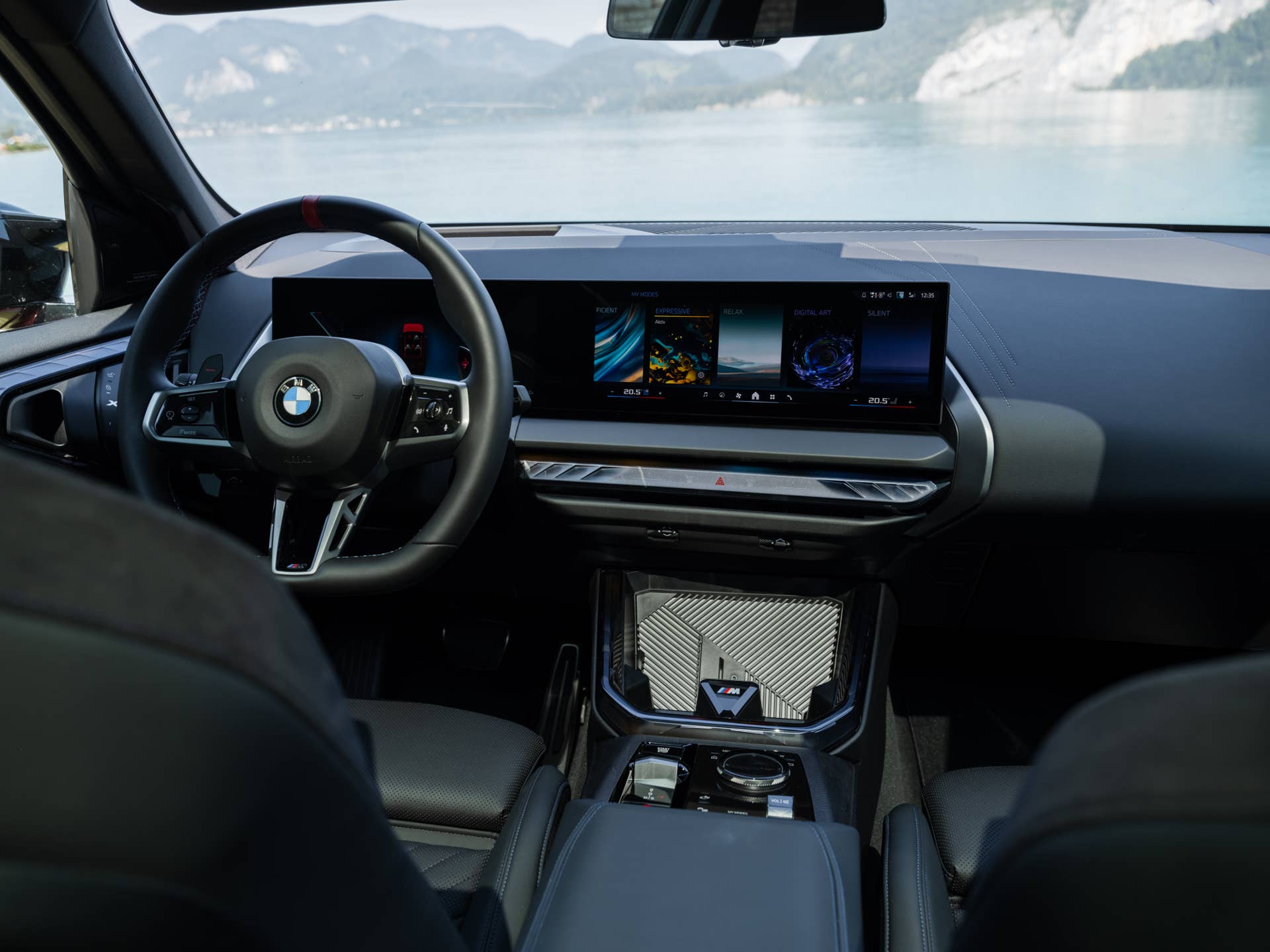
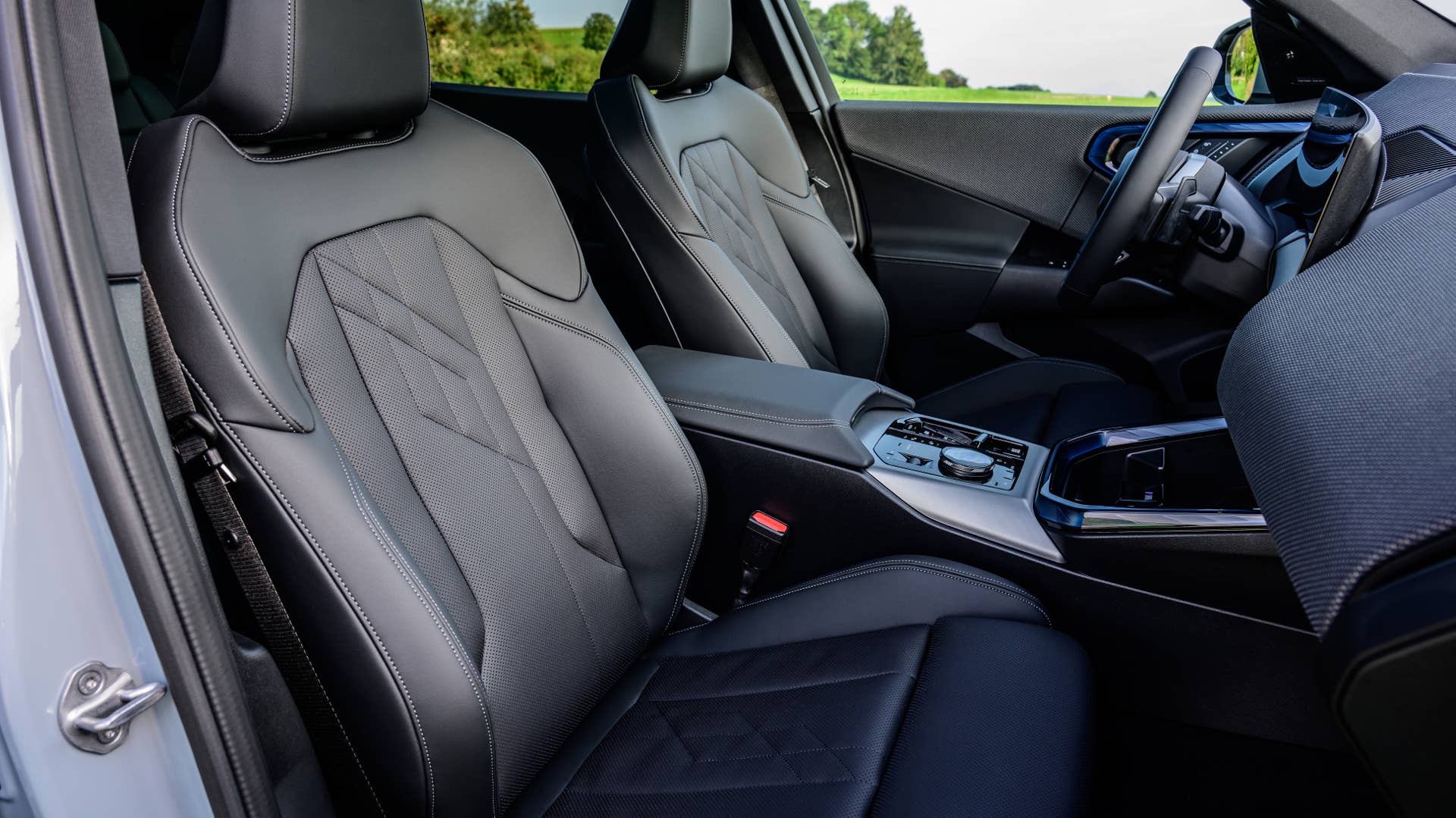
Step inside the BMW, and you’re greeted with an ultra-modern, functional layout built around high-quality materials and sharp ergonomics. Leather upholstery, real wood or aluminum trims, and a neatly integrated curved digital display dominate the cabin. The 12.3-inch instrument cluster pairs seamlessly with a 14.9-inch central touchscreen, giving the interior a high-tech yet orderly feel. The large curved display merges the digital gauge cluster and central touchscreen. Menus are intuitive, response times are lightning-quick, and haptic climate controls are neatly integrated below the display. It’s an infotainment setup that balances sophistication with ease of use.
BMW
Seating is plush and highly adjustable, with heating and ventilation available up front. Seat material is premium synthetic leather with the option of adding Alcantara suede. Rear passengers enjoy ample legroom (36.4 inches), and the X3 offers one of the roomiest cargo bays in the segment at 28.7 cubic feet behind the rear seats. It’s practical luxury done right. The X3 has a more prominent interior theme than the Stelvio’s, and it’s reflected in the seats, physical controls, center console, and dash. It looks and feels very high-tech and modern, whereas the Stelvio’s is showing its age.
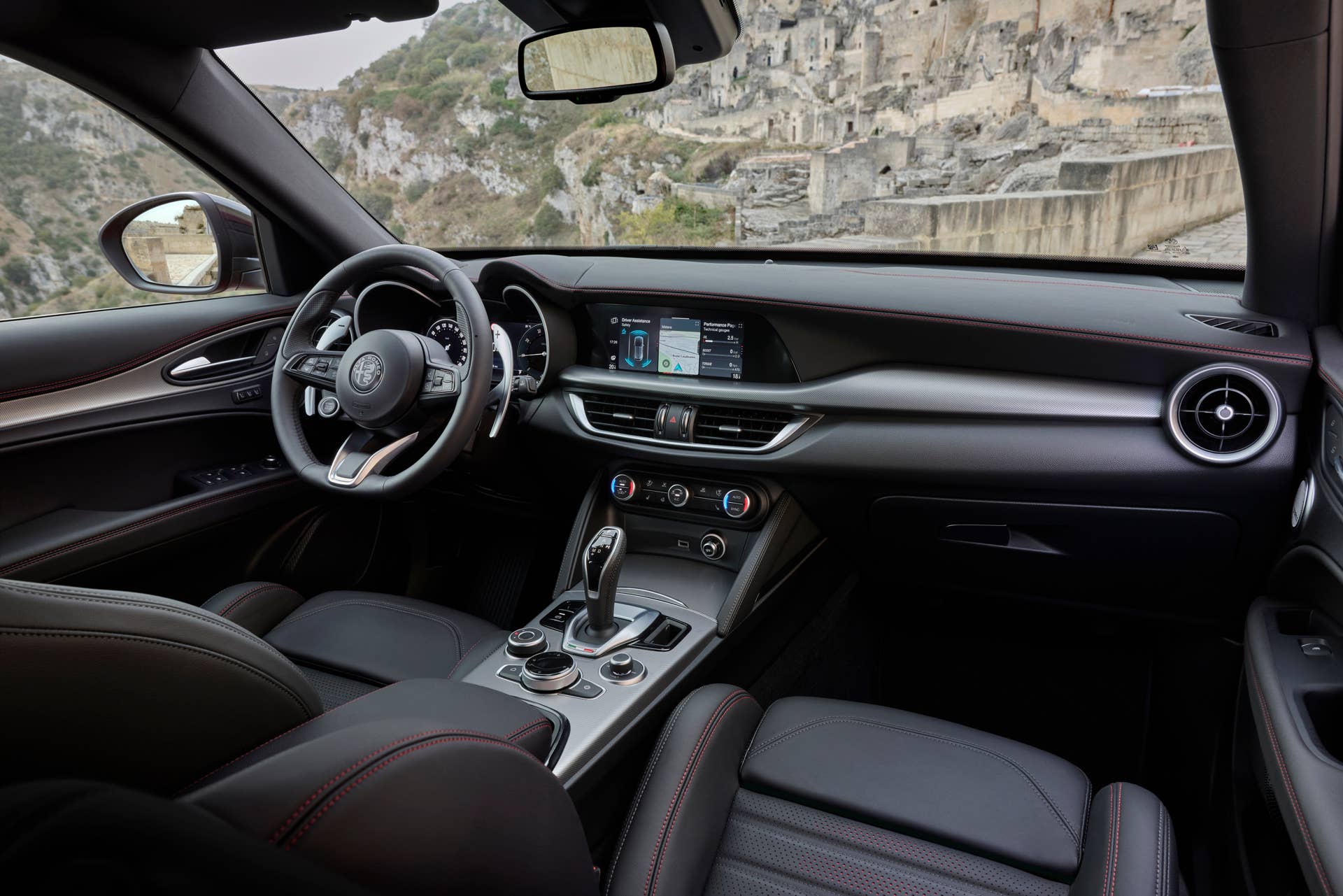
With an emphasis on sporty details like aluminum paddle shifters, a flat-bottom steering wheel, and heavily bolstered standard leather sport seats, the Stelvio is about the driving. Although leather seating is standard, the preponderance of cheap plastics doesn’t help its premium stature much, and it feels a few steps behind the X3 in that regard. A 12.3-inch digital gauge cluster and a 10.25-inch infotainment screen provide the tech, though Alfa’s system isn’t quite as polished or responsive as BMW’s iDrive. It lacks the responsiveness and polish of the X3’s system, and it’s more of an afterthought rather than a highlight. Physical knobs for volume and tuning are appreciated, but Alfa’s system lacks the polish and feature depth of iDrive.
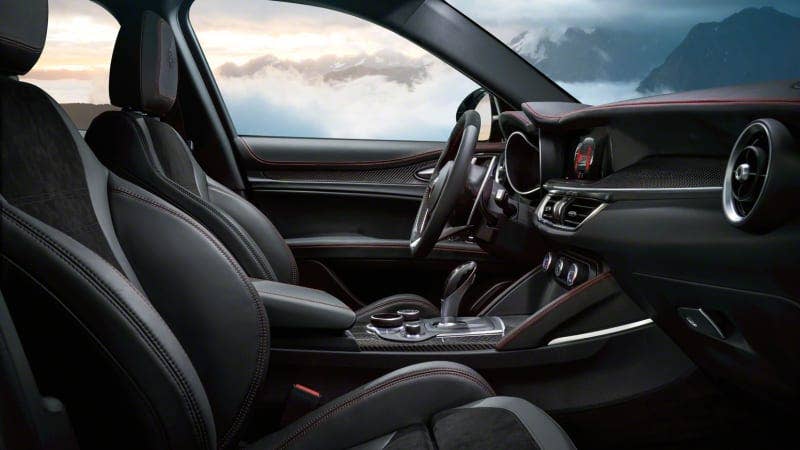
The leather seats fit like a glove and hold you in place well during spirited driving. Physical controls don’t look as nice as the X3’s, but they’re very easy to grip and operate. The circular outboard HVAC vents are reminiscent of Ferrari’s, and the instrument binnacle retains a mostly analog look, despite its digital tech. Rear seat legroom (31.9 inches) and cargo space (18.5 cubic feet behind the 2nd row) lag behind the X3, a tradeoff for the Alfa’s sloping roofline and more compact proportions. No one will be wowed by the Stelvio’s cabin, but they won’t complain about it when speed, agility, and driver engagement are the focus.
3. Powertrain and performance
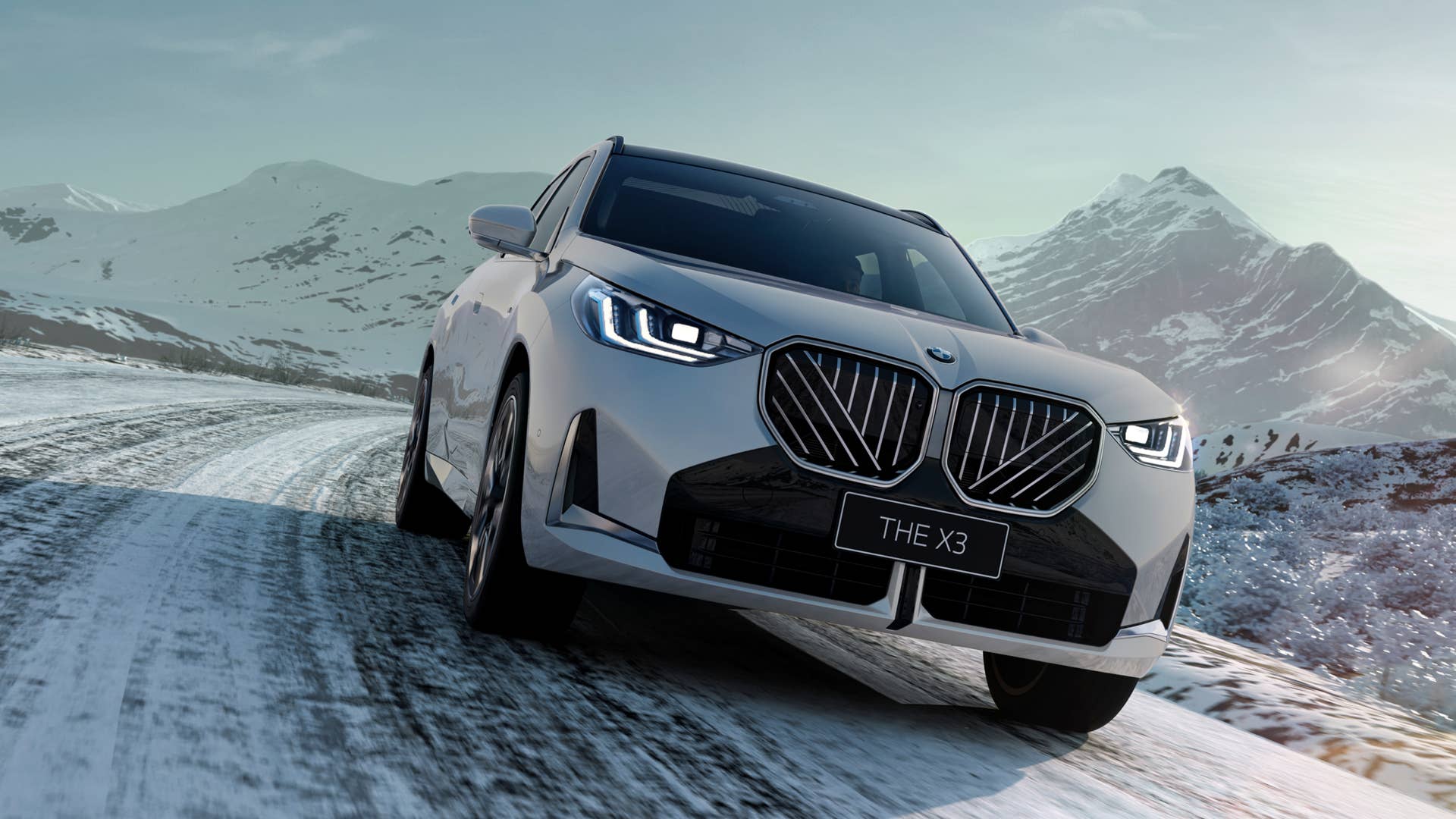
The X3 30 xDrive uses a 2.0-liter turbocharged inline-four and a 48-volt mild hybrid system producing 255 horsepower and 295 lb-ft of torque. Power goes to all four wheels through an eight-speed automatic transmission, delivering a 0–60 mph time of about 6.2 seconds. BMW tunes the X3 for balanced performance—smooth acceleration, predictable handling, and a ride that’s firm yet comfortable. It’s not the rawest performer, but it’s superbly competent. Fuel economy sits at a very respectable 27 mpg city / 33 mpg highway.
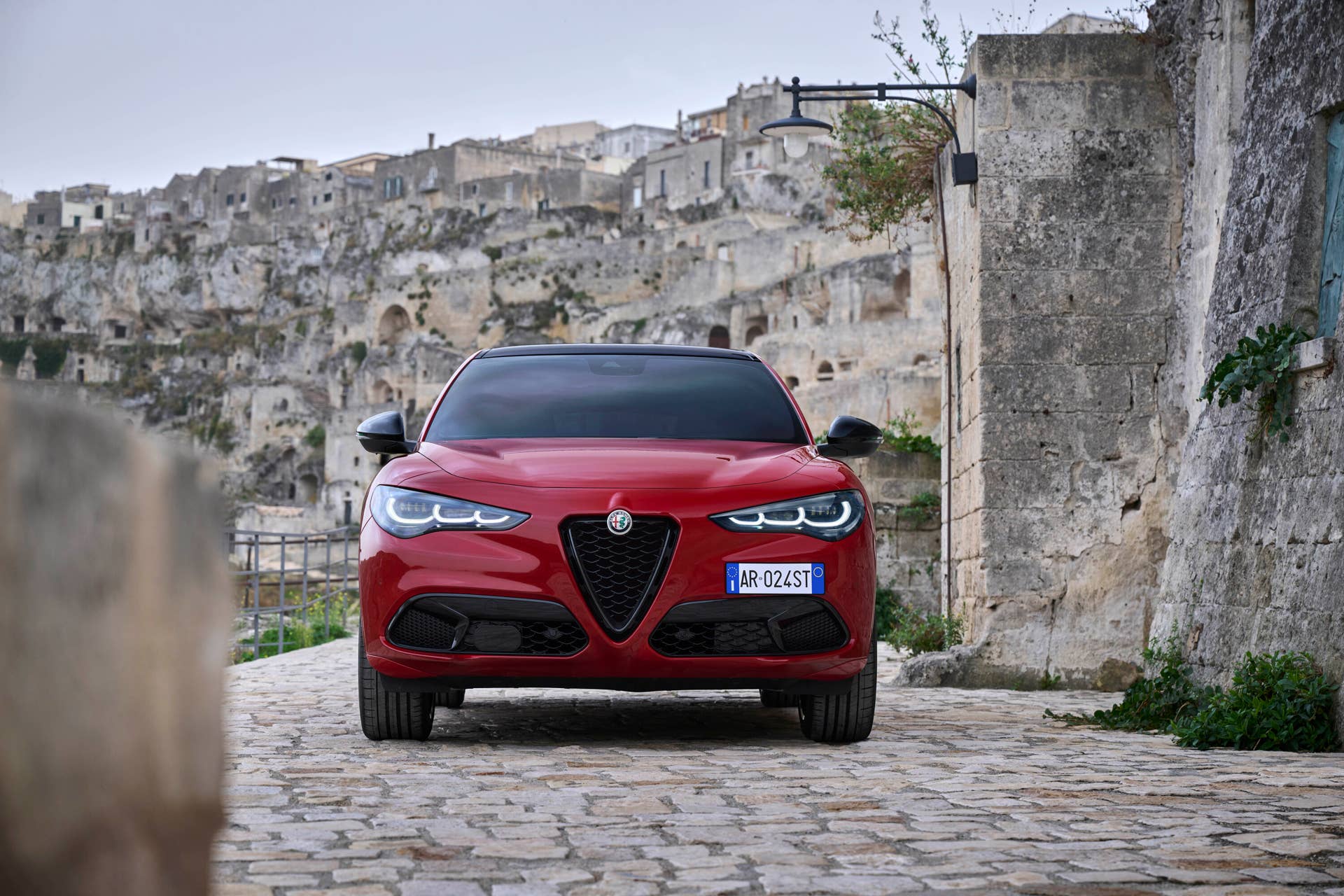
The Stelvio Veloce ups the ante with its 2.0-liter turbo-four, delivering 280 horsepower and 306 lb-ft of torque, besting the BMW by a significant amount. With standard all-wheel drive and an eight-speed automatic, the Stelvio sprints to 60 mph in just 5.4 seconds, making it one of the quickest in its class. The Stelvio feels more raw, more engaged, and more responsive than the X3. It’s not as bonkers as the now-defunct 505-horsepower twin-turbo V6 Stelvio Quadrifoglio, but it will still deliver smiles for miles. The Stelvio feels light on its feet, with sharp steering and playful agility that channels Alfa Romeo’s sports-car DNA. The tradeoff is a firmer, less insulated ride compared to the X3, but enthusiasts will happily accept that for the driving excitement.
4. Pricing, value, and reliability
BMW
Pricing for the X3 30 xDrive starts at $51,125, but options can quickly push it closer to $60,000. Despite that, BMW includes a comprehensive list of standard features, such as a panoramic moonroof, a power liftgate, and adaptive cruise control. BMW’s resale values are strong, though long-term maintenance costs can be higher than average. Warranty coverage includes four years/50,000 miles, in line with most German competitors.

Alfa Romeo
The Stelvio Veloce starts slightly higher at $52,245, but it includes 20-inch wheels, paddle shifters, heated front and rear seats, a heated steering wheel, and leather sport seats as standard. Performance-focused features like quick-ratio steering, Brembo brakes, and a carbon fiber driveshaft make the Stelvio a more spirited SUV to helm. However, Alfa Romeo’s reliability track record remains a sticking point. While recent models have shown improvement, long-term dependability and resale values still trail BMW’s. Buyers enticed by Alfa’s passion should weigh those concerns carefully.
Final thoughts
The 2025 BMW X3 30 xDrive and 2025 Alfa Romeo Stelvio Veloce are two of the most exciting midsize luxury SUVs in the market, but they cater to very different types of buyers. Choose the BMW X3 if you value a roomy interior, cutting-edge infotainment, and a refined, balanced ride wrapped in modern cabin styling. Opt for the Alfa Romeo Stelvio if you crave curvaceous and muscular styling, spirited performance, and the kind of driving engagement most SUVs can’t deliver. Each one is sure to turn heads, and they exude their premium natures in distinct ways.
About the author
Amos Kwon
Contributing Writer, Autoblog