

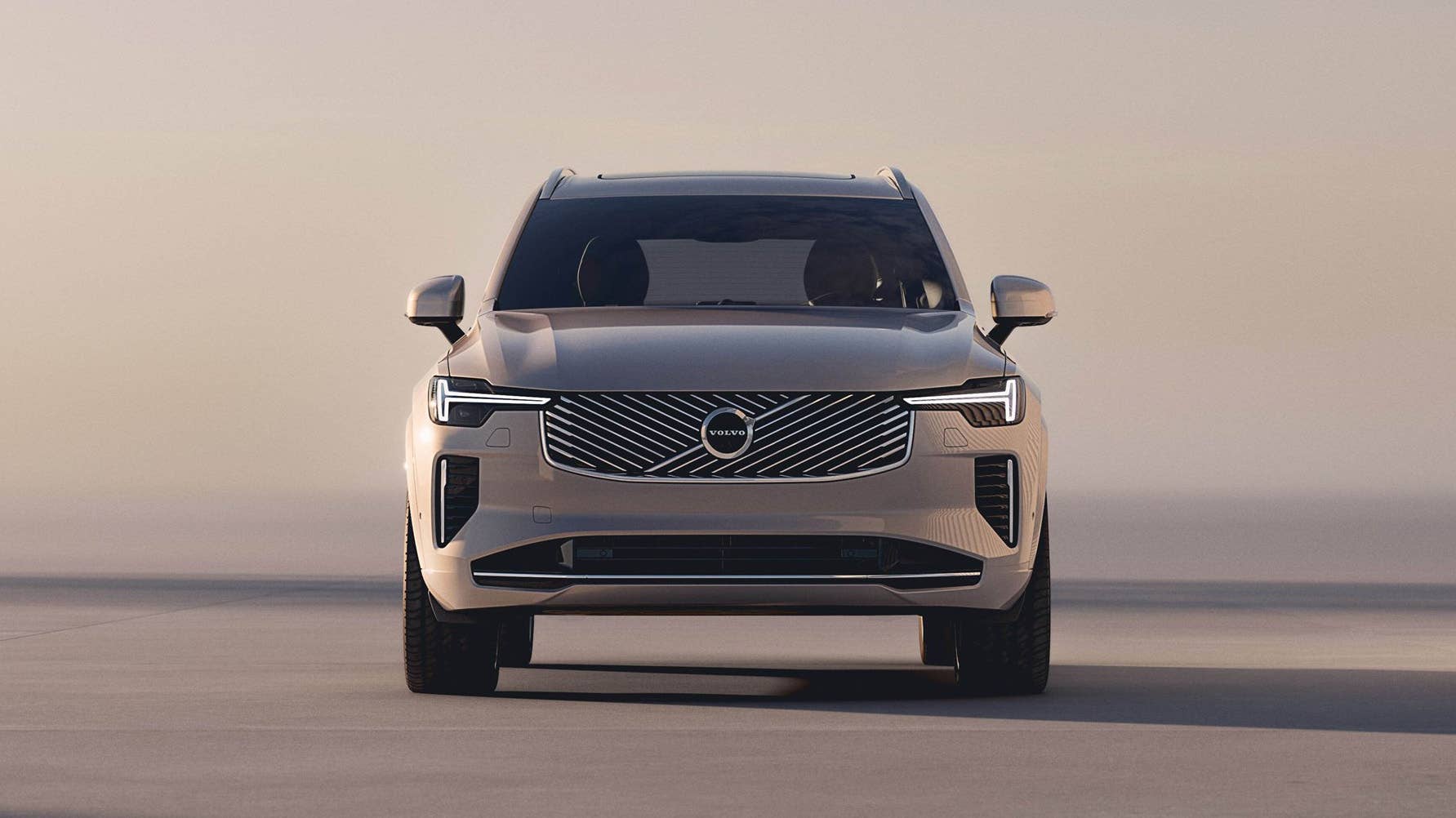
Just last month, Volvo revealed an updated XC90 plug-in hybrid and traditional hybrid lineup. In an attempt to make a plug-in more enticing, the T8 version offers 33 miles of pure electric range. A new user interface and center touchscreen along with a new front-end look complete the 2025 refresh that seems part of a bigger plan to slow down the transition to all-electric Volvo models and offer more plug-in options.
The 2025 Volvo XC90 is all about the plug-in
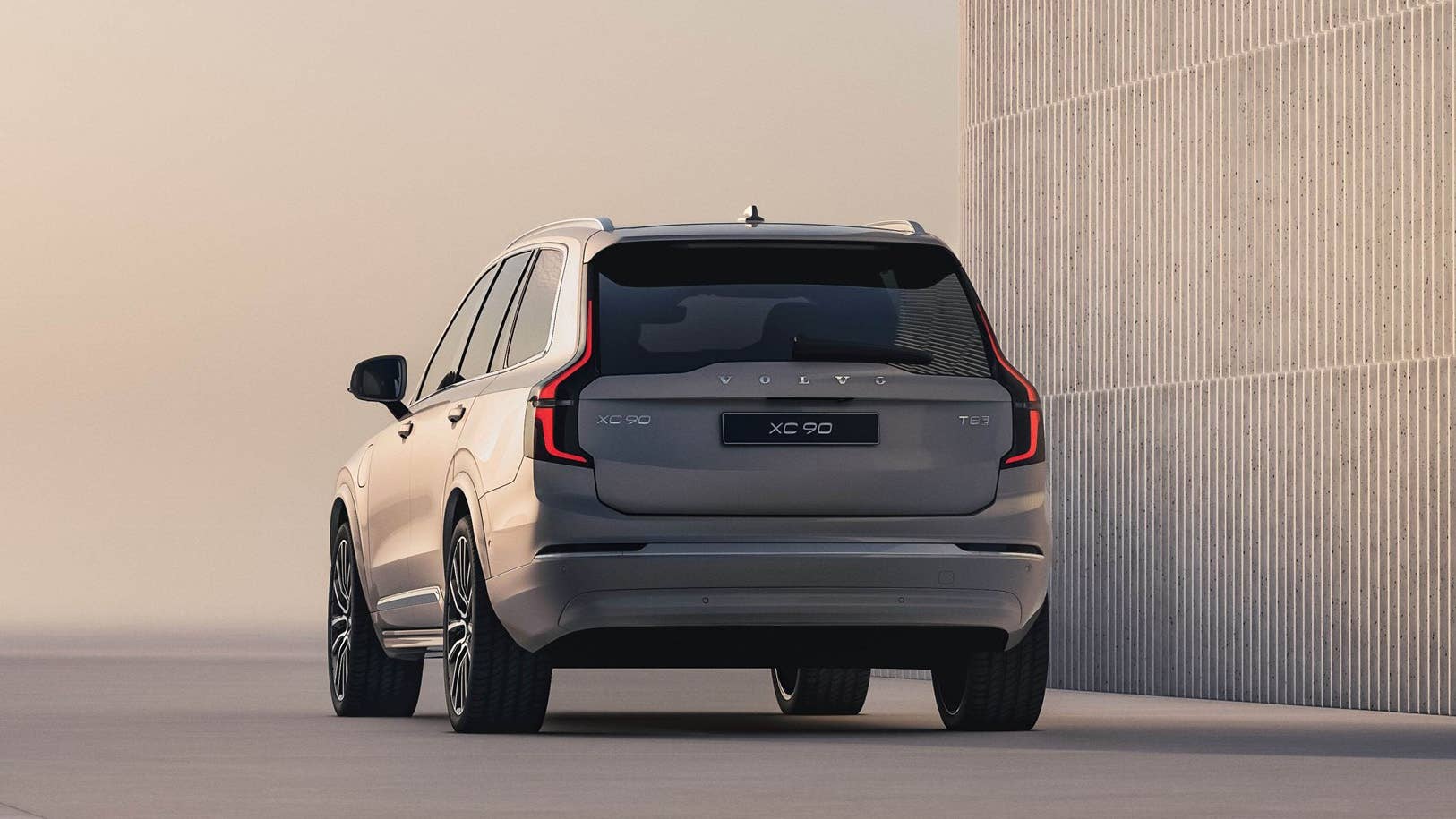
The updated 2025 XC90 lineup comes in three forms: two mild hybrids and a plug-in. The PHEV is the most powerful, efficient, and expensive, and it now serves as the flagship model for the larger SUV in the overall Volvo lineup. As Volvo transitions (albeit slower than anticipated) to an all-electric offering, the Swedish brand is refocusing on blended electrification, not unlike Toyota and its focus on plug-ins. It’s a soft launch to full battery power with the T8 PHEV as the favored version with its pure EV mode and internal combustion engine.
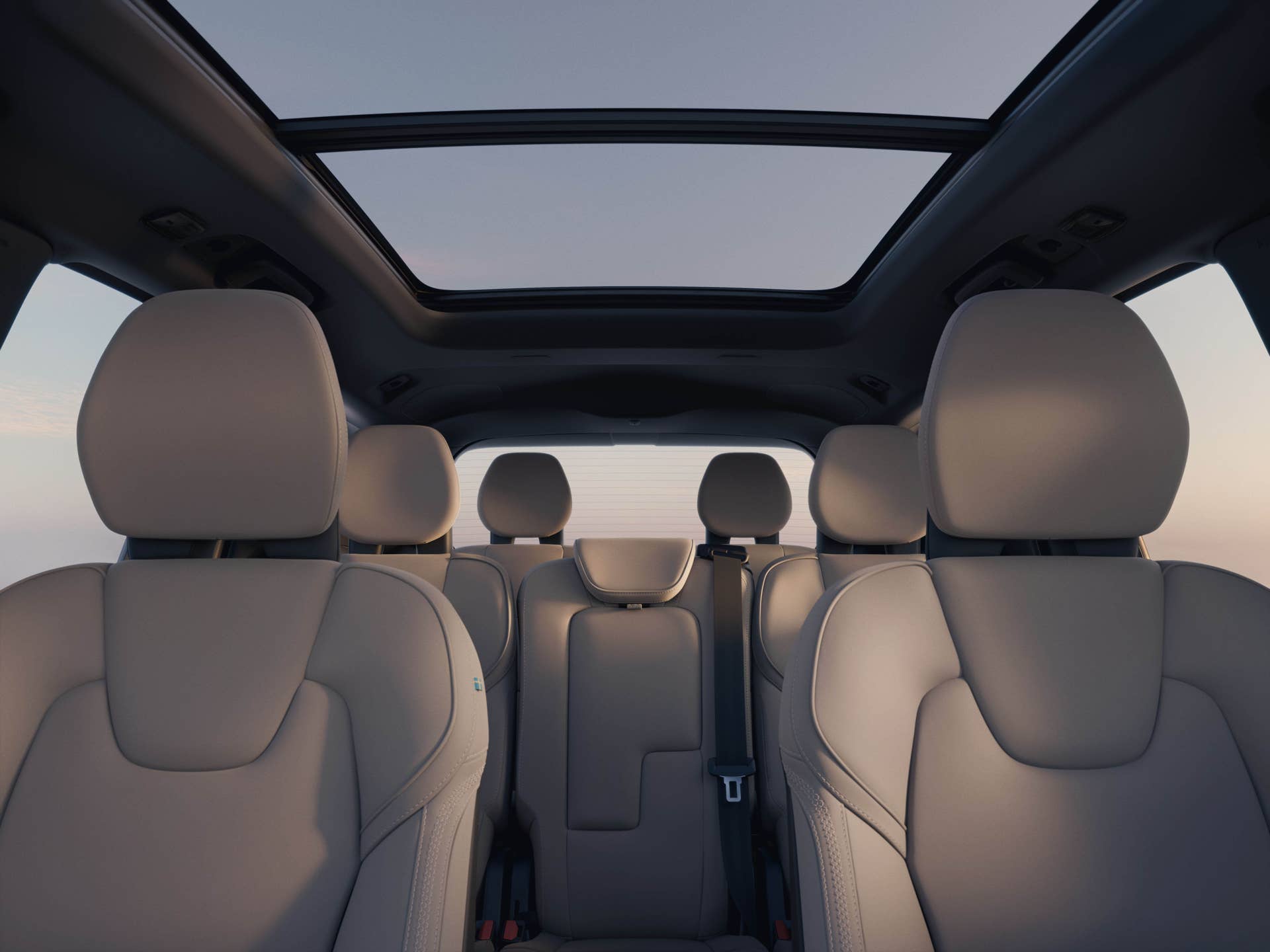
All XC90 versions can seat up to seven (with a six-seat configuration option) with three rows of seats.
2025 Volvo XC90
2025 Volvo XC90
Volvo
2025 Volvo XC90
Volvo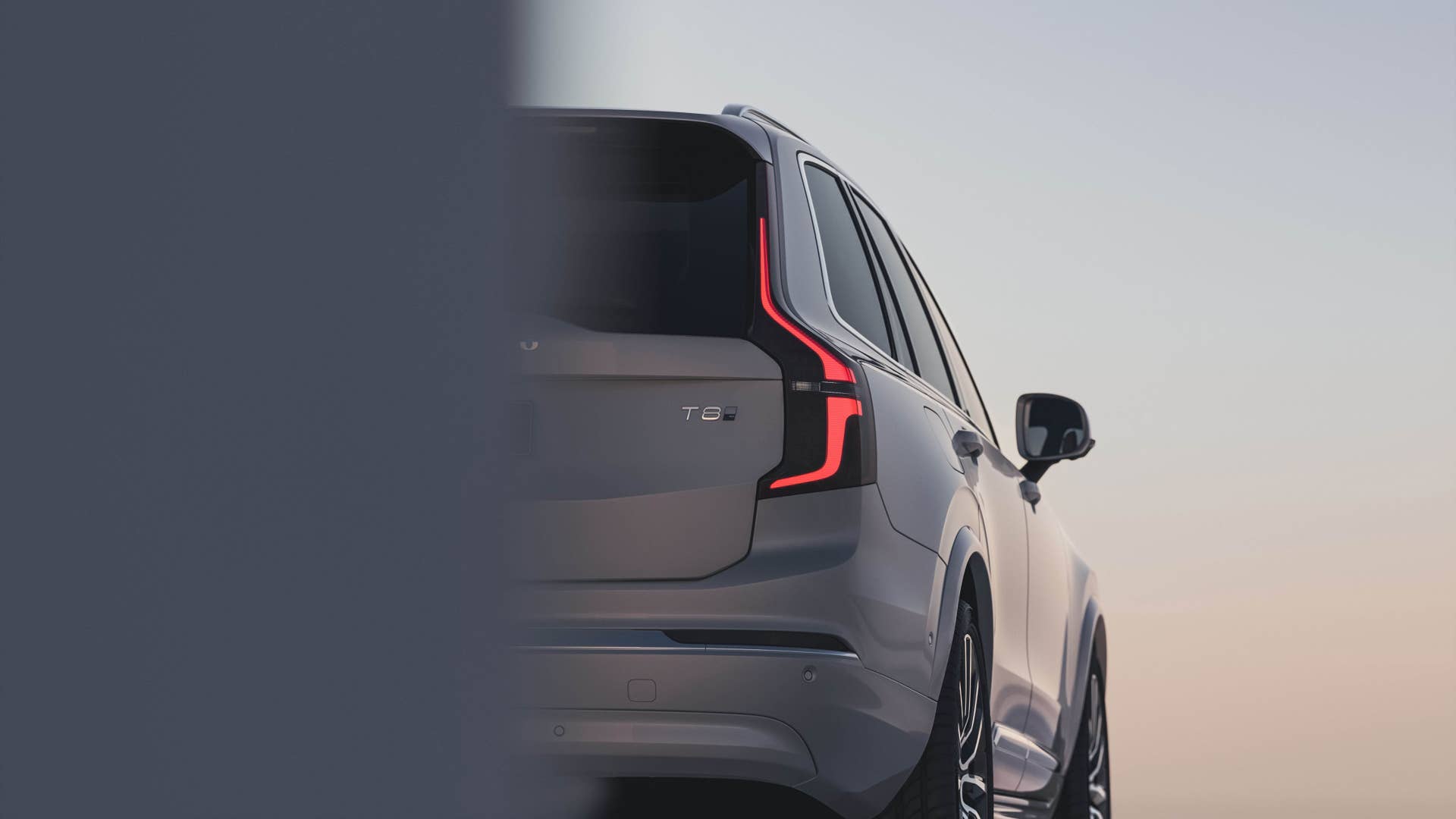
2025 Volvo XC90
Volvo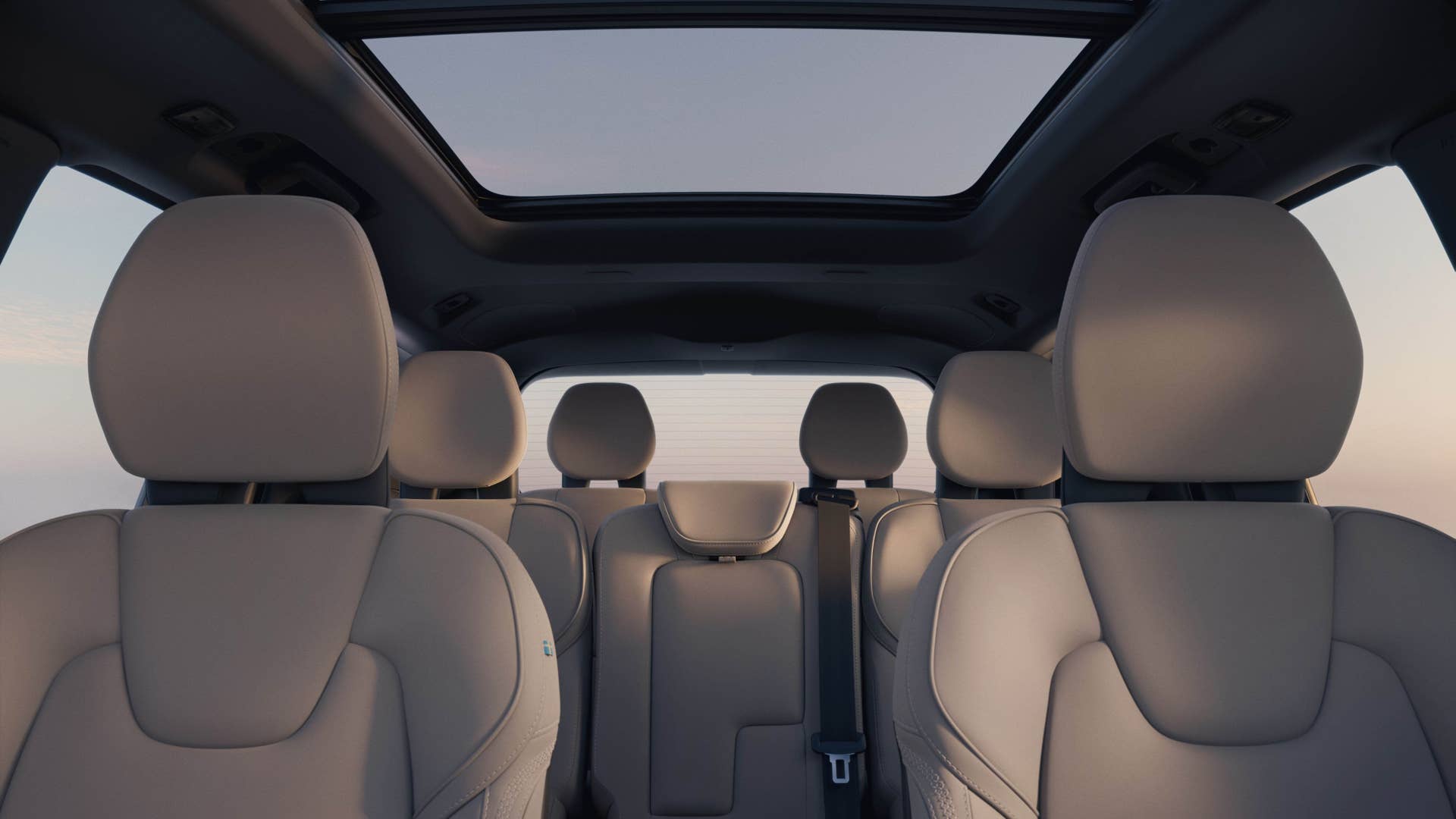
2025 Volvo XC90
2025 Volvo XC90
Volvo
2025 Volvo XC90
2025 Volvo XC90

2025 Volvo XC90
Volvo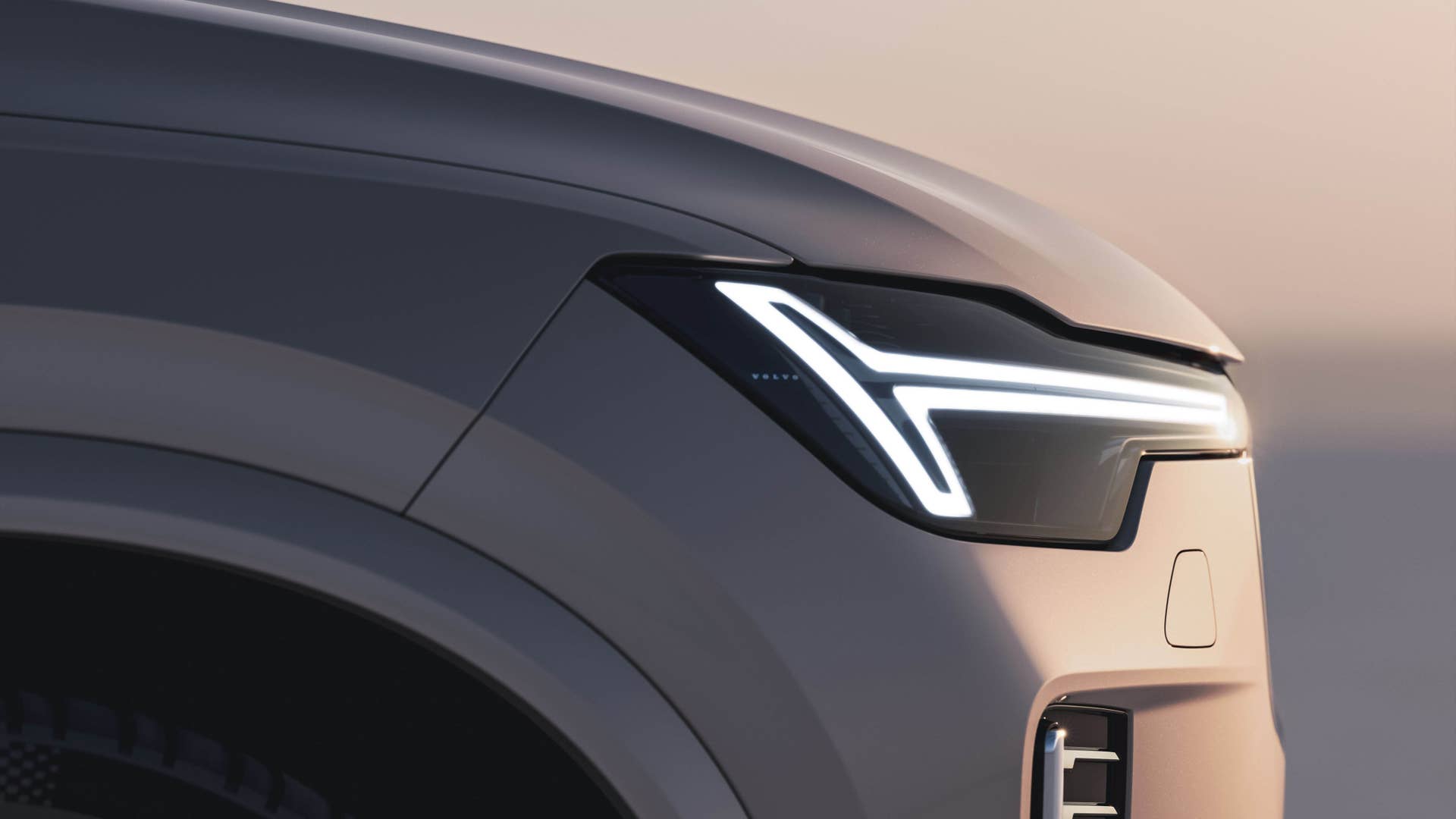
2025 Volvo XC90
Volvo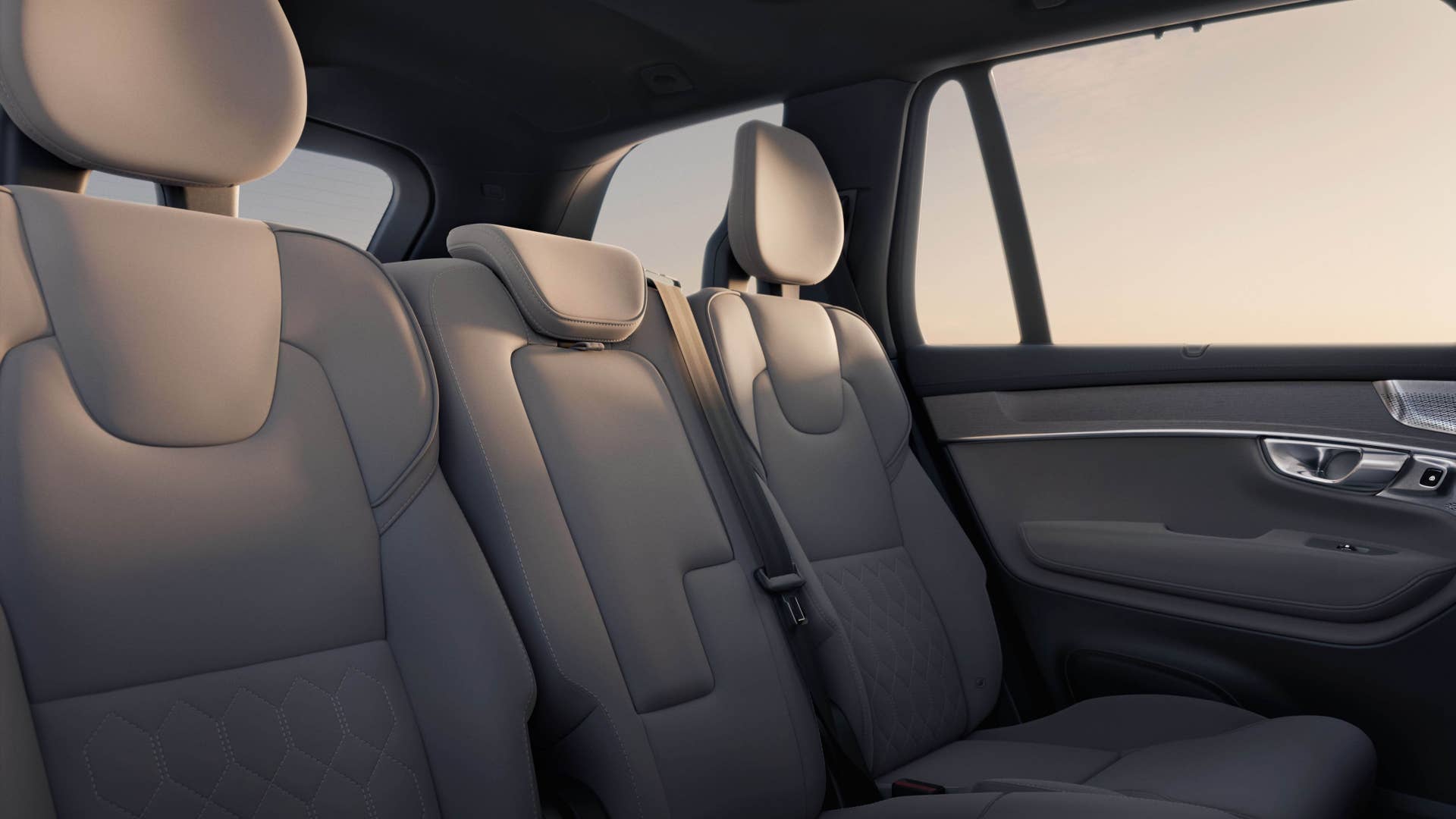
2025 Volvo XC90
2025 Volvo XC90
VolvoWhat’s new for 2025
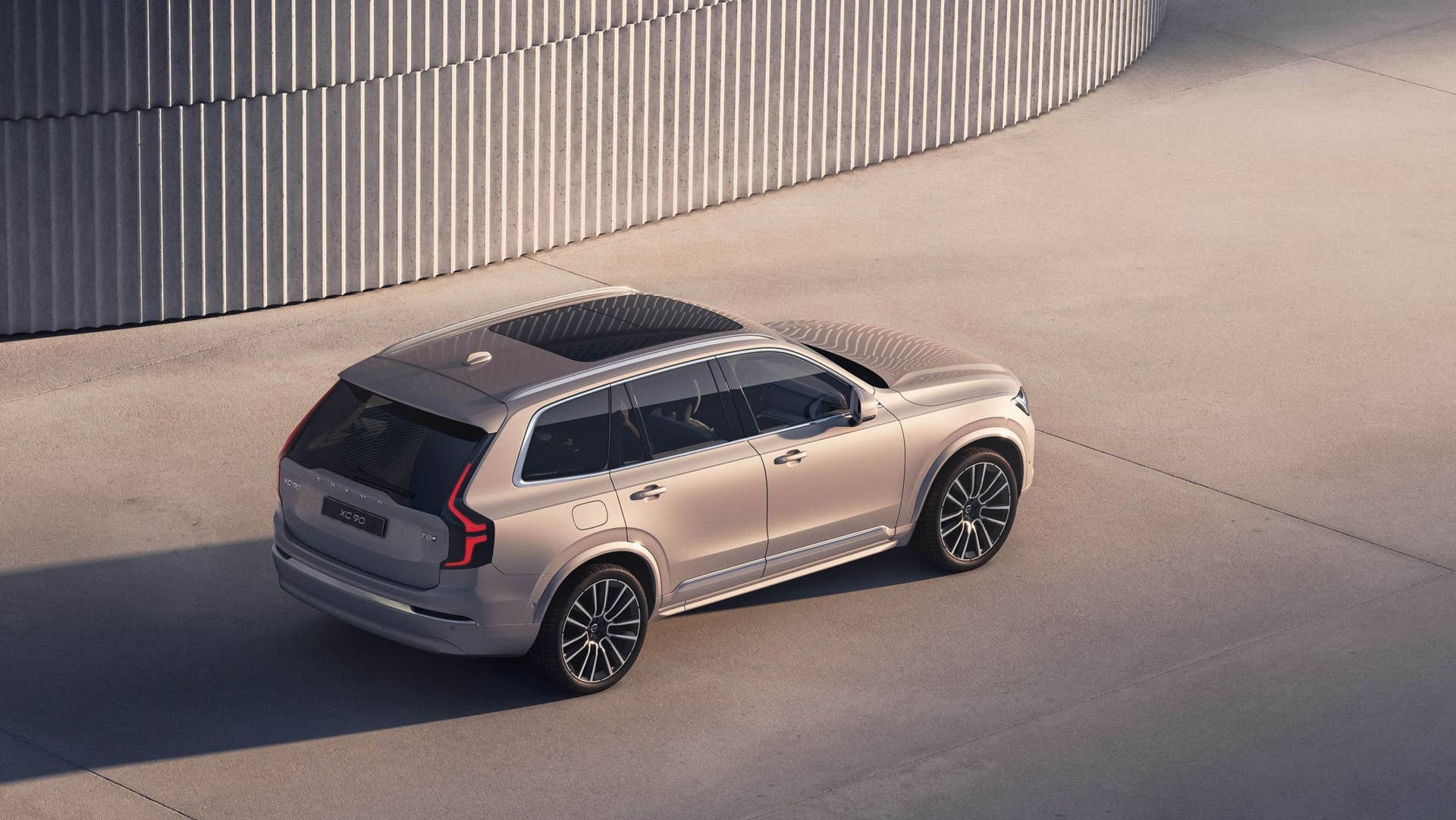
The XC90 has been around since 2002, with the plug-in version arriving as the T8 Recharge in 2016. For 2025, the plug-in is known as the XC90 T8 and its most obvious change is a new front-end design.
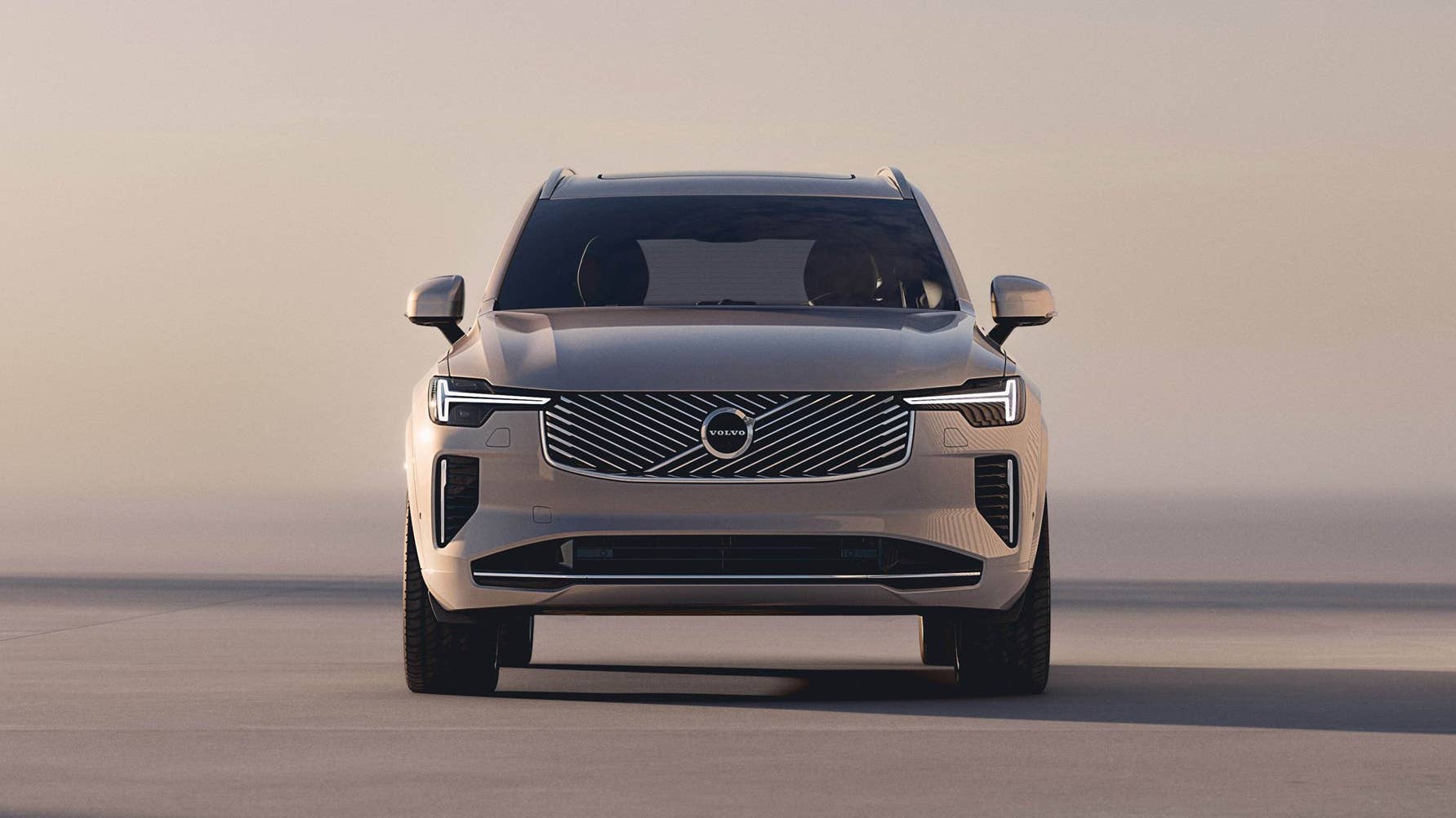
The hood and bumper have been redesigned with a noticeably different grille and lighting setup. The classic Thor’s Hammer headlights are now slimmer, with Volvo stating that these subtle design changes will connect the plug-in to its all-electric siblings.
Volvo
The XC90 PHEV has a battery, but it’s tiny
The XC90 T8 PHEV is a plug-in hybrid, meaning it has an inline four-cylinder gas engine paired with a single electric motor. Its lithium-ion battery has a capacity of 18.8 kWh, providing up to 33 miles of pure electric range. It offers all-wheel drive with 310 horsepower and 295 pound-feet of torque. The zero-to-60 mph time is 5.1 seconds, and its fuel economy stands at 58 MPGe combined.
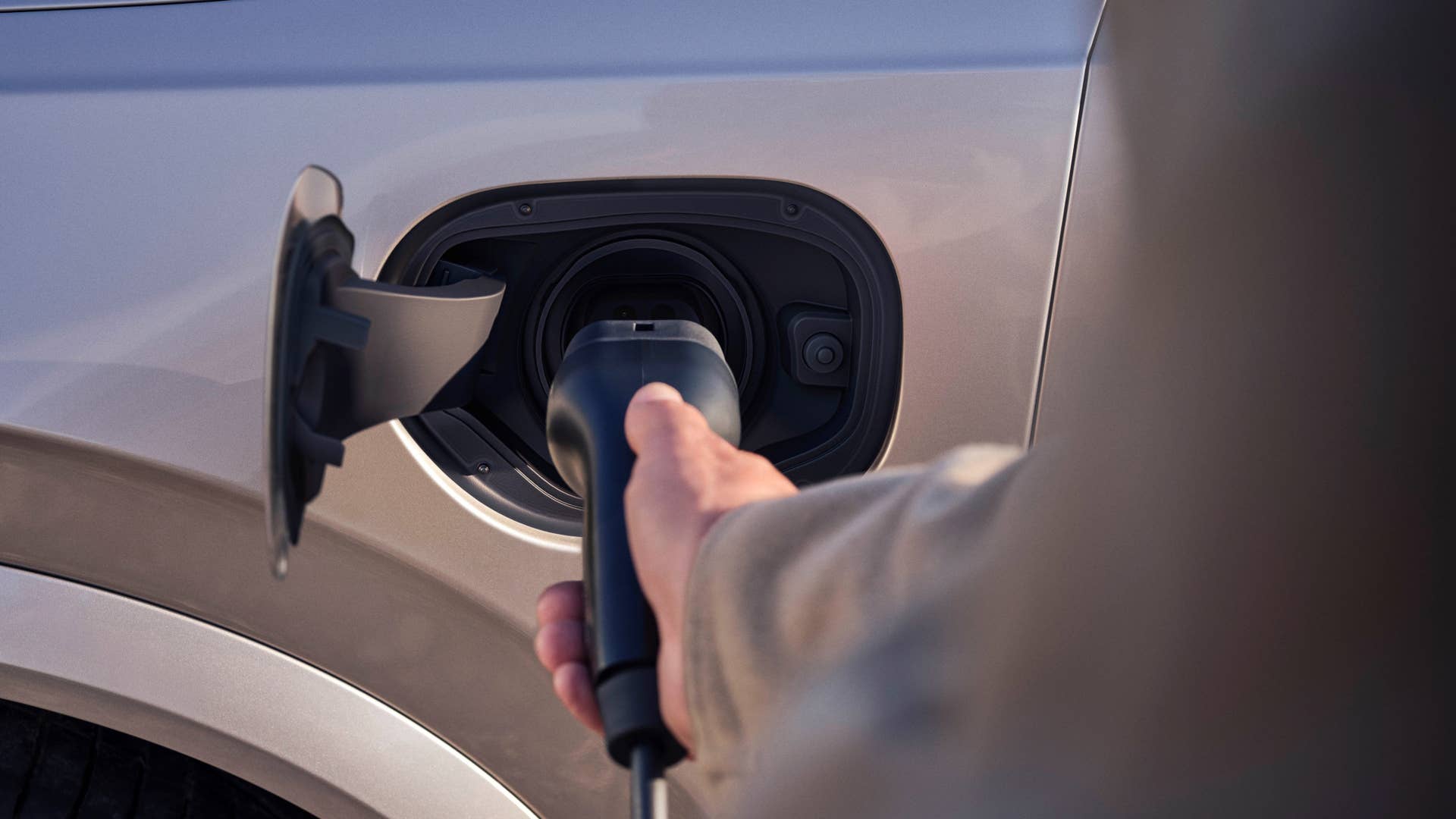
Its battery takes 3 hours to charge from empty to 100% with its 6.4 kW onboard charger. Using a home 120-volt outlet, this charging time increases to 7 hours.
On the other hand, the two 2.0-liter gas engine versions are accompanied by a 48-volt mild hybrid system.
Volvo
All in on Google built-in
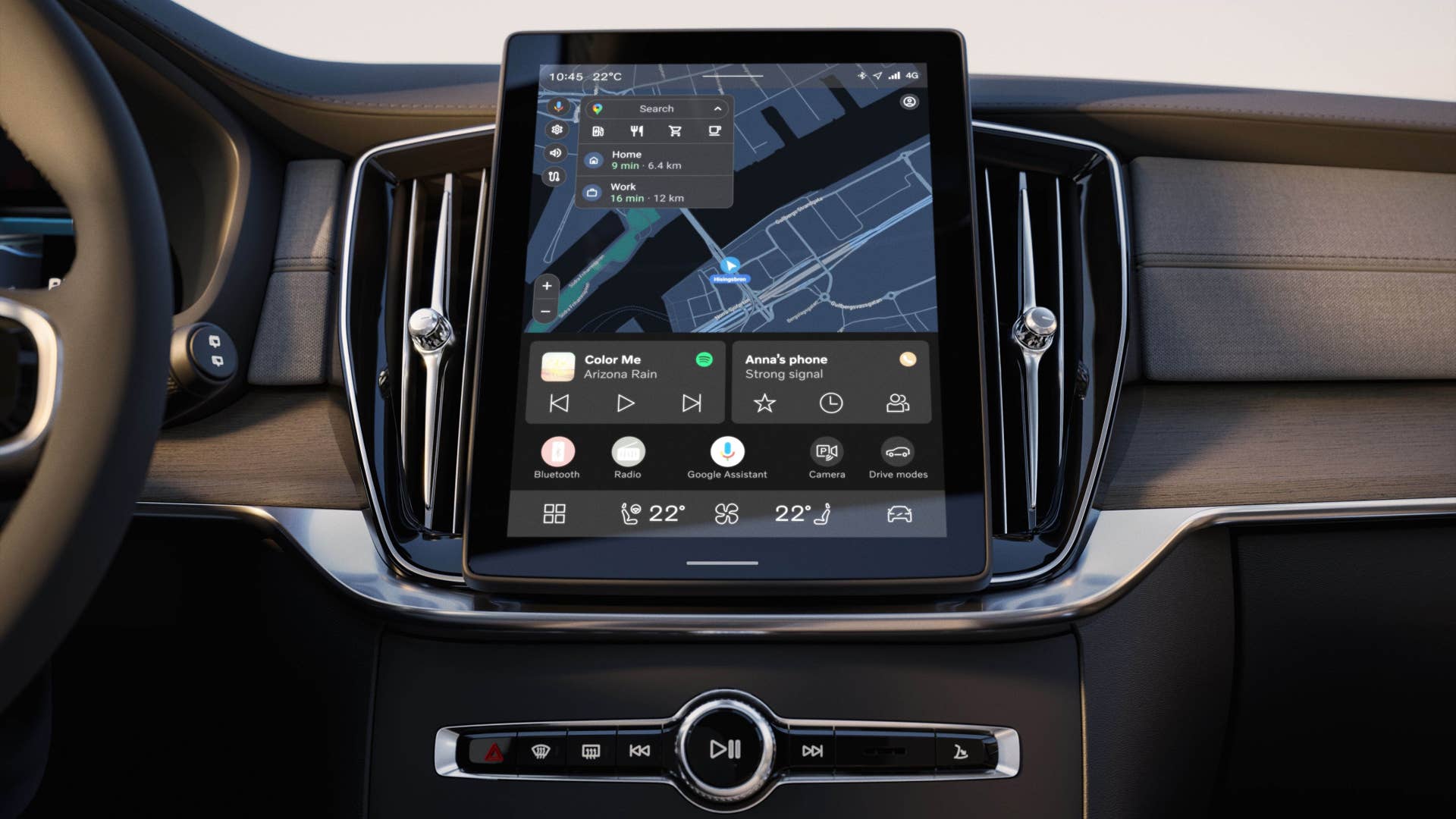
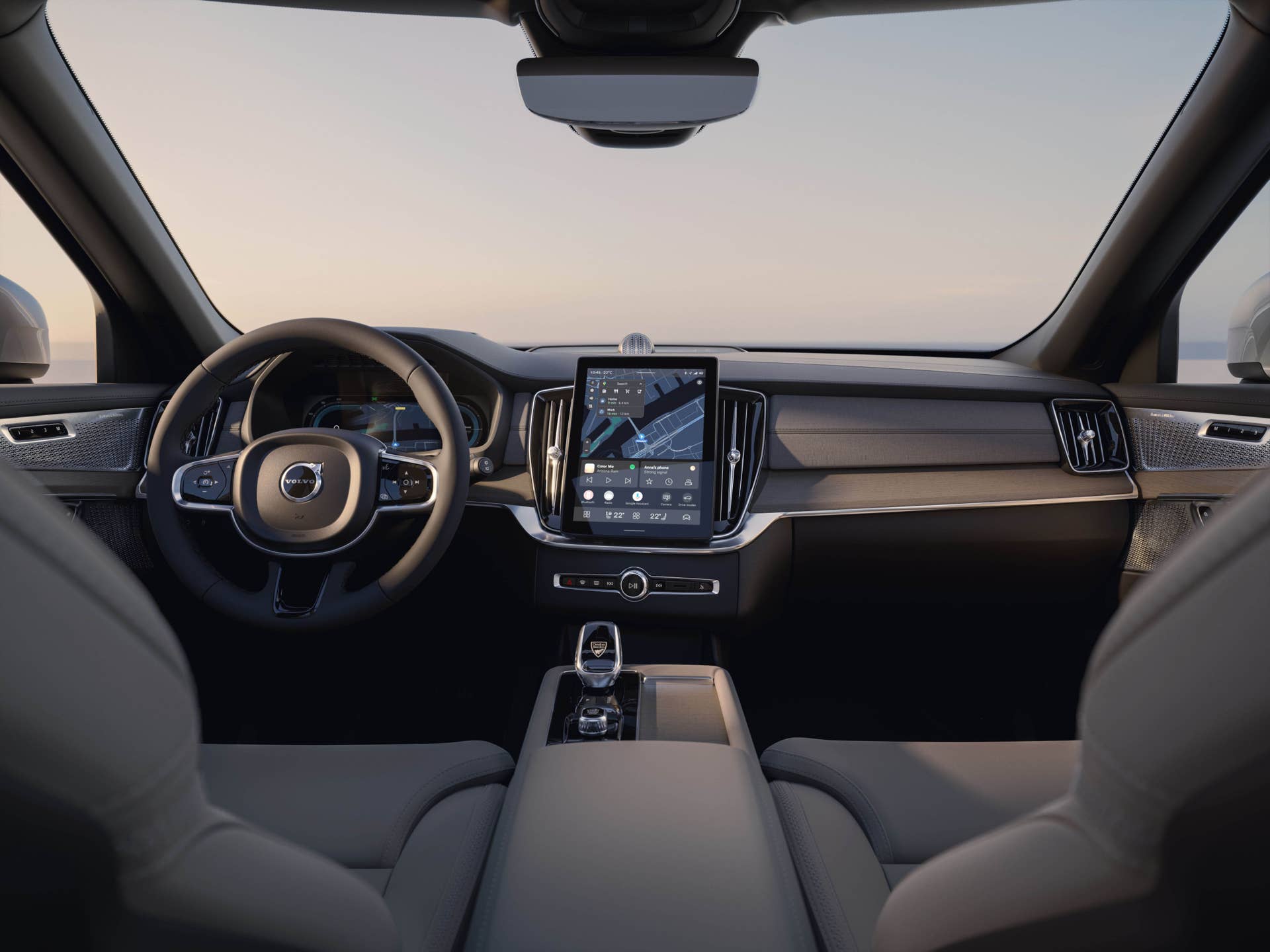
With updates to the XC90 PHEV, the center screen is more like the EX90’s setup, but with a smaller, free-standing 11.2-inch touchscreen. It has Google built-in to the infotainment system with Google Maps and other Android-based apps. Apple CarPlay is still available but only with a wired connection to an iPhone.
With the XC90’s 2025 debut, a new user experience with a more intuitive layout will be introduced on the touchscreen. All Volvos from 2020 and newer will eventually receive the over-the-air update.
Pricing across the XC90 lineup
The XC90 is slightly more affordable than Volvo’s all-electric version, even in its top-of-the-line T8 plug-in configuration. While official pricing hasn’t been announced for the refreshed PHEV model, it’s expected to start around $74,000. The trims will continue as Core, Plus, and Ultra, as they have been previously. The base XC90 (non-plug-in B5) will start at $58,450, plus a $1,295 destination fee. The B6 hybrid starts at $63,595.
Volvo
Availability of the 2025 XC90 PHEV
The new XC90 PHEV won’t be available until 2025. Production will begin by the end of the year in Sweden, where Volvo is headquartered.
Final thoughts
The updated XC90 plug-in hybrid is a pragmatic choice, especially for those wary about all-electric all the time. With 33 miles of pure electric range, it allows drivers to experience an electric lifestyle without entirely giving up traditional driving expectations.
If you prefer the flexibility of a plug-in hybrid, the new PHEV is a more affordable option. If plugging in sounds tedious for such a big SUV, the two mild hybrids offer gas savings and cheaper (but still premium) upfront pricing.