
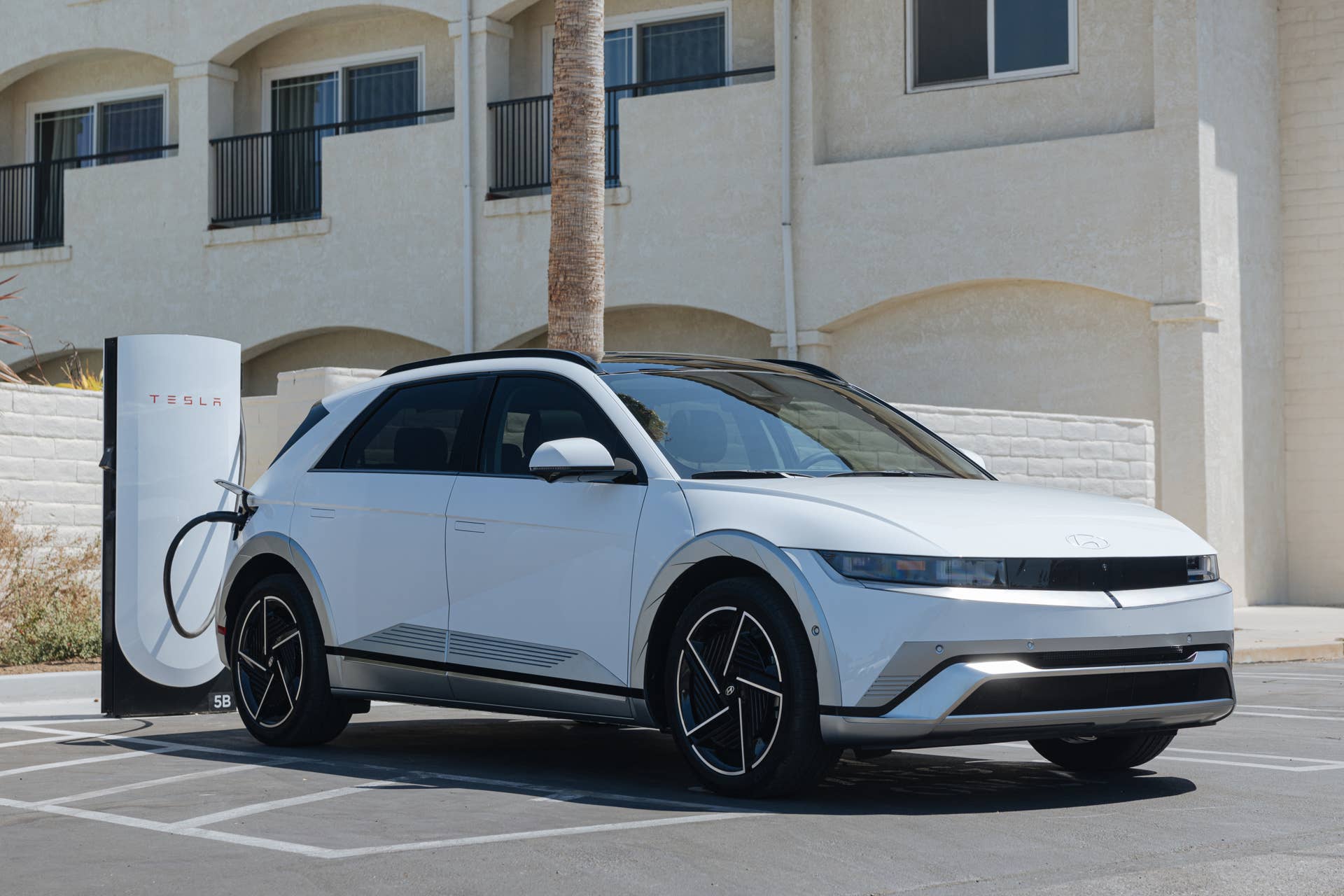
The Ioniq 5 keeps competitors on their toes
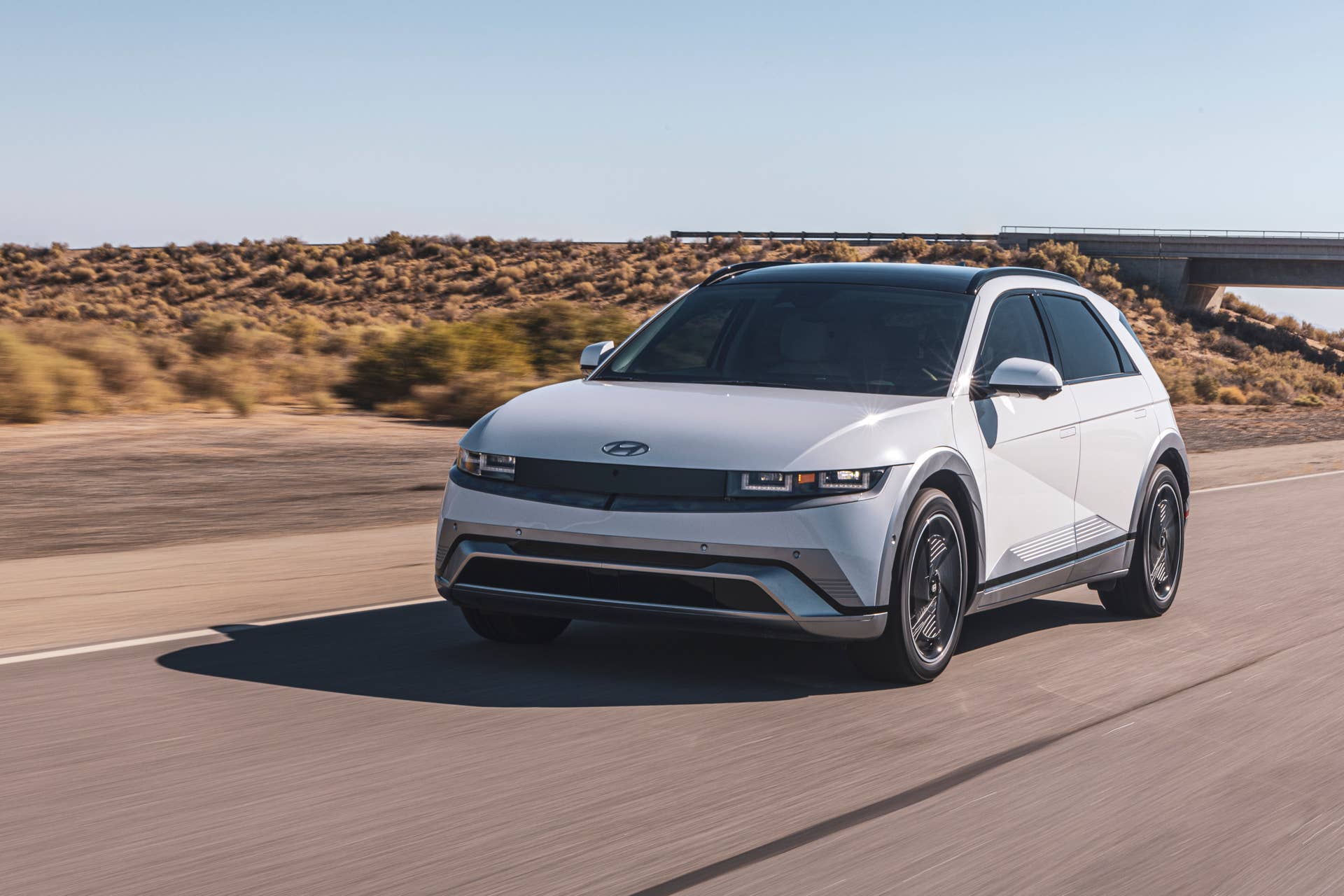
Electric vehicles are gradually gaining ground in the United States, and the Hyundai Ioniq 5 has proven to be a standout model. While the Korean automaker may have a somewhat checkered past when it comes to reliability, there’s no denying that Hyundai has been nailing it with their EVs. The Ioniq 5 is a strong contender in the electric crossover segment, often placing in second or third place. In 2024, the EV saw sales rise by 31%, bringing its annual total to 44,400 units sold.
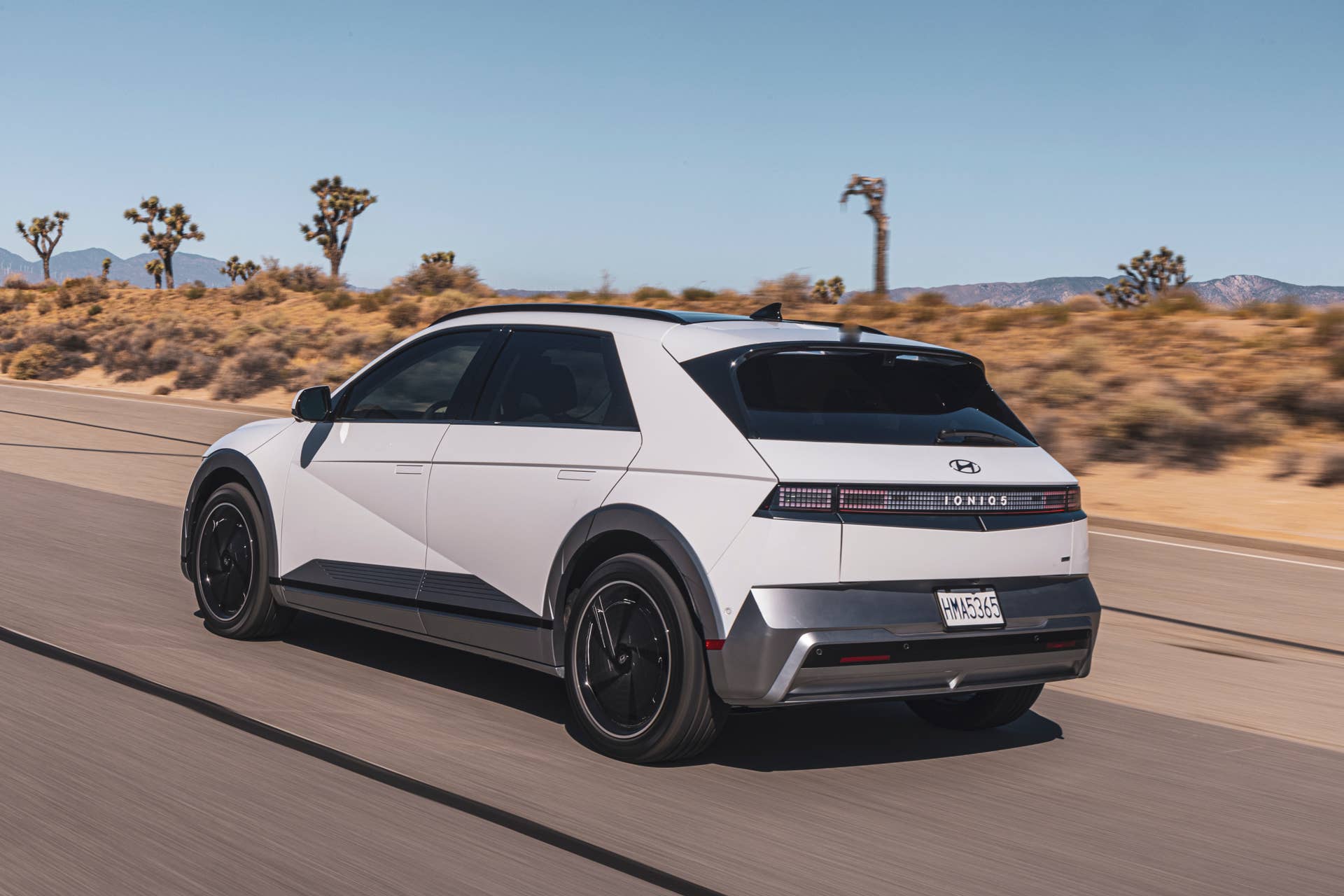
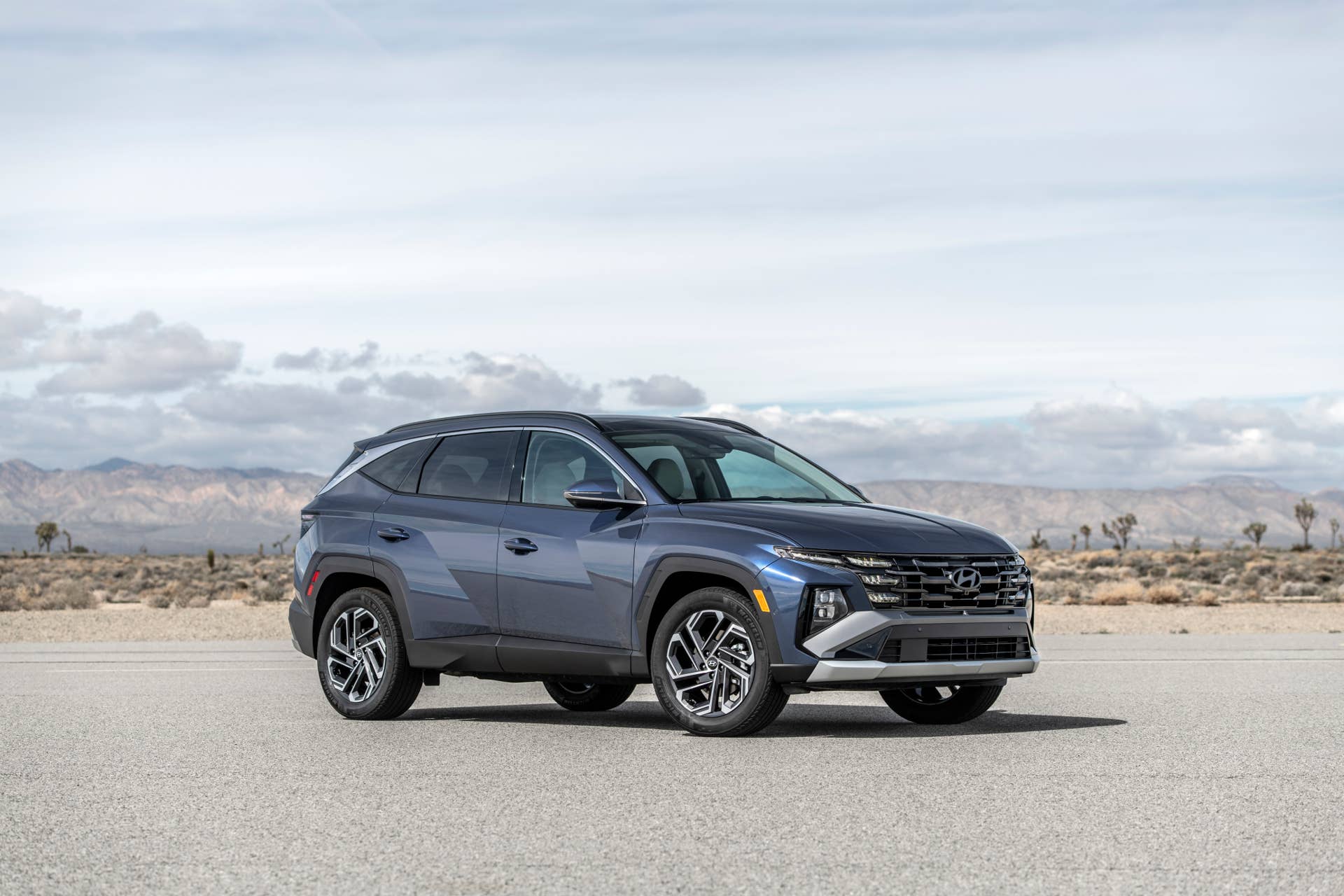
The Hyundai Ioniq 5 has been on the market since 2022 with boxy styling and a value-packed spec sheet. The latest model arrives with single and dual-motor powertrains, as well as 63 and 84 kWh battery options. Single-motor models are propelled by the rear wheels and offer 168 horsepower and 258 lb-ft of torque. When paired with the 63 kWh battery, the electric crossover can travel up to 245 miles on a single charge. Notably, however, that combination is only available in the base SE Standard Range trim, available from $42,600.
All other trim levels come equipped with a larger 84 kWh battery pack that bumps the range to 318 miles in RWD models and 290 miles in most AWD models. The SE trim, starting at $46,650, marks the introduction of an optional second motor that bumps performance to 320 horsepower and 446 lb-ft of torque.
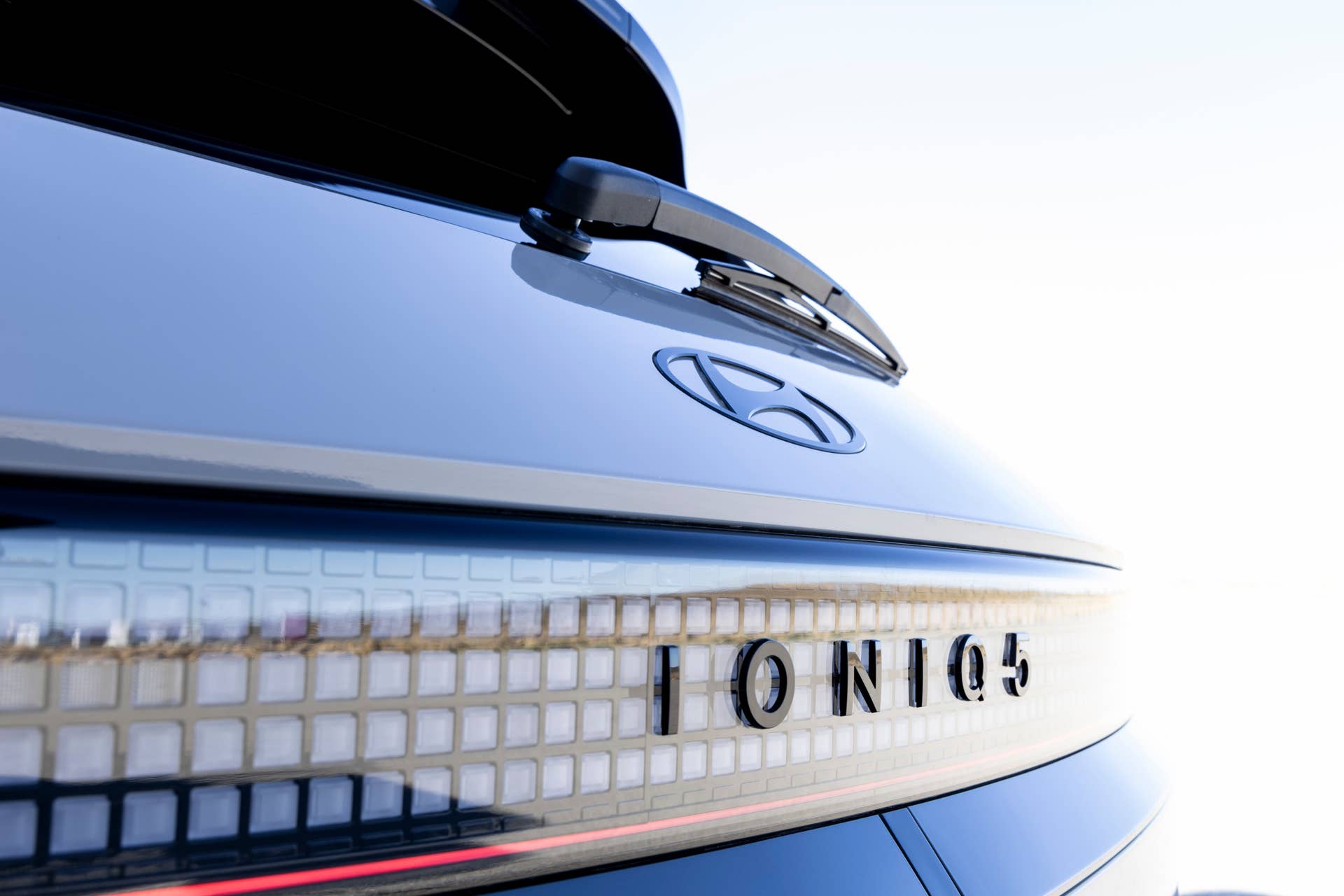
Hyundai
The $55,500 Hyundai Ioniq 5 XRT stands out from its siblings and kicks up some dirt with a more off-road-oriented design. It’s only available with AWD, rides on 18-inch wheels, and features a 23mm suspension lift. With those changes in place, the XRT model sees its AWD range drop to 259 miles. Similarly, the range-topping Limited trim, starting at $54,300, rides on 20-inch tires when equipped with AWD, reducing range to 269 miles.
The South Korean automaker has also gone the extra mile to make driving the Ioniq 5 more convenient than most competitors. The electric crossover comes with a standard ultra-fast charger, up to 350 kW, that can go from 10% to 80% charge in as little as 20 minutes, regardless of battery pack.
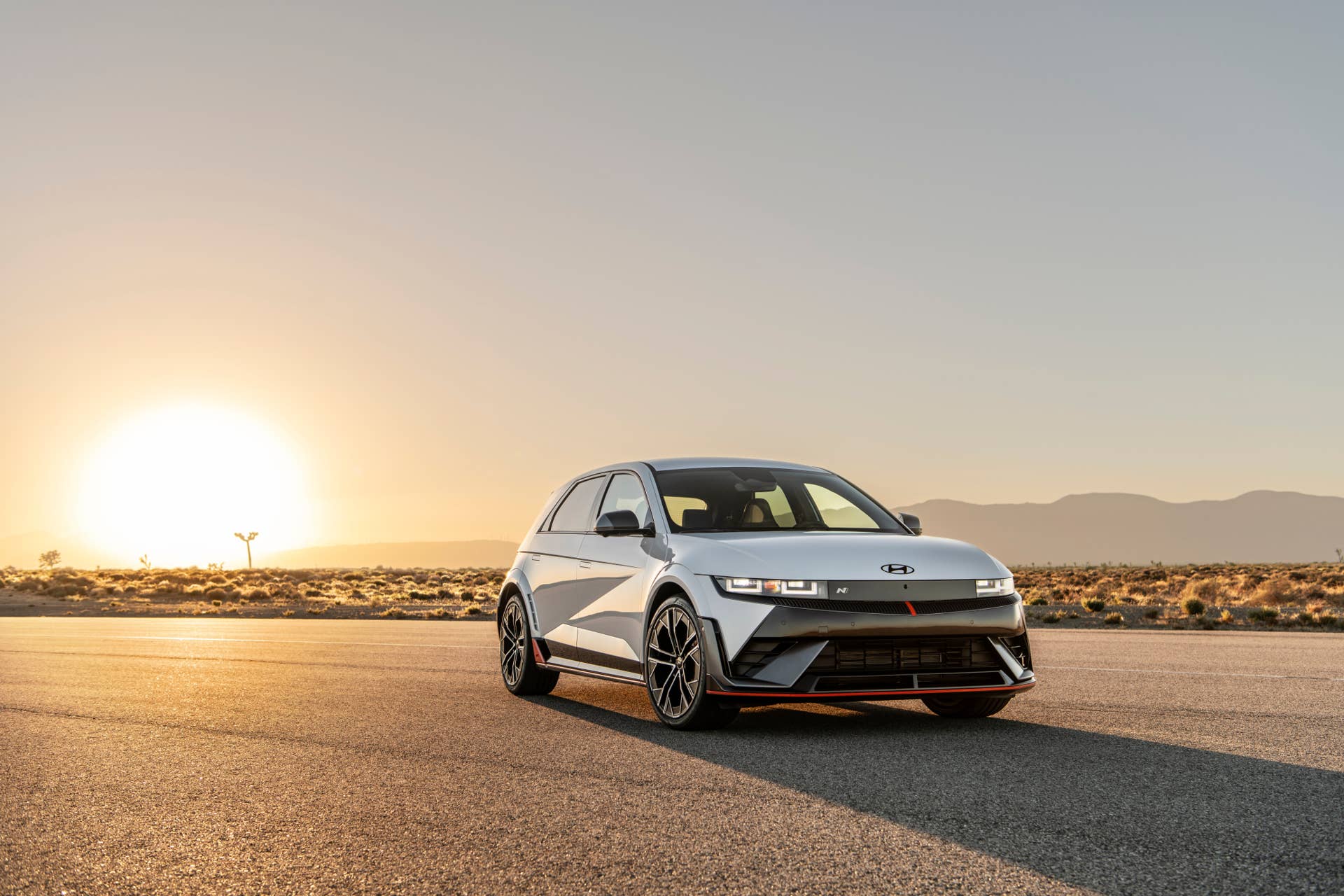
Notably, the popular electric crossover even comes in a high-performance variant that will knock the socks off any speed demon. The Hyundai Ioniq 5 N starts at $66,200 and features a blazing 641 horsepower and 568 lb-ft of torque. It shares the same 84 kWh battery as its less powerful siblings, but thanks to all that power, the Hyundai Ioniq 5 N offers a range of just 221 miles.
As far as space goes, the Ioniq 5 has plenty of room, thanks to its 118.1-inch wheelbase. Passenger space comes in at 106.5 cu ft., while cargo space tops out at 58.5 cu ft. The front trunk, or frunk, is where the Hyundai Ioniq 5 falls a little short, with just 0.85 cu ft. of space.
With class-leading charging times, a spacious interior, sheer performance, and excellent range, the Hyundai Ioniq 5 is a solid model, regardless of trim level. That said, I’d personally opt for the SEL trim with AWD, mostly because a standard power liftgate is a lifesaver with kids in tow.
Ford Mustang Mach-E
While it wears the same nameplate as the revered pony car, the Ford Mustang Mach-E is far from what you might expect in name alone. The electric crossover has a raised ride height compared to the muscle car thanks to its electric platform. Still, the Mustang Mach-E isn’t one to shy away from the track, especially at higher trim levels.

Ford reduced the price of their electric crossover, which means the base Select model now starts at $36,495, significantly less than the Ioniq 5. The base model comes equipped with a standard 73 kWh battery and RWD for a 260-mile range. The single-motor model arrives with 264 horsepower and 387 lb-ft of torque. Equipping the Select model with AWD reduces that range to 240 miles.
Upgrading to the larger 88 kWh battery means adding a second electric motor as well, bumping performance to 325 horsepower and 500 lb-ft of torque. When equipped with the larger battery, the Mustang Mach-E is good for 320 miles with RWD and 300 miles with AWD.
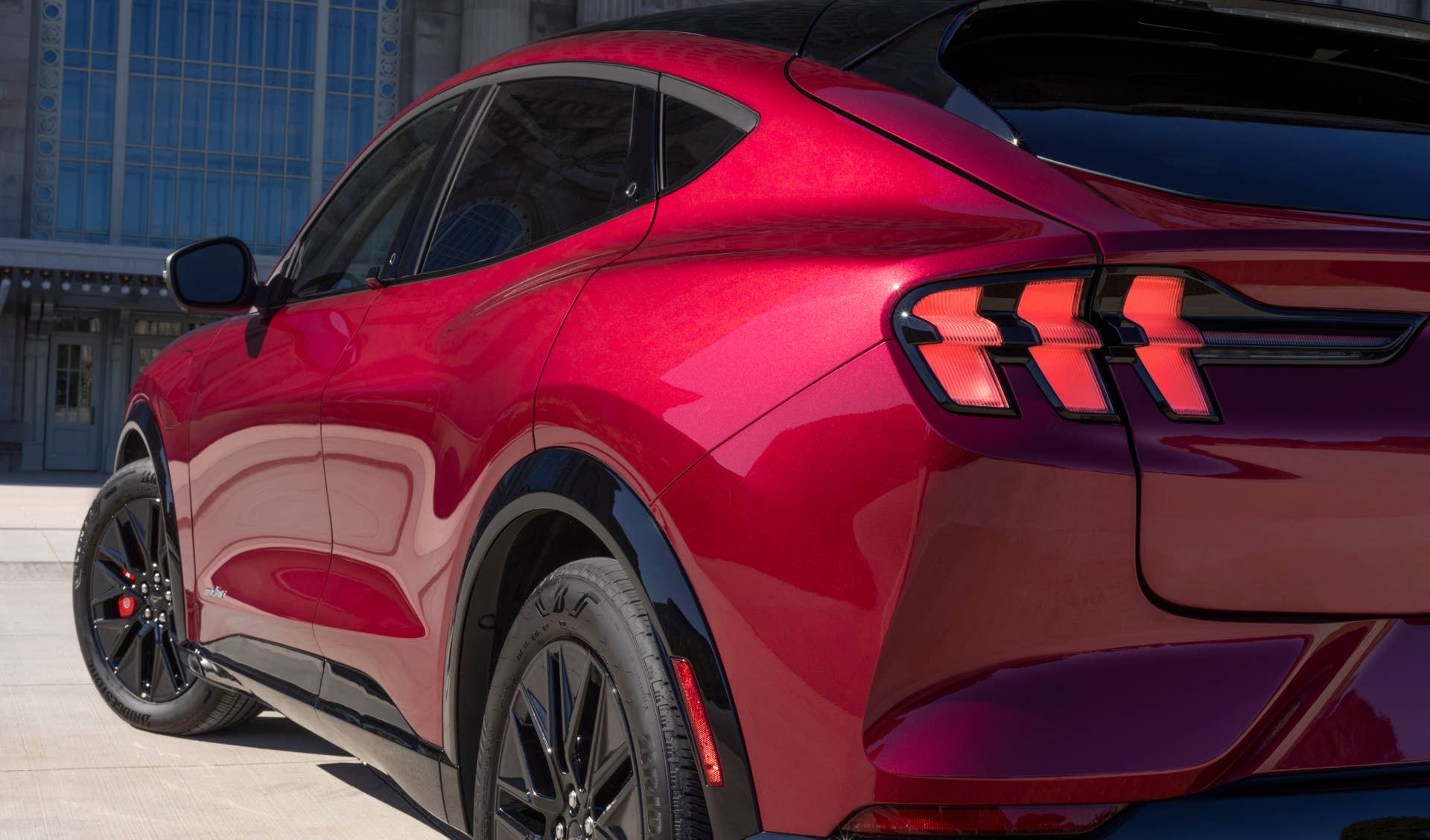
The Mustang Mach-E offers similar passenger and cargo space to the Ioniq 5. Passenger space is fairly roomy at 101.1 cu. ft., while cargo space is 59.7 cu. ft. Ford’s electric crossover easily tops Hyundai’s offering in the frunk, with 4.7 cu. ft. of storage space.
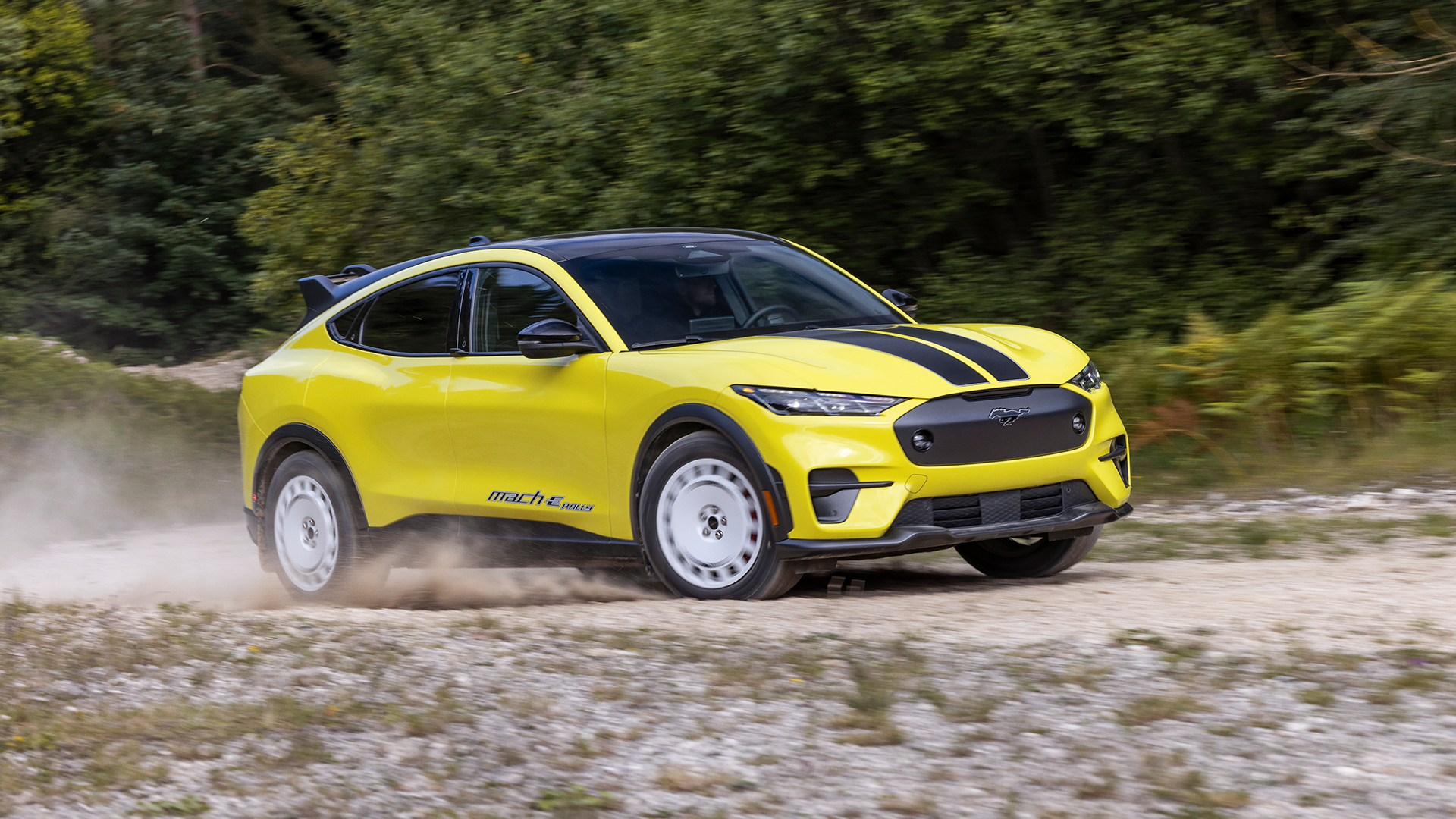
The Ford Mustang Mach-E really starts to show its true colors in the GT and Rally trim levels. Starting at $52,495, the GT model boasts a 280-mile range with the 88 kWh battery. It also rolls out with 480 horsepower and 600 lb-ft of torque, pushing the GT trim to 60 mph in just 3.8 seconds. Upgrading to the optional Performance package adds another 100 lb-ft of torque to the electric crossover.
Ford
Lo’ and behold, the Performance package upgrade comes standard on the range-topping Mustang Mach-E Rally trim, available from $55,995. With the upgrade, the top-spec model offers 480 horsepower and 700 lb-ft of torque, resulting in a 60-mph time of just 3.4 seconds. The Rally trim is a rather unique model in that, as the name implies, it mimics the specs of a rally car. As such, a lifted suspension, underbody protection plates, and a revised front splitter are just a few unique changes on the docket. Oh, and there’s also the exclusive RallyCross drive mode that allows the electric crossover to drift.
Chevrolet Equinox EV
An all-electric take on the popular gas-powered crossover, the Chevrolet Equinox EV should have a winning formula in hand. With the entry-level Bolt on hiatus, the Equinox EV stands as the American automaker’s base all-electric offering. In its latest rendition, the electric crossover is available in just two trim levels: LT and RS.
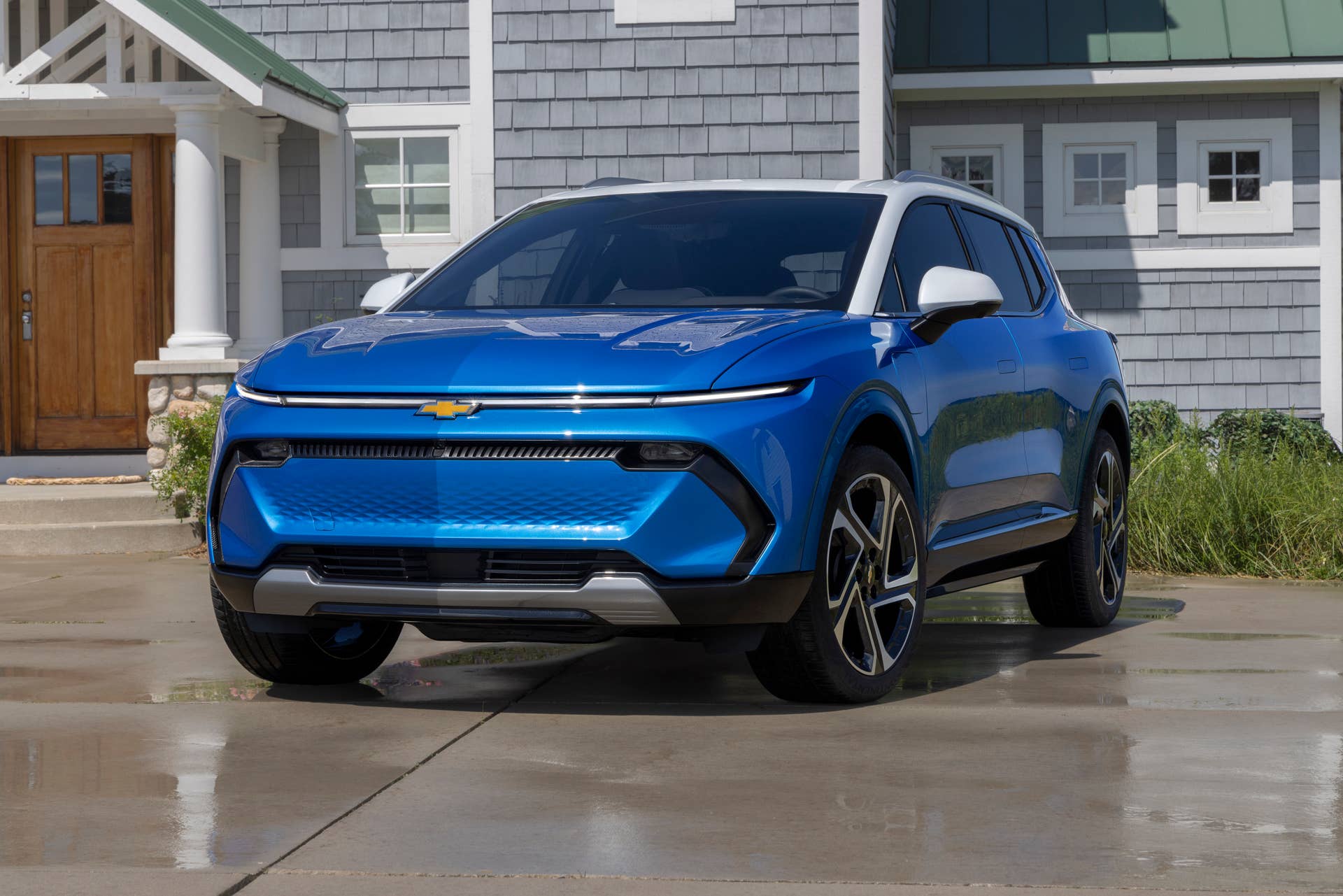
All Chevrolet Equinox EV models come with the same 85 kWh battery pack, although range varies between drivetrains. With FWD, the Equinox EV is rated for an EPA-estimated 319 miles, while AWD models see their range drop to 307 miles. As far as performance goes, FWD models are pretty unexciting, offering just 213 horsepower and 236 lb-ft of torque. AWD models get a bit of a kick, with a second motor bringing performance up to 288 horsepower and 333 lb-ft of torque.
The LT trim is the more affordable of the two, with a starting price of $34,995. For that price tag, the Equinox EV rolls out on 19-inch tires with a fairly industry-standard list of amenities. Both models come with a 17.7-inch touchscreen display, though, which si the largest of any electric crossover.
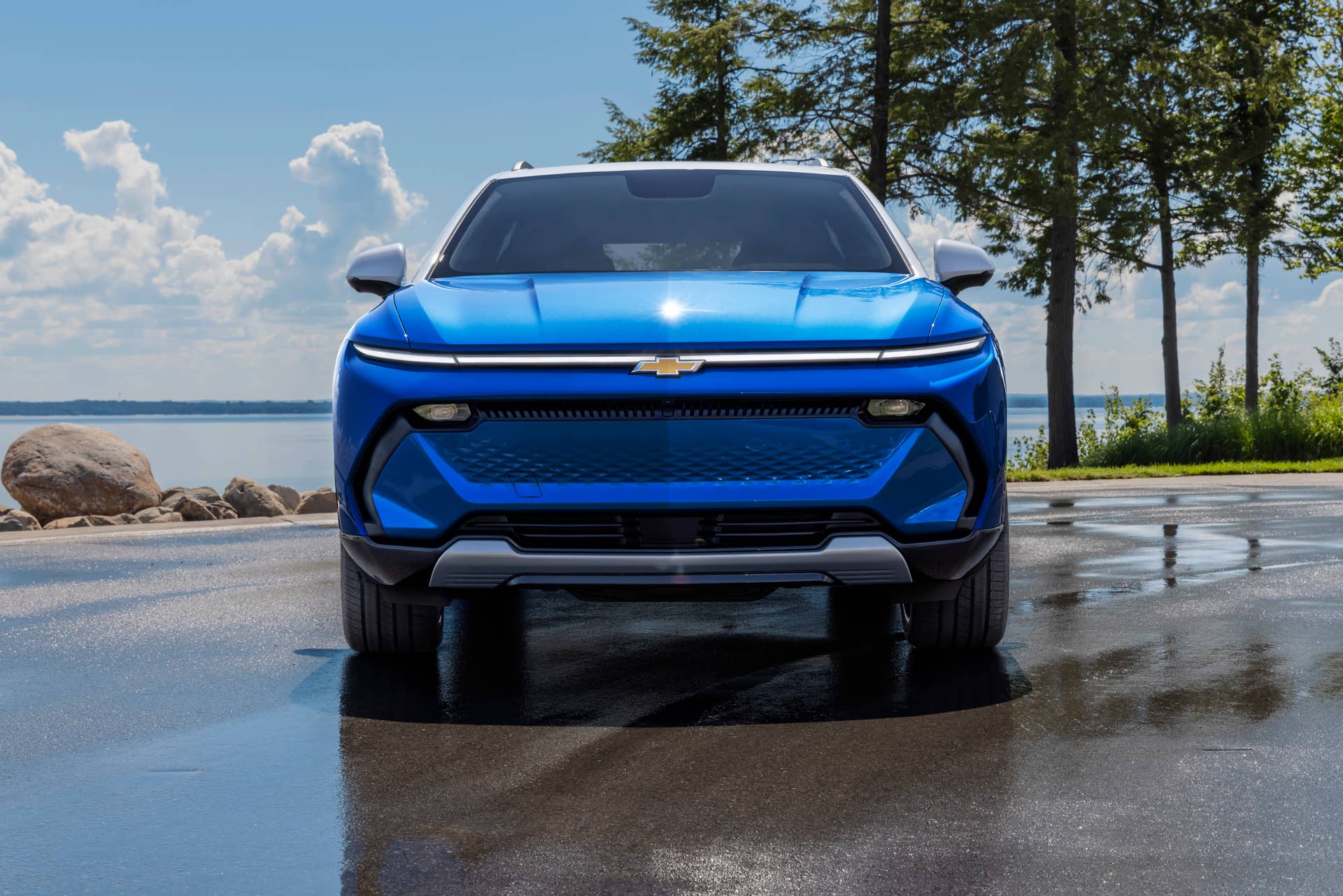
Upgrading to the RS trim will cost you $44,795, but you get plenty of additional features to go along with it. A power liftgate comes standard, as do a heated steering wheel and heated front seats. The RS model also rides on athletic 21-inch wheels and includes the Active Safety Package 2, which adds nine safety systems to the Equinox EV.
When it comes to interior space, the 116.3-inch wheelbase serves the Chevrolet Equinox EV well. Passenger space sits at a competitive 102.24 cu ft., while cargo volume tops out at 57.2 cu ft. Unfortunately, the Equinox EV doesn’t have a frunk, as the space is taken up by electronics and the propulsion system.
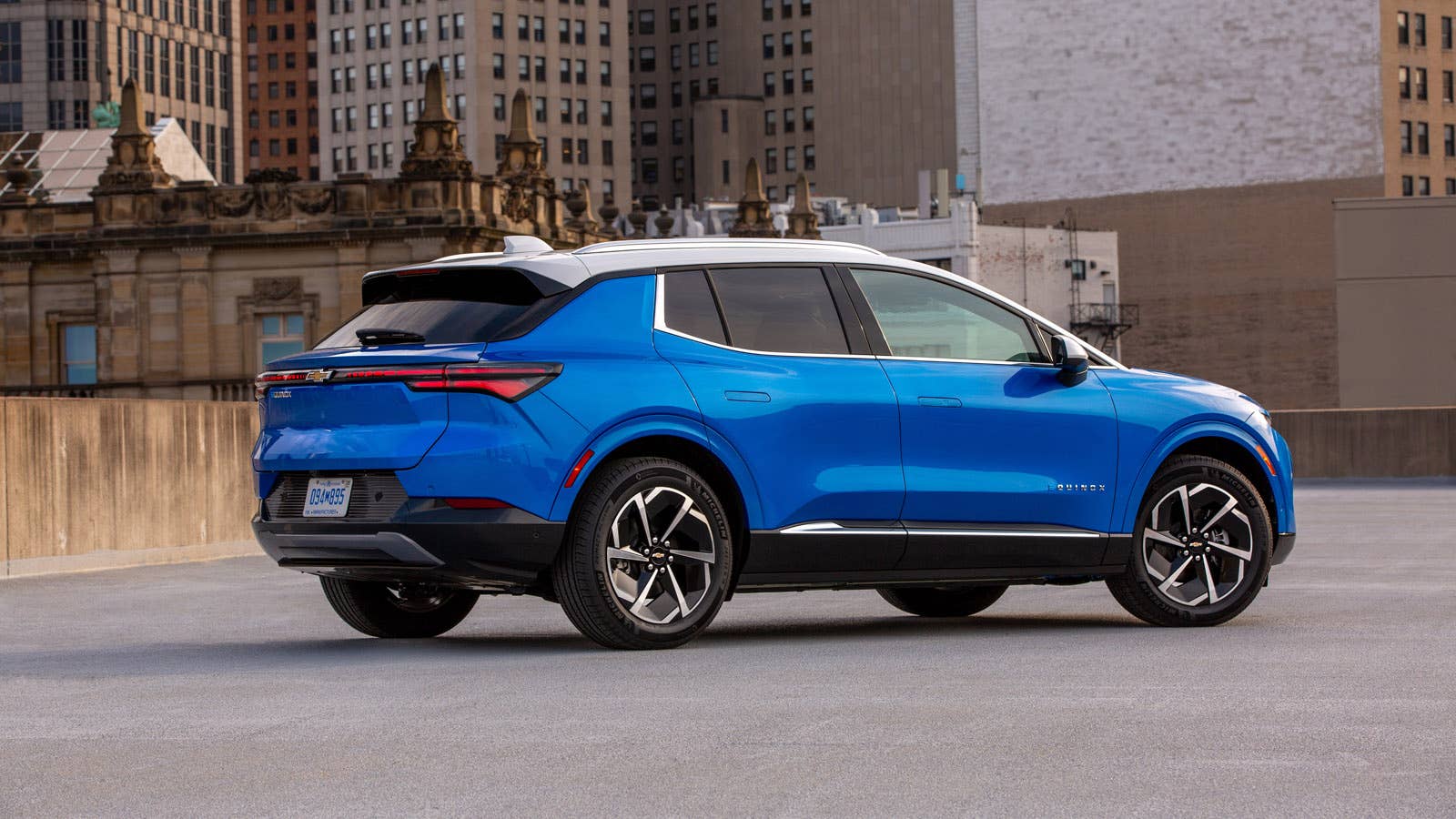
Chevrolet
It’s worth noting that Chevrolet’s entry-level EV offering isn’t available with Apple CarPlay or Android Auto. That alone could put off consumers, including yours truly. The sheer convenience offered by that software can’t be understated, especially when there are plenty of competitors – and by that, I mean nearly all of them – that come with Apple CarPlay and Android Auto compatibility. It’s a shame, really.
2025 Nissan Ariya
Nissan isn’t doing so hot at the moment, but the Ariya is a pretty solid electric crossover by most standards. The Japanese automaker was early to the game with the Leaf but ultimately fumbled the lead they had. In 2023, the Nissan Ariya arrived and became a real competitor to models like the Ioniq 5 and Mustang Mach-E.
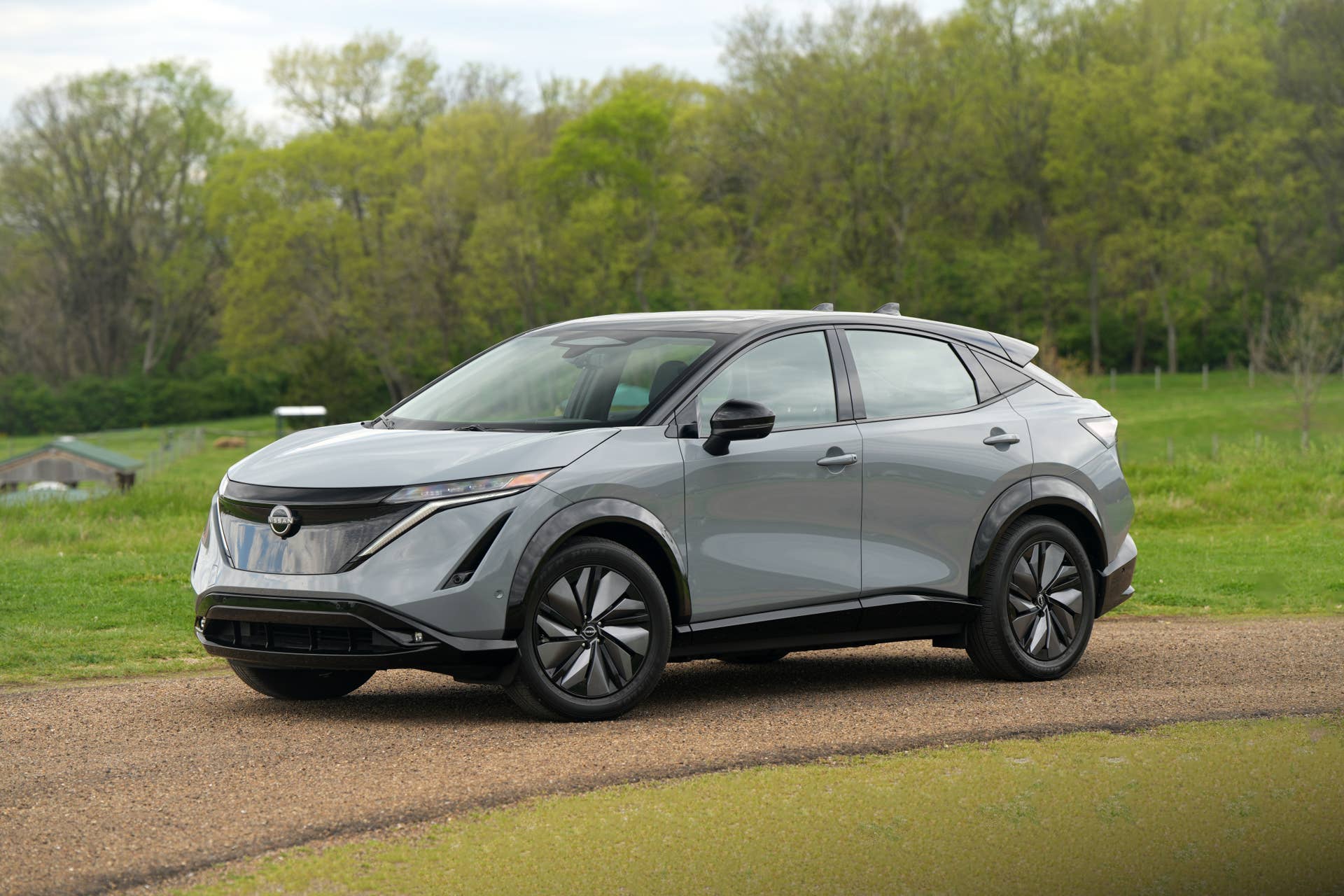
Starting at $39,770, the Nissan Ariya Engage arrives with FWD and a 63 kWh battery that’s good for 216 miles. In terms of charging time, that battery can reach 80% in around 35 minutes. The base Ariya’s performance isn’t all that hot, though, coming in at 214 horsepower and 221 lb-ft of torque.
Like in the Ioniq 5, the Ariya’s smaller battery is only available in the base trim. All other trim levels get an 87 kWh battery pack, starting with the Evolve+ FWD. Available from $44,370, the Ariya’s second trim level offers a range of 289 miles, the longest in the lineup, and charges to 80% in around 40 minutes. Performance gets a slight boost as well, up to 238 horsepower.
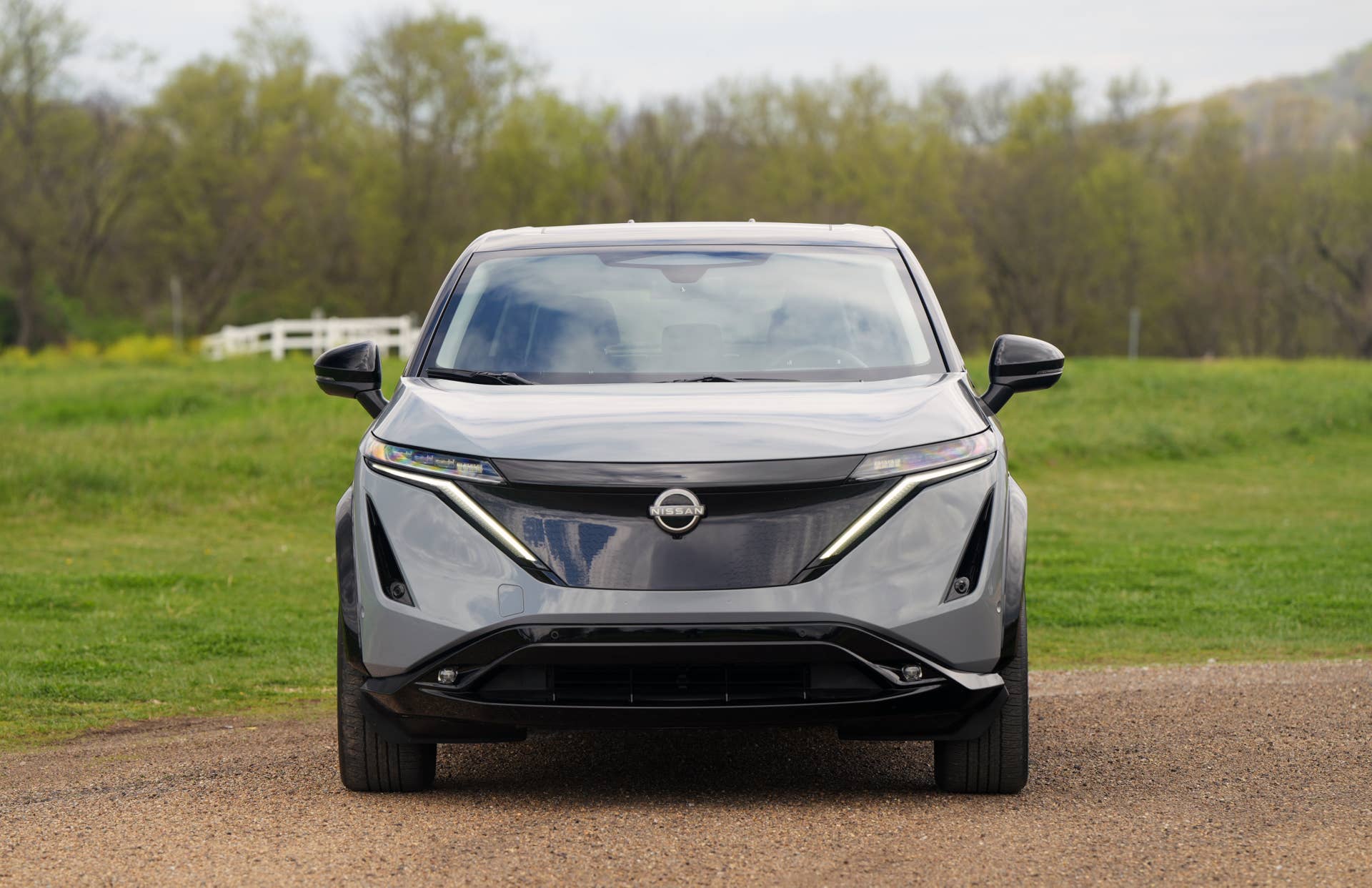
As is expected, the Nissan Ariya’s real power comes with the AWD models. The Engage+ AWD starts at $45,370 and features a second motor paired with the 87 kWh battery. As a result of the second motor, the range drops to 272 miles while performance rises to 389 horsepower and 442 lb-ft of torque. In the Platinum+ AWD trim, which starts from $54,370, the range drops to 267 miles due to additional equipment like a power moonroof.
The Nissan Ariya offers pretty competitive space. It matches the Ford Mustang Mach-E in cargo space, topping out at 59.7 cu. ft. In most models, passenger space comes in at 101.2 cu. ft., but drops to 96.3 cu. ft. in the Platinum+ AWD trim. It does come with standard Apple CarPlay and Android Auto, though, giving it an edge over the Chevrolet Equinox EV.
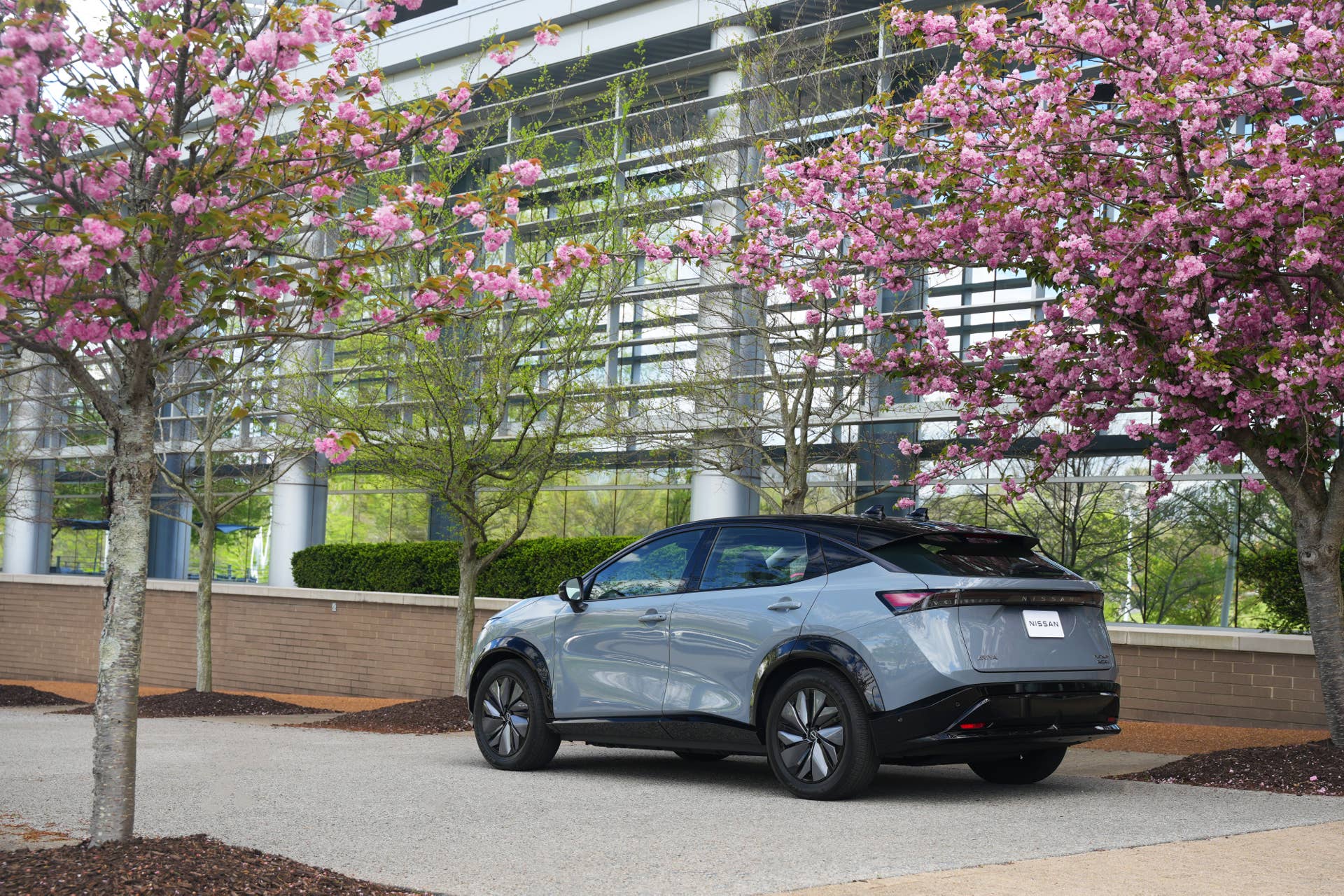
There’s no doubt that the Nissan Ariya is a fairly solid electric crossover, but the base model’s range is fairly prohibitive compared to rivals. Frankly, the Ariya is a middle-of-the-pack model that doesn’t do anything particularly well enough to stand out. On the other hand, it doesn’t really do anything to make it the worst of the bunch, either.
A close contest
Crossovers are all the rage in the United States, and the electric version of that segment is seeing a surge in popularity. With several fantastic contenders, it can be hard to narrow it down to just a handful of choices. The Hyundai Ioniq 5 is a solid model with an excellent balance of performance and efficiency, not to mention class-leading charging speeds. Even so, the Chevrolet Equinox EV, Nissan Ariya, and Ford Mustang Mach-E are all worthy rivals in their own right.
If smartphone compatibility software is of any interest to you, it’s probably best to forego the Chevrolet Equinox EV. Nissan is also having its fair share of issues, albeit at the corporate level, and it’s reasonable to say that the company’s uncertain future is enough to push some consumers away. Frankly, in my opinion, this contest boils down to the Hyundai Ioniq 5 and the Ford Mustang Mach-E.
The Ford Mustang Mach-E has the range and performance to go tire-to-tire with its South Korean rival, but charging speeds can make or break a model for many consumers. These are crossovers, though, so some off-road prowess can’t be ignored. The Ioniq 5 XRT is “sort of” an off-road model, but the Mustang Mach-E Rally has it beat in that regard.
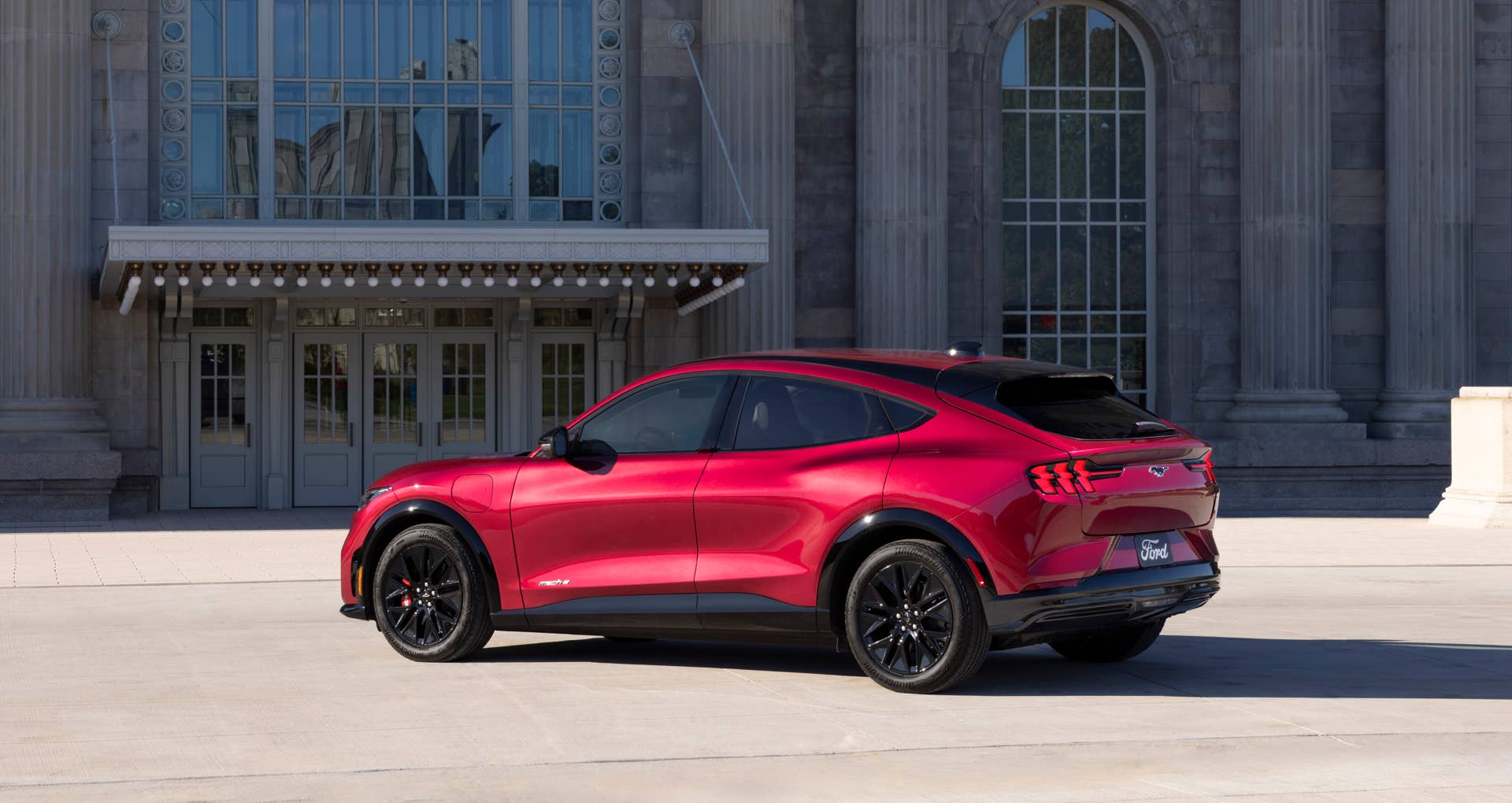
As far as a daily driver, though, I’d personally be fine with either model. Feet to the fire, however, I think I’d lean towards the Ford Mustang Mach-E. The American automaker added a heat pump for the 2025 model year, putting it on equal ground with the Ioniq 5 in that arena. I’d be lying if I said nostalgia for the Mustang nameplate wasn’t playing a role here. There’s just something about an early ‘90s Mustang that stays with you, I suppose.
Final thoughts
The electric crossover segment is as heated as ever, and the Hyundai Ioniq 5 is undoubtedly a top competitor. The EV has plenty of strengths without the weaknesses that are often along for the ride, and that makes it a tough rival. On the other hand, Ford is making steady progress with the Mustang Mach-E, and with price cuts and the addition of a heat pump, it’s in a solid position as well. Make sure to give the Ford Mustang Mach-E a test drive before you opt for the Hyundai Ioniq 5.
About the author

Joseph Pudlewski
Contributing Writer, Autoblog