
Key Points
- The 2026 Toyota Crown Signia offers near-luxury refinement, standard all-wheel drive, and distinctive wagon-inspired styling.
- Its spacious, comfortable interior includes excellent cargo capacity, advanced technology, and comprehensive driver-assistance features.
- A smooth, efficient hybrid powertrain prioritizes quiet usability over performance, making it an appealing practical family crossover.
Heavy is the Crown Signia
The 2026 Toyota Crown Signia isn’t a hot seller for the brand, although it’s moving more of them year over year since its debut in 2024. Often touted as the spiritual successor to the similarly unpopular Venza hybrid crososver, this wagon-esque crossover is for the buyer who wants the polish, quietness, and everyday ease of a premium crossover without communicating that intention through a luxury badge.
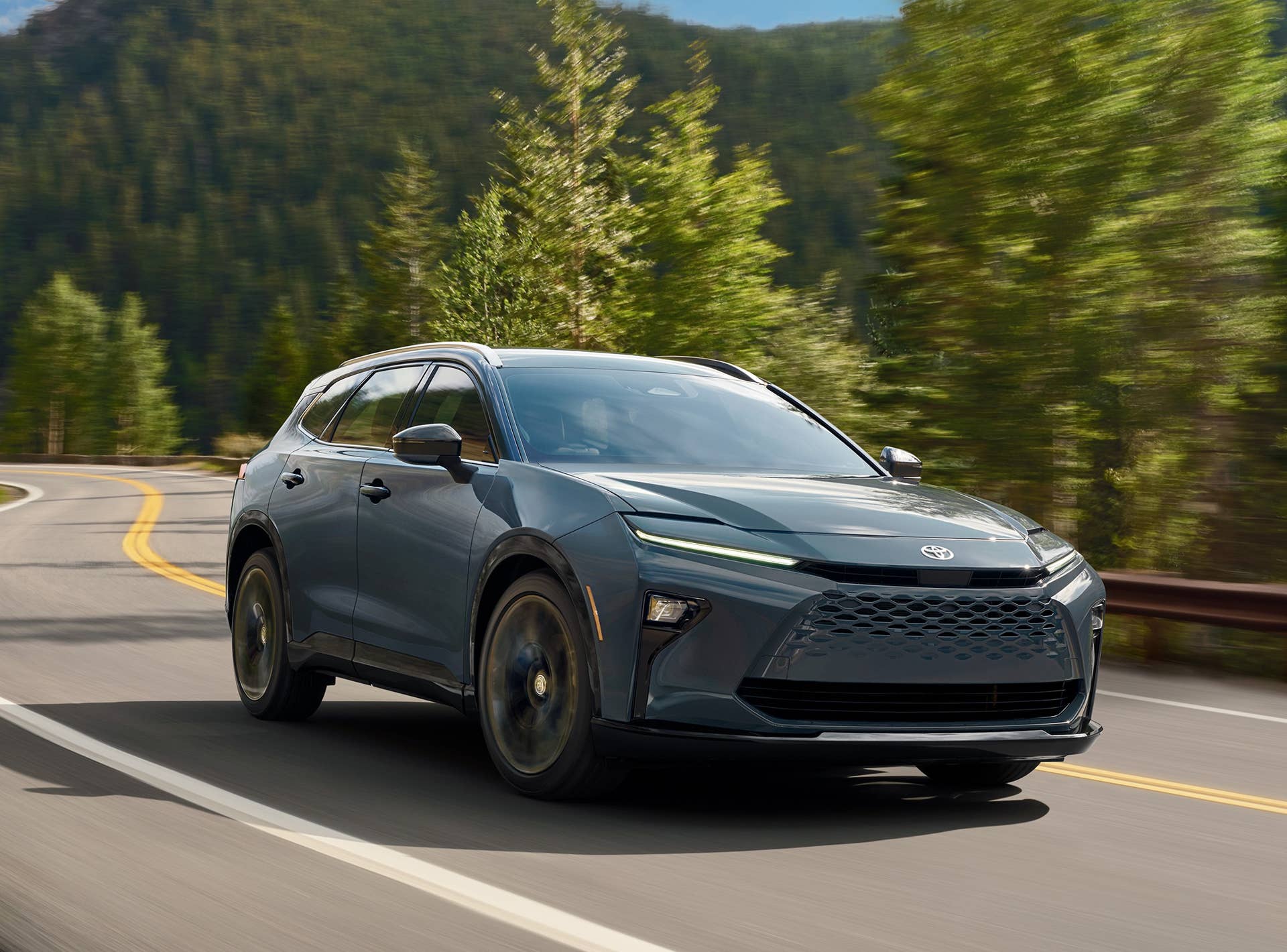
This premium look and feel, it’s most endearing aspects, might be reason why buyers aren’t flocking to it as much as they might a Lexus RX 350h. But for drivers who value refined road manners, a handsome cabin, standard all-wheel drive, and a less common shape, the Crown Signia Limited makes a persuasive case for inconspicuous luxury.
My tester was a 2026 Crown Signia Limited with a base price of $48,790. With the $1,495 destination fee and options such as the Advanced Technology Package ($1,865), Premium Paint ($475), Illuminated Door Sills ($395), and Cross Bars ($570), the total price came to $54,829.

Exterior and Interior Styling – 9/10

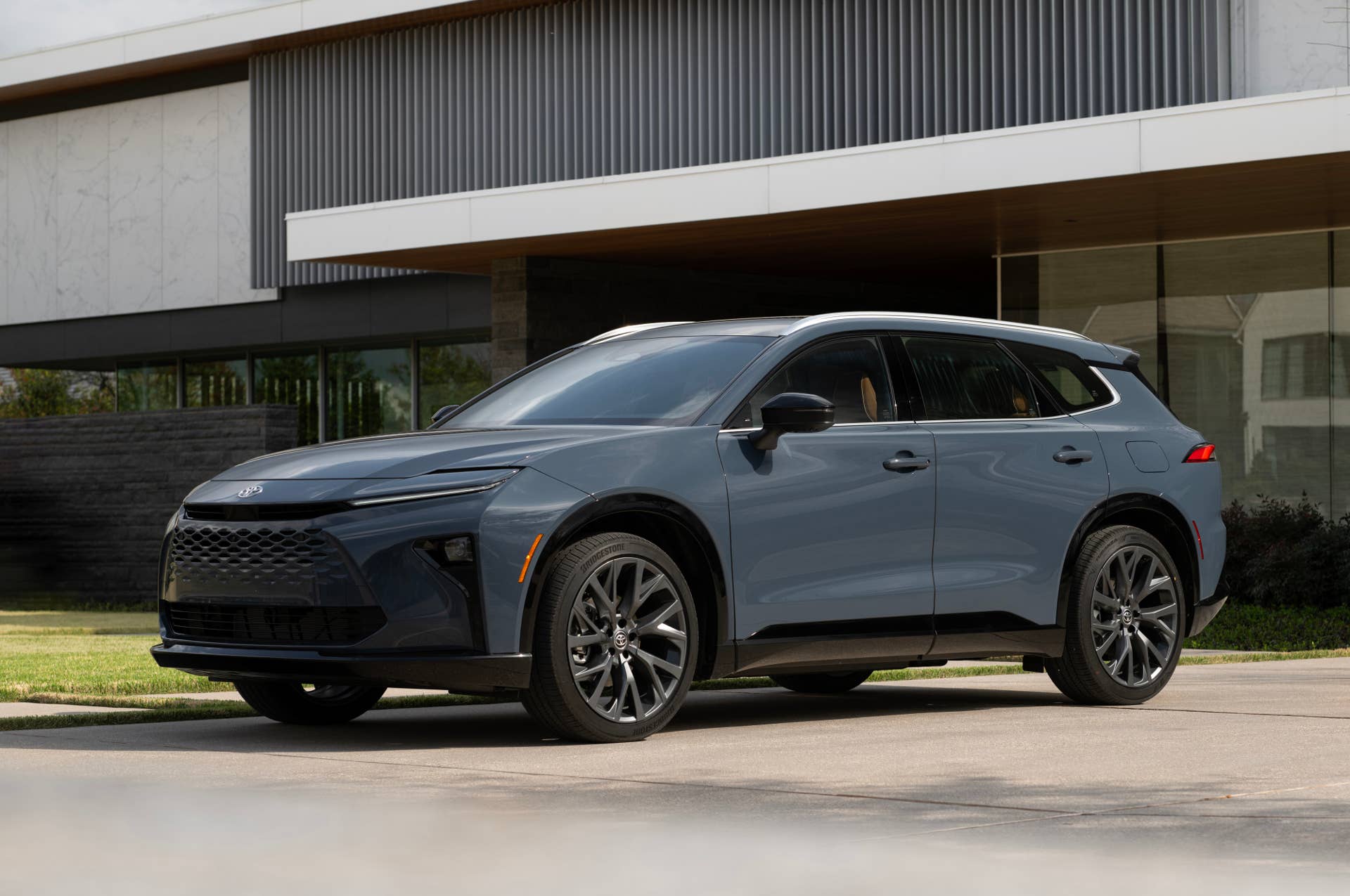
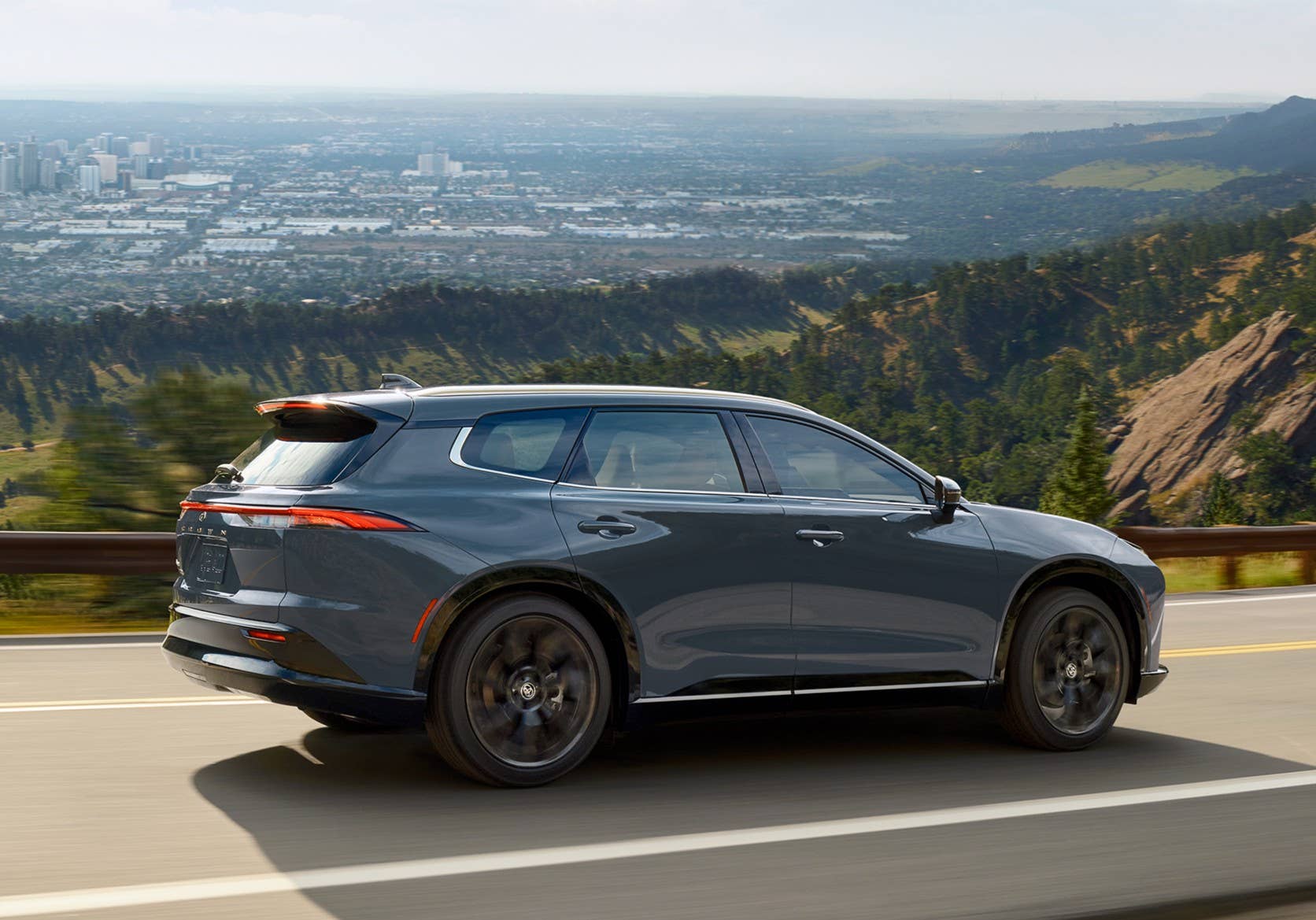
Toyota calls the Crown Signia an SUV, but it really looks more like an elevated wagon with some crossover-like aspects. From the front, it looks like mashup between the current Prius and the RAV4, but from the profile view, it’s pretty much a long-hooded and rear-tapered station wagon, almost like the Volvo V60 Cross Country. The Crown Signia looks more elegant than many conventional compact and midsize crossovers. It certainly outshines its sedan sibling thanks to the two-box design that eliminates the Crown sedan’s bubble butt.
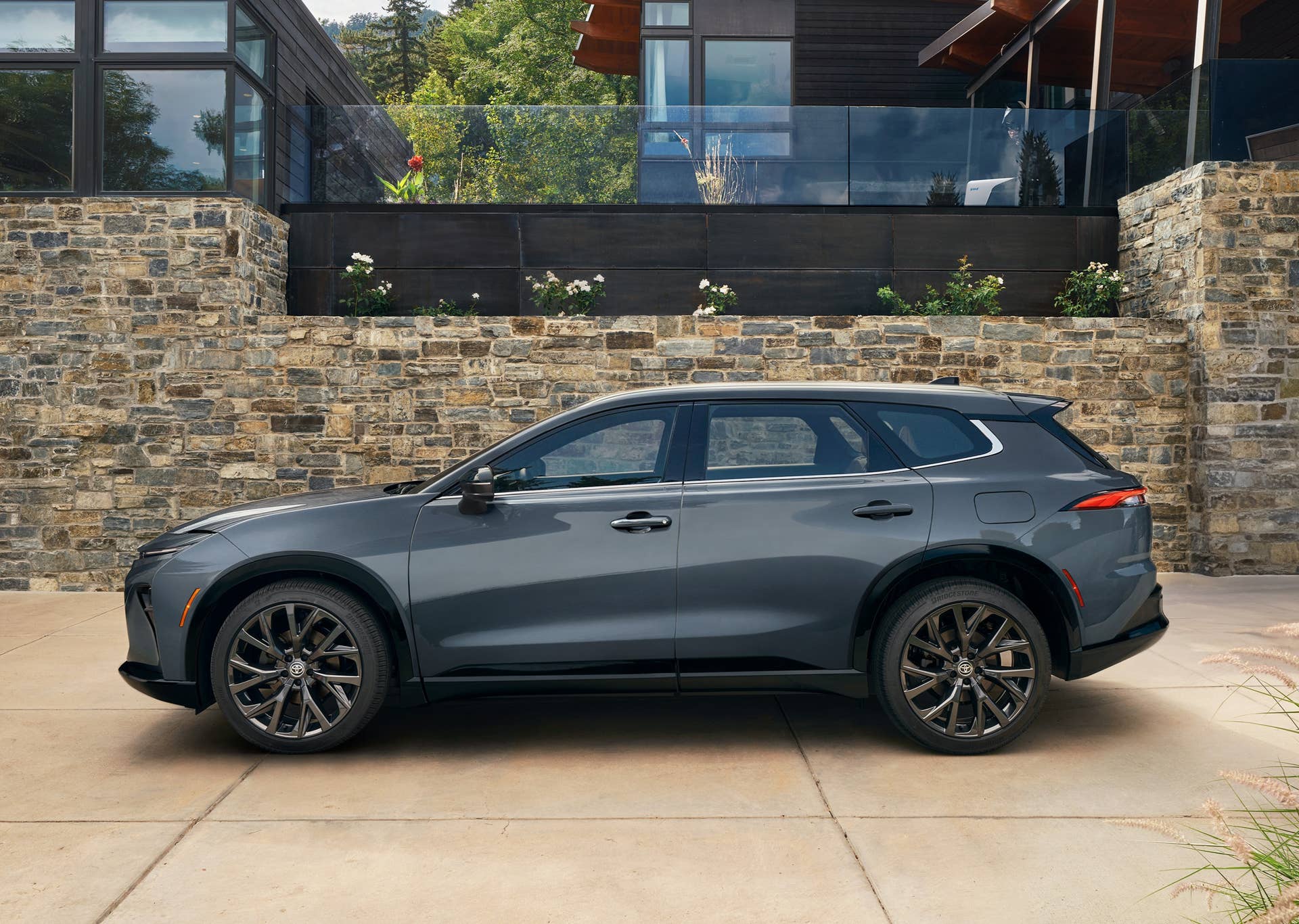
The front end is more refined that the Toyota Crown sedan, including a broad grille treatment and slim DRL elements, but the Signia’s headlights are separated while the Crown sedan’s are integrated behind the DRLs. From the profile view, the Signia benefits from rugged fender trim, shorter overhangs, and the elimination of the shoulder hump behind the sedan’s C-pillar. The roofline flows cleanly into the rear hatch, and the wide rear lighting graphic helps the vehicle look planted from behind. The dark chrome Y-spoke wheels on the Limited trim are stunning.

Inside, Toyota moves well beyond the utilitarian atmosphere associated with many mainstream crossovers and goes very Lexus-like. The dashboard is a little more complex with the layering effect, but the overall appearance is refined. Materials generally look and feel appropriate for the Crown Signia’s near-luxury mission, particularly on touchpoints such as the steering wheel, door panels, and seating surfaces. Perforated leather, contrast stitching, satin-finished metallic trim pieces, and slick switchgear make the cabin truly attractive. There’s a lovely absence of cheap plastics inside, too.
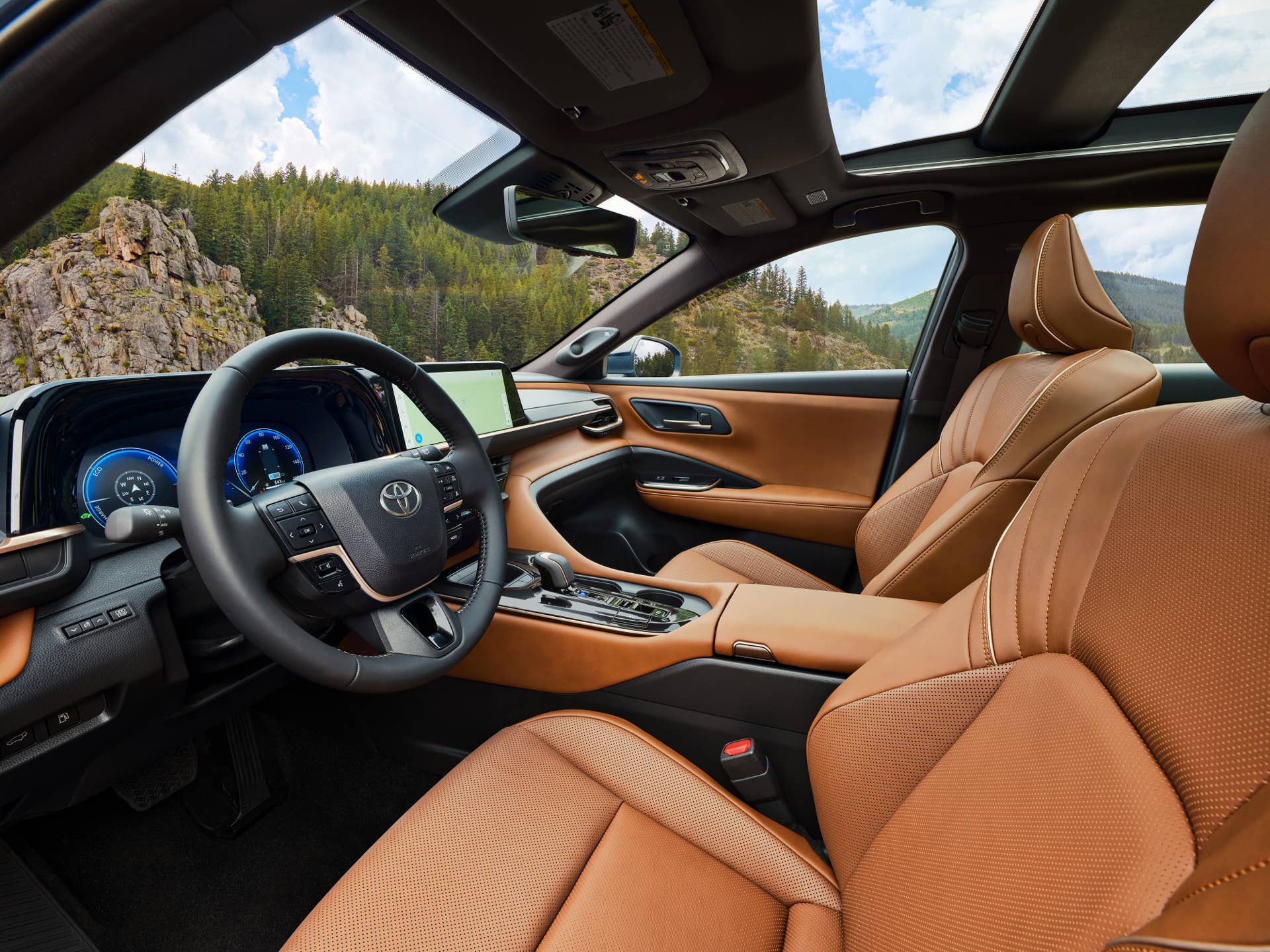
The Limited’s leather-trimmed seating and upscale trim details help make the cabin feel more special than a RAV4 or Highlander. It is not a full Lexus substitute in terms of every material or every detail, and that makes the Crown Signia Limited travel under the radar without sacrificing the upper echelon’s of Toyota luxury. The Crown Signia instead occupies an appealing middle ground: more polished than a conventional Toyota crossover, less formal and less conspicuous than a similarly priced Lexus model.
Infotainment and Technology – 8.5/10

The Crown Signia Limited uses Toyota’s latest large-screen infotainment layout, centered around a 12.3-inch touchscreen paired with a 12.3-inch digital instrument display. Both are well-integrated and they don’t overtake the cabin the way some competitors do. Toyota has figured out a way to put great tech inside the Crown Signia while blending into the overall cabin execution.
The central display is sharp, responsive, and straightforward. It’s not flashy, which isn’t Toyota’s bag, anyway, but it’s clean and intuitive. The system responds quickly to inputs, and Toyota’s interface is almost as easy to use as Wireless Apple CarPlay and Android Auto, which are standard. Smartphones pair very quickly, too.

I’m a big fan of the straightforward instrument display. It eschews overly flashy graphics (the drive mode graphic is nice, though) and instead opts for clear data readouts and just enough information (energy flow, driven wheels, adaptive cruise controls selections), etc. The analog style dials have configurable data sections that can be selected and moved, while the charging status (left) and the speedometer (right) gauges remain fixed.
Additional tech bits include a digital rearview mirrors, JBL 11-speaker premium audio, wireless smartphone charging, Connected Services capability, and a backup camera with dynamic gridlines. Options added to my tester included a Panoramic View Monitor, Lane Change Assist, Front Cross-Traffic Alert, Front and Rear Parking Assist wi/ Automatic Braking, Outer Mirrors with Puddle Lights and Reverse Tilt-Down, and a Dash Cam.
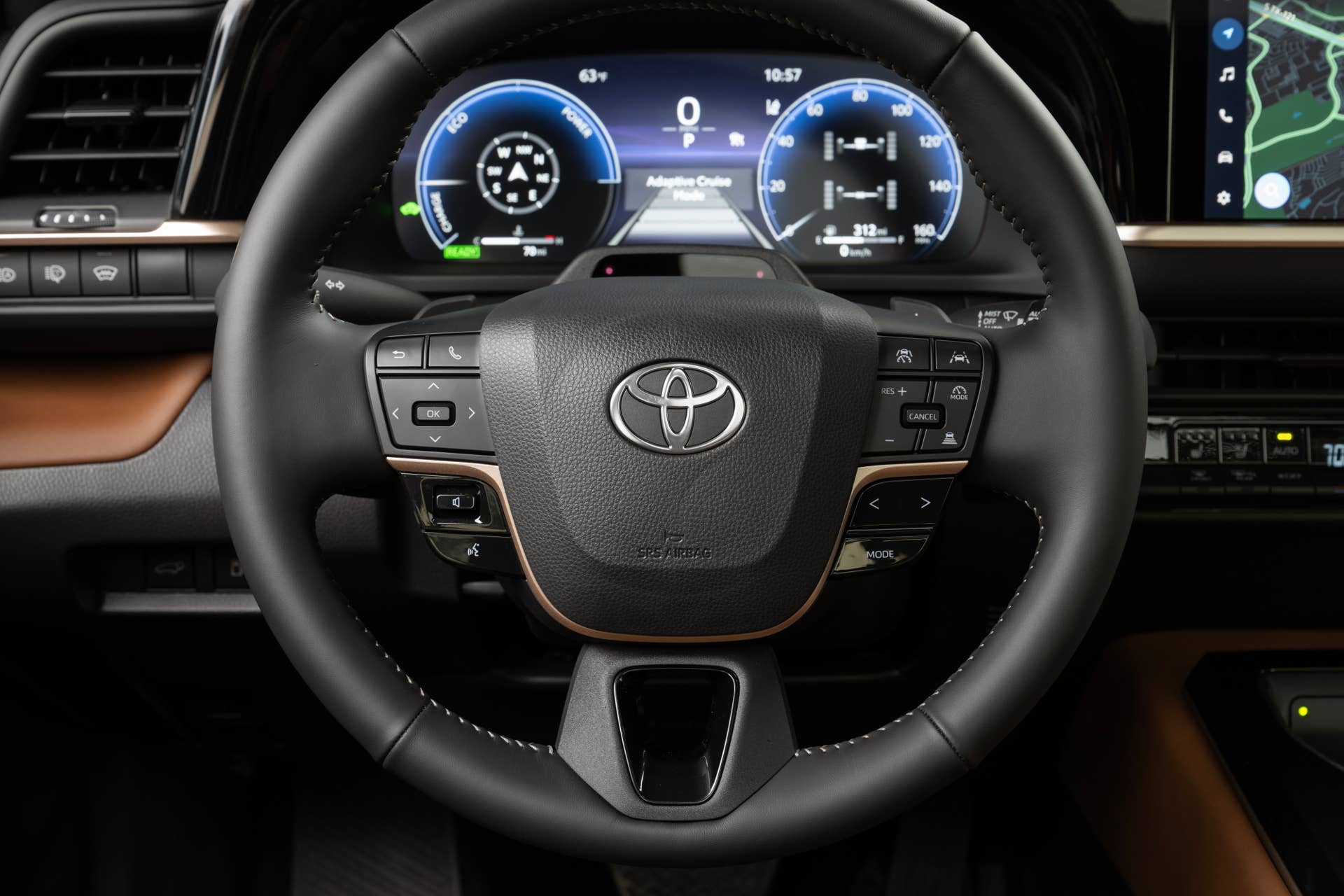
The standard driver-assistance suite is comprehensive, and owners should feel protected with one of the most comprehensive sets around. Toyota Safety Sense 3.0 includes Pre-Collision with Pedestrian Detection, Full Speed Dynamic Radar Cruise Control, Lane Departure Alert with Steering Assist, Lane Tracing Assist, Road Sign Assist, Automatic High Beams, and Proactive Driving Assist.
Comfort, Space, and Usability – 9/10
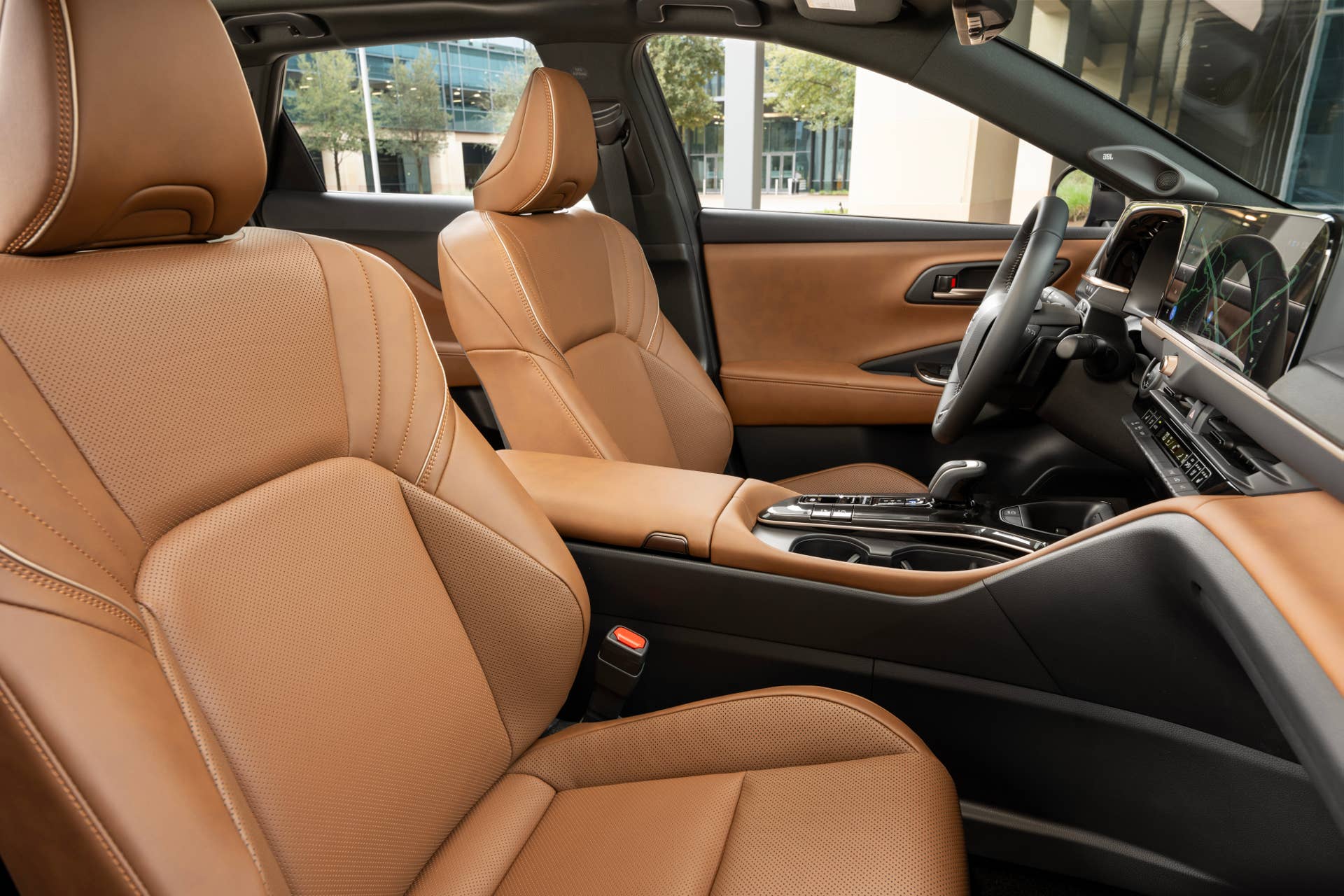
The Crown Signia Limited’s interior comfort is excellent. The front seats are broad and supportive, and the cushioning is nicely balanced between firm and soft. The front seats in the Limited trim get heat/ventilation, along with a heated steering wheel. The rear outbooard seats get heat. The back seats provide 37.1 inches of legroom. Ample for six-footers but not quite as much as the Crown sedan’s 38.9 inches. On the plus side, Toyota has concentrated its packaging on passenger comfort and cargo capacity instead of squeezing in a shrimpy third row.

Cargo capacity is excellent for a vehicle with this silhouette. The rear hatch opens to a wide, flat load floor, and the low lift-over height makes loading big items much easier than in a taller crossover or SUV. It was easy to throw heavy bags into the back of the Crown Signia because I hardly had to lift them to get them in. With the seats in place, you get 24.8 cubes, and folding the rear seats expands the usable area substantially to 66.1 cubes, creating the kind of long, practical cargo space that wagon buyers appreciate. The back seats fold down flat, so they don’t impinge on capacity.

The cupholders and phone charging bin are easy to access, and there’s a decently sized armrest the opens to both the driver and front passenger, a great feature. I lamented the size of the door pockets, which are deep but not long. They’re great for water bottles, but if you want more storage, the pockets are limiting. But the overall practicality of the Crown Signia remains excellent. There’s enough small item storage space to be daily usable, and the capacious boot makes grocery hauls, sports gear stowage, and road trips a reality. There wasn’t school and athletics day for my three kids plus multiple grocery bags that lef the Crown Signia wanting.
Driving Experience – 7.5/10
Every 2026 Crown Signia uses Toyota’s 2.5-liter hybrid powertrain and electronic all-wheel drive. The system combines a gasoline engine with electric motor assistance and sends power to all four wheels through Toyota’s eCVT-style hybrid transmission. Total system output is 240 horsepower, but you can’t upgrade to a 340-hp Hybrid MAX powertrain found on the Crown sedan. 0-60 happens in 7 seconds. It’s midpack for the segment. It’s doubtful buyers of this type of vehicle will expect rapid transit.

Under prodigious throttle use, the system is noisy. While not unrefined, it is a sacrfice for fuel efficiency. The hybrid setup delivers smooth low-speed response, quiet cruising, and notably strong fuel economy (39 mpg city/37 highway/38 combined) for a roomy all-wheel-drive crossover. In daily, normal driving use, the system operates smoothly and unobtrusively. Get on the gas, and it’s clearly noticeable that the Crown Signia wasn’t designed to thrill. My week behind the wheel (about 50% in Sport mode) resulted in 34.7 mpg combined. A lighter foot would no doubt get better results.

Steering is light but accurate, and body roll is controlled but by no means flat. Its lower, wagon-like profile helps it feel less top-heavy than a taller SUV, while the standard all-wheel-drive system provides peace of mind for climes like Chicago. Winter’s coming, and the Crown Signia should manage well when things get dicey.
Ride quality is excellent, but it’s not mushy and totally isolating. The Crown Signia Limited absorbs most broken pavement with controlled softness rather than a floaty, disconnected feel. Road and wind noise are also well managed at highway speeds, reinforcing the impression that Toyota is targeting buyers who want a Lexus-like calm without necessarily buying a Lexus.
Final Verdict – 8.75/10
The 2026 Toyota Crown Signia Limited is a great near-luxury crossover alternative. Two rows and a manageable footprint make for a great family car if you don’t have to transport six or seven individuals. Sometimes, all you want is a quieter cabin, supportive seats, useful cargo space, standard all-wheel drive, a refined hybrid system, and styling that does not resemble the sea of taller crossovers out there.
I quite liked the Crown Signia, despite it’s lack of driving engagement. I would also choose it over the Crown Sedan, even purely based on looks. This is a crossover for people who want something more distinctive than a typical SUV and more practical than a sedan, all the while retaining peace of mind that can only come with Toyota usability and reliability.
About the author
Amos Kwon
Contributing Writer, Autoblog