
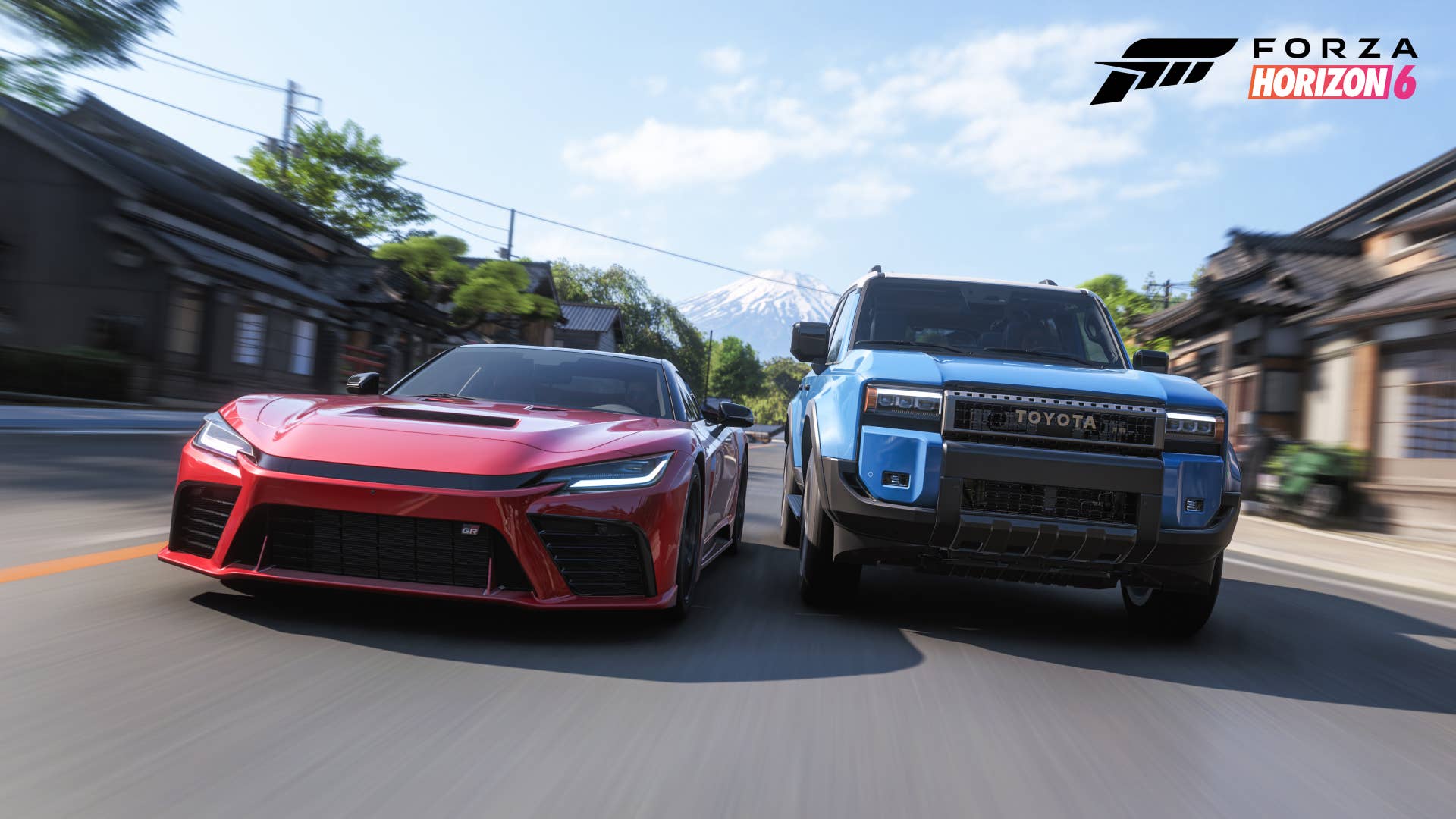
A few weeks ago, I received one of the most exciting emails I’ve read all year. No, this wasn’t an invitation to see Audi’s new Formula 1 racing car in Berlin, nor a request to test-drive an unreleased EV in a warm, sunny coastal town. Instead, this was an email that would have made thirteen-year-old me’s head explode: I was asked to test and review Forza Horizon 6, courtesy of Xbox and Microsoft, well before its release, which is scheduled for this coming May.
Having played each and every previous Forza Horizon entry from start to finish, as well as every Forza Motorsport game since the third, I was both excited and skeptical at the same time. Could this new instalment recapture the charm of the franchise’s earlier open-world racing game entries while blending state-of-the-art graphics and the latest, greatest cars? That was the question I set out to answer as my virtual flight landed in Japan and I was let loose to explore what the latest Forza Horizon had to offer.
Disclaimer: Xbox provided Autoblog with access to a pre-release preview build of Forza Horizon 6 for coverage. The build available to media was a work-in-progress snapshot featuring roughly an hour of linear content plus free roam, locked to Xbox Series consoles and 30 fps Quality mode, with some areas and features unavailable until launch.
Playground Games
First Impressions: Forza Horizon 6 Finally Gives Horizon the Backdrop It Always Deserved
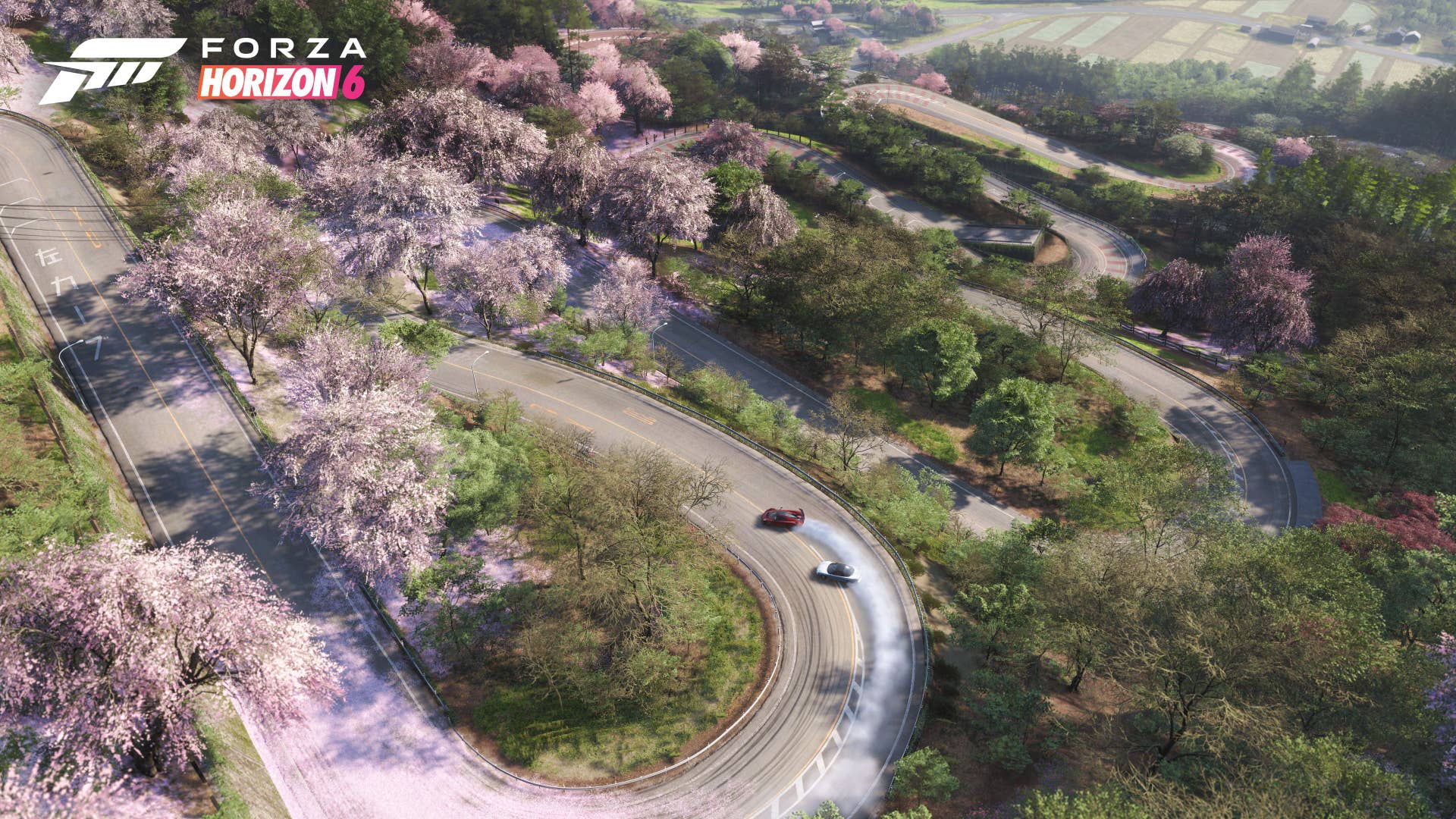
The first thing I felt while playing Forza Horizon 6 wasn’t awe or disbelief; it was relief. If that sounds backhanded, it isn’t. In fact, it may be the strongest compliment I can give this preview build. Japan has long felt like the setting Forza Horizon was always supposed to visit, and with that comes impossible expectations. Everyone has their own fantasy of what an open-world driving game set in Japan should feel like. Everyone wants their own blend of Tokyo Expressways, twisty touge roads, bright pink cherry blossoms, slippery snow, and quirky engine swaps. Get it wrong, and the whole thing risks feeling like a misguided imitation of the original. Playground Games, to its credit, has certainly not gotten it wrong.
Within my first hour or two, it became clear that Forza Horizon 6’s biggest strength is its all-new map. It is expansive, detailed, action-packed, and consistently fun to drive. More importantly, it feels significantly denser and more memorable than Forza Horizon 5‘s map, which, for all its visual beauty, often felt a bit barren once the novelty of its Mexican setting wore off. Here, there is a stronger sense that each road was designed to be driven differently, with precision and technique, not merely to connect different parts of the map.
Playground Games
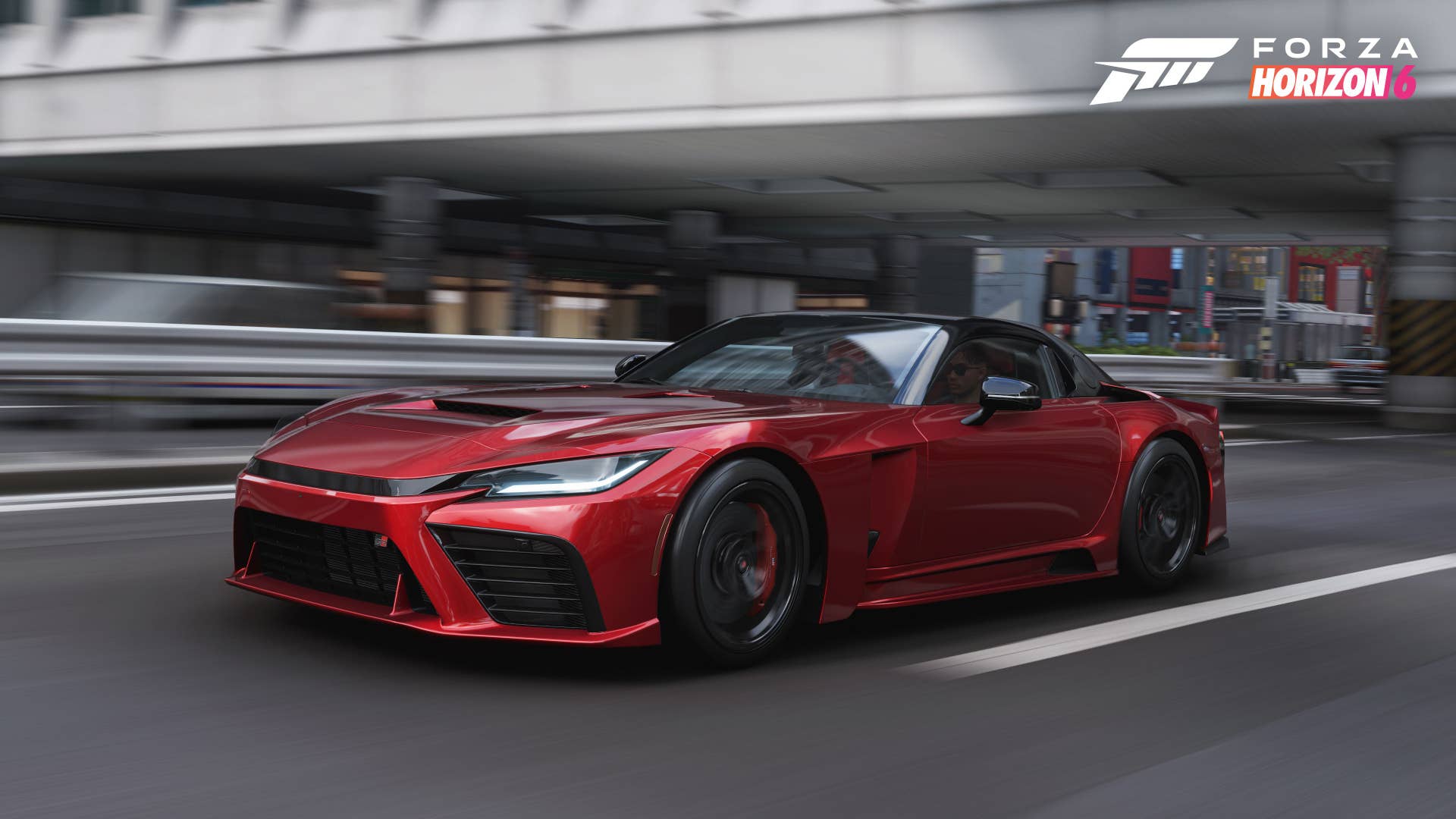
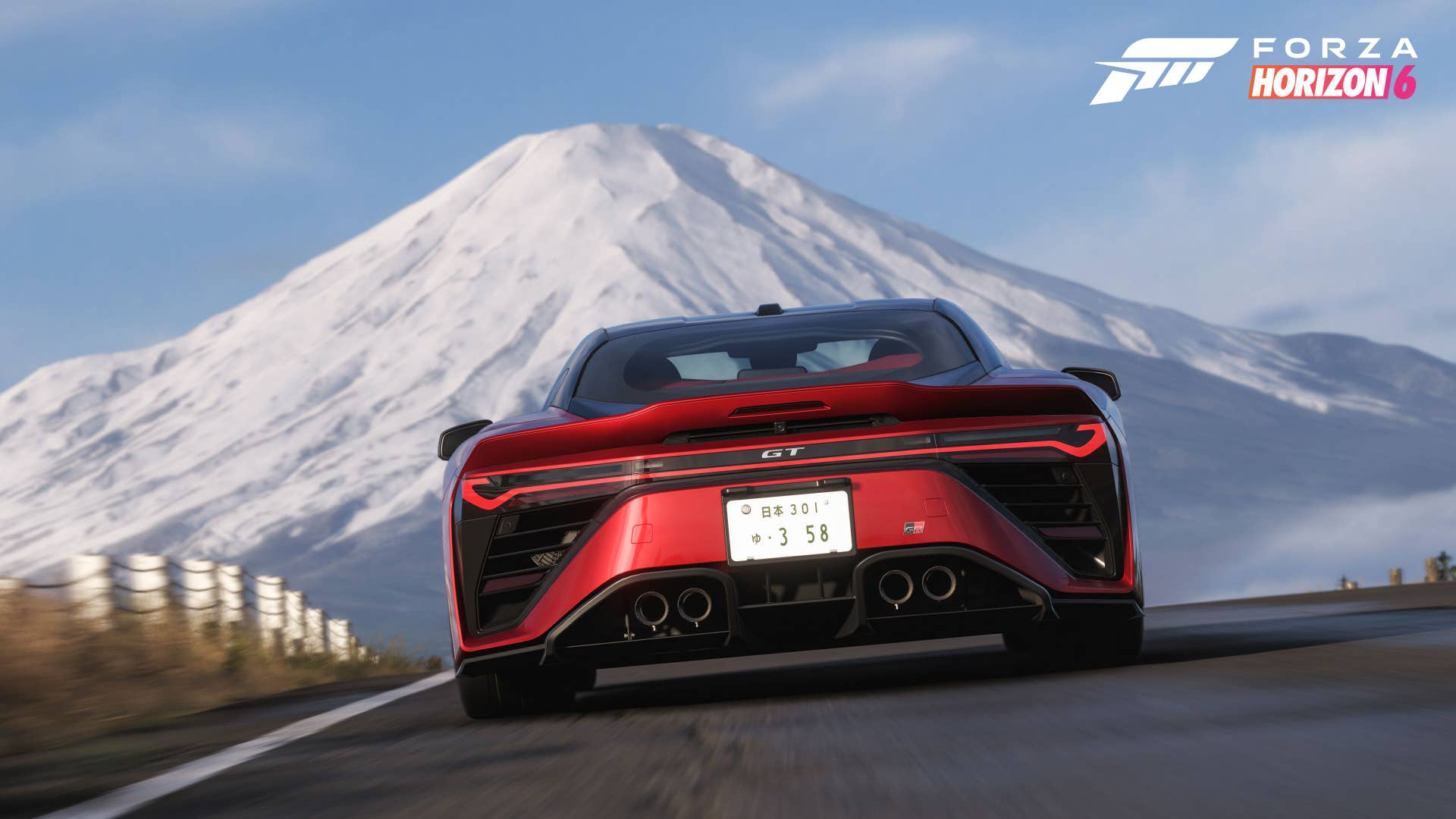
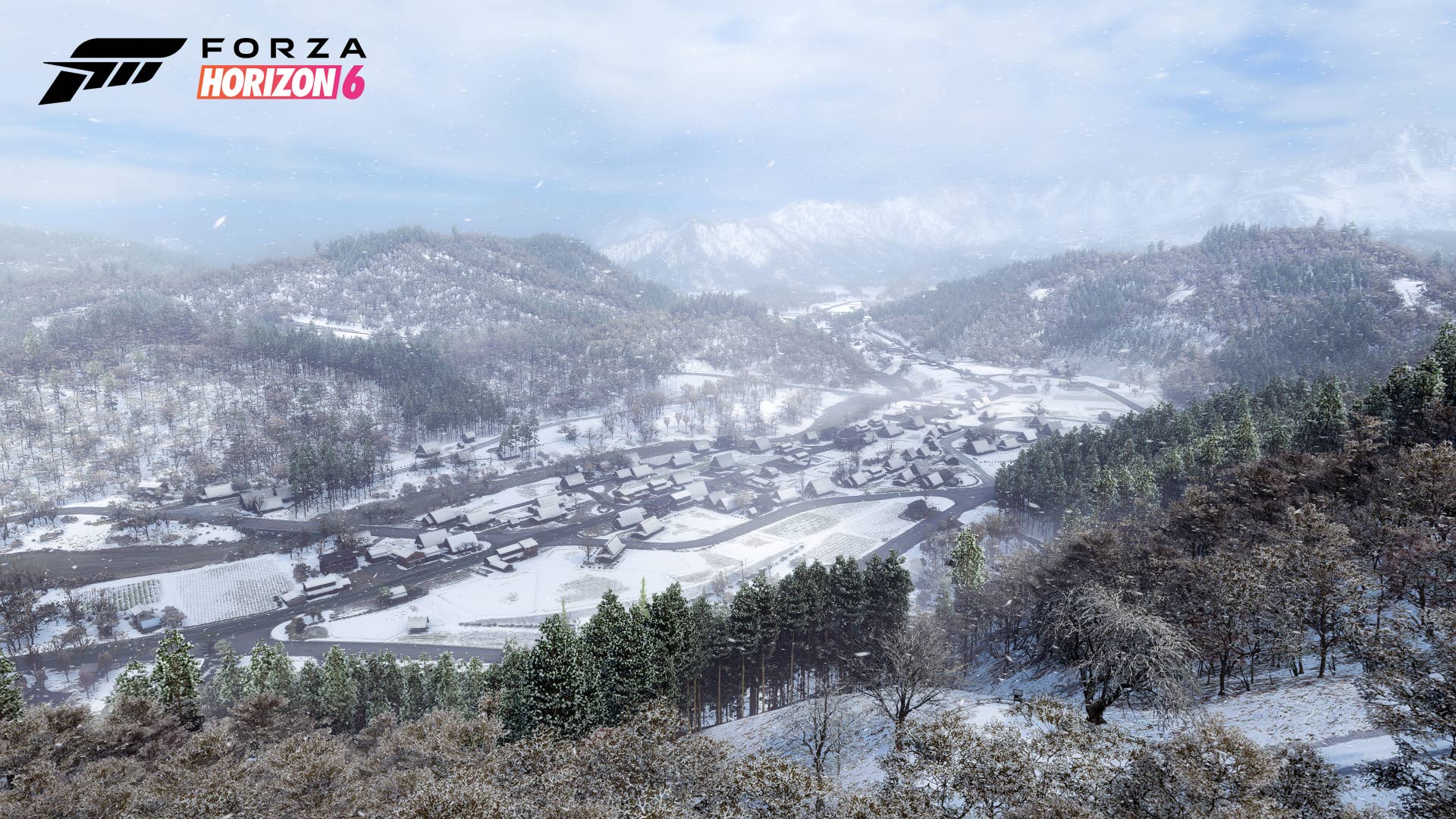
Tokyo stood out immediately, and not just because that’s where I got dropped in after completing the initial tutorial events. It is intricate, tight, and technical, demanding slower, more deliberate inputs than the open roads elsewhere on the map. Though it’s not quite as large as cities you might find in Need for Speed Games, it doesn’t just act as a shiny urban centre ripe for screenshots; it feels like the beating heart of the entire game. Then there are the mountain regions and countryside areas, where the roads open up into a more playful rhythm and more than make up for any potential disillusionment with Tokyo’s scale. That was where I found myself gravitating most often, both for the twistier roads and for the wintery scenery, which at sunset was one of the few times the game genuinely stopped me in my tracks. This game never came across as a transformative reinvention of the Horizon formula, but it does prove that the classic formula still works when it’s given a great stage.
Need New Tires? Save Up To 30% at Tire Rack
Find the perfect tires for your exact vehicle and driving style. Click here to shop all top-tier brands, including Michelin, Bridgestone, and more, directly at Tire Rack.
Playground Games
How Does Forza Horizon 6 Actually Feel to Drive?
This was the part I cared about most going into my assessment, and thankfully, it is also where Forza Horizon 6 makes some of its most meaningful improvements over the franchise’s previous instalment. I played the preview build on an Xbox Series X using a standard Xbox controller on a 65-inch 4K TV, not a wheel-and-pedal setup. To me, Forza Horizon has always lived or died by how convincing it feels through a controller, and too many entries in the franchise have had an unpredictable looseness in the steering that can make cars feel a touch vague when pushed, and even vaguer when driven slowly.
That trait has not disappeared entirely. There is still a familiar streak of Horizon unpredictability here, especially with rear-wheel-drive cars that remain a little too eager to step sideways if you aren’t actively preventing it with countersteer. But Forza Horizon 6 is still undoubtedly better, sharper, and more believable when at the helm than ever before. It is easier to sense a car’s limits, and less forgiving when you overstep them. If Forza Horizon 5 sometimes felt too ready to flatter your driving technique, no matter how lazy or uncalculated, Forza Horizon 6 asks more of you. Simply put, drivers now have more control.
That change reminded me, oddly enough, of Forza Horizon 2, which is still my personal favourite in the series. That older game had a livelier, more tactile character than later entries sometimes did, and Forza Horizon 6 brings some of that feeling back. The sensation of speed is also more palpable than in recent Horizon games, which has drawn me away from newer entries and back to older ones in search of the thrill of virtual speed. It’s once again fun to drive slow cars in Forza Horizon—they don’t need the most powerful engine swap and a bigger turbocharger to feel rewarding. Give them that engine swap, however, and the difference is felt instantly. I’m just thankful that not every car needs to be “fully tuned” to be worth touring around the map with.
Playground Games
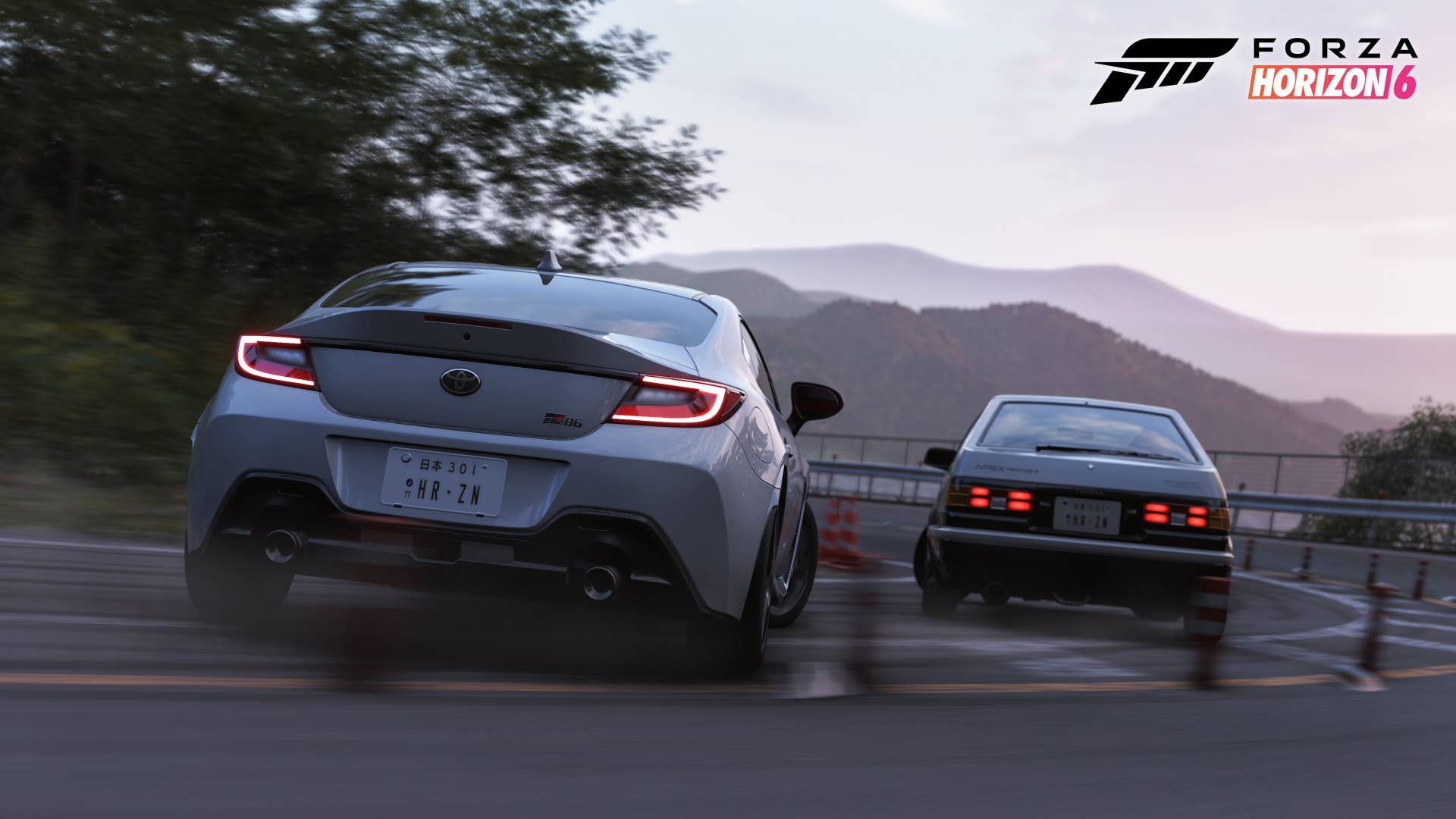
My central test case here was the Nissan Silvia S13, which quickly became the car that best represented the game’s personality in my eyes. I eventually swapped in a turbocharged RB25, making well over 1,000 horsepower (the RB26 swap felt too obvious), which turned the iconic coupe into something beyond absurd. And yet, what I appreciated most was that the game did not let me simply button-mash my way into competence. Driving it straight required carefully threading the throttle bumper. Drifting it demanded pushing just past the car’s limits without tumbling headlong over them. The controller’s vibration tuning helped a lot here, making it easier to feel when the car was loading up and beginning to let go.
FH6‘s driving physics took time to learn, and that’s precisely what I enjoyed most about it. Twisty mountain roads were where the improved drift physics shone brightest. Sliding through those sections was the most fun I had in the preview, and more than once, I found myself replaying certain stretches simply because the road itself was so satisfying to get right. More than any new feature on the extensive list, that is what gives me confidence in Forza Horizon 6. It understands that a driving game lives or dies by whether the player wants to drive for the sake of driving, especially open-world ones.
Playground Games
What’s New in Forza Horizon 6? The Map Is the Star, Even If the Events Still Feel Familiar
If the driving dynamics and its extraordinary new map are the game’s strongest arguments, the event structure is where Horizon‘s old habits creep back in. The preview build let me work through the game’s opening act, complete qualifier events for the Horizon Invitational, and then roam freely around the map. In practice, that meant I got a brief taste of road racing, off-road racing, and mixed trail-style events before being set loose to explore. According to Playground Games, the build was designed as a curated slice of the opening hour, plus free roam, collectibles, PR stunts, tuning and some customization access.
That structure works well enough as an appetizer. The problem is that the actual events still feel nearly identical to modern Horizon events that we’ve seen in other recent franchise instalments. Road races are the most civilized of the bunch, though even there, you still see plenty of bumping and colliding. Off-road events, meanwhile, remain chaotic to the point of absurdity, full of unrealistic jumps and pack-racing mayhem. These events are often more jarring than they are fulfilling, but they still require some semblance of skill and a bit of luck.
To be fair, CPU drivers do seem better at avoiding collisions than in previous entries. But Forza Horizon 6 still drifts much further into the spectacle end of the Venn diagram than into realism in its race design. It is the same old Horizon paradox: this is a game that is becoming more believable to drive in, yet not always more believable to race in. Progression felt familiar, too. I still wanted more when I was done, which is a good sign, but not because the structure itself felt fresh. It was more because the world around that structure was so inviting. I smashed region-specific mascots for XP, revisited roads I liked, and discovered stretches of tarmac I already know I’ll be returning to the moment the full game releases. In other words, Forza Horizon 6 succeeds less because it reinvents the series, and more because it gives the familiar machinery better scenery to work with and an added refinement that mostly rectified my budding distaste with recent driving games.
Playground Games
Car List, Car Culture, and Why Horizon Still Has a Magic Gran Turismo Can’t Match
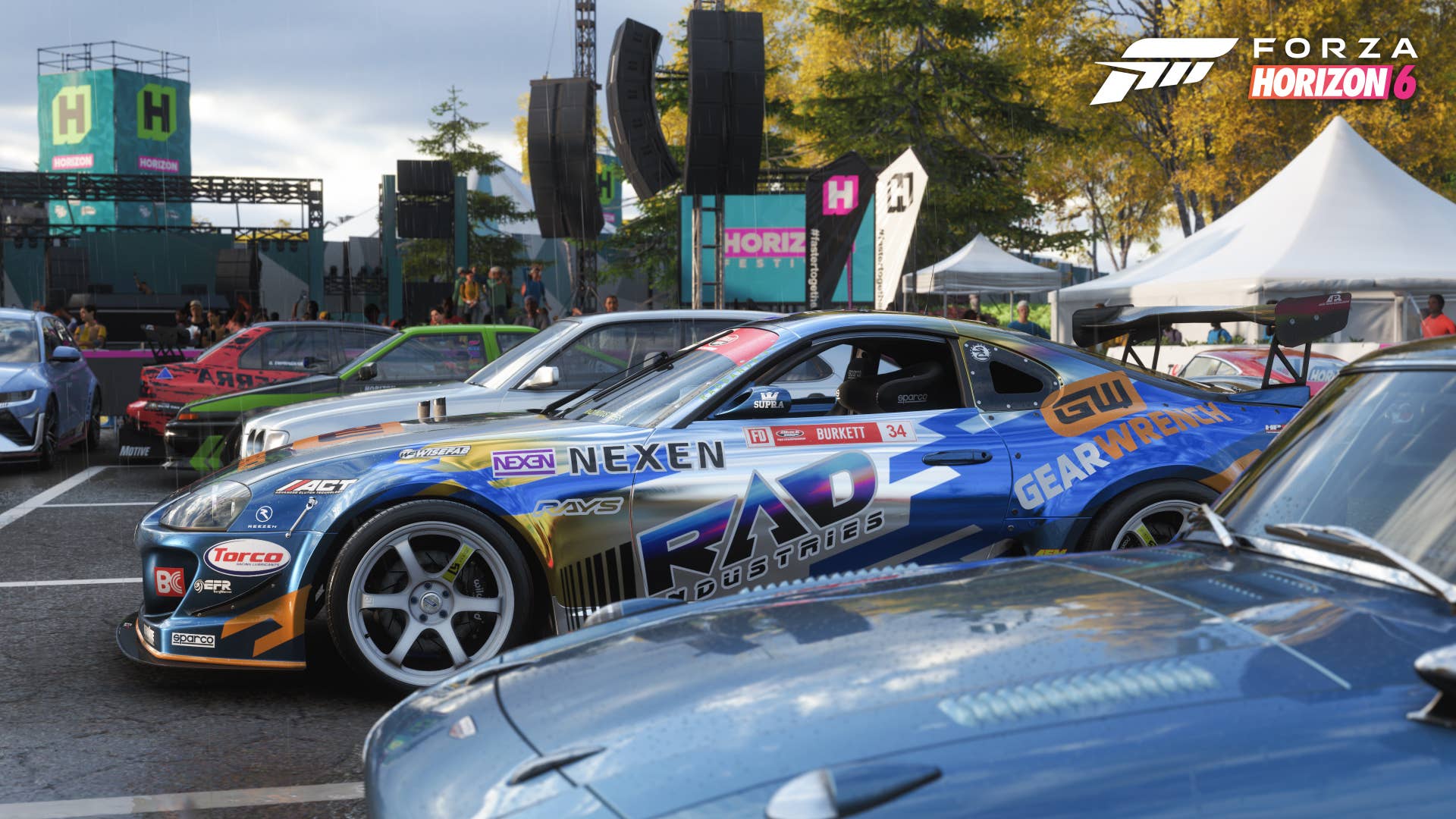
The available preview cars alone offered a telling story: an ’89 Nissan Silvia S13, a Toyota Celica GT-Four ST205, a classic 1970 GMC Jimmy, and, during the introductory showcase, the new Toyota GR GT. This was a wonderfully diverse spread, which speaks to Forza Horizon‘s longstanding strength as a curator. This series has always understood that car enthusiasm is not one thing, nor one type of car. It is not just supercars, not just JDM, not just off-roaders, not just tuner culture. It is all of it, thrown into one giant mechanical buffet.
From what I have seen so far, Forza Horizon 6 feels especially well curated for Japan. I suspect the full launch and post-launch updates will broaden that even further, but even this preview build already understands what people want from a Horizon set in Japan: not just the look of Japanese car culture, but its variety. You want touge heroes, old rally weapons, weird little workhorses, and modern performance cars with enough tuning potential to make a teenager (or even a supposedly grown adult) lose an entire weekend fiddling with technical upgrades, paint schemes, and wheel options. Forza Horizon 6 seems to get that, and its current car list (click here to view) is so enticing for this very reason.
This is also where I think the game earns its place alongside some of my other current favourites. No, it does not have the outright driving realism of BeamNG.Drive, Assetto Corsa, or even Gran Turismo 7. All of those offer better pure vehicle dynamics in different ways. But Forza makes up for it with something they do not combine in quite the same package: a ridiculously charming map, a huge and coherent car roster, and a consistency of quality across the vehicles and maps themselves. In a mod-heavy ecosystem, variety can come with compromises. In Forza, the cars all feel like they belong to the same universe.
Playground Games
Graphics, Performance, and Audio: The Best-Looking Horizon Yet, Even If It Still Isn’t Fully Alive
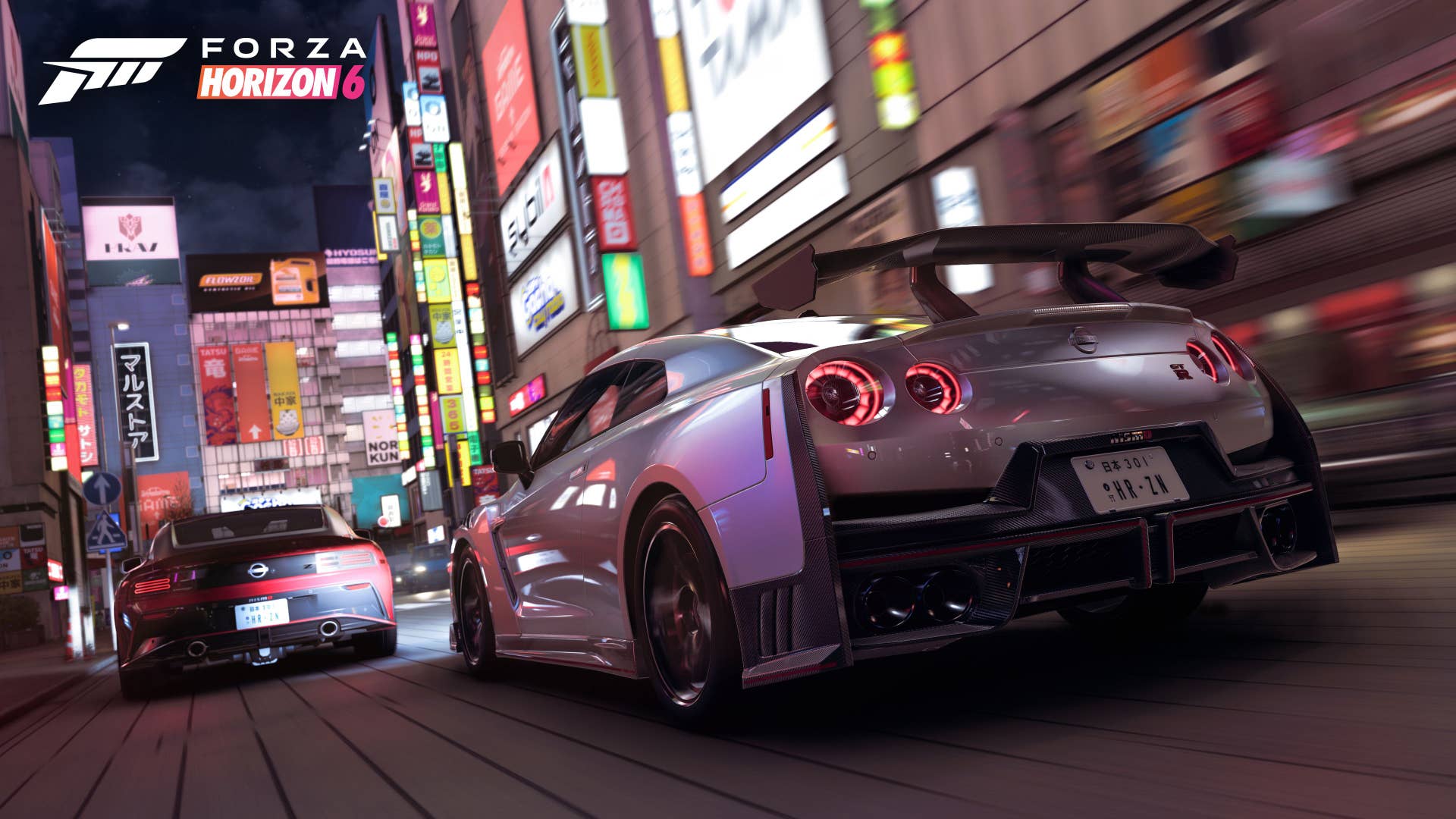
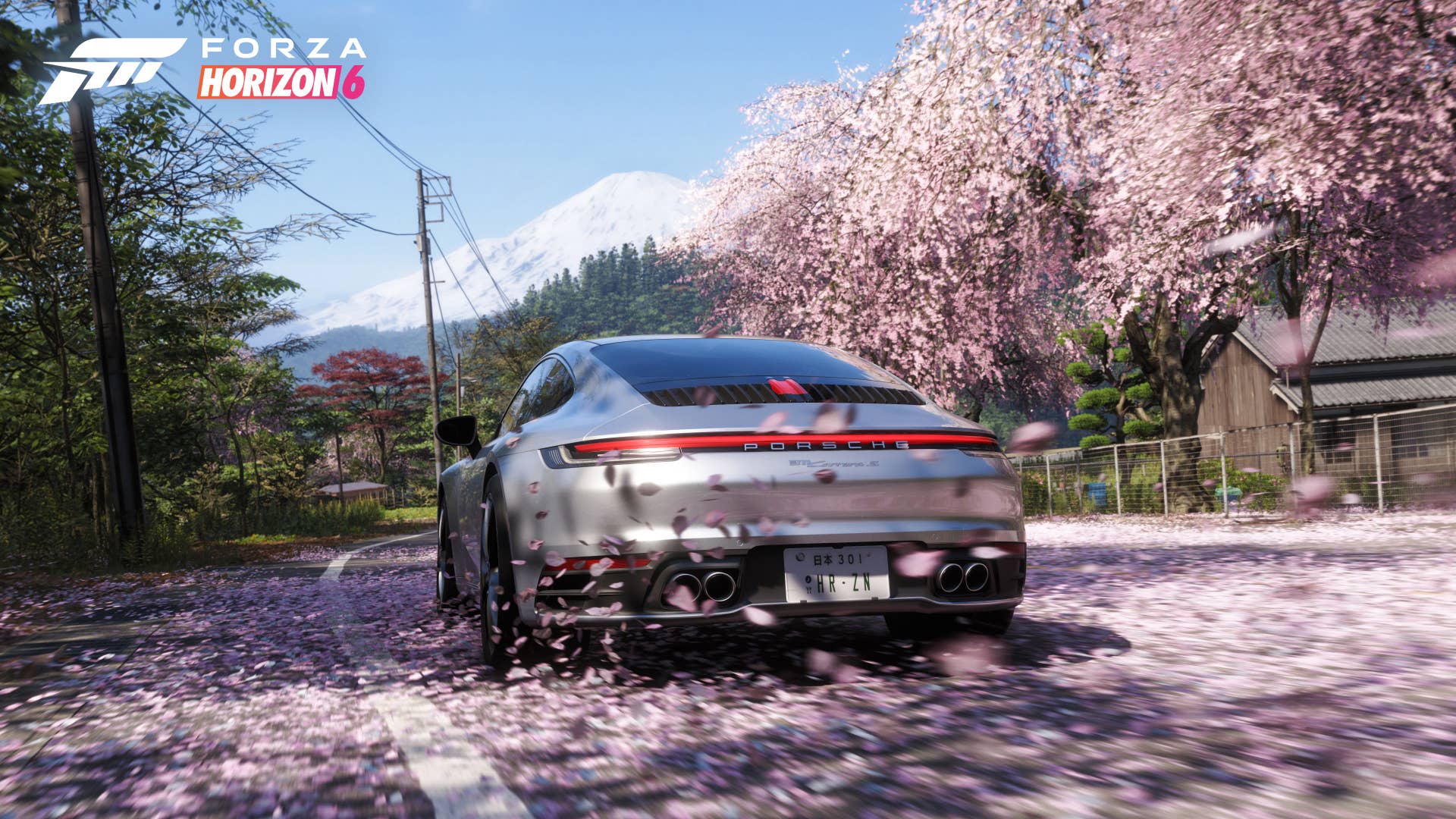
Visually, this is an excellent-looking game. The density of the map, the changing weather, the lighting conditions, the way urban and rural spaces differ in mood and rhythm—all of it contributes to a stronger sense of place than Forza Horizon 5 managed. I had heard concerns beforehand about whether the map would feel sufficiently alive, and I think the truth lands somewhere in the middle. There are still moments when the world feels a bit surreal in its lifelessness. But there is noticeably more traffic, more activity in urban centres, and more visual density overall. Tokyo in particular feels more awake than anything Horizon has offered before, even if it still stops short of true urban chaos.
Importantly, traffic density never became annoying. It was never so thick that it obstructed driving, but it was present enough that threading your way through streets felt rewarding and difficult, almost to the point of realism, but never quite. That is a very fine line for a game like this, and Forza Horizon 6 seems to walk it well. Performance in my preview build was not flawless, as expected. The game crashed occasionally, and after restarting, I would sometimes notice subtle changes—different traffic patterns, slightly altered lighting, little signs that this was indeed a build still being actively worked on. Sound design also seems noticeably improved over Forza Horizon 5. Engine and exhaust notes stood out more, and I was particularly happy to notice that cars do not seem quite so eager to spit random flames at every opportunity. A little restraint goes a long way, and I greatly appreciated it.
Playground Games
Is Forza Horizon 6 Worth the Hype? My Early Verdict
Forza Horizon 6 is not a revolution just because its map is revolutionary. It does not suddenly transform Horizon into a laser-scanned simulator, nor does it fully shed the beginner-friendly arcade instincts that have defined the series for years. The event structure still feels repetitive, and racing etiquette is still closer to bumper-car warfare than anything resembling authentic motorsport. And the physics, while improved, are still unmistakably Horizon physics. But this is also, without a doubt, the most promising Forza Horizon I have ever played since the franchise’s second entry.
Japan gives the series the backdrop it always deserved. As much as I loved the sunny scapes of Colorado, Northern Italy, and Australia, the cozy rain of Northern England and Scotland, and even the sandy plateaus of Mexico, Horizon‘s new map feels like the one its players have always dreamed of deep down. The map is dense, beautiful, and consistently rewarding to explore. The controller-based driving feel is noticeably better. The car roster, even in this limited build, already feels like a love letter to the diverse breadth of car culture rather than a narrow celebration of one corner of it. Most importantly, the game made me want to keep driving long after I had completed every available mission and objective.
I came away from this preview not blown away, but reassured. Reassured that Playground Games still remembers what made earlier Horizon entries special. Reassured that Forza Horizon 6 is pulling the right ideas from the past rather than simply polishing the same old surface. Reassured, perhaps most tellingly, that after ten hours with a work-in-progress build, I went ahead and pre-ordered the full thing anyway. That probably tells you everything you need to know. Forza Horizon 6 may not reinvent the franchise, but if this preview build is any indication, it may well refine it into the best version of itself yet.
About the author

Cole Attisha
Staff Writer, Autoblog