
The future of EVs is under threat
If the current administration’s plans come to fruition, federal EV tax credits could be eliminated as early as mid‑2025 under proposed legislation. Not only would this hurt the future of EV adoption, but some automakers might backtrack on their EV transition plans and harm the progress made thus far on cleaner vehicles. If you’re planning to buy an EV soon, here are a few important things to keep in mind.

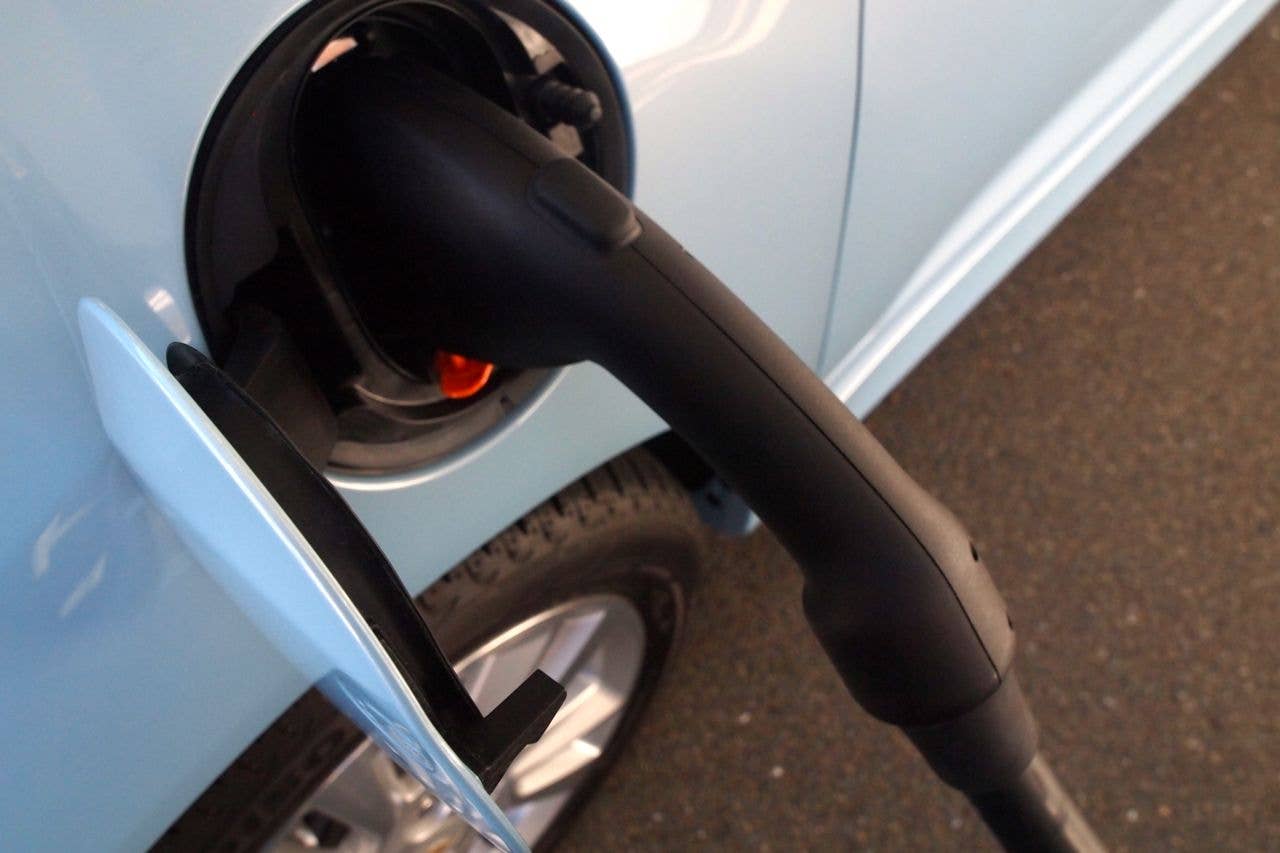
Chargepoint
What’s next if federal support disappears?
A Senate Republican bill is proposing ending the $7,500 new EV tax credit within 180 days of enactment and eliminating the $4,000 used-EV credit within 90 days. This poses a serious challenge for the national EV market.
According to California officials, the state is committed to launching new state-level EV rebates if federal support ends. These future programs will likely be targeted, focusing on low-income buyers, specific vehicle types or brands, and models with lower market share, potentially excluding brands like Tesla to boost competition.
In November 2024, Governor Gavin Newsom confirmed that California would propose restoring EV rebates—possibly funded through cap-and-trade revenues—should federal EV tax credits be eliminated.
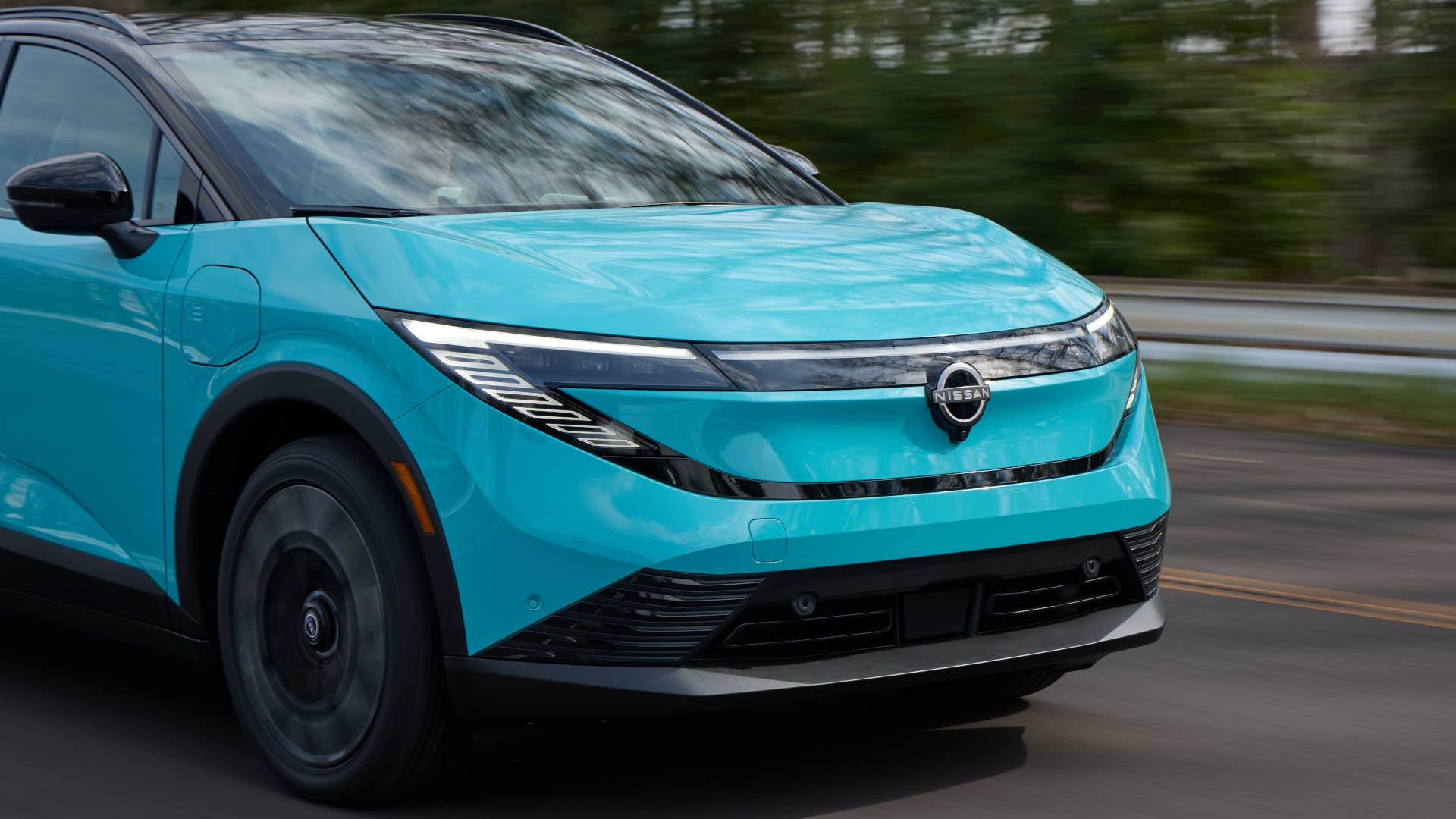
Nissan
What’s still available in California?
Even with the Clean Vehicle Rebate Project (CVRP) closed, multiple programs remain active in the state:
1. Clean Cars 4 All (CC4A) & Driving Clean Assistance Program (DCAP)
- Up to $12,000 for EV purchase/lease + $2,000 for home charger
- Focused on low- to moderate-income households
- Available for new and used EVs
2. Utility Rebates
- PG&E, Southern California Edison (SCE), and others offer rebates for used EVs:
- $1,000 for all eligible applicants
- Up to $4,000 for income-qualified buyers
3. Home Charging Incentives
- Rebates for Level 2 (240V) charging stations
- Covers equipment and installation
- Available through local utilities and clean energy programs
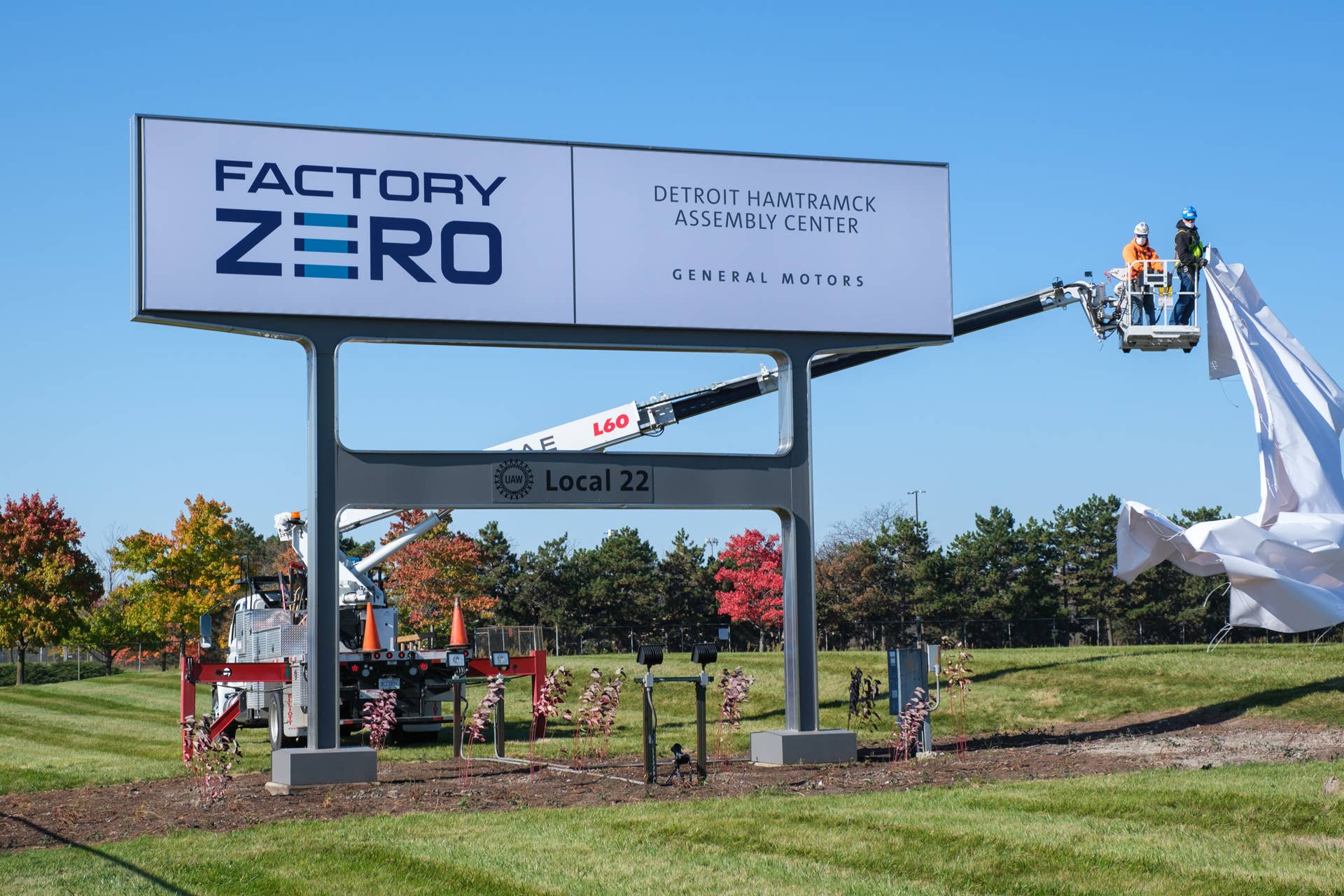
Steve Fecht for General Motors
Final thoughts
As of now, the situation remains fluid. Automakers, labor unions, government officials, and consumers are all seeking greater clarity on the future of EV incentives and policies. What is clear, however, is that many manufacturers are continuing to invest heavily in electric vehicle production and infrastructure. Despite policy uncertainty, momentum in the EV sector remains strong, and with ongoing discussions at both the state and federal levels, we can expect a clearer picture to emerge in the coming months.
If you’re considering an EV in the near future, you should act now to leverage existing state and utility rebates and watch for new state-level incentives, especially if federal support ends. The Clean Vehicle Grants Project is a useful resource for money-saving opportunities, while DriveClean is California’s official state resource website for buying a non-combustion-powered vehicle.
About the author

Nathan Adlen
Contributing Writer, Autoblog