
Price Matters to Americans, but Chinese Buyers Want More Tech
What do you first consider when buying a car? Is it the price, the technology included, or perhaps the safety features? It turns out that the answer varies considerably depending on where you live. A recent study by Bain & Company highlights a noticeable difference between the buying priorities of American and Chinese consumers, offering some insight into why vehicles from these two markets can be so different.
Bain’s 2026 Global Auto Consumer Survey polled over 12,000 car shoppers around the globe. The big takeaway? What people care about most when picking out a car isn’t the same everywhere.
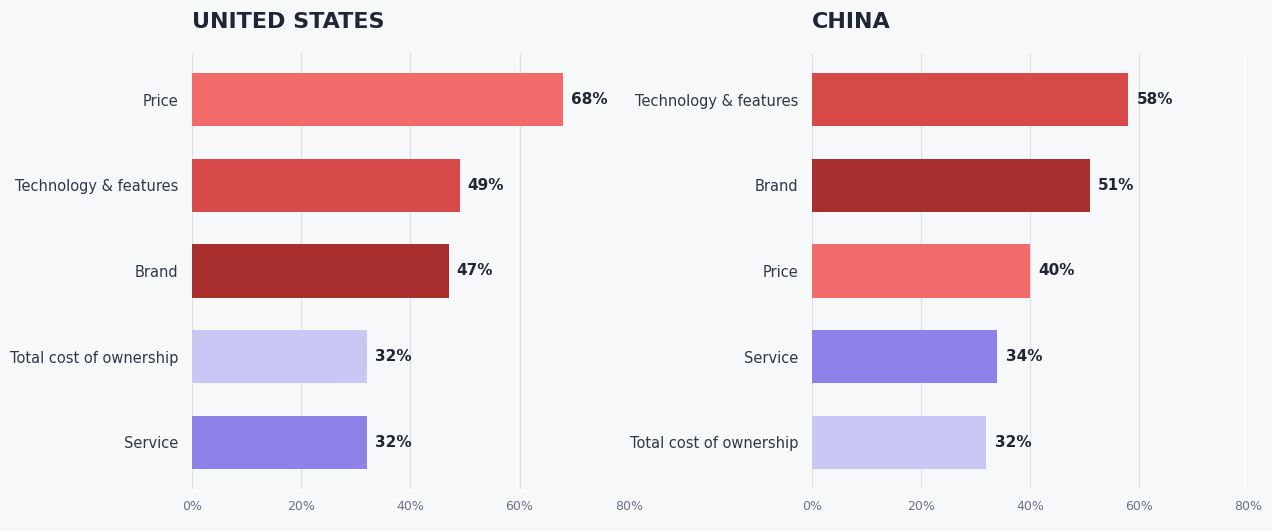
For Americans, price is king – 68% say it’s their number one concern. Europeans aren’t far behind at 62%. But in China, it’s a whole different ballgame: 58% of buyers put technology and features at the top of their wish list.
It’s not exactly shocking when you look at the bigger picture. With living costs climbing in the US and Europe, keeping things affordable is a must. Meanwhile, Chinese automakers are locked in a price war, so cars there are cheaper – and that leaves plenty of room to pack in extra tech as a selling point.
Different Buying Priorities Shape Different Cars
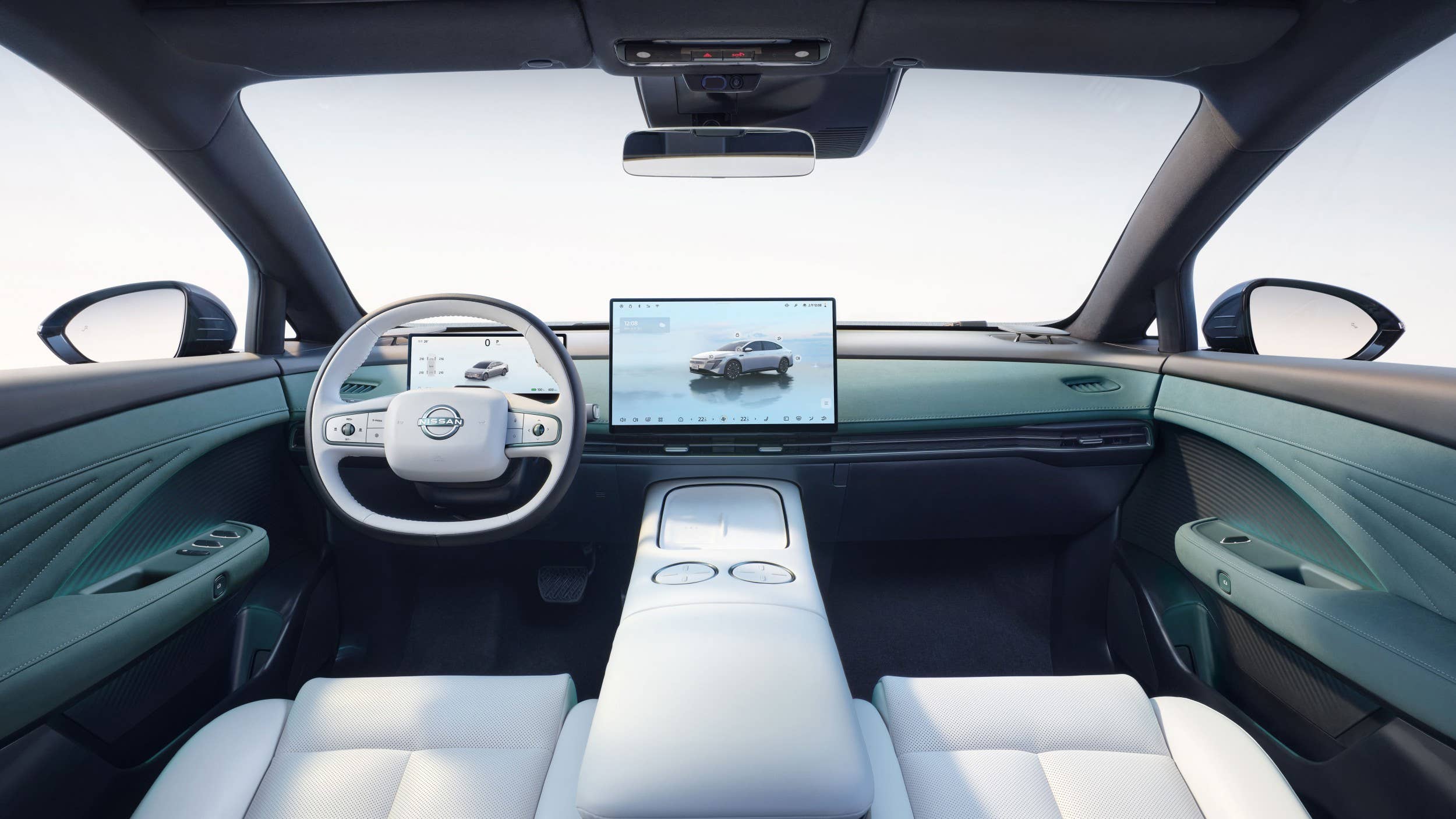
These preferences help explain why Chinese automakers have become particularly generous when it comes to technology and equipment. It’s not unusual for vehicles from Chinese brands to come with large infotainment displays, multiple digital interfaces, advanced driver assistance systems, and comfort features that would otherwise be optional extras elsewhere.
In China, where buyers are tech-hungry, automakers are in a full-on features arms race. If it plugs in, lights up, or talks back, it’s probably in there – everything but the kitchen sink.
American automakers, meanwhile, still have to pay close attention to pricing, particularly in the mass-market segment. That doesn’t mean American buyers don’t appreciate technology. In fact, 49% of US respondents still ranked technology and features among their top considerations.
Brand loyalty is another interesting difference. According to Bain, 79% of American mass-market buyers and 72% of premium buyers considered only established brands during their previous purchase. In China, brand loyalty is considerably weaker, with 24% of respondents saying they don’t care about the brand at all.

Age Also Influences What Buyers Want
Regional differences aren’t the only factor shaping the automotive market. Age also plays a considerable role, particularly when it comes to electric vehicles.
Bain’s findings show that younger buyers are generally more receptive to battery electric vehicles (BEVs). Around 50% of Gen Y and Gen Z consumers in the US and China are open to purchasing one. In Europe, the figure reaches 46% for younger buyers.
Older buyers? Not so much. Just 22% of older Americans are willing to go electric, compared to 50% of the younger crowd. China bucks the trend, though – over half of all age groups there are open to EVs.
So, what does this mean? Car companies can’t make the same model for everyone and expect it to work. What excites a young Chinese buyer might not interest an older American. For global brands, understanding these differences is as important as creating new car technology.

About the author

Jacob Oliva
Senior Editor, Autoblog