
VW’s Turnaround Plan Takes a North American Detour
Volkswagen hasn’t exactly been riding high lately, and everyone knows it. The German giant has been knee-deep in one of its biggest shakeups in years – think factory shutdowns in Germany, slashing costs left and right, and even rumors swirling about the fate of some of its brands. VW keeps saying it needs to slim down and toughen up, especially with EV sales cooling off in some places and Chinese rivals breathing down its neck.
Now, that whole turnaround effort is crossing the Atlantic. Alongside a leadership shuffle from Brand Group Core, Volkswagen just dropped a new playbook for the US, Canada, and Mexico. The big idea? Start making decisions that actually make sense for North American buyers.
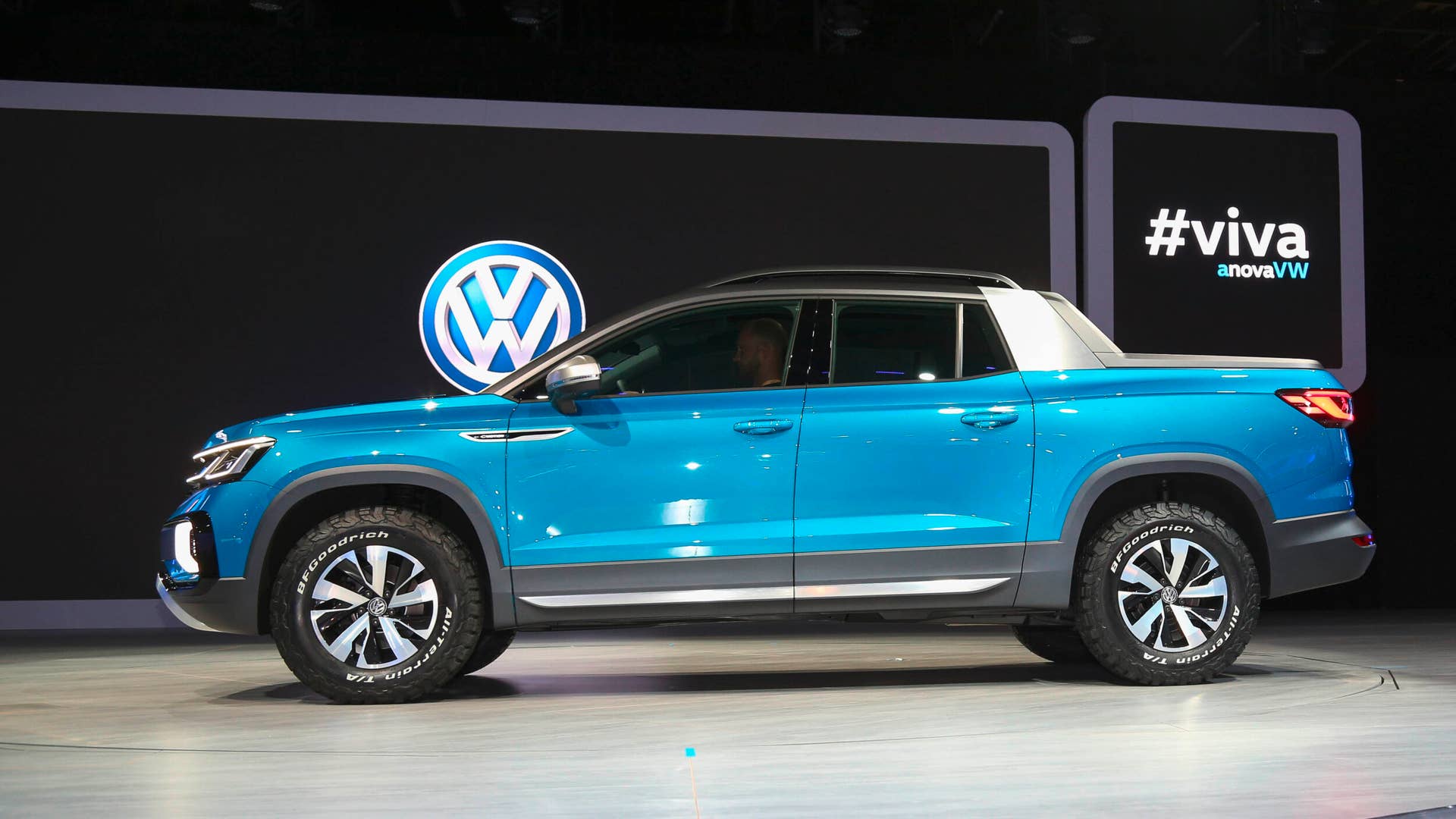
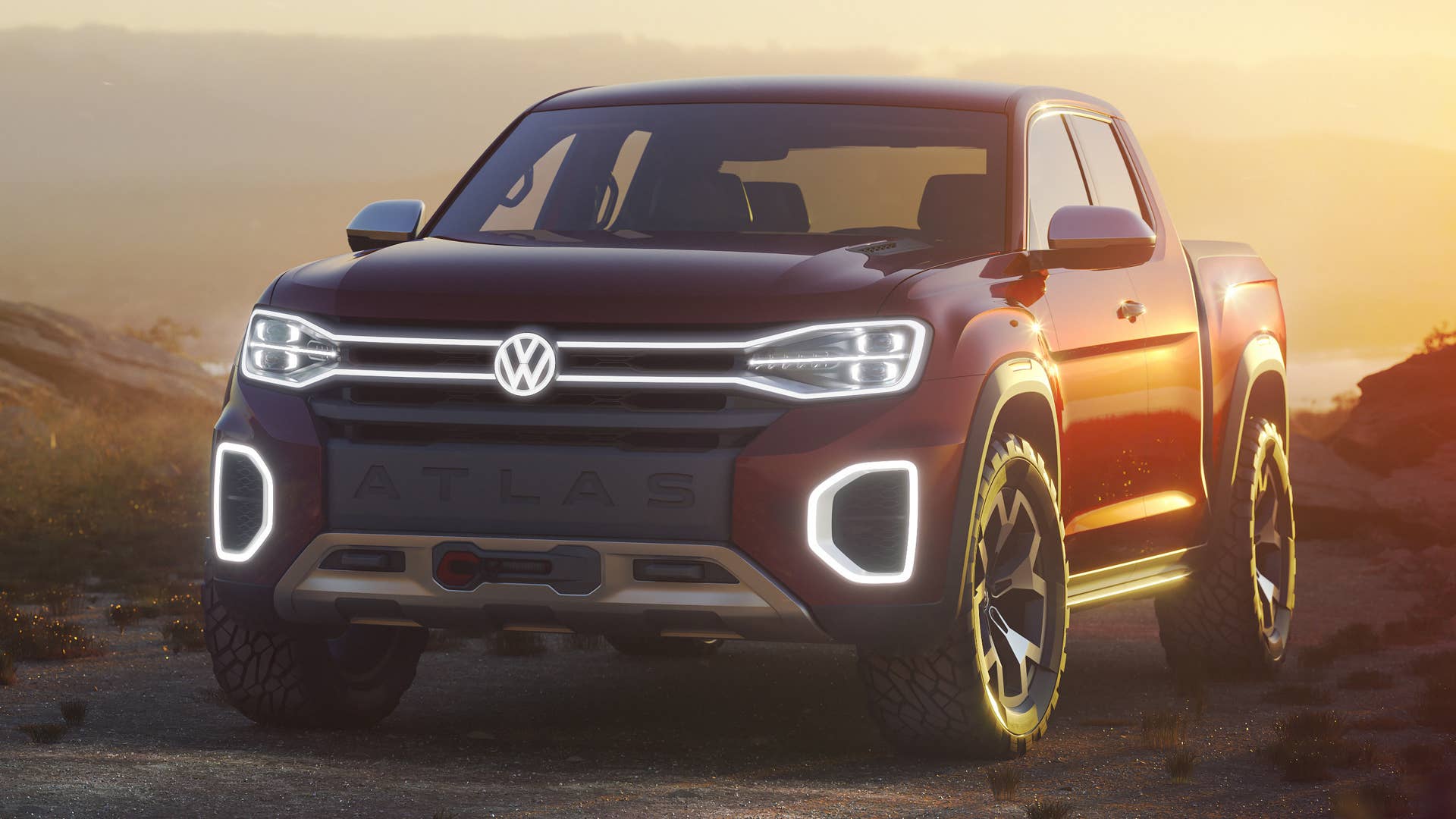
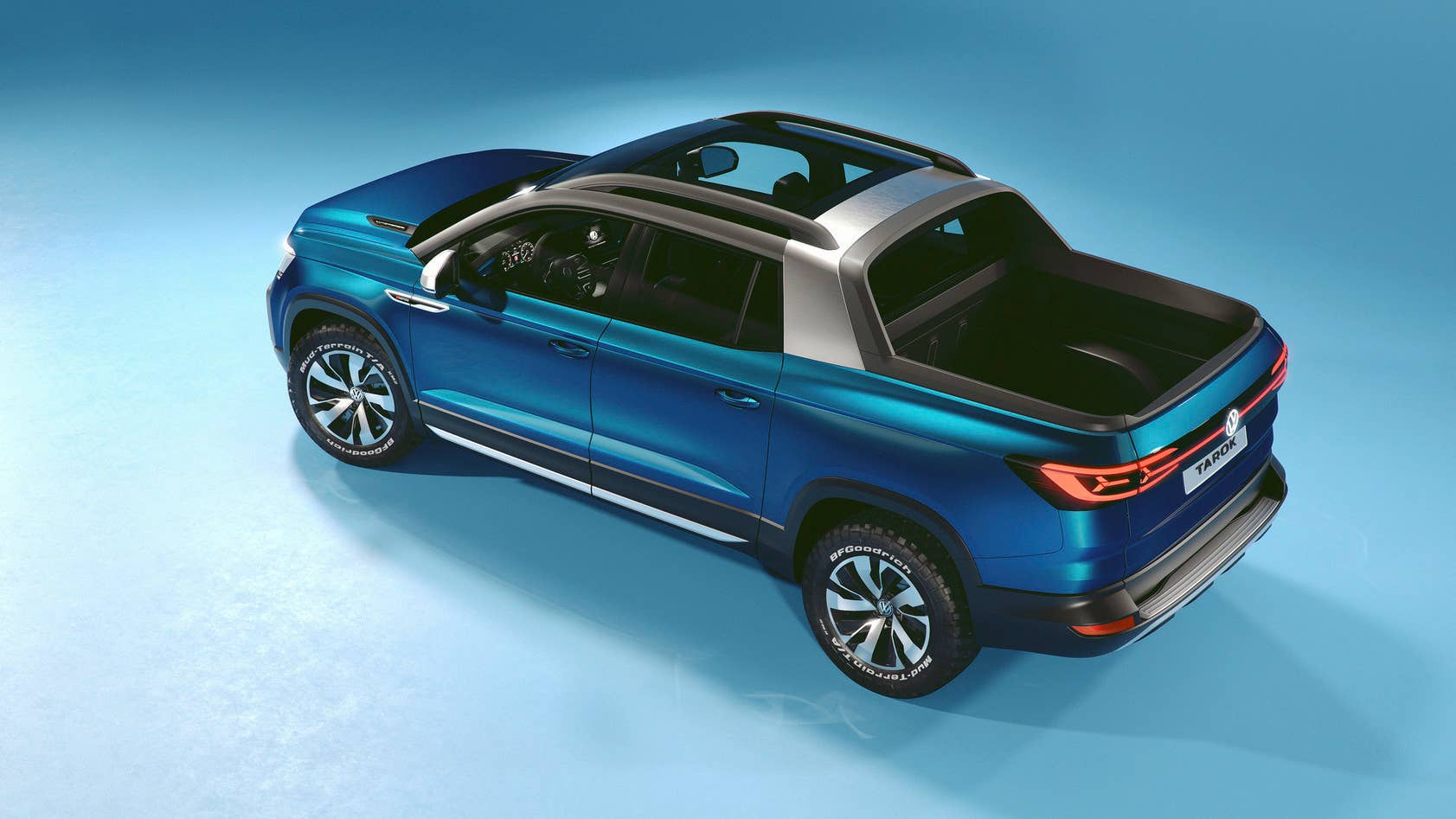
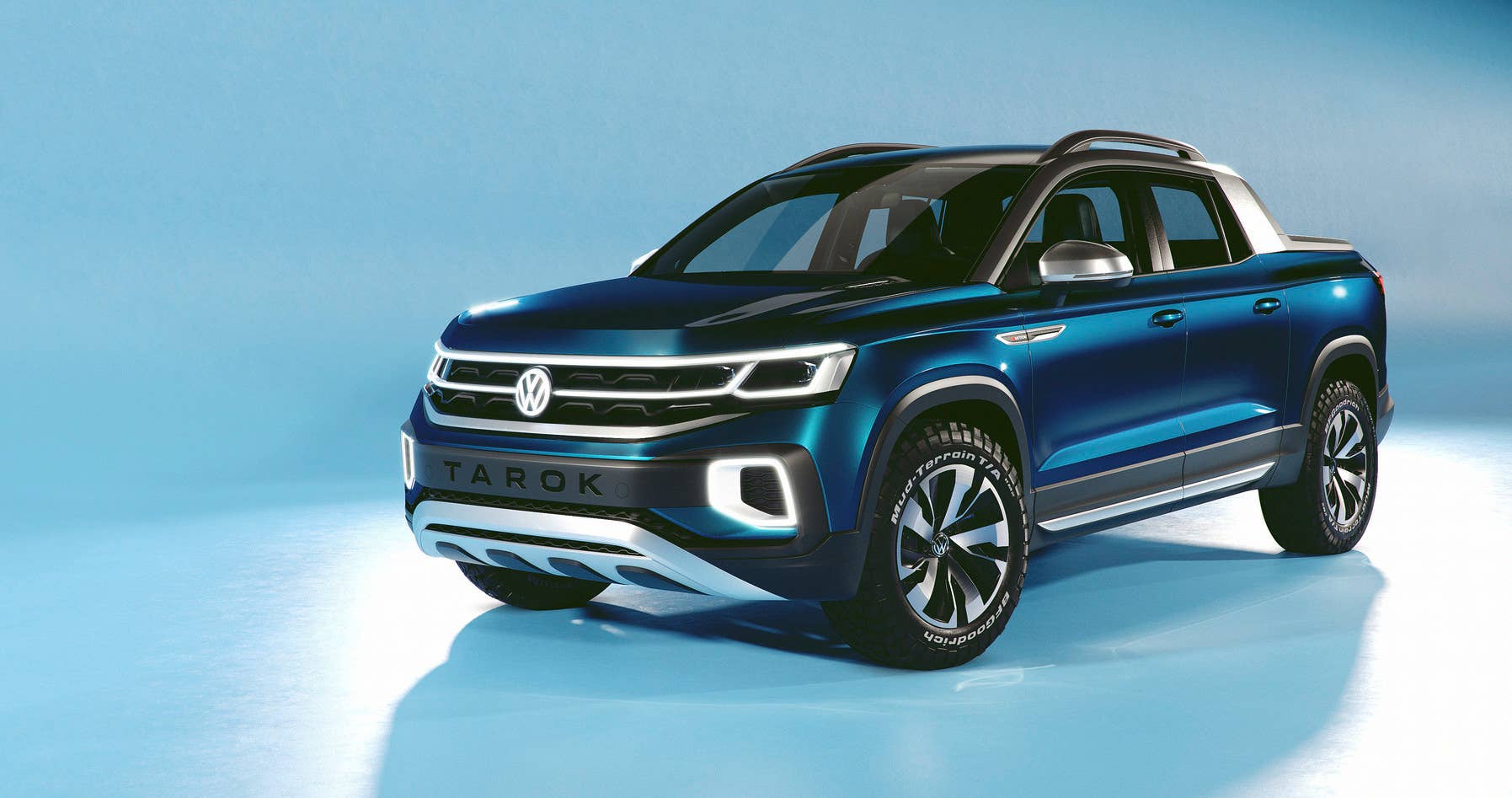
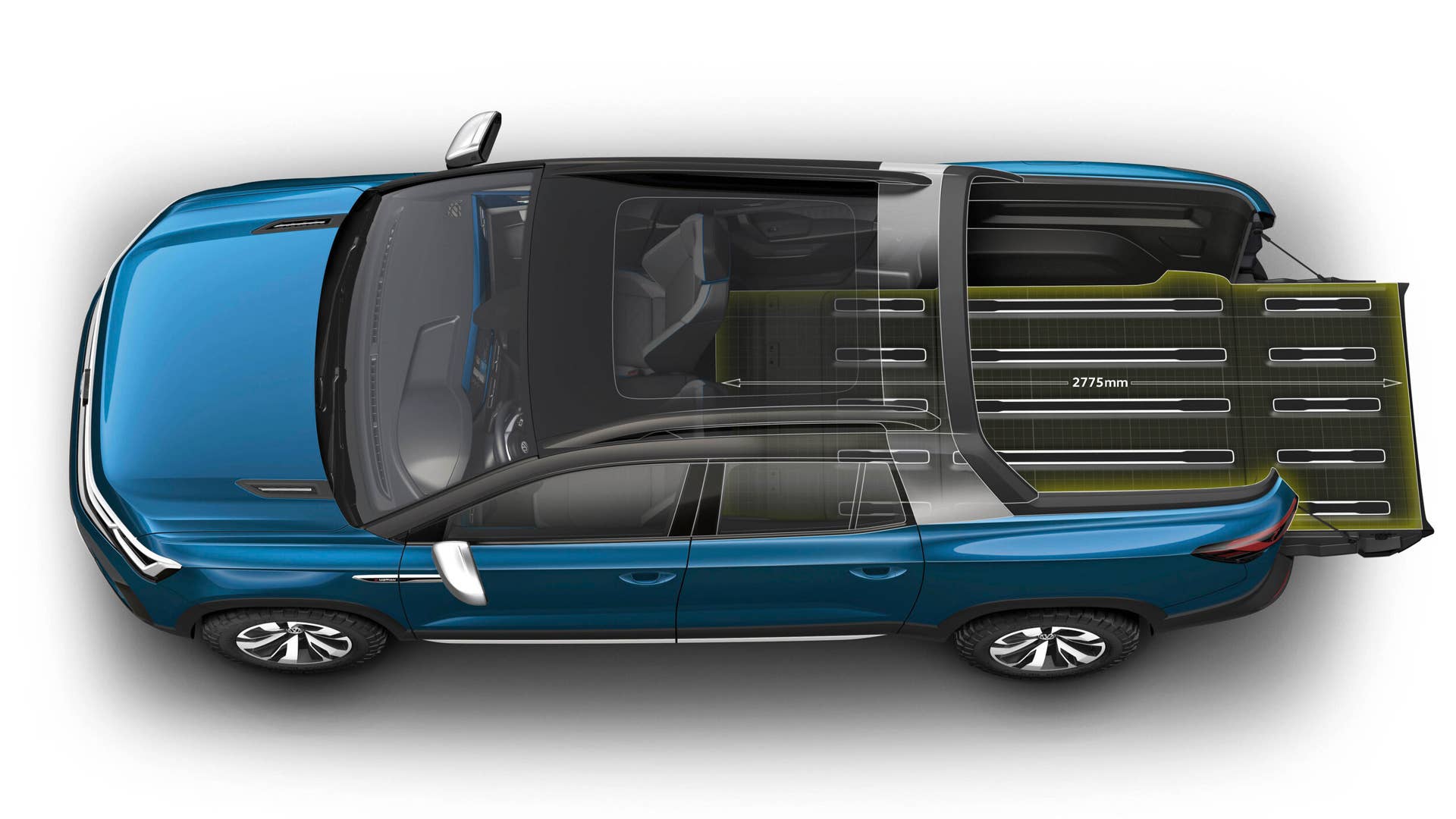
But forget the executive musical chairs for a second. The real headline is that Volkswagen is finally talking about bringing pickup trucks back to North America. It was a rumor before, but now it’s official. That’s a big deal for a brand that hasn’t had a pickup in the US since the Rabbit Pickup vanished ages ago.
Volkswagen
VW Says Pickups Are Coming, but One Detail Is Confusing
Tucked away in Volkswagen’s announcement is the line that will have truck fans perking up.
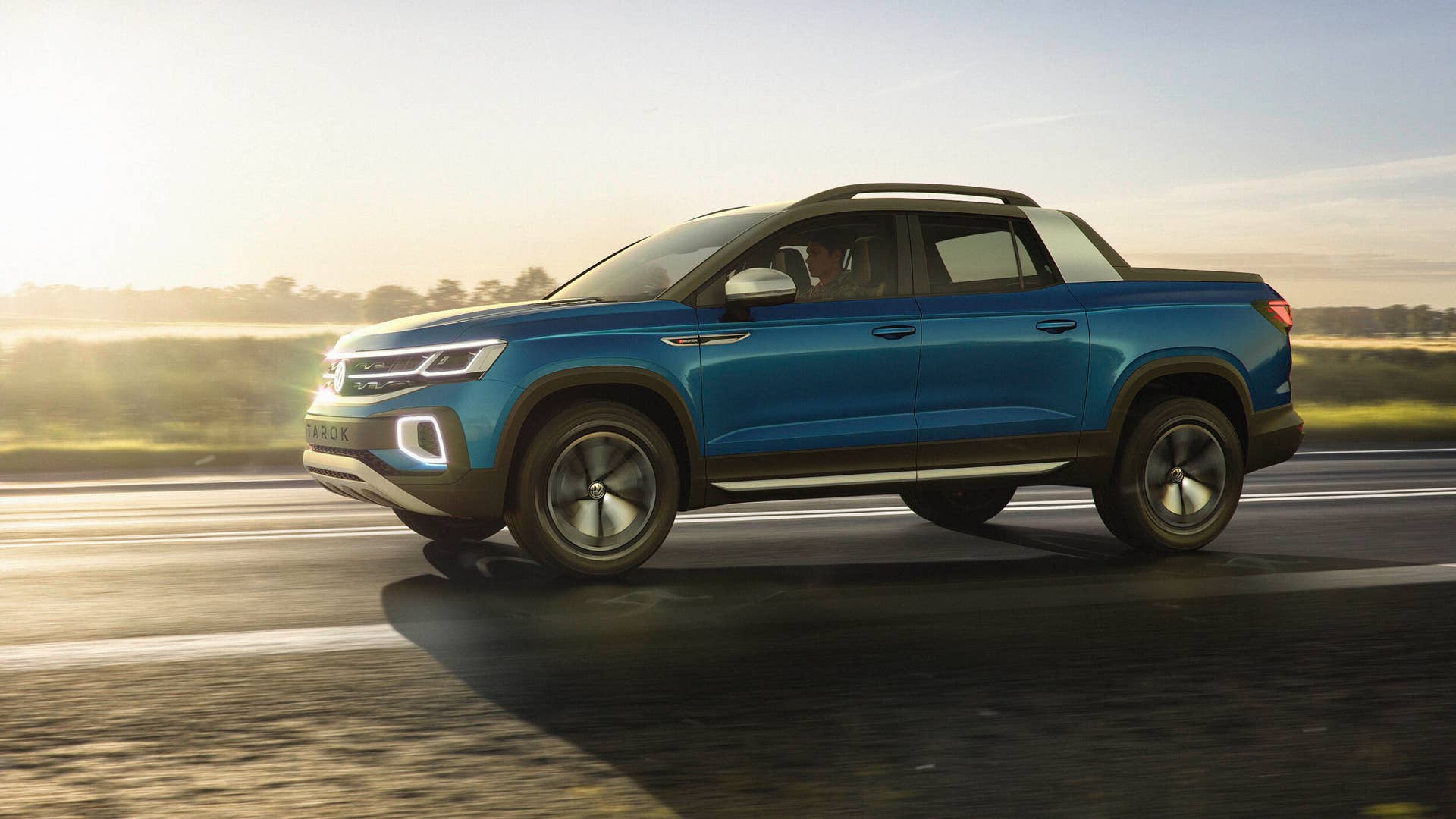
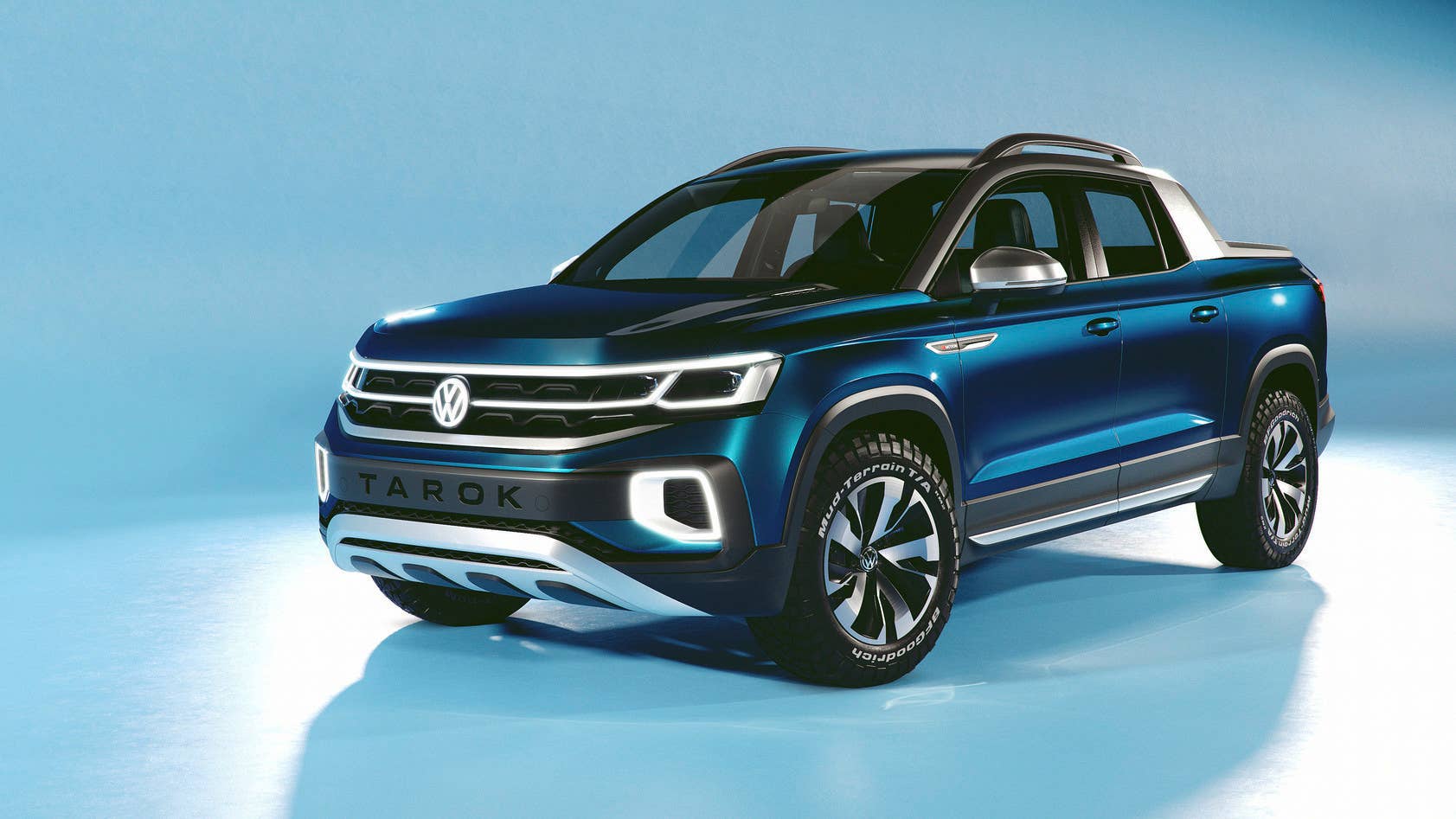
“Going forward, Volkswagen in North America will focus on those segments that show the strongest market demand and best meet the needs of customers and dealers in the region. Successful models will be further strengthened, the portfolio expanded, and Volkswagen’s presence in the growing HEV (Hybrid Electric Vehicle) segment accelerated… As part of this approach, the brand will explore opportunities in the highly popular body-on-frame B-segment, including robust SUVs and pick-up trucks, as a potential component of Volkswagen’s future product portfolio,” the company said in a statement.
The pickup part makes sense. The “body-on-frame B-segment” part is where things get weird. In North America, B-segment typically refers to subcompact vehicles. That’s not exactly where body-on-frame trucks live. If Volkswagen literally means a B-segment pickup, it would be targeting something closer in size to the Ford Maverick, which currently has the small truck market almost entirely to itself.

That would be a bold move, especially since compact pickups are suddenly hot with folks who want a truck but don’t need a rolling toolbox.
Still, odds are this is just a translation hiccup. Segment names get weird across borders, and Volkswagen probably meant the much bigger midsize truck class instead. That space is packed, with heavy hitters like the Toyota Tacoma, Chevy Colorado, GMC Canyon, Nissan Frontier, Jeep Gladiator, and Ford Ranger all fighting for attention. If Volkswagen wants to move serious metal here, midsize is probably the smarter bet, especially since new players such as Hyundai and Mitsubishi have also announced their intention to enter.
For now, Volkswagen’s keeping quiet about what kind of truck it’s cooking up – or when we might actually see it.
Volkswagen
Hybrids Are Becoming a Bigger Part of Volkswagen’s US Strategy
But trucks aren’t the only thing on Volkswagen’s mind. The brand also says it’s hitting the gas on hybrid electric vehicles in North America, making the booming HEV segment a top priority.
That lines up with what Volkswagen has been signaling over the past several months. The company has already said hybrids are finally coming to some of its biggest SUVs sold in the US, acknowledging that many American buyers still want the efficiency benefits of electrification without making the jump to a fully electric vehicle.
Volkswagen boss Thomas Schäfer says they’re not after quick wins here. The plan is to play the long game and focus on cars and trucks that people and dealers actually want.
So, bigger SUVs, hybrids, and now – officially – pickup trucks are all in play. The only thing left to guess is what kind of truck Volkswagen will actually roll out, and whether it’ll take on the Maverick, the Tacoma, or land somewhere in the middle.
Volkswagen
Volkswagen
Volkswagen
About the author

Jacob Oliva
Senior Editor, Autoblog