
It’s finally happening
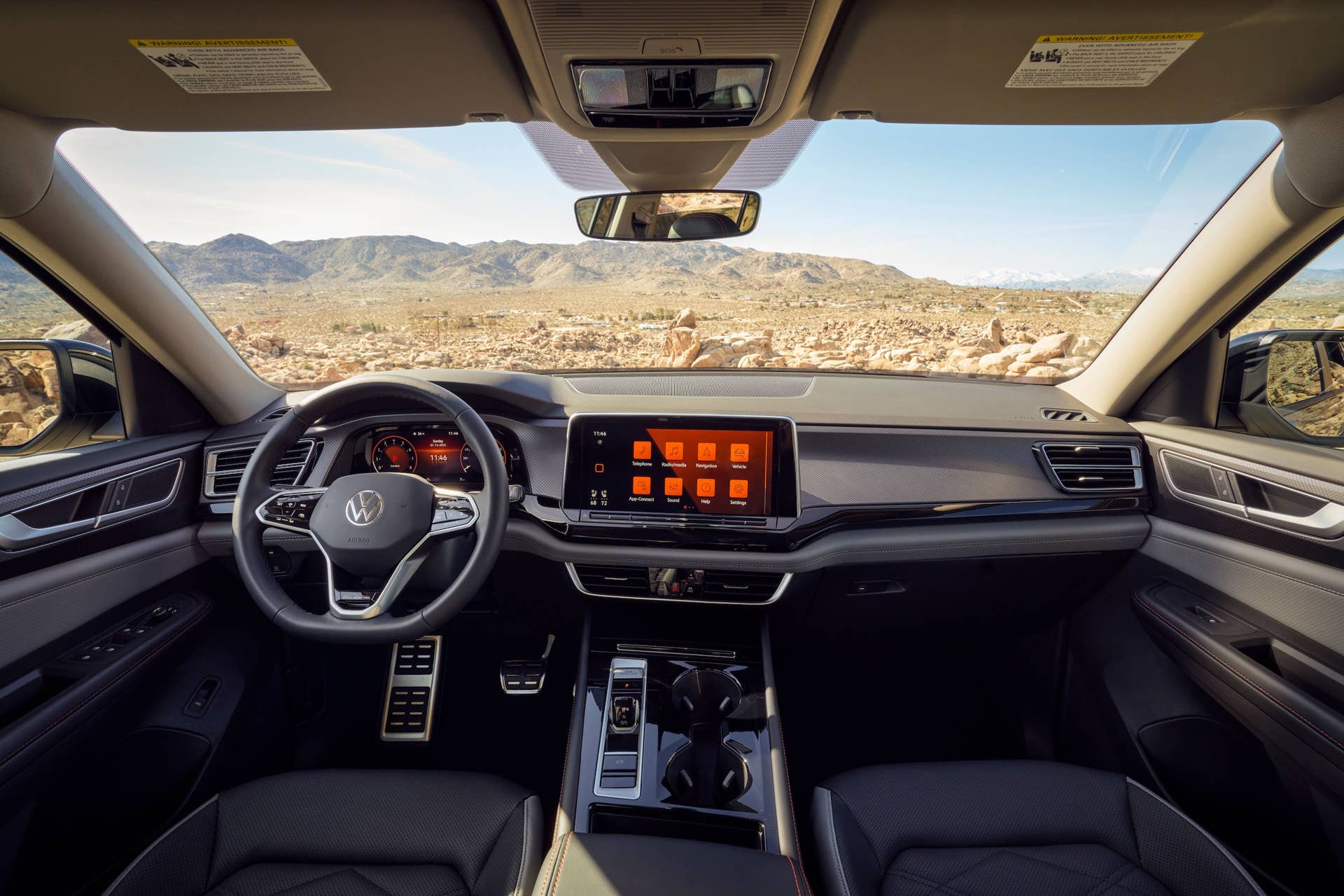
Volkswagen has heard the complaints loud and clear. The company’s design chief, Andreas Mindt, confirmed in a recent interview with Autocar that physical buttons will return to VW’s next generation of electric vehicles. The decision marks a shift away from the touch-heavy controls that have frustrated drivers in recent years, with Mindt promising, “We will never, ever make this mistake anymore.”
Glebiy - stock.adobe.com
A win for driving enthusiasts
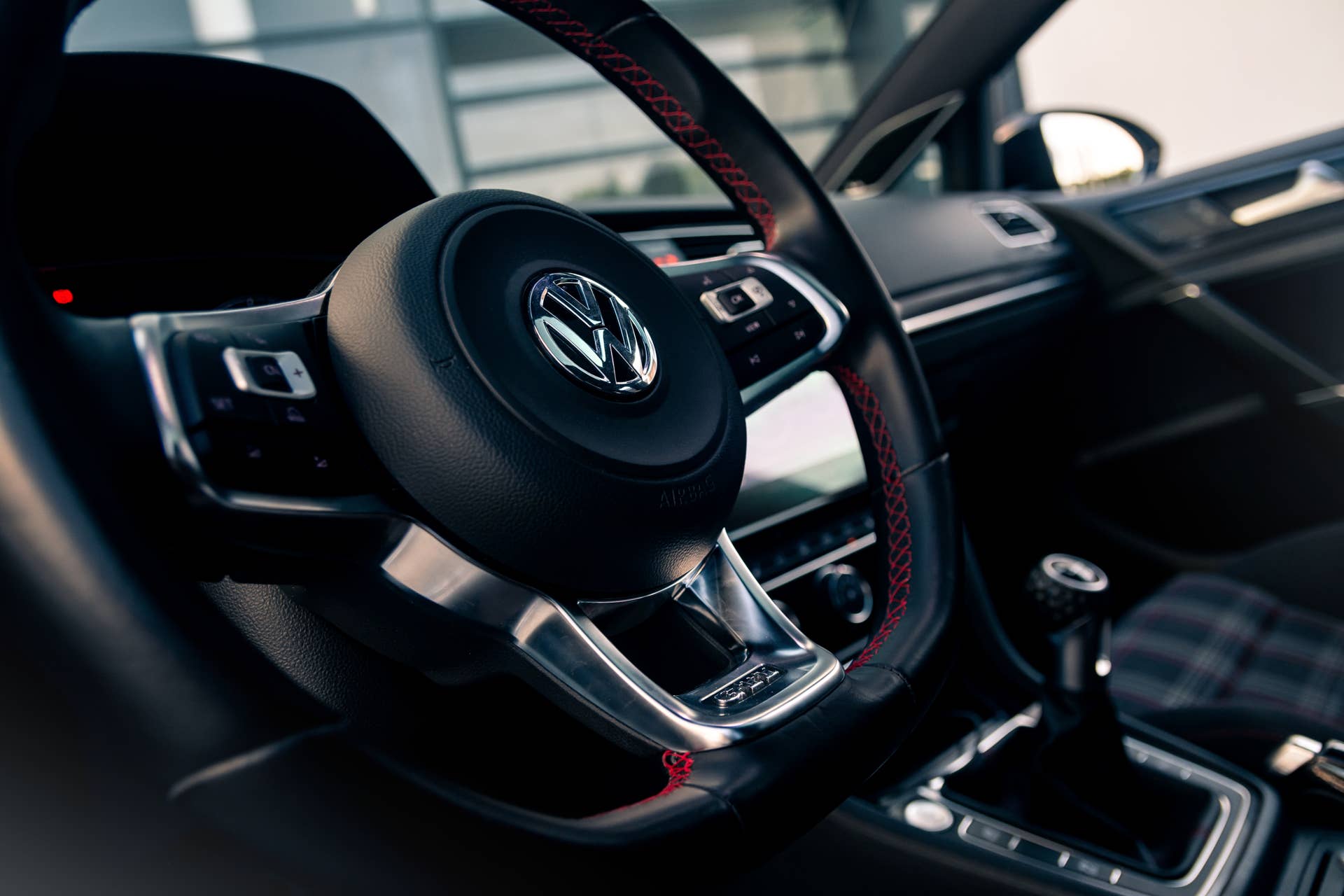
While touchscreens offer versatility and sleek aesthetics, they have come at the cost of usability. Many drivers have criticized VW’s reliance on touch-sensitive controls, particularly for essential functions like climate control and volume adjustment. Mindt emphasized that Volkswagen is committed to ensuring its cars remain intuitive and easy to operate, stating, “It’s not a phone: it’s a car.”
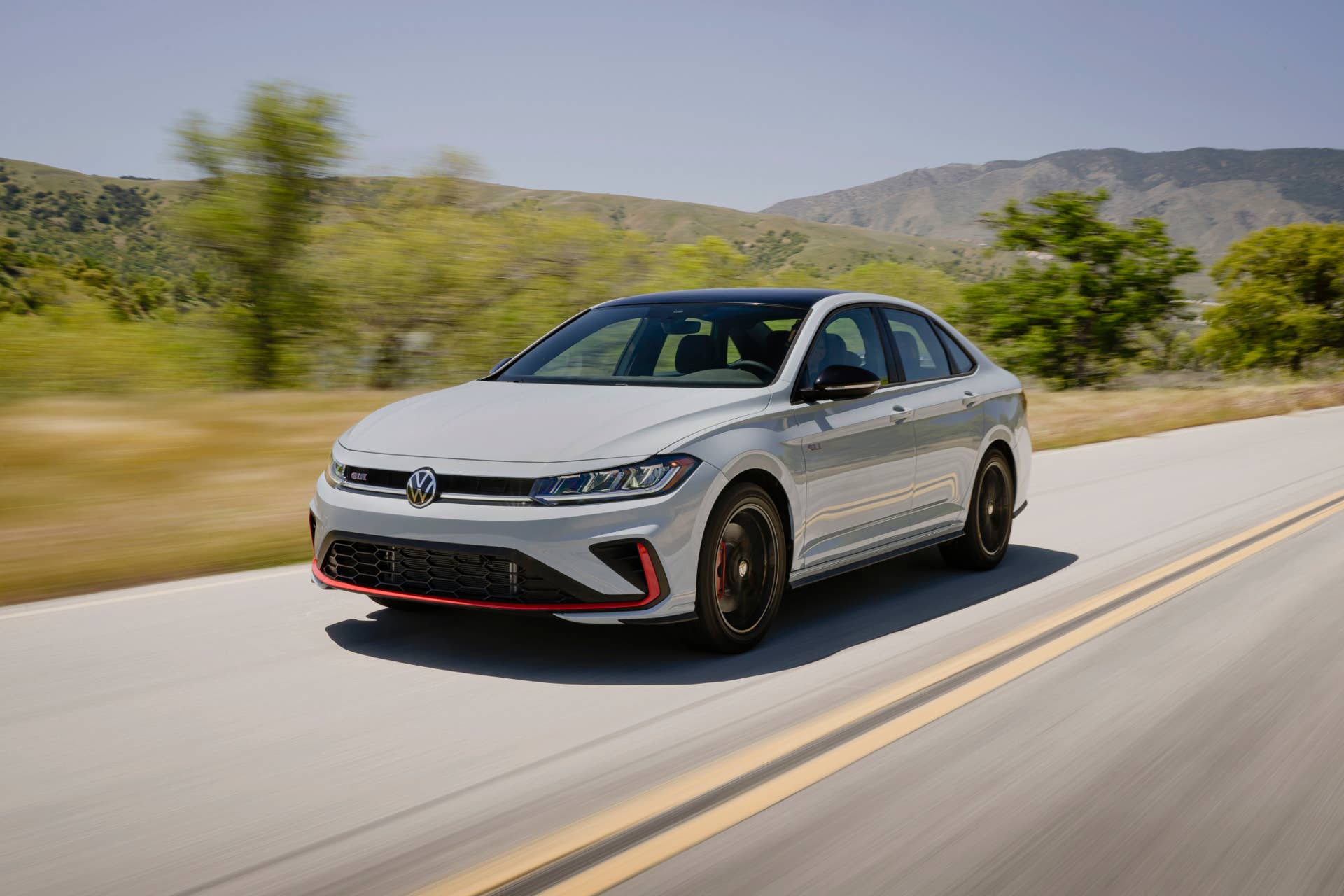
This isn’t the first time VW has acknowledged the issue. CEO Thomas Schäfer made a similar promise in 2023, admitting that the company’s earlier approach was difficult to use. However, this time, there’s a concrete timeline: the transition will begin with the launch of the ID.2all, Volkswagen’s upcoming compact EV, which is expected to enter production later this year and go on sale globally in 2026.
What’s changing?
VW won’t be eliminating touchscreens altogether — they remain necessary for navigation, infotainment, and backup camera functions. However, critical controls like volume, temperature adjustments, and hazard lights will have dedicated physical buttons in all future VW models.
Volkswagen
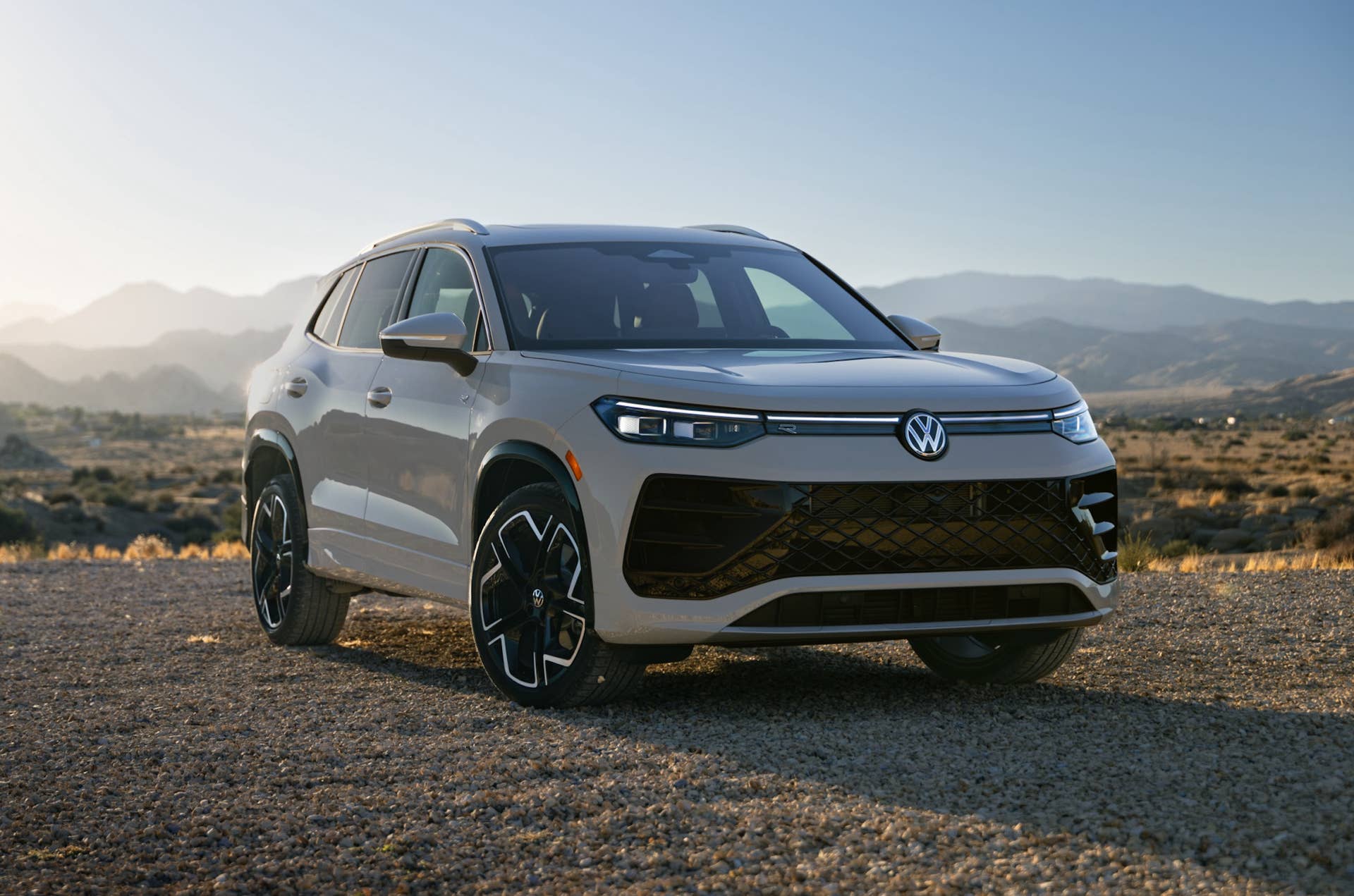
“They will be in every car that we make from now on. We understood this,” Mindt assured. The move is a direct response to customer and critical feedback, acknowledging that the driving experience should prioritize tactile, easy-to-use controls.
The future of VW interiors
The ID.2all — often described as the spiritual successor to the Volkswagen Golf — will be the first model to reflect this philosophy. In the U.S., customers may have to wait until at least 2027 to experience these improvements firsthand. If VW follows through on its promise, it could regain goodwill from drivers frustrated by the industry’s shift toward touch-sensitive everything.
Safety regulations pushing for change
Volkswagen’s decision to reintroduce buttons isn’t happening in isolation. A growing safety movement is pushing automakers to rethink their reliance on touchscreens. Starting in 2026, the European New Car Assessment Program (Euro NCAP) will require physical controls for five critical functions — turn signals, hazard warning lights, horn, windshield wipers and the emergency call (eCall) system — for a vehicle to earn a five-star safety rating.

The move comes in response to studies showing that touchscreens increase driver distraction, forcing motorists to take their eyes off the road for extended periods. “The overuse of touchscreens is an industry-wide problem,” said Matthew Avery, director of strategic development at Euro NCAP. While these regulations don’t yet apply in the U.S., they could influence future safety standards and consumer expectations globally.
Final thoughts
Some automakers, including Mazda and Toyota, have resisted fully touchscreen-based interiors, maintaining physical buttons for key controls. Volkswagen’s decision aligns with this growing shift, potentially positioning the company as a leader in a new wave of driver-friendly car design. For now, driving enthusiasts can celebrate: buttons are back, and hopefully this time, they’re here to stay.
About the author

Elijah Nicholson-Messmer
Contributing Writer, Autoblog